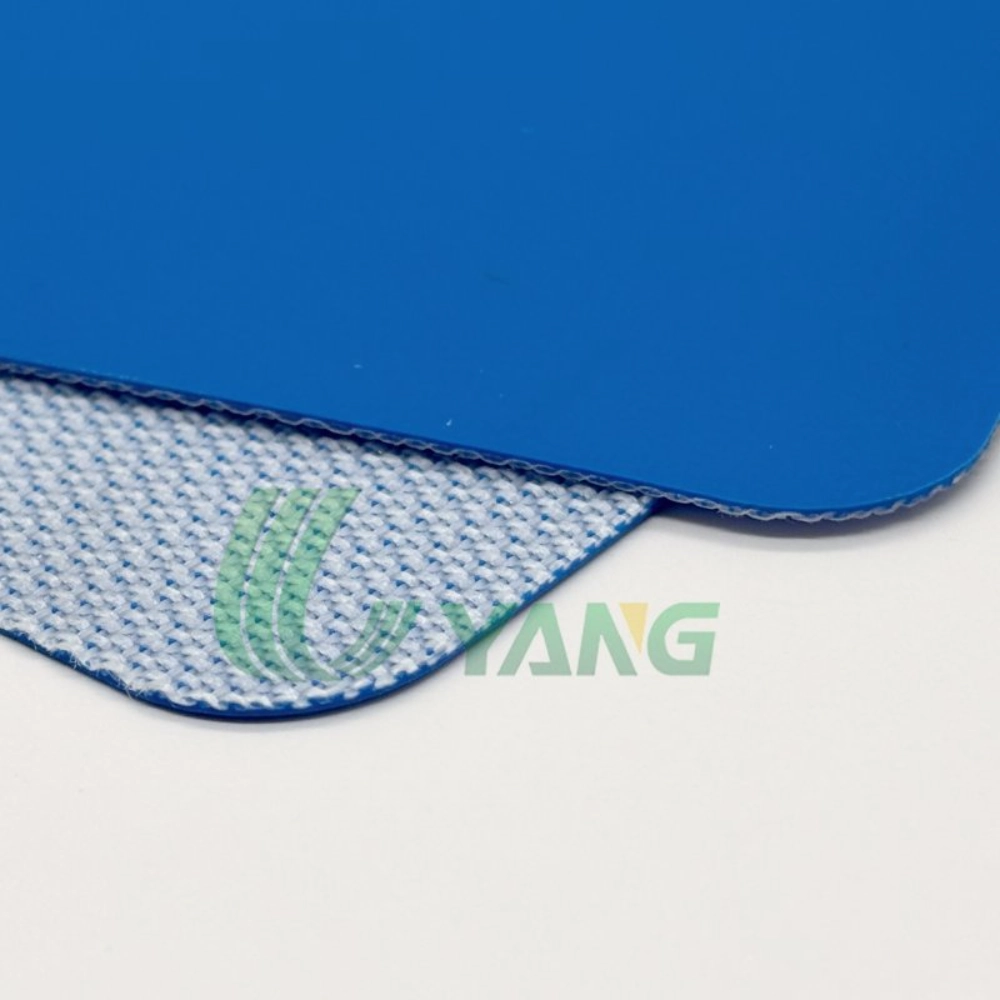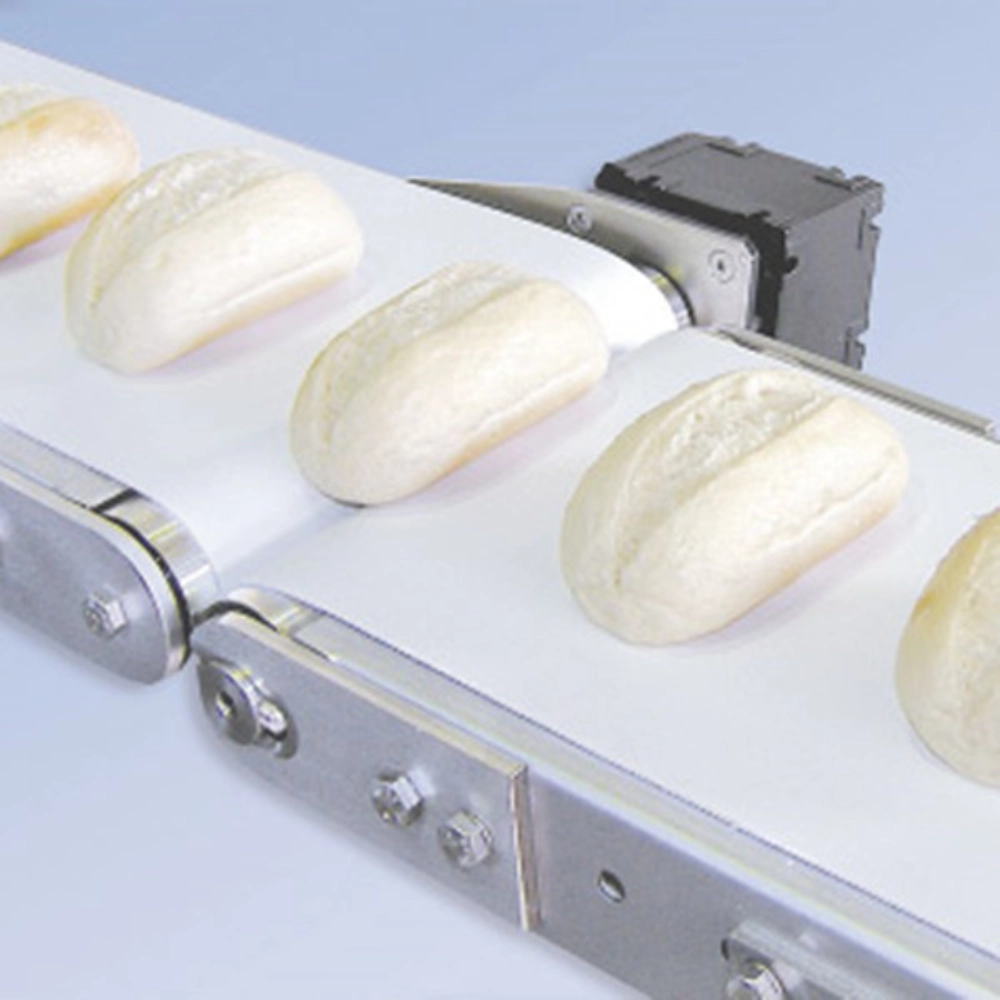
A conveyor system’s strength often depends on the hidden part inside, particularly the fabric carcass that gives it solid support. Most people focus on the PVC cover’s thickness, but the true design work occurs in the tension member. Selecting a solid supplier like UYANG BELTING brings a big change in this area. They go beyond a typical plant; they function as a focused provider with more than 20 years of knowledge and a large 80,000㎡ space. You may review their broad product center or see how they address challenges in different industry applications. To learn more about their 15 modern production lines, their about us page shares the complete details on their 12-month quality promise and worldwide help.

Why Does the Fabric Core Determine the Lifespan of Your PVC Belt?
The fabric core serves as the main support for the whole belt. If this inner frame misses the required power, the PVC layer basically supports useless mass. Strong production depends on the combined action between the polymer sheets and the textile layer to avoid pulling apart. When the core proves weak, the belt stretches out, and this causes alignment problems, which then lead to stops for retightening.
High Tenacity Polyester Monofilament Base
Polyester monofilament changes the game for side firmness. Cheaper twisted threads differ from these single-fiber lines, as they offer a stiff base that holds the belt even on the conveyor frame. This choice stops the “cupping” problem common in broad conveyors, where sides rise and let goods spill over. Consequently, operations run smoother without extra cleanup.
Lateral Stability and Anti-curling Properties
A steady belt remains in place even with uneven loads. Polyester with low shrink rate makes sure that warmth from rubbing does not twist the belt. This firmness explains why expert belts avoid edge curling after months of tough work in storage or production areas. As a result, they maintain reliable performance over time.
Impact of Tension Resistance on Operational Longevity
Tension resistance sets how much pull the belt can take without turning stretchy like rubber. Fabrics with high strength permit slimmer, lighter belts that manage greater weights. This setup lowers the pressure on motors and rollers, and it lengthens the duration of the full mechanical setup, beyond just the belt. Therefore, overall efficiency improves noticeably.
Is Your Current Conveyor Belt Failing Due to Hidden Material Flaws?
Many belts appear the same when fresh from the coil. Breakdowns often begin weeks into service, as heat, oils, or strong hits start to weaken the link between fabric and PVC. Choices based on low cost frequently overlook the ongoing expense of stopped work, which always costs more than the belt price.
Delamination Risks in Low-quality Belts
Delamination takes place when the PVC layer pulls away from the fabric core. This situation creates major issues for cleanliness and protection. It commonly arises because the plant omitted the key bonding substance or applied low-level reused PVC that fails to cover the fabric threads well in the coating step. In turn, this leads to early wear and safety concerns.
Premature Cracking from Inferior Plasticizers
PVC stays stiff on its own and requires plasticizers for bendability. Low-cost belts rely on unstable plasticizers that escape the material gradually. After these elements depart, the belt turns fragile and develops splits. You may spot this as tiny “alligator skin” marks on the face that later hold dust and germs. Thus, maintenance becomes a constant task.
Excessive Stretching and Frequent Downtime Issues
If your upkeep crew adjusts the take-up setup weekly, the fabric core probably hit its stretch boundary. This lasting change shows the belt breaking from within. A strong carcass keeps this extension under 1 percent across the belt’s full service. Hence, it avoids repeated interruptions.
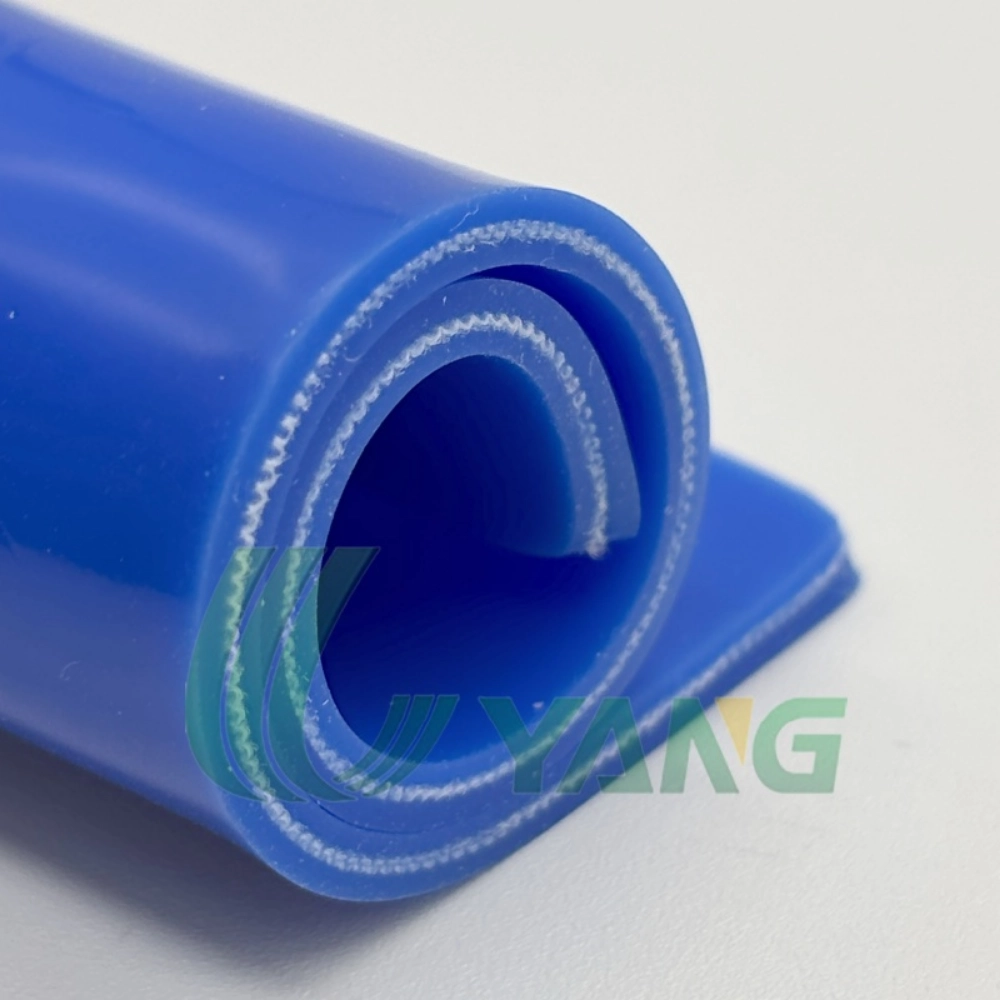
What Makes the Blue Glossy PVC Conveyor Belt a Top Choice for Hygiene?
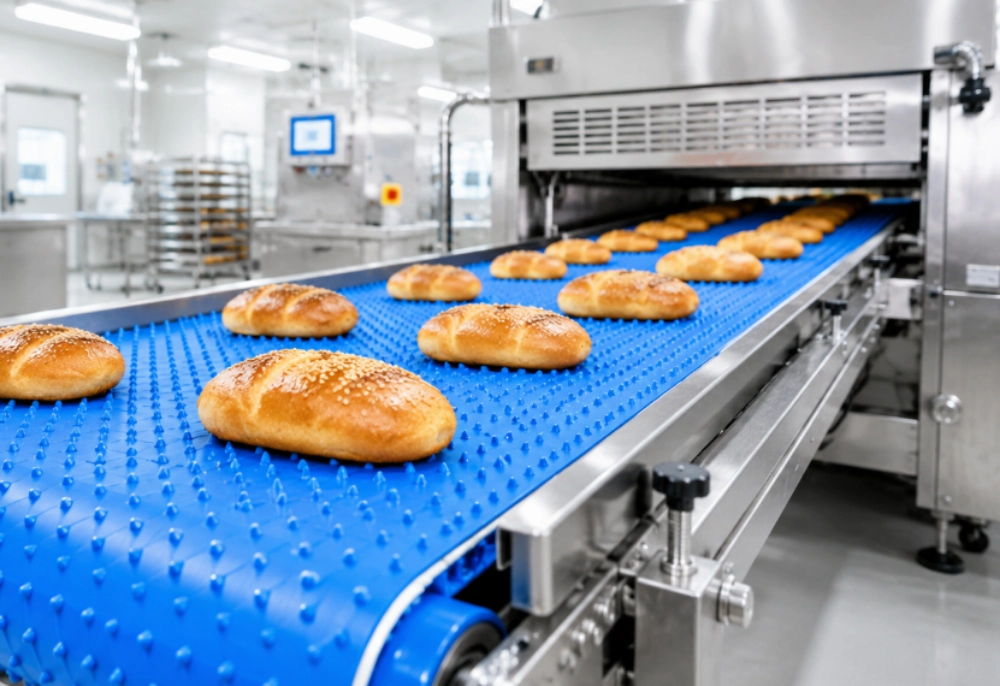
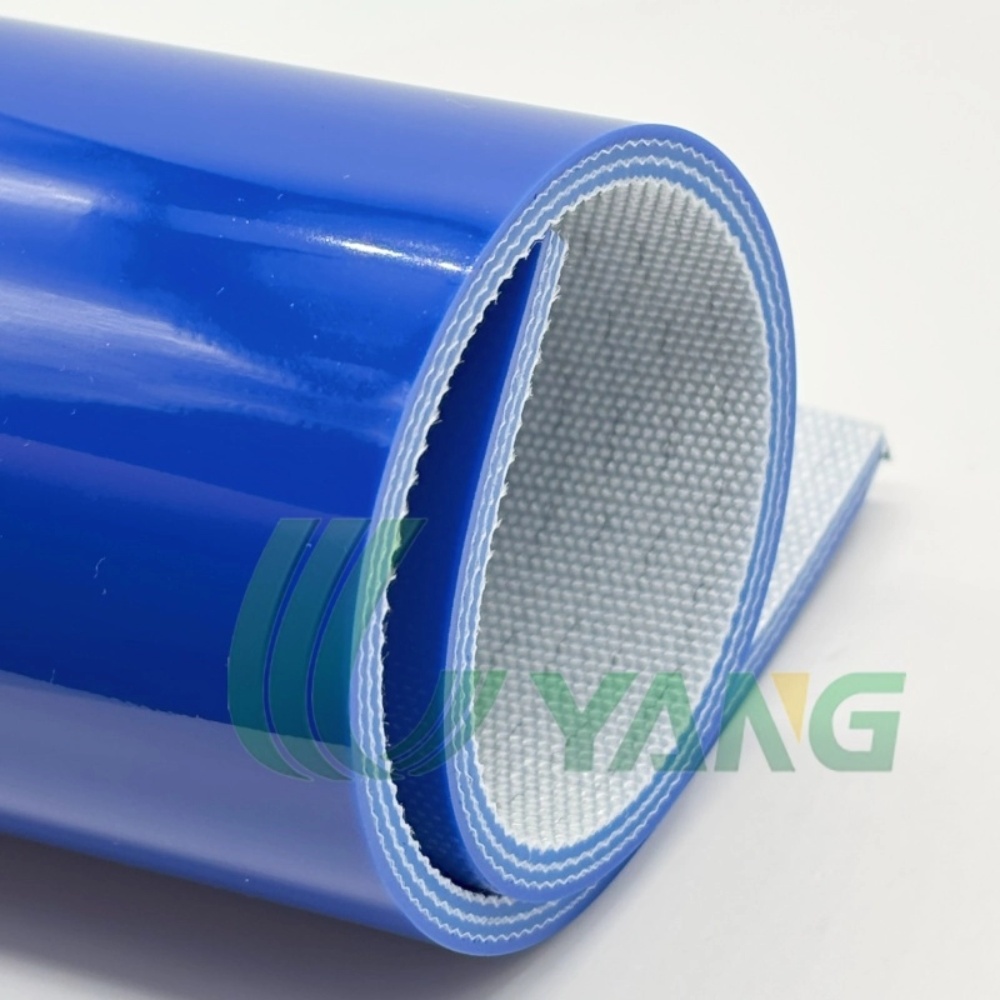
Cleanliness goes beyond simple washing; it involves the material’s power to release waste. The Blue Glossy PVC Conveyor Belt fits areas where purity rules apply strictly. Its surface pull is set to block sticky remains from sticking to the belt firmly.
Ultra-smooth Surface for Easy Cleaning
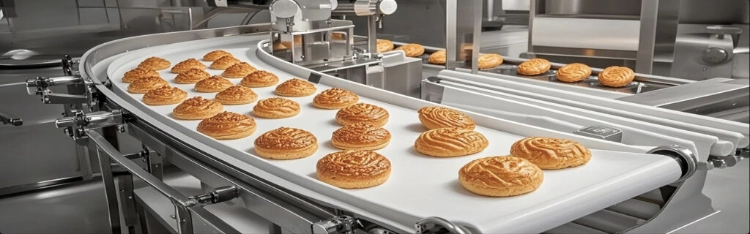
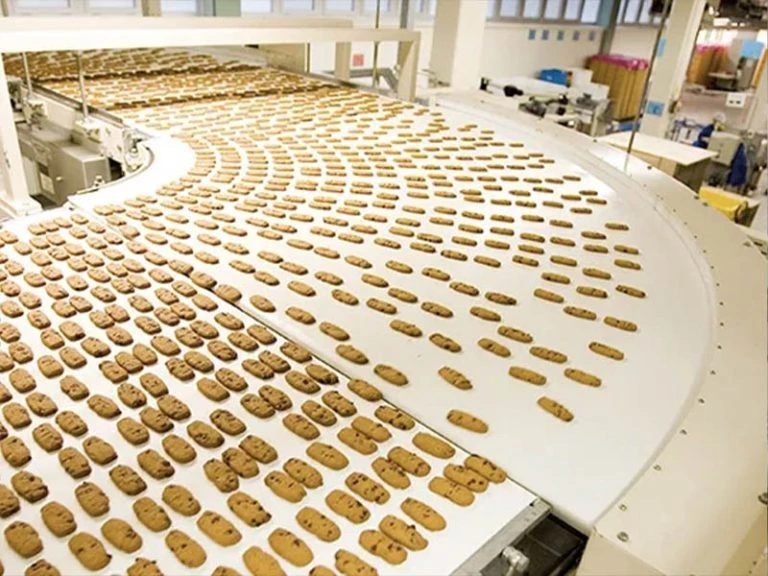
The “glossy” look serves a real purpose. A shiny face has fewer tiny holes where germs can settle. This setup speeds up the cleaning routine and cuts down on water and agent use. In food packing, it reduces work hours each week. Overall, it supports efficient daily operations.
Superior Oil and Chemical Resistance Profile
Oils from treats or fats from meat can expand regular PVC, turning it soft and clingy. This blue belt employs changed PVC bases that block entry. It remains solid and tracks well even with plant oils or usual factory cleaners. Consequently, it handles tough conditions without failure.
Cross-contamination Prevention in Food Processing
The vivid blue shade offers clear contrast to most foods. If belt damage occurs, spotting a blue piece proves simpler than a white or see-through one. This “visual guard” meets needs in current HACCP-approved sites. As such, it boosts safety in handling.
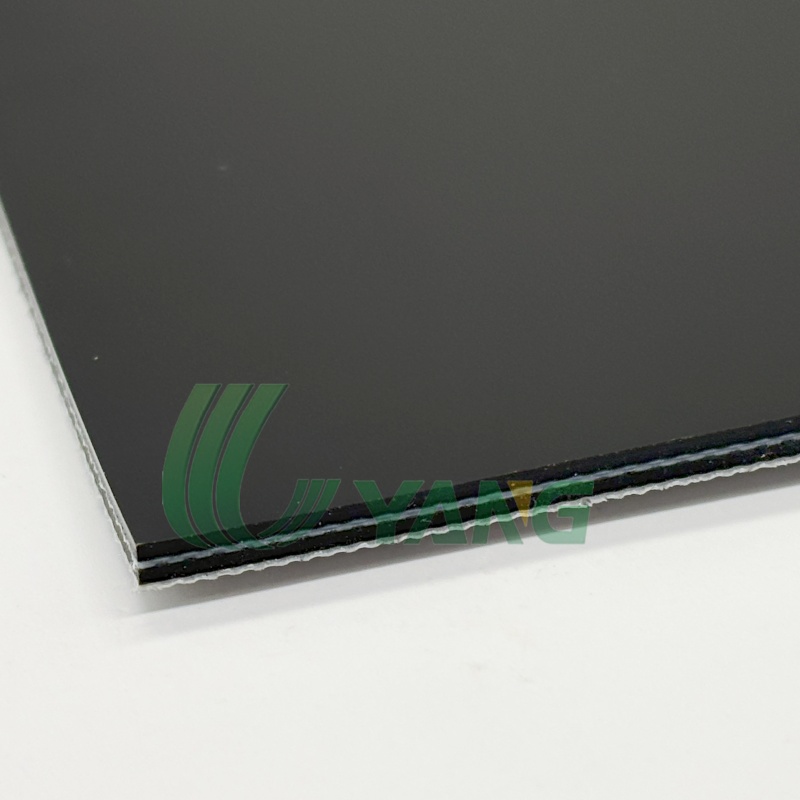
How Does the Black Smooth PVC Conveyor Belt Handle Heavy Industrial Loads?
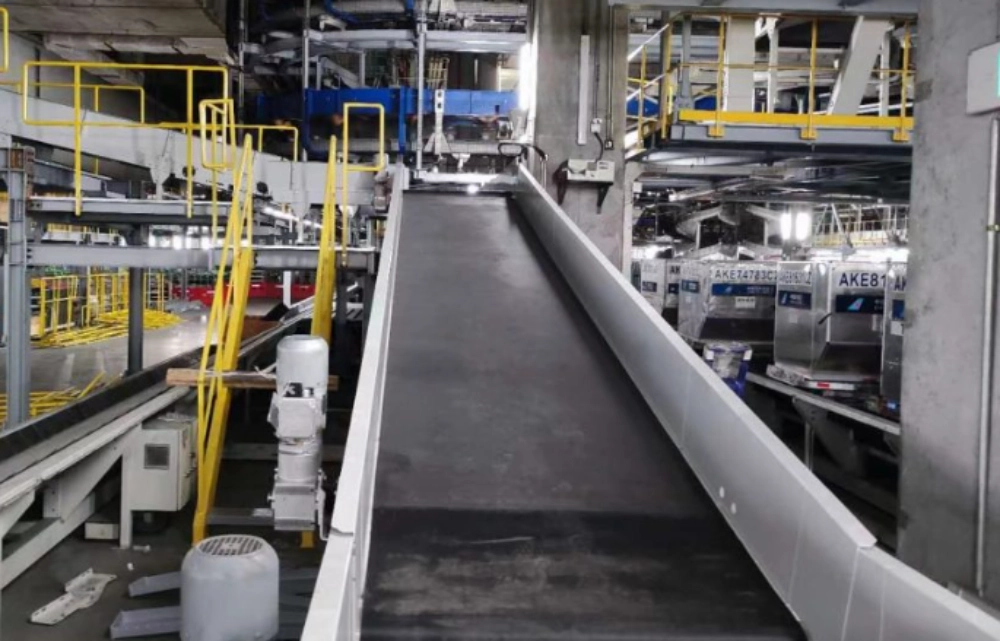
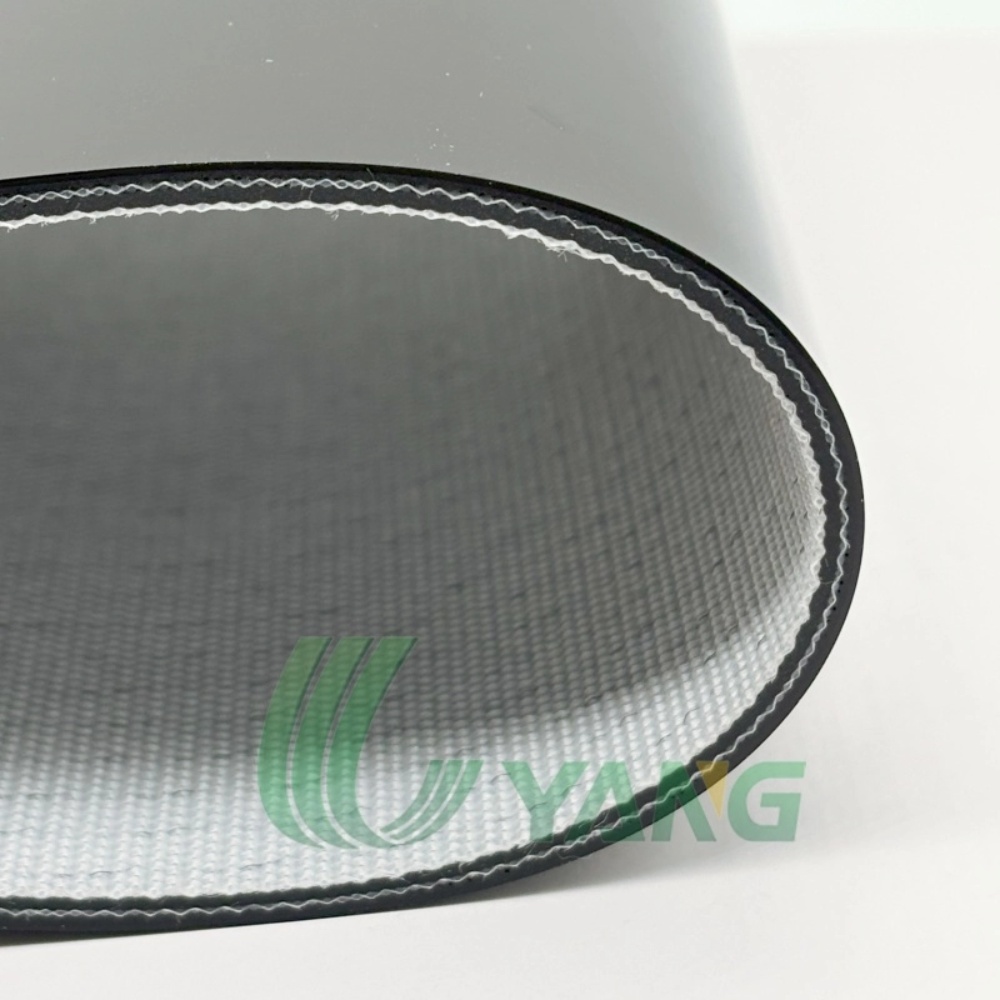
Logistics and basic manufacturing need hold and wear toughness. The Black Smooth PVC Conveyor Belt acts as a reliable tool for package work and build lines. It matches the demand for a durable outside with the bend needed for smaller wheel sizes.
High Coefficient of Friction for Stable Transport
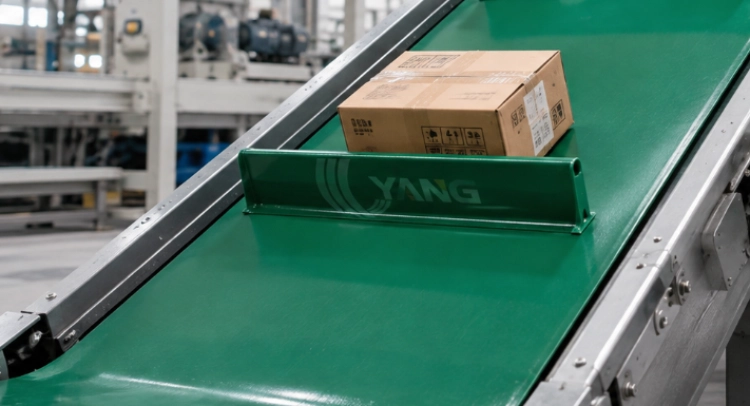
Goods do not slip back on slopes when the PVC mix provides proper hold. The even black face gives enough pull to secure boxes and containers during fast starts or stops on the setup. This feature ensures smooth movement in busy flows. Therefore, productivity stays high.
Robust Wear-resistant Top Cover Construction
Factory settings involve rough elements. Dust, sand, and product slides grind the belt face. This belt uses a denser PVC mix on the upper layer to fight marks and cuts, so the face works longer. In addition, it cuts replacement needs.
Anti-static Features for Electronic and Logistics Sectors
Static power poses risks to parts and sparks in dusty spots. This belt includes carbon threads or anti-static mixes in the fabric to release charges to the ground safely. It is a minor element that stops large tool breakdowns. Thus, it protects key assets.
Which Specialized Additives Enhance the Durability of Professional PVC Belts?
Basic PVC marks the base level. To create “industrial grade” strength, a plant must add certain elements that guard the polymer against setting strains. This resembles a key formula where small parts yield the largest effects on belt action after 5,000 hours.
UV Stabilizers for Aging Prevention
If your conveyor sits near light or outside, UV light will degrade the PVC. UV guards work as a chemical barrier, stopping polymer links from splitting. This keeps the belt bendy and avoids color loss or a rough face. As a result, it extends usable time.
Flame Retardant Compounds for Safety Compliance
Rules in various fields demand belts that do not fuel fires. Flame guards blend into PVC layers to make the belt stop burning if heat from motors or rubs starts. It acts as built-in coverage for the material. Therefore, it meets required standards.
Microbial Growth Inhibitors for Sensitive Environments
Pharma or wet areas need anti-germ adds. These substances mix fully into the PVC, beyond surface coats. They block mold and germ buildup, which matters when the belt holds moisture long. Hence, they ensure clean conditions.
Why Is Uyang Belting the Trusted Partner for High-performance Solutions?
Steadiness arises from steady making. Sourcing from a plant that oversees the full cycle, from fabric weaving to final heat fix, delivers a product that matches spec sheets. It brings calm knowing the belt will not break during busy output times.
Precision Manufacturing and Quality Control Excellence
Each coil faces checks for pull strength, even thickness, and layer stick. With 15 automatic lines, worker mistakes drop low. You get a belt that runs true, level, and set to operate, which shortens the start-up phase. In this way, setup eases quickly.
Tailored Industry Applications for Global Markets
From the 2026 Canton Fair tech aims or EU green rules, output fits worldwide calls. They offer fixes for machines to special fabrics, matching chemical and physical needs of your area. This adaptation supports broad use. Consequently, clients gain fitting options.
Professional Technical Support and After-sales Commitment
A belt performs best with right setup. Through 24/7 line aid and a 12-month quality promise, help arrives if alignment troubles arise. Access to far checks using images or clips keeps stop times to minutes, not days. Thus, work resumes fast.
FAQ
Q1: Can I use a PVC belt for high-temperature applications?
A: Standard PVC usually handles up to 80°C. For anything higher, you might need a specialized compound or a shift to materials like Silicone or Teflon, though PVC is great for general ambient temperatures.
Q2: How do I know if my fabric core is failing?
A: Look for “necking,” where the belt becomes narrower and longer. If you have run out of adjustment on your tensioning bolts, the core has likely lost its structural integrity.
Q3: Is the blue glossy belt suitable for raw meat?
A: Yes, the smooth surface and oil-resistant PVC are designed for hygiene. However, for direct contact with very fatty raw meats, some prefer a TPU homogeneous belt for even better resistance to animal fats.
Q4: What is the benefit of an anti-static belt in logistics?
A: It prevents static shocks to workers and protects sensitive sensors on the sorting line from being fried by accidental electrical discharges.
Q5: How long does a typical PVC belt last?
A: With a high-quality polyester core and proper maintenance, a belt can easily last 3 to 5 years, though this varies greatly depending on the load, speed, and environment.