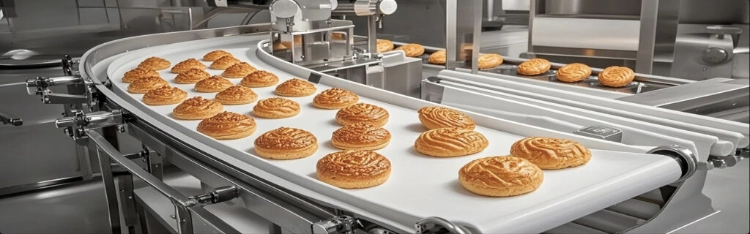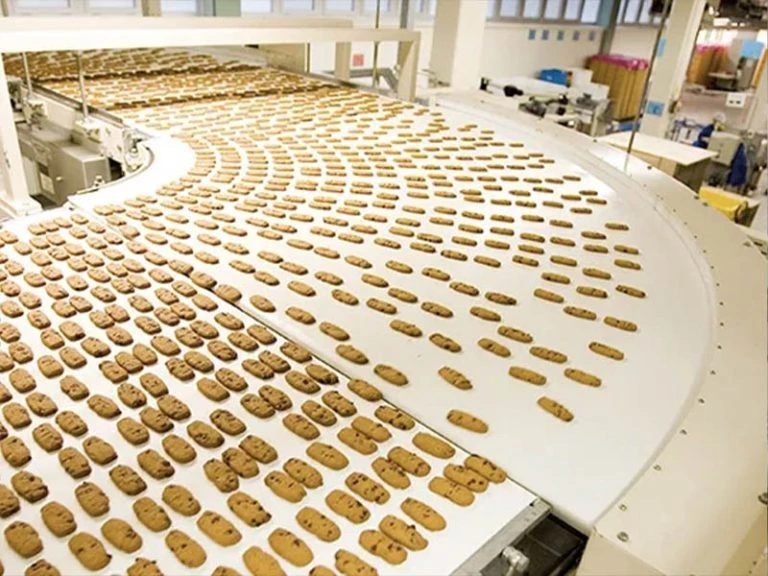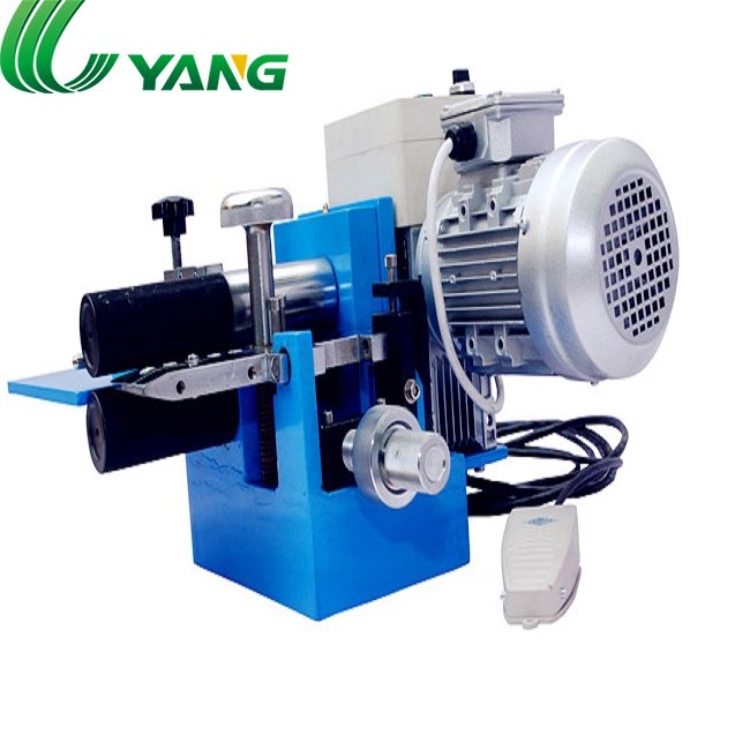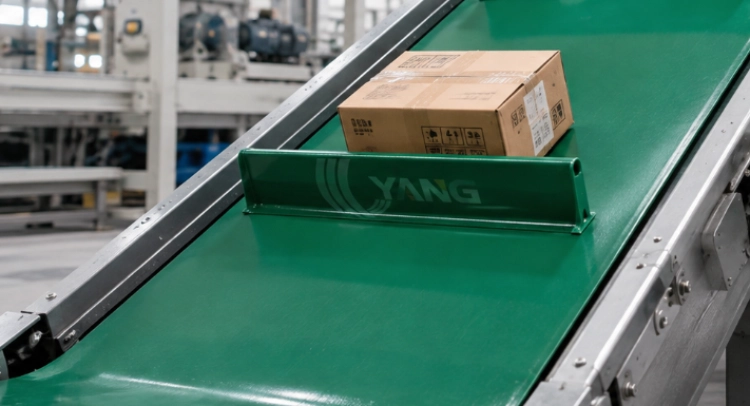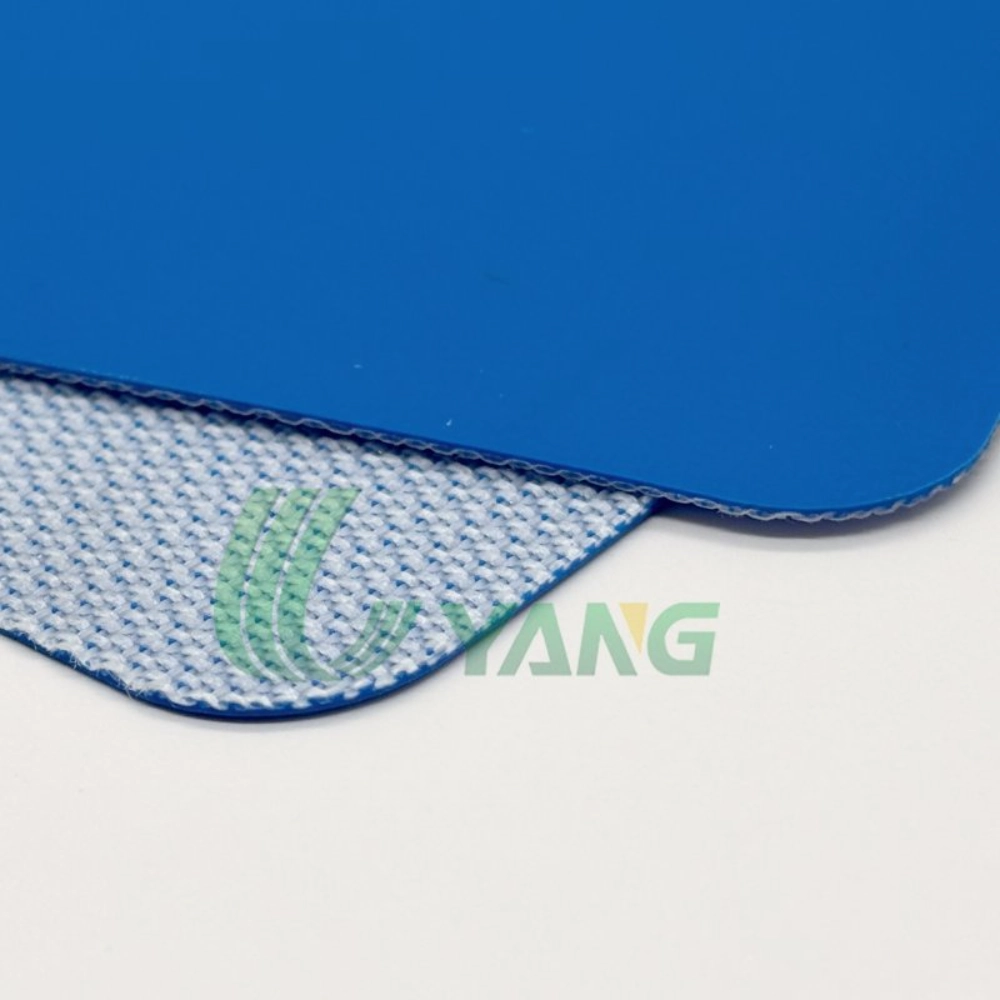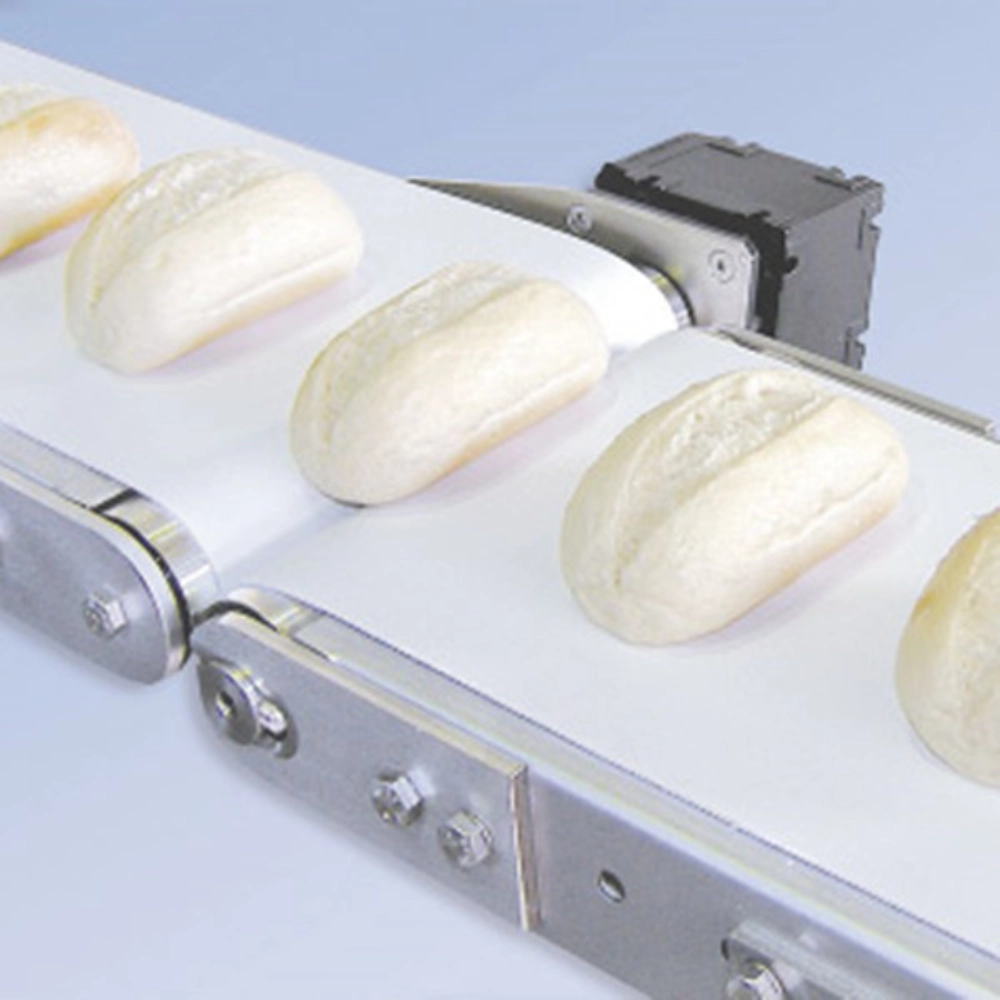
Food safety in a bakery often depends on hidden factors. Most plant managers pay attention to oven heat or raw material sources. Yet, the actual face of a conveyor belt serves as a key spot for germ buildup. Fast production setups in factory bakeries need materials that manage dough separation while keeping a clean space. As a long-time player with more than 20 years of practical knowledge, UYANG BELTING runs a large 80,000-square-meter plant with 15 modern assembly lines to tackle these cleanliness issues. This maker goes beyond sending belts; they offer full-system design that connects machine output to worldwide food rules. If you face ongoing buildup or inspection failures, their product center gives a focused look at strong business uses.
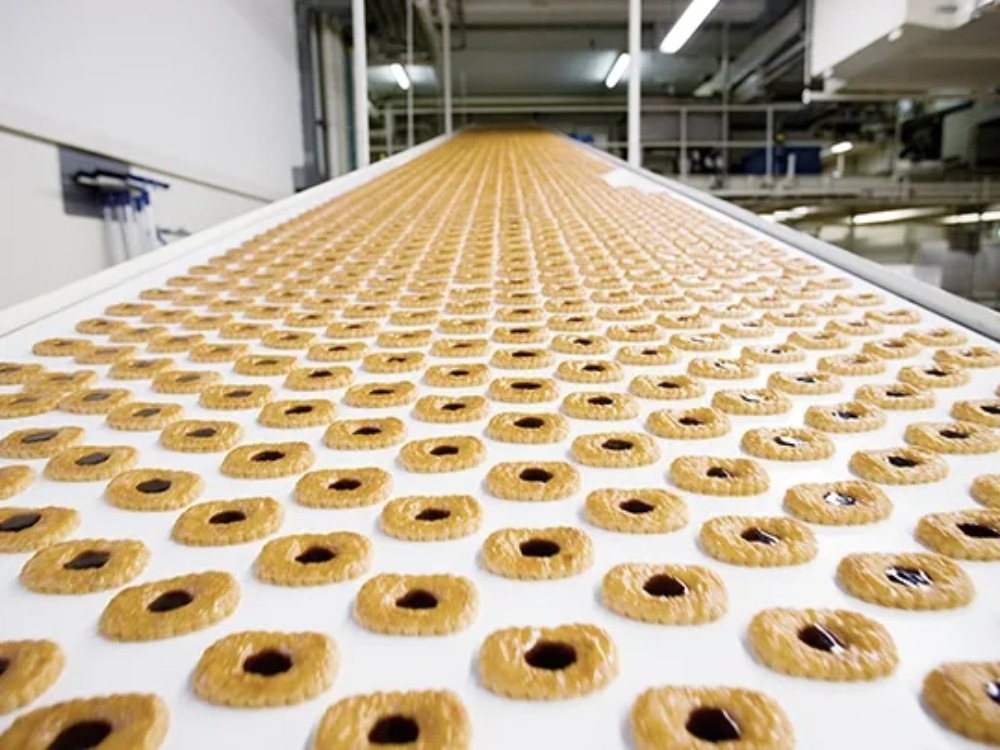
Why Does Surface Texture Matter in Bakery Food Safety?
Picking a belt face involves more than looks or basic transport. In a bakery, how dough meets the PVC sets how much leftover bits stick after each cycle. When a pattern runs too deep or forms unevenly, it turns into a spot where yeast and germs thrive.
Microscopic Food Traps in Low-Quality Belts
Many basic belts have small dips or uneven holes that stay out of sight. Flour particles and oils gather in these spots. As a result, they form a sticky film that fights off regular wipes. With time, these held bits break down. This process causes spotty dirt that hits whole runs of loaves or treats.
Bacterial Growth Risks from Dough Residue
Dough holds plenty of water and nutrients. This makes it ideal for germ spread. If a belt face does not let go of the dough well, the stuck patches harden. They become tough to scrub off. Without a uniform face or a carefully shaped pattern, chances of Salmonella or Listeria rise a lot in the work area.
Impact of Surface Abrasion on Hygiene Standards
Routine use can shift a flat belt to a bumpy one. When the outer layer of a basic PVC belt starts to tear or split, those marks become fresh spots for germs. Plants that care about clean ratings must pick belts with solid wear resistance. This choice supports steady hygiene levels.
How Do Different PVC Textures Influence Dough Release Performance?
Various dough kinds, from wet sourdough to greasy biscuit blends, react with PVC in distinct manners. Choosing the incorrect grip level can cause bunching or leave a thin film on the belt.
Anti-Sticking Properties of Diamond and Matte Finishes
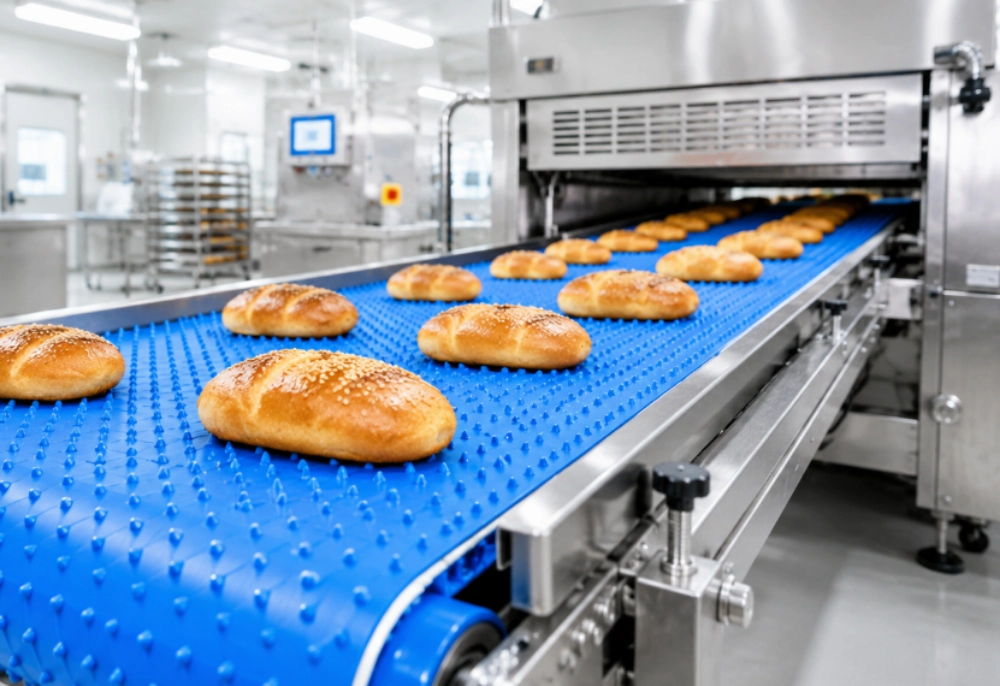
A flat matte face cuts the touch area with dough. This aids in smoother release. Diamond shapes or fine raised patterns also raise the item a bit. They let air disrupt the pull that wet dough creates. Such physical split is key for keeping fragile shapes intact.
Friction Coefficients for Stable Dough Transportation
A too-slick belt lets dough shift on starts or slopes. This leads to uneven gaps. The face must hold enough to carry the item. At the same time, it needs some slide for easy drop-off. Top makers balance this well, unlike basic ones.
Influence of Pattern Depth on Flour Accumulation
Strong patterns offer good hold, but cleaning them proves hard. In dusty flour settings, a light, exact-shaped face works better. It gives needed pull without letting flour jam into lines. Over time, packed flour forms a sticky mess.
Is Your Conveyor Belt Material Compatible with Flour and Fats?
The makeup of your PVC belt counts as much as its form. In candy lines, oils from plants or animals can make regular PVC expand or weaken.
Oil Resistance of Specialized PVC Compounds
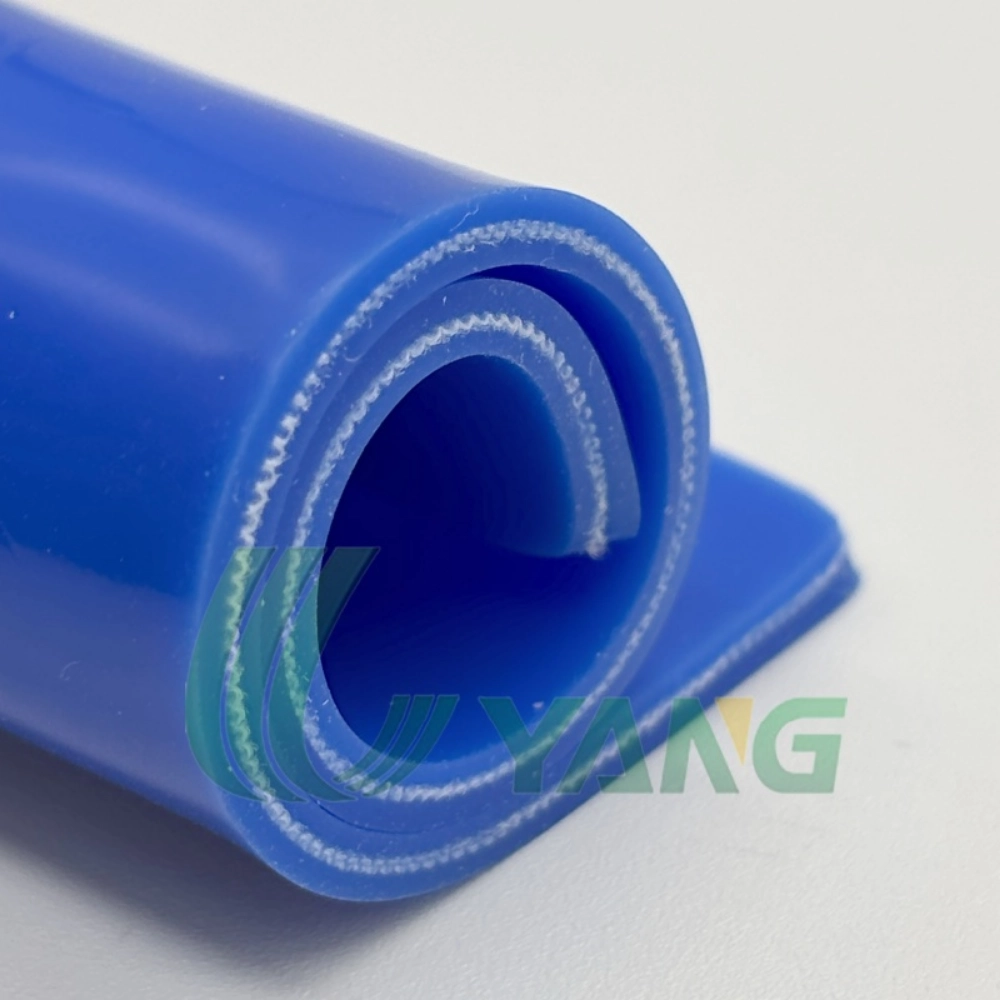
Bakery items carry lots of fats. Basic work belts do not handle this well. You require a mix built to block oil soak into layers. Uyang’s PVC Conveyor Belt-Polyester Fabrics shows this clearly. It holds size steady amid fat contact.
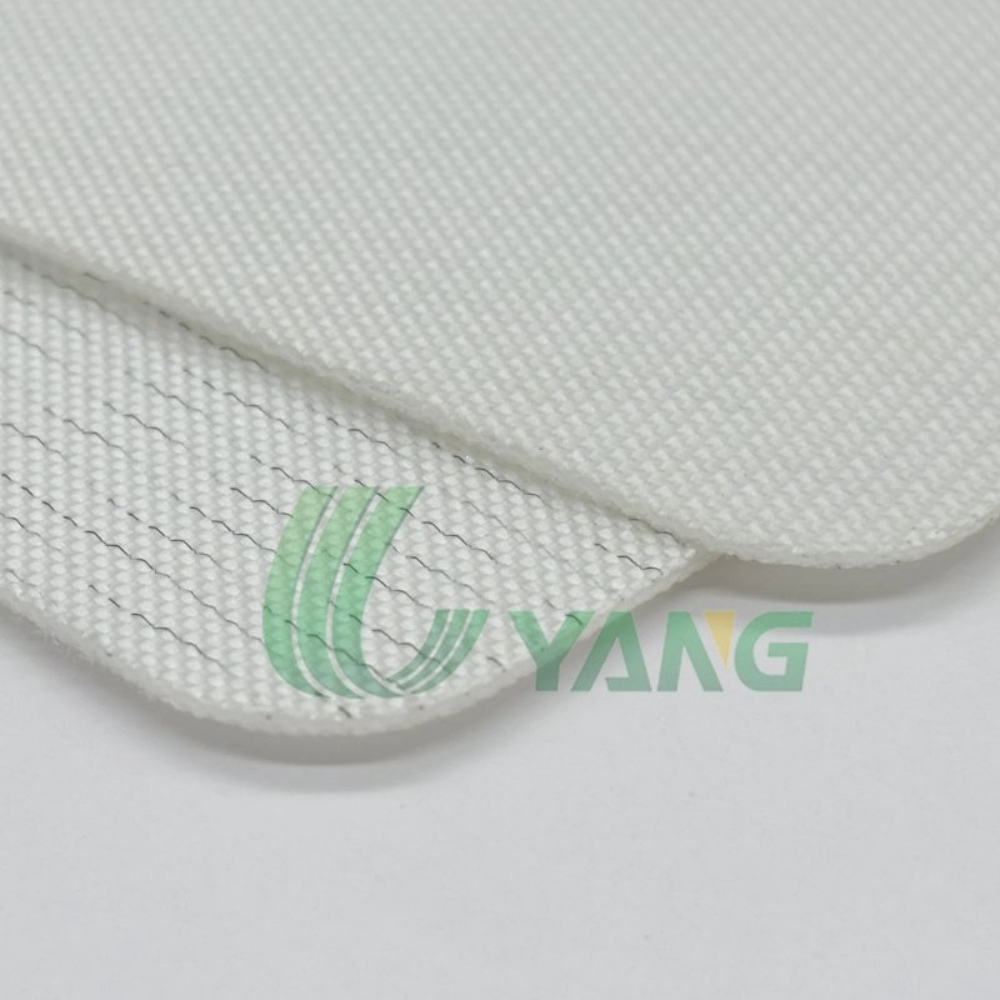
Antimicrobial Additives for Long-Term Bakery Sanitation
New material advances let germ-fighting agents mix into PVC. These do not skip cleaning duties. Instead, they add backup by slowing germ growth on the face between runs. This helps keep sanitation strong over shifts.
Food Grade Compliance with FDA and EU Standards
Always check papers, not just supplier claims. A belt needs FDA and EU 10/2011 matches for legal food use. These approvals block bad additives or chemicals from moving to treats or loaves.
Why Should Bakeries Choose Cotton Top PVC Belts for Delicate Pastries?
For touchy dough that dislikes moisture from plain plastic faces, a mixed method often fits best. The pick affects the end feel of the baked item.
Breathability Features of Uyang Cotton Top PVC Belts
The PVC Conveyor Belt -Cotton Top uses a special cloth face that lets dough vent. This matters in chill lines or rising steps. There, trapped wet under dough can spoil the base layer.
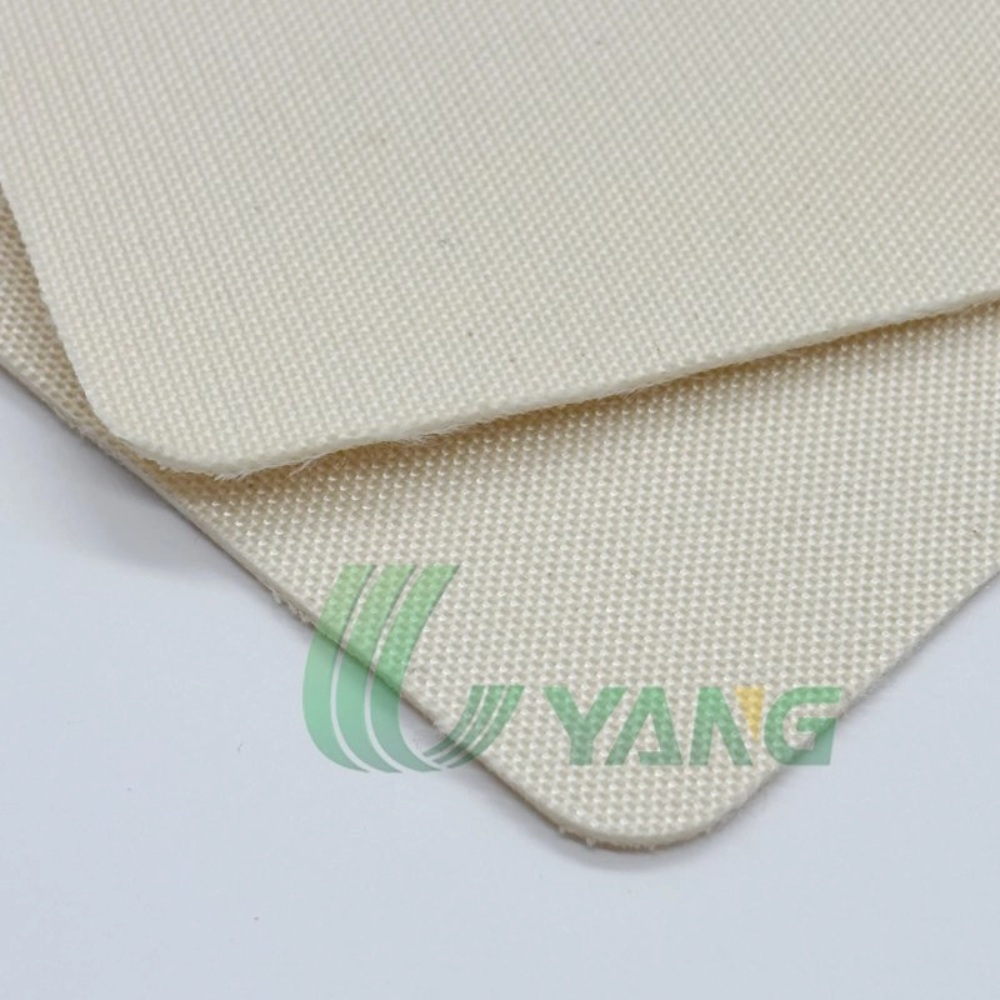
Natural Release Characteristics for Sticky Dough
Cloth strands give a built-in release that plastics sometimes miss. For sugary doughs that stick hard, the cloth face buffers well. It keeps the item whole at each hand-off.
Heat Dissipation Benefits in Cooling Sections
Fresh from ovens, pastries must lose heat fast. A full PVC belt traps warmth like insulation. This leads to damp bases. The cloth face spreads heat better. It quickens cooling and raises output.
How Do Polyester Fabric Inlays Enhance Performance in Confectionery Lines?
In busy candy setups, belt lengthening harms accuracy. If it stretches in a run, your cut and add tools misalign. This wastes lots of product.
Dimensional Stability of Uyang Polyester Reinforced Belts
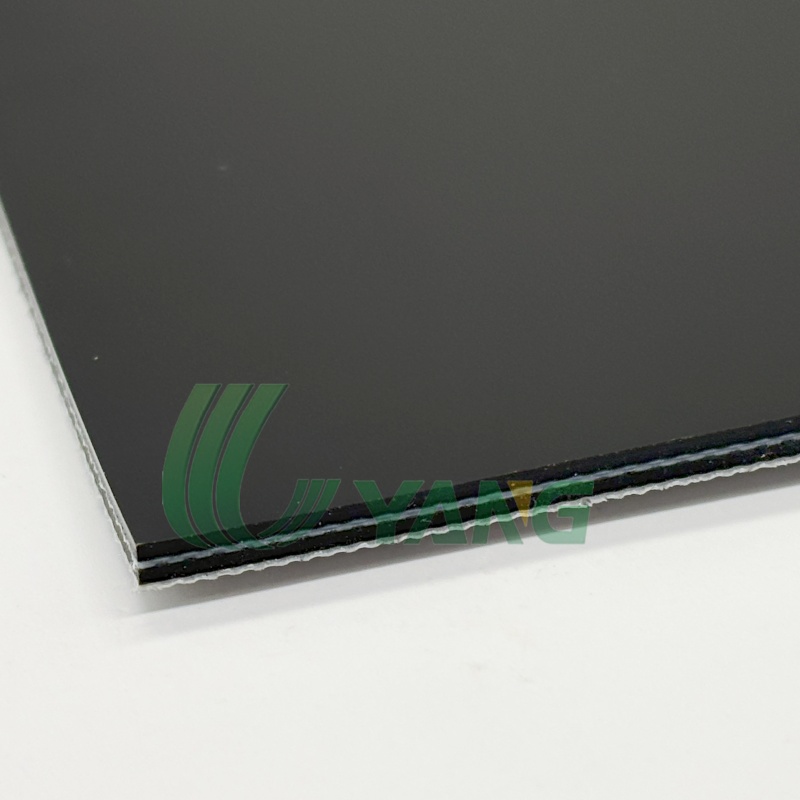
Strong polyester cloth inserts keep the belt at fixed length under weight. This side firmness lets a specialized bakery belt track straight. It stops edges from rubbing the frame raw.
Lateral Stiffness for Precise Product Positioning
Placing chocolate or fruit on moving cookies needs exact spots. A belt that twists or waves under pull ruins aim. Quality polyester layers form the firm base that holds PVC level and sure.
Tension Resistance for High-Speed Biscuit Processing
Current lines move quick. They pull hard on belt joins. A backed belt takes more strain without splice breaks. This fixes a top reason for surprise stops in old plants.
Why Is Uyang Belting the Leading Partner for Global Bakery Chains?
Teaming with a maker that oversees all steps from base materials to end build gives a big edge. It brings steady quality that small sellers cannot reach.
Advanced Manufacturing Technology and Material Innovation
With 15 assembly lines and heavy R&D push, new food-safe options stay in focus. This skill leads to belts that run slimmer, tougher, and simpler to wash than usual ones.
Custom Fabrication Services for Specific Bakery Needs
Each bakery setup varies. You may want set grips, walls, or edge seals to block germs from cloth cores. Tailor building is routine here. It shapes the belt to your setup, not vice versa.
Proven Track Record in International Food Grade Certification
Goods ship to world markets, so ISO and food-safe approvals stay strict. This wide view tests belts against hard rules. It eases worries at every check.
FAQ
Q1: Can I use high-pressure water to clean cotton top PVC belts?
A: It is generally not recommended as high-pressure water can saturate the cotton fibers, leading to long drying times and potential mold issues. Wiping with a damp, food-safe cloth is the better approach for fabric-top materials.
Q2: How does a matte surface help with sticky dough compared to a glossy one?
A: A glossy surface creates more surface tension and a vacuum effect with the dough. A matte surface has a micro-roughness that breaks this tension, allowing the dough to lift off much more easily.
Q3: Is PVC better than PU for bakery applications?
A: It depends on the application. PVC is excellent for general bakery needs and offers great value, while PU (Polyurethane) is often preferred for its superior oil resistance and higher abrasion limits in meat or very heavy-duty confectionery.
Q4: What is the benefit of edge sealing on a bakery belt?
A: Edge sealing prevents flour, fats, and water from wicking into the inner polyester fabric layers. This keeps the belt “homogeneous” in its hygiene profile and prevents internal bacterial growth that you can’t see or clean.
Q5: Do Uyang belts work with metal detectors?
A: Yes, most food-grade PVC belts are designed to be compatible with standard industrial metal detectors, ensuring that no belt fragments or external contaminants go unnoticed in the final product.