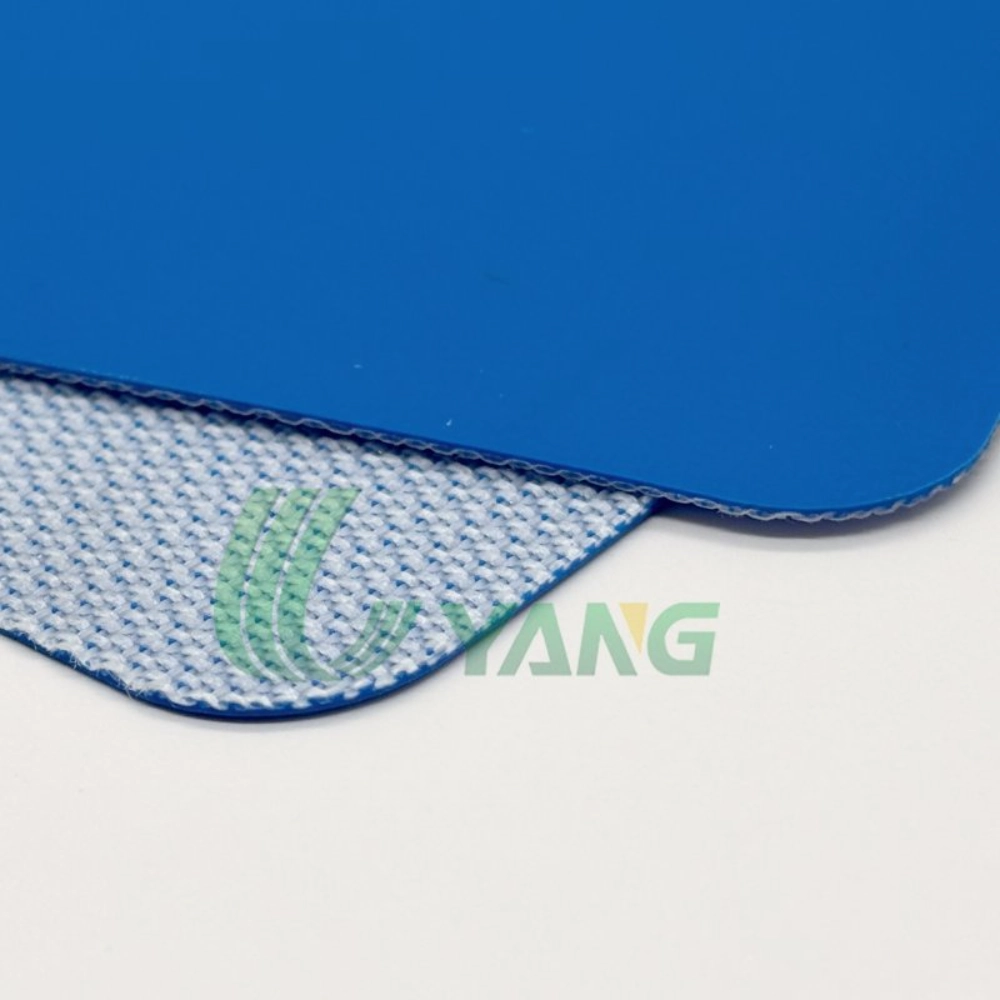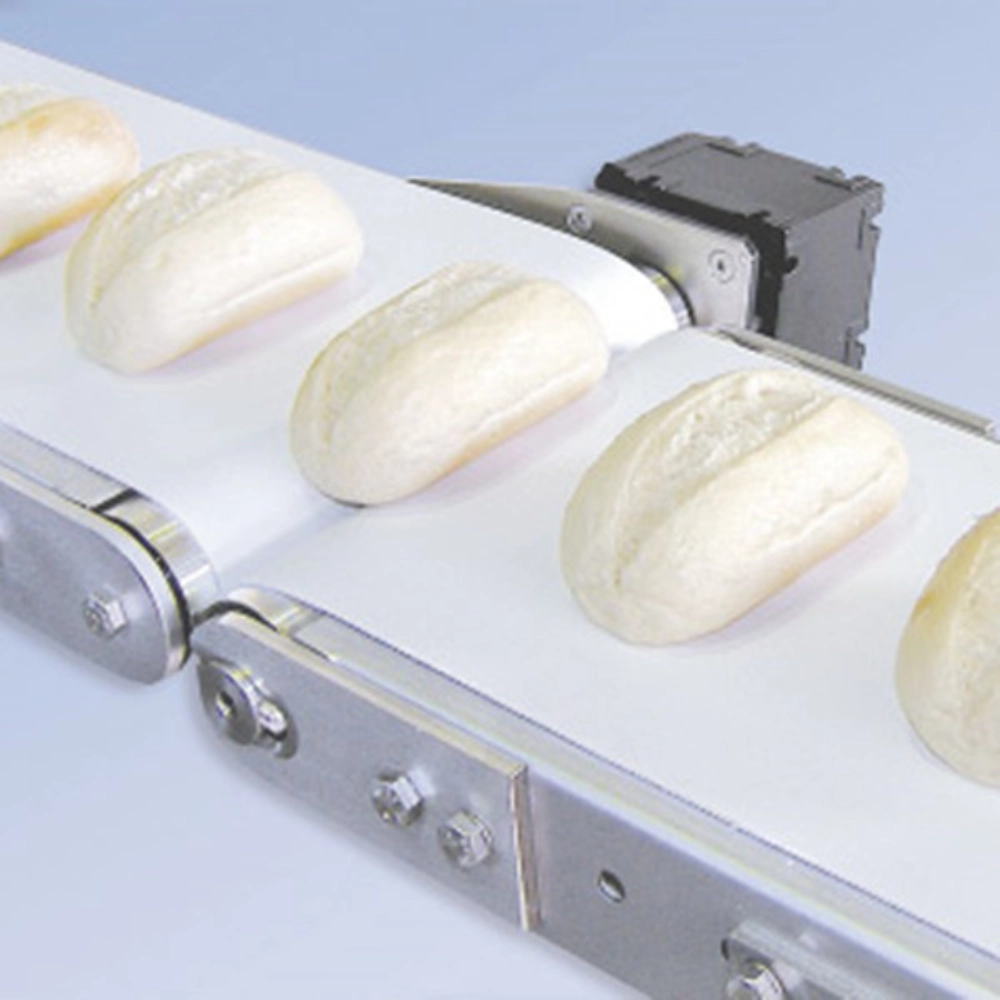
Picking the proper PVC conveyor belt ranks as a vital choice that affects your operation’s reliability and food handling rules. By spotting typical buying errors, you can dodge expensive stoppages and prolong the use of your factory gear. This overview covers seven key errors in belt picking—from material mismatch to texture errors—and presents effective options to support your process.
When seeking a solid supplier, UYANG BELTING emerges as a top option with more than 20 years of knowledge and a large 80,000-square-meter plant. The company runs 15 modern assembly lines, so each belt follows tight ISO guidelines. Whether you require a basic PVC conveyor belt or a tailored industrial application fix, their expert group offers practical help based on years in production. You gain straight entry to manufacturing excellence without dealer troubles.

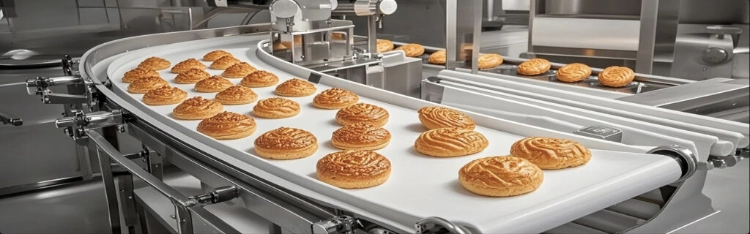
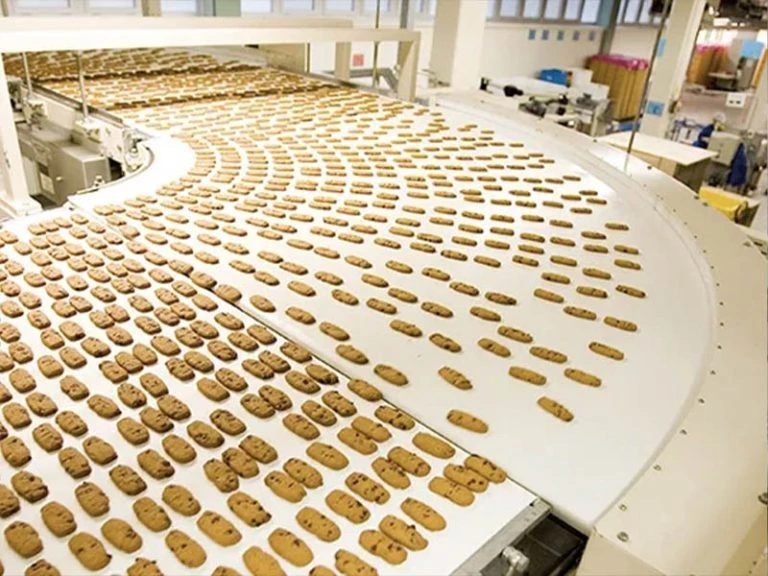
Why Is Ignoring Food Grade Certifications a Critical Risk?
Choosing a belt mainly by cost often results in materials that release bad substances. In food handling, low-cost items typically spell trouble since non-matching PVC can spoil your whole load.
Absence of FDA and EU Compliance
Numerous vendors state food-safe claims yet miss real proof to support them. Without confirmed FDA or EU approval, your site faces audit failures and high recall expenses. These issues can disrupt operations quickly.
Risk of Chemical Migration into Food
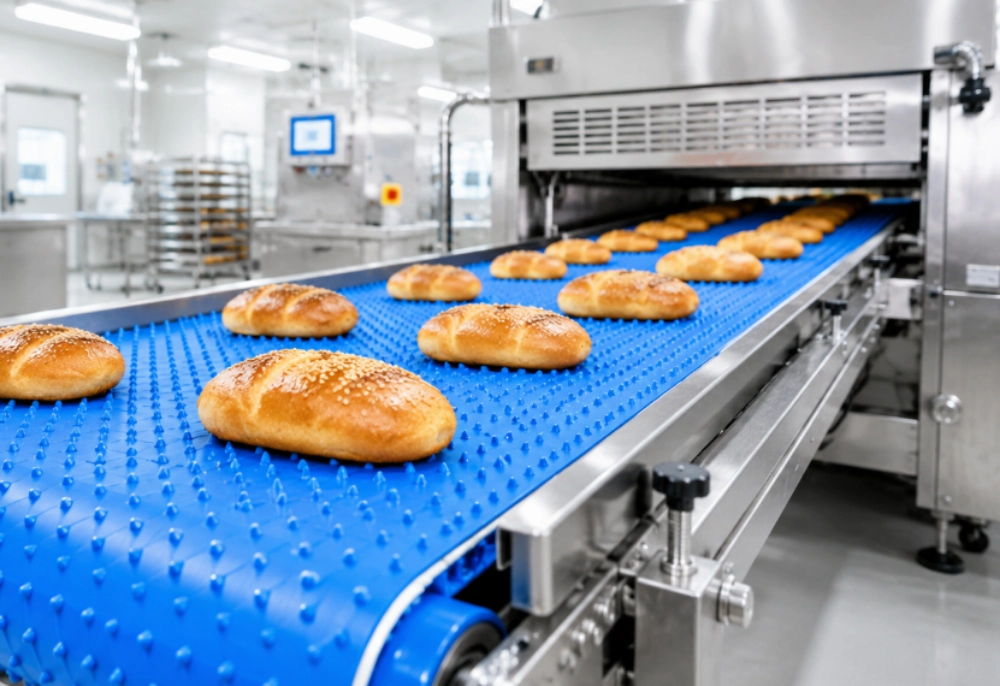
Regular PVC holds additives that could seep into oily or sour foods. Better food-safe belts employ targeted mixes that trap these elements within the belt build. This setup maintains product purity over time.
Impact on Long-Term Consumer Safety
Protection goes beyond current runs; it builds ongoing confidence. Opting for approved materials stops germ buildup and harmful buildup during steady work. Such choices safeguard users for extended periods.
How Does Choosing the Wrong Surface Pattern Impact Efficiency?
The belt’s feel controls how smoothly your goods travel. A flat surface appears flexible, but it usually underperforms on slopes or with slick items.
Misalignment of Texture and Product Grip
When hold lacks strength, items slip back; when it grips too much, washing turns difficult. Aligning the slide level to your exact goods ensures steady flow. This match boosts daily output without hitches.
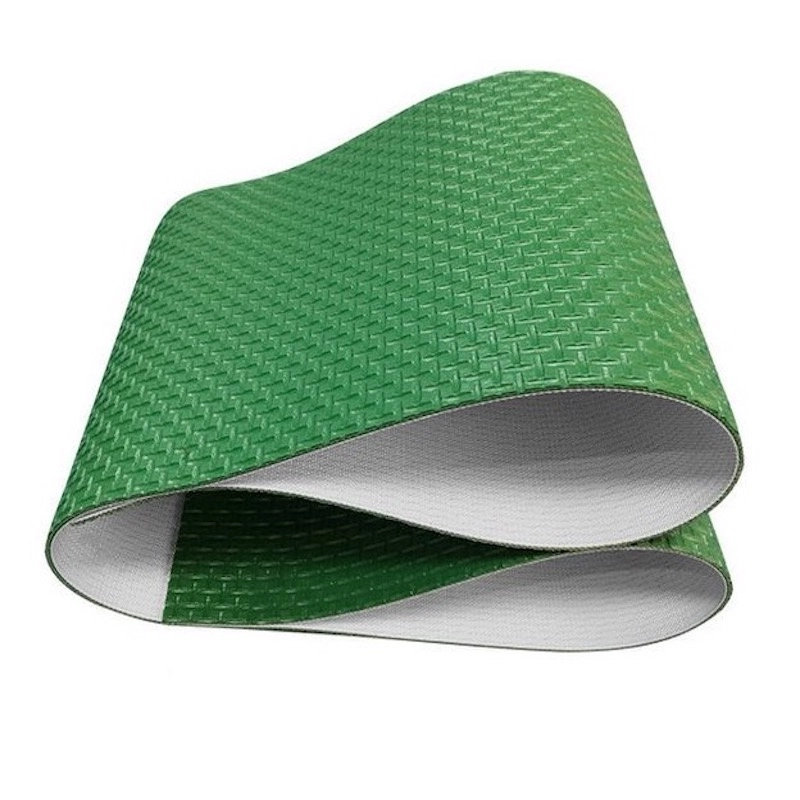
Advantage of Lattice Pattern for Steep Inclines
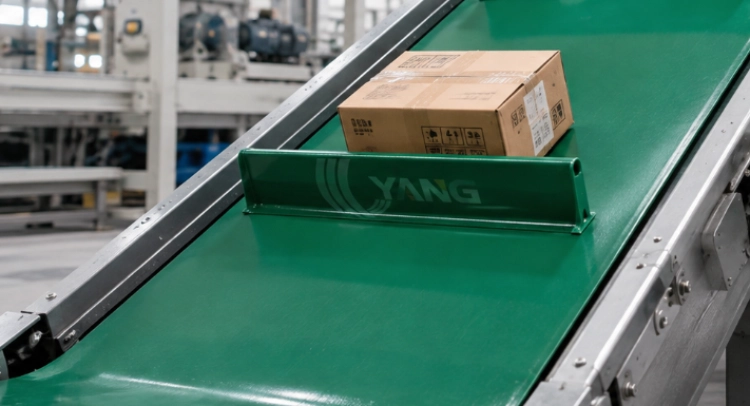
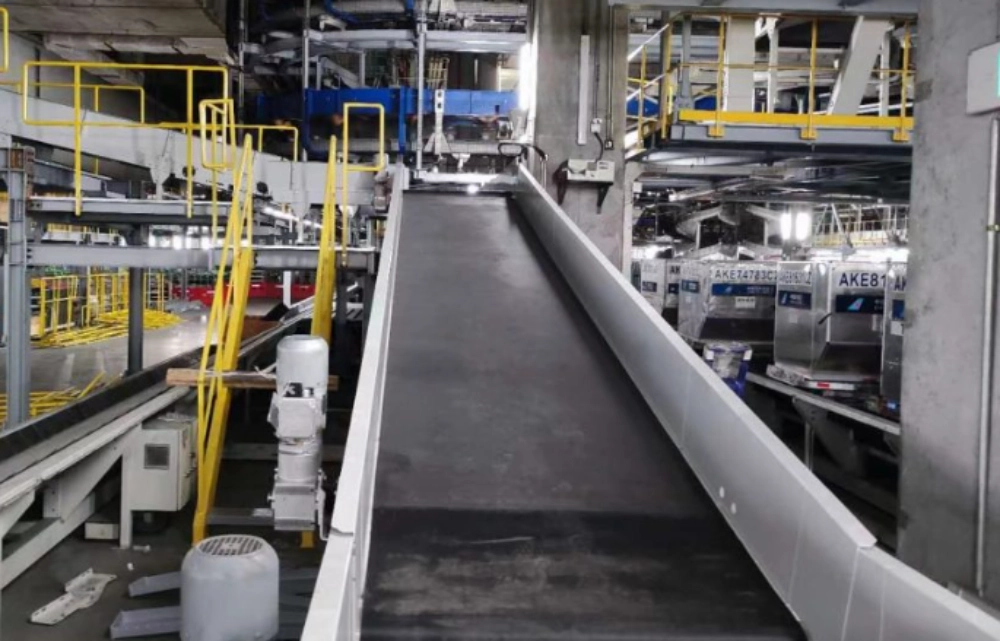
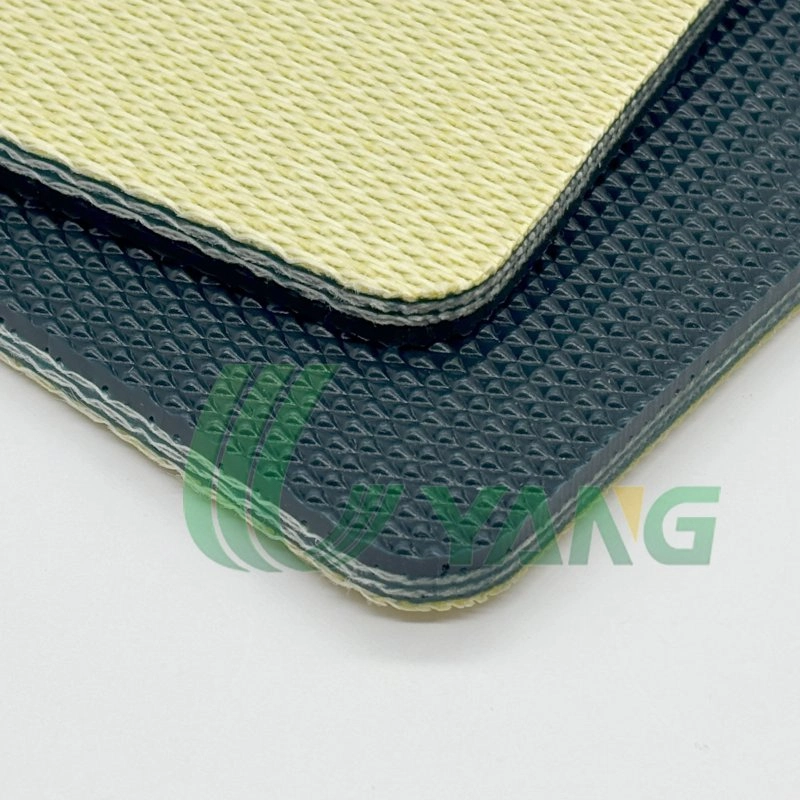
For tasks with loose loads or sharp rises, the Lattice pattern PVC Conveyor Belt delivers the needed hold to block slips while sparing the item face. It handles tough angles reliably. Operators value its consistent performance in demanding setups.
Performance of Golf Top Patterns in High-Friction Scenarios
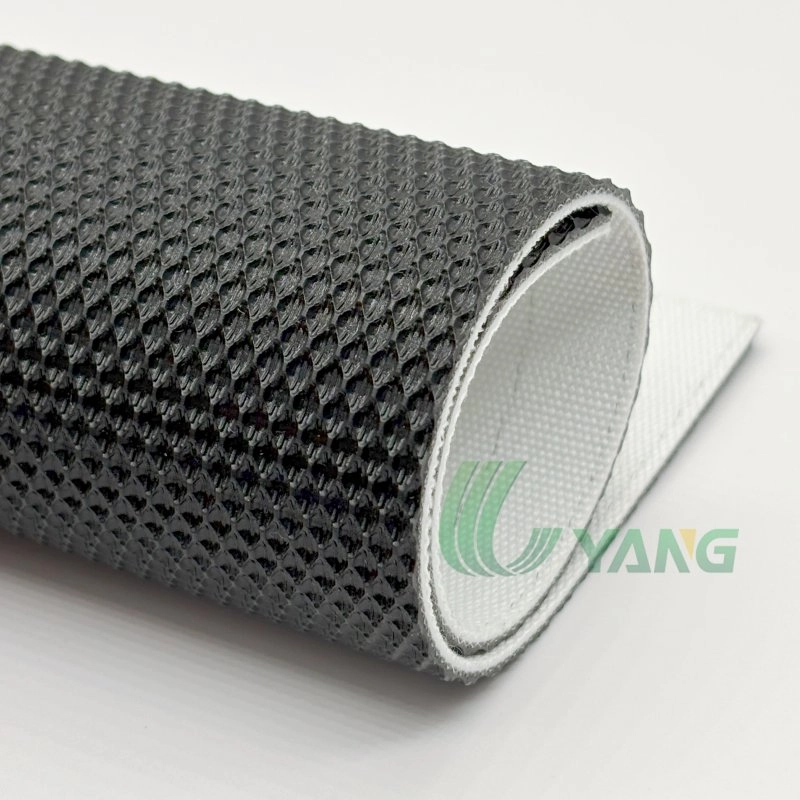
In exercise and basic factory areas, targeted feels count a lot. The PVC Conveyor belt-Golf Top-Cotton fabric Bottom shows how a focused texture manages quick slide in treadmills and cuts sound. It suits fast-paced uses well. This design keeps runs smooth and quiet.
Is Incorrect Fabric Reinforcement Shortening Your Belt Life?
Folks check the outer layer but ignore the inner frame of the belt. The cloth layers within the PVC set the load it bears before pulling or breaking.
Structural Weakness of Low-Quality Plies
Weakly made polyester or cotton sheets cause “belt pull,” so you adjust tightness often. In time, the belt thins out and fails to stay aligned. This leads to frequent fixes and early swaps.
Benefits of Cotton Fabric Bottom for Quiet Operation
In spots needing less noise, like fitness rooms or calm storage areas, a cotton base offers a gentle contact with the frame and lowers the steady buzz from full synthetic types. It creates a peaceful work space. Users notice the difference in daily tasks.
Longevity of Multi-Ply PVC Construction
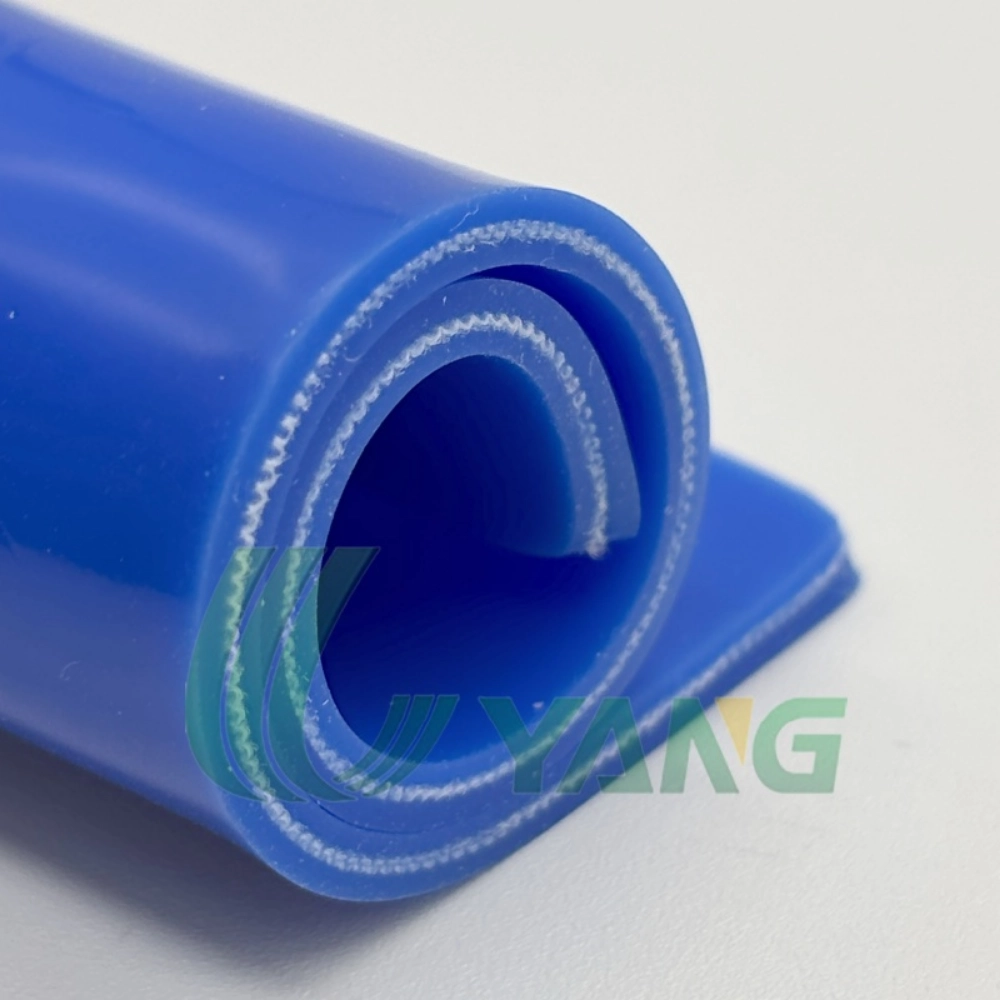
A solid belt layers several tough cloth sheets. This setup spreads weight evenly and stops edge curls after short use. It ensures the belt lasts longer under normal loads. Reliability improves with this approach.
Why Do Buyers Overlook Chemical and Oil Resistance Needs?
PVC holds up well in general, but some oils and greases work like thinners. If your line involves plant oils or factory lubes, a basic belt will expand and split soon.
Accelerated Degradation from Industrial Lubricants
Lubes enter the PVC gaps and turn the belt hard. Once stiff, it breaks at rollers and hides germs or grime. This speeds up wear and raises health risks in processing.
Superiority of Petrol Low Grip Marble PVC Belts
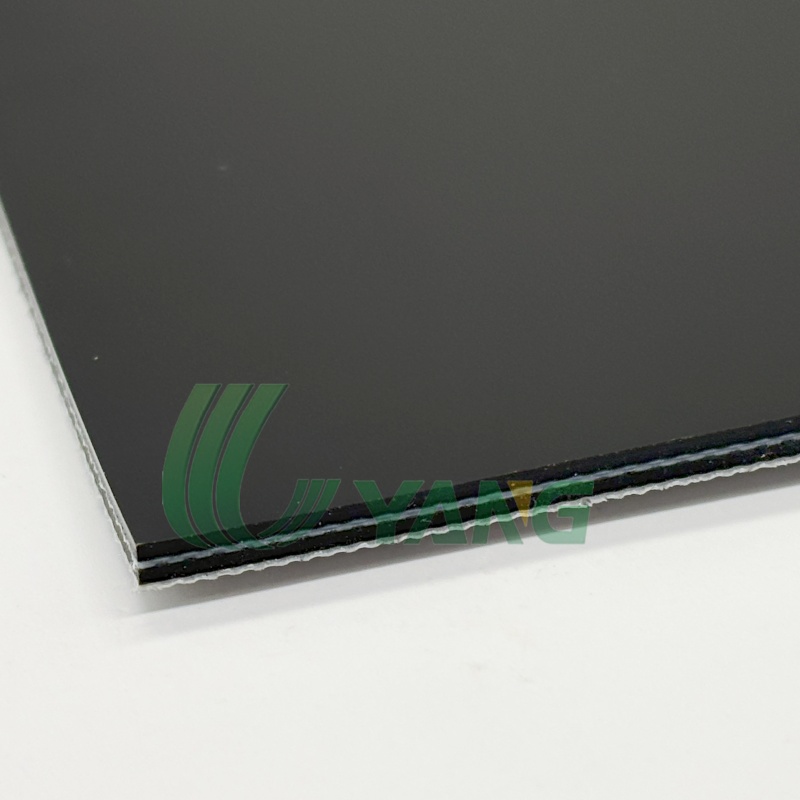
In rough fields like rock work, belts face water and greasy remains. The Petrol Low Grip Marble PVC Conveyor belt gets made to fight these tough settings without losing path control. It performs steadily in wet, oily spots. This makes it ideal for such heavy duties.
Maintenance Savings through Proper Material Matching
Starting with a tough belt halves your swap costs. You cut time on urgent fixes and focus more on making goods. This choice pays off in the long run for efficiency.
Are You Neglecting the Importance of Anti-Static Properties?
Buildup of electric charge acts quietly in various plants. When parched goods brush the belt, they gain power that shocks delicate parts or starts fires in powdery areas.
Hazards of Static Electricity in Dry Environments
In packing or parts assembly, a charge burst can spoil an item right away. It also causes light pieces to cling when they should drop off. These problems halt lines and waste materials.
Integration of Carbon Filaments in Belting
Top belts add carbon threads or unique mixes to release charge buildup. This maintains a safe work zone and stops powder from sticking to the face. It simplifies cleaning routines as well.
Prevention of Electronic Interference and Dust Build-Up
A charge-free belt keeps the path clear. Since particles do not draw to the face, a simple clean often suffices to maintain peak condition. This reduces upkeep needs over time.
Why Is Improper Belt Thickness Leading to Motor Failure?
A widespread idea holds that more bulk always helps. Actually, a belt too bulky for your rollers adds heavy load to the drive and supports.
Excessive Weight from Over-Engineered Belts
A weighty belt demands extra power to shift. If your drive suits a 2mm belt and you fit a 5mm one, you force the unit to strain nonstop. This wears parts faster than expected.
Flexibility Challenges with Small Pulley Diameters
Belts require a “smallest roller size.” If the belt stays too rigid, it splits when bending around. This error happens often when boosting a belt without machine checks. It causes quick breakdowns.
Optimized Thickness Profiles for Specific Industrial Applications
The correct bulk balances power and bend. A strong slim belt outperforms a weak bulky one that burns out drives. This fit suits targeted factory needs precisely. It prevents common overload issues.
How Can Poor Splicing Methods Cause Unscheduled Downtime?
The link spot nearly always proves the belt’s frail point. When the join breaks, the setup pauses, and costs rise with each idle moment.
Weakness of Low-Quality Finger Joints
If cuts lack precision or heat applies unevenly in welding, the link pulls loose under pull. This failure stops work abruptly. Regular checks help spot early signs of trouble.
Risks of Improper Mechanical Fastener Selection
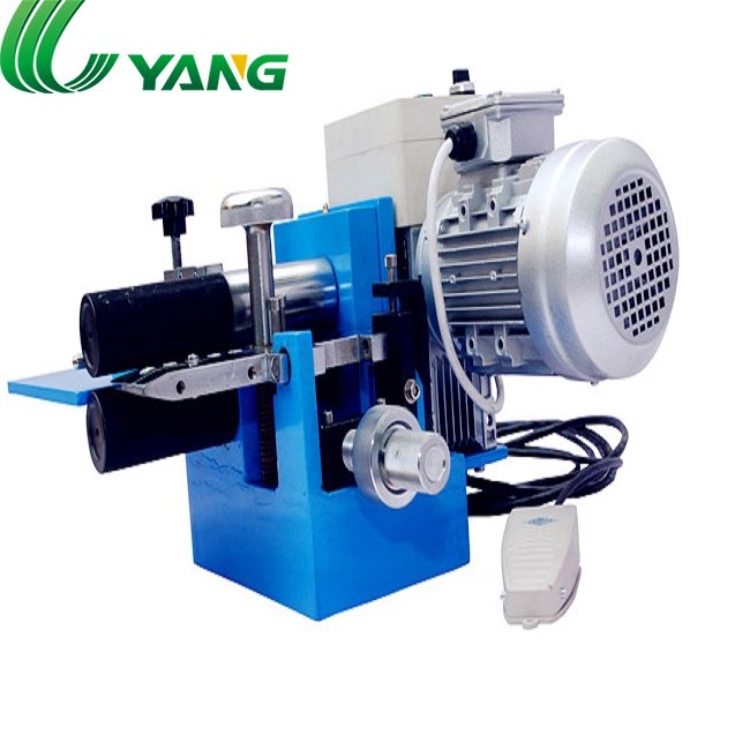
Metal links speed setup, but they harm goods or rollers. In food-safe tasks, such fasteners serve as backups since they hold dirt. Better choices avoid these drawbacks entirely.
Reliability of Factory-Spliced Precision Belts
Getting a belt pre-linked by makers with strong presses offers the surest option. These smooth joins match the belt’s full power. They cut failure risks in busy lines. This method ensures smooth runs.
Why Choose UYANG BELTING for Your Next Industrial Project?
Teaming with a producer handling full steps changes everything. You acquire more than plastic; you get 20 years of study and a 12-month quality promise.
Advanced Manufacturing Capacity and Technical Support
With 15 assembly lines and a huge plant, they manage big runs without delays. Their round-the-clock expert help provides solutions right when needed. This support eases project flows.
Specialized Solutions for Treadmill and Marble Industries
They craft targeted belts, not plain ones. From fitness belts with cotton bases to grease-proof rock belts, items tackle real site challenges. These fits improve on-floor results. Users benefit from practical designs.
Commitment to Global Standards and Rapid Delivery
For sea, air, or ground shipment to EU or ASEAN zones, shipping runs smoothly. You receive protected packs and belts set for instant setup. This reliability speeds up installs worldwide.
FAQ
Q1: What is the main advantage of a PVC belt over a PU belt?
A: PVC tends to cost less and resists chemicals and select oils well, so it works broadly in making and exercise gear.
Q2: How do I know which surface pattern to choose for my conveyor?
A: It hinges on your slope and goods. Textured types like Lattice or Golf Top suit hold needs, while flat ones aid washing and sorting.
Q3: Can I use a standard PVC belt for food processing?
A: No, you must use a belt specifically certified as food-grade by the FDA or EU to prevent chemical migration and ensure hygiene compliance.
Q4: What causes a conveyor belt to track to one side?
A: Most tracking issues come from uneven tension, misaligned rollers, or a belt that has stretched unevenly due to low-quality fabric reinforcement.
Q5: How often should I inspect my PVC conveyor belt?
A: A monthly check for surface cuts, joint wear, and pulley alignment is recommended to catch small issues before they turn into expensive motor failures or line shutdowns.