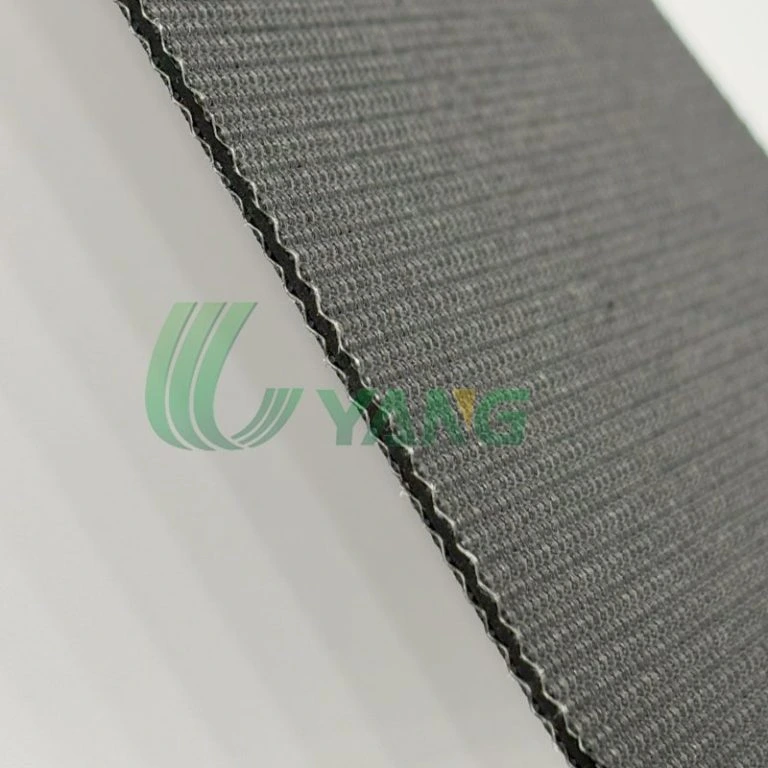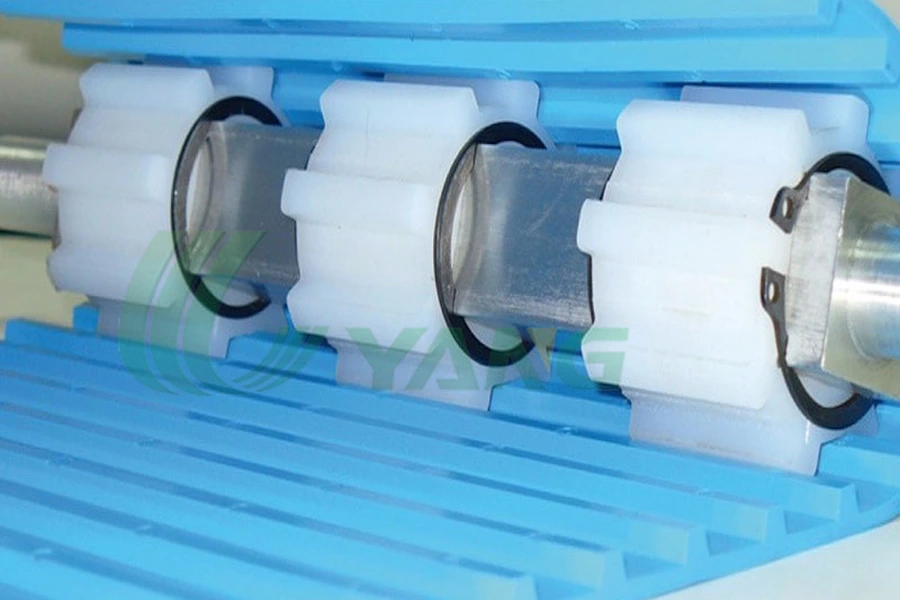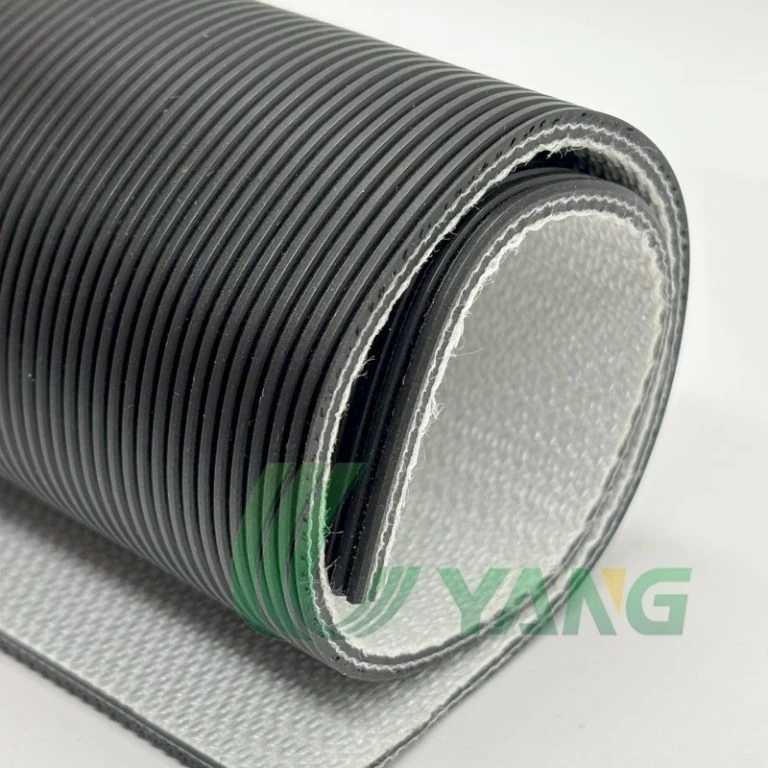
The gear wheel in a positive-drive conveyor makes the term positive meaningful. Instead of relying on friction at a smooth surface, the teeth of the gear wheel engage into the belt to keep the timing consistent. Allowing for very little variation, an incorrect pitch, a skewed shaft or even inadequate tension may seem like a trivial matter during test runs but will cause tooth wear, belt lift or even bring the whole line to a grinding halt under full operating conditions.
For this reason it is best to select the wheel with the belt, starting with the belt profile and the actual service conditions. Then proceed with the wheel geometry, shaft connection, support, tension, exposure to cleaning and the allowed tolerances of the installer.
The article is written in the same order. First what has to match. Then during the commissioning what you have to look for. And finally what information is needed to approve a replacement wheel.
Key Takeaways
- Pitch and tooth form must belong to the same belt-and-wheel system.
- If the shaft is out of line, one side of the teeth can carry the wear while the belt itself appears healthy.
- Approval should cover the wheel, belt, shaft, support and tension arrangement together.
- A skipping belt deserves an engagement and shaft inspection before anyone raises tension or speed.
Positive Drive Is a Geometry Problem Before It Is a Torque Problem
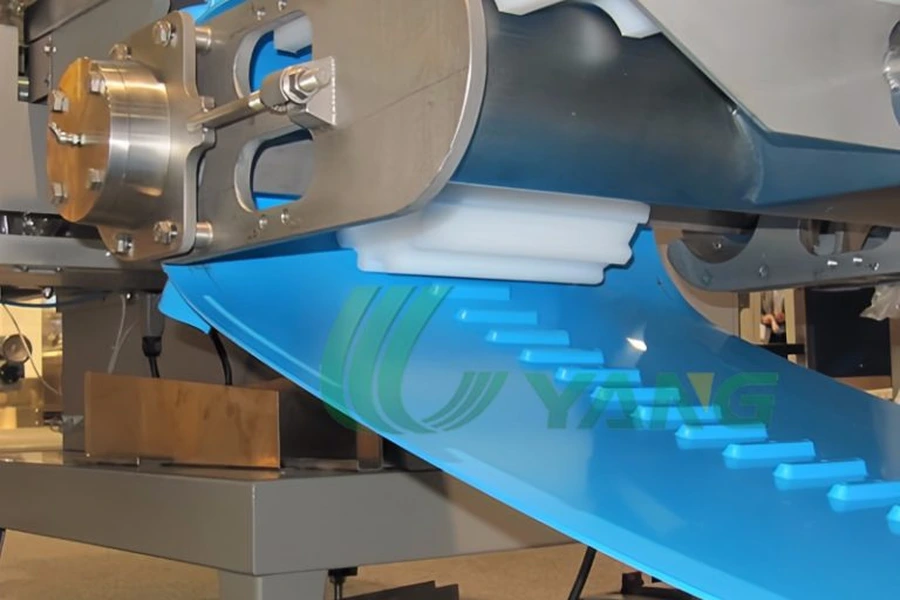
There are two basic ways to move a belt: a friction pulley relies on surface friction of the belt in contact with the pulley, while a positive-drive wheel has teeth that match corresponding teeth on the belt. The space between the teeth of the wheel is described by the term ‘pitch’; the shape of individual teeth is described by ‘tooth form’.
When running square to the shafts and adequately supported, the load will be evenly distributed across the full width of the engaged teeth. However, as an angle is introduced to the setup, the load will transition towards the edge of the belt where the primary symptoms of rounded teeth, side scuffing, increased noise and off-tracking will develop. These problems can develop slowly over time and provide valuable early indication of potential failure, and should not be dismissed as trivial cosmetic problems.
The test of an empty conveyor wheel merely proves that the motor can drive it. Useful testing is at near production speeds with appropriate loads. Look for the belt to go into the wheel and then follow the return. Teeth should engage cleanly with no wander of the belt edges.
What to Match in the Belt and Gear Wheel Set
The belt maker’s profile and compatible wheel specification documents should be used as a starting point to compare the pitch, tooth number, wheel width, bore/shaft diameter and keyway/locking method. Determine how many wheels are required across the conveyor and consider the belt width in relation to the load distribution and support required. The maker’s system recommendation should also be considered.
The same wheel can experience vastly different service conditions. For example, a food conveyor belt may be washed down on a regular basis, an abrasive product could be transporting grit in the drive area, and changes in temperature can cause the belt to change in dimension. The same wheel chosen for a dry-line application would not necessarily be suitable and materials and finish should be reviewed with the appropriate service conditions in mind.
Similar pattern in-stock wheels look so easy. Similar pattern = similar performance. However, the pitch of the pattern in-stock wheel may be wrong, so that the belt runs on the tips of the teeth instead of in the valleys of the teeth. The unloaded test may appear to work fine but then the engagement will deteriorate as product weight or washdown load changes.
Field Checks That Catch Early Drive Failure
Listen for the click of the sound during slow jog run and then again at running speed. If the sound repeats with every revolution of the wheel then it is time to stop and have a look – possibly a tooth is damaged, something is caught in the drive or the seating of the wheel is not even. More tension does not solve anything and will only increase the wear and tear on the shaft.
Using a straightedge, or another alignment device, compare the end of the shafts to the end of the wheel faces. The belt should approach the center of the wheel faces, and the wheel faces should remain parallel to each other. Inspect the bearings, the shaft, the key or locking element and the frame. A loose connection of the shaft can cause the same kind of problems as belt elongation.
Two failures are easy to miss during an idle check. Washdown residue can dry around the wheel and keep the belt above the tooth valleys. A flexible frame can be aligned at rest and move out of line when the load changes. Check the conveyor under representative conditions and record those conditions with the inspection result.
| Match or Check | Typical Evidence | Action if It Fails |
| Pitch and tooth form | Belt and wheel specifications agree | Stop selection and obtain a matched set |
| Wheel count and width | Load is supported across the belt width | Review drive layout and load distribution |
| Shaft alignment | Wheels are parallel and belt enters centrally | Correct frame, bearing, or shaft alignment |
| Tension | Teeth seat without lifting or excessive pressure | Reset tension to the approved range |
| Environment | Water, chemicals, heat, and particles are defined | Check material compatibility and guarding |
The Action Wheel as a Concrete Specification Point
The Action Wheel gear for homogeneous belting is a concrete product reference, but the name is not a fit approval. Confirm the belt’s profile and pitch, the wheel dimensions, the shaft interface and the quantity required for the actual arrangement.
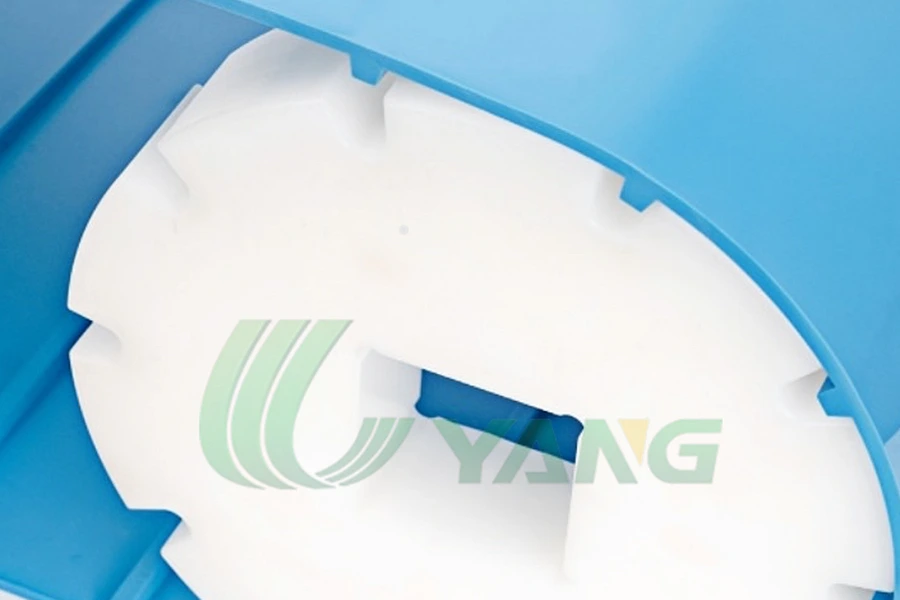
Ask for a matched drawing or specification before machining a shaft or ordering a spare. Include belt series and width, shaft diameter, keyway or locking detail, centre distance, speed, product load and cleaning environment. Diameter alone cannot settle the question; the tooth geometry controls engagement.
The positive drive belt category is useful when the wider belt choice has not yet been decided. The selected belt details for the wheel, support and tensioning should be retained with the part, to check against one approved system for a replacement part.
Installation Sequence Matters
Start by cleaning the shafts and wheels. Set the wheels to be parallel to each other and at the correct angle across the width of the belt. Fit the belt to the shafts without stretching it over the teeth. Apply the recommended initial tension to the belt. Run the conveyor slowly by hand or with a slow jog until the teeth have seated uniformly. Then only increase the speed to full speed and introduce load to the conveyor.
First inspection post-installation should be part of the commissioning process and recorded against the individual belt and wheel identification. A very small amount of record keeping will ensure that any future faults are diagnosed much more quickly.
A spliced belt adds another process that you have to control. The belt splicing press cooling comparison explains how cooling can affect the repeatability of a joint. As for the type of press and procedure to use, these will depend on the material of the belt and the relevant specification.
When Positive Drive Is Not the Right Answer
Positive drive cannot compensate for every conveyor problem. A very long centre distance, frame deflection, repeated shock loading or an unsuitable belt profile may still point to another construction. Choose from the load path and the maintenance reality, not from the drive label alone.
UYANG BELTING supplies conveyor belts and related machinery for industrial applications. A useful inquiry includes the current belt profile, wheel photographs, shaft drawing, speed, load, cleaning conditions and the symptom seen on the line. Those details are far more informative than a belt width on its own.
FAQ
What happens when a conveyor belt gear wheel has the wrong pitch?
The teeth may touch only at their tips or engage unevenly. Expect noise and accelerated wear; when the drive is loaded, the belt may lift or lose timing.
Should belt tension be increased when a positive drive belt skips?
Not as a first response. Check pitch, tooth seating, alignment, shaft connections, contamination and damaged teeth. More tension cannot make an incompatible tooth pattern fit.
What information is needed to order a replacement gear wheel?
Provide the belt series or profile, pitch, wheel dimensions and tooth count, shaft diameter, keyway or locking detail, belt width, operating conditions and quantity.