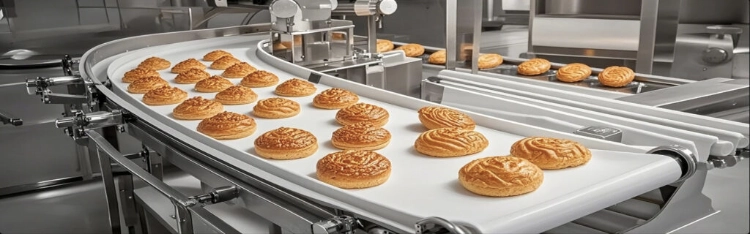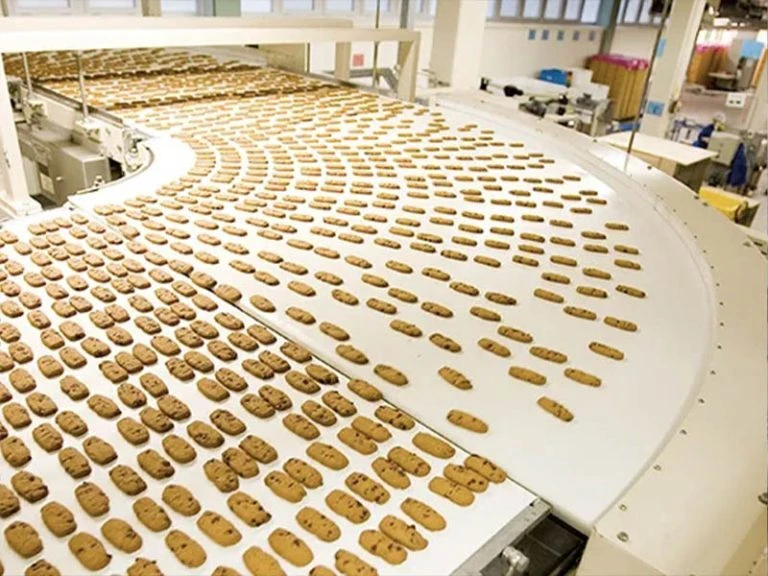
A suitable RFQ for a high cycle logistics sorting application using a PVK conveyor belt would cover load profile, transfer, starts/braking, pulleys, tracking, joints and acceptance test. Parcel hubs operate with changing contact surface, hard corners on cartons, non-symmetrical bags and frequent acceleration and braking. A meaningful quotation needs to be related to the proposed belt construction and clearly state which data apply to the specific conveyor belt that is offered.
Key Takeaways
When selecting a PVK one has to check if the whole system is okay. Belt thickness and tensile strength are not the only important criteria. Also the alignment of the conveyor, the distance between the rollers, the transfer points, the side guides and the joint are crucial for a proper running of the belt.
- Distinguish between the average parcel and the unusual shock or jam loads that occur in high frequency.
- Minimum roller diameter, belt mass and stiffness must match the conveyor.
- Demand in quotation and purchase order specific values for construction.
- Test tracking, transfers, restart behavior, and joint passage with real parcels.
Define the Sorting Duty in Measurable Terms
The RFQ should enable the supplier to recreate the operating duty. Include a drawing, a load table and photos of critical transfers. Include normal operation as well as frequent abnormal events.
Record the Load Distribution
State the lightest and heaviest parcel, dimensions, contact area, and share of irregular items. Add drop height at infeed. Average mass can hide a corner load that repeatedly strikes the joint or transfer plate.
Make sure that roller spacing and bed type are recorded against each other. A belt can’t compensate for an under-supported frame. Heavy parcels create local sag, leading to poor transfers, extra drag and edge contact, even when the belt is nominally strong enough.
Map Starts, Stops, and Accumulation
Accelerate, queue, stop and re-start on high cycle lines. State cycle frequency, drive control and any accumulation zones. Describe emergency-stop procedure. An empty run does not equal a restarted loaded run.
Highlight where packages may accumulate against guides or diverters. Such areas can create hot spots, lateral pressure and wear to surfaces. The airport and logistics application section provides useful category references. However, the RFQ must then define the specific sorter configuration that will be used.
Compare PVK 130 Against the Conveyor Geometry
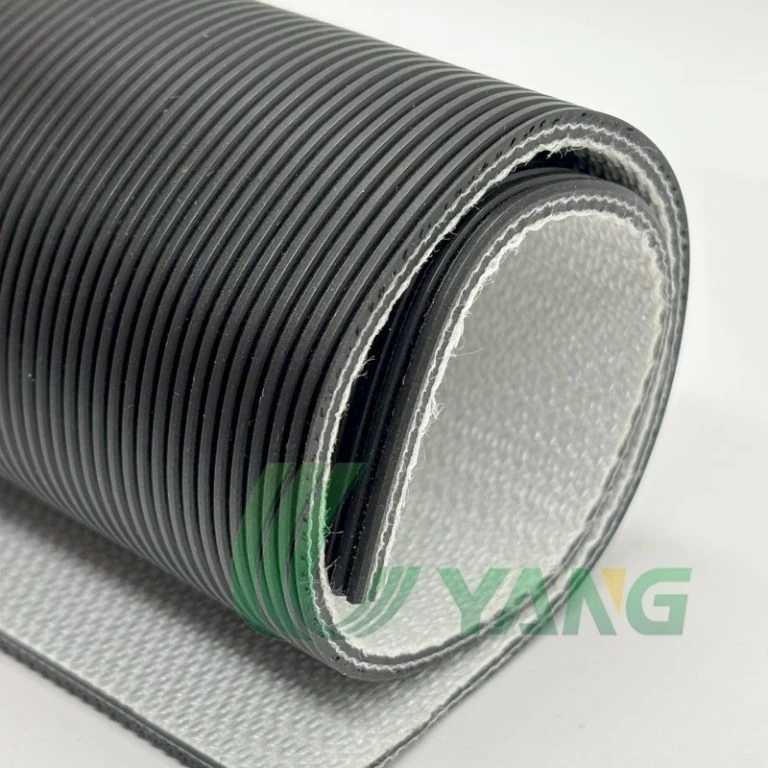
PVK 130 is a solid basis for a logistics buyer looking for a black interwoven surface combined with specific mechanical figures. The buyer must then check the figures published for the PVK against the actual conveyor drawing and then enter the figures in the order instead of simply copying them.
Check Published Data Against the Machine
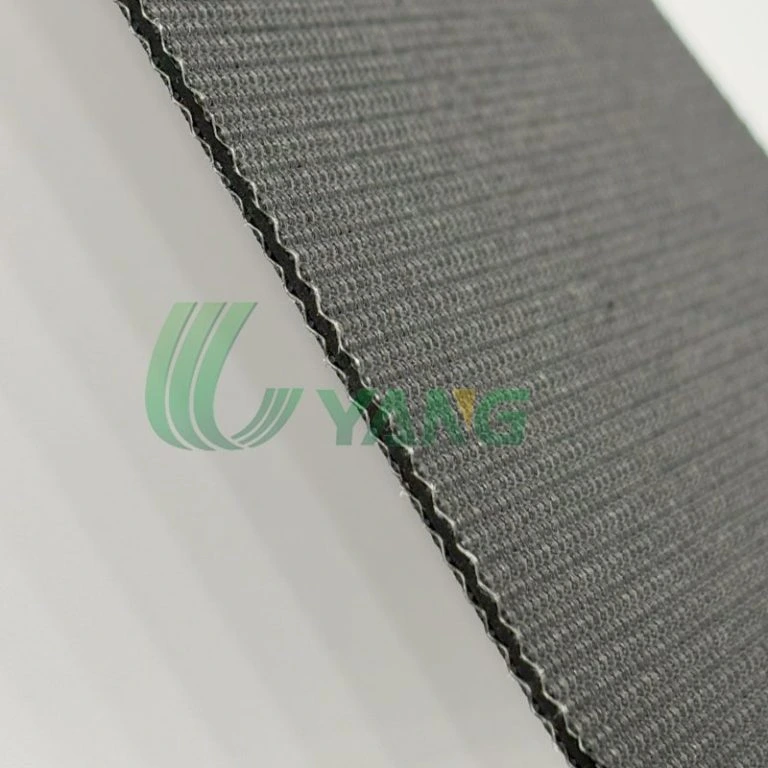
PVK 130 black double side conveyor belt: 4.0 mm total thickness, 4.2 kg/sqm, one fabric ply, 22 N/mm at 1% elongation. Minimum roller diameter 90 mm, width up to 3,400 mm. Temperature range -10 °C up to +80 °C.
Treat each number as a compatibility field. The 90 mm roller value must match the smallest roller the belt actually bends around. Belt mass affects drive and handling calculations. Width availability does not confirm tracking at a particular ordered width. Ask UYANG BELTING to identify the exact construction, tolerance, and test basis on the quotation.
Examine the Top, Bottom, and Joint
This page describes an interwoven top surface and a brushed surface. The top surface is in contact with parcels whilst the underside is in contact with rollers, pulleys and the support bed for the track. Should there be any contamination or damage to either surface, it could affect the tracking and friction of the belt.
The joint must pass through all rollers and sensors. Request the joint method, thickness, direction of rotation and repair method. A proud or skewed joint can cause noise, impacts and lateral movement.
Use PVK 150 as a Different Construction Reference
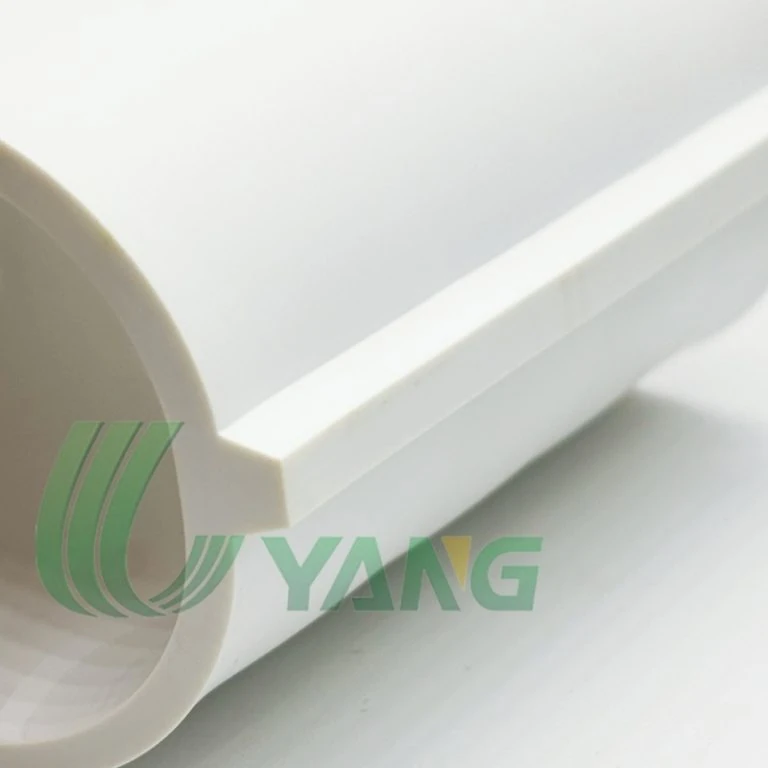
The second drawing helps buyers understand how differences in mass, thickness, surface and tensile strength affect a conveyor’s performance. Note that a heavier conveyor belt is not necessarily a better one. In fact, it can add stiffness and create demands on the machine that it was not designed to meet.
Compare the Smooth Top Option
PVK 150 black smooth top solid woven conveyor belt. Upper cover made of 3.0 mm thick PVC, bottom cover made of interwoven 2.2 mm thick fabric, total thickness of conveyor belt 5.2 mm, weight of conveyor belt 6.2 kg/m², elongation at 1% tension 26 N/mm. Minimum diameter of roller 80 mm, max. width of belt 3400 mm. Temperature range -10 C up to +80 C.
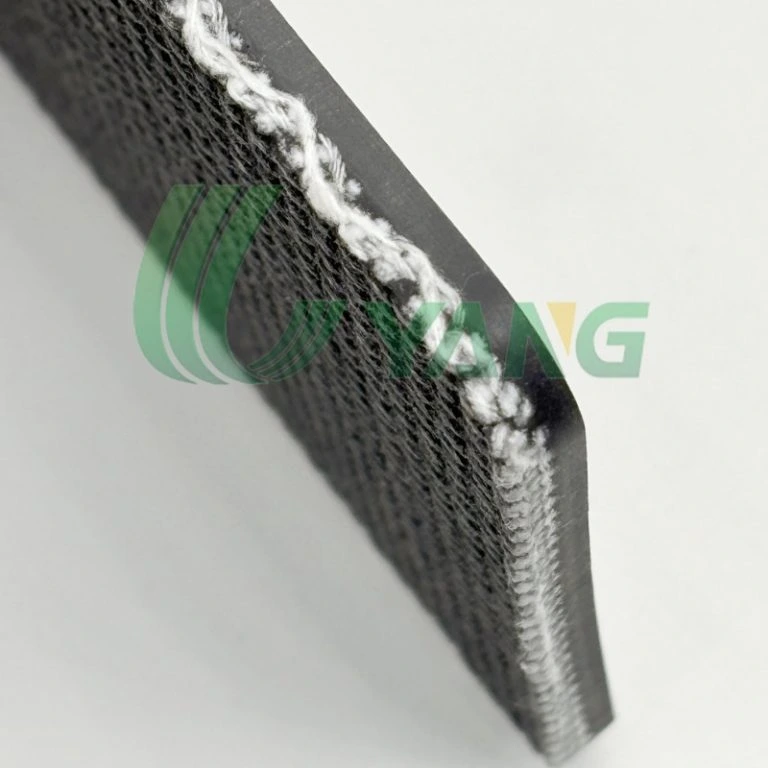
The smooth PVC surface of this belt in combination with the heavier construction creates a different contact and drive condition compared to PVK 130. Which of your parcel bases and conveyor beds would this belt be suitable for? Also check the smallest pulley, motor, tensioning range and even the method of joining the belt, for compatibility.
Compare on One RFQ Table
| RFQ Field | PVK 130 Published Reference | PVK 150 Published Reference | Buyer Check |
| Total thickness | 4.0 mm | 5.2 mm | Clearance, joint, and transfer fit |
| Belt mass | 4.2 kg/m2 | 6.2 kg/m2 | Drive and handling effect |
| 1% elongation strength | 22 N/mm | 26 N/mm | Tensioning calculation |
| Minimum roller diameter | 90 mm | 80 mm | Smallest actual roller |
| Surface | Interwoven and brushed | Smooth PVC top | Parcel grip and transfer behavior |
The table can be used as a screening tool to rule out unsuitable products. It is not a substitute for supplier checked drawings or a trial loaded with the specific materials to be used. Check the specified tolerances and exact offered configuration before inserting any numbers into a purchase order.
Make Transfer and Tracking Checks Part of Acceptance
The majority of the cost problems occur at physical interfaces, infeed, discharge, diverters, side guides, joints and return path. Test should be conducted with the tester empty and loaded.
Inspect the Line Before Blaming the Belt
Check frame squareness, pulley alignment, roller condition, tension symmetry and contamination. See if packages enter the conveyor near the center or continually load up on one edge. Side guides should keep packages from rubbing against the belt. Repeated edge wear usually indicates a problem with the conveyor’s geometry or how it’s being loaded.
Verify all transfer gaps and height differences. Although hard carton corners are designed not to get damaged by soft parcels, in a transfer situation a corner can get caught in a gap that soft parcels would pass through. Check the clearance of any sensors or diverters that are located near the transfer belt over the full operating tension range.
Run a Repeatable Parcel Trial
Test a representative mix of cartons, bags, heavy items and other irregular items at normal speed. Test planned acceleration and accumulation and test controlled stop, restart and emergency-stop recovery. Record tracking position, slip, joint impact, parcel rotation, noise and any contact with the frame.
Dust, tape residue, etc. can change the friction significantly after cleaning so recheck soon after. Check that spare belts and joint tools are identified and safely stored away from sharp bends.
Turn the RFQ Into an Auditable Purchase Record
A complete purchase file consists of a copy of the conveyor drawing, approved belt data, sample, trial results and final marking. The file also specifies how any substitutions will be reviewed.
Lock the Exact Offered Construction
Please provide a detailed list of the product requirements including: product name, top and bottom construction, color, thickness, mass, width and length, joint direction, edge finish and any special antistatic or flame requirements. Where special properties are required please ask for evidence of these properties being met rather than just PVK being stated.
The UYANG BELTING product center features comparison of related belt families. The company profile states that UYANG BELTING is focused on PVC, PU and solid woven belts, patterns and related processing equipment. Use this to discuss alternatives and keep to the one approved specification.
Control Substitutions
Written approval must be obtained for any changes to material, surface, thickness, joint or any other manufacturing details. A substitute belt that is the same width does not necessarily perform in the same manner as the original trial belt at the drive and/or transfer. Compare to original trial record before releasing to site.
Frequently Asked Questions
Is PVK Belt Width Enough for a Logistics Quotation?
The supplier also needs to consider load distribution, speed, pulley diameters, roller spacing, bed type, transfer geometry, joint starts and stops, accumulation and environmental conditions.
Why Must the Joint Be Tested With Real Parcels?
In repeated crossing of rollers under load, the joint also transfers load. So, even a slight thickness step or misalignment may cause local impacts, noise, catching or even tracking problems which an empty test does not reveal.
Should a Heavier PVK Belt Always Be Preferred?
Added mass and stiffness may be suitable for some applications but will increase drive demand and possibly conflict with conveyor layout. Compare a complete machine to the alternative and check for compatibility with existing plant.
Please send drawing, parcel profile, cycle description and acceptance plan via UYANG BELTING official channel. We would like to receive a construction offer including a sample to make a decision based on measured line behaviour.