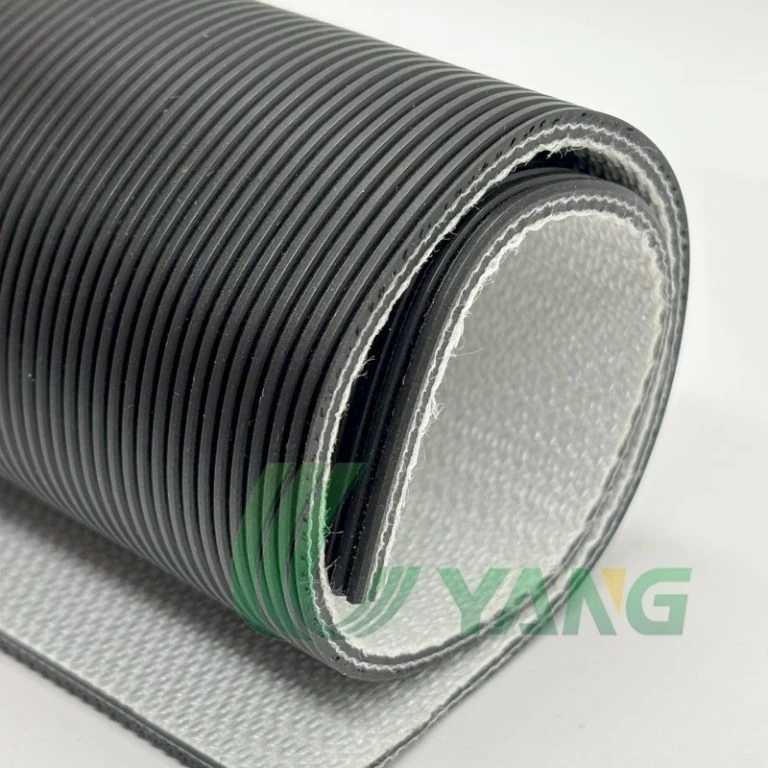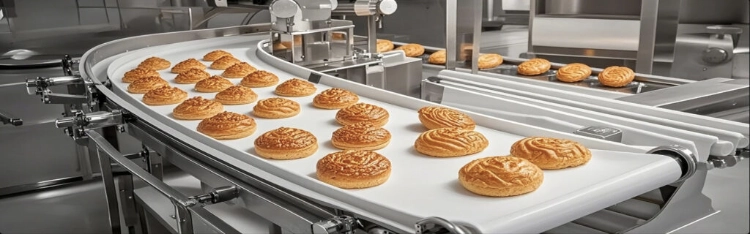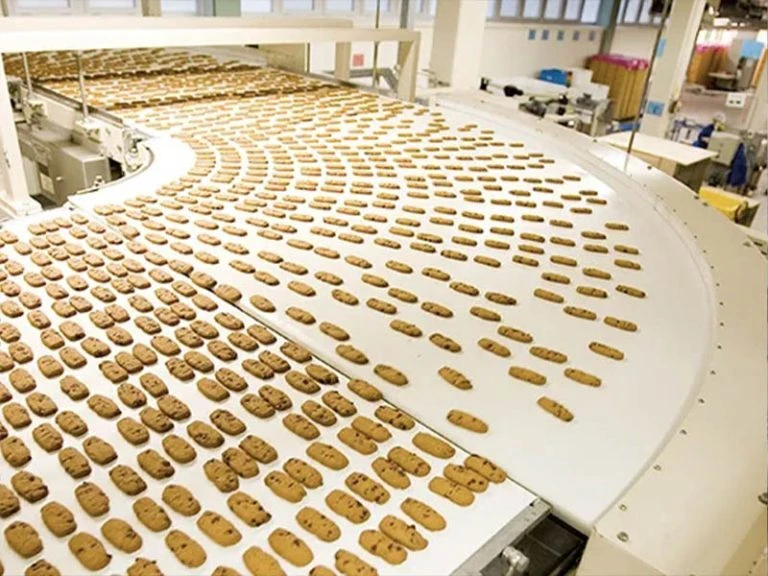
Packaging lines often run for many hours every day, and even a small belt tracking problem can affect product flow, machine timing, and maintenance schedules. When cartons, food packs, containers, or finished products move through multiple stations, the conveyor belt needs to match the machine structure, load condition, speed, and cleaning requirements. A suitable belt is not only about width and length. Surface design, material, tension control, guide method, and joining quality all influence stable operation.
For packaging equipment buyers, common concerns include belt deviation, product slipping, frequent replacement, difficult cleaning, and unexpected downtime. A correct conveyor belt specification should consider the full working environment instead of only selecting a standard model.

Key Factors That Affect Conveyor Belt Tracking Stability
A stable tracking conveyor belt depends on several details working together. The belt, conveyor frame, rollers, sprockets, and installation method must match each other. Many tracking problems come from small specification mistakes, such as choosing the wrong belt thickness, unsuitable surface pattern, or incorrect guide structure.
Before selecting a belt for a packaging line, you should confirm the following points:
- Conveyor width and belt length
- Product weight and loading method
- Running speed
- Working temperature
- Contact with oil, moisture, dust, or cleaning chemicals
- Horizontal or inclined conveying requirements
- Need for anti-slip surface or drainage structure
UYANG BELTING Official Website provides conveyor belt solutions covering food processing, packaging, pharmaceutical, logistics, electronics, wood, stone, and other industrial applications. The product range includes modular belts, PVC/PU conveyor belts, and belt processing equipment.
Select the Right Belt Structure for Packaging Machines
Different packaging machines create different belt requirements. A flat transfer conveyor may need a smooth surface, while an inclined packing line may require stronger friction. A belt that works well for one machine may not perform well on another.
Choose Surface Design Based on Product Movement
The belt surface directly affects product stability. For smooth-bottom cartons or bags, a textured surface can provide extra grip. For products that require easy cleaning, a smooth surface is often preferred.
A packaging line handling lightweight products usually needs:
- Stable running at high speed
- Low noise operation
- Good dimensional stability
- Easy maintenance
A belt with excessive friction may increase product resistance, while a surface that is too smooth may cause slipping. The correct balance depends on the product material and conveyor angle.
Consider Modular Belt Options for Special Packaging Lines
Modular conveyor belts are often selected when the line requires airflow, drainage, easy replacement, or repeated washing. The modular structure allows sections to be repaired without replacing the complete belt.
For example, UY-1000 FLUSH GRID Modular Conveyor Belt Product Page represents a modular belt style suitable for applications requiring open structure and stable conveying performance.
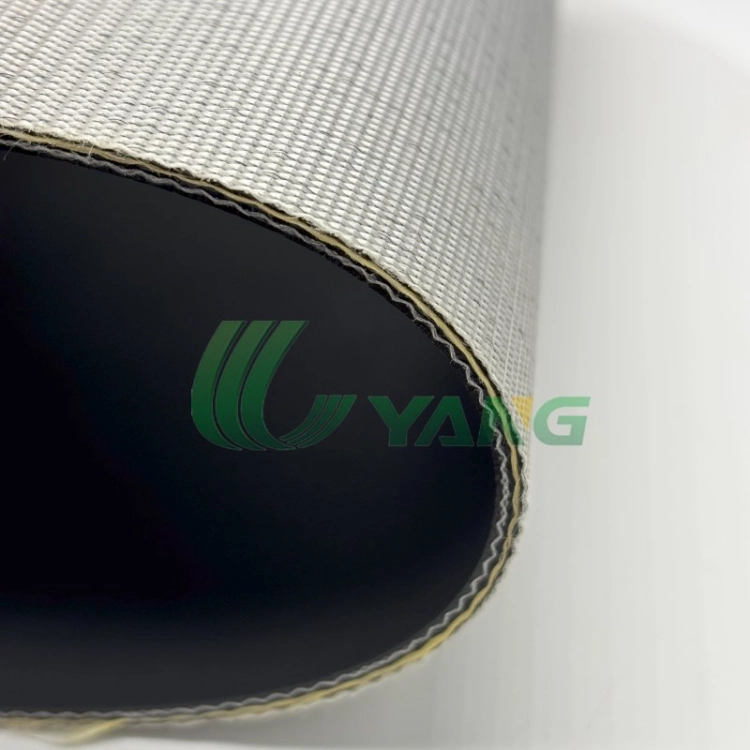
The UY-1000 FLUSH GRID specification includes a 25.4 mm pitch, 8.7 mm belt thickness, 40% open area, and material options including POM, PP, and PE. The belt strength and temperature range vary according to material selection, allowing the belt to match different operating conditions.
Match Conveyor Belt Material With the Production Environment
Material selection has a direct effect on service life. Packaging lines may operate in dry workshops, humid food areas, cold rooms, or environments with frequent cleaning.
PVC and PU Belts for General Packaging Applications
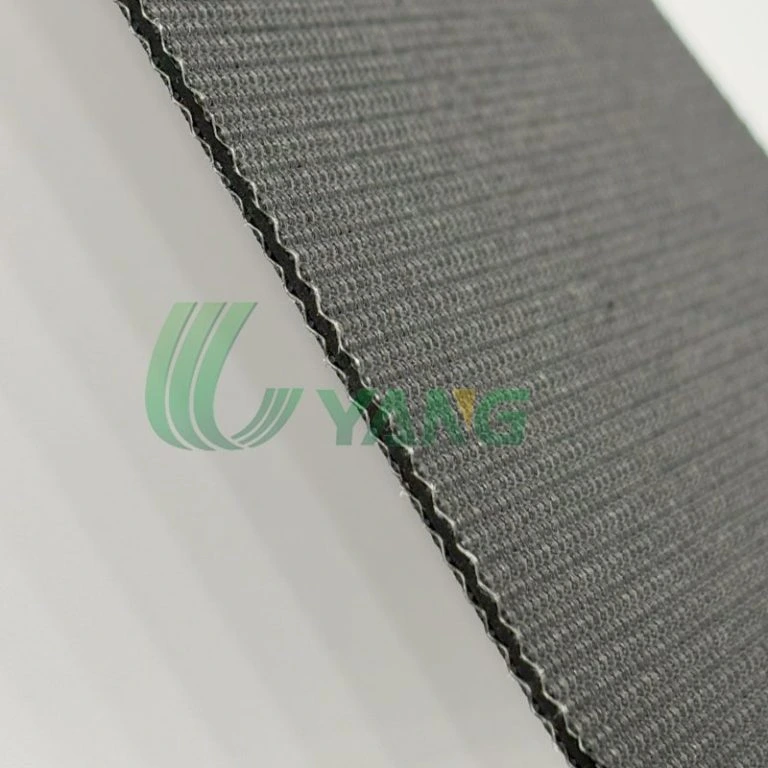
PVC and PU conveyor belts are common choices for light and medium-duty packaging systems. They can be selected with different thicknesses, textures, colors, and bottom structures according to machine requirements.
PU belts are often used when cleaner conveying and better wear resistance are required. PVC belts can be practical for many general material handling applications.
When selecting the material, you should check:
- Product contact requirements
- Belt temperature range
- Chemical exposure
- Required flexibility
- Maintenance frequency
A lower purchase price does not always mean lower operating cost. A belt that needs frequent replacement can create more production interruptions.
Homogeneous Belts for High Hygiene Packaging Lines
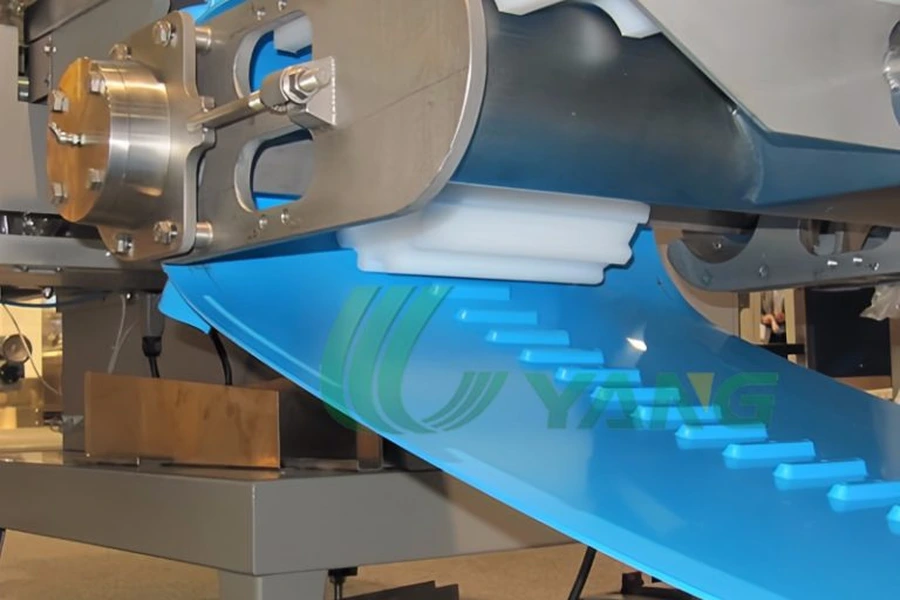
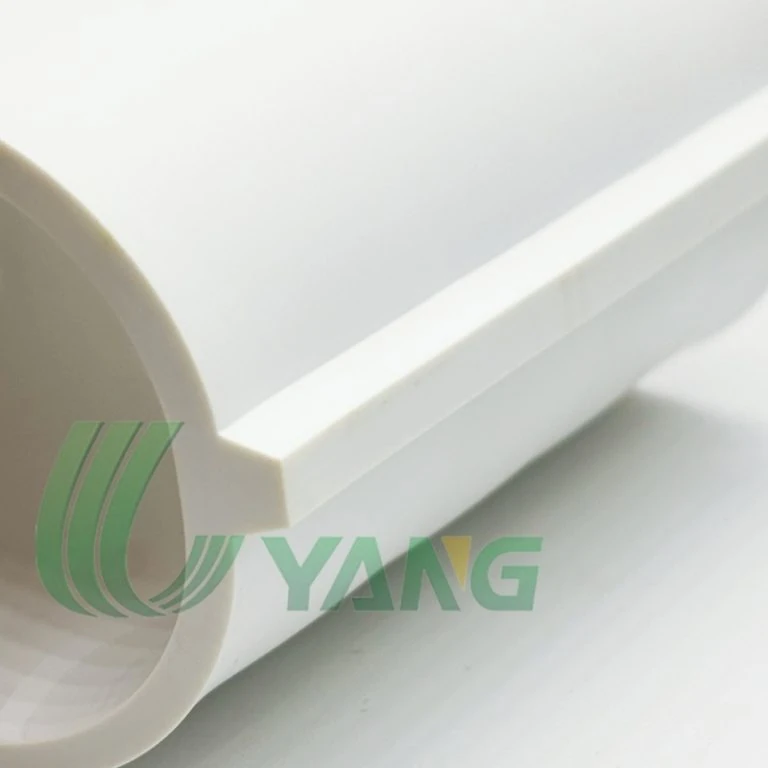
For food and pharmaceutical packaging, hygiene becomes a major factor. Homogeneous belts use a single thermoplastic structure without fabric layers. This design reduces hidden areas where moisture or contamination can remain.
The homogeneous belt structure uses TPU or TPE materials and features a fabric-free, seamless construction. It is used in industries with strict sanitation requirements, including food processing, pharmaceutical, meat, seafood, dairy, and bakery production.
Main advantages include:
- No fabric layer absorption
- Easier cleaning
- Better resistance to moisture and oil
- Reduced risk of layer separation
- Support for hot water cleaning and sanitation processes
For packaging lines handling sensitive products, thickness and surface design should be selected carefully. The selection guide recommends around 3 to 4 mm thickness for heavier meat applications and around 2 mm for bakery or lighter duty conveying.
How to Reduce Belt Tracking Problems During Operation
Even a suitable belt can run poorly if installation and maintenance are ignored. Stable tracking requires correct tension, aligned rollers, and regular inspection.
Check Conveyor Alignment Before Installation
The conveyor frame should remain straight, and rollers should be parallel. Uneven roller positions can push the belt toward one side.
Important checks include:
- Roller alignment
- Belt tension balance
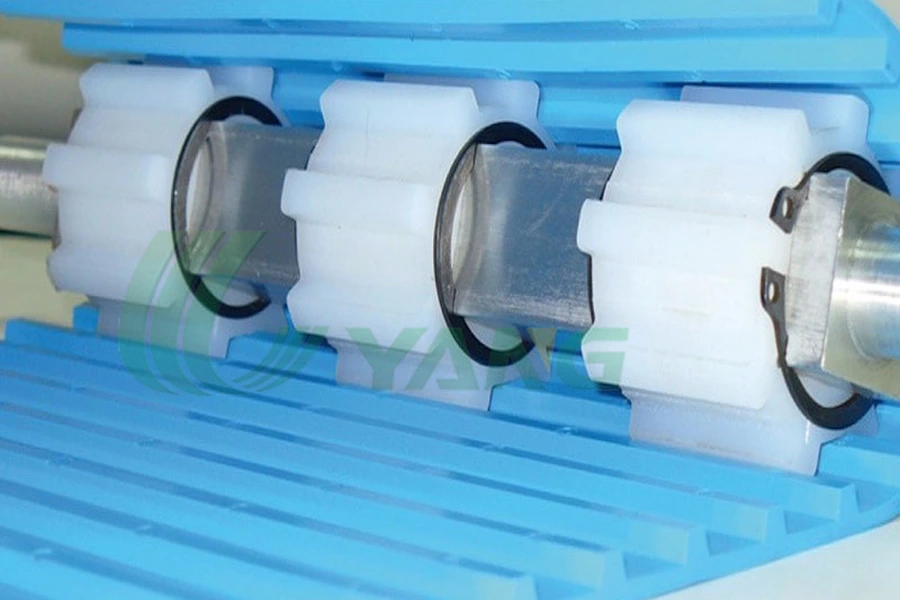
- Correct sprocket installation for modular belts
- Clean running surfaces
For modular belts, sprocket matching is especially important. Incorrect sprocket positioning can create uneven movement and accelerated wear.
Use Proper Joining Methods
The belt joint is one of the most important areas for stable tracking. A poor connection can create vibration, uneven tension, or belt deviation.
For hygienic applications, seamless heat welding is commonly selected because it avoids gaps and reduces contamination risks. Homogeneous belts typically use heat fusion joints to maintain a continuous belt structure.
For PVC and PU conveyor belts, professional splicing equipment can help create stronger endless joints. A conveyor belt splice press uses heating and pressure to bond belt ends and form a durable connection.
Why Packaging Buyers Should Consider Complete Conveyor Solutions
Many purchasing teams focus only on the belt itself, but stable operation depends on the complete system. Belt selection, accessories, joining method, and processing equipment should work together.
UYANG BELTING Product Center offers different conveyor belt categories and related solutions for industrial applications.
For factories handling frequent belt changes, having suitable processing equipment can reduce maintenance difficulty. A water-cooled splice press is commonly used in workshops, while an air-cooled integrated splice press is designed for more portable field work. The air-cooled type combines cooling and pressure systems in one unit, without requiring an additional water or air pump.
The working time difference can also affect maintenance planning. Water-cooled equipment usually takes about 25 to 30 minutes depending on belt type and thickness, while air-cooled equipment can complete the process in about 9 to 12 minutes under suitable conditions.
Practical Specification Checklist Before Ordering Conveyor Belts
Before placing an order, prepare the following information:
- Conveyor machine type
- Belt width and length
- Product weight range
- Conveyor speed
- Surface requirement
- Working temperature
- Cleaning method
- Joint type
- Guide requirement
- Daily operating hours
Small details matter. A packaging line running 16 hours per day needs a different belt solution compared with a machine running only several hours weekly.
UYANG BELTING Industry Applications provides application information covering different industries and helps match belt structures with actual production conditions.
FAQ
What Causes Conveyor Belts to Move Off Center on Packaging Lines?
Common causes include incorrect belt tension, misaligned rollers, uneven conveyor frames, or unsuitable belt specifications. Regular alignment checks and correct installation can reduce tracking problems.
Which Conveyor Belt Is Suitable for Food Packaging Equipment?
The choice depends on hygiene requirements, product type, and cleaning method. Homogeneous TPU or TPE belts are often selected for high sanitation applications because they have a seamless structure and easy-clean surface.
How Often Should Packaging Conveyor Belts Be Replaced?
Replacement time depends on load, working hours, cleaning conditions, and maintenance quality. Regular inspection of surface wear, belt edges, and joints helps identify problems before unexpected downtime occurs. A well-selected belt with proper maintenance can provide longer service life.