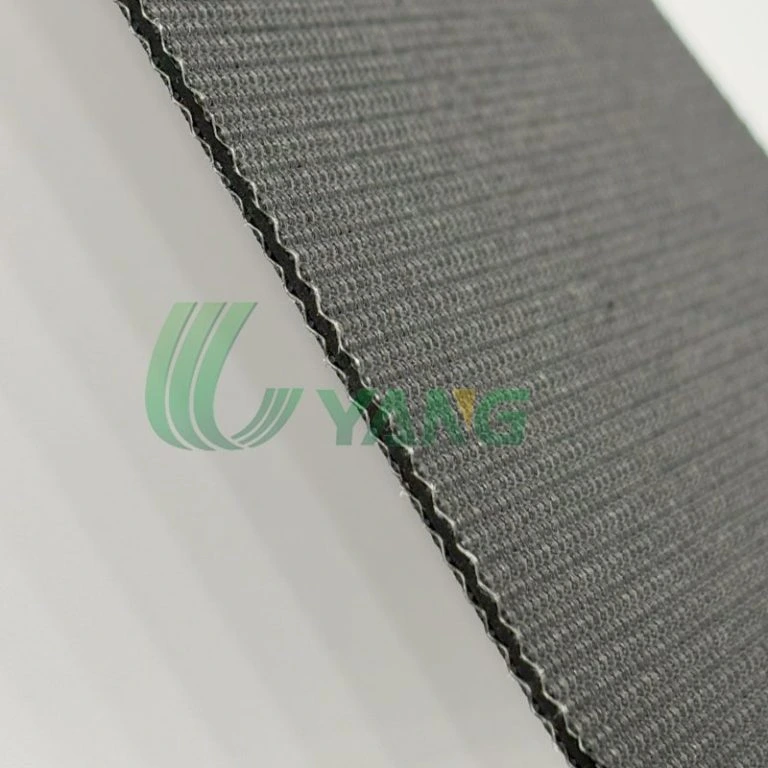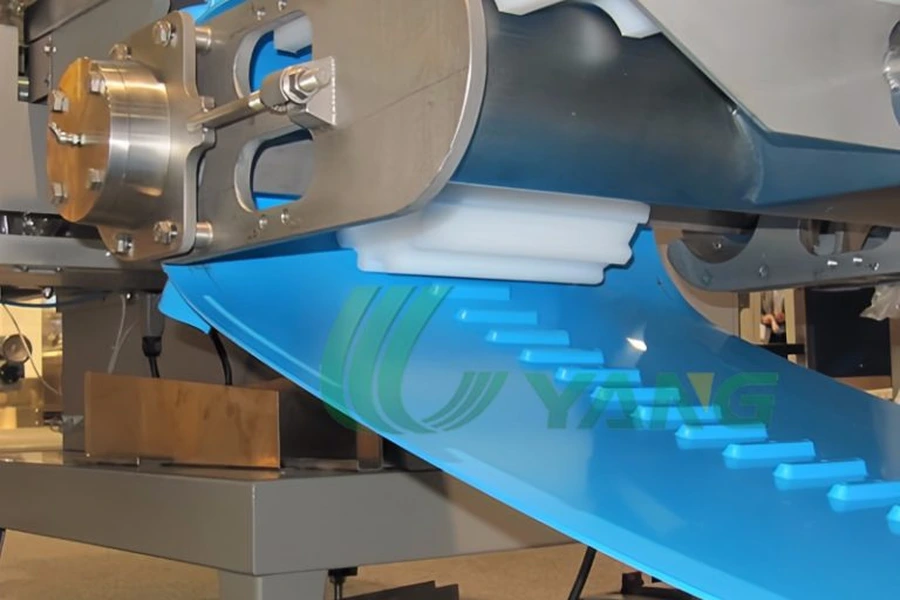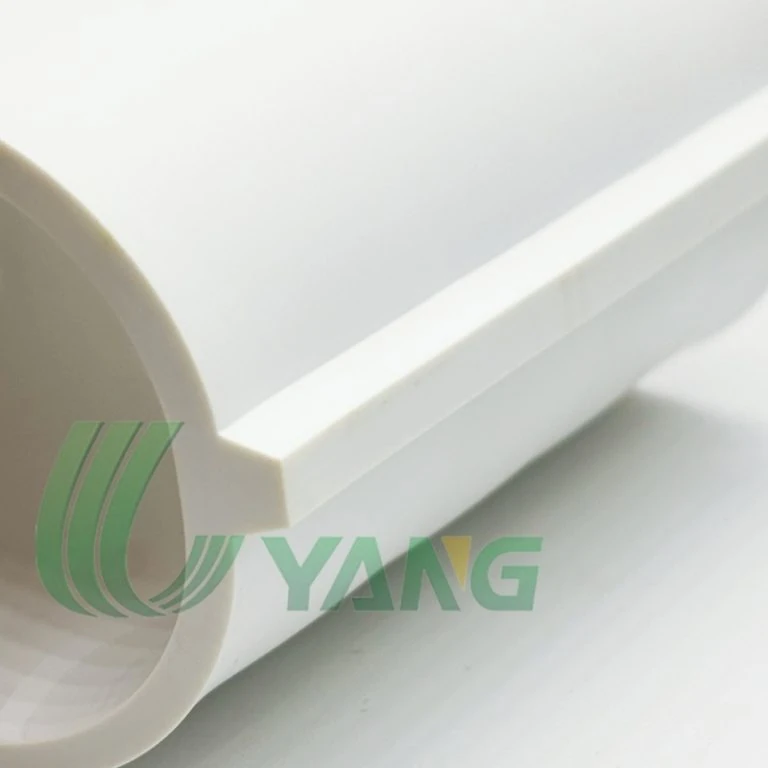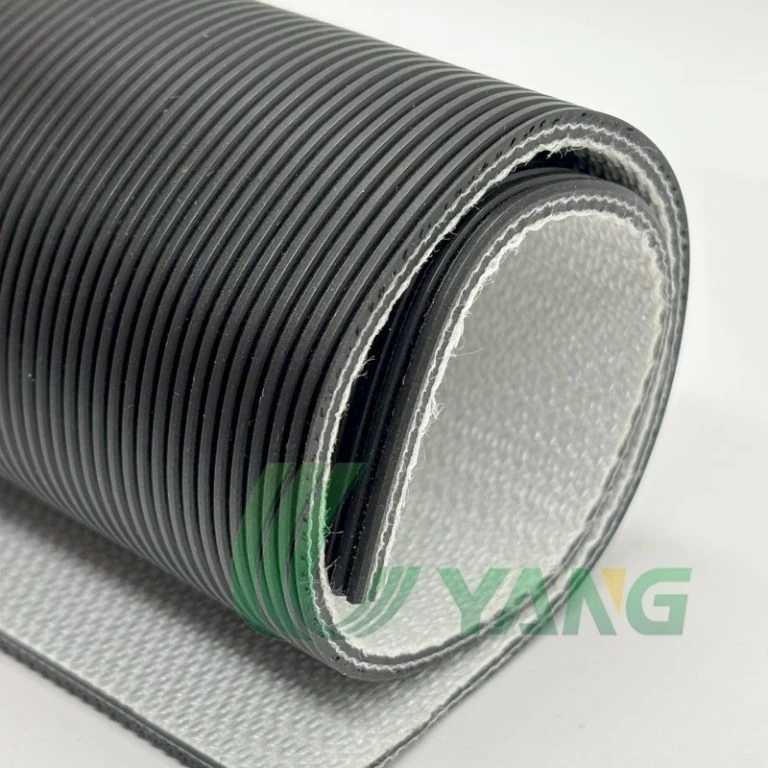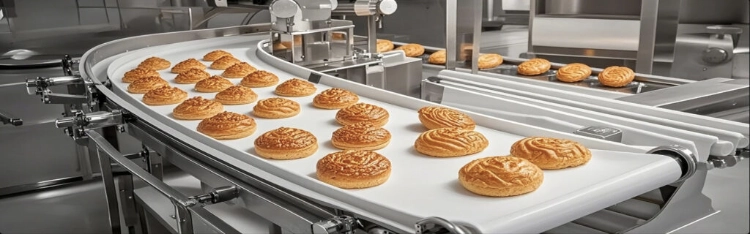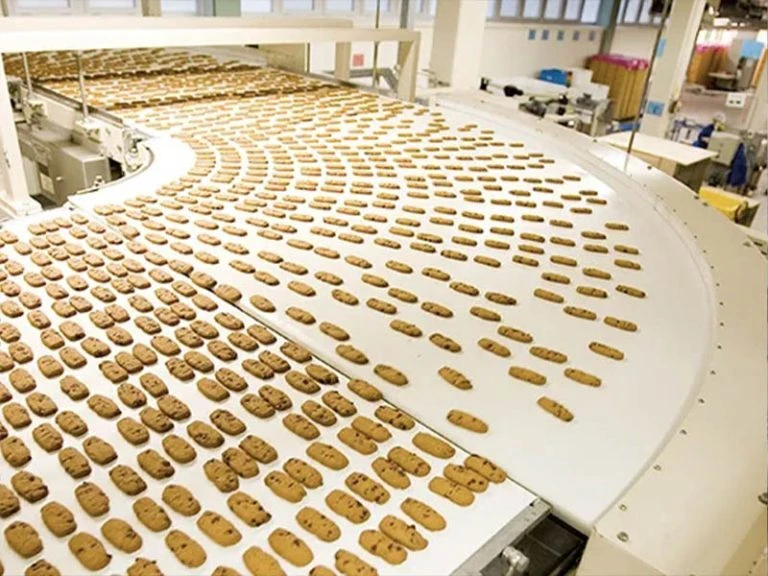
The useful difference is inside the belt. A homogeneous belt has one consistent thermoplastic body. A layered belt may have textile reinforcement between its surface plies, and a cut edge, worn cover or damaged splice can expose that interface. Liquid can then travel along the small boundary below the visible surface. An intact homogeneous belt removes that particular route. It does not remove the need to clean the rest of the conveyor.
Meat, seafood, bakery, dairy and other washdown applications benefit from a distinction between a rinse and a proper washdown. The top of food residue may appear to have been cleaned when in fact there is residue at an edge or joint. When comparing different belts for use on such applications, the label ‘food-grade’ is not the end of the matter. Does the belt’s construction allow for the type of soil with which it will come into contact? Can the joint be cleaned? Can staff reach into guides, transfers and the underside of the conveyor?
Below these points the individual requirements for a suitable homogeneous conveyor belt are outlined in detail.
Key Takeaways
- A one-piece belt body means that there is no textile interface for liquid to wick through whilst the surface remains intact.
- Cleanability still depends on the surface, splice, scraper and access around the conveyor.
- Flat and positive-drive belts are used to solve different problems with conveyors. The wording of hygiene is not sufficient to choose between them.
- Test a representative sample with the real soil, cleaning routine and temperature range before buying in volume.
The Mechanism: Fewer Interfaces, Fewer Places to Hold Residue
While the layered belt is constructed of a cover, a reinforcement, and bonded layers, damage to an edge or splice can expose the boundary between the materials. Once liquid penetrates the cover, capillary action can then pull the moisture and soil through the smallest of unseen gaps. This hidden path of damage can be just as detrimental as the visible stain of dirt.
The homogeneous belt is a belt without any textile carcass. As long as the belt surface is not damaged, there is no fabric for liquids to penetrate into and be wicked by. This is the main reason why the homogeneous belt is used in easy-clean applications of conveyor belts. It does not mean that the entire production line will also be easy to clean and that all surfaces, joints and frames are also clean.
The edge and splice must still be part of the sanitation design. Even with a perfectly homogeneous belt body, a rough cut, damaged corner or even a very bad joint can collect up so much soil. Inspect all your guides, all your pulleys, all your scrapers, all your transfer points, the edges of the belt and the underside of the belt as one dirty route.
Surface Design Changes How a Line Is Washed
A smooth surface is easy to inspect but not necessarily the best surface for the product. For example, grip, release, drainage and incline may require a profile or even a positive-drive belt. Different products such as dough, wet fish and loose meat put different demands on the belt and it is better to select on the basis of the movement through the line than on appearance.
Much of the cleaning involved reaching to various parts of the frame. The frame’s narrow frame gaps can hide residue, guides can block spray, and long scrapers can leave long strips of residue on the frame. Go for a walk along the complete belt path and identify where a brush, spray and inspection tool can actually get to.
Collect the following constraints for a new line and then compare the belts: working width, belt thickness, minimum pulley diameter, speed, product temperature, product moisture or oil, belt incline, and required cleaning chemistry. These constraints are more meaningful than an application label.
Trade Offs That Should Be Decided Before Ordering
The term homogeneous only describes the belt body and not necessarily the best drive for every application. Positive drive might be of advantage for tracking or for friction-driven slip if all components are matching and properly installed. A flat homogeneous belt might be chosen for completely different applications. The support and the tensioning are decisive for both types of belts.
When calculating the cost of a belt, the purchase price is just one line item. Additional costs for joining equipment, replacement time, downtime for sanitation etc. must also be taken into account. Even a cheap belt can cost more over the operating schedule if every washdown takes longer.
Get to the root of the problem before you start looking for a new belt. Find out if there isn’t a cracked scraper or product accumulation at a transfer point causing the contamination. Also check for chemical compatibility. The concentration, temperature, contact time and rinse practices can greatly affect a thermoplastic belt’s life.
| Inspection Point | What to Record | Why It Matters |
| Belt body | Homogeneous or layered construction; surface profile | Shows whether hidden interfaces can develop |
| Splice | Joining method, finish, edge condition | A rough joint can become a soil trap |
| Drive | On peut choisir un entraînement par friction ou un entraînement positif, et les composants sont compatibles. | Controls tracking, slip, and installation requirements |
| Washdown | Water temperature, chemical, concentration, contact time | Material compatibility depends on the full cleaning cycle |
| Layout | Transfer gaps, guides, scrapers, inspection access | Poor access can defeat a cleanable belt design |
Where the K 50 Series Fits the Decision
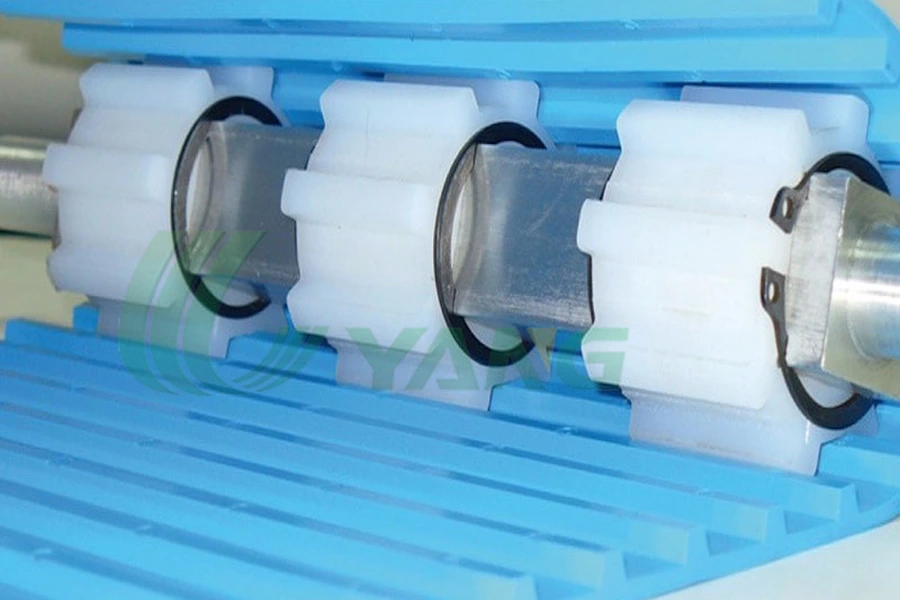
The K 50 series easy to clean positive drive homogeneous belt might be an option for you for that line that needs a homogeneous body and positive drive. However, the final quotation for this line still needs to detail dimensions, surface, joining method, drive etc. and also the applicable limits for use.
Treat the belt as part of the complete conveyor. Check the gear or sprocket arrangement, required tension, support surface, return path and cleaning access. Although a product picture gives an impression of the relationships between these components, a representative sample going through the cleaning cycle reveals so much more.
The homogeneous belt product range will give you a good starting point for comparison of other food-line applications. Please provide the supplier with the following information: type of soil, product temperature, processing speed, angle of inclination, cleaning agents, working width and the planned operating hours.
A Sanitation Check That Produces Useful Evidence
Use a contaminant that resembles production. Water alone will not show how the belt handles fat, protein, flour, sugar or sticky dough. Apply a controlled amount, run the normal cleaning cycle, and inspect the belt, splice, edge, scraper and frame. Photograph the same locations after each trial so the results remain comparable.
Visible cleanliness is only one observation. Check a wipe for residue, note any odour, and watch for roughening after repeated chemical exposure. Record temperature, cleaning time, dilution, brushing pressure and drying conditions too; those details often explain different results on otherwise similar lines.
The food conveyor belt selection guidance helps frame the belt choice, but the sanitation test result needs to come from the actual conveyor. The test is affected by the conveyor’s layout and access.
When a Homogeneous Belt Is the Wrong First Fix
A belt change does not clear a clogged drain or make inaccessible transfer points accessible. Also a damaged scraper, wrong tension or a faulty splice must be corrected first. Only then you can decide if the belt body creates an additional way for residue to escape.
UYANG BELTING supplies conveyor belt solutions for industrial use. Helpful information for an inquiry into conveyor belt solutions would be pictures/conveyor drawing, belt dimensions, drive arrangement, cleaning schedule and failure experiences with the current belt.
FAQ
Does a homogeneous conveyor belt eliminate bacterial contamination?
No. One-piece structures can hide many interfaces but contamination can arise from many other points: poor cleaning, damaged surfaces, dirty components, transfer points, sanitation regime not suited to line etc.
Is a positive drive belt always better than a flat belt for food processing?
No. This drive type can be used for tracking or slip resistant applications depending on the design and can require specific drive components to be incorporated into a complete conveyor design or alternatively a flat belt.
What should be tested before buying a homogeneous belt in bulk?
Use a sample representative of the production soil and clean with the same cleaning chemistry in the same temperature conditions, check the belt movement, splice and edges, and the access to the soil to decide if to place a large order. Start with a trial section.