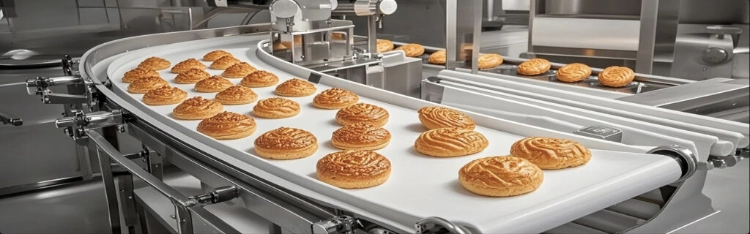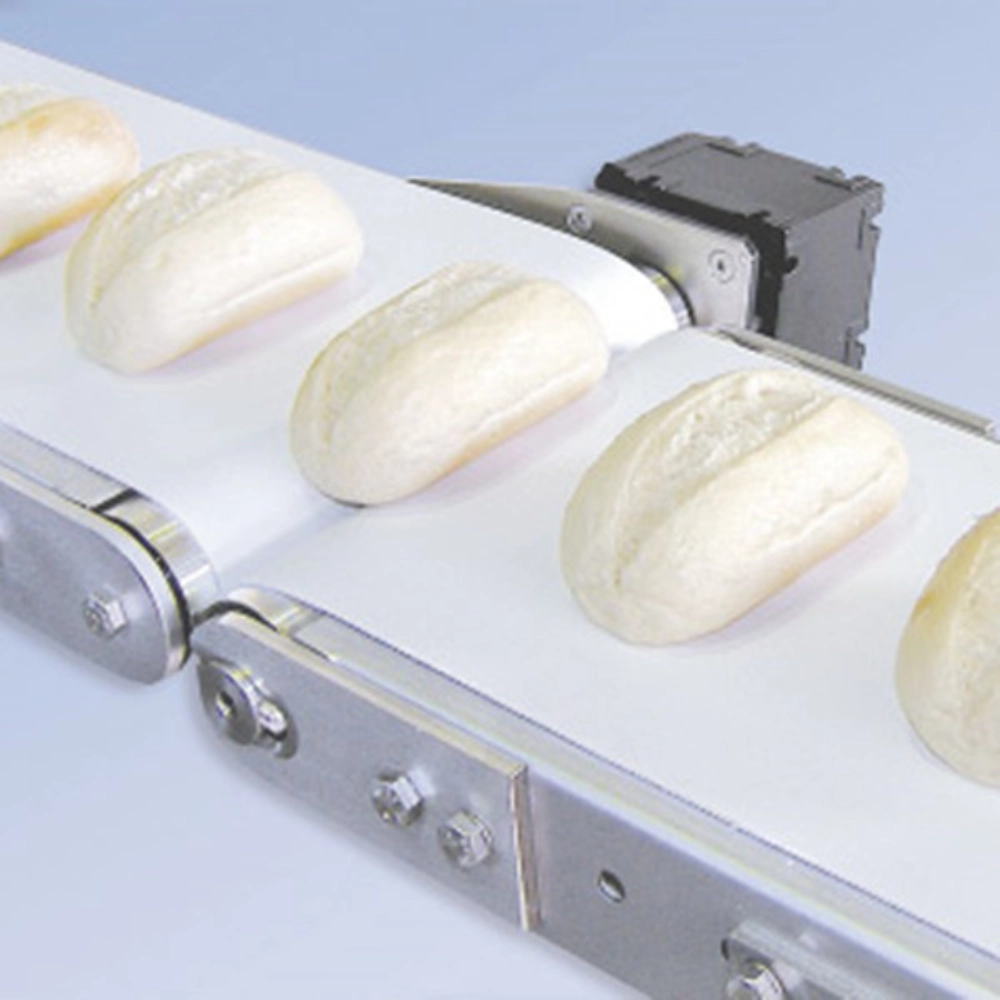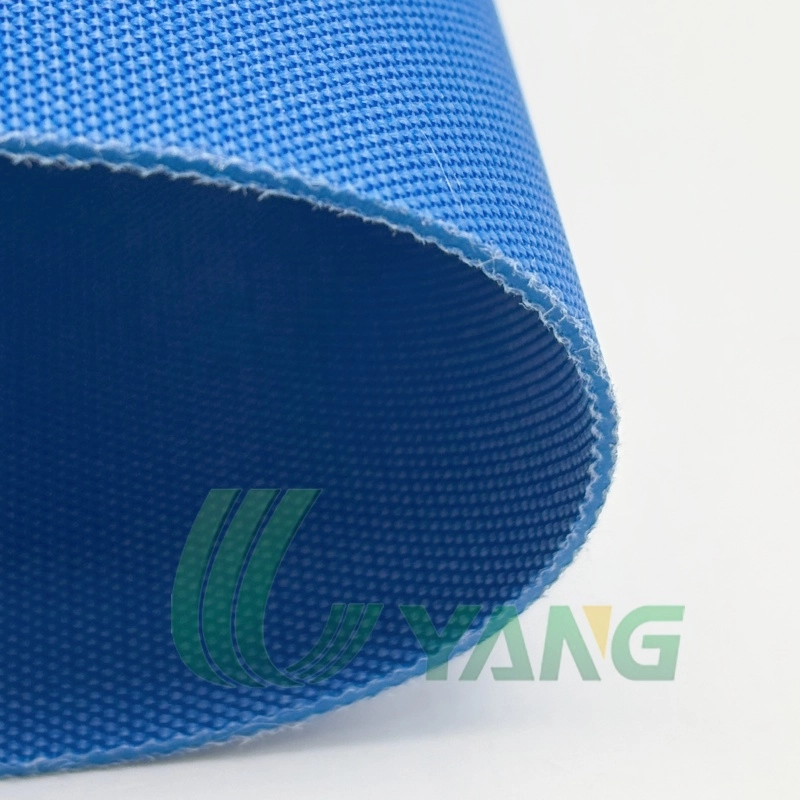
Wet food lines put several demands on one conveyor surface. Water, oil, sauces, flour, and repeated washdowns can reduce traction while also raising sanitation risks. A PU conveyor belt can address both concerns when its surface, hardness, reinforcement, tracking setup, and cleaning routine match the process. The right selection is not based on material name alone. You need to connect the belt specification with the product, the conveyor geometry, and the cleaning method.
Key Takeaways
- PU is a practical choice for wet food conveying because it combines a cleanable thermoplastic surface with resistance to common oils and abrasion.
- Grip comes from the interaction between surface texture, belt tension, pulley condition, and product moisture.
- A smooth top is useful for many food lines, but it is not automatically the best option for every incline or sticky product.
- Confirm the belt construction, joining method, speed, load, and cleaning chemicals with the supplier before a bulk order.
Why PU Works Well in Wet Food Conveying
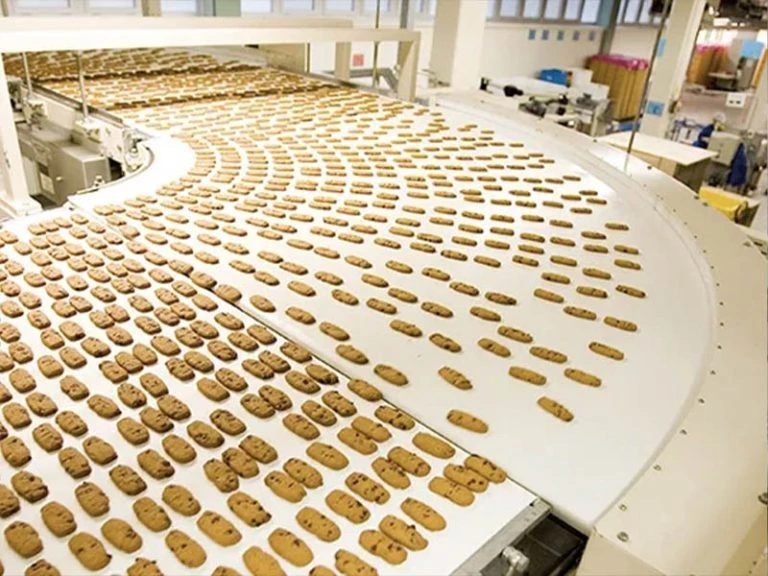
Polyurethane provides a continuous thermoplastic conveying surface. Unlike a fabric layer that can hold moisture if damaged, the working surface is non-porous and can be cleaned as part of a defined sanitation program. PU also offers useful resistance to wear, oils, and grease in many food and packaging applications. These properties help when a line moves dough pieces, prepared foods, packaged products, or ingredients through wet or frequently washed areas.
The belt does not create grip by itself. Traction depends on the contact between the belt and the product, the wrap angle on the drive pulley, and the force available at the drive. A wet product can act like a lubricant, while an over-tensioned belt can increase bearing load and accelerate edge wear. This is why a material decision must be paired with a mechanical review of the conveyor.
Match the Belt Surface to the Product
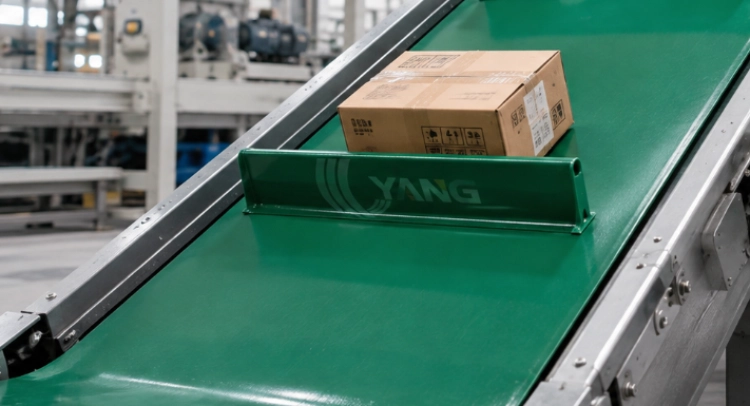
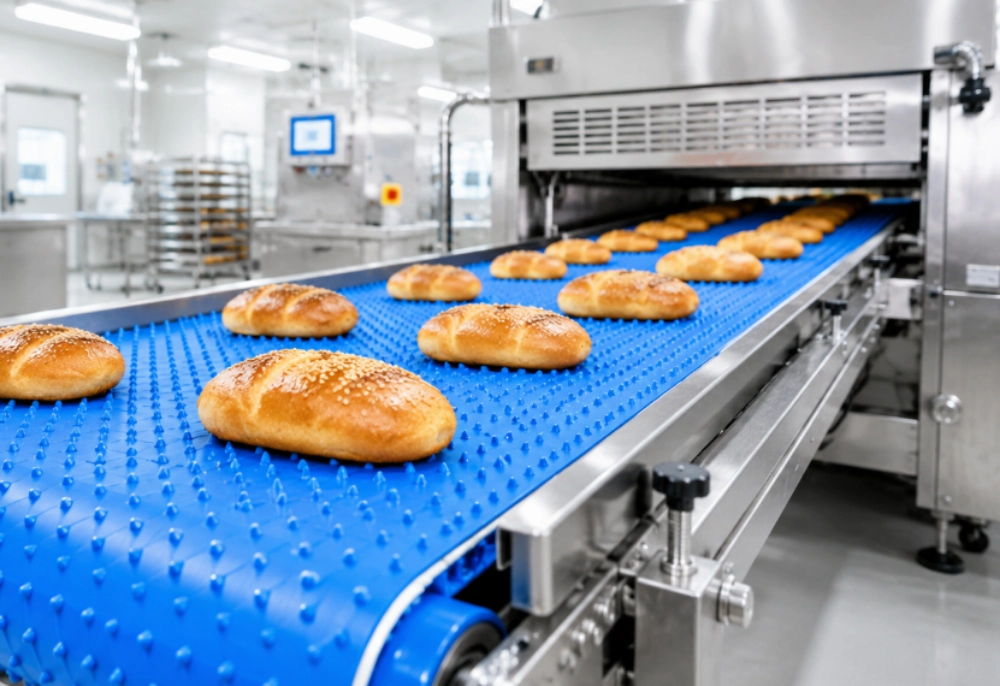
Start with the product condition at the exact transfer point. A smooth PU top can be easier to wash and may reduce places where food residue collects. It is often suitable for flat conveying and packaged products that do not need extra restraint. If the line has an incline, a textured or profiled surface may provide more holding force, but the profile can also make cleaning more demanding. Ask for a sample test with the actual product rather than choosing a pattern from a catalog photograph.
Surface hardness and finish also affect release. A dough or confectionery product that sticks to a rough surface may leave more residue at the discharge point. Conversely, a very smooth belt may allow wet pouches or loose pieces to slide when the incline increases. Record the product weight, moisture, temperature, and transfer angle during the trial. These details give the supplier a usable basis for recommending a surface.
Check the Mechanical Conditions Before Ordering
A belt can have the right polymer and still fail early if its construction does not fit the machine. Provide the supplier with belt width, endless length or open-end length, pulley diameters, conveyor speed, product load, support type, and the direction of travel. Also report whether the belt runs on a slider bed, rollers, nose bars, or a knife edge. Small pulley diameters and repeated flexing can be more important than the nominal load in a short conveyor.
Tracking deserves the same attention as tension. Confirm that the pulleys are square, the frame is clean, and the belt edges are not being forced against the guides. A belt that walks sideways can rub the frame and shed particles into a food zone. When commissioning a replacement, run it empty first, then at partial load, and finally at normal load. Watch the splice, edges, and return path during each stage.
Selection Checklist for Wet Food Lines
| Decision Point | What to Confirm | Why It Matters |
| Surface | Smooth or patterned top; product contact and incline | Balances release, grip, and cleanability |
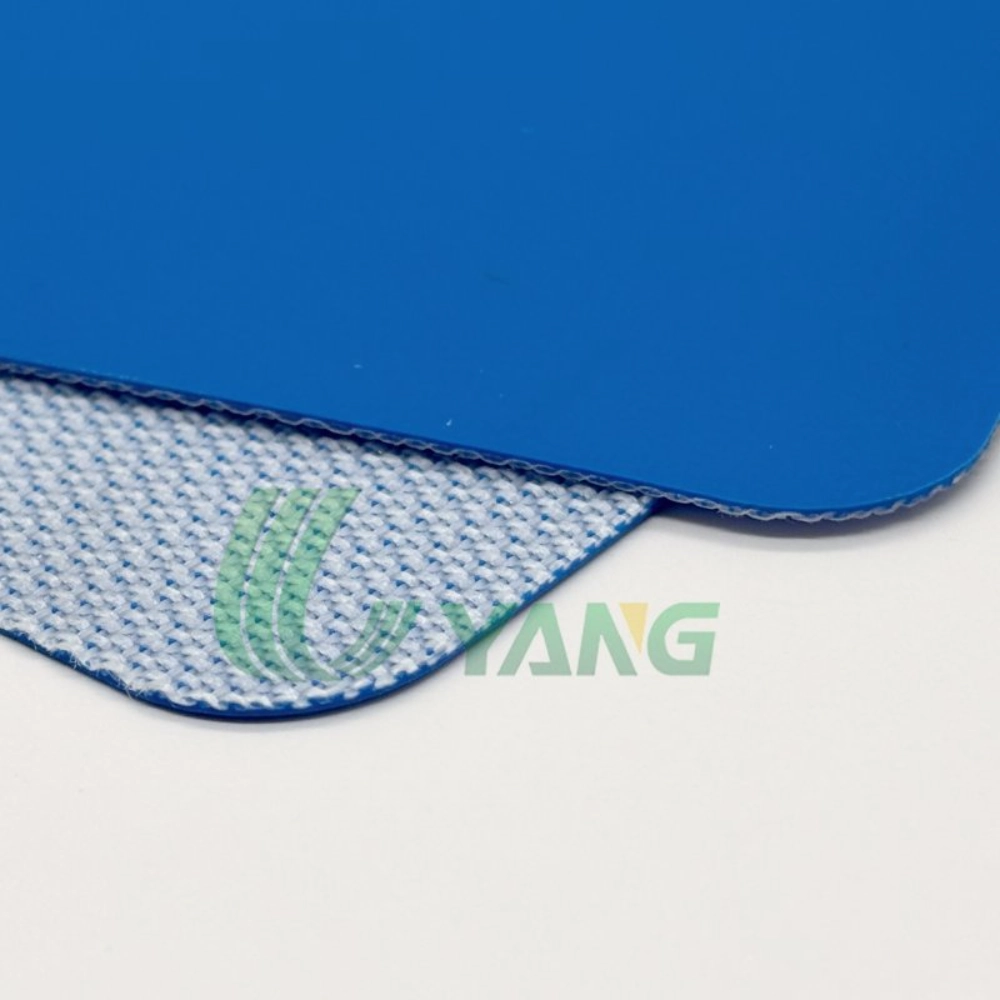
| Construction | Fabric layers, thickness, edge finish, and joining method | Controls flexing, strength, and replacement work |
| Environment | Water, oil, fat, detergent, temperature, and UV exposure | Avoids premature swelling, cracking, or surface change |
| Machine | Pulley diameter, speed, support bed, and tracking method | Prevents edge wear, mistracking, and splice stress |
| Validation | Sample run, washdown trial, and post-clean inspection | Tests the belt under real operating conditions |
Common Mistakes That Reduce Grip and Hygiene
The first mistake is selecting a belt from the word “food grade” without checking the product and cleaning conditions. Food suitability is only one part of the decision. The second is using a high-grip pattern where the line needs fast release and simple washdown. A pattern that helps an incline can trap residue around its valleys if the cleaning tools cannot reach it.
A third mistake is treating tension as a cure for slippage. Excess tension can deform the belt, overload components, and increase tracking problems. Check drive lagging, pulley cleanliness, and product loading first. Finally, do not return a newly joined belt to full production without inspecting the splice. Look for uneven edges, a raised joint, surface contamination, or a tracking change during the first operating cycle.
A PU Conveyor Belt Option from UYANG BELTING
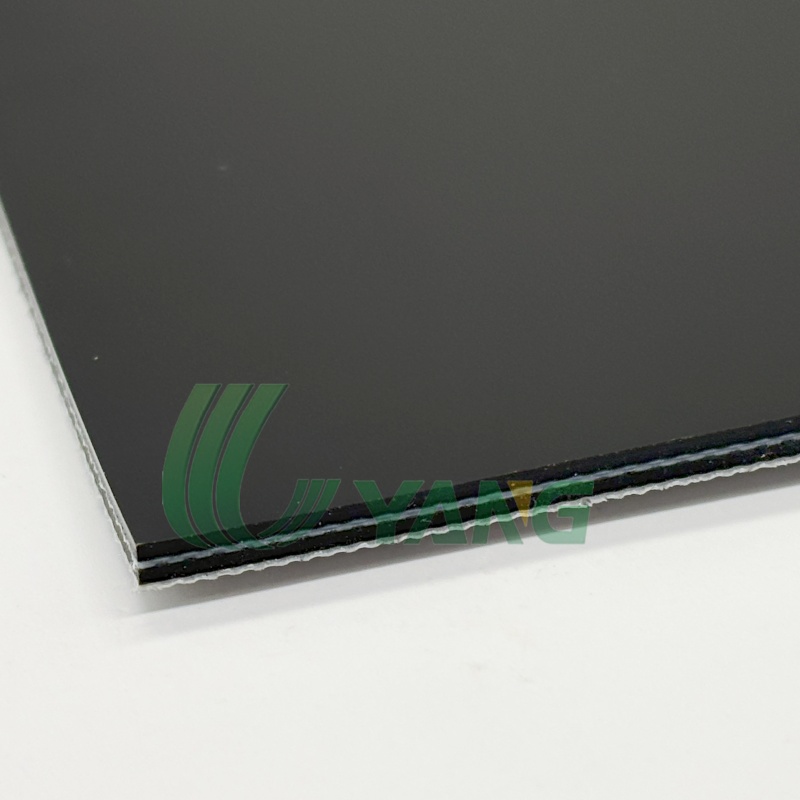
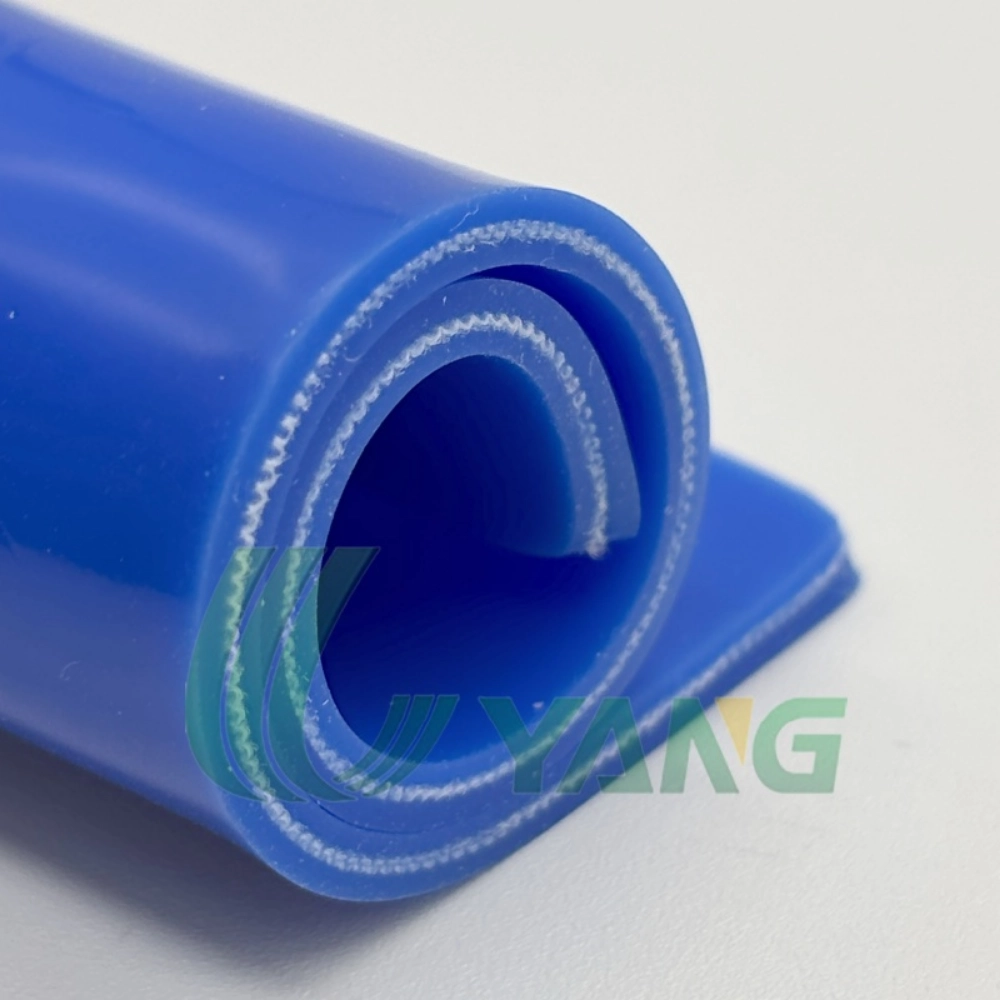
For wet food applications that prioritize a clean conveying surface, UYANG BELTING smooth top PU conveyor belt is a relevant starting point. The product page presents it for food processing and shows a smooth PU top. Use that information as a basis for a technical discussion, then confirm the final belt thickness, width, length, joining method, and operating conditions for your line.
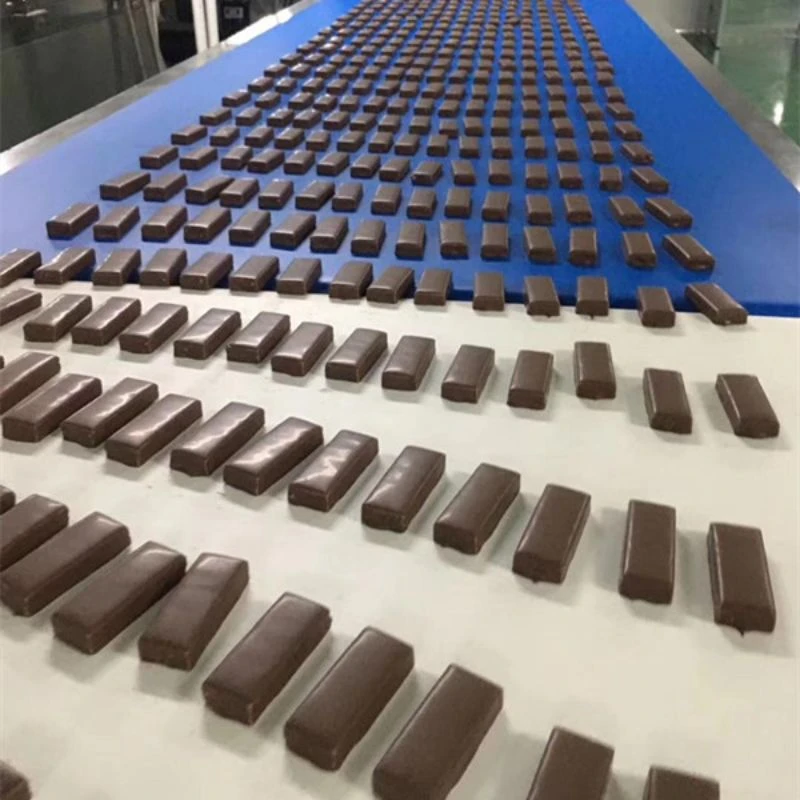
UYANG BELTING has more than 20 years of conveyor belt manufacturing experience and operates a production facility with multiple automated lines, according to its company information. Buyers can review the broader product center and industry applications before sending drawings or samples. For a quotation, include photos of the existing belt and the conveyor bed so the recommendation addresses the whole installation.
How to Validate a Belt Before a Bulk Order
Request a sample or short trial belt and define acceptance points in advance. Measure whether the product stays centered at normal speed, whether transfers remain stable when the product is wet, and whether the belt releases cleanly at discharge. Run the planned detergent and rinse sequence, then inspect the top surface, edges, and splice after drying. If the line uses hot water or steam, confirm the actual temperature and exposure time with the manufacturer rather than assuming that every PU construction has the same limit.
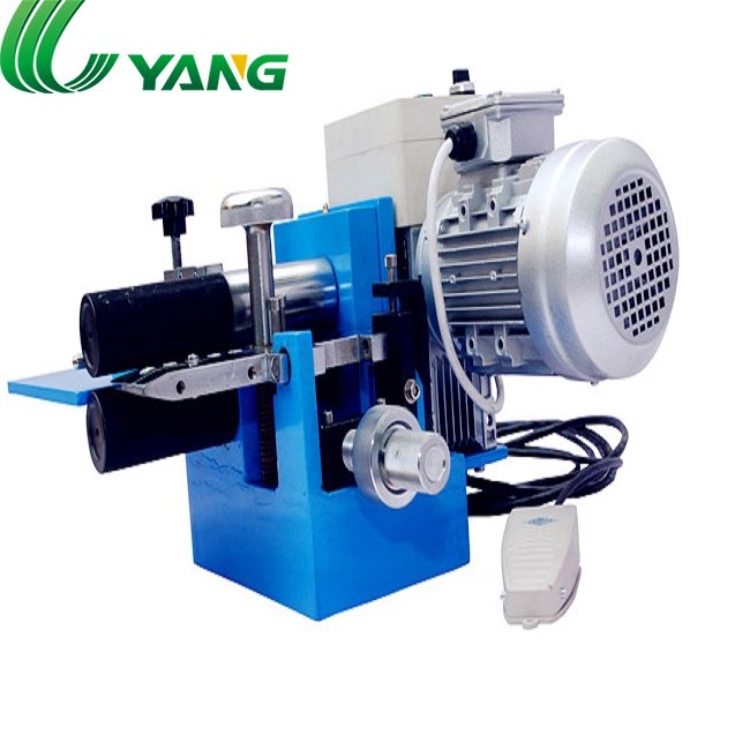
A useful trial also checks maintenance access. Confirm that operators can remove residue without sharp tools, that the belt can be tracked without entering a product zone, and that the joining equipment is available locally. A documented food conveyor belt life program can help teams connect inspection findings with cleaning and maintenance decisions. These practical checks often reveal more than a static material comparison.
What to Include in Your RFQ
Your request should state the belt category, width, endless length, top surface, thickness target, conveyor speed, load per metre, pulley diameter, support style, incline, product type, and cleaning chemicals. Add the operating temperature range and whether the belt sees oil, fat, sugar, salt, or abrasive particles. Ask the supplier to identify any unverified values and to recommend a sample test when the application falls near a design limit.
You can contact UYANG BELTING with these details and request a product drawing, joining recommendation, and inspection checklist. A complete RFQ helps both sides compare the same operating assumptions and reduces the risk of receiving a belt that fits the width but not the process.
FAQ
Q1. Does PU conveyor belt material prevent product slippage in wet lines?
A1. PU can provide a stable conveying surface, but slip depends on product moisture, surface finish, incline, speed, tension, and pulley condition. Validate grip with the actual product and operating speed.
Q2. Is a smooth PU belt easier to sanitize than a patterned belt?
A2. A smooth surface usually has fewer recesses for residue, but the best choice depends on the product and incline. A sample washdown trial should confirm cleaning time and release performance.
Q3. What information does a supplier need to recommend a PU conveyor belt?
A3. Provide width, length, thickness target, speed, load, pulley diameter, support bed, incline, product condition, cleaning chemicals, temperature, and preferred joining method.
Q4. How can belt tension affect grip and hygiene?
A4. Correct tension allows the drive to transmit motion without unnecessary component load. Excess tension can increase edge wear and mistracking, which may create particles and shorten belt life.
Q5. What should you inspect after installing a new PU conveyor belt?
A5. Check tracking, splice height, edge finish, surface cleanliness, transfer stability, and behavior during the first washdown. Run empty, partially loaded, and normally loaded checks before full production.