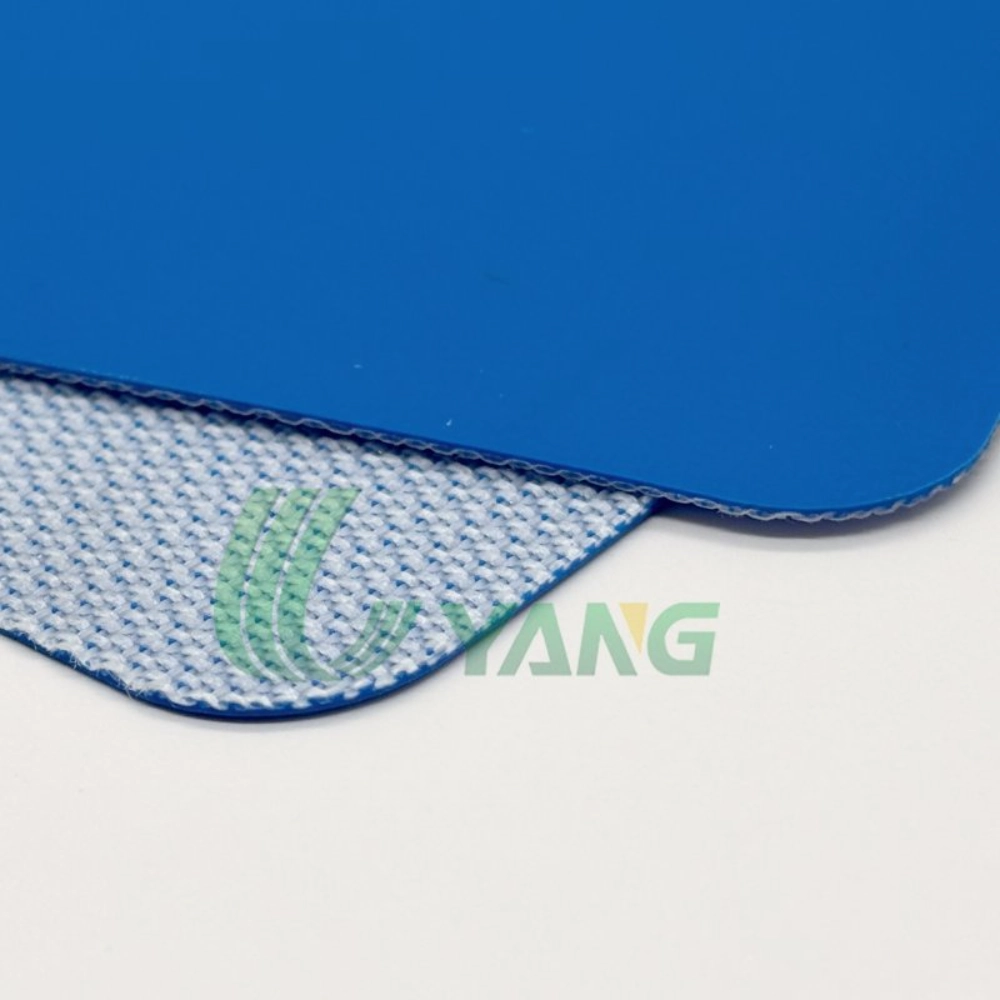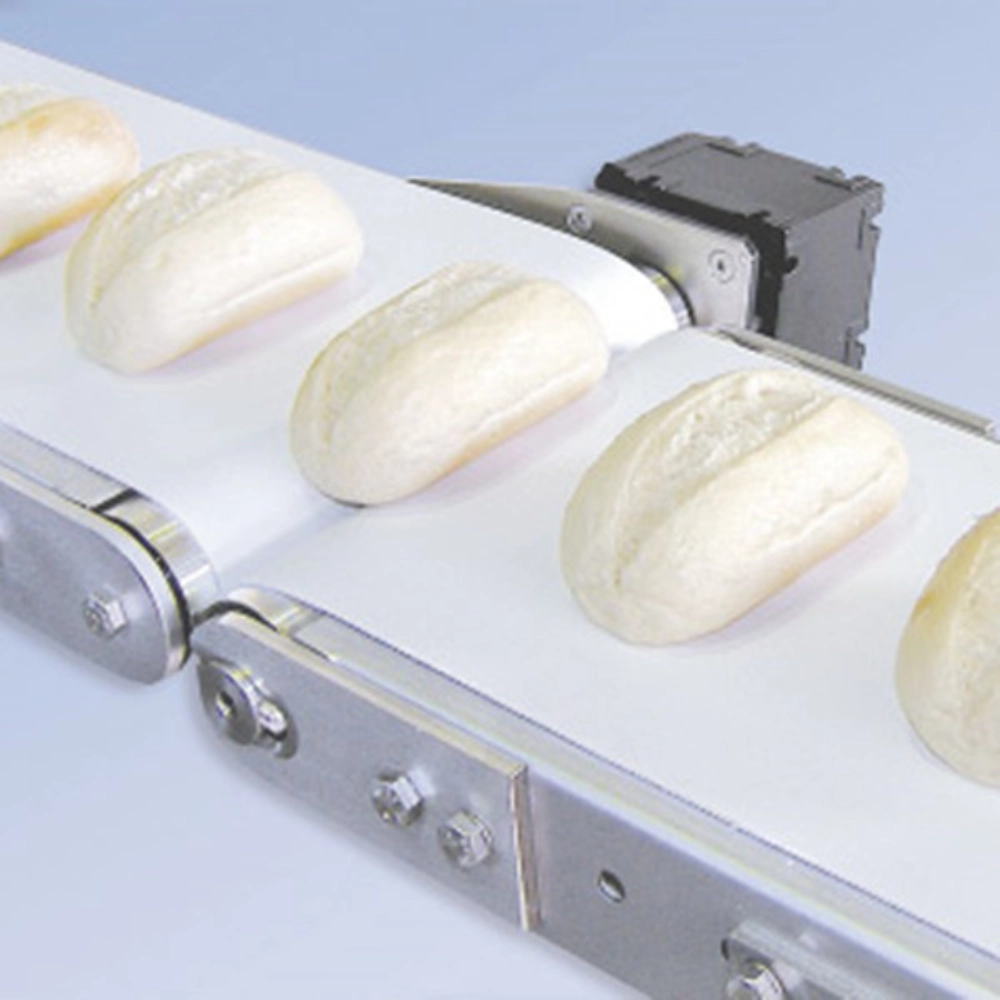
While age can play a factor in the early failure of food conveyor belts, most failures are attributed to factors such as incorrect belt selection, over-tightening, poor tracking, harsh cleaning, small pulleys, damaged belt edges, and poor splice quality. Removing these causes can result in a short life conveyor belt suddenly lasting much longer without requiring further maintenance. In fact, service life can be doubled, but this is not a given and is very much dependent on the cause of repeated damage having a clearly definable mechanical or material cause.
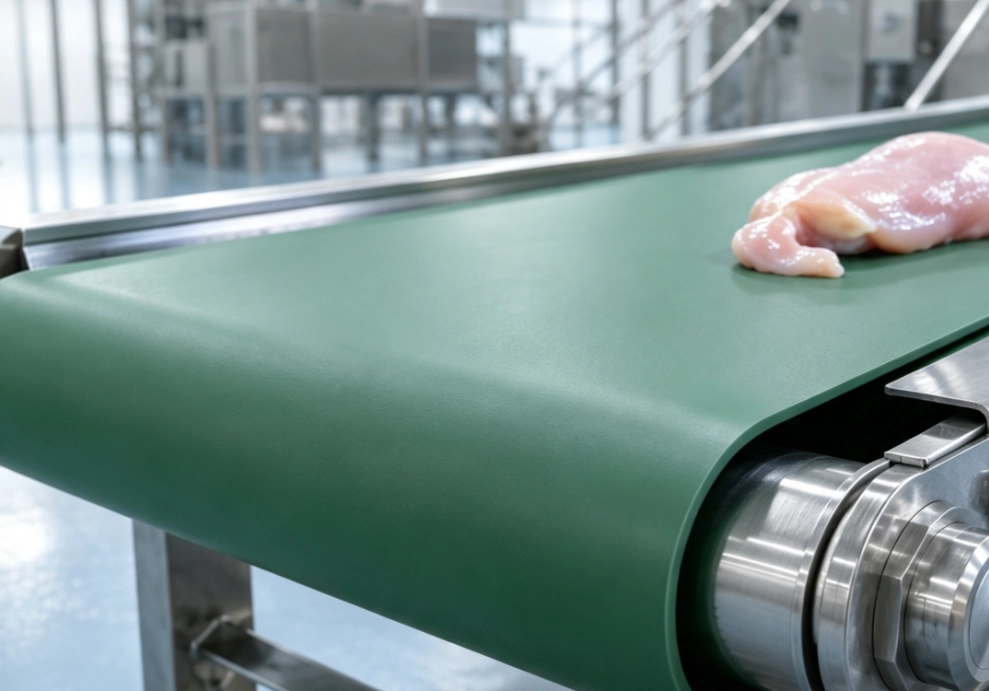
What Usually Shortens Food Conveyor Belt Life?
Find the main wear mechanism before changing your maintenance schedule. A belt damaged by cleaning chemicals needs a different fix from one rubbing against the frame. Replacing both with the same model simply repeats the cost.
Excessive Tension and Poor Tracking
More tension does not always mean more reliability. An overtight belt puts extra force on the splice, fabric plies, bearings, shafts, and pulley surfaces. It may stretch unevenly and start running to one side.
Use only enough tension to transmit drive force without slipping. Check that the frame is level, pulleys are parallel, rollers turn freely, and the splice is square. If the belt touches the same frame edge every shift, correct the alignment instead of tightening the take-up again.
Heat, Cold, Oil, and Moisture
A food line may move from cold storage to washdown in one day. Temperature changes can harden or soften the cover. Fats may swell an unsuitable material, while water can weaken exposed fabric edges.
Match the belt to the product, cleaning liquid, temperature, and sanitation cycle. The conveyor belt product center contains several structures because no single belt suits every wet, oily, frozen, abrasive, or dry application.
Small Pulleys and Mechanical Drag
A belt bends each time it passes around a pulley. If the pulley is smaller than the recommended minimum diameter, the cover, fabric, and joint flex too sharply. Cracks often start near the splice or belt edge.
Seized rollers, tight scrapers, buildup, misaligned guides, and worn bearings also raise drag.
How Should You Clean the Belt without Wearing It Out?
Cleaning supports food safety, but aggressive sanitation can become a wear process of its own. The right method removes residue while staying within the belt material’s limits.
Match the Cleaner to the Belt Material
Use a food-safe cleaner at the concentration, temperature, and contact time approved for the belt. Stronger is not always better. Excess alkali, acid, chlorine, heat, or dwell time can cause swelling, hardening, cracks, or loss of splice strength.
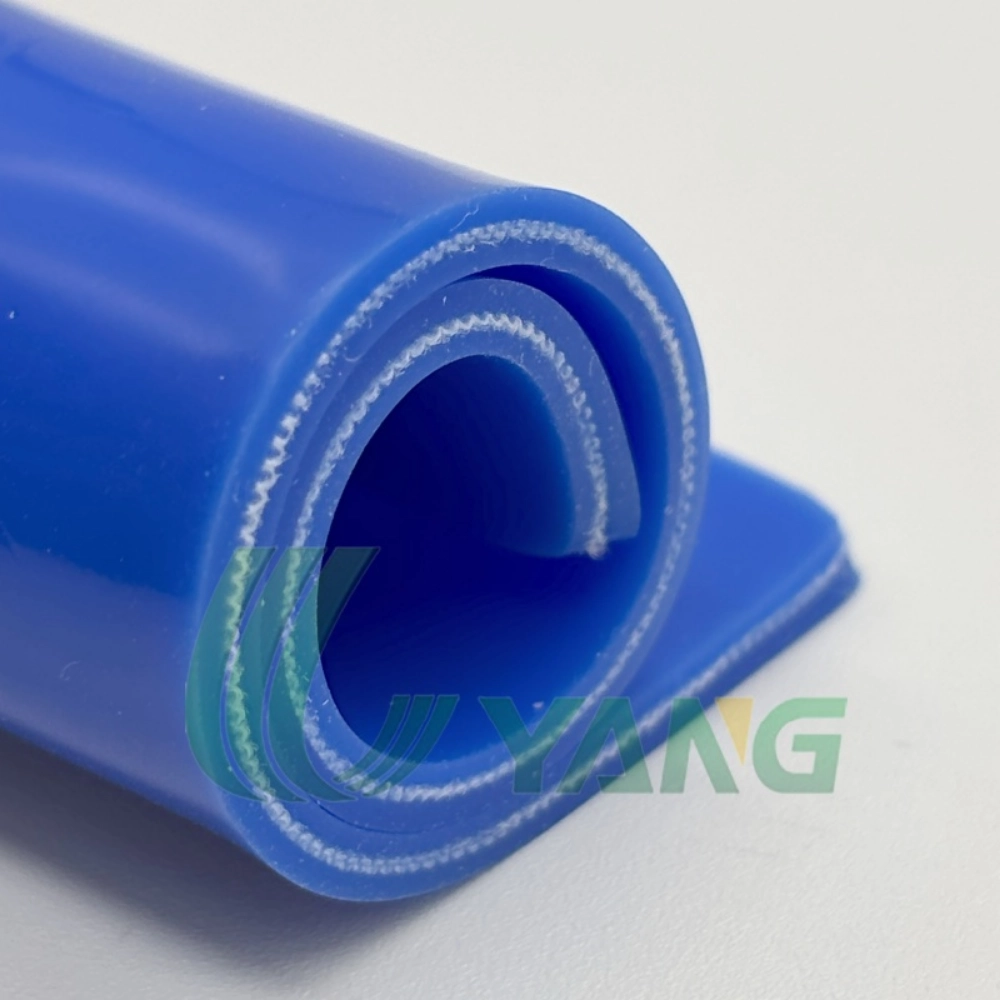
Easy-clean homogeneous belts use a one-piece TPU or TPE structure without fabric. They resist capillary absorption of water and oil. Smooth surfaces clean quickly, while fine textures add grip but need closer checks. Depending on the material, these belts can support hot water, high-pressure washing, steam, or chemical sanitation.
Build Inspection into Existing Cleaning Stops
You do not need a longer shutdown. Add these checks to the sanitation routine already carried out after a shift:
- Clean the belt, pulley, scraper, and return side.
- Inspect the splice, edges, guides, and underside.
- Look for swelling, glossy wear, cuts, fraying, or color change.
- Confirm that the rollers turn before production restarts.
- Record small defects before they become emergency repairs.
A deeper monthly check should cover tension, tracking, pulley wear, roller condition, and joint quality. Brief notes can prevent a longer repair.
Which Belt Design Can Reduce Repeat Replacement?
Long belt life begins when you write the purchase specification. Thickness alone is not a durability rating. A thick belt with the wrong material or pulley match can fail sooner than a thinner belt built for the job.
Choose Structure before Surface Pattern
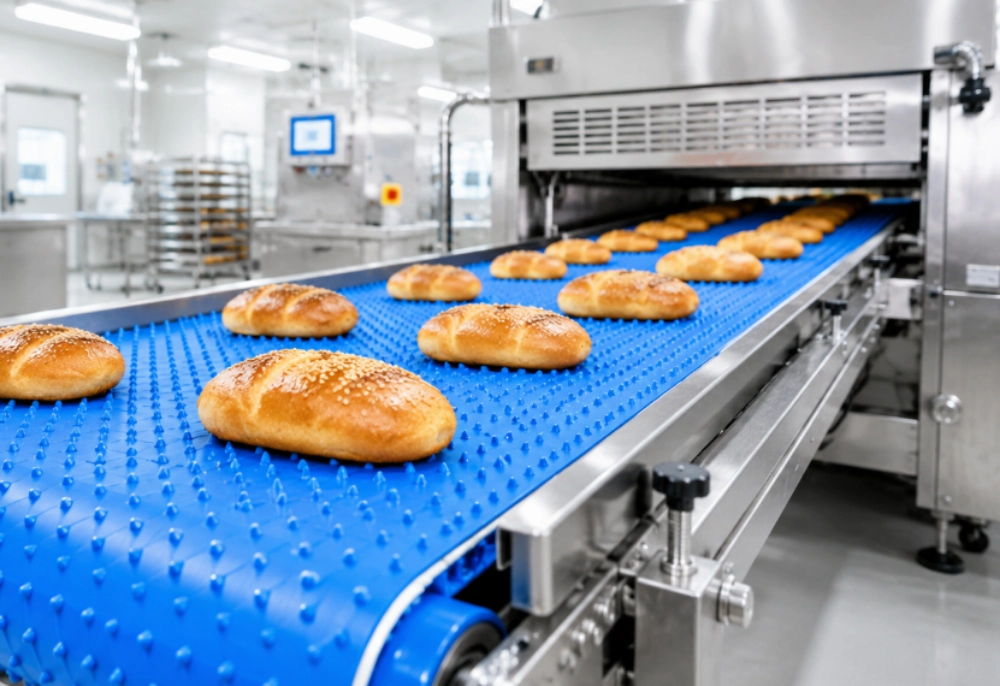
Start with the process. Meat cutting may need cut resistance and extra thickness. Bakery transfer may suit a lighter 2 mm belt with easy release. Wet seafood and frozen-food lines need moisture and hydrolysis resistance. Inclines need grip, while delicate transfer points often need a smooth finish.
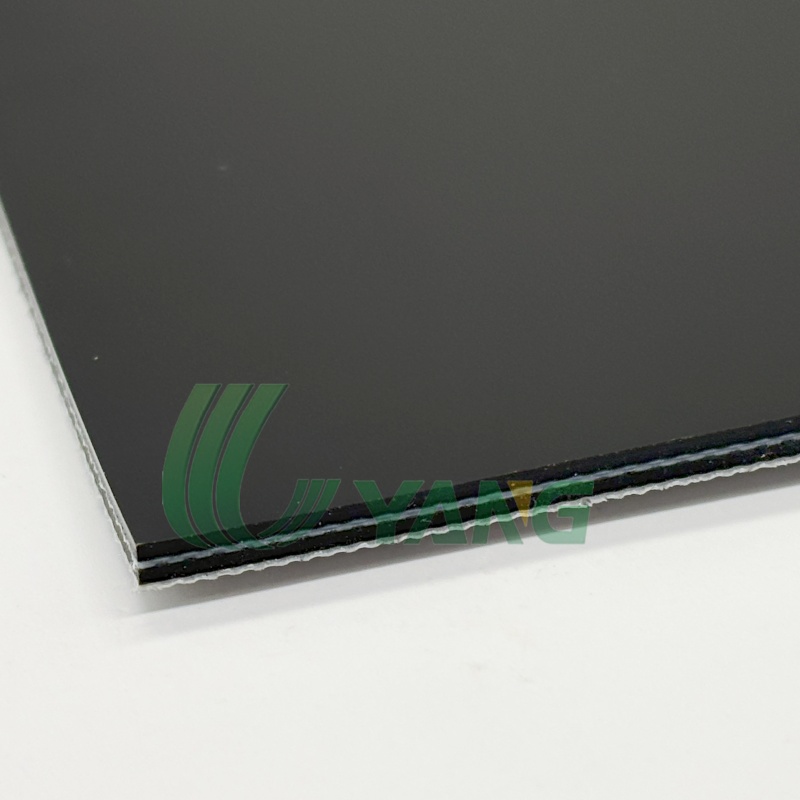
Homogeneous belts are useful when liquid penetration, edge fraying, or delamination causes failure. They are commonly made in roughly 1.5 to 5 mm thicknesses, with heat-welded joints, sealed edges, and smooth or hygienic textured surfaces.
Fabric-reinforced PU belts may suit lines that need accurate tracking, low weight, or smaller pulley operation.
Select a Belt for Wet and Cold Service
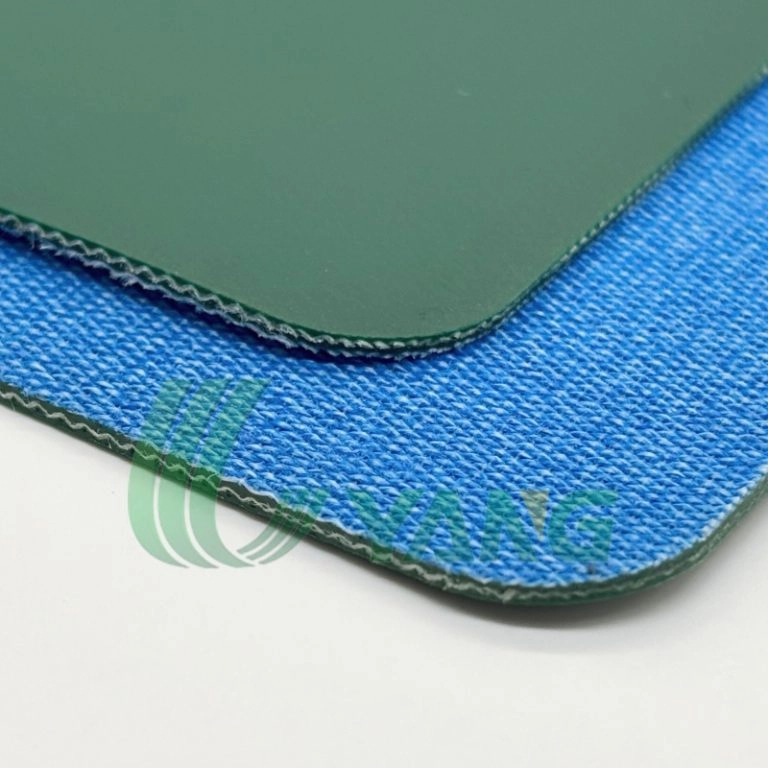
For lines where moisture, cold cycles, and edge wear shorten ordinary belt life, the PU Conveyor Belt- Deburring Edge Property-Anti-Microbial Type uses a 1.4 mm polyether PU construction with hydrolysis resistance, flexibility down to minus 30°C, and precision-finished edges.
Product information for hygiene-related applications like wet, cold and regularly cleaned processing areas also includes information on the product’s antimicrobial protection and its high abrasion resistance. Unlike conventional products, this product will not crack, swell or wear down at the edges.
How Can You Extend Belt Life without Adding Downtime?
The best service-life work happens while the conveyor is already stopped for cleaning, changeover, or planned maintenance.
Use a Five-Minute Shift Check
During a normal stop, check five points:
- Watch belt tracking before shutdown.
- Check the drive pulley for residue or slip marks.
- Inspect both edges and the splice.
- Turn suspect rollers after safe isolation.
- Check whether the take-up position has changed.
A worn guide costs little compared with an emergency belt replacement.
Repair Small Damage at the Right Time
Not every surface mark requires immediate replacement. Minor scratches that do not expose fabric, affect hygiene, or grow under load may only need monitoring.
Cuts near the edge, raised splices, fabric exposure, swelling, and repeated tracking loss need faster action. These faults can spread quickly once product residue or cleaning liquid enters the damaged area.
Plan the repair during the next cleaning or changeover window. Keep a measured spare belt or prepared splice materials on site, so the work replaces part of an existing stop rather than creating a new one.
Record Failure Cause, Not Just Replacement Date
Log the installation date, running hours, product type, cleaning method, tension changes, repairs, and failure location. After two or three belt changes, the pattern becomes clearer.
Repeated edge damage points to tracking or frame contact. Cracks near the splice suggest poor joint work, excess tension, or a pulley that is too small. Widespread swelling usually points to chemical, oil, or temperature mismatch.
This record also helps purchasing teams compare total service life instead of choosing a replacement from unit price alone.
What Should You Tell Your Belt Supplier?
A useful quotation needs more than width and length. Share the operating data that affects wear, then ask how the proposed belt handles each risk.
Send the Real Working Conditions
Provide:
- Belt speed, endless length, and width
- Normal and maximum product load
- Drive and tail pulley diameters
- Incline or decline angle
- Product type and product temperature
- Operating and cleaning temperatures
- Exposure to water, fat, oil, salt, acid, or alkali
- Cleaning chemicals and sanitation frequency
- Required surface grip and product release
- Photos of current edge, splice, or tracking damage
UYANG BELTING has more than 20 years of manufacturing experience, an 80,000-square-meter production base, and 15 production lines. Its company profile covers PVC, PU, solid woven belts, different surface patterns, and processing machinery.
For buyers, the practical benefit is matching material, structure, surface, guides, cleats, splice type, and dimensions to the actual conveyor rather than ordering from a generic specification.
Longer belt life does not require longer downtime. It needs better diagnosis, quick checks during existing stops, correct cleaning, and a specification based on the real production line. Fix the cause once, and the next belt has a fair chance to last much longer.
FAQ
Q1: How Often Should a Food Conveyor Belt Be Inspected?
A: Give it a quick visual check during each sanitation stop and perform a deeper monthly inspection of tension, tracking, splices, rollers, pulleys, and edges.
Q2: Can Excessive Cleaning Shorten Conveyor Belt Life?
A: Yes. Incorrect chemical concentration, high temperature, long contact time, and excessive pressure can damage the belt cover or weaken the splice.
Q3: Is a Thicker Food Conveyor Belt Always More Durable?
A: No. Service life also depends on material, fabric construction, pulley diameter, load, chemicals, edge condition, and splice quality.