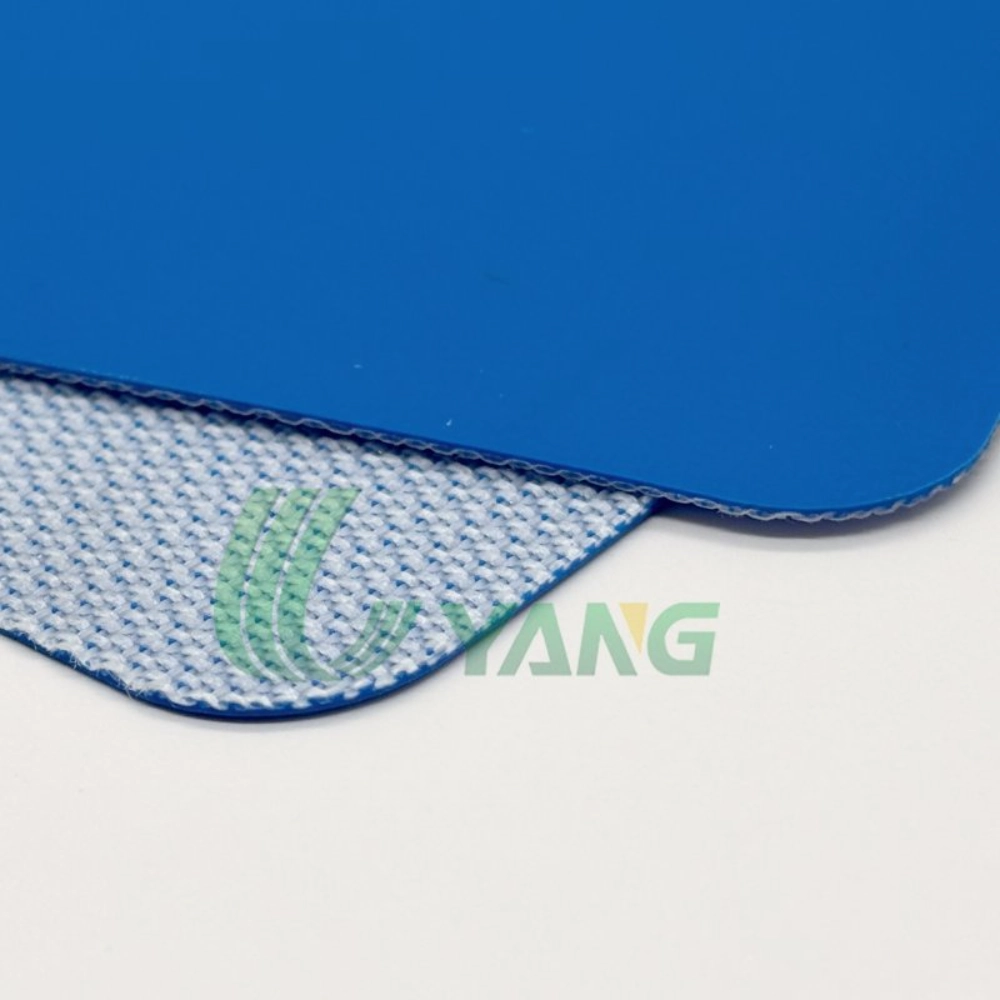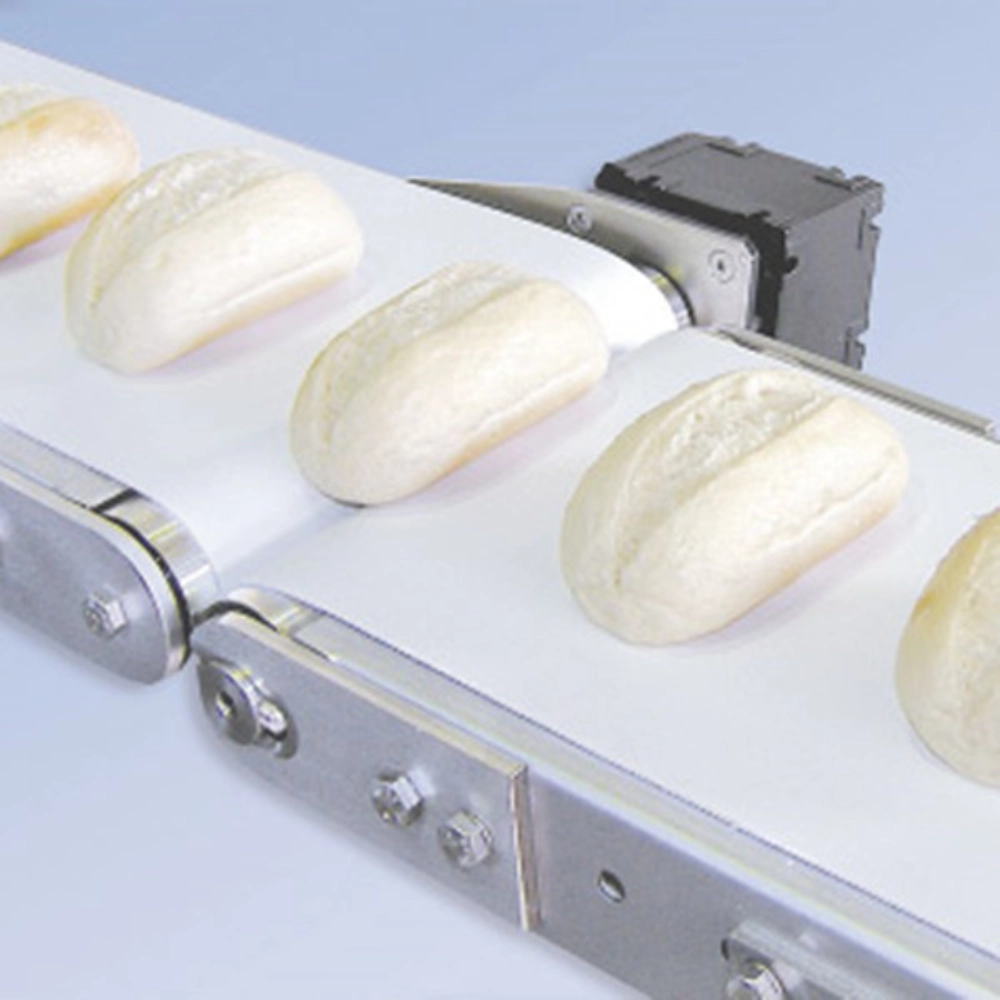
Conveyor belt slippage refers to a situation where a conveyor belt is no longer able to effectively grip the drive pulley, allowing the pulley to continue to rotate whilst the belt slows to a stop, travels for a short time and then comes to a stop once again only to resume traveling at an irregular speed. In the meantime, excessive heat is generated and, in due course, the surface of the belt will glaze and, in the meantime, excessive wear to the belt and accumulation of product will occur with resultant and unpredicted down time.
While low tension is a common cause of slipping, it is by no means the sole reason. Other causes of slipping include oil on pulley, worn lagging, excessive load, poor wrap angle, seized rollers, unsuitable belt underside, and incorrect installation. By tightening the belt without first investigating these possible causes, you could be disguising a problem for a few shifts, and placing extra load on shafts, bearings, and motor.
The right repair starts with a simple question. Is the belt slipping on the drive pulley, or is the product sliding on top of the belt? Those are two different faults and need different solutions.
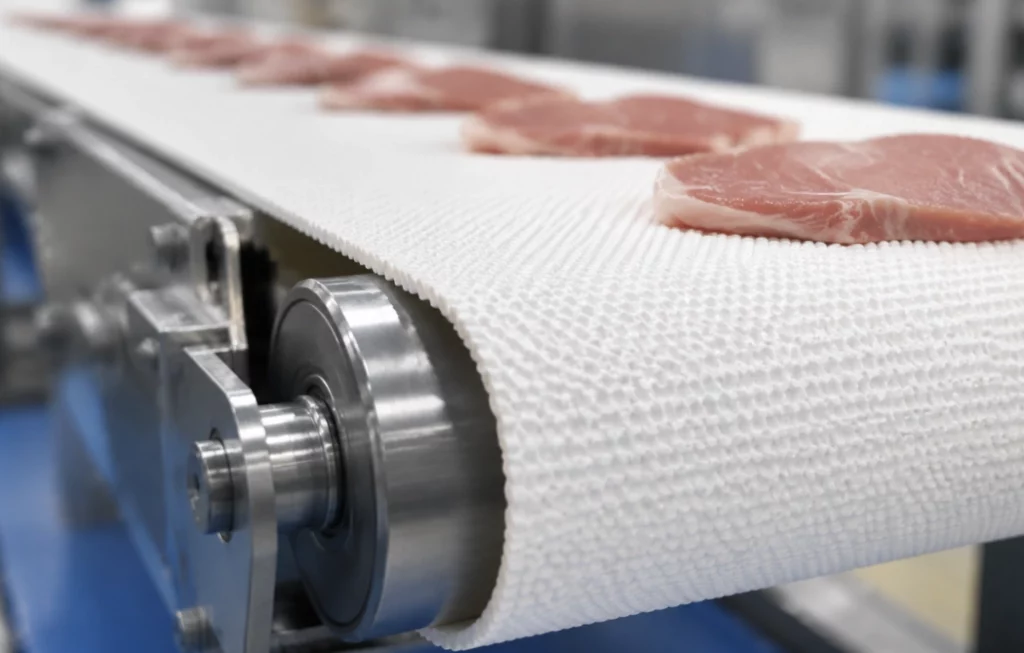
Why Does Conveyor Belt Slippage Start?
A friction-driven conveyor depends on contact between the belt underside and the drive pulley. Tension creates normal force, while the pulley surface supplies traction. When the available drive force drops below the force needed to move the belt and its load, slippage starts.
Low Effective Tension
A belt can lose tension after running for some time. The carcass may settle, the splice may stretch slightly, or the take-up unit may reach the end of its travel. A belt that runs normally when empty may then slip after products are added.
Typical signs include:
- Slippage during startup
- Unstable speed under load
- A squealing sound near the drive pulley
- Heat or polished marks on the belt underside
- Frequent requests from operators to tighten the take-up
Do not judge tension only by how tight the belt feels by hand. The correct setting depends on belt construction, width, load, pulley diameter, speed, conveyor length, and startup torque.
Contamination on the Drive Pulley
Water, oil, grease, flour, dust, wood particles, adhesive, and food residue can lower friction between the belt and pulley. Even a thin layer may cause trouble on a line with repeated starts and stops.
Cleaning the carrying surface alone will not solve this. The belt underside, drive pulley, return rollers, scraper, and nearby frame also need inspection. It sounds basic, but pulley contamination is still missed in busy plants because most residue is hidden below the conveyor.
Worn Pulley Lagging or Poor Wrap Angle
Pulley lagging becomes hard, smooth, cracked, or detached as it ages. Once the surface turns glossy, the belt may no longer receive enough traction.
Wrap angle matters as well. A belt contacting only a small portion of the drive pulley has less usable grip. A correctly placed snub roller can increase contact, but its alignment and diameter must suit the conveyor. Randomly moving rollers often creates a tracking problem somewhere else.
Excessive Load and Mechanical Resistance
Slippage may begin even when tension and pulley condition look acceptable. The drive may simply be working against too much resistance.
Check for:
- Product loads above the original design value
- Material accumulation below the belt
- Seized or damaged rollers
- Scrapers pressing too hard
- Belt edges rubbing against the frame
- A tight or uneven splice
- Cold bearings or frozen components
- Sudden loading at startup
A conveyor may run empty with no visible fault and slip only during production. That is why an unloaded test is not enough.
Is It Belt Slippage, Product Slippage, or Poor Tracking?
These problems are often mixed together. Before changing tension, watch where the relative movement occurs and when it begins.
Belt Slippage at the Drive Pulley
True conveyor belt slippage occurs between the belt underside and the powered pulley. The drive shaft turns faster than the belt, often leaving heat marks or polished areas near the drive section.
A simple inspection method is to place temporary reference marks on the pulley and belt while the system is safely stopped. After restarting under controlled conditions, compare their movement. A speed reading from the drive shaft and belt surface gives a clearer result on higher-speed lines.
Product Slippage on the Belt Surface
If the belt keeps its normal speed but cartons, food, bags, panels, or components move backward, the problem is product slippage.
Possible causes include:
- A surface with too little grip
- An incline that is too steep
- Oil, water, powder, or condensation
- Sudden acceleration
- Product weight concentrated in a small area
- A texture that does not match the product base
Do not select the roughest surface automatically. A very aggressive pattern can damage soft goods, disturb transfers, trap residue, or create noise. The better choice matches the belt surface to the product, incline, cleaning method, and transfer point. The industry application guidance can help narrow the material and surface options for different production lines.
Tracking Faults That Increase Drag
A belt running to one side is not necessarily slipping. However, edge contact adds resistance and can eventually cause drive-pulley slippage.
Check pulley alignment, roller condition, frame level, load position, splice squareness, and buildup on the return side. Adding more tension to pull a badly tracking belt straight usually makes bearing load and edge wear worse.
What Should You Check Before Tightening the Belt?
A controlled inspection is faster than repeated take-up adjustments. Stop the conveyor, follow the required isolation procedure, and inspect the whole drive path rather than one visible section.
Clean and Inspect the Drive Area
Remove contamination from the pulley face and belt underside with a cleaning method suitable for the belt material. Then check for:
- Smooth or hardened lagging
- Uneven pulley wear
- Material packed around the shaft
- Damaged belt edges
- Glazing on the underside
- Cracks or separation near the splice
For food lines, cleaning must not leave chemical residue that can attack the belt or contact the product.
Check the Take-Up and Conveyor Geometry
Confirm that the take-up still has usable travel and moves evenly on both sides. Measure pulley alignment rather than relying on sight alone.
Also check the minimum pulley diameter. A thick or stiff belt running around a pulley that is too small creates higher bending resistance. The drive then needs more force, and the belt may show cracking near the splice.
Adjust Tension in Small Steps
Increase tension only after cleaning, alignment, roller condition, load, and pulley grip have been checked. Make small, equal adjustments on both sides and run the conveyor under its normal production load.
Stop when stable drive is restored. More tension is not extra safety. Over-tension can increase power demand, heat bearings, bend shafts, stretch the belt, and shorten splice life.
How Can You Stop Conveyor Belt Slippage Permanently?
A lasting fix removes the cause instead of covering the symptom. In many plants, the final answer combines maintenance, conveyor adjustment, and better belt selection.
Restore Traction and Reduce Resistance
Start with the least disruptive repairs:
- Clean the belt underside and drive pulley.
- Replace damaged or polished pulley lagging.
- Free or replace seized rollers.
- Remove material buildup around the return path.
- Correct belt tracking and pulley alignment.
- Reduce excessive startup load.
- reset tension within the recommended range.
- Check whether the motor and gearbox suit the actual load.
When slippage returns soon after these steps, inspect belt construction, pulley diameter, wrap angle, and the operating environment.
Match the Belt to the Real Working Conditions
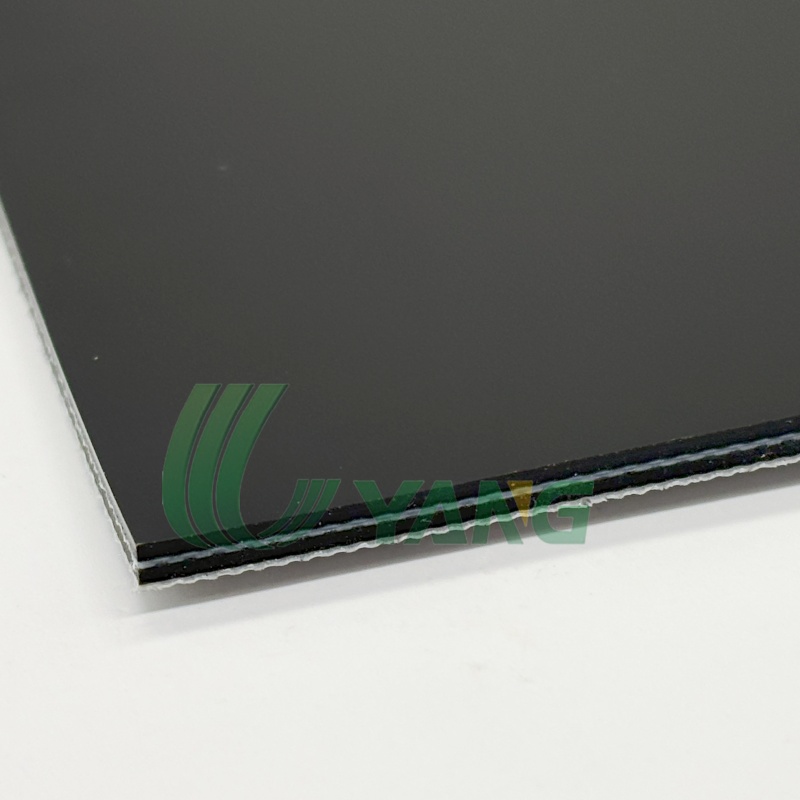
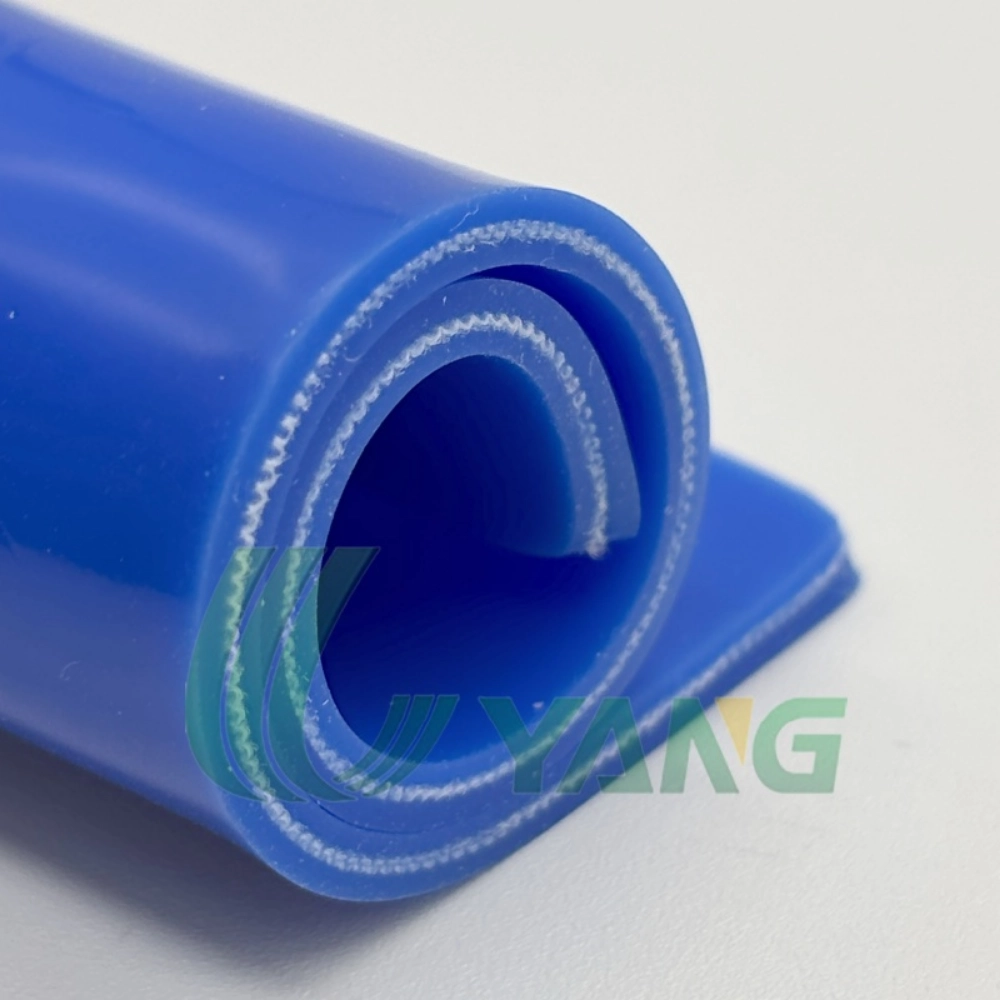
The conveyor belt product range includes PVC, PU, positive-drive, homogeneous, PVK, silicone, rubber, modular, patterned, and transmission belt options. The right choice depends on more than width and thickness. Buyers should also provide speed, load, incline, temperature, product contact, cleaning chemicals, moisture, oil exposure, pulley sizes, and start-stop frequency.
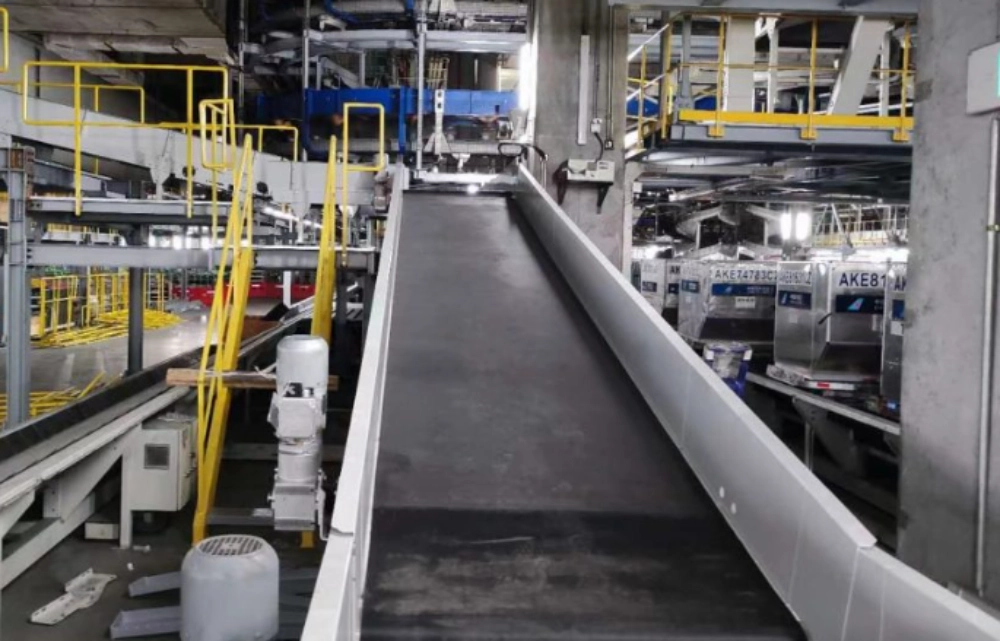
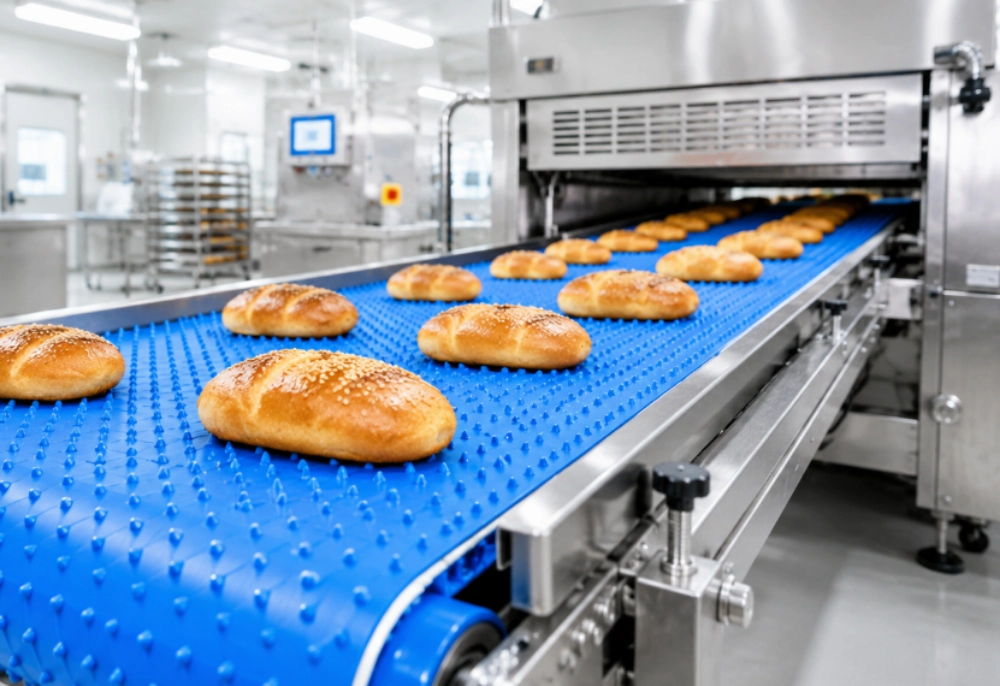
A smooth friction-driven belt may work well on a dry horizontal packaging line. A wet food line with repeated washdowns may need a different drive method. An inclined logistics conveyor may need a textured carrying surface, while a precise transfer section may perform better with a smoother finish.
Consider Positive Drive for Wet Food Lines
Where friction-drive slippage keeps returning, a sprocket-driven homogeneous belt can provide more stable synchronization. The teeth engage with matching drive wheels, so movement depends less on friction between a smooth pulley and a wet belt underside.
The Easy-to-Clean Homogeneous Belt-K00 Series-Golf as TOP-UYANG BELTING is suitable for hygienic food processing such as raw meat, produce, frozen food, and fried food handling. Available configurations include TPU constructions, 2.0 or 3.0 mm thicknesses, and several surface finishes. The one-piece material structure also avoids fabric capillary absorption, edge fraying, and layer separation commonly associated with multi-layer belts.
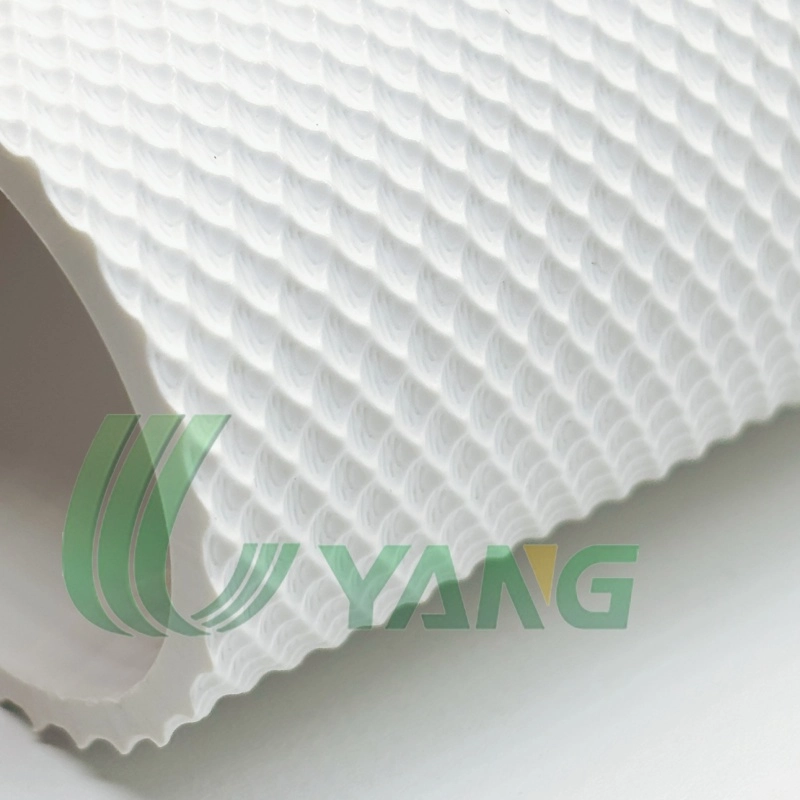
Positive drive does not remove every maintenance need. Sprocket pitch, tooth engagement, shaft alignment, belt width, support position, and cleaning access still need to match the conveyor.
How Can Buyers Prevent Repeat Slippage?
A good purchase specification reduces troubleshooting after installation. Belt selection should begin with actual operating data, not only an old belt sample or a short product name.
Send Complete Conveyor Information
Include the following details in your inquiry:
- Belt width, endless length, thickness, and number of plies
- Drive and tail pulley diameters
- Conveyor speed and total length
- Normal and maximum load
- Horizontal, incline, or decline layout
- Product type and product base
- Operating and cleaning temperatures
- Exposure to water, oil, grease, chemicals, or sharp edges
- Startup frequency and motor data
- Current belt photos, videos, or drawings
- Existing slippage, tracking, splice, or wear problems
This information helps separate a belt problem from a conveyor-design problem.
Review Installation and Maintenance Support
UYANG BELTING has more than 20 years of conveyor belt manufacturing experience, an 80,000-square-meter production facility, and 15 production lines. Its range serves food processing, logistics, packaging, electronics, wood, stone, fitness, and other light industrial applications. Buyers can also review the company profile before discussing customized dimensions, surfaces, splices, guides, cleats, or drive arrangements.
Slippage is rarely solved by one extra turn on the tension screw. Clean first, inspect the drive path, measure alignment, test under normal load, and then adjust. When the same fault keeps returning, the belt, pulley, and application may no longer be a good match.
FAQ
Q1: Can low conveyor belt tension always be fixed by tightening the take-up?
A: No. Low tension may be one cause, but contamination, worn pulley lagging, seized rollers, overload, poor wrap angle, and incorrect belt selection can produce similar symptoms. Check these areas before adding tension.
Q2: Why does a conveyor belt slip only during startup?
A: Startup requires more torque than steady running. A heavy load, sudden acceleration, low tension, a smooth pulley, or mechanical resistance may cause brief slippage when the motor starts.
Q3: How can you tell whether the belt or the product is slipping?
A: If the drive pulley turns faster than the belt, the belt is slipping. If the belt keeps its normal speed but the product moves backward, the product is sliding on the carrying surface.
Q4: Can excessive conveyor belt tension damage the system?
A: Yes. Excessive tension can raise motor load, heat bearings, bend shafts, stretch the belt, damage the splice, and shorten service life.
Q5: When should you consider a positive-drive homogeneous belt?
A: Consider it when wet conditions, frequent washdowns, food residue, or repeated friction-drive slippage make stable movement difficult. UYANG BELTING can match the belt pitch, surface, dimensions, and drive wheels to the conveyor layout.