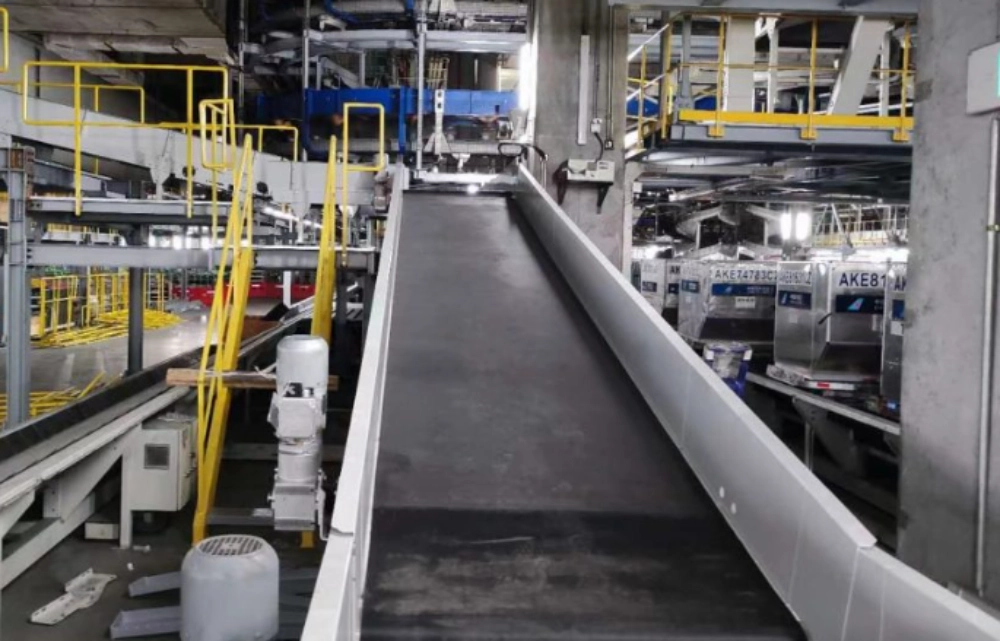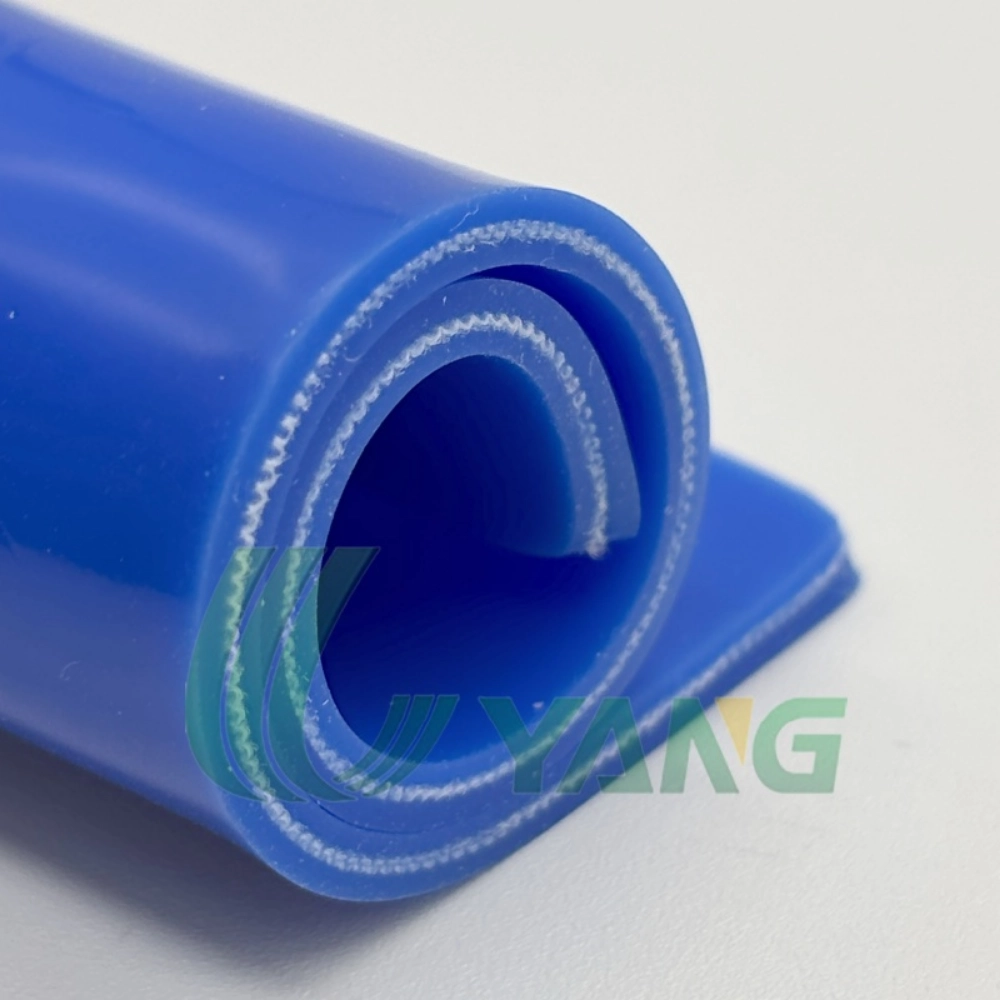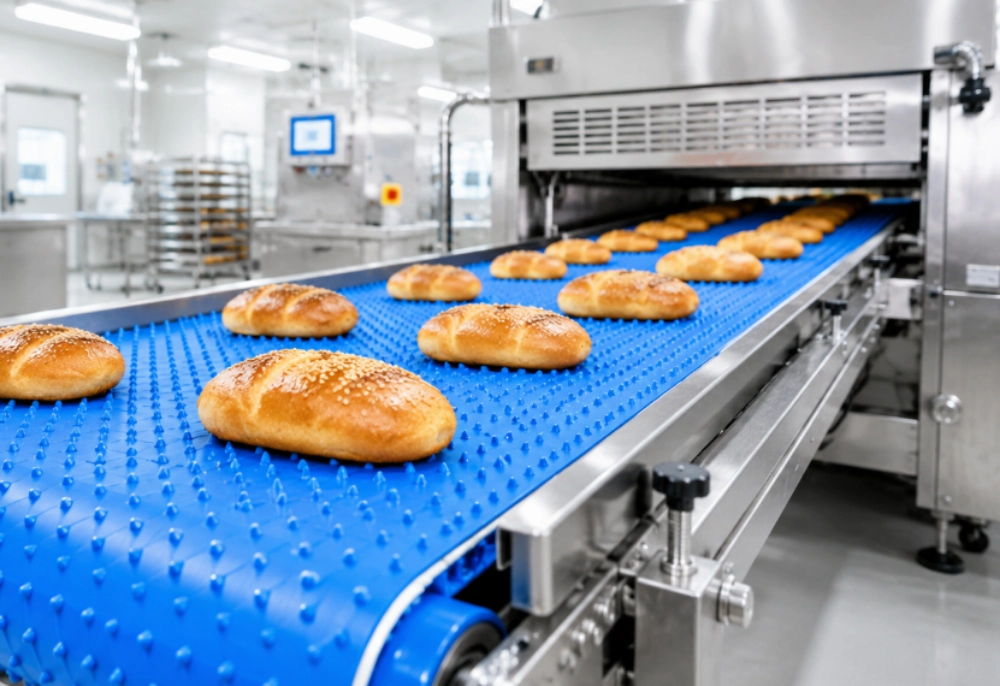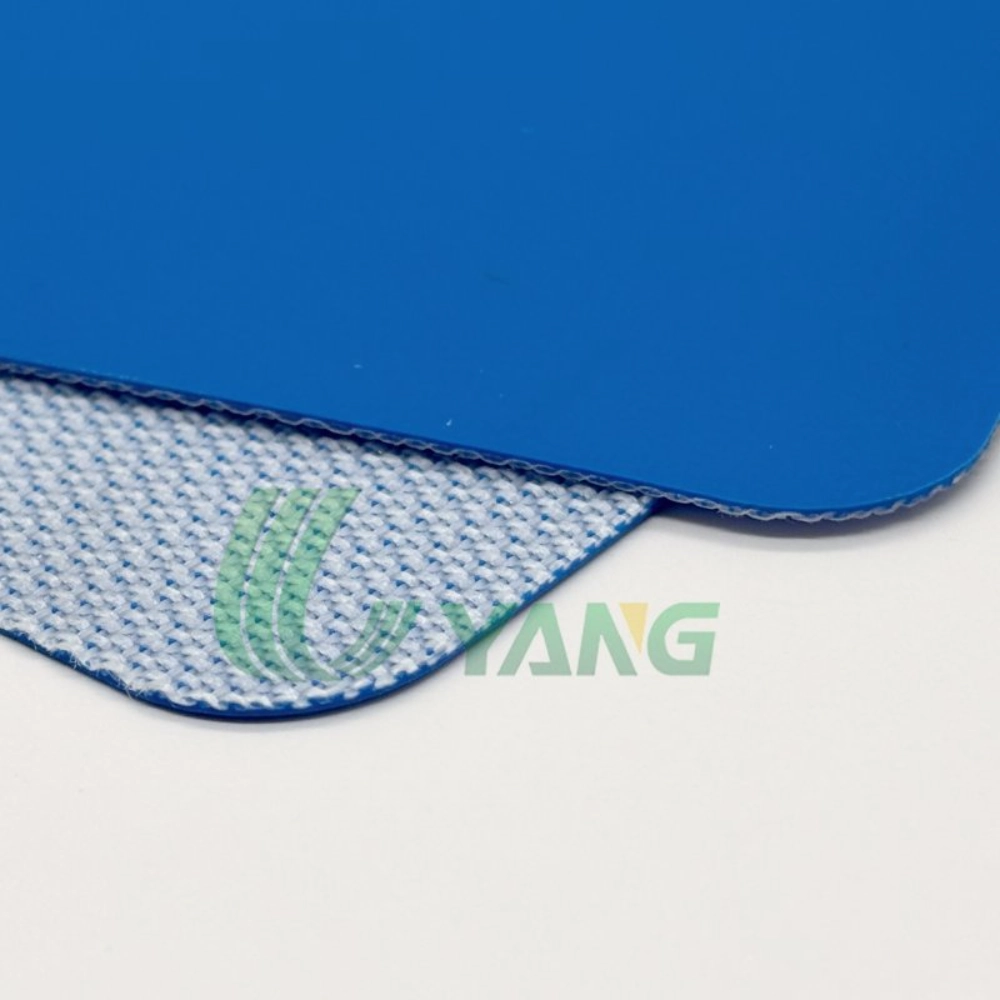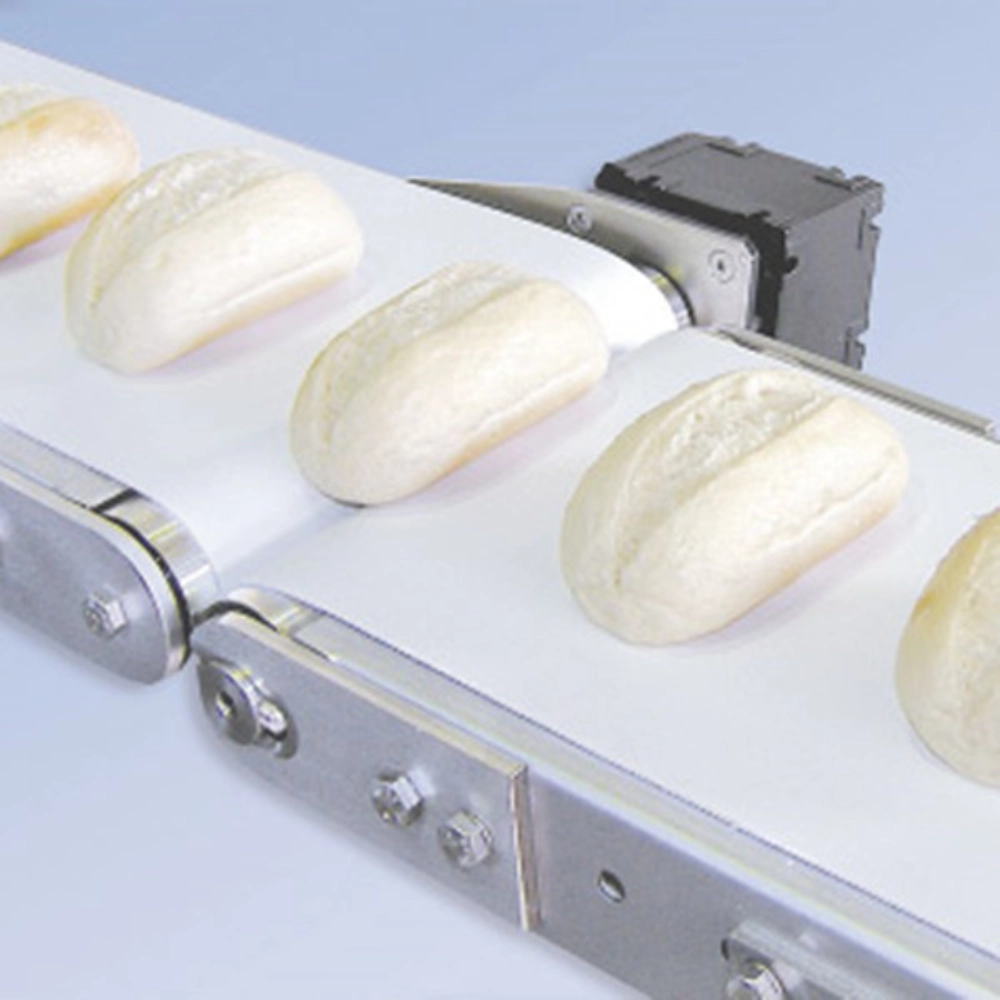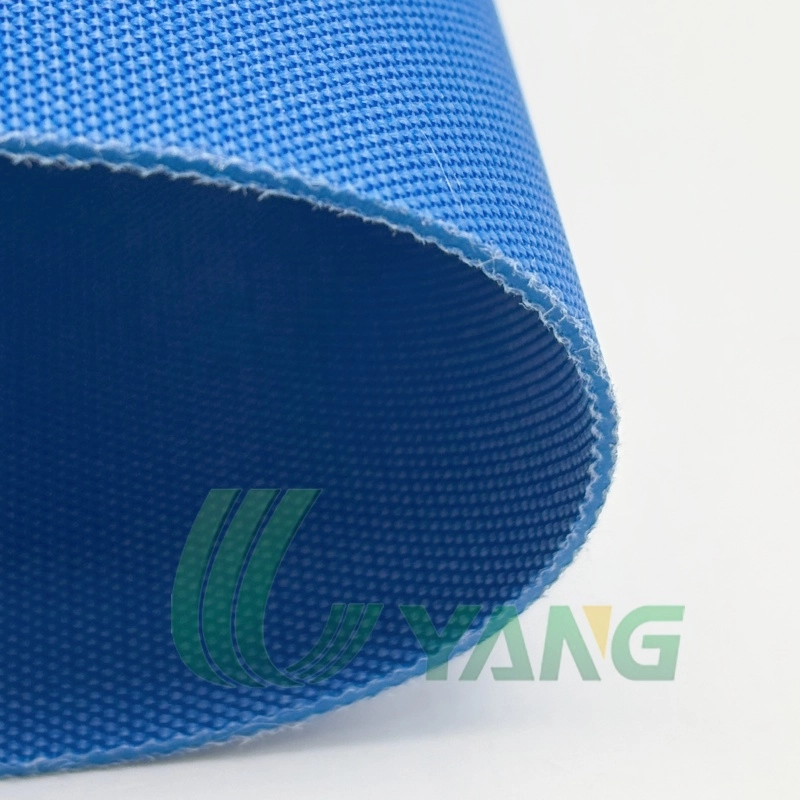
A conveyor belt ply separator improves PVC and PU belt splicing by removing fabric layers at a controlled depth before finger, overlap, or special joint preparation. The goal is not simply to split the belt. It is to create a uniform step, stable belt thickness, and clean joining surface across the working width. Uneven manual separation can leave thick spots, damaged fabric, and inconsistent joint geometry that later cause tracking problems or premature splice failure.
For belt fabricators and maintenance teams, the separator should be selected according to belt thickness, ply structure, split width, and the joint design that follows. A machine with a suitable separation range can make the preparation stage more repeatable, but it cannot correct a belt that has already been selected for the wrong application or a splice design that does not match the conveyor.
Why Ply Separation Matters Before Splicing
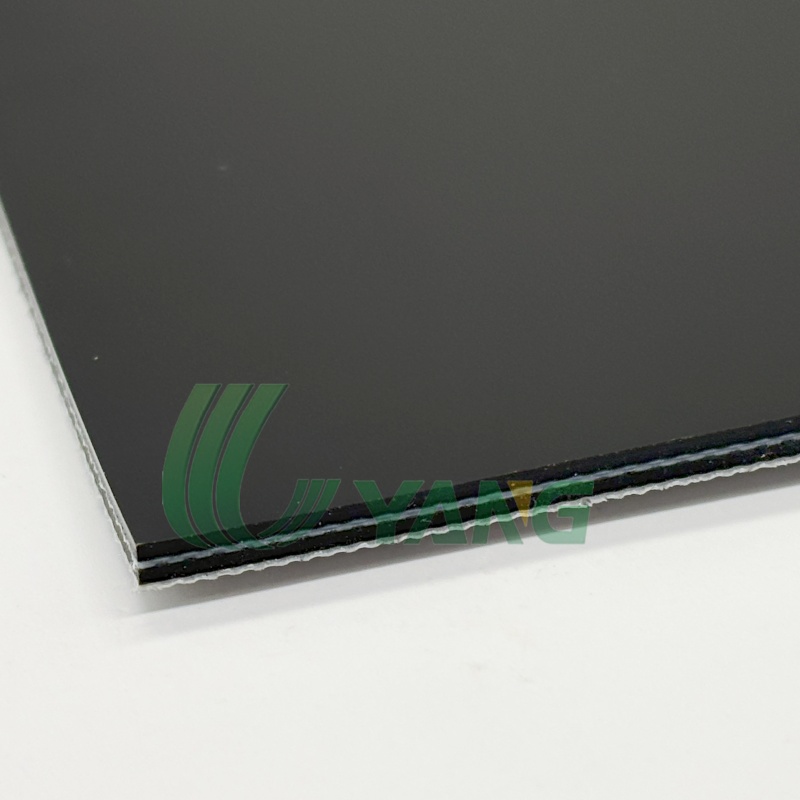
Many PVC and PU conveyor belts contain multiple fabric layers beneath the top and bottom covers. A splice often requires part of the belt to be removed so that the two ends overlap or interlock at a controlled thickness.
The separated area determines several important conditions:
- How evenly the two belt ends meet.
- Whether the finished joint remains close to the original belt thickness.
- How much bonding or welding surface is available.
- Whether the splice can pass over the pulley smoothly.
- Whether the joint remains level with the belt surface.
- How consistently the belt can be processed across its width.
If one side is separated deeper than the other, the joint may develop a step. That step can strike scrapers, guides, rollers, or product-contact surfaces. If too much fabric is removed, the joint loses structural support. If too little is removed, the splice becomes thicker than the surrounding belt and may create vibration at every pulley revolution.
The basic principle is straightforward: a controlled joint begins with a controlled belt end.
How a Ply Separator Works
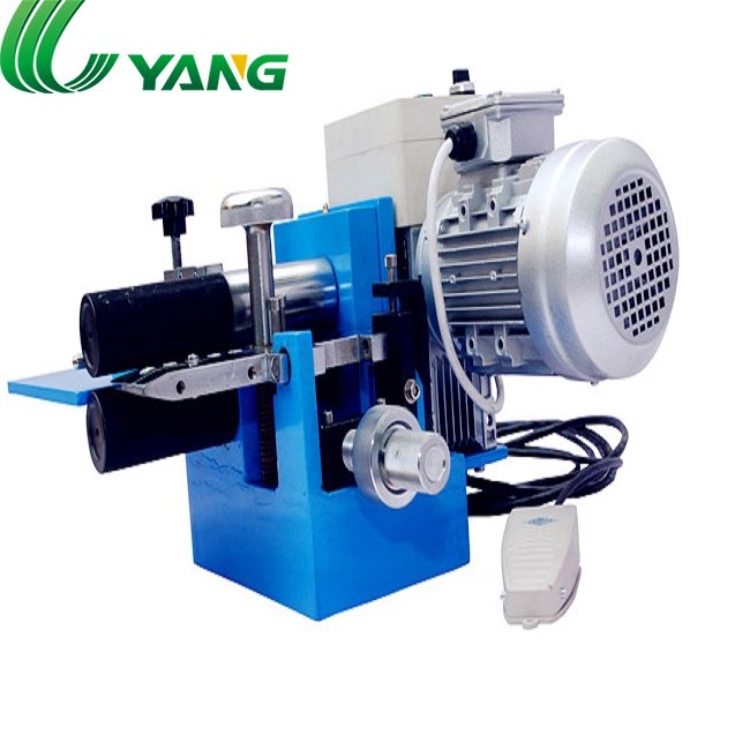
A conveyor belt ply separator uses a cutting and separating mechanism to divide the belt layers without removing material randomly. The operator positions the belt, sets the working depth and width, and guides the belt through the separation area.
The machine must control three variables:
- Separation depth:how much of the belt layer is removed.
- Working width:the width of the prepared section.
- Feed stability:how evenly the belt moves through the machine.
The UYANG Conveyor Belt Ply Separator for PVC & PU Conveyor Belts is designed for PVC and PU belts used in finger joint preparation, overlap joint preparation, belt repair, refurbishment, and belt fabrication workshops.
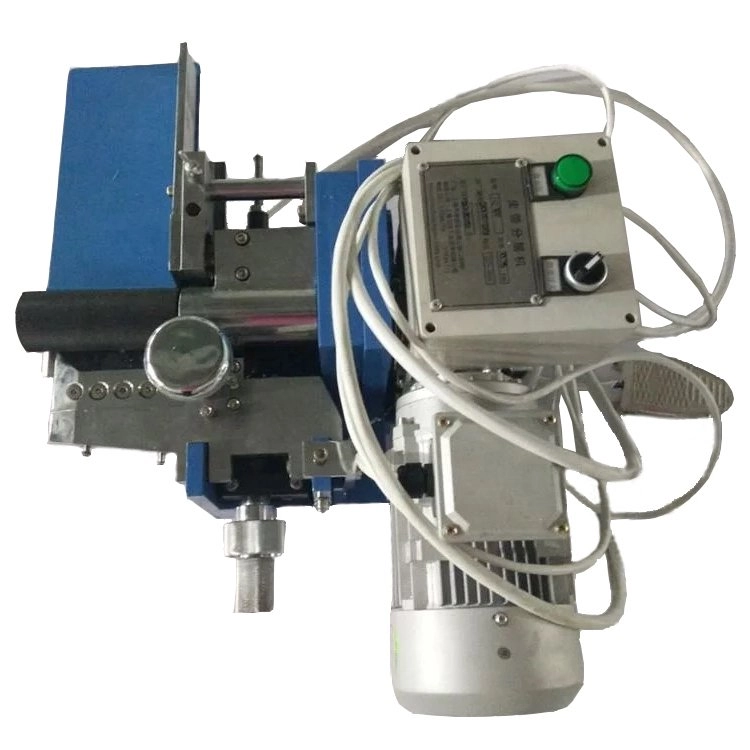
Its listed technical range includes:
| Parameter | Listed Range |
| Split width | 40 to 130 mm |
| Upper belt split thickness | 0.5 to 8 mm |
| Lower belt split thickness | 0.5 to 5 mm |
| Maximum belt thickness | 1 to 10 mm |
| Applicable belt materials | PVC and PU |
| Main function | Controlled fabric-ply separation |
These figures describe the machine’s working range. The actual result also depends on the belt’s construction, fabric orientation, cover hardness, layer bonding, and the operator’s setup.
Manual Separation Versus Machine Separation
Manual tools can be useful for small repairs or emergency work. They are flexible and do not require a dedicated machine. However, the result depends heavily on operator skill, blade condition, belt alignment, and the amount of force applied.
| Preparation Method | Strength | Limitation | Suitable Situation |
| Manual knife separation | Low equipment cost and flexible access | Depth and width can vary across the joint | Small repairs or occasional field work |
| Dedicated ply separator | More consistent depth and repeatability | Requires setup and trained operation | Workshops and repeated belt fabrication |
| Direct overlap without controlled separation | Simple preparation | Creates excess thickness and uneven transitions | Only where the belt and joint design permit it |
| Finger joint preparation | Good flexibility around pulleys when correctly made | Requires accurate cutting and alignment | Light conveyor belts requiring flexible splices |
| Press-based thermal joining | Controlled final bonding or welding | Joint quality still depends on end preparation | Production and repair workflows with approved settings |
The machine does not replace the joining press, welding equipment, or final inspection. It improves the step before those operations.
How Uneven Separation Affects the Finished Joint
A splice is exposed to repeated bending, tension, compression, and friction. When the belt passes over a pulley, the joint must flex in a way that is close to the rest of the belt. An uneven splice changes that movement.
Common consequences include:
- A raised joint striking the scraper.
- Edge lifting caused by uneven preparation.
- Local stretching at the thinner side.
- Poor finger alignment.
- Inconsistent bonding pressure.
- Product marks caused by an uneven belt surface.
- Tracking variation near the splice.
The problem may not appear immediately. A joint can leave the workshop looking acceptable and begin to open after repeated cycling. This is why the preparation surface should be checked before the final press or welding operation rather than relying only on the finished appearance.
Selecting the Separation Range
The belt’s total thickness is only the first measurement. The operator should also identify the number of plies, the thickness of each cover, and the intended joint style.
Before processing, record:
- Total belt thickness.
- Number of fabric plies.
- Top-cover and bottom-cover thickness.
- Required split depth.
- Joint width.
- Finger length or overlap length.
- Belt running direction.
- Minimum pulley diameter.
- Expected belt tension.
- Joining temperature and pressure where applicable.
A 10 mm maximum belt thickness does not mean every 10 mm belt can be processed in the same way. Two belts with the same total thickness may have different fabric structures and cover proportions. One may separate cleanly, while another may resist separation or tear between layers.
Send a belt sample for a trial separation when the construction is unfamiliar. The trial should be evaluated for edge quality, depth consistency, exposed fabric damage, and compatibility with the planned joint method.
Operating Steps That Affect Accuracy
Align the Belt Before Cutting
The belt should enter the machine squarely. If the belt edge is angled, the separated strip may become wider on one side and narrower on the other. This creates problems when the two ends are later joined.
Use a marked centerline or a fixed guide when the splice must remain symmetrical. Do not force a misaligned belt through the machine because pressure can deform the edge and produce a false separation path.
Set Depth From the Belt Structure
Depth should be based on the actual belt layers, not a general setting copied from another belt. Inspect the first section after separation. The fabric should remain intact where structural support is required, and the prepared area should be consistent across the width.
Maintain a Steady Feed
Stopping and restarting during separation can create an irregular transition. Feed speed should remain stable, especially near the beginning and end of the prepared area. A slow, controlled pass is usually easier to inspect than a rushed cut that has to be corrected later.
Check Both Belt Ends
If both ends are prepared by different operators or at different times, compare them before joining. Differences in depth or width may cause one side of the splice to carry more load than the other.
When a Ply Separator Is Not the Best Choice
A dedicated separator is not suitable for every belt or every repair condition.
Use caution when:
- The belt construction is unknown.
- The belt contains a reinforcement layer that must not be cut.
- The cover is brittle, heavily aged, or contaminated.
- The belt is too narrow for stable positioning.
- The belt thickness falls outside the machine’s working range.
- The joint requires a process that does not use ply separation.
- The belt has severe edge damage extending beyond the planned splice area.
The machine should also be operated by trained personnel. The product specifications specifically require correct belt alignment, prohibit forcing separation beyond the belt design limits, and recommend regular inspection of the separation components.
Two Workshop Problems That Are Easy to Miss
The Belt Edge Is More Damaged Than the Center
A belt may look usable from the top while the edge contains cuts, delamination, or crushed fabric from previous tracking problems. If the splice begins in this damaged area, the separator may follow a weak layer and produce an unstable edge. Trim back to sound material before setting the separation width.
The Prepared Step Is Too Short for the Joint Design
A clean separation is not enough if the prepared length does not match the finger, overlap, or press layout. Measure the required joint geometry before processing. Reworking a prepared belt end can reduce the available length and move the splice away from its intended position.
Dust and Shavings Remain in the Joint
Small particles left between layers can reduce contact and create local voids. Brush and inspect the prepared area before bonding, welding, or pressing. Do not use compressed air in a way that drives debris deeper into the belt structure.
The Pulley Is Smaller Than the Joint Allows
A thick or poorly stepped splice bends more sharply over a small pulley. Confirm the belt and splice requirements against the actual pulley diameter. The separator can improve thickness control, but it cannot make an unsuitable joint flexible enough for every pulley.
How the Separator Fits Into a Complete Belt Workshop
Ply separation is one stage in a larger fabrication sequence:
- Confirm the belt construction and joint type.
- Mark the centerline and required joint dimensions.
- Cut the belt end square.
- Separate the required layers.
- Inspect depth, width, and exposed fabric.
- Prepare the finger or overlap geometry.
- Join the belt using the approved equipment.
- Check joint thickness and alignment.
- Run the belt at low speed before full production.
The UYANG BELTING product center includes PVC and PU conveyor belts, belt accessories, processing machines, splicing presses, finger punchers, cutting machines, and related equipment. Matching the ply separator with the correct press and cutting tools reduces variation between workshop operators.
A related belt roll and splicing press selection discussion also shows why belt material, thickness, cutting, and joining equipment should be considered as one workflow. A belt roll that is easy to cut may still require a different press setting from a thicker or more reinforced construction.
UYANG BELTING has more than 20 years of conveyor belt experience and operates an 80,000-square-meter production facility with 15 production lines stated in its company materials. Its product scope covers PVC belts, PU belts, solid woven belts, patterned belts, belt accessories, and processing machinery. UYANG BELTING provides belt and processing solutions for food processing, packaging, logistics, printing, fitness equipment, wood processing, stone processing, and other industries.
The separator should be approved through a sample test using the exact belt construction that will be processed in production. Check the split width, upper and lower separation thickness, exposed fabric condition, operator repeatability, and final joint behavior over the intended pulley.
A conveyor belt ply separator does not make every splice successful by itself. Its value comes from controlling a difficult preparation step so that the joining operation starts with consistent belt geometry. When the belt construction, separation range, joint design, pulley diameter, and joining equipment are matched, the finished splice has a better chance of running smoothly and maintaining its intended profile.
FAQ
What Is a Conveyor Belt Ply Separator Used For?
It separates fabric plies in PVC and PU conveyor belts before finger splicing, overlap splicing, belt repair, or other joint preparation. The machine helps create a more even separation depth and working width.
What Belt Thickness Can a Ply Separator Process?
The verified UYANG model lists a maximum belt thickness of 1 to 10 mm, with split-width and upper/lower separation ranges that must also be checked. The exact result depends on the belt’s ply structure and material.
Can a Ply Separator Replace a Belt Splicing Press?
No. The separator prepares the belt ends, while a splicing press or other approved joining equipment completes the joint. Both stages require compatible settings and inspection.