Belt fabricators do not only sell belt material. They cut, splice, guide, test, pack, and often solve the small problems that appear before a conveyor line can run smoothly. A roll that looks fine in storage may still waste time if the thickness varies, the surface slips on incline sections, or the splice area does not sit flat under the press. For fabricators, the best belt roll is not always the lowest-price roll. It is the roll that cuts cleanly, joins steadily, matches common customer machines, and keeps repeat orders simple.
Why Belt Roll Choice Matters for Conveyor Belt Fabricators
The conveyor belt market keeps growing because more factories are moving products through automated handling lines. Industry data in the knowledge base shows the global conveyor belt market was estimated at USD 5.7 billion in 2024 and is expected to reach USD 8.2 billion by 2034. Polymer belts are a large part of this demand, with PVC, PU, rubber, and TPE used across food processing, packaging, logistics, fitness equipment, wood processing, and light manufacturing.
For a fabricator, this growth brings more orders, but also more mixed requirements. One customer needs a light PVC belt for parcels. Another needs a grip pattern for incline conveying. A food customer may ask for easier cleaning and better hygiene. This is why belt roll selection and splicing press selection should be planned together, not treated as two separate purchases.
Fabrication Is Where Belt Quality Becomes Visible
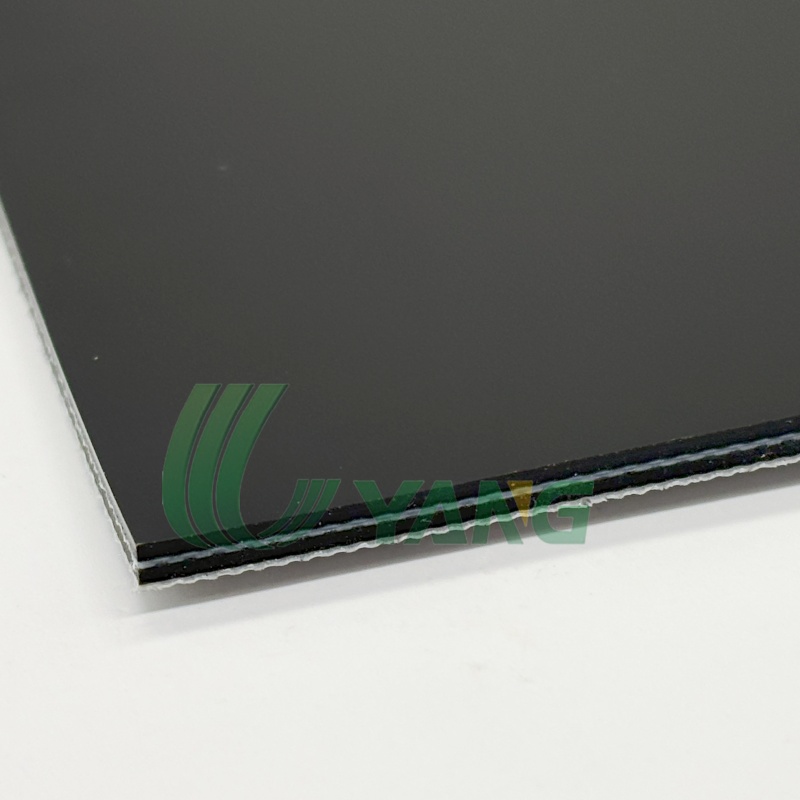
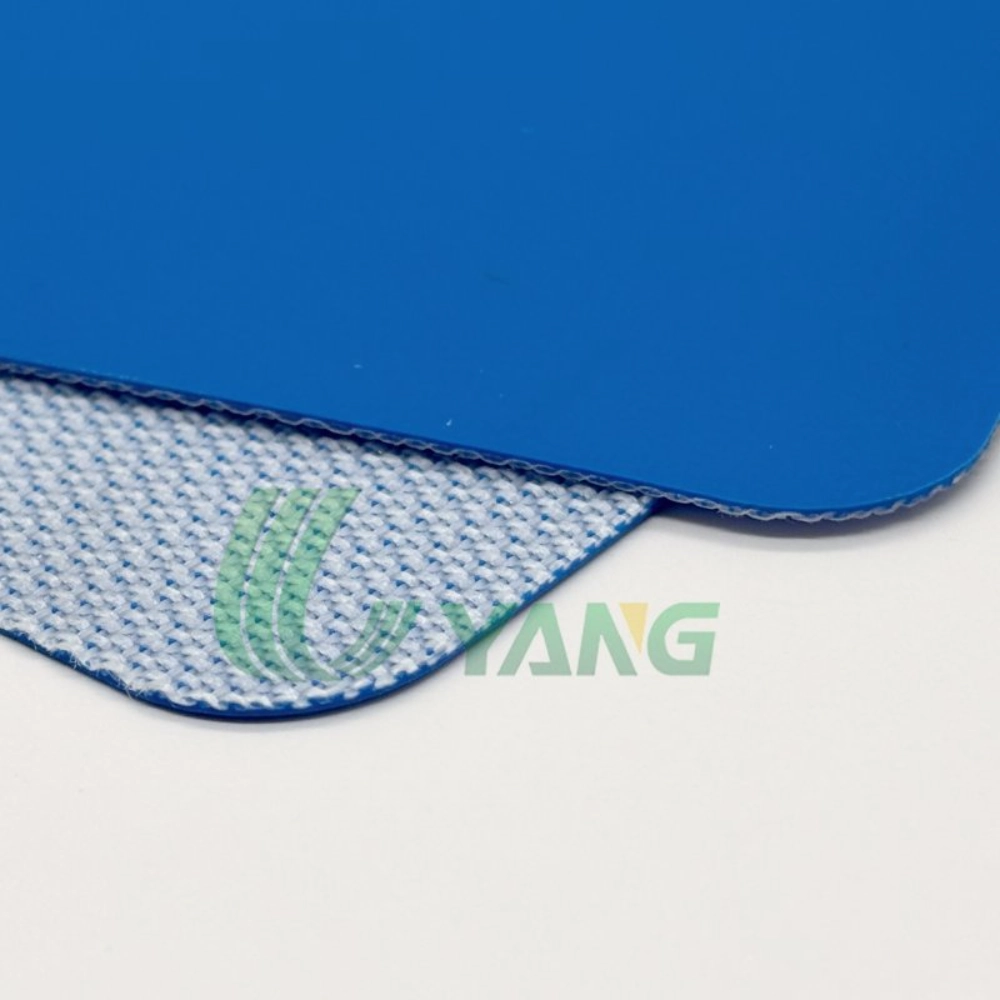
A belt roll may pass a quick surface check, but real quality appears during cutting and splicing. If the fabric layer shifts, the belt may not track well. If the top cover is too soft, the joint may mark easily. If the bottom fabric is not stable, the belt edge can curl after pressing.
This is also where a supplier’s production control matters. UYANG BELTING has more than 20 years of conveyor belt manufacturing experience, an 80,000㎡ production facility, and 15 advanced production lines. For fabricators who need steady repeat orders, that background matters because the same belt specification should not feel different every time a new roll arrives.
Stock Rolls Should Match Common Customer Jobs
Most fabricators do not want slow-moving stock sitting for months. A practical belt roll program should cover frequent applications first:
PVC belt rolls for packaging and logistics
Pattern belt rolls for incline or grip needs
Food-grade belt options for processing plants
PU or homogeneous belt options for cleaner production areas
Special belt surfaces for treadmill, textile, airport, wood, and stone processing
The knowledge base also notes that flat belts held more than 73.2% of conveyor belt product revenue share in 2024. That is a useful hint. Fabricators often need standard flat and patterned rolls ready before chasing unusual custom types.
How to Choose Belt Roll Width, Thickness, and Surface
Before buying belt rolls in bulk, the fabricator should check how the belt will be cut, joined, stored, and sold. A roll that is too narrow limits order flexibility. A roll that is too thick may need a stronger press. A surface that is too aggressive may grip well, but it can collect dust or product residue in some lines.
Width Should Reduce Cutting Waste
For fabricators, roll width is a money question. A wider master roll can serve more belt widths, but only if the workshop has suitable cutting equipment and enough space for handling. UYANG BELTING’s product knowledge shows some PVC conveyor belt widths can reach up to 3400mm, depending on the model and order needs.
For a fabricator making many custom belts, wide rolls can reduce stock variety. For smaller workshops, narrower rolls may be easier to store and move. The right answer depends on order mix, not only on catalog width.
Thickness Should Match Load and Press Capacity
Thickness affects running life, pulley size, press temperature time, and joint finish. The Diamond PVC Conveyor Belt gives a practical reference point: total thickness 2.0mm, belt weight 2.5 kg/m², hardness 80 Shore A, 1% elongation strength 8 N/mm, and minimum roller diameter 40mm. These numbers are useful for fabricators because they help judge whether a belt suits light to medium conveying jobs without creating too much stiffness at the splice.
A thicker belt is not automatically better. For small pulley systems, too much thickness can cause bending stress and poor tracking. For incline conveying, however, enough body strength and a stable top cover are needed. This is a small detail, but it saves many complaints after installation.
Surface Pattern Should Follow Product Behavior
Smooth belts are easier to clean. Pattern belts offer better grip. Diamond, rough top, crescent, mini grip, and other textures should be chosen by product shape, incline angle, moisture, and contact surface.
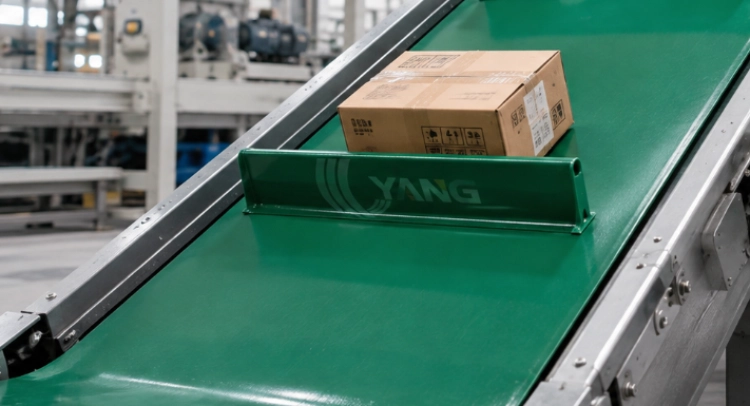
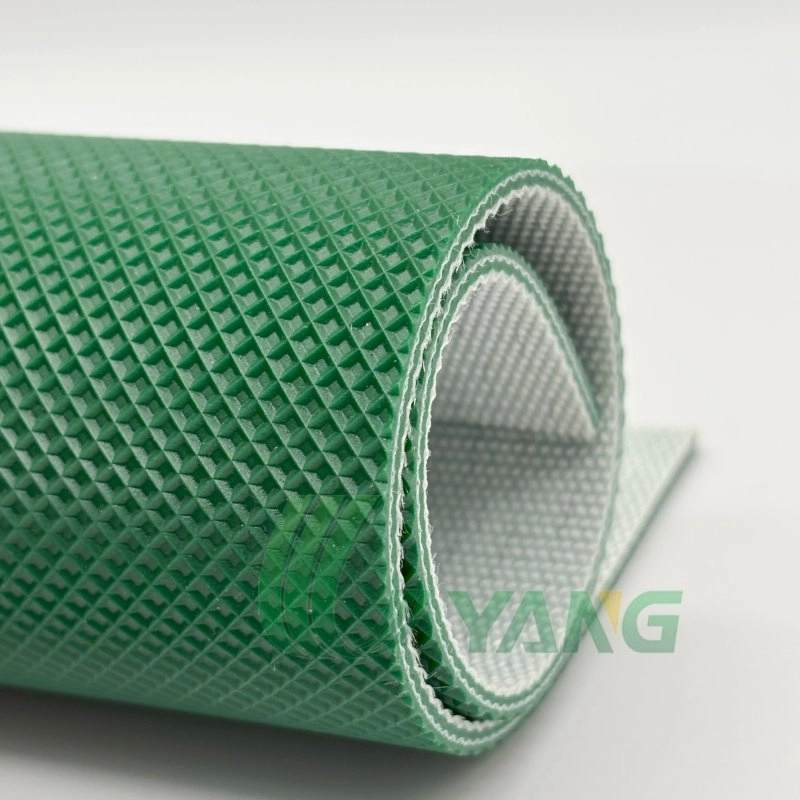
The Diamond PVC Conveyor Belt uses a green diamond pattern with a PVC top cover and polyester fabric bottom. It is suitable for material conveying, inclined conveying, food processing, and logistics. For fabricators, this kind of belt is a strong stock option because it covers many everyday jobs without being too specialized.
How Fabricators Choose Splicing Press for Belt Rolls
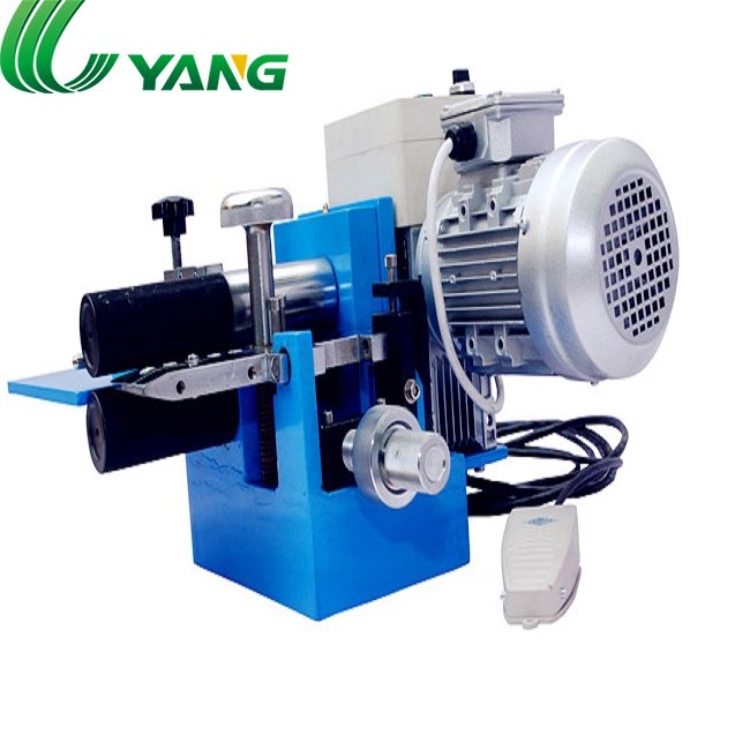
A splicing press is not just a workshop machine. It decides whether a belt joint looks professional, runs quietly, and survives daily bending. Poor splicing can make a good belt look bad. Good splicing can sometimes make a mid-range belt perform better than expected.
Press Size Should Fit the Widest Regular Order
The press heating plate should cover the belt width with enough side margin. If most customer orders are 600mm to 1000mm wide, buying a very small press will slow the workshop down. If the fabricator handles wide roll cutting, the press must match that business plan.
This is one reason to review the full product center before setting up stock and equipment. Belt type, roll width, surface pattern, and press size all affect each other.
Temperature and Pressure Must Match Belt Material
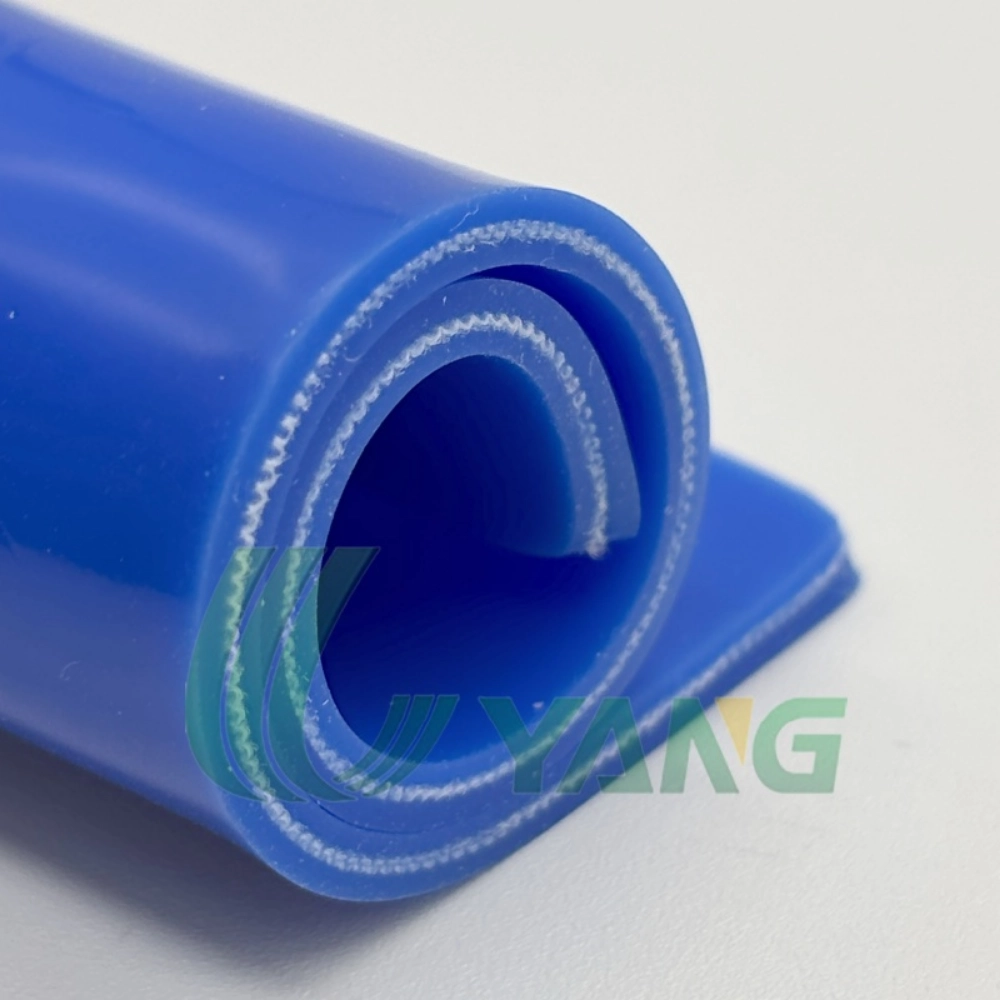
PVC, PU, and homogeneous belts do not respond the same way under heat. PVC belts need stable heating and cooling to avoid waves near the joint. PU belts often need cleaner temperature control. Homogeneous belts, according to the knowledge base, are usually made from TPU or TPE, with a fabric-free, one-piece structure. Their joints are normally made by heat fusion, and hygiene depends heavily on a clean, seamless splice.
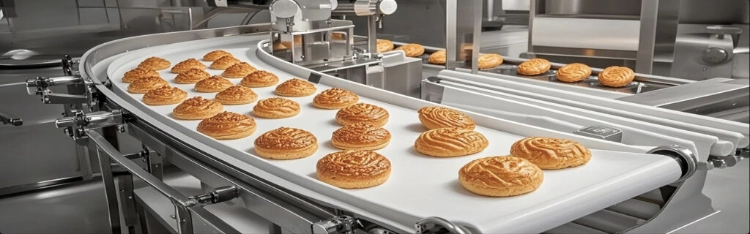
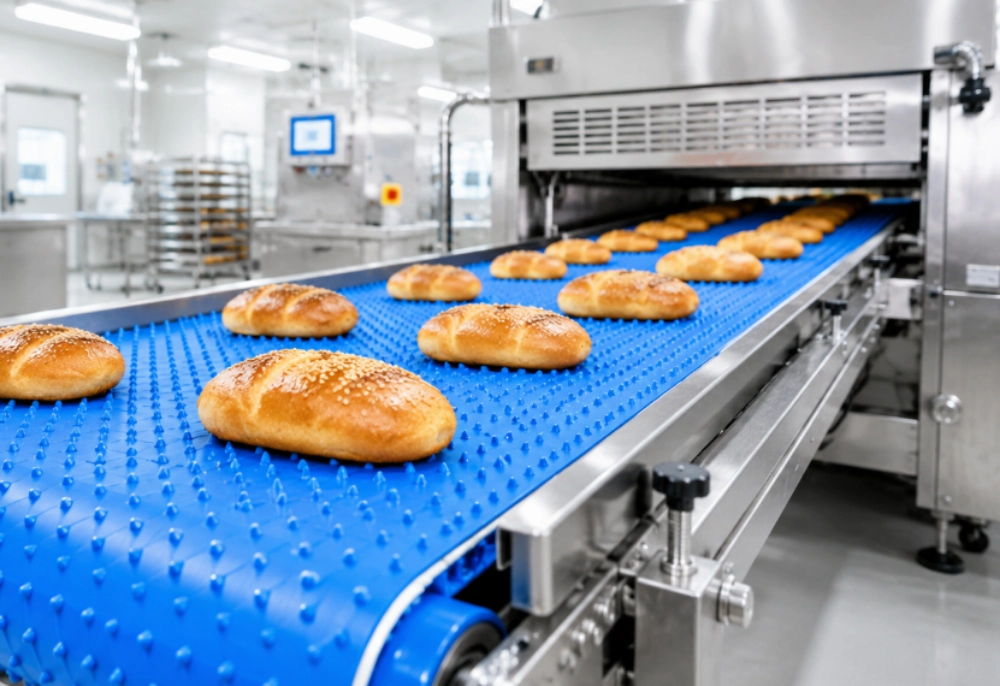
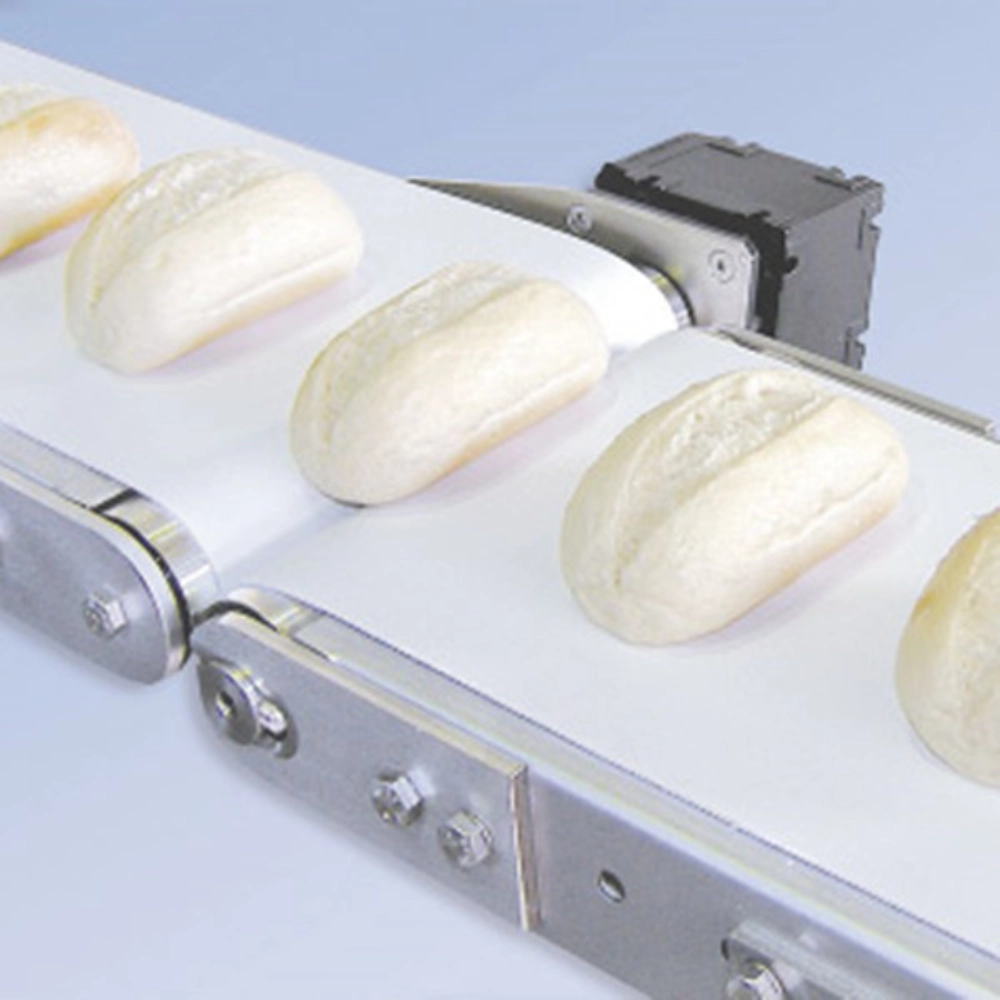
For food-grade easy-clean belts, the knowledge base points out several useful traits: no fabric layer, no capillary absorption, no lamination point, and strong resistance to washdown, hot water, steam, and cleaning chemicals. If a fabricator serves meat, seafood, bakery, dairy, or frozen food plants, the press must create a joint without dead corners. That is where cheap pressing equipment can become expensive later.
Cooling and Alignment Are Easy to Forget
Many workshops focus on heating, but cooling and belt alignment matter just as much. A belt that moves during pressing may leave a step at the joint. A joint cooled too quickly or unevenly may feel hard, brittle, or slightly warped.
A good press setup should include:
Stable top and bottom heating
Flat pressure across the full joint area
Reliable cooling after heating
Clear guides for straight alignment
Enough working space for long belts
Easy cleaning around the pressing area
This is not glamorous work. But fabricators know the real cost of a bad splice is not the splice itself. It is the return visit, the courier cost, and the customer who starts asking too many questions.
Why Diamond PVC Conveyor Belt Is a Practical Stock Choice
A fabricator’s stock shelf needs belts that can answer common requests quickly. The Diamond PVC Conveyor Belt is a good example because its technical data and surface design fit many daily projects. Its diamond pattern gives better grip than a smooth belt, while the 2.0mm thickness keeps it manageable for cutting, splicing, and installation.
It Works for Incline and General Conveying
Incline conveying is one of the most common reasons buyers ask for patterned PVC belts. Products may slide on a smooth belt, especially in packaging, logistics, or light food handling. A diamond pattern adds contact points without becoming as aggressive as deep cleats.
For fabricators, that balance is useful. The belt can serve more than one industry. It is not locked into a single niche.
It Gives Clear Data for Quotation
Some buyers only ask for “green PVC belt with pattern.” That is not enough. A serious quotation should include thickness, width, hardness, minimum roller diameter, temperature range, top cover material, bottom fabric, and application notes.
The Diamond PVC Conveyor Belt provides these data points clearly: 80 Shore A hardness, 40mm minimum roller diameter, 2.5 kg/m² belt weight, and -20℃ to +80℃ temperature range. That makes communication easier when the buyer sends machine drawings or asks whether the belt can fit an existing conveyor.
It Supports Custom Requirements
Fabricators often need small adjustments: width, length, pattern, color, or other belt characteristics. UYANG BELTING supports custom belt work, OEM/ODM service, flexible MOQ, and sample service, with customers usually paying shipping for samples. The ordering process in the knowledge base is also straightforward: inquiry, quotation, confirmation, then production and delivery. Standard orders are usually 15 to 25 days, while urgent orders may be handled faster when conditions allow.
What Fabricators Should Ask Before Bulk Ordering
Good purchasing starts with clear questions. Price matters, of course, but belt roll buying should not stop there.
Check the Application First
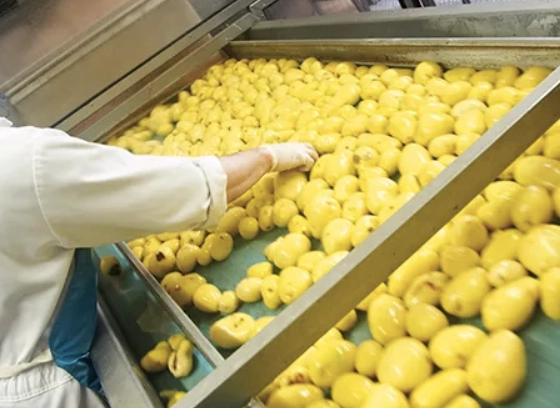
Ask what the belt will carry, the conveyor angle, pulley diameter, working temperature, cleaning method, and expected running hours. For food processing, also ask about oil, moisture, cutting contact, and washdown frequency. For logistics, ask about parcel weight, speed, noise, and tracking stability.
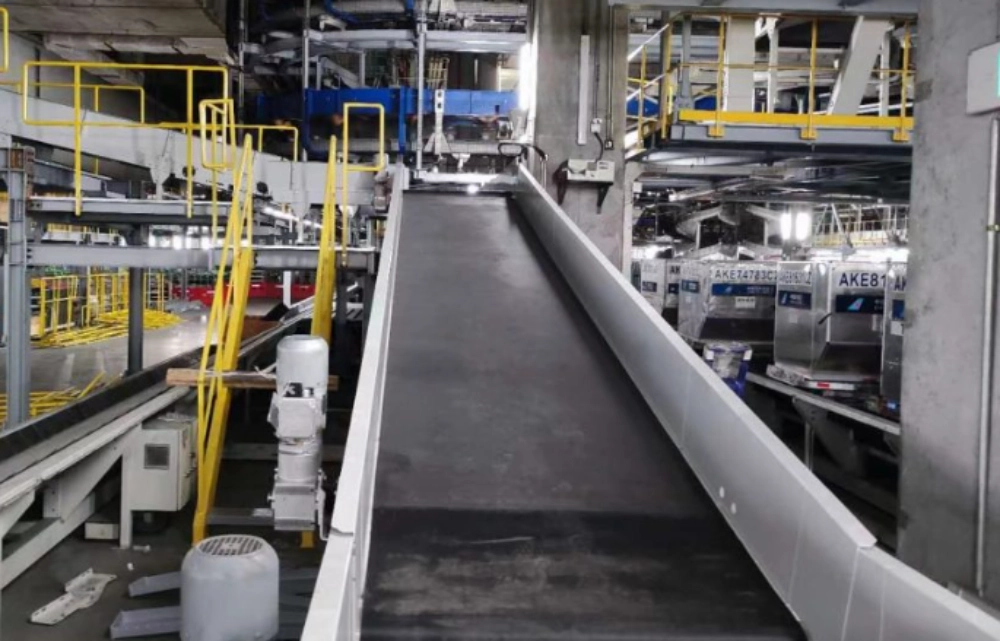
The industry application range from UYANG BELTING shows how wide conveyor belt usage can be, including food processing, agriculture, automotive and tire, airport and logistics, textile and printing, wood processing, fitness, and other industrial sectors. That variety is exactly why one belt roll cannot answer every job.
Check Service Behind the Roll
A belt fabricator does not only need material. Technical support also matters. UYANG BELTING provides a 12-month quality guarantee from the bill of lading date under normal operating conditions, plus lifetime technical support. The knowledge base also mentions global delivery, export experience to 50+ countries, multilingual sales support, and common payment options such as T/T and LC.
For overseas fabricators, these details reduce communication friction. A small note here: when a rush order comes in on Friday afternoon, fast replies are worth more than a fancy brochure.
FAQ
Q1: What Belt Roll Type Should a Conveyor Belt Fabricator Keep in Stock?
A: A fabricator should usually keep common PVC flat belts, patterned PVC belts, food-grade options, and a few special surfaces based on local customer demand. Diamond PVC belt rolls are useful because they cover general conveying, incline conveying, logistics, and some food processing jobs.
Q2: Why Does Splicing Press Selection Matter When Buying Belt Rolls?
A: The press must match belt material, thickness, width, and joint method. A stable press gives flatter joints, better tracking, and fewer customer complaints. If the press is too small or temperature control is poor, even a good belt roll can fail during fabrication.
Q3: Is the Diamond PVC Conveyor Belt Suitable for Inclined Conveying?
A: Yes. Its diamond surface pattern provides extra grip and stability, which helps reduce product sliding on incline conveyors. It is also practical for material conveying, food processing, and logistics applications.
Q4: What Technical Data Should Fabricators Check Before Quoting a Belt?
A: Check total thickness, belt weight, hardness, minimum roller diameter, maximum width, temperature range, top cover material, bottom fabric, surface pattern, and splice method. These details help match the belt to the customer’s conveyor.
Q5: How Can Fabricators Reduce Risk When Ordering Belt Rolls from Overseas?
A: Choose a supplier with clear product data, stable production capacity, quality control, sample support, warranty terms, and technical service. About UYANG BELTING shows its manufacturing background, while its product pages help fabricators compare real specifications before ordering.