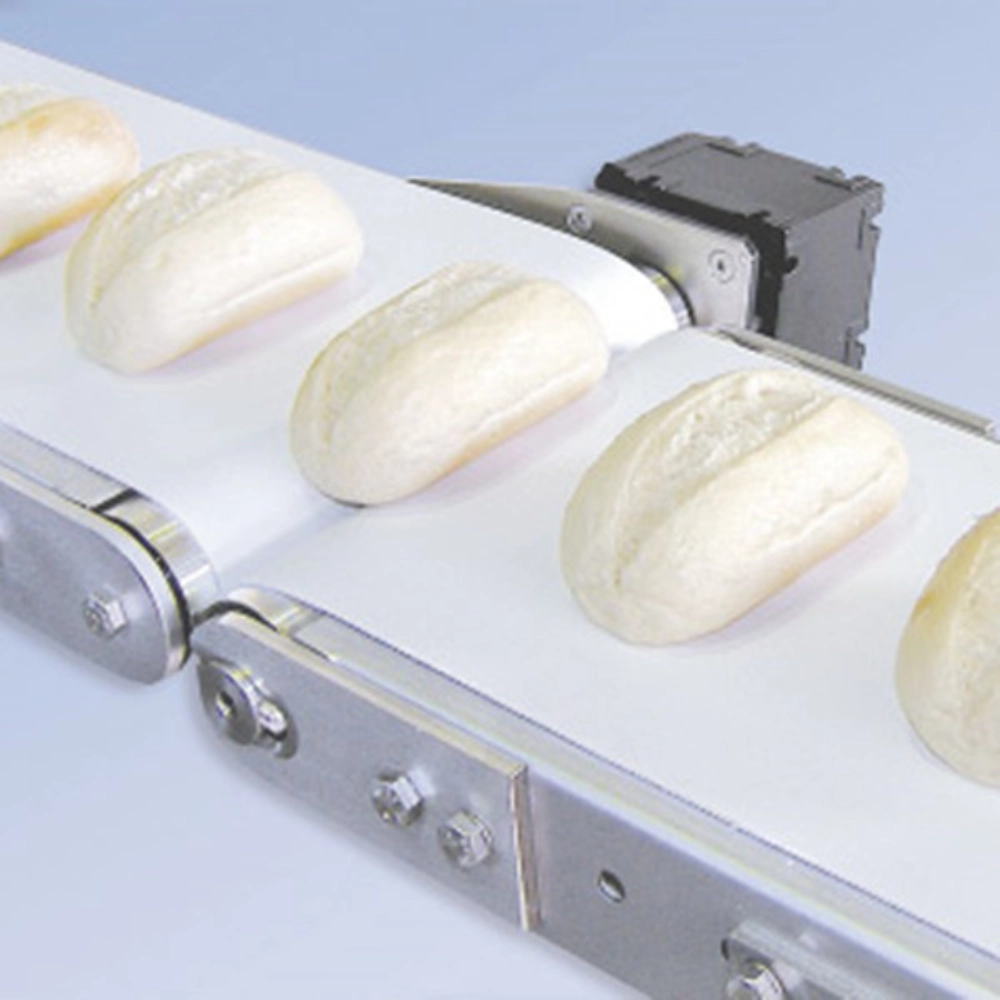
Choosing a conveyor belt roll should not start with the cheapest meter price. A belt that is too narrow may cause side rubbing, edge fraying, and product loss. A belt that is too thick may run poorly on small rollers. A wrong surface can make bread stick, cartons slide, or wet food leave residue after every shift. For B2B buyers, the real question is simple: will this belt run cleanly, track well, and reduce trouble on the line?
Why Belt Roll Selection Should Start With the Line, Not the Price
Before checking width, thickness, and surface, you need to match the belt to the actual job. The same belt roll may work well on a dry packing line but fail quickly near oil, flour dust, water spray, sharp edges, or high temperature. That is why a good purchase sheet should include product type, product weight, conveyor length, roller diameter, speed, incline angle, cleaning method, and working temperature.
Check the Product and Conveyor Layout First
Start with the product. A light bakery product does not need the same belt body as a stone, tyre component, or airport baggage item. Soft food needs gentle release. Packed goods need stable movement. Bulk material may need a patterned surface, sidewall, or cleat.
The conveyor frame also matters. If the machine uses a small nose bar or a 40 mm roller, a thick stiff belt may not bend well. If the belt is used on a long conveyor, tension and elongation become more important. One small detail buyers sometimes skip is the return side. If the bottom cover is not suitable, the belt may run noisy, heat up, or wear fast.
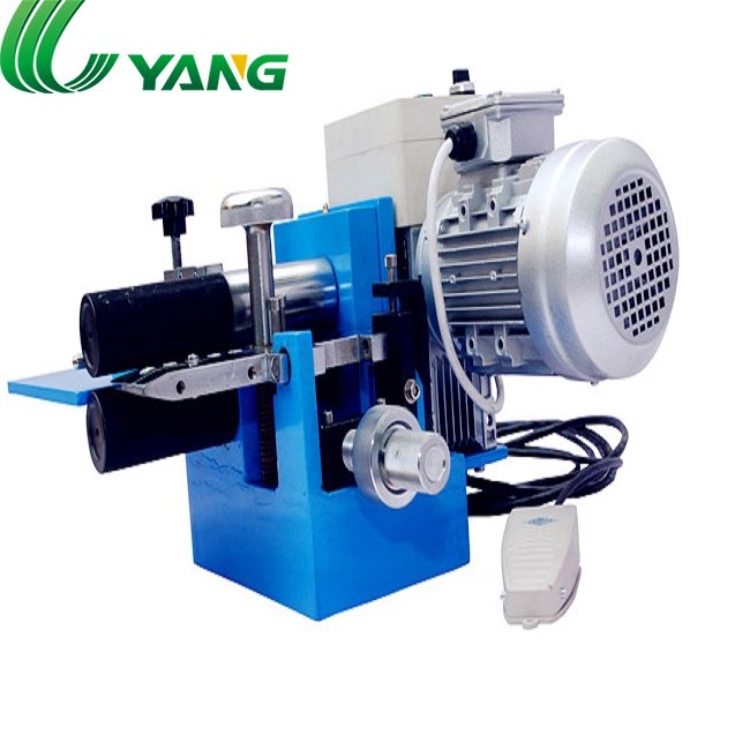
For buyers comparing many belt types, the conveyor belt product center is a useful starting point because it separates PVC belts, PU belts, Positive Drive belts, processing belts, rubber belts, modular belts, accessories, and fabrication machines in one product range.
How Should You Choose Conveyor Belt Roll Width?
Belt width looks easy, but it is one of the most common causes of replacement trouble. Too much extra width wastes cost and may hit side guards. Too little width gives no safety margin when the product shifts during loading, acceleration, or turning.
Leave Enough Edge Clearance
For straight conveying, the product should not sit close to the belt edge. A practical rule is to leave enough clearance on both sides, especially when the product is irregular or fed by hand. For small packaged items, 30 to 50 mm per side can be enough. For food pieces, loose material, or products that may bounce, more side space is safer.
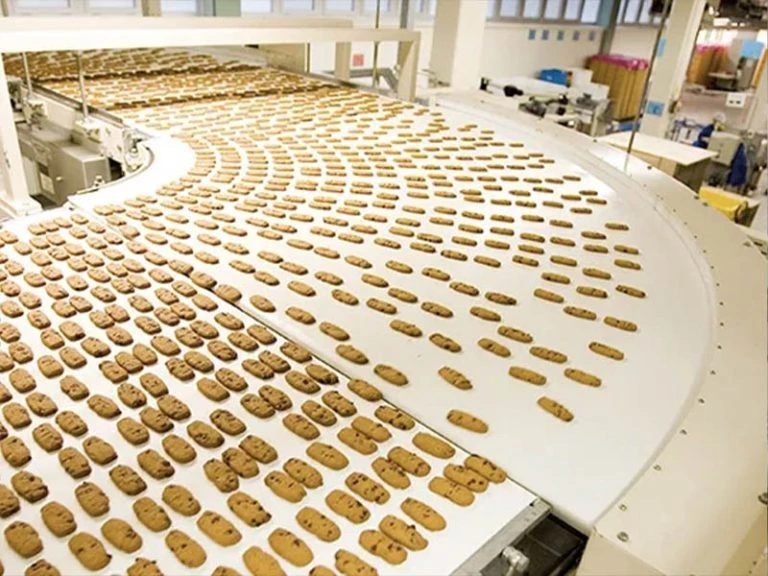
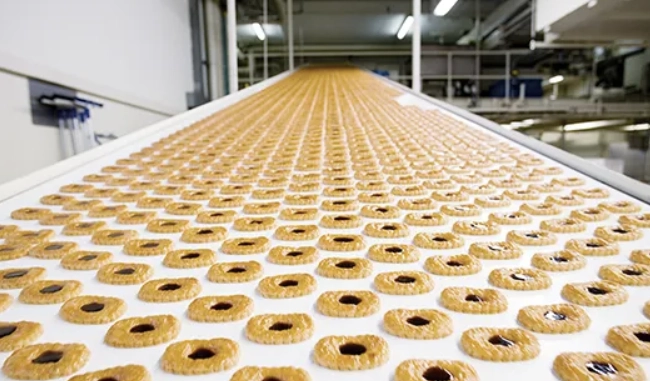
If the belt carries rows of products, calculate the widest row, not just one piece. A cookie line, for example, may look light, but the row spacing changes after cooling or transferring. In this case, asking only for “600 mm belt roll” without the real product layout is a bit risky.
Match Width With Tracking Control
Wide belts need better roller alignment and frame accuracy. A 300 mm belt is usually more forgiving than a 2000 mm belt. If the conveyor has weak tracking control, choosing a very wide belt with a slippery bottom surface may bring headaches later. Guide strips, crowned rollers, or edge tracking devices may be needed.
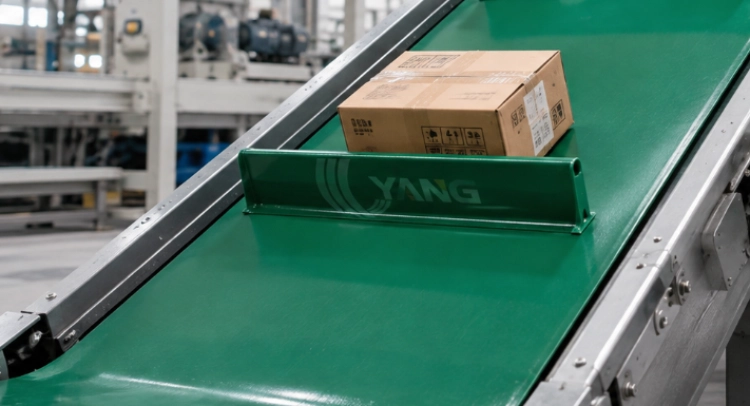
For custom belt projects, UYANG BELTING supports no limit conveyor belt customization and offers product groups for different industrial needs, which is useful when a standard width does not fit the machine layout.
How Thick Should a Conveyor Belt Roll Be?
Thickness affects flexibility, load support, service life, splicing, and roller compatibility. A thicker belt is not always better. It may look stronger on a quotation, but if the belt cannot bend around the pulley, it will crack at the joint or create extra motor load.
Use Light Thickness for Small Rollers and Light Products
For bakery, packing, and small food handling, lighter belts often work better. A thinner belt bends more easily and keeps transfer points smooth. In food grade applications, PU belts around 0.8 mm to 2.5 mm are often used when the product is light and clean release is important. For bakery or light duty, 2 mm can often be enough when the conveyor is designed properly.
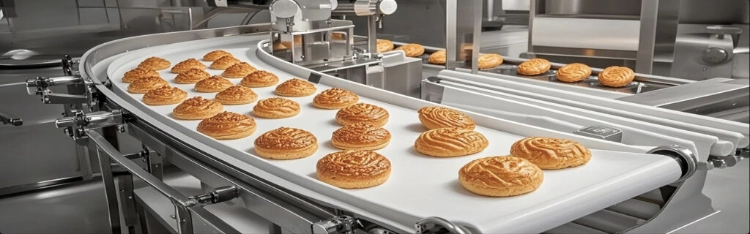
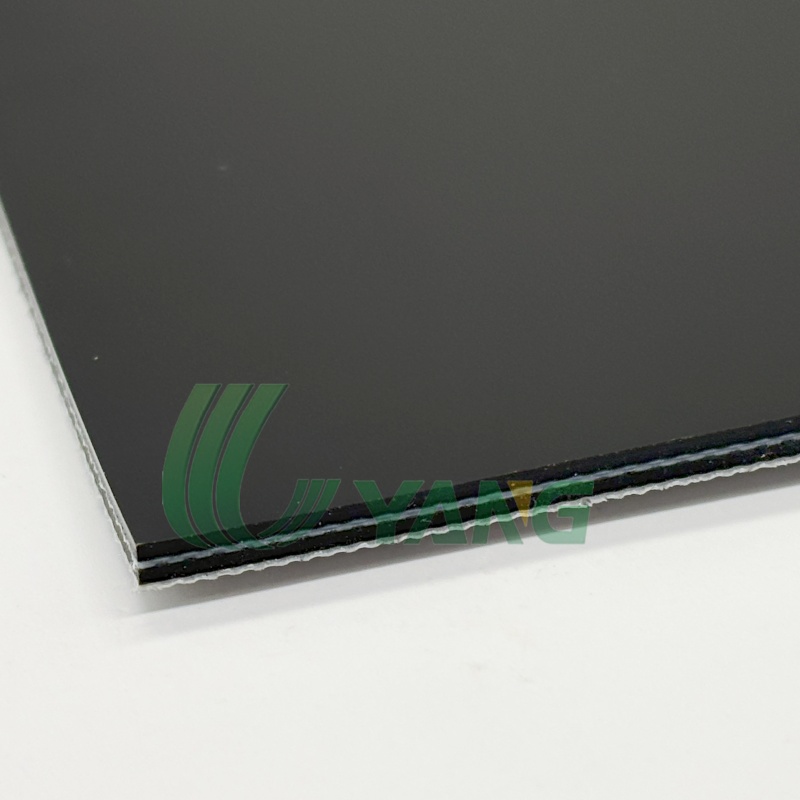
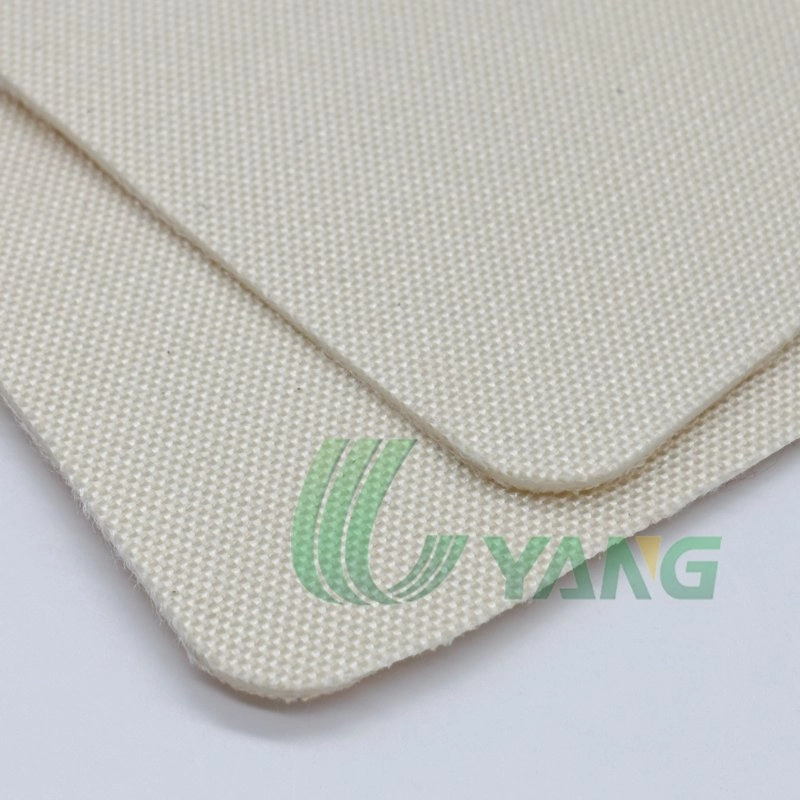
A good example is the PVC Conveyor Belt -Cotton Top -For Bakery Processing. Its structure uses cotton fabric on the top cover, PVC in the middle layer, and cotton fabric on the bottom cover. The total thickness is 1.5 mm, the belt weight is 1.8 kg/m², and the listed minimum roller diameter is 40 mm. That makes it suitable for bread, cracker, and pretzel production where release, grip, and flexible running are more important than heavy impact resistance.
Use More Body Strength for Heavy or Abrasive Work
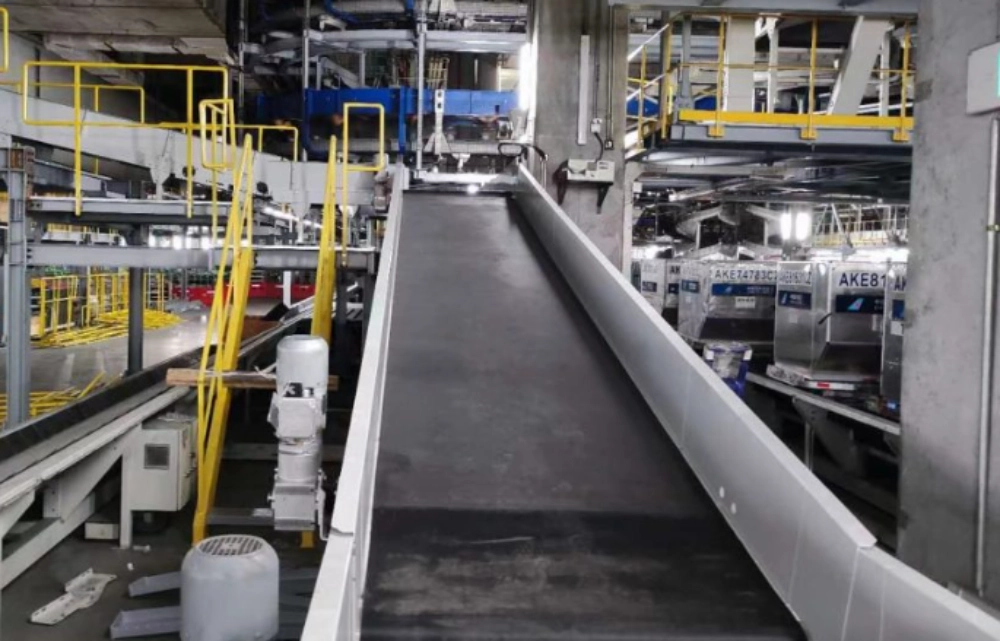
For wood, stone, tyre, recycling, and some logistics lines, the belt needs more body strength. A thicker belt or more plies can help resist abrasion and stretching. Still, check the pulley size before confirming. If the conveyor uses small rollers, changing from 2 ply to 4 ply may not be a free upgrade. It can create joint stress.
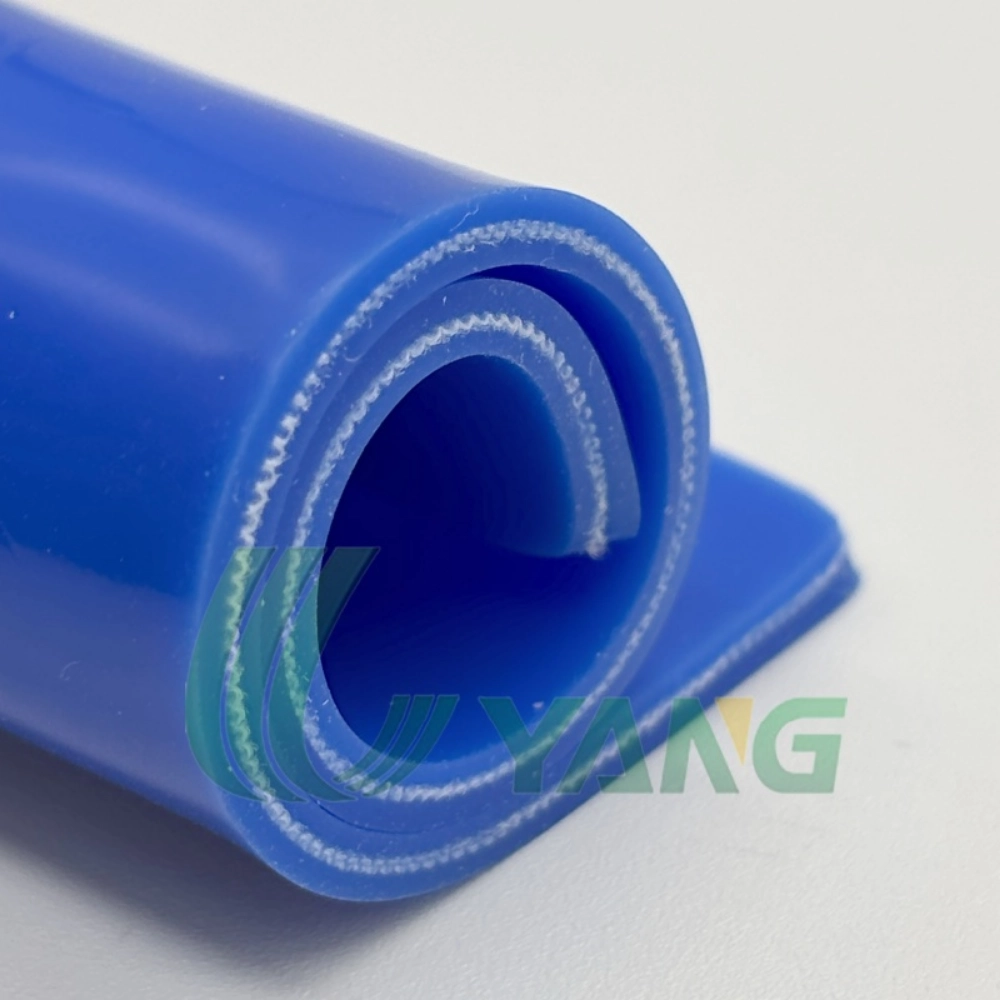
For very hygienic food lines, thickness also connects to cleanability. Easy clean homogeneous belts normally use TPU or TPE, with a fabric free body and a typical thickness range around 1.5 mm to 5 mm. They resist liquid penetration because there is no fabric layer inside. For meat, 3 to 4 mm is often chosen. For bakery or lighter food work, 2 mm is usually more practical. That is a useful purchasing note, not a hard law, because the actual machine still decides the final choice.
Which Conveyor Belt Surface Is Right for Your Product?
Surface choice is where many buying mistakes happen. Buyers often focus on material and price, then treat the surface as a color choice. In real production, the surface decides release, grip, cleaning time, product marks, and running stability.
Choose Smooth Surface for Clean Release and Easy Washing
A smooth PVC or PU surface is often used for packaging, light food, and general conveying when the product should move without catching. Smooth surfaces are easier to wipe and wash. They also reduce residue build up, which matters in food plants where cleaning time is part of real cost.
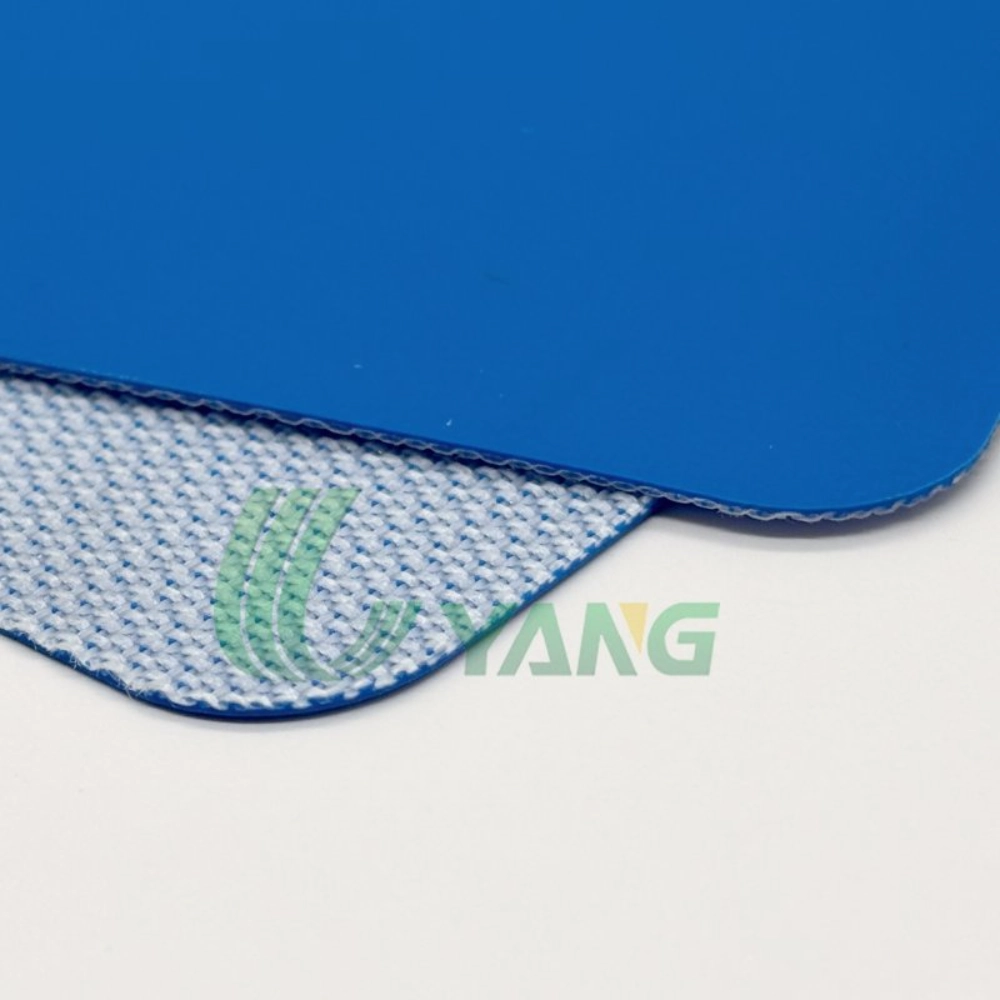
For stricter hygiene zones, homogeneous easy clean belts are even more direct. Their one piece structure has no fabric layer, no lamination point, and no capillary absorption. With sealed edges and hot welded joints, they reduce places where liquid or bacteria can stay. Blue is common in food production because it helps operators see contamination faster. Small thing, but useful on a busy line.
Choose Textured Surface for Grip and Incline
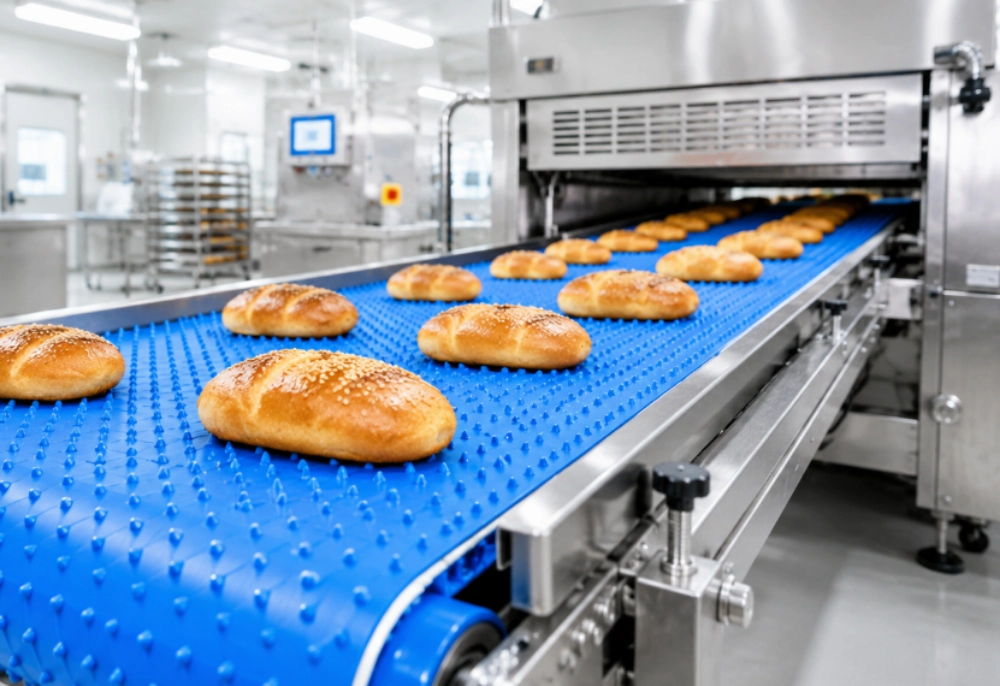
Textured surfaces are better when the product may slip. Common options include rough top, diamond, golf, rib, lattice, and fabric pattern surfaces. If the conveyor runs on an incline, texture can reduce rollback. If the product is soft, the pattern should not leave marks. Bakery dough, for example, needs grip but also clean release. A harsh surface may damage the product or hold flour.
For bread, crackers, and pretzels, cotton top can be a smart choice because the surface gives a higher coefficient of friction and good release. It feels old school in a good way; many bakery lines still care more about stable product handling than fancy material names.
How Can You Match Belt Material With Industry Needs?
Material selection should follow the working environment. PVC is often used for light duty conveying, packing, logistics, and some food applications because it is flexible, cost friendly, and easy to maintain. PU is often preferred in food and packaging where abrasion resistance, oil resistance, and cleaner contact are needed. Homogeneous belts suit high hygiene lines. Rubber and solid woven belts are usually selected for tougher work.
Compare the Working Conditions, Not Just the Belt Name
A useful selection checklist can be very simple:
Product contact: dry, wet, oily, sticky, sharp, hot, or frozen
Cleaning method: dry wipe, water rinse, high pressure wash, steam, or chemical sanitizer
Mechanical load: light, medium, heavy, impact, or cutting risk
Line design: flat, incline, decline, small roller, knife edge, or long center distance
Compliance need: food contact, anti static, flame resistant, or abrasion testing
The industry application pages cover food processing, agriculture processing, airport and logistics, textile and printing, marble and ceramic processing, wood processing, automotive and tyre, and fitness industry. This matters because the best belt for one industry can be the wrong belt for another. A clean white food belt does not belong on an abrasive stone line. A thick rough belt may not suit soft bakery products.
What Should You Confirm Before Ordering Conveyor Belt Rolls?
A clear order sheet saves a lot of back and forth. Before placing the order, confirm width, total thickness, ply number, top surface, bottom surface, color, roll length, splice type, guide strips, cleats, sidewalls, working temperature, and certification needs. For OEM buyers and distributors, custom logo, packaging, and sample policy should also be discussed early.
Ask for Technical Support Before Mass Purchase
A reliable supplier should help check the belt against the machine, not only sell the roll. UYANG BELTING company profile shows over 20 years of conveyor belt manufacturing experience, a production area listed at 80,000 square meters, and 15 advanced production lines. Its product scope includes PVC conveyor belts, PU belts, solid woven belts with different patterns, and processing machines.
For procurement teams, the practical value is not only the product catalog. It is also the ability to discuss custom size, surface pattern, delivery, samples, and after sales support. If the project is urgent, confirm delivery time and sample testing before the full order. A belt that looks right in a PDF still needs to run right on the machine.
FAQ
Q1: How Do You Choose the Right Conveyor Belt Roll Width?
A: Measure the product row width first, then add safe edge clearance on both sides. Also check whether the conveyor frame, side guards, and tracking system can handle the selected width.
Q2: Is a Thicker Conveyor Belt Always Better?
A: No. A thicker belt may give more strength, but it can be too stiff for small rollers. Always check roller diameter, conveyor length, load, and joint type before choosing thickness.
Q3: Which Surface Is Better, Smooth or Textured?
A: Smooth surfaces are better for easy cleaning and clean release. Textured surfaces are better for grip, incline conveying, and products that may slide. The product behavior decides the surface.
Q4: What Belt Surface Works Well for Bakery Processing?
A: Cotton top, soft fabric, smooth PU, and some light textured surfaces can work well. For bread, crackers, and pretzels, a cotton top PVC belt is often useful because it gives good release and surface grip.
Q5: What Details Should Be Sent to a Supplier Before Quotation?
A: Send belt width, thickness, roll length, material, surface pattern, color, working temperature, roller diameter, product type, conveyor speed, cleaning method, and any food contact or safety requirement.