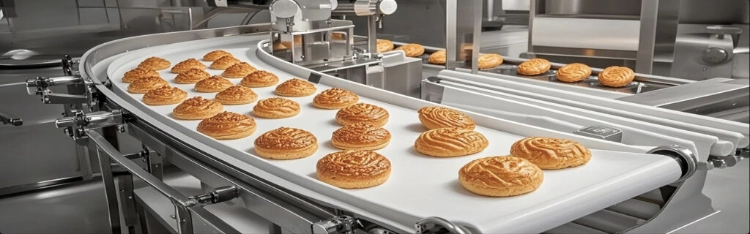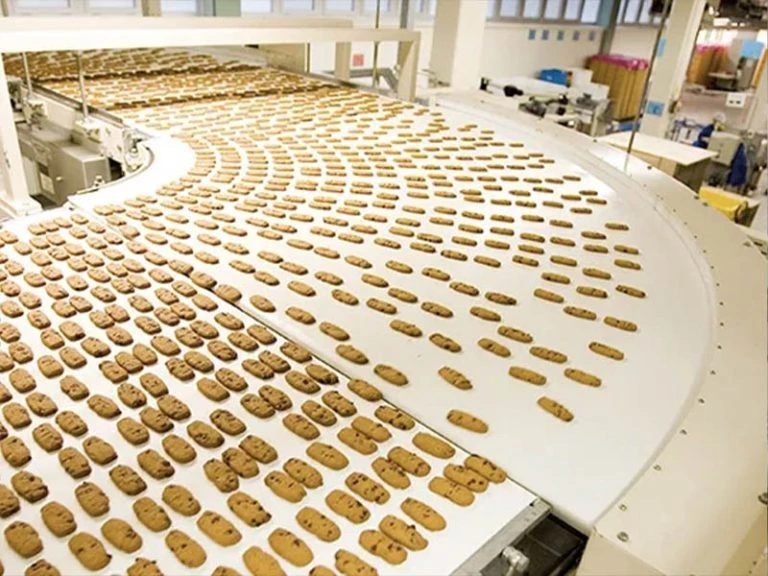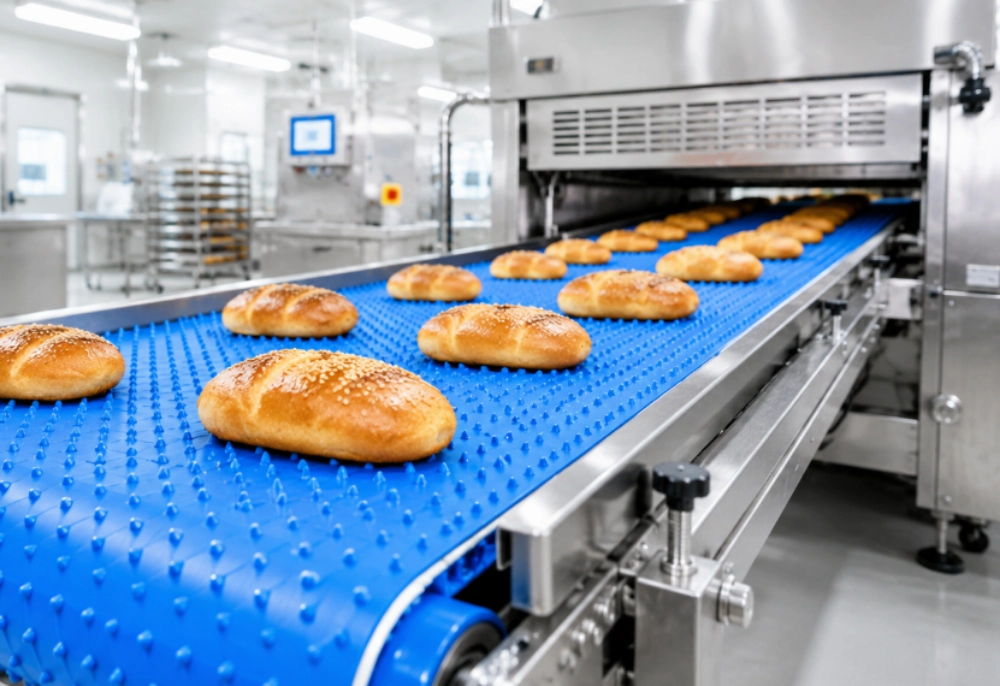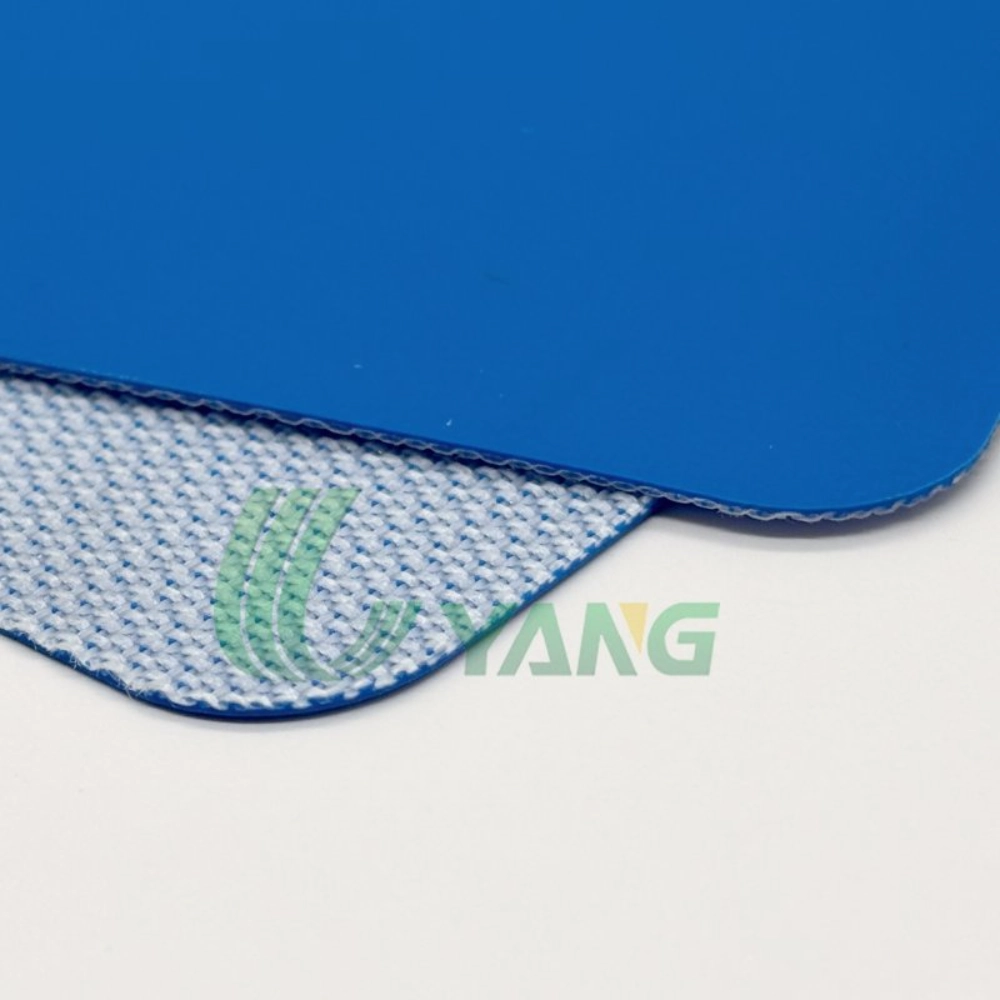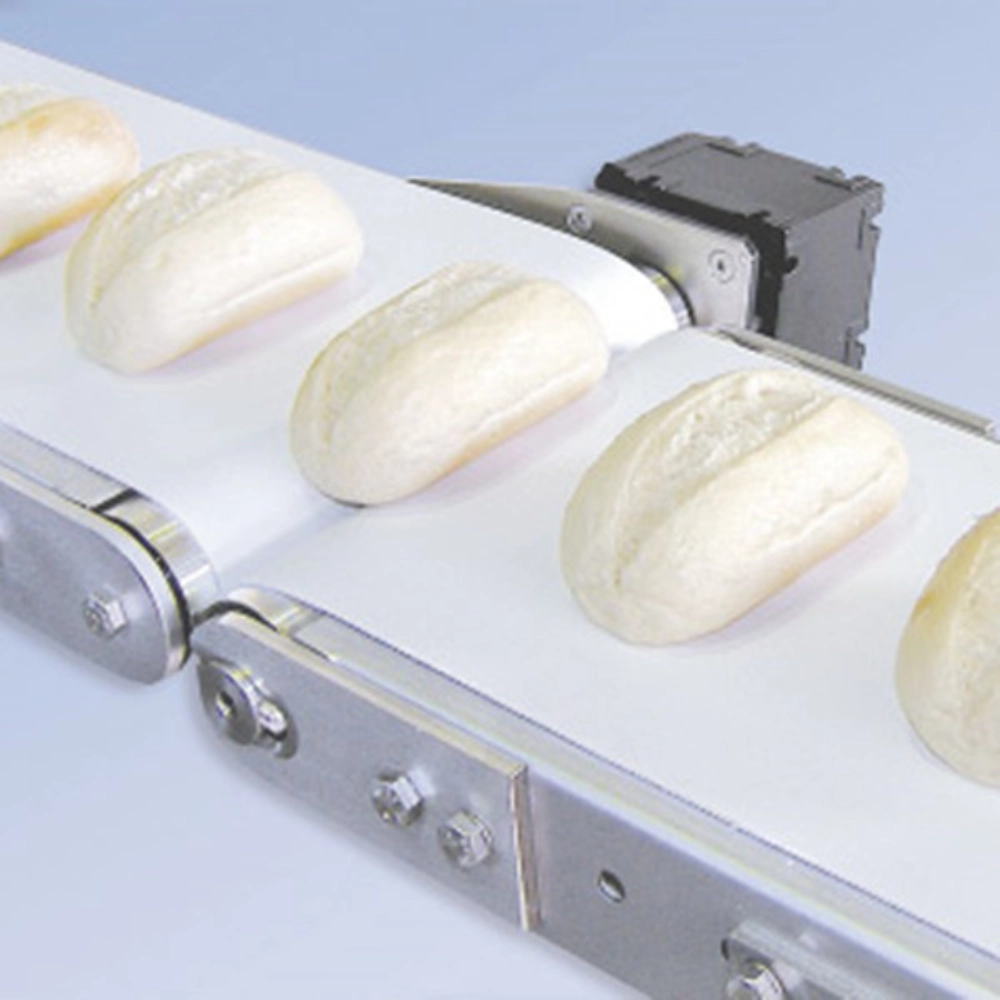
When referring to bakery production we say gentle and demanding. As dough can stick, stretch, tear or even get marks on the belt surface. After baking goods such as bread, biscuits, pastries and cakes have to cool and be packed. This process needs steady conveying. Crumbs, oil, sugar, flour dust and temperature changes can cause marks on the belt surface. A good bakery conveyor belt not only has to transport forward. It also has to preserve the shape of the product, has to ensure food safety, has to reduce the cleaning effort and last but not least it has to allow production to run for longer periods without changing the belt.
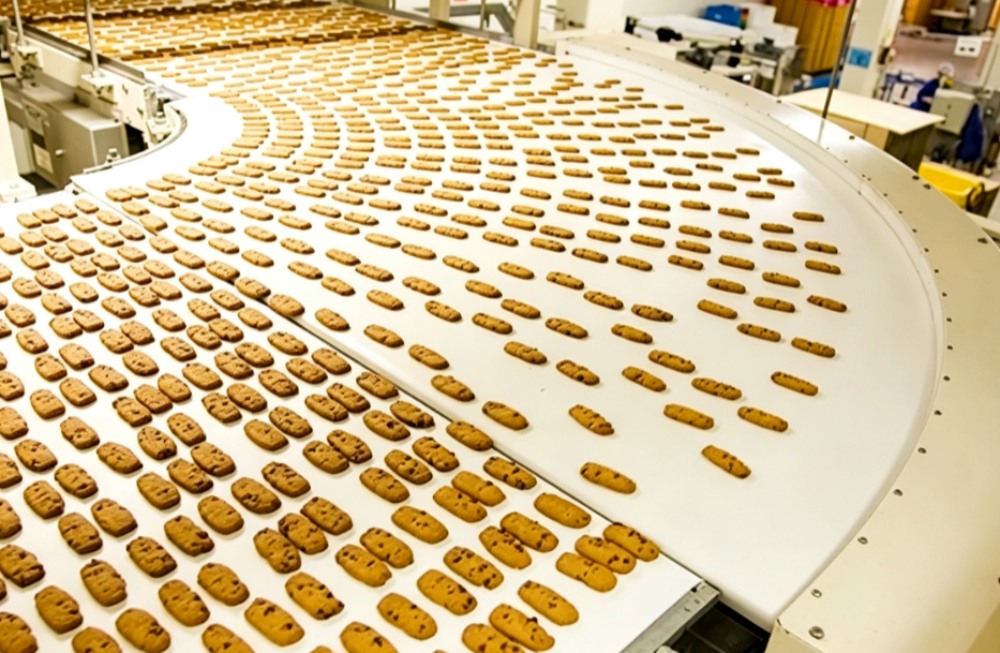
Why Does Bakery Production Need a Dedicated Conveyor Belt?
Bakery lines often look simple from the outside, but the belt has to handle very different stages in one plant. Raw dough needs a soft and controlled surface. Cooling lines need stable running and air flow. Packaging lines need clean transfer, good tracking, and low maintenance. Choosing one “general belt” for all areas usually causes trouble later.
Dough Handling Requires Soft Contact
Dough is sensitive to pressure and surface drag. A belt that is too hard, too rough, or poorly tracked can leave marks, pull the dough unevenly, or cause sticking. For dough sheeting, forming, and transfer, many buyers prefer a felt or fabric surface because it gives softer contact and better release than many plain plastic surfaces.
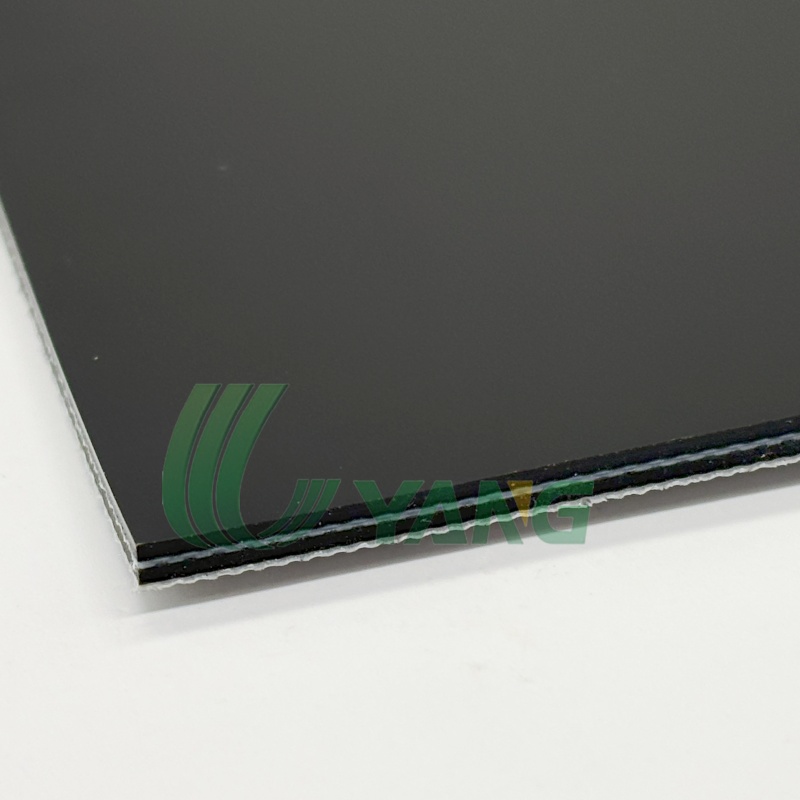
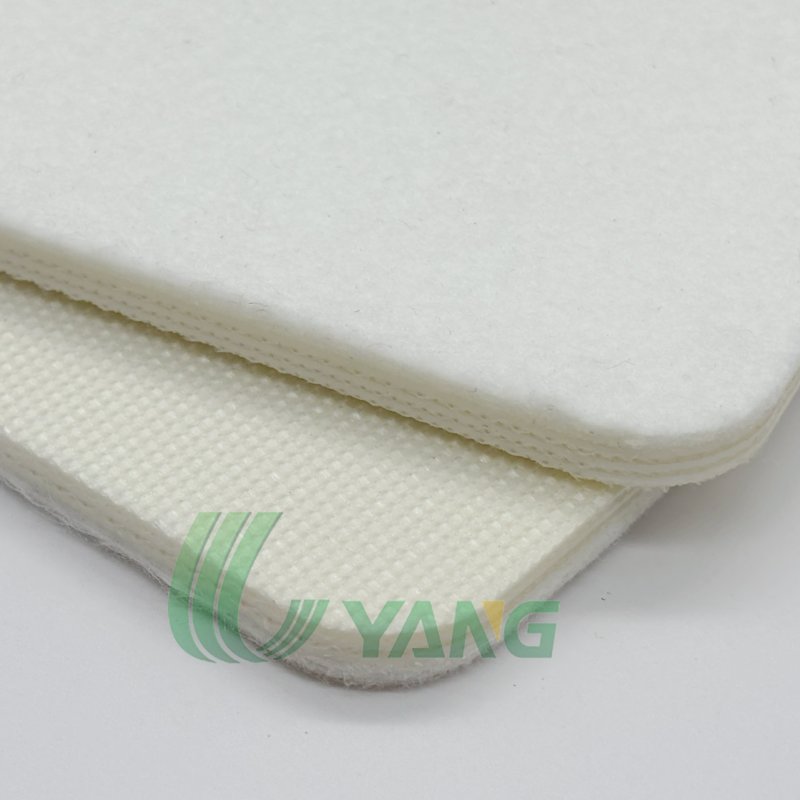
The 3-Ply White Felt Bakery Conveyor Belt-Soft surface is designed for bakery use where dough contact is part of daily production. Its soft surface is suitable for dough handling, and the 3-ply structure gives the belt better body strength than a single-layer light belt. For bakeries that run long shifts, that balance matters.
Cooling Needs Stable Running
In many bakery production lines, after baking the items are conveyed on a cooling belt before they are cut, filled, decorated or packed. The belt at this stage should be running flat and be stable. If the belt waves, stretches, or tracks badly, product spacing becomes messy. That affects downstream packaging, especially when automatic counting or wrapping machines are used.
Packaging Lines Care About Clean Transfer
Packaging areas may not touch raw dough, but they still need clean belt behavior. Crumbs and oil can build up around rollers and transfer points. A belt with the wrong surface may hold too much residue, while a belt with poor edge quality may fray. These small problems look boring on paper, but production teams know they eat time.
Which Belt Materials Work Best for Bakery Lines?
When selecting materials for your products, it is more beneficial to start from the product itself rather than from a catalog. Bakery products are typically dry, oily, sticky, hot or cold, soft or fragile, which is why polymer conveyor belts are commonly used in food production lines. The most commonly used materials are PVC, PU, TPU and TPE, each having their own characteristics of flexibility, cleaning, wear resistance and price.
Felt Belts for Dough and Soft Product Handling
Felt bakery belts are often used where gentle contact matters. The soft surface helps reduce product damage and supports smoother dough transfer. In real bakery workshops, these belts are commonly found around dough forming, pastry handling, biscuit lines, and other areas where a hard top cover may be too aggressive.
The 3-Ply White Felt Bakery Conveyor Belt-Soft surface is worth checking when your production line needs a belt for dough handling rather than only dry packaged goods. The white surface also fits the clean visual standard many food plants prefer.
PU and PVC Belts for General Bakery Conveying
PU belts are suitable for applications that require flexibility, low friction and high durability. PU belts are generally used for lighter conveying and packaging applications. The belts are easy to maintain and are cost effective. For bakery production PU belts can be used in cooling, transfer and packing areas, depending on temperature of the products and the contact required.
For a wider selection, the UYANG BELTING product center gives you a practical place to compare belt types by surface, material, and industry use. That is more useful than choosing only by belt color or price.
Homogeneous Belts for High-Hygiene Areas
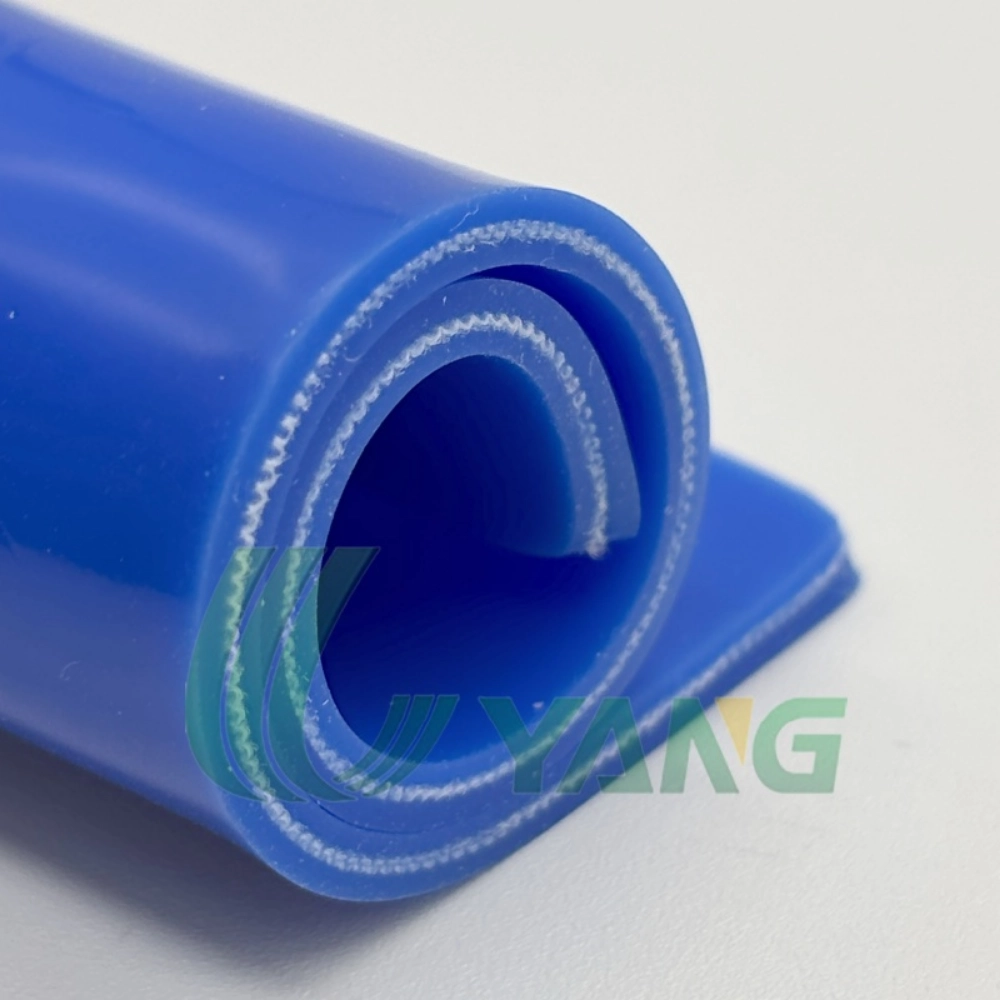
Some bakery plants also use easy-clean homogeneous belts in higher-hygiene zones. These belts are made from a single thermoplastic material such as TPU or TPE. They have no fabric layer, no laminated structure, and fewer places for water or residue to hide. Typical thickness ranges from about 1.5 mm to 5 mm, with smooth or fine textured surfaces available.
Belt types for food safety applications can support hot water washing, high-pressure cleaning, chemical sanitation and even steam cleaning. This type of belt is typically used in very strict food lines, as well as in dairy, meat, seafood, frozen foods and pharmaceutical applications. Bakery applications often have very sticky fillings, have dairy ingredients, or have washdowns very frequently and these would also benefit from this type of belt.
How Should You Match Belt Surface to Bakery Products?
The belt surface decides how the product moves, releases, cools, and transfers. A belt that works well for flour-dusted dough may not be right for oily pastry or wrapped bread. Surface choice is one of the fastest ways to reduce daily complaints from operators.
Soft Surface for Dough Protection
Soft felt surfaces are good for dough handling because they reduce harsh contact. They also help with product stability during forming and transfer. If the dough is tender or slightly sticky, a soft belt can be easier to run than a hard glossy belt. Not every bakery line needs it, but for dough-first applications, it is often a safer choice.
Smooth Surface for Easier Cleaning
Smooth food-grade belts are easier to wipe and wash. They are useful in areas where crumbs, cream, oil, or sugar dust can collect. Smooth homogeneous belts are also valued because they do not absorb water or oil easily, which helps reduce cleaning time and possible bacterial residue.
Textured Surface for Grip
Some bakery products need extra grip. A fine texture, micro-rib, or other anti-slip surface can help when products move on an incline or when spacing must stay stable. Still, more texture usually means more cleaning work. For bakery buyers, the best answer is rarely “the strongest grip.” It is the grip that works without making sanitation painful.
What Details Should Buyers Check Before Ordering?
A bakery conveyor belt should be selected by technical details, not just by product name. Two belts with the same material can behave differently if thickness, ply structure, joint style, and surface finish are not the same. For B2B purchasing, a simple checklist is still useful.
Belt Thickness and Ply Structure
For bakery and light-duty food conveying, thinner belts may be enough in some clean transfer areas. In easy-clean belt guidance, around 2 mm is often used for bakery or light-duty applications, while heavier food jobs may need thicker options. A 3-ply bakery felt belt gives extra structure for lines that need stable running and softer product contact.
Joint Quality and Edge Finish
The joint must run flat. A bad splice can create jumping, noise, product marks, and tracking issues. For high-hygiene belts, seamless hot welding is often recommended because it reduces dead corners and helps avoid residue buildup. Edge treatment is also important. Sealed edges can help prevent liquid ingress and reduce fraying in wet or frequently cleaned areas.
Cleaning Method and Inspection Routine
Cleaning should match the belt material. Food-safe neutral detergents after each shift are common. Some higher-hygiene belts can handle weekly deep cleaning with steam, CIP systems, or chlorine-based cleaning agents. Monthly checks for surface cuts, cracks, swelling, and joint defects are also sensible. It is not exciting work, honestly, but it prevents nasty downtime.
Why Work with a Conveyor Belt Supplier That Knows Bakery Applications?
Bakery buyers usually need more than a roll of belt. They need help matching belt surface, material, joint method, and line position. UYANG BELTING supplies light conveyor belts for food, packaging, logistics, printing, and other industrial applications, with product options covering PVC, PU, patterned belts, food-grade belts, and bakery-use solutions.
Product Matching for Real Bakery Lines
A supplier familiar with bakery production can ask better questions: Is the belt for dough sheeting, cooling, packaging, or transfer? Does the product contain oil or sugar? Is the line washed daily? Does the belt touch unpacked food? These details affect the final choice.
You can review more application categories through the UYANG BELTING industry application page, especially when your bakery line also connects with packaging, sorting, or food-grade conveying systems.
Factory Knowledge and Custom Support
Custom needs are common in bakery projects. Buyers may need special belt width, surface texture, color, thickness, cleats, perforations, or joint types. Homogeneous belt knowledge also shows why food belts may need sealed edges, heat fusion joints, and non-porous surfaces in strict sanitation zones.
For company background and supply capability, the UYANG BELTING About Us page gives more context. If you are shortlisting bakery conveyor belts now, the 3-Ply White Felt Bakery Conveyor Belt-Soft surface is a strong starting point for dough handling, soft transfer, and bakery production areas where surface feel really counts.
FAQ
Q1: What Type of Conveyor Belt Is Best for Bakery Dough Handling?
A: A soft surface felt belt is often a good choice for dough handling because it reduces harsh contact and supports smoother transfer. For dough forming and pastry lines, the 3-ply white felt bakery conveyor belt is especially suitable.
Q2: Is PU or PVC Better for Bakery Conveyor Belts?
A: PU is often chosen for flexibility, durability, and food contact performance. PVC can work well in lighter conveying and packaging areas. The right choice depends on product type, cleaning method, temperature, and budget.
Q3: Are Homogeneous Belts Needed in Bakery Production?
A: Not always. Homogeneous belts are useful in high-hygiene or frequent washdown areas because they are fabric-free, non-porous, and easy to clean. For dry dough handling, a felt bakery belt may be more suitable.
Q4: How Often Should Bakery Conveyor Belts Be Checked?
A: A monthly inspection is a practical baseline. Check for surface wear, cuts, cracks, edge fraying, tracking problems, and joint defects. Lines with heavy flour dust, oil, or daily washdown may need more frequent checks.
Q5: What Should Be Confirmed Before Ordering Bakery Conveyor Belts?
A: Confirm belt width, length, thickness, ply structure, surface type, material, joint method, cleaning conditions, food contact needs, and the exact line position. A belt for dough handling is not always the same as a belt for cooling or packaging.