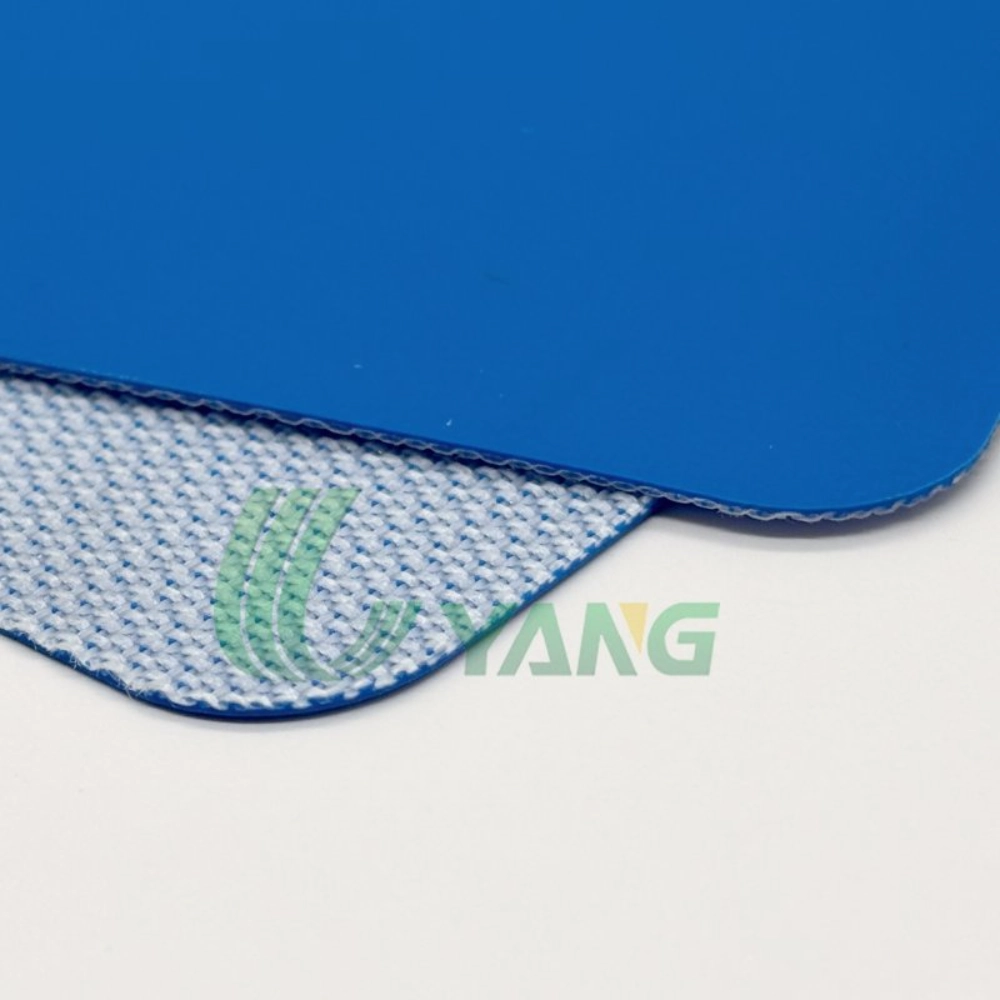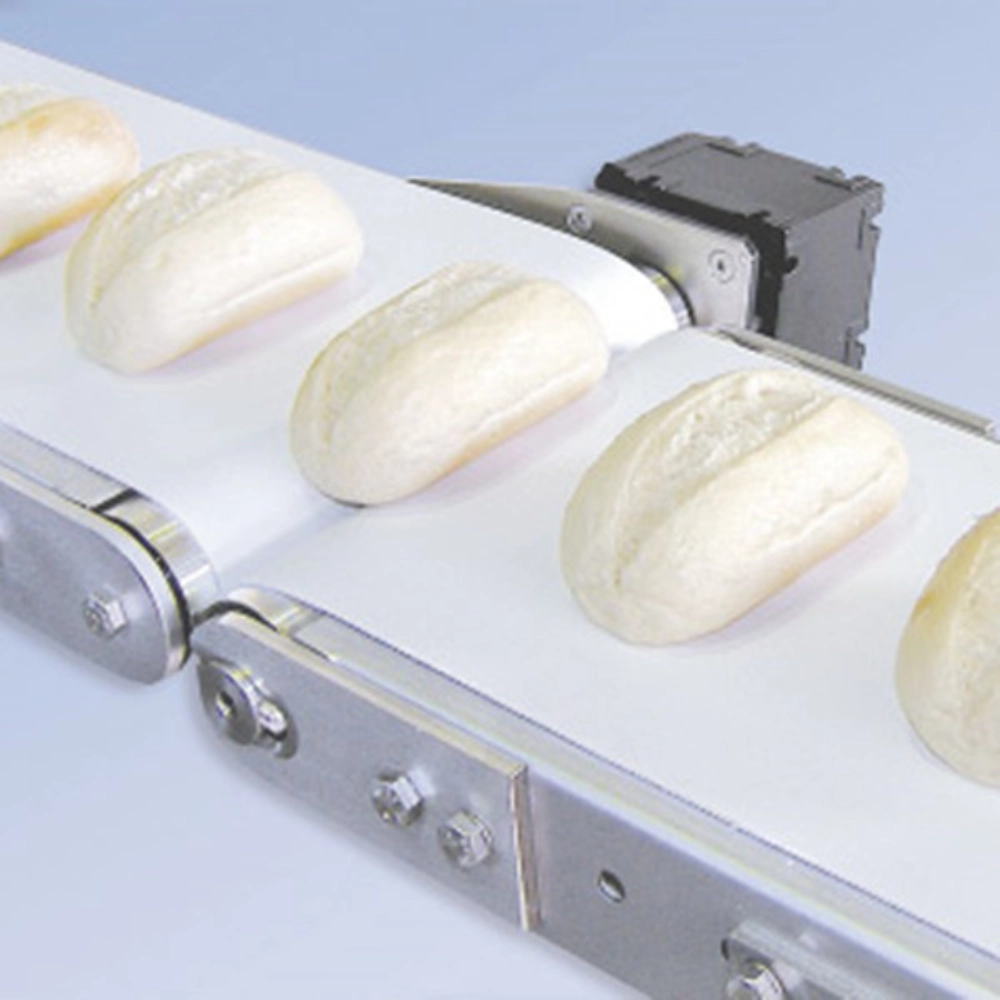
Many consumers of conveyor belts are depending on the belt splicing press to make sure the joints of the belts are running perfectly, are kept tensed and are working in production without any problems. In industries like food processing, packaging, logistics, printing, bakery, meat, seafood, electronics, airport logistics and the pharmaceutical sector in production lines belt splices are often subject to extreme stress. And most of the time they fail. Not because the belt was not good enough, but because the joint was not made the right way. In many cases only a small detail is enough to make a belt run perfectly or start to shake and even come off theconveyor. And of course that can result in a huge disaster, not only from a financial point of view but also from a hygienic point of view. The main question when buying a belt splicing press is: will I need a water cooling press or an air cooling press?
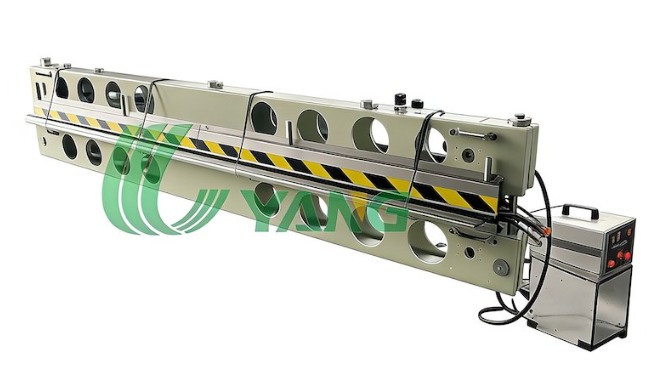
What Does a Belt Splicing Press Do?
A belt splicing press, often referred to as a belt vulcanizing machine or conveyor belt splice press, is a device used for joining two ends of a belt. By applying heat and pressure under specific circumstances, the goal of a belt splicing press is to create a strong, smooth and durable endless joint for light weight belts such as PVC, PU, TPU, TPE belts and others.
Heat, Pressure, and Stable Joint Strength
To ensure a good splice three criteria must be met: correct heating, constant pressure and sufficient dwell time. In most cases for light conveyor belts the press will be heated in order to heat the belt ends that have been prepared for splicing. Once the proper temperature has been reached and the required pressure is applied the press is then released from hot to cool, thus enabling the belt to return to normal running without any tendency to wander. The joint surface is then flat and the belt has a long service life.
Why Belt Type Changes the Buying Decision
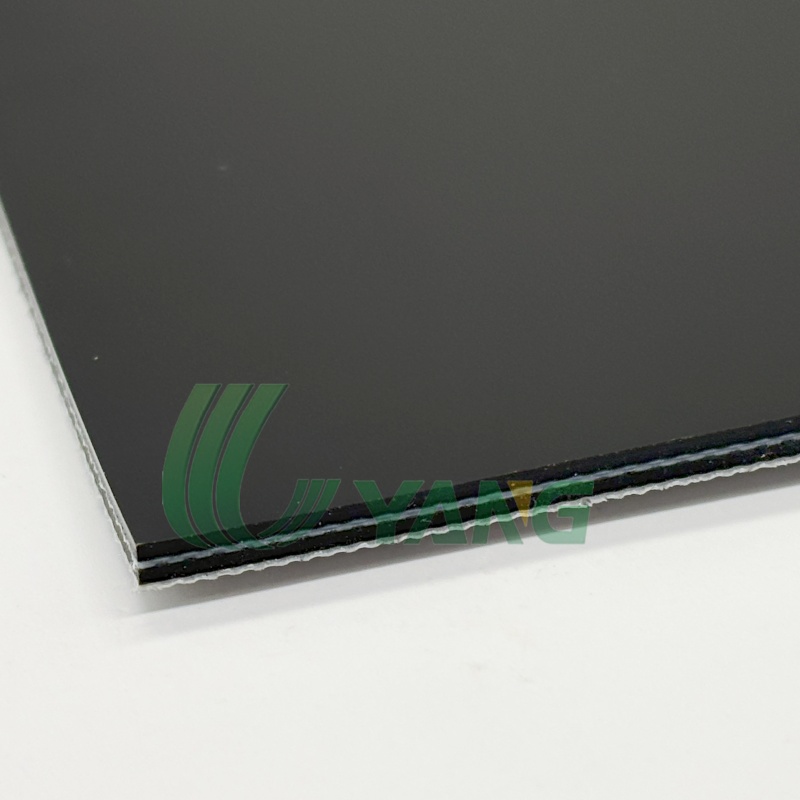
Homogeneous food belts are often used in the food industry. These belts are made of one material and are seamless produced by hot fusion. This type of joint is ideal because fabric and pores in a material can harbor bacteria and make a belt not food-grade. Printing blanket belts on the other hand are made of very different materials and need to be joined with high precision. An uneven joint can even affect the transfer quality. When choosing a press for belt application not only the cooling method is important, also the material, thickness and application of the belt as well as the joint type and accuracy on site.
When Should You Choose a Water Cooling Press?
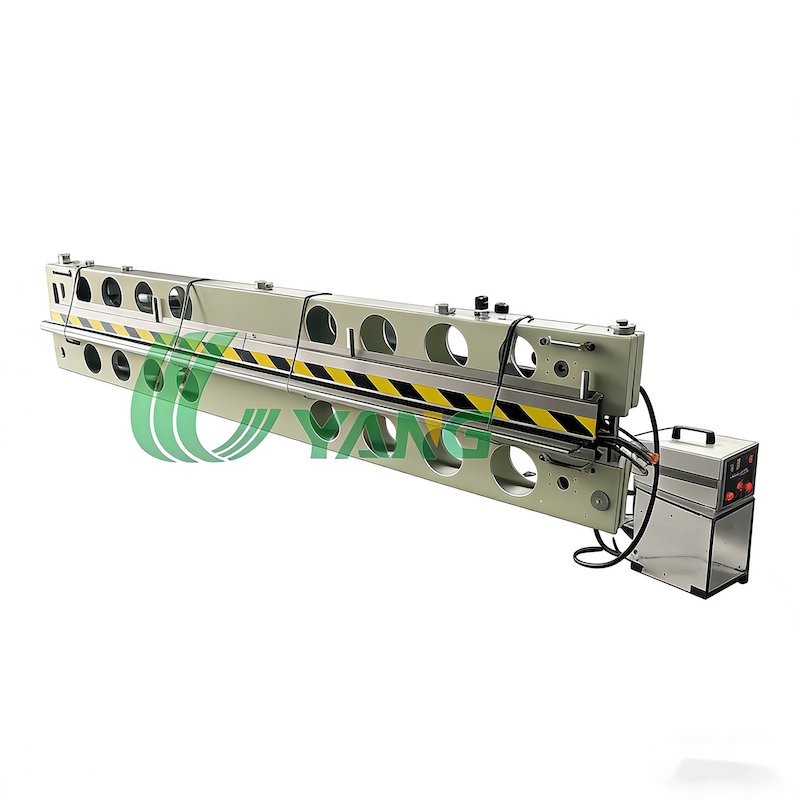
Water cooling presses are more common in workshops, belt fabrication rooms, and batch production. They are usually split-type machines, with a control box, press body, water pump, water pipes, and heat-resistant accessories. The setup takes more time, but it gives stable cooling and steady working conditions.
Better for Workshop and Mass Splicing
A water cooling press is a sensible choice when your team makes many belt joints in one place. It is heavier than an integrated air cooling model, so moving it from site to site is not that pleasant. However, in a fixed workshop, that weight is less of a problem. You get a stable platform for repeat work.
For high-precision printing or PU blanket belt splicing, the UYANG High-Precision Water-Cooling Splicing Press For PU Printing Blanket Belts is more suitable when joint flatness and consistent temperature control matter more than portability.
Typical Working Time and Technical Range
For a water cooling press, the usual cycle is around 20 minutes heating, 3 minutes dwell time, and 2 minutes cooling. In real production, the full process often takes about 25 to 30 minutes, depending on belt material and thickness.
Common water cooling press specifications include effective lengths from 600 mm to 3000 mm, an effective width around 150 mm, maximum pressure around 2 bar, and maximum temperature around 200°C. Larger models are heavy, so check the workshop space, lifting method, and packing size before ordering. This small detail saves a lot of trouble later.
When Is an Air Cooling Press the Better Choice?
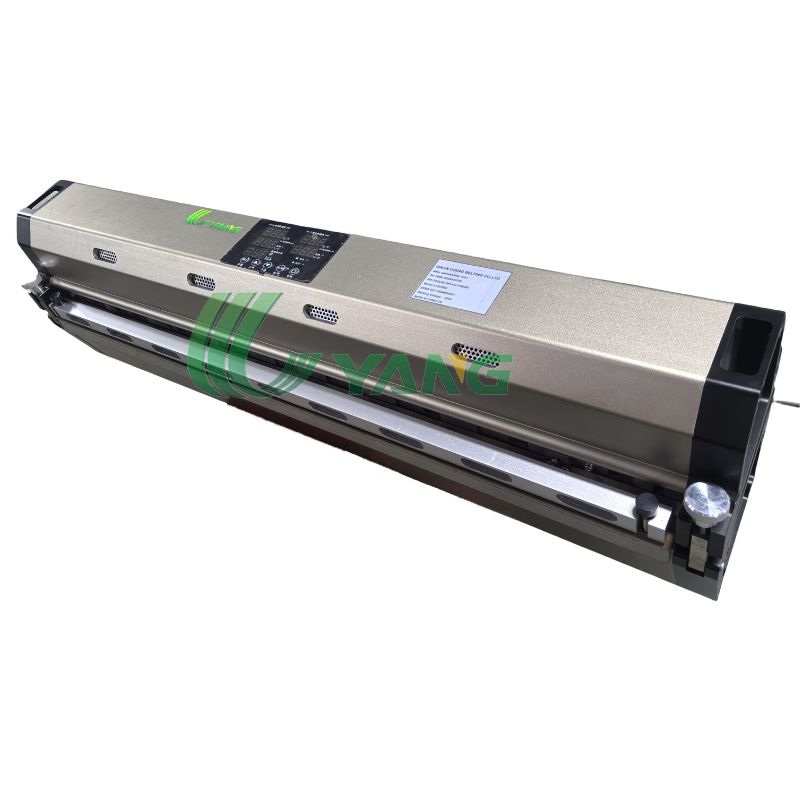
Air cooling presses are made for easier movement and faster on-site work. The integrated structure combines heating, cooling, and pressure systems in one machine. No external water pump is needed. No extra air pump is needed. The operator only needs to carry the machine case and the required splice materials.
Faster On-Site Belt Repair
Air cooling is often the better choice for maintenance teams, distributors, and factories that need quick belt repair. If a belt fails on a packaging machine or logistics line, waiting for a full workshop setup can waste production time. An air cooling press is plug-and-play, easier to carry, and better suited for field work.
The UYANG Air Cooled Splice Press For PVC PU Conveyor Belt fits this kind of job well, especially when you need portable splicing for PVC and PU conveyor belts without water connection.
Shorter Cycle Time for Small and Medium Jobs
Air cooling models can finish a splice much faster. A typical cycle may include 4.5 minutes heating, 3 minutes dwell time, and 2.5 minutes cooling. Total working time is usually about 9 to 12 minutes, depending on belt type and thickness.
Common air cooling press sizes include effective lengths from 385 mm to 2185 mm, effective width around 130 mm, maximum temperature around 200°C, and pressure around 2 bar for many models. Smaller models may weigh only about 25 kg total, while larger units are still much easier to manage than large water cooling machines.
How Do Water Cooling and Air Cooling Compare?
Both press types can make strong hot spliced joints for light conveyor belts. The real difference is how they fit your working method. A workshop buyer often cares about repeat quality, wider model range, and stable batch work. A service team cares more about quick repair, easy carrying, and fewer accessories.
Quick Comparison for B2B Buyers
Water cooling press:
- Better for workshop use and batch splicing
- Needs water pump, pipes, and more setup time
- Usually heavier and less portable
- Full cycle often around 25 to 30 minutes
- Good for precision jobs and repeated production
Air cooling press:
- Better for on-site repair and portable service
- Built-in cooling and pressure systems
- No external water source needed
- Full cycle often around 9 to 12 minutes
- Easier for technicians who move between production lines
For a broader look at belt types and matching equipment, the UYANG BELTING product center can help you compare conveyor belt materials, surface patterns, and related splicing needs.
What Industries Need More Careful Splicing?
The global conveyor belt market continues to grow because food and beverage, logistics, packaging, mining, steel, cement, and manufacturing lines all need stable material handling. Polymer belts such as PVC, PU, TPU, and TPE are widely used because they balance flexibility, chemical resistance, cleanability, and durability.
Food, Bakery, Meat, and Seafood Processing
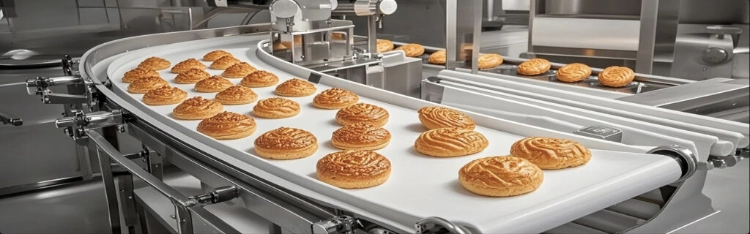
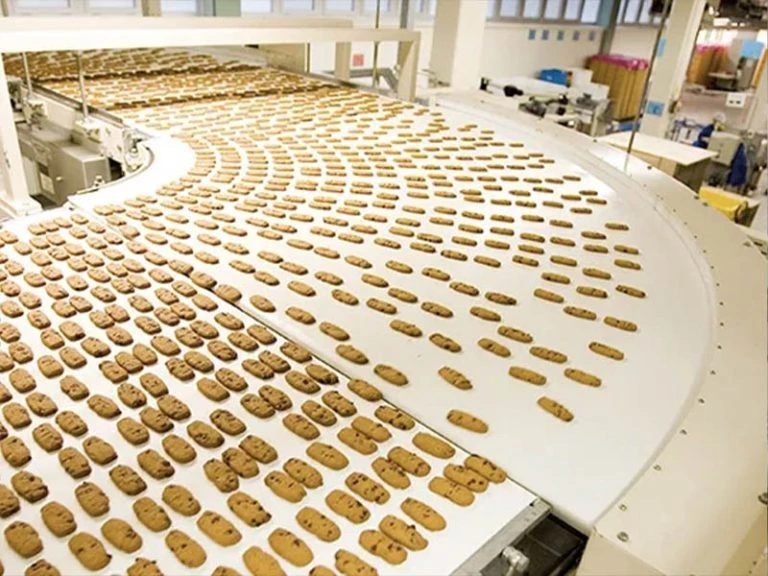
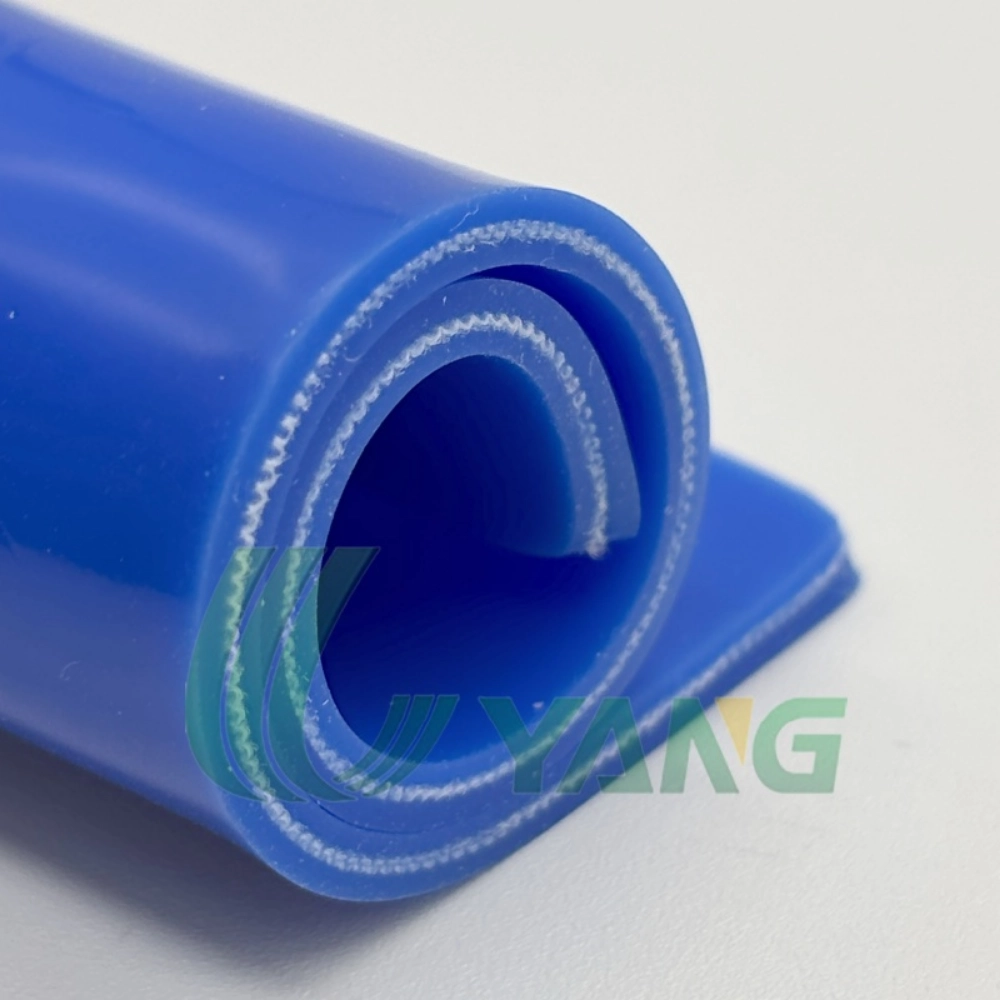
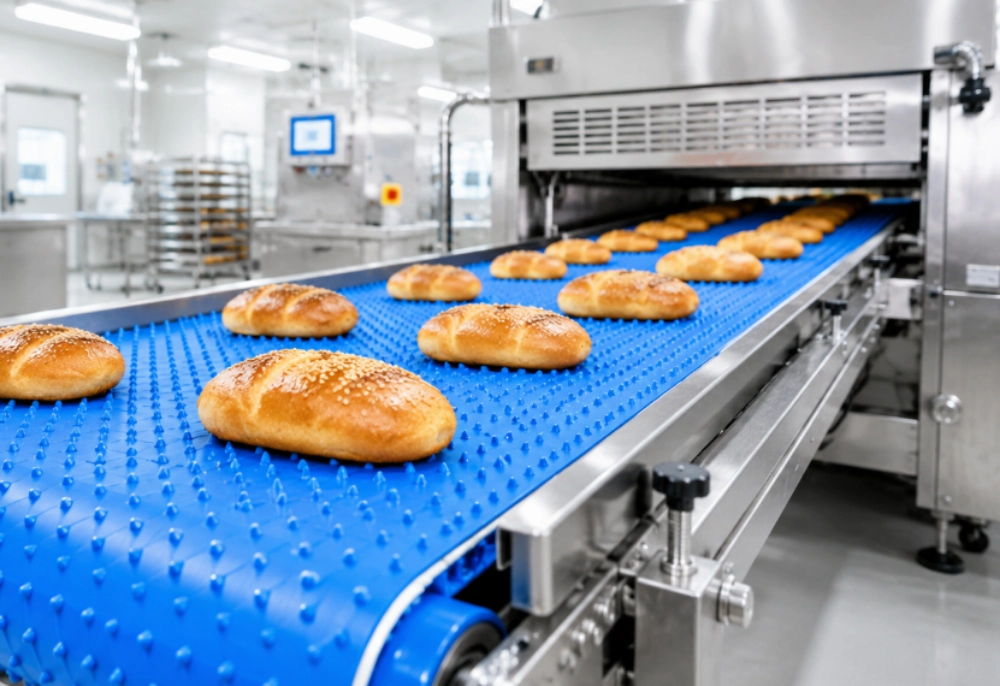
Food-grade belts need clean joints. Homogeneous belts, also called easy-clean belts, often use TPU or TPE material with a fabric-free, one-piece structure. They are valued in meat, seafood, bakery, dairy, frozen food, and pharmaceutical applications because they resist liquid penetration, bacterial traps, delamination, and edge fraying.
For food belts, the splice should be smooth and easy to wash. Blue belts are often selected for hygiene control and foreign object detection. Smooth surfaces help cleaning, while textured surfaces add grip. The right press helps keep the hot weld neat instead of leaving rough joint edges.
Packaging, Logistics, Printing, and Airport Lines
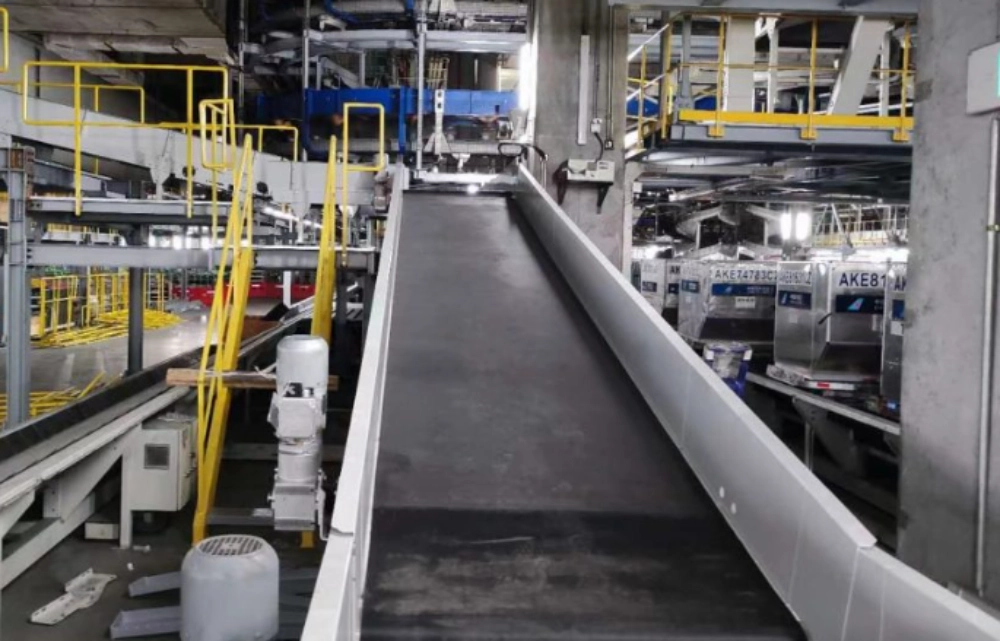
Packaging and logistics belts usually care about stable running, fast repair, and reduced downtime. Air cooling presses are practical here because many repairs happen beside the machine. Printing belts and blanket belts, on the other hand, may need a more precise water cooling press because the joint surface can affect product quality.
You can also review industry-specific conveyor belt use cases through the UYANG BELTING industry application page when matching belt type, press type, and production environment.
How Should You Make the Final Buying Choice?
Start with your working place. If most splicing happens in a fixed workshop and your team handles batch belt fabrication, a water cooling press is usually the safer long-term buy. If most work happens on customer sites, production floors, or emergency maintenance points, an air cooling press will save time and carrying effort.
Next, check the belt width, belt thickness, belt material, splice length, and required joint finish. A cheap press that cannot cover your real belt size is not cheap after the second failed splice. Also check after-sales support, spare parts, heating plate quality, pressure stability, and operator training.
UYANG BELTING supplies conveyor belts and splicing equipment for light industrial applications, with product categories covering PVC, PU, patterned belts, food-grade belts, and industry-matched conveying solutions. Buyers who need both belt selection and splice press matching can start from the UYANG BELTING website or read more about the company through UYANG BELTING About Us.
FAQ
Q1: Which is better, a water cooling press or an air cooling press?
A: Water cooling is better for workshop batch splicing and precision work. Air cooling is better for portable repair, fast on-site service, and jobs where no water source is available.
Q2: Can both presses splice PVC and PU conveyor belts?
A: Yes. Both press types can be used for PVC and PU light conveyor belts, as long as the temperature, pressure, splice size, and belt thickness match the machine.
Q3: Why does an air cooling press work faster?
A: It has an integrated structure with built-in cooling and pressure systems. There is no need to connect water pipes or external pumps, so setup and working time are shorter.
Q4: Is a water cooling press too heavy for daily use?
A: It depends on the model. Small sizes are manageable, but larger water cooling presses are better kept in a workshop because total weight can rise sharply with longer effective length.
Q5: What should be checked before buying a belt splicing press?
A: Check effective length, effective width, maximum temperature, pressure range, belt material, belt thickness, cooling method, portability, spare parts, and the type of joint finish your production line needs.