Packaging equipment has little room for belt problems. A small product shift can affect sealing, labeling, counting, coding, weighing, or robotic pickup. For packaging machine designers, the belt is not a standard spare part at the end of the design list. It is part of machine accuracy, speed, hygiene, and service life.
The global conveyor belt market was valued at USD 7 billion in 2025 and is expected to reach USD 10.8 billion by 2035, which makes sense. Packaging lines need simple, stable, easy-to-fit belts that can run through many machine layouts. For you, the key is not only finding a belt that moves goods. It is finding one that fits the packaging machine design from the first sample test.

Why Does Packaging Equipment Need the Right Conveyor Belt?
A packaging machine may look compact, but belt selection affects many moving parts. Feeders, transfer points, coding stations, checkweighers, metal detectors, shrink wrapping units, and carton systems all rely on steady material flow.
Accurate Product Positioning
For packaging machine designers, positioning is often the first concern. If a product moves 3 mm too far left, the label may not sit right. If a pouch slides at a transfer point, sealing jaws may catch the edge. These issues are small on paper, but they become customer complaints after installation.
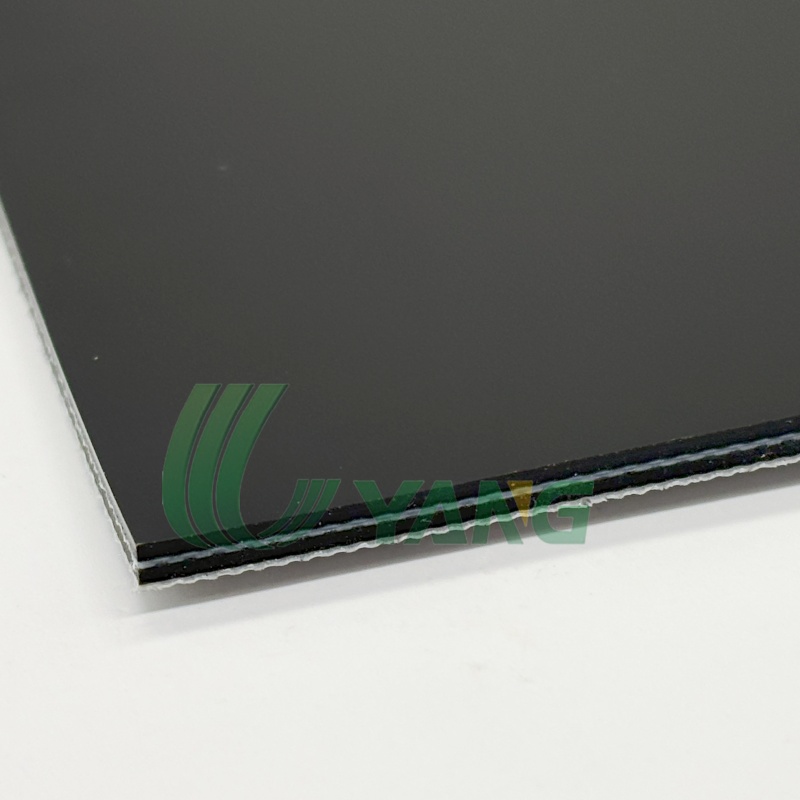
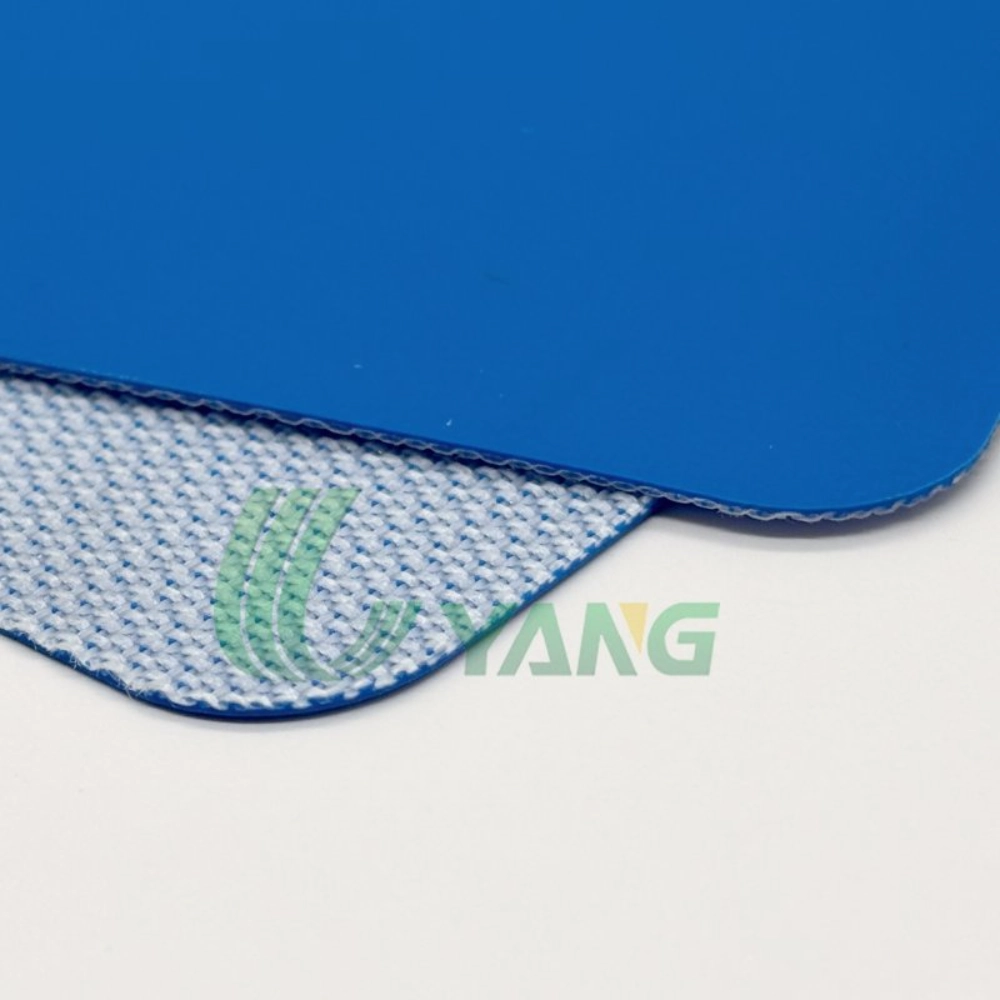
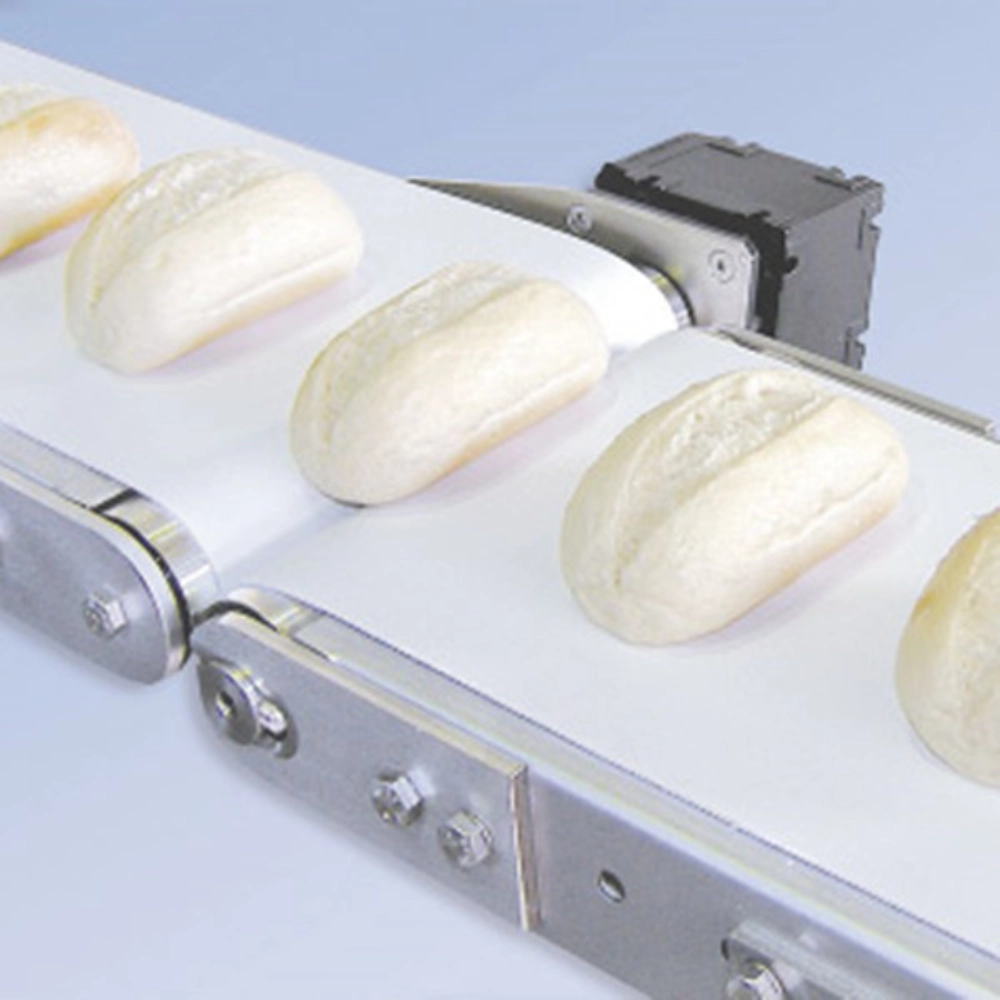
A thin TPU conveyor belt is useful when packaging equipment needs close transfer and accurate placement. The Knife Edge TPU conveyor belt is designed for precision conveying and sorting. Its knife-edge structure helps packaged items pass smoothly across tight transfer zones, which is important for pouch, tray, carton, and small-product packaging lines.
Smooth Running in Compact Machine Layouts
Compact packaging equipment often uses small rollers, short belt centers, and tight spaces. A thick or stiff belt may increase motor load, create poor tracking, or make the machine louder than expected. Buyers do notice noise, especially in clean workshops where several machines run side by side.
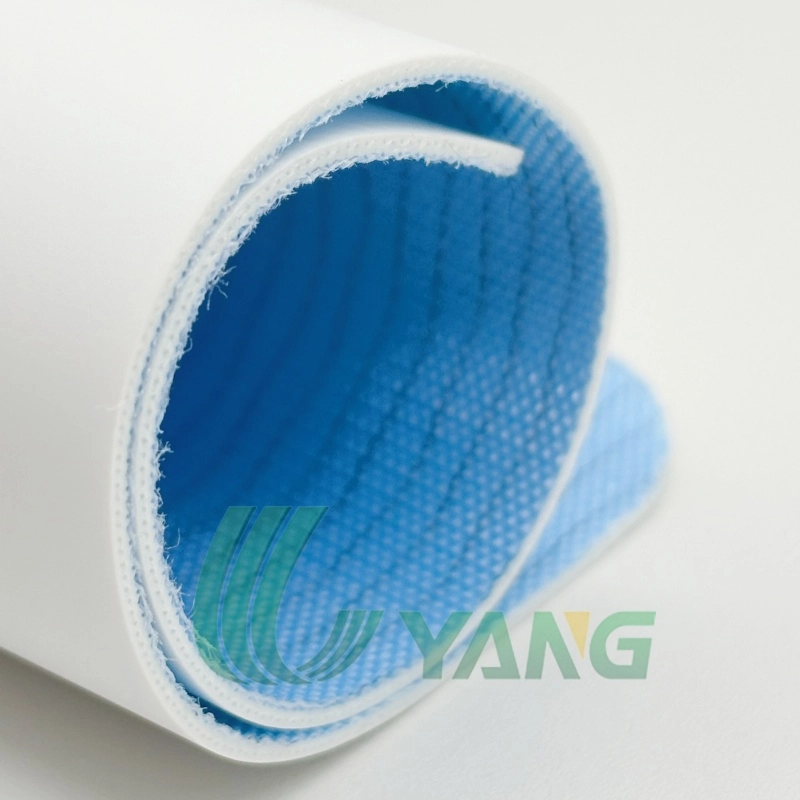
This is where belt flexibility becomes practical. The Knife Edge TPU belt has a 1.2 mm total thickness and a 1.7 kg/m² belt weight. That light profile helps reduce strain on motors and rollers, especially in high-speed compact machinery.
What Makes TPU Belts Suitable for Packaging Equipment?
TPU belts are common in packaging because they balance flexibility, wear resistance, and cleanliness. They are not as heavy as many rubber belts, and they can be easier to apply in machines that need precise transfer.
Wear Resistance and Tear Resistance
Packaging lines may handle cartons, sachets, trays, bottles, wrapped food, and electronic parts. Some products are light. Some have sharp corners. A belt surface that wears too fast can change friction and cause unstable feeding after a few months.
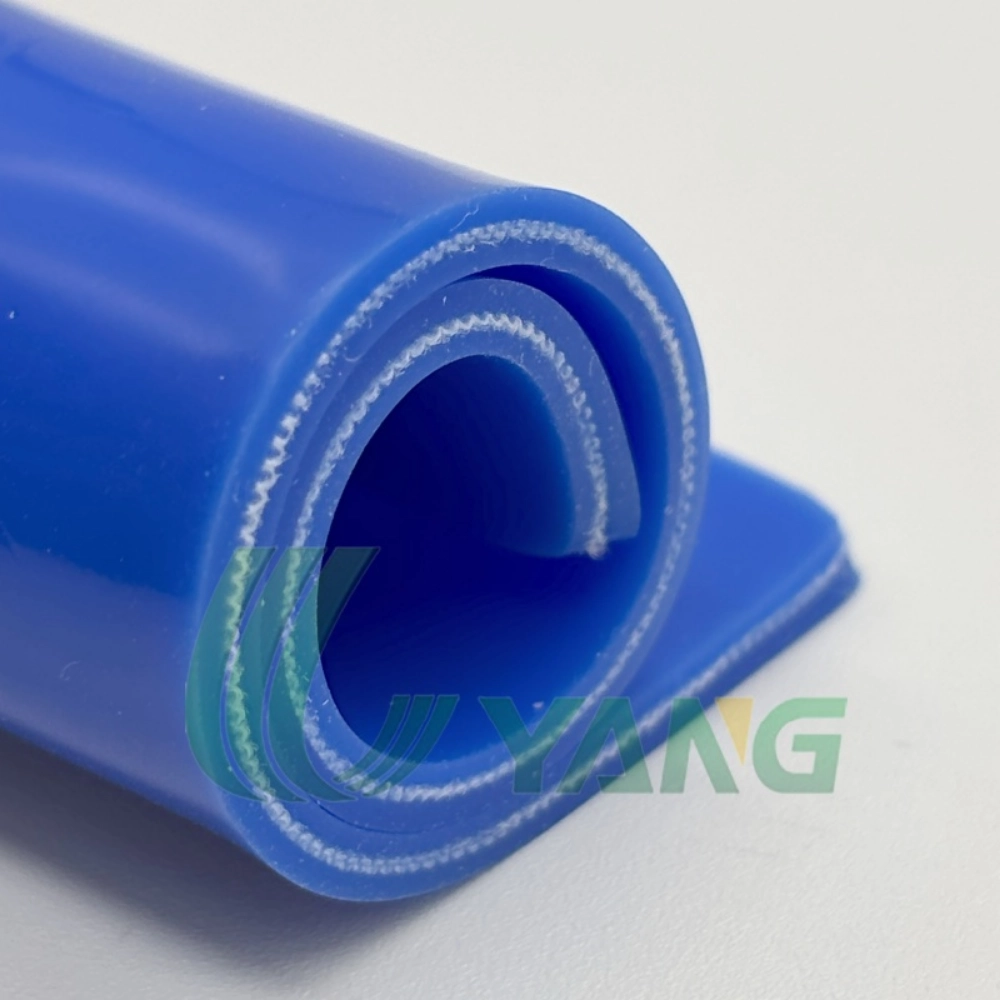
The Knife Edge TPU conveyor belt uses polyurethane material with good wear resistance, tear resistance, and flexibility. Its 2-ply fabric structure and 85 Shore A hardness give the belt enough body strength for repeated light-duty and medium-speed handling. For packaging equipment projects, this makes sample testing more realistic. The belt can show how it behaves after real running, not just during a five-minute bench check.
Oil, Grease, and Cleaning Resistance
Packaging equipment often serves food, cosmetics, household goods, and small industrial parts. Oils, grease, moisture, and cleaning chemicals may appear on the line. TPU performs well in these working conditions because it resists oil, grease, and hydrolysis.
For food-related packaging, hygiene matters more. Knowledge from food-grade belt applications shows why smooth, non-absorbent surfaces are preferred: they clean faster, resist moisture, and reduce residue. For strict food contact areas, belt buyers also care about FDA, EU 10/2011, USDA, and HACCP-related requirements. That kind of detail should be checked before bulk orders, not after the machine is shipped.
How Should You Choose a Belt for Packaging Equipment?
The right belt is selected from machine data, not only from catalog names. A belt that runs well on one packaging machine may fail on another because roller diameter, speed, load, and transfer distance are different.
Match the Belt to Roller Diameter
Small roller diameter is common in packaging machinery. Knife-edge conveyors need a belt that can bend cleanly without cracking, curling, or losing tracking. The Knife Edge TPU belt has a normal flexion minimum roll diameter of 6 mm and counter flexion of 8 mm. Those numbers are valuable for packaging engineers because they help check whether the belt can fit the conveyor drawing.
Before ordering, send these details to the supplier:
- Belt width and total length
- Roller diameter
- Conveyor speed
- Product weight and shape
- Transfer gap
- Working temperature
- Surface texture requirement
- Color, thickness, and splice method
- Food contact or anti-static needs if required
Not exciting, but this list prevents a lot of back-and-forth.
Check Temperature and Elongation Strength
Temperature changes can affect belt behavior. The Knife Edge TPU belt has a working temperature range from -15°C to +80°C and 1% elongation strength of 8 N/mm. For packaging machinery, these values help you judge whether the belt can run in chilled food rooms, warm packing areas, or general factory conditions.
Elongation strength also matters for tracking. If the belt stretches too easily, your customer may need frequent tension checks. That is not the best after-sales story.
Why Work With a Conveyor Belt Manufacturer for Packaging Equipment?
A packaging equipment manufacturer usually needs more than a belt roll. You may need test samples, fast quotation, width customization, surface choice, splice advice, and repeatable supply for future machine batches.
Production Capacity and Product Range
UYANG BELTING is a conveyor belt total-solution manufacturer with more than 20 years of industry experience. Its knowledge base states that the company has an 80,000㎡ production facility and 15 advanced production lines. The product range covers PVC conveyor belts, PU conveyor belts, homogeneous belts, solid woven conveyor belts, rubber belts, plastic modular belts, timing belts, transmission belts, processing belts, specialty patterned belts, and conveyor belt processing machines.
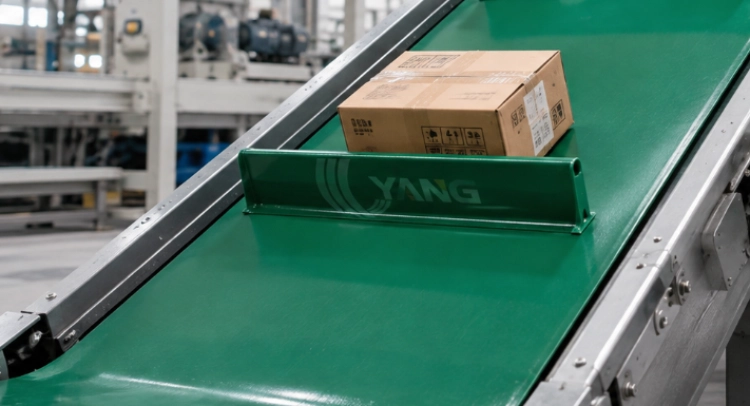
For packaging equipment builders, this matters because one packaging system may need several belt types. A feeder belt may need high grip. A transfer belt may need a knife edge. A food contact belt may need better hygiene. A discharge belt may need easy cleaning. You can compare options through the product center before setting the machine standard.
Custom Sizes and Trial Samples
Packaging equipment projects often start with trial orders. UYANG BELTING supports flexible MOQ, sample service, OEM and ODM support, custom sizes, patterns, and branding. Standard orders are usually 15 to 25 days, while urgent orders may be arranged faster when needed.
The Knife Edge TPU conveyor belt can be customized by width, color, thickness, and surface finish. This is useful when the same packaging machine handles different product sizes or package formats. A food packer may want a white or blue belt. A cosmetics packer may care more about clean transfer and low noise. A packaging buyer may ask for a sample first, which is fair.
Where Do Knife Edge TPU Belts Fit in Packaging Lines?
Knife-edge TPU belts are suitable when a packaging line needs accurate movement at tight transfer points. They fit compact layouts where pouches, trays, cartons, bottles, or small packaged items move at medium or high speed.
Feed, Transfer, and Inspection Sections
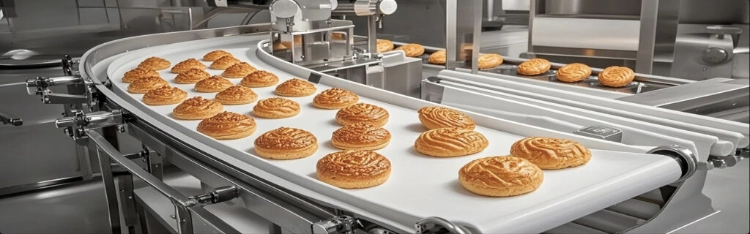
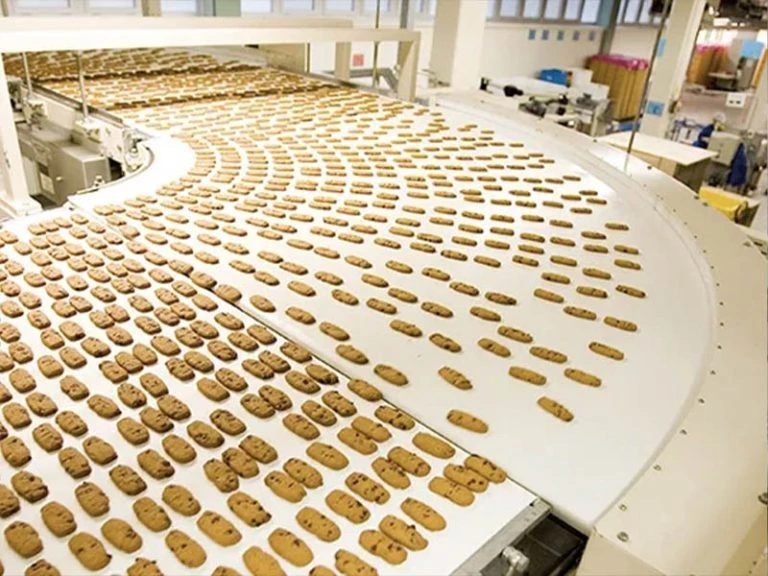
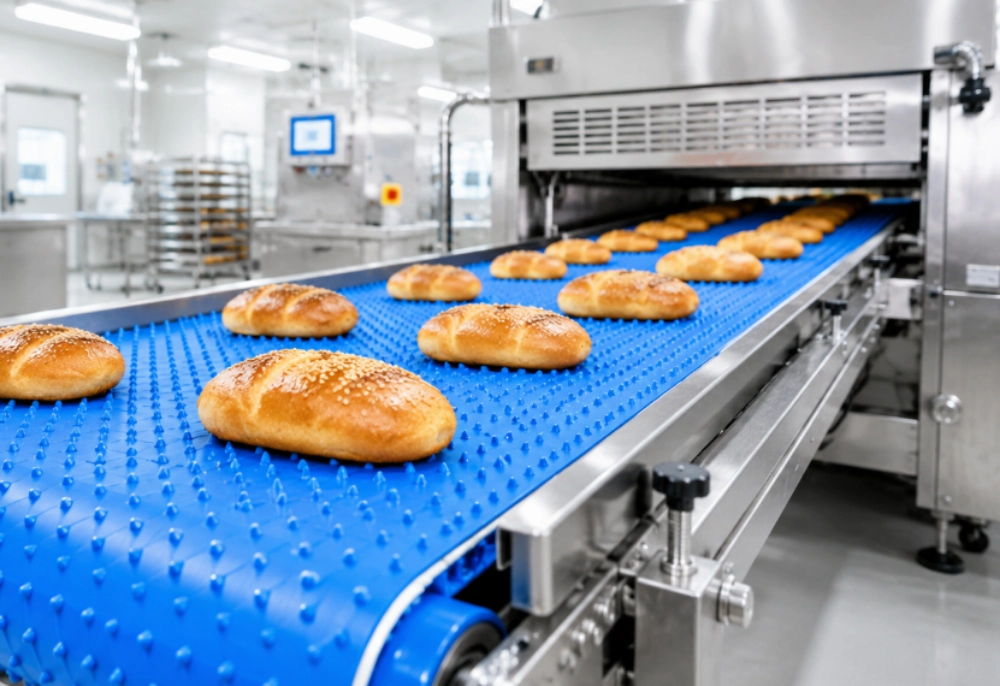
The belt can support infeed, product alignment, transfer, labeling, coding, checkweighing, inspection, sealing, and discharge sections. Wrapped snacks, bakery packs, cosmetic containers, sachets, trays, and small consumer products all benefit from clean positioning. The main selection question is not the product category alone, but how the item behaves at each transfer point.
The supplier’s broader industry application section provides useful background on belt behavior under moisture, oil, heat, dust, and repeated transfer. For packaging equipment, that experience helps when selecting surface friction, cleaning resistance, flexibility, and tracking performance for a specific line layout.
Lower Noise and Cleaner Maintenance
A good packaging belt should not make the machine feel rough. Low noise, steady tracking, and easy cleaning all help your end customer run the machine with fewer interruptions. The Knife Edge TPU belt supports smooth or patterned surface choices, so friction can be adjusted to the product.
For maintenance, check belt tension, pulley alignment, splice quality, and surface wear during regular service. If the belt runs near blades, metal edges, or cleaning tools, protect the surface. A good belt can still be damaged by careless handling. That is a very human factory problem, and it happens more than people admit.
FAQ
Q1: What Conveyor Belt Is Best for Packaging Equipment?
A: A thin TPU conveyor belt is a strong choice when the machine needs accurate transfer, small roller compatibility, low noise, and clean operation. Knife-edge TPU belts are especially useful for compact packaging layouts.
Q2: Why Is a Knife Edge Belt Used in Packaging Machines?
A: A knife edge belt helps products pass smoothly over tight transfer points. It reduces the chance of product jamming, shifting, or dropping between conveyors.
Q3: What Data Should Packaging Equipment Builders Provide Before Ordering Belts?
A: You should provide belt width, length, roller diameter, conveyor speed, product weight, working temperature, surface type, splice method, and any food contact or anti-static requirement.
Q4: Can the Knife Edge TPU Conveyor Belt Be Customized?
A: Yes. Width, color, thickness, and surface finish can be customized based on machine design and application needs.
Q5: Why Choose UYANG BELTING for Packaging Equipment Belts?
A: UYANG BELTING offers over 20 years of conveyor belt manufacturing experience, an 80,000㎡ production base, 15 production lines, sample service, OEM and ODM support, flexible MOQ, and technical support for packaging equipment builders.