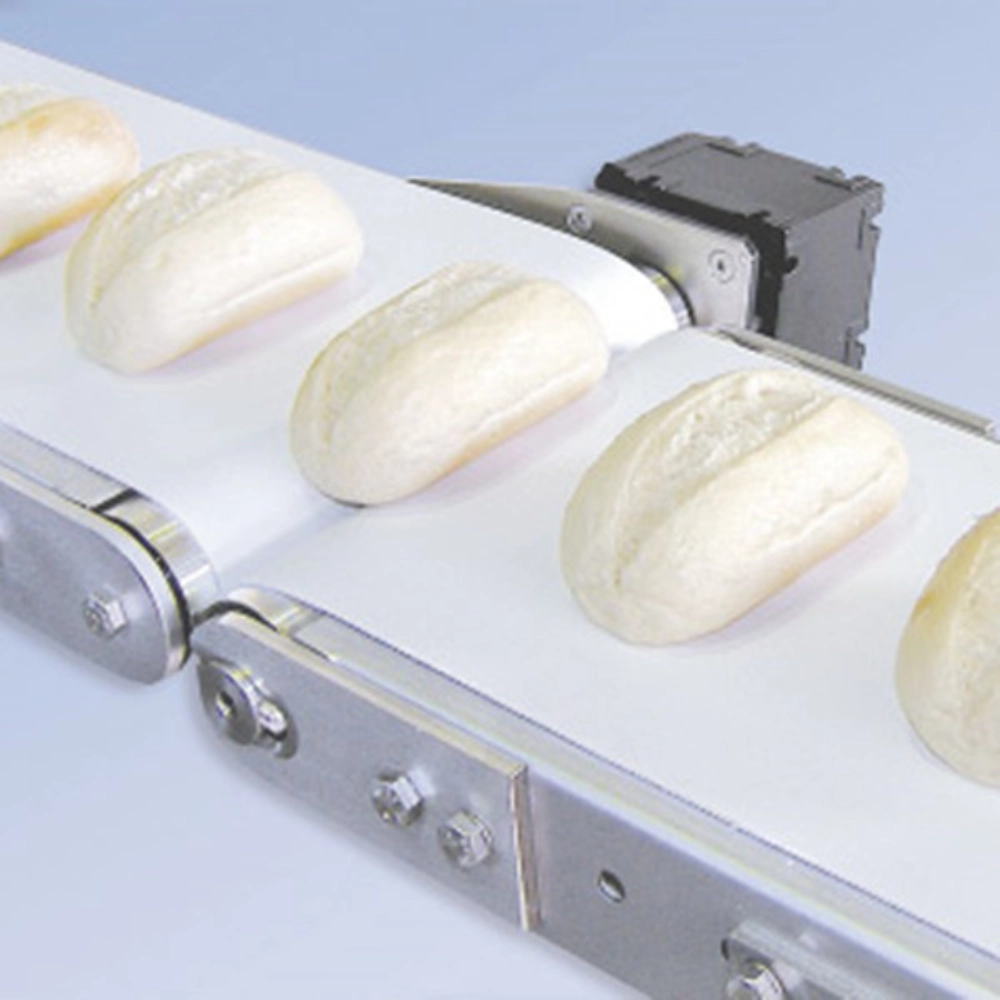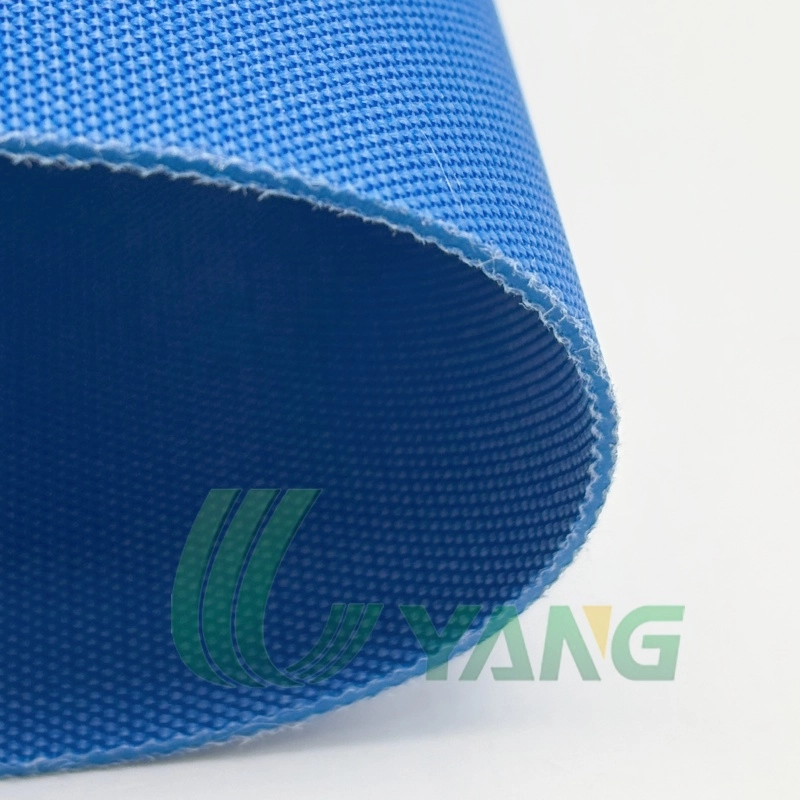
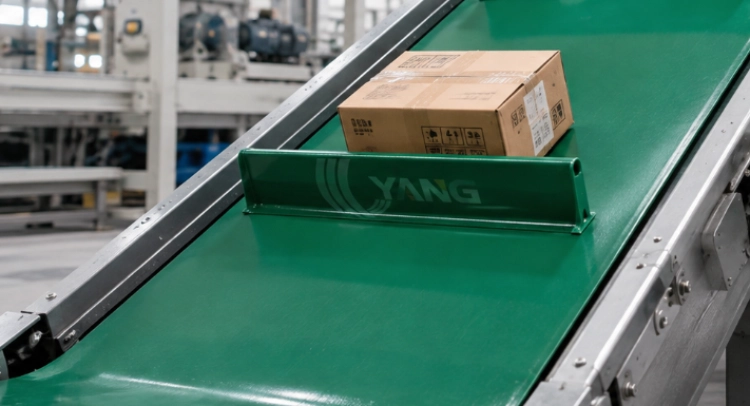
Reinforced cleats improve inclined PVC conveyor belt stability by increasing the belt’s transverse rigidity and creating a physical barrier that keeps products from sliding backward or drifting sideways. They are especially useful when loose, boxed, or irregular materials must move upward through a compact conveyor line. The correct cleat height, pitch, belt surface, pulley diameter, and material must be selected together. A cleat that is too high can increase product impact, cleaning difficulty, and belt stress instead of improving conveying performance.
Why Inclined Conveyors Need More Than Surface Friction
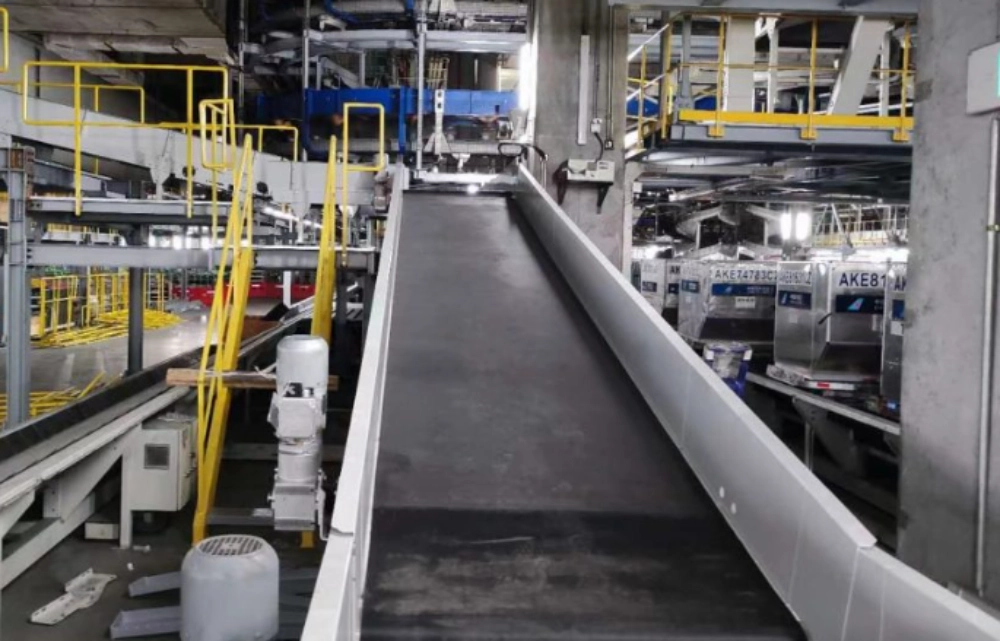
A flat belt can move products with the help of friction between the belt surface and the load. Once the conveyor angle increases, gravity acts against the conveying direction. Friction alone may no longer be enough, especially when the product surface is smooth, dusty, oily, or uneven.
The load can then:
- Slide backward during acceleration.
- Roll or rotate on the belt.
- Move sideways near the loading point.
- Fall into the gap between belt sections.
- Arrive at the discharge point in an inconsistent position.
A cleat changes the force pattern. Instead of relying only on surface friction, the product meets a raised profile that supports its rear edge. The belt carries the load upward through a combination of surface contact and mechanical containment.
This is why cleat geometry matters as much as belt material. A rough-top PVC belt may provide useful grip for a moderate incline, while a cleated belt offers a more controlled solution when the product needs positive separation between conveying pockets.
How Reinforced Cleats Resist Belt Deformation
A belt does not only move lengthwise. It also bends across its width when it passes over rollers, changes direction, or receives an uneven load. A tall cleat fixed to a flexible belt can lean, fold, or deform if its base does not have sufficient support.
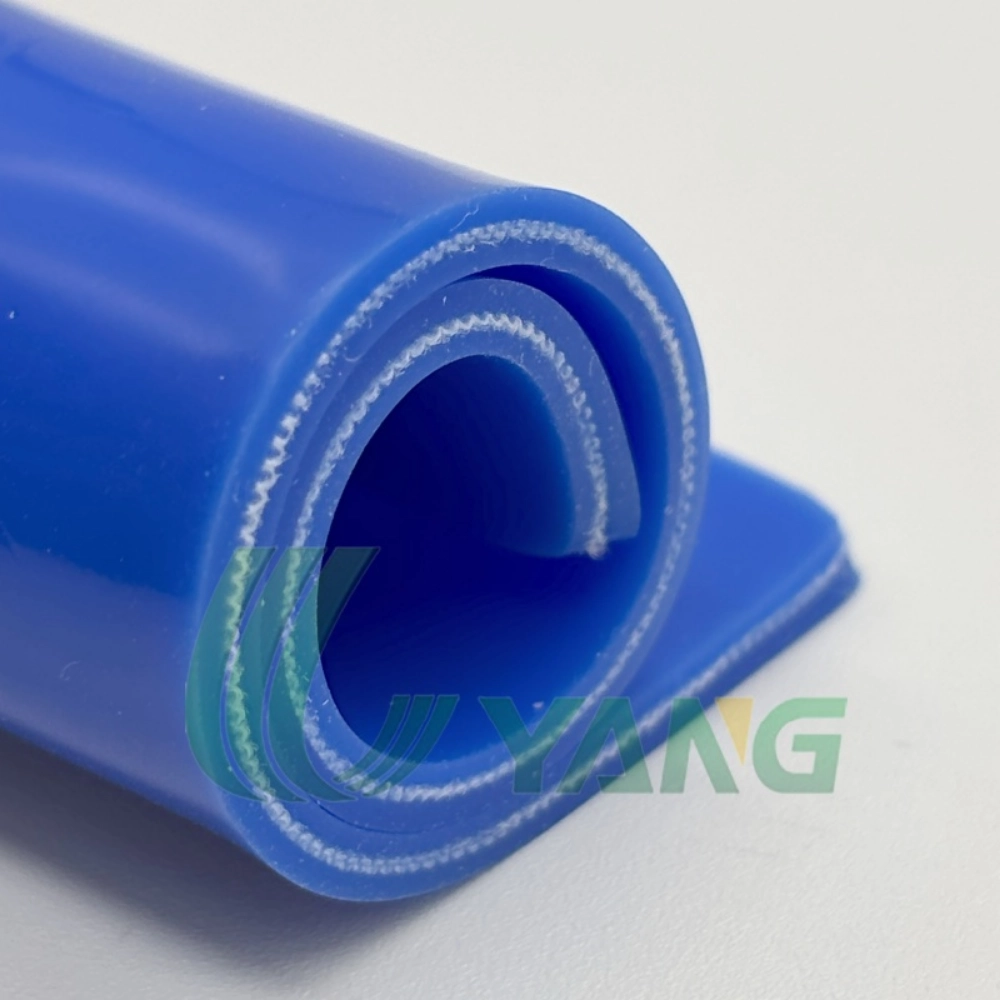
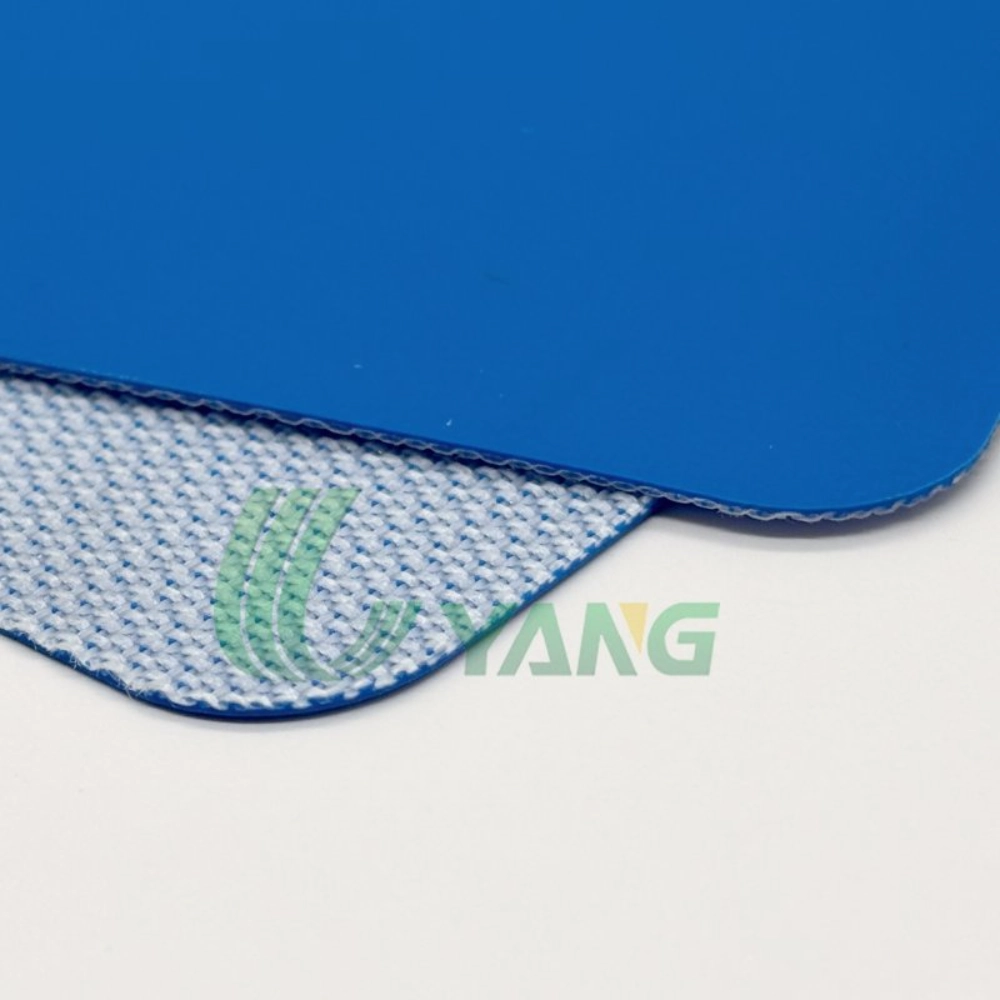
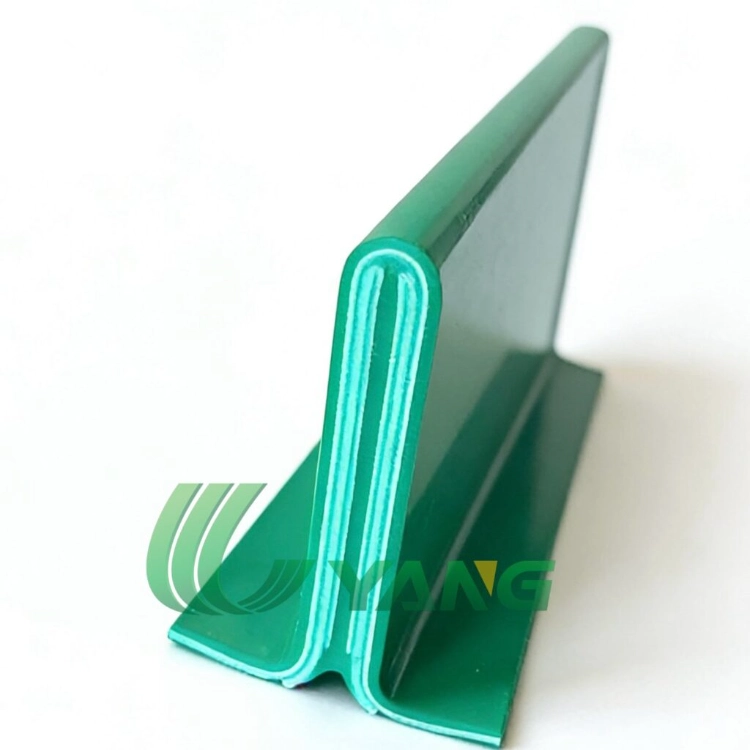
The reinforcement layer increases the cleat’s resistance to tearing and cutting. It also improves transverse rigidity, which helps the profile remain more stable when material pushes against it.
Three forces are important:
- Vertical load:the weight of the conveyed material.
- Backward force:the component of gravity acting down the incline.
- Lateral force:movement caused by uneven loading or belt tracking variation.
A cleat does not eliminate these forces. It gives them a stronger structural path through the belt surface. The belt carcass, profile base, welding or bonding method, and cleat spacing must still be matched to the operating load.
Choosing Cleat Height and Pitch
Cleat height should be based on the product size, conveyor angle, loading speed, and required capacity. A higher profile can hold more material, but it can also create a larger impact zone when products enter the belt.
The UYANG BELTING Reinforced Cleat with Fabric for PVC Belts includes UYT30, UYT70, and UYT100 profile examples. Their listed heights are 30 mm, 70 mm, and 100 mm, with a 50 mm profile width. The listed minimum pitch is 70 mm and the minimum pulley diameter is 120 mm. The profiles are supplied as 2,000 mm strips, with blue, white, and green options shown for the listed models.
| Profile Example | Listed Height | Listed Width | Minimum Pitch | Minimum Pulley Diameter | Typical Design Question |
| UYT30 | 30 mm | 50 mm | 70 mm | 120 mm | Is a low barrier enough for small or stable products? |
| UYT70 | 70 mm | 50 mm | 70 mm | 120 mm | Does the product need stronger separation on an incline? |
| UYT100 | 100 mm | 50 mm | 70 mm | 120 mm | Can the loading process handle a taller retaining profile? |
These figures are profile data, not a complete conveyor design. Belt width, product weight, conveyor angle, loading method, speed, and pulley arrangement must be reviewed before approval.
A 100 mm cleat is not automatically better than a 30 mm cleat. If the product is shallow, fragile, or loaded from a high drop point, a tall cleat may increase impact and create product damage. The profile should be high enough to retain the load and low enough to support smooth loading and discharge.
When a Reinforced Cleat Is Better Than a Plain Belt
A reinforced cleat is useful when the line has a clear need for product separation or incline retention.
Typical applications include:
- Inclined packaging conveyors
- Box and carton transfer
- Bagged goods handling
- Agricultural material conveying
- Wood and board processing
- Light industrial sorting
- Feed and discharge sections
- Equipment with limited conveyor length
The UYANG BELTING product center includes PVC belts, PU belts, positive drive belts, solid woven belts, belt accessories, sidewalls, guides, and processing equipment. This broader range matters because a cleat is usually part of a belt assembly rather than an isolated component.
A plain belt may remain the better choice when:
- The conveyor is horizontal.
- Products must slide or rotate freely.
- Cleaning access is more important than incline capacity.
- The conveyor uses a small pulley below the permitted diameter.
- The product is fragile and sensitive to repeated impact.
- The belt must pass through a very tight transfer point.
The cleat should solve a specific conveying problem. Adding profiles without checking the machine layout can create new problems at the pulley, scraper, guide, or discharge end.
How Cleats Affect Belt Tracking and Pulley Design
A cleated belt places additional material above the belt surface. This changes the belt’s bending behavior and may affect tracking when the belt enters a pulley or return roller.
Before installation, verify:
- The cleat height does not interfere with return components.
- The pulley diameter meets the belt and profile requirements.
- The cleat is centered across the belt width.
- The spacing is consistent from one profile to the next.
- The belt guide and sidewall do not contact the cleat.
- The scraper is compatible with the raised profile.
- The belt tension is sufficient without over-tensioning.
A common field problem occurs when a profile is selected for its carrying capacity but the existing pulley is too small. The cleat base then experiences repeated bending and stress concentration. Cracking or separation may appear near the profile root even when the belt surface looks intact.
Another issue is uneven loading. If material enters more heavily on one side, the belt may shift laterally. Cleats can amplify the effect because the raised profiles catch the load and transfer more sideways force to the belt. Tracking should therefore be checked under real material conditions, not only with an unloaded belt.
The Connection Method Controls Service Life
A cleat can be mechanically strong and still fail if the connection to the belt is poorly executed. The joint must maintain enough contact area and consistent bonding or welding quality across the full profile length.
Inspect the connection for:
- Continuous attachment along the base.
- No open gaps or lifted corners.
- No excessive melted material around the joint.
- No sharp edges that can cut the product.
- Consistent alignment across the belt.
- Clean transitions at the profile ends.
The belt should also be stored and transported without bending the cleat sideways. A long profile strip forced into a tight coil may develop permanent deformation before it reaches the installation line.
For custom orders, confirm the required profile height, color, belt material, reinforcement layer, pitch, belt width, and joining method in one technical drawing. A verbal description such as “heavy-duty cleat” is not precise enough for production approval.
Cleaning and Product Contact Considerations
Raised profiles create more surfaces that can collect dust, crumbs, powder, or liquid residue. The cleaning method must match the belt material and the application environment.
For food or hygiene-sensitive equipment, review:
- Surface accessibility around the cleat base.
- Water pressure and spray direction.
- Cleaning chemical compatibility.
- Drying time after washdown.
- Risk of residue collecting behind the profile.
- Inspection access near belt joints.
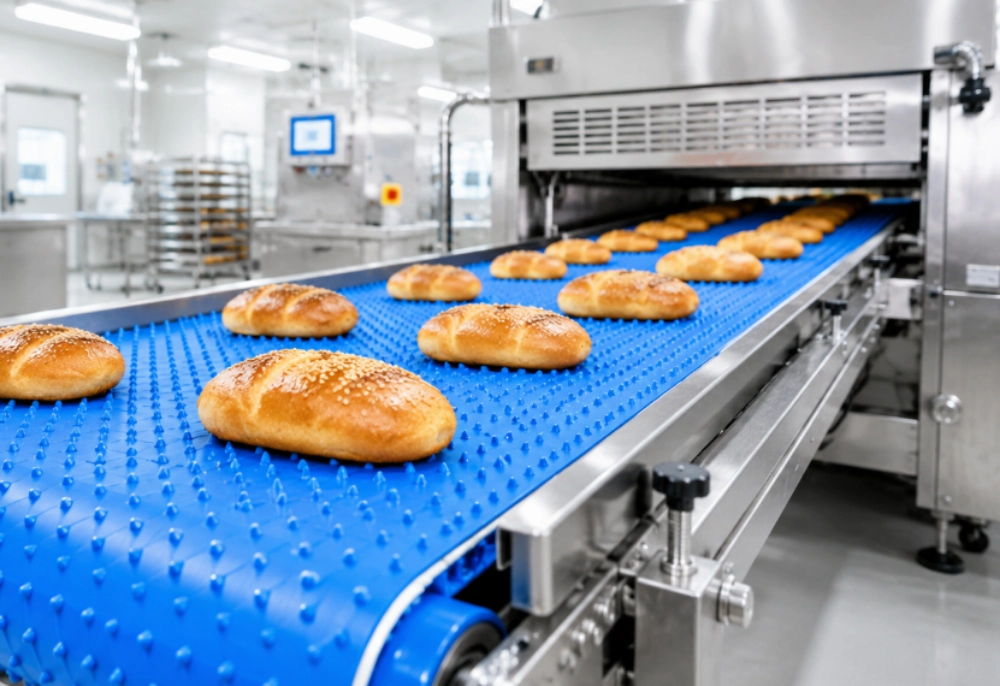
The food-processing industry application range includes conveying requirements where belt surface design, cleaning, and product handling must be considered together. A cleat that improves retention may still be unsuitable if the line requires frequent rapid sanitation and the profile creates inaccessible residue zones.
For dry packaging applications, cleaning may focus more on dust removal and profile wear. For wet processing, chemical exposure, moisture, and drainage become more important.
Two Practical Mistakes to Avoid
Choosing the Cleat Before Measuring the Pulley
The profile’s minimum pulley diameter must be compared with the actual conveyor design. If the pulley is too small, repeated flexing can damage the profile base and belt connection.
Using the Same Pitch for Every Product
A short pitch can increase carrying capacity, but it may also reduce loading space and create more frequent product impacts. A long pitch may improve handling of larger packages but reduce the number of conveying pockets. Pitch should follow product length, loading rhythm, and discharge requirements.
Ignoring the Loading Point
A cleat does not correct a poor loading trajectory. If products fall from too high a position or enter at an angle, they may strike the profile, bounce, or become trapped. Adjust the chute, loading height, and belt speed together.
Treating Color as a Technical Specification
Blue, white, and green profiles can support product-line identification, but color does not define tensile strength, chemical resistance, or food-contact suitability. Confirm the material and compliance documents separately.
Specifying a Belt and Cleat for a Project
A practical specification should include:
- Belt material: PVC, PU, rubber, or another selected material.
- Belt width and total thickness.
- Cleat profile and height.
- Cleat pitch.
- Reinforcement structure.
- Minimum pulley diameter.
- Conveyor angle.
- Product weight and dimensions.
- Belt speed.
- Operating temperature.
- Cleaning method.
- Jointing method.
- Required color and packaging.
- Inspection criteria.
UYANG BELTING manufactures conveyor belts and related processing equipment, with more than 20 years of industry experience, an 80,000-square-meter production facility, and 15 production lines stated in its company materials. Its product scope covers PVC conveyor belts, PU conveyor belts, solid woven belts, patterned belts, belt accessories, and processing machines. UYANG BELTING also supports customized profile colors, dimensions, and reinforcement layers for applicable projects.
The right reinforced cleat is a balance between retention, flexibility, impact control, cleanability, and pulley compatibility. It should be selected as part of the complete conveyor system, not added after the belt has already been specified.
FAQ
What Is the Main Function of a Reinforced Conveyor Belt Cleat?
Its main function is to retain products on an inclined conveyor and reduce backward or sideways movement. Fabric reinforcement also improves resistance to tearing, cutting, and transverse deformation.
How Do You Choose the Correct Cleat Height?
Compare the product size, weight, conveyor angle, loading method, belt speed, and discharge conditions. A higher cleat provides a larger barrier but may increase impact, cleaning work, and pulley requirements.
Can Reinforced Cleats Be Used on Any PVC Conveyor Belt?
No. The belt material, joining method, cleat dimensions, minimum pulley diameter, belt tension, and machine layout must be compatible. Confirm these details before production or installation.