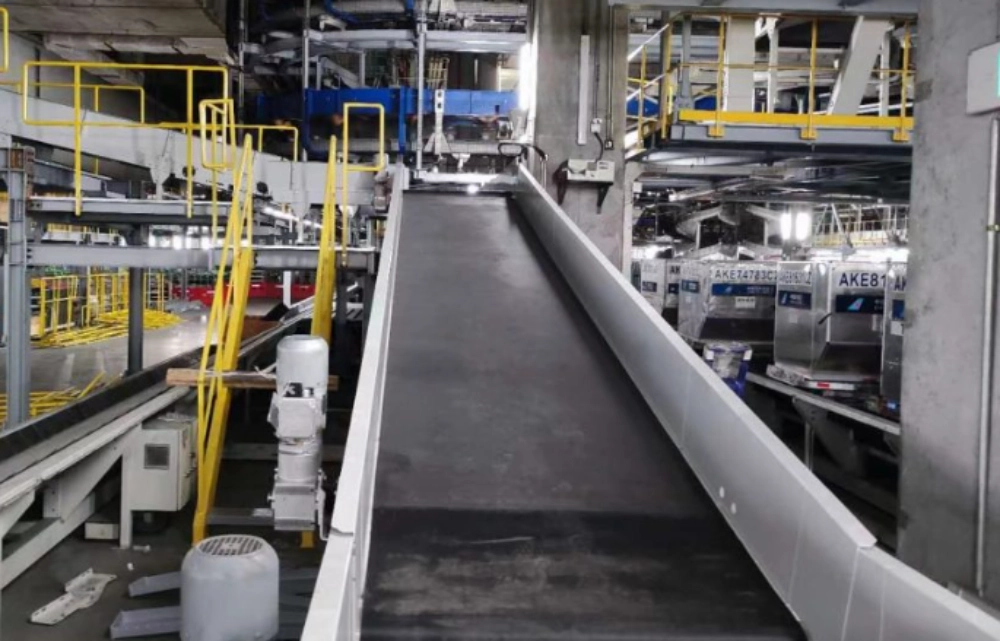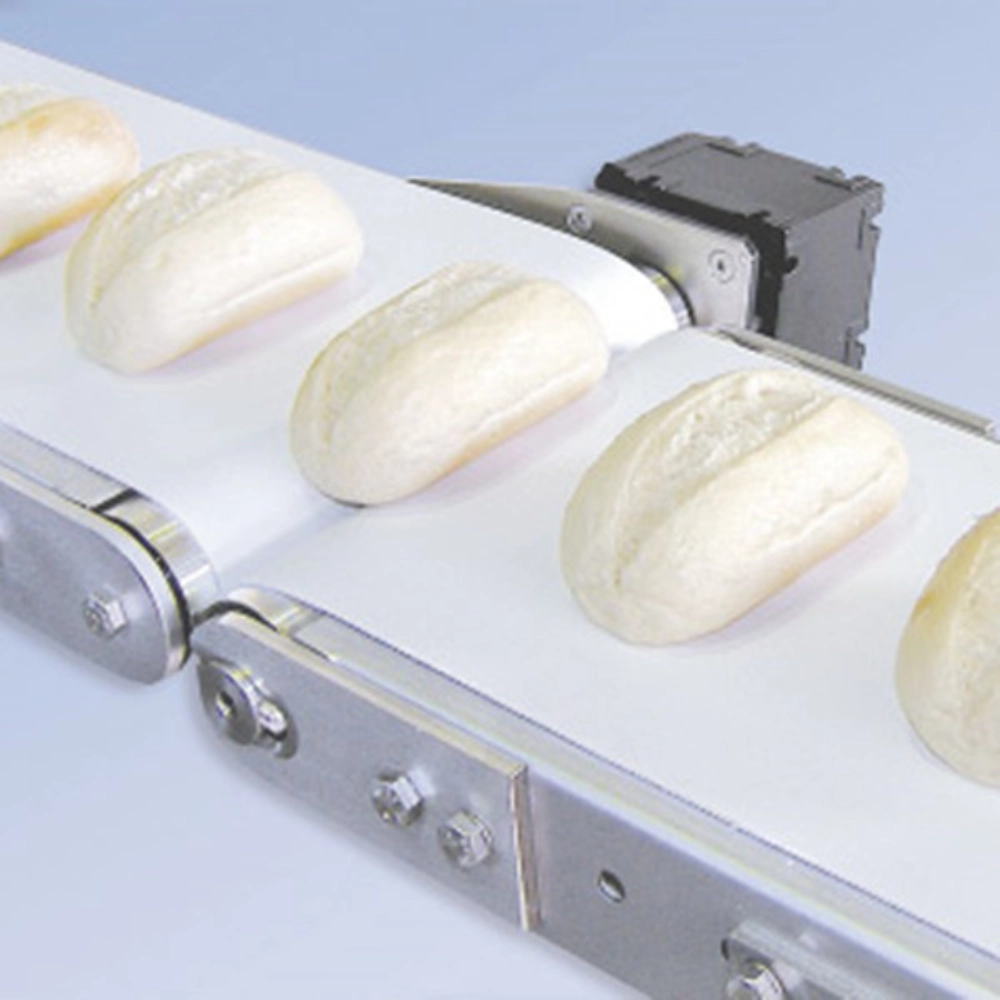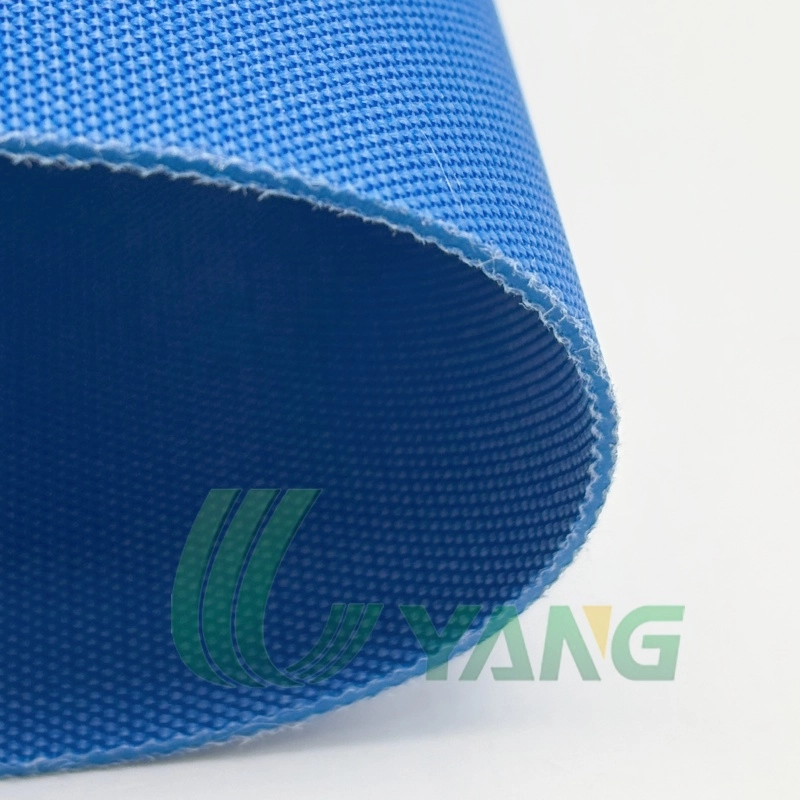
PVC conveyor belt tracking drift usually comes from uneven fabric tension, pulley alignment, crowned roller behavior, side loading, or contamination on the running surface. Edge wear is rarely solved by simply tightening the belt. A useful troubleshooting check follows the belt path, looks for the first point of drift, and separates installation geometry from operating load behavior.
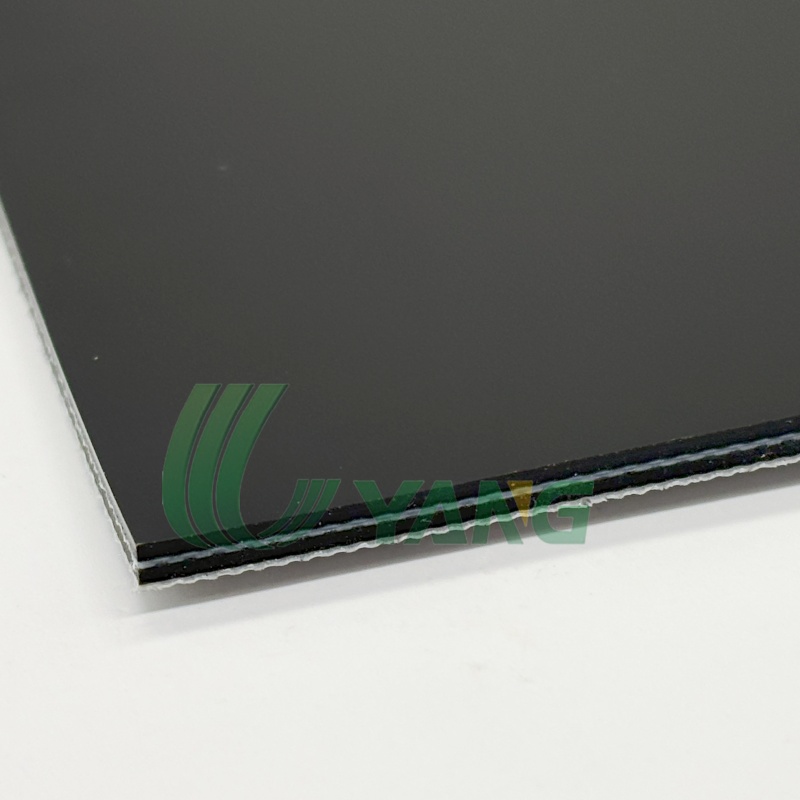
Key Takeaways
- Tracking drift should be diagnosed at the first movement point, not only where edge damage is visible.
- Uneven tension and misaligned pulleys can push a PVC belt sideways even under light load.
- Side loading, sticky product, and return-side debris can change tracking during production.
- Over-tensioning can damage fabric, bearings, and joints while hiding the original fault.
A Belt Tracks Where Forces Become Unequal
A conveyor belt follows the path created by pulley geometry, frame straightness, belt tension, joint alignment, and load position. When one side sees more tension or friction than the other, the belt moves toward the higher-tension side. This can begin long before the operator notices edge fray.
Find the First Drift Point Before Adjusting Anything
Mark the belt edge and observe the conveyor from the tail pulley to the drive pulley under slow speed, then under normal load. If drift appears before product contact, the cause is likely frame, roller, pulley, splice, or tension. If drift appears only after product loading, side impact or uneven material flow deserves attention.
| Symptom | Likely Cause | First Check |
| Drift at startup | Pulley or frame misalignment | Measure diagonals and roller squareness |
| Drift under load only | Side loading or product impact | Center feed and inspect transfer point |
| Edge frays near splice | Joint misalignment or stiffness | Check splice straightness and thickness |
| Drift after cleaning | Moisture or residue imbalance | Inspect return side and pulley surface |
Selecting the Belt Around the Line Condition
For light and medium conveying lines, PVC Conveyor Belt should be reviewed with belt width, fabric layer, surface texture, pulley diameter, joint method, and product loading style. UYANG BELTING can support belt discussions when photos of the conveyor frame, transfer point, and existing edge wear are available.
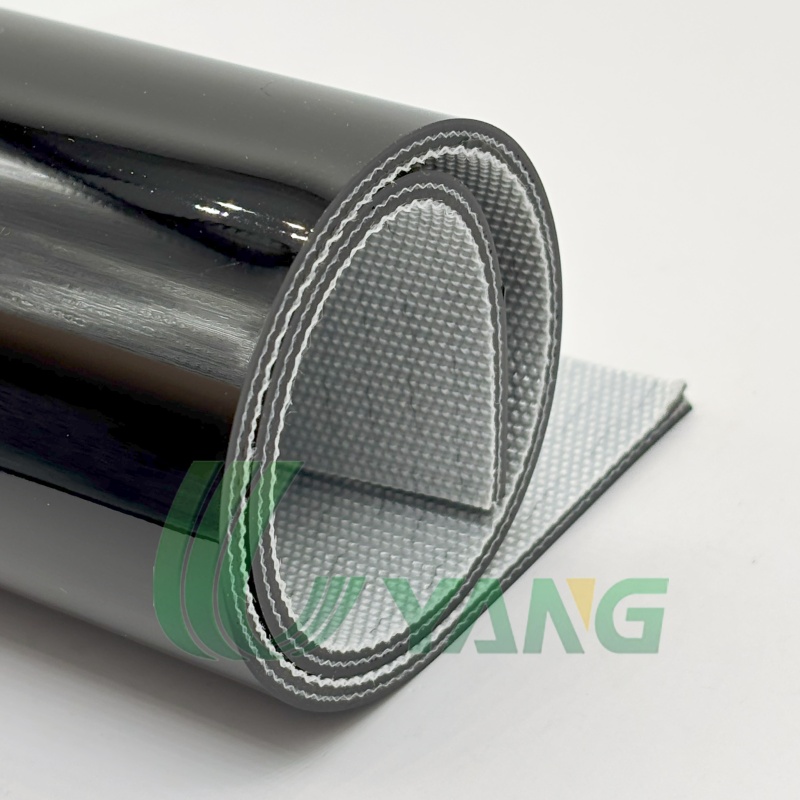
Two field habits create new problems. Operators may tighten the belt until tracking improves temporarily, then overload bearings and stretch the carcass. Maintenance teams may adjust several rollers at once, losing the evidence of where drift originally began.
A PVC belt is not suitable for every environment. Sharp debris, high heat, aggressive oils, or heavy abrasive products may require a different surface, carcass, or belt material before tracking work can stay stable.
Tracking Diagnosis Should Follow the Belt From Tail to Drive
Start the inspection at slow speed with no load, then add normal load. Mark the belt edge and record where lateral movement first appears. The first drift point is more useful than the most damaged edge because damage may appear downstream from the actual cause.
Frame diagonals, pulley squareness, roller freedom, and splice straightness should be checked before tension is increased. Over-tension can make the belt look straighter for a short time while raising load on bearings and stretching the carcass.
If drift appears only after product contact, the transfer point deserves attention. Product landing off-center, sticky residue, or side impact can push the belt even when the empty conveyor tracks well.
Surface and Joint Choices Should Match the Cleaning Routine
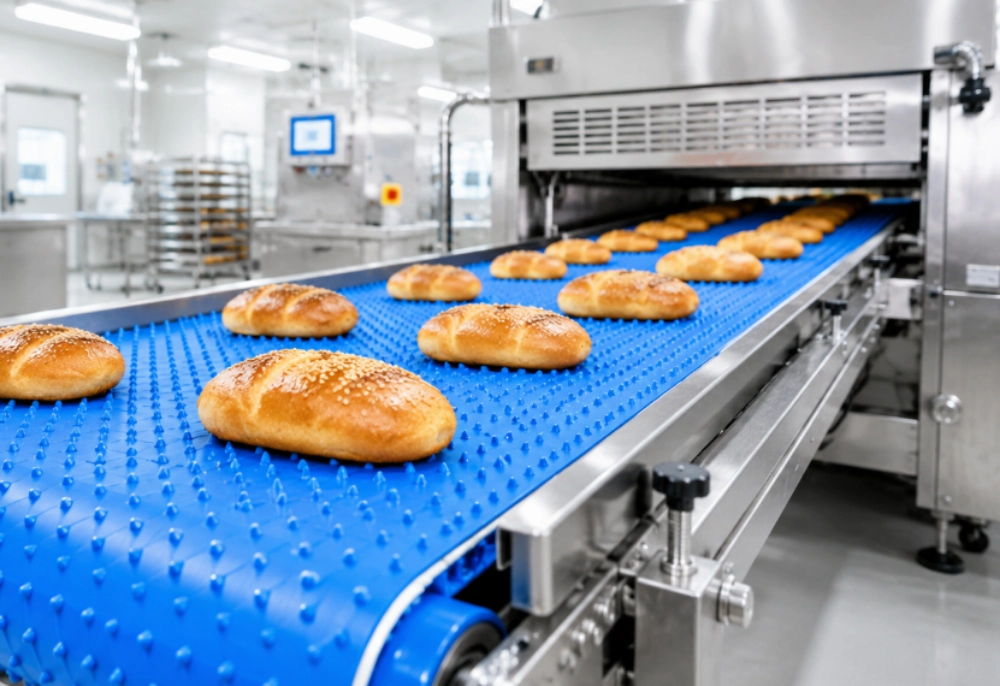
PVC belts are often used because they provide practical surface options for food, packaging, and general conveying. The selected surface must still tolerate the actual cleaning agents, scraper contact, and product oils used on the line.
The joint is a tracking detail as well as a strength detail. A thick, angled, or poorly aligned joint can kick the belt sideways each time it passes a pulley. Joint inspection should be part of belt acceptance rather than an afterthought.
A useful replacement record includes belt width, length, surface type, number of fabric plies, pulley diameter, joint method, running direction, and photos of old wear. That information helps the next belt solve the root cause instead of repeating it.
Before the Belt Is Released to Production, Record the Running Geometry
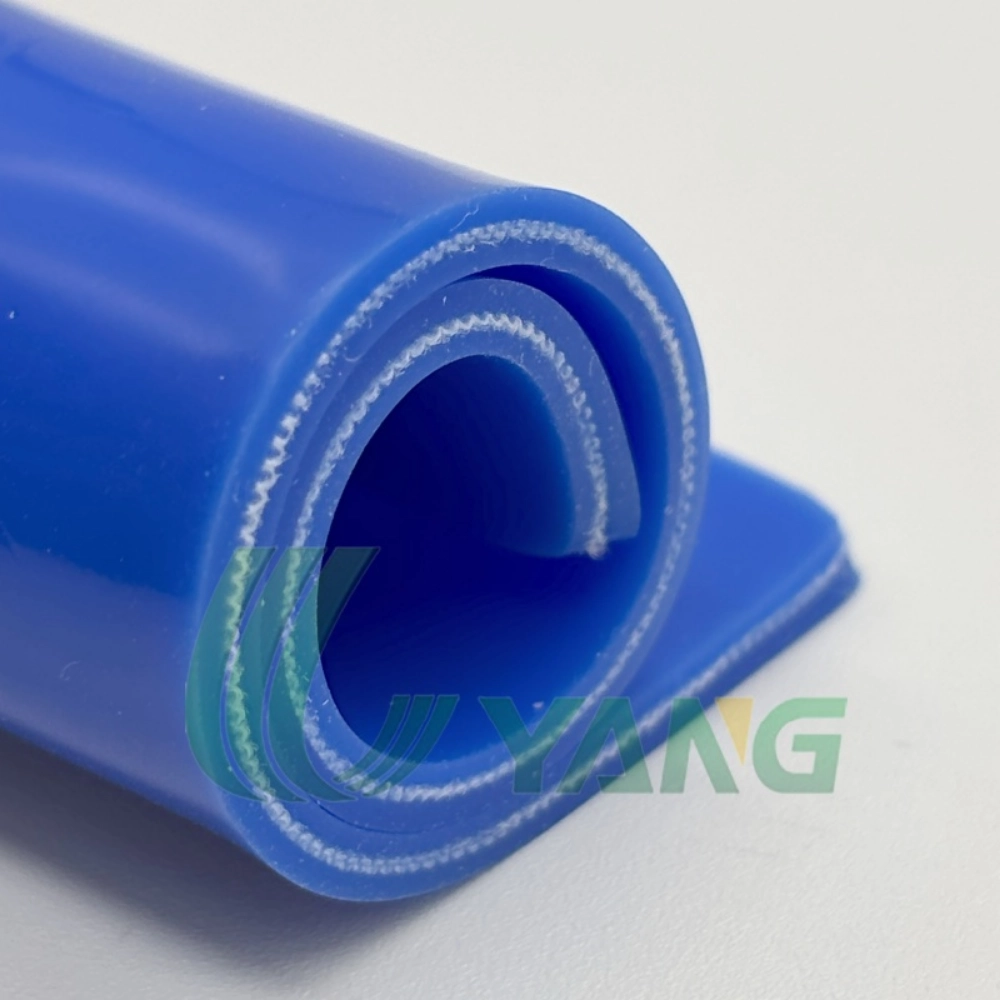
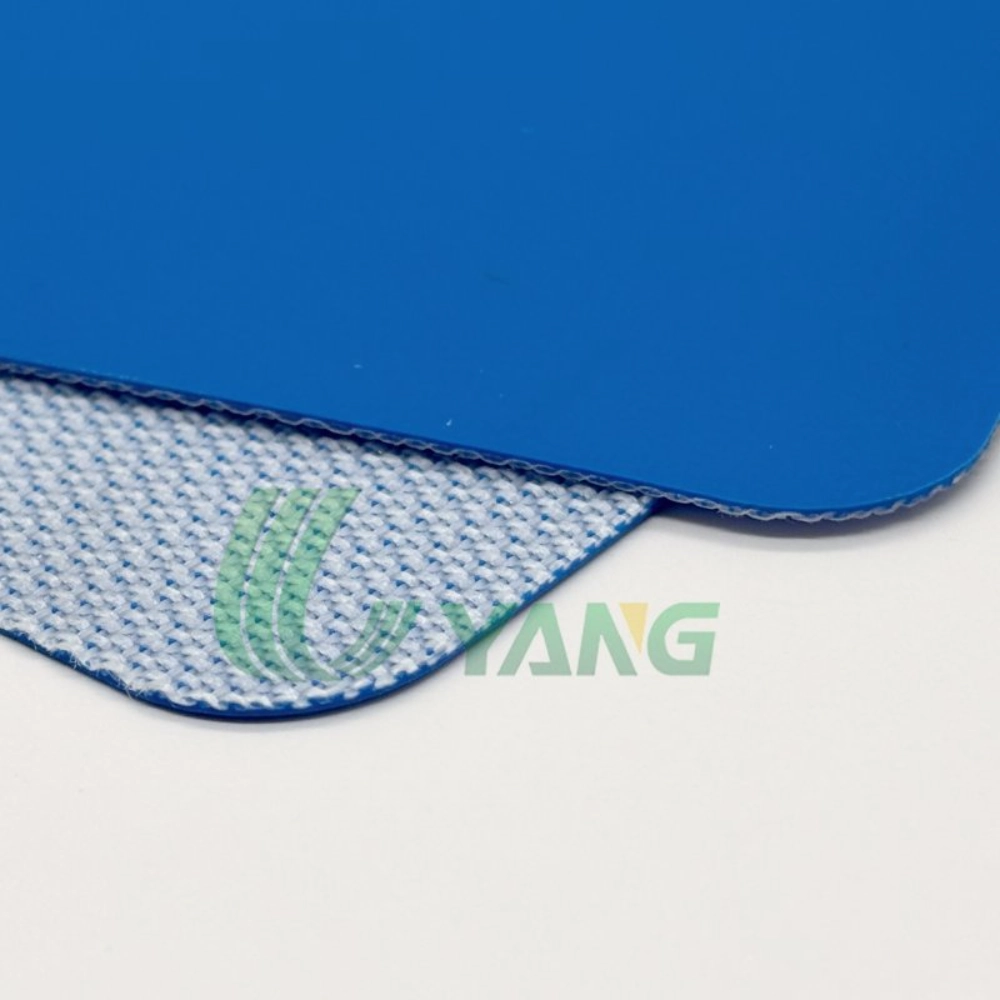
The belt replacement file for PVC Conveyor Belt should identify width, length, surface, fabric construction, pulley diameter, joint method, profile layout, and tracking observations. These details are the working specification behind PVC conveyor belt tracking drift.
Run the belt empty and loaded, then inspect the first drift point, joint passage, edge condition, and product transfer. A belt can track correctly without load and still fail after side loading or wet cleaning begins.
Keep a photo of the old wear pattern beside the new installation record. That comparison helps the next maintenance decision distinguish normal service wear from a frame, loading, cleaning, or accessory problem.
Replacement Records Should Capture the Conveyor, Not Only the Belt
The replacement note for PVC Conveyor Belt should describe the whole conveyor: pulley diameter, frame condition, transfer point, cleaning method, belt speed, load pattern, and observed wear. That context is what makes PVC conveyor belt tracking drift solvable.
When the old belt is removed, inspect the underside, joint, edge, and contact points before disposal. Wear marks often reveal pulley misalignment, guide friction, trapped debris, or side loading that would damage the next belt in the same way.
After installation, run a short observation period and record tracking, noise, product transfer, and cleaning behavior. Early correction is cheaper than waiting until edge fray, cleat lifting, or joint stress becomes routine.
A good belt specification leaves enough detail for repeat orders. Surface, fabric, color, thickness, joint type, profiles, guides, and running direction should be named so the next purchase does not restart the same investigation.
Repeat orders should not rely on the first sample alone. Keep a retained reference for PVC Conveyor Belt, record the accepted condition, and compare later batches against the same measurement or observation method. That habit keeps PVC conveyor belt tracking drift stable when raw materials, operators, accessories, or logistics conditions change.
If a later order needs a different size, surface, capacity, route, formula, material, or installation condition, treat it as a controlled variation instead of a casual repeat. A short variation note protects the original approval while giving the new requirement enough attention to avoid hidden mismatch.
FAQ
Why does a PVC conveyor belt drift to one side?
Drift can come from uneven tension, pulley misalignment, frame twist, side loading, contaminated rollers, splice error, or a belt that is not matched to the pulley system.
Can over-tensioning fix conveyor belt tracking?
It may hide drift briefly, but it can damage bearings, stretch the belt, and stress the joint. Alignment and load distribution should be corrected first.
How often should conveyor belt tracking be checked?
Check tracking after installation, after belt replacement, after cleaning changes, and whenever product loading or transfer equipment is adjusted.
Final Selection Notes
Tracking drift should be diagnosed as a force-balance problem. The conveyor belt product range gives a broader look at belt options, while a correct selection should include conveyor geometry, load entry, joint method, and maintenance routine.