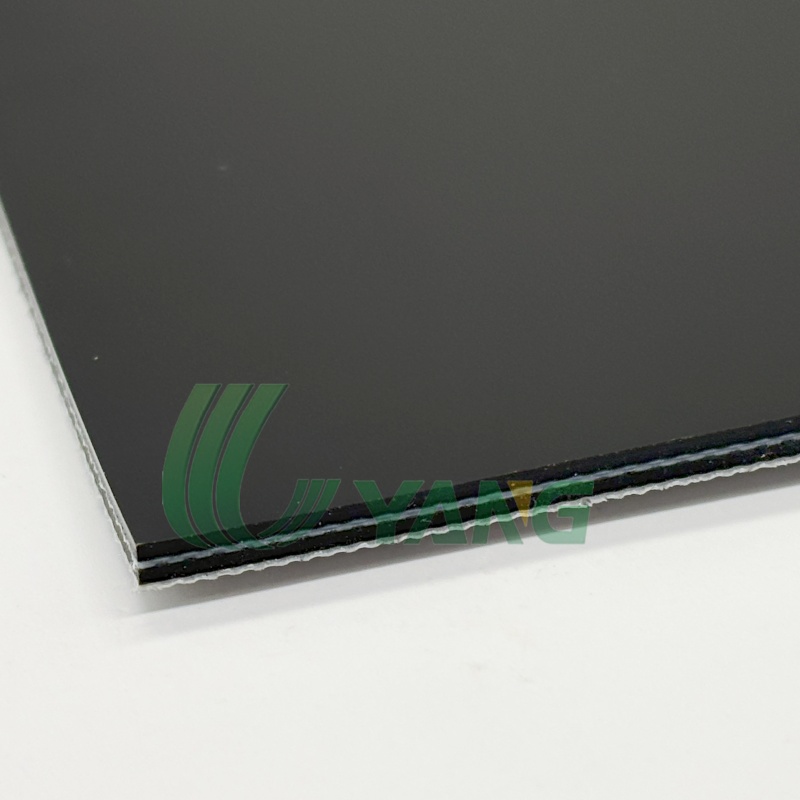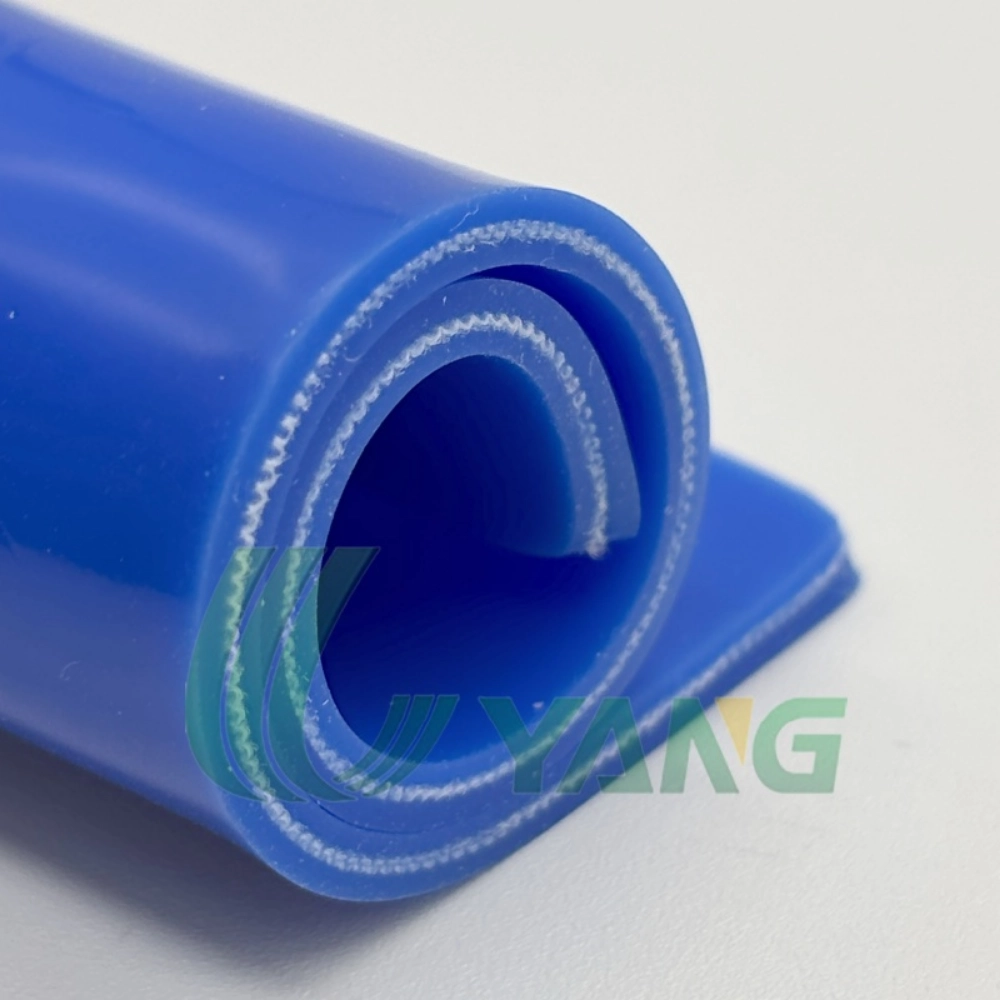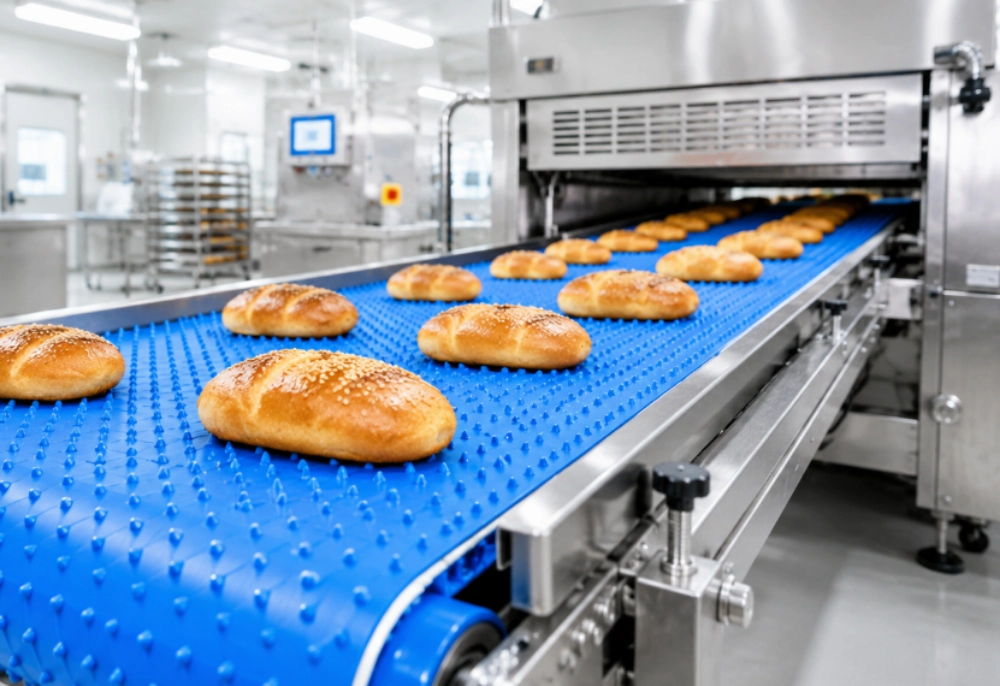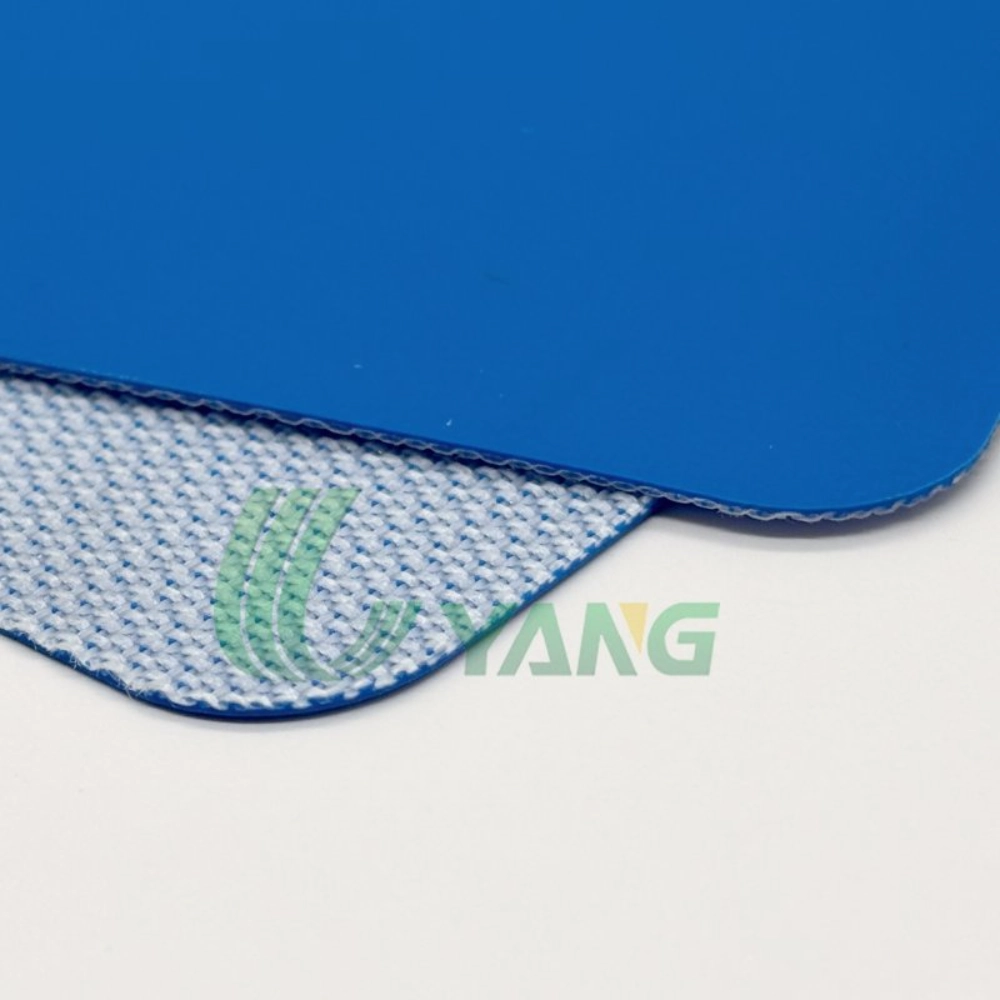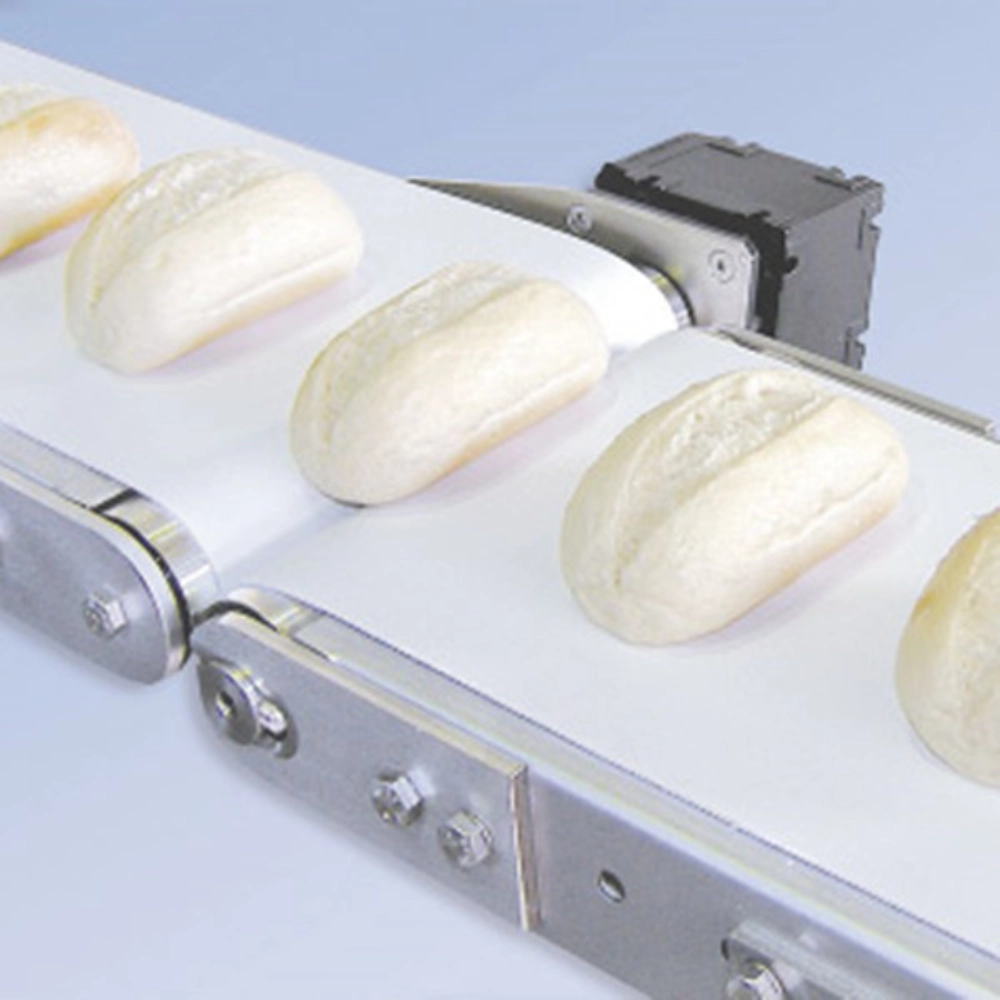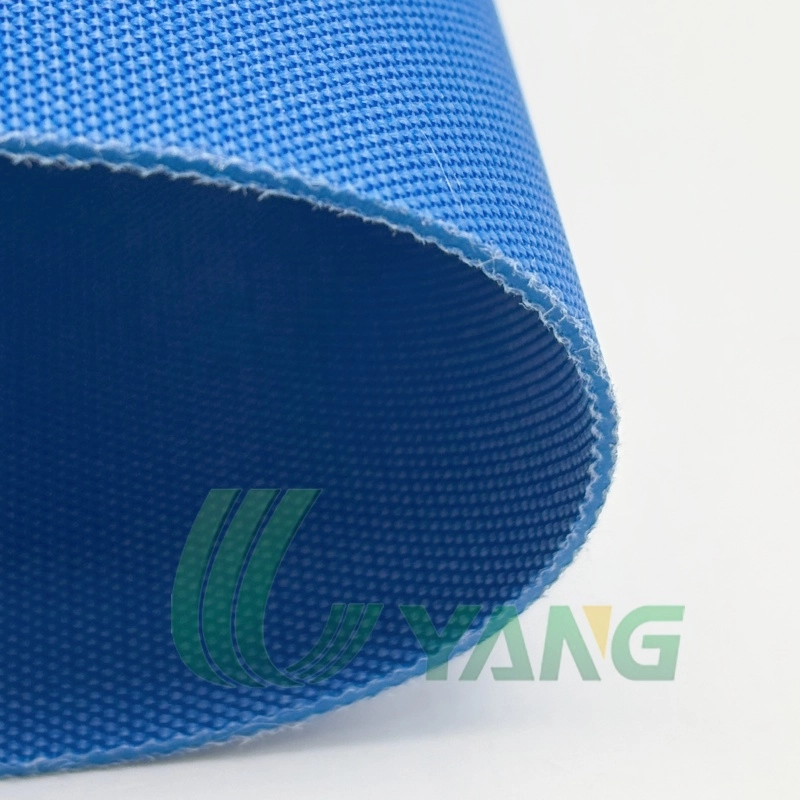
Solid woven belt tracking is a practical specification issue, not a decorative product label. The final choice depends on how the product behaves under repeated use, installation limits, cleaning or maintenance conditions, and the failure cost if the wrong version is selected. The safest route is to test the mechanism behind solid woven belt, compare the trade-offs, and place the purchase decision around measurable checks instead of broad claims.
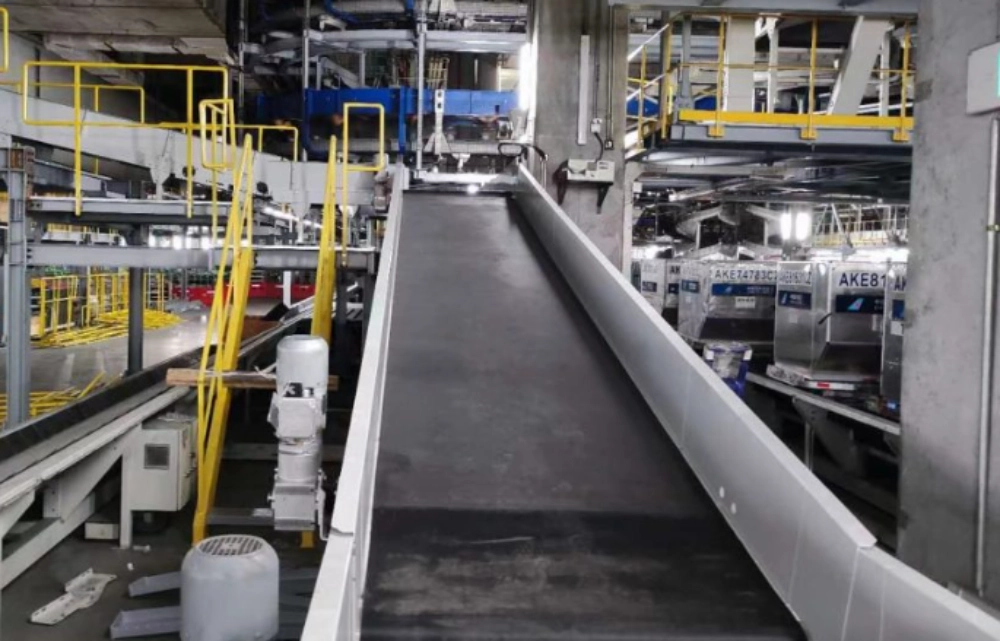
Key Takeaways
- Solid Woven Belt selection should be tied to the real use condition, the likely failure mode, and the acceptance test.
- Sample approval should record measurable behavior before and after storage, installation, cleaning, running, or repeated use.
- A clearer quotation starts with application photos, target specification, packaging limits, and the inspection method for bulk goods.
Belt Performance Depends on Contact, Tension, and the Conveyor Frame
Solid woven belt tracking depends on the way material structure, geometry, movement, and the use environment interact. In industrial work, many failures appear after repeated cycles rather than during the first visual inspection, so the product has to be judged under the same stress it will face after delivery.
That stress may come from temperature, moisture, load, speed, surface contact, cleaning chemistry, storage time, or operator handling. For product families connected with conveyor belt slippage, the same principle applies: the specification should describe the operating condition clearly enough that the sample test can be repeated before bulk approval.
Line Checks That Should Come Before Replacement
A sample should be approved only after the test method matches the real service condition. The table below keeps the comparison tied to observable evidence.
| Check Point | What to Measure or Confirm | Common Failure If Ignored |
| Material behavior | Hardness, density, thickness, viscosity, or fiber structure | Early wear, deformation, unstable texture, or weak output |
| Operating condition | Heat, moisture, load, speed, pressure, or cleaning chemistry | Product passes a clean sample test but fails in routine use |
| Fit and handling | Size, access, installation route, packaging, or user movement | Rework, poor presentation, or difficult maintenance |
| Acceptance record | Photos, measured result, sample label, and test date | Disputes when bulk goods are compared against memory instead of data |
How Solid Woven Belt Should Be Matched to the Conveyor Problem
Where the application matches this operating profile, Solid Woven Belt gives the project team a concrete reference for sample checking and quotation. UYANG BELTING can support product selection, customization details, packing confirmation, and final approval before shipment.
Belt Trials Should Run with Product Load, Not an Empty Conveyor
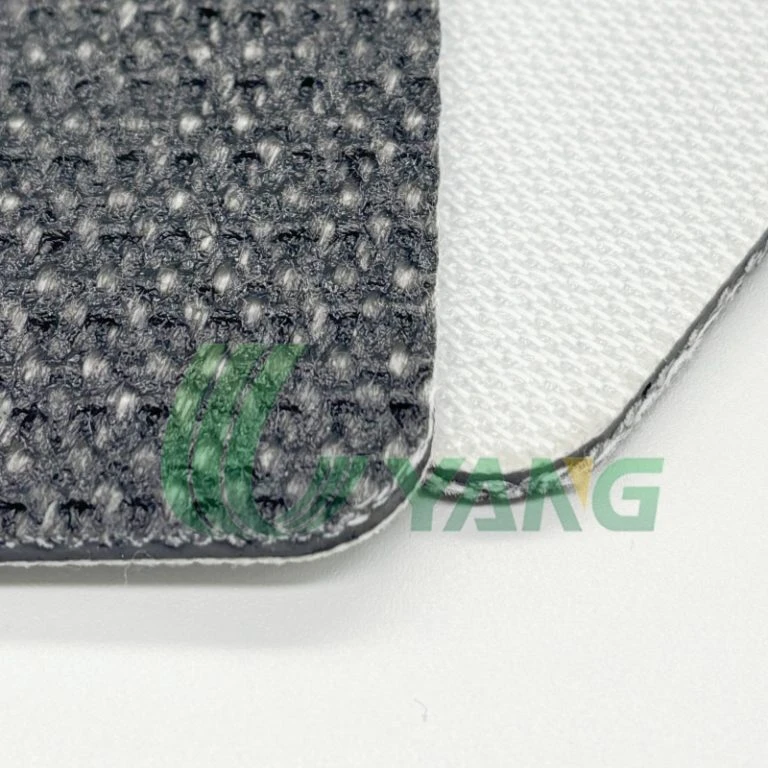
For solid woven belt, empty running only proves basic tracking. Real approval needs product load, line speed, pulley diameter, cleaning exposure, temperature, and the current failure mode if the belt is replacing an older one.
Inspect edge wear, belt stretch, joint behavior, surface marking, residue buildup, and whether guides or cleats change tracking. A belt that looks stable for ten minutes may drift after heat, moisture, or side pressure builds.
The conveyor belt product categories should be used to compare PVC, PU, silicone, solid woven, positive drive, and accessory options after the line conditions are listed. Material selection should follow the conveyor problem, not habit.
Pulley Diameter and Belt Stiffness Should Be Checked Together
A conveyor belt bends around pulleys thousands of times per shift. If the belt is too stiff for the pulley diameter, fatigue can appear near the joint or edge. If it is too soft for the load, the belt may cup, stretch, or wander under side pressure.
For heat exposure, record contact temperature and dwell time separately. A short pass through a warm zone is different from continuous contact with hot trays or baked goods. For heavy conveying, record start-stop frequency and whether the belt is loaded while starting.
Cleaning Chemistry Can Make a Correct Belt Fail Early
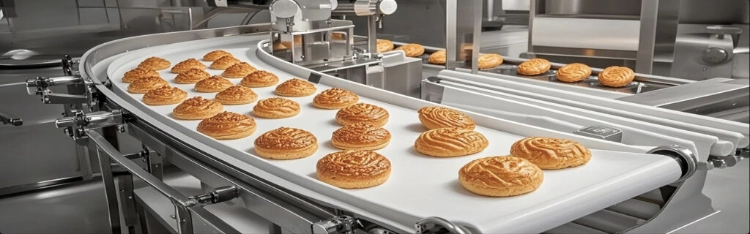
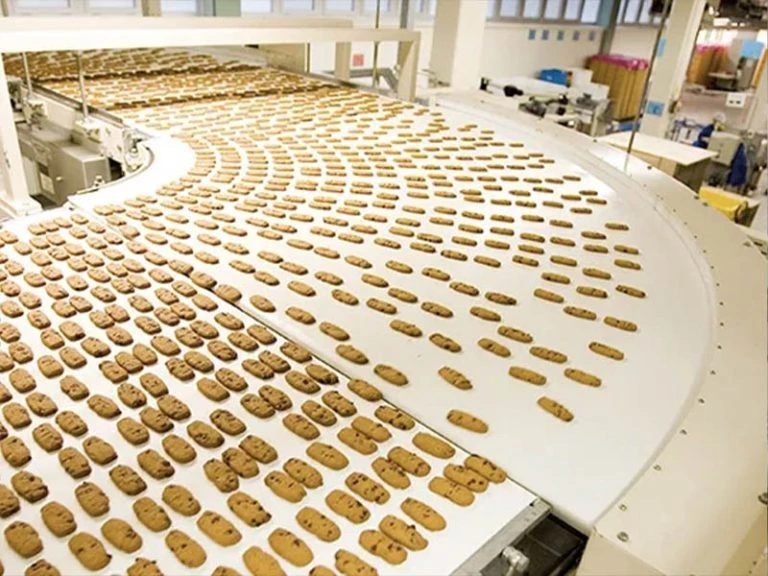
Food, bakery, textile, and packaging lines often fail belts through maintenance rather than product load. Detergent, hot water, oil, flour dust, ink, or adhesive residue can change surface friction or weaken the joint.
Before replacement, document the current failure: edge fray, joint split, surface cracking, tracking drift, product sticking, or cleaning time. The new belt should be selected to solve that failure, not only to match old dimensions.
Tracking Problems Usually Come from Several Small Errors
A solid woven belt can carry demanding loads, but tracking depends on pulley alignment, tension balance, belt stiffness, loading position, edge condition, and return-side support. When a belt drifts, over-tightening is a tempting fix, yet it can increase bearing load, joint stress, and edge wear.
The first check should be mechanical: verify pulley squareness, frame level, loading point, scraper pressure, and whether material falls off-center. Then inspect the belt edge for fraying, glazing, or localized damage. Edge clues often reveal whether the problem is alignment, abrasion, or impact.
Pulley diameter matters because the belt flexes with every rotation. If the pulley is too small for the belt construction, fatigue concentrates near the joint and edges. Matching belt stiffness to pulley geometry is more reliable than correcting drift after damage begins.
Heavy Conveying Needs Startup Observation
Loaded startup is harder on the belt than steady running. Watch whether the belt slips, jumps, cups, or shifts during the first seconds after start. A belt that tracks well empty may behave differently when material creates uneven drag.
Maintenance records should identify the failure pattern: slippage, joint split, edge wear, material carryback, or tracking drift. Selecting the next belt without naming the failure wastes the chance to solve the root cause.
Maintenance Records Should Guide the Next Belt
A solid woven belt used in heavy conveying should be selected from failure evidence. Record where drift begins, whether slippage happens during startup, how often tension is adjusted, and which edge wears first. These records help separate belt selection from conveyor-frame problems.
Before installation, check pulley lagging, scraper pressure, return rollers, loading chute alignment, and whether material impact is centered. A new belt installed on an unchanged mechanical fault may fail in the same way as the old one.
Splicing Quality Should Be Part of the Belt Specification
The joint is often the most stressed part of a heavy conveyor belt. Specify splice type, expected strength, curing or fastening method, and inspection routine. A strong belt body cannot compensate for a weak or poorly aligned joint.
After installation, mark the joint and inspect it during early operation. If wear appears around the splice first, check pulley diameter, tension, tracking, and whether the joint passes smoothly over return rollers.
Maintenance Pitfalls That Shorten Belt Life
Do not approve a sample only under clean-room style conditions. The routine environment should be part of the test: dust, humidity, hand pressure, load variation, washing, or repeated handling can change the result.
Do not let a single attractive specification hide the trade-off. Higher hardness may improve wear but raise surface risk; larger capacity may add weight; stronger adhesion may slow cleaning or replacement.
Ask for the exact product name, linked page, packaging method, and test condition in writing. A clear record prevents the bulk order from drifting away from the approved sample.
FAQ
What Is the Most Important Check Before Choosing Solid Woven Belt?
The most important check is the condition that would cause failure in real use. That may be heat, pressure, wash exposure, weight, edge quality, texture stability, or installation space.
When Should You Avoid Solid Woven Belt?
Avoid it when the working condition falls outside the tested range or when a different material, size, control method, or maintenance routine would reduce risk more effectively.
What Should Be Included in a Better Sample Request?
Include application photos, target size or specification, expected use frequency, cleaning or maintenance method, packaging needs, and the acceptance test that will decide approval.