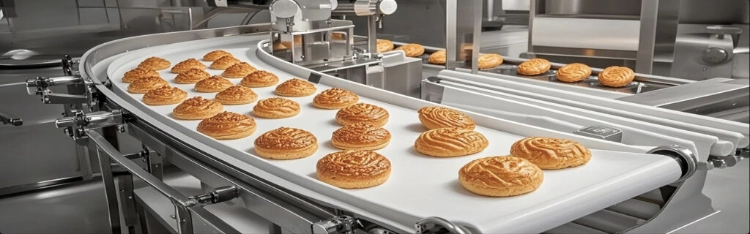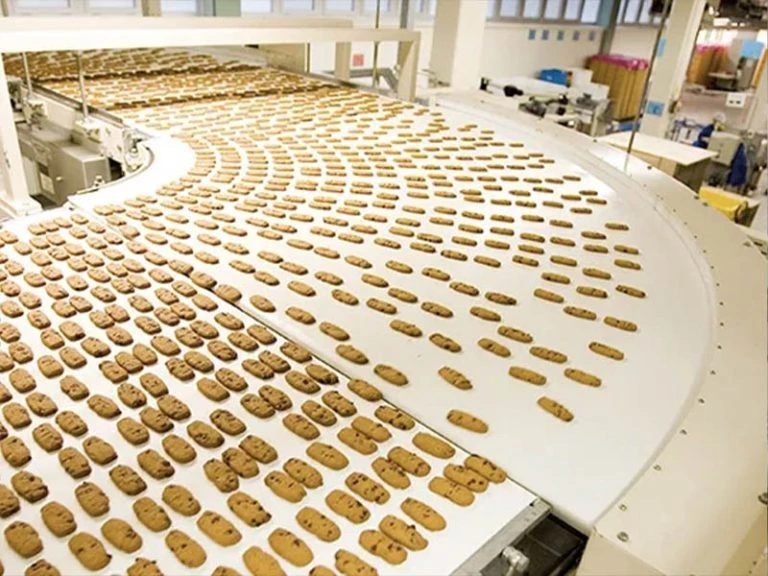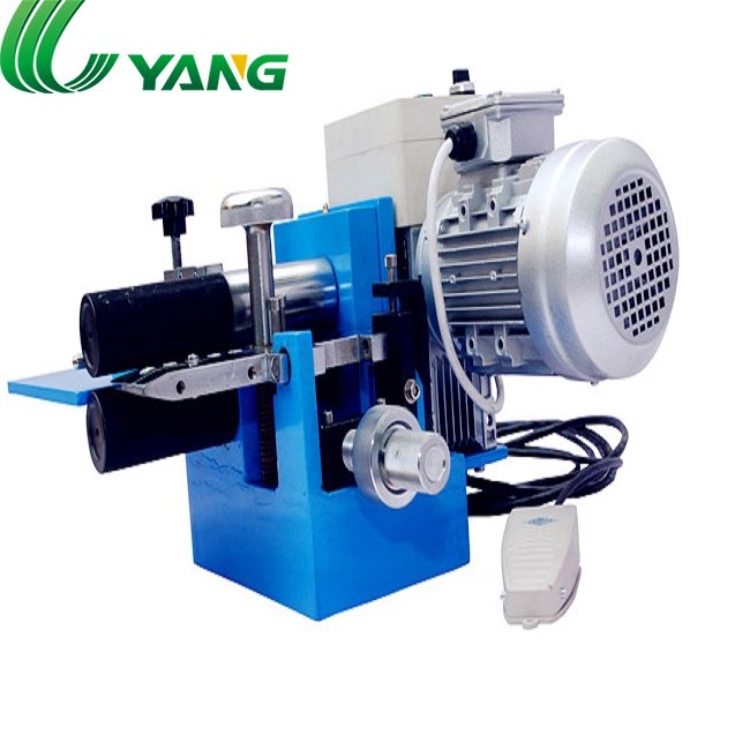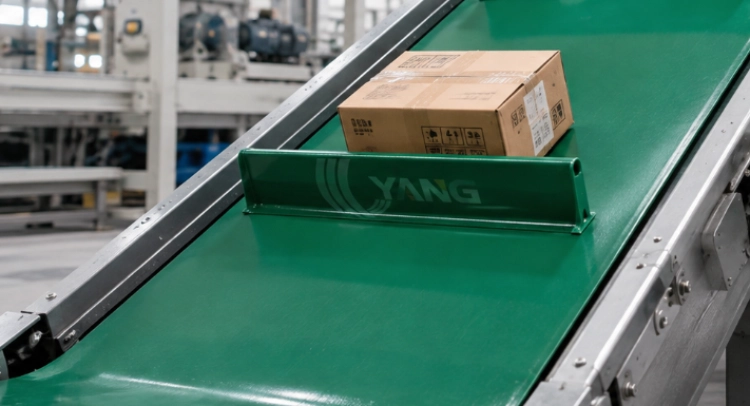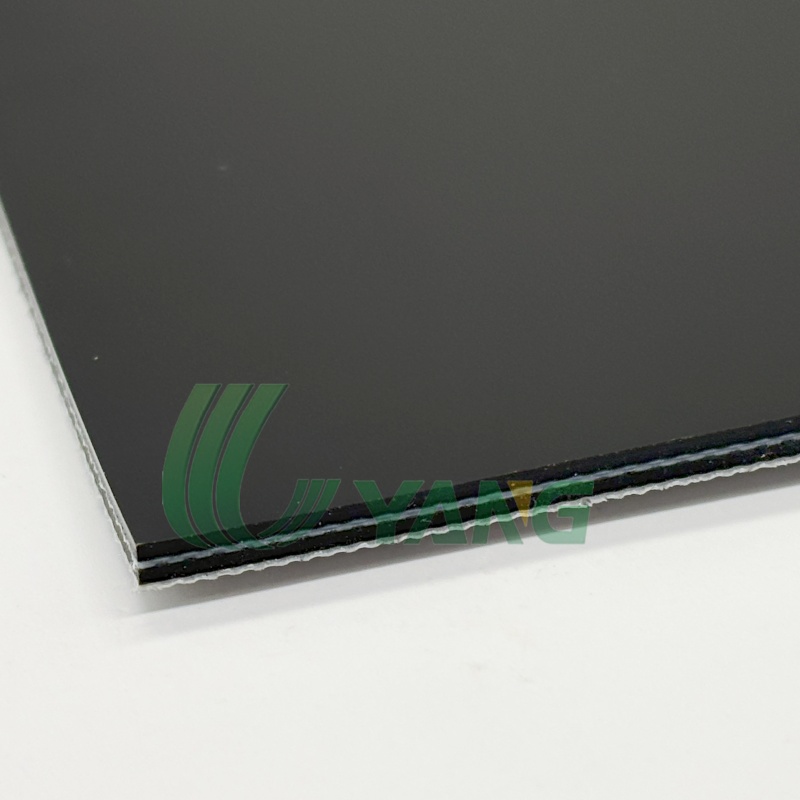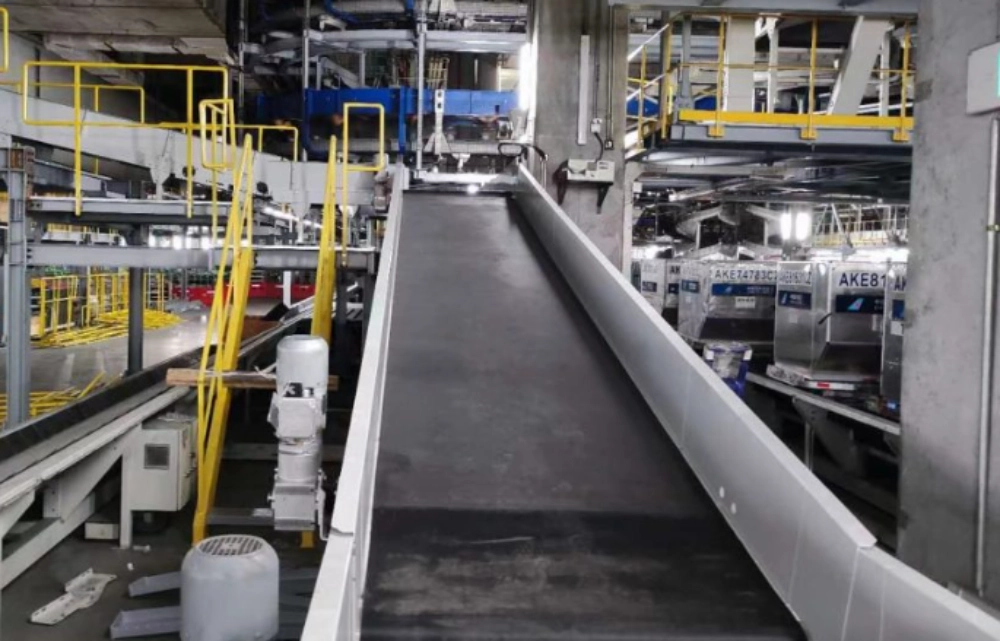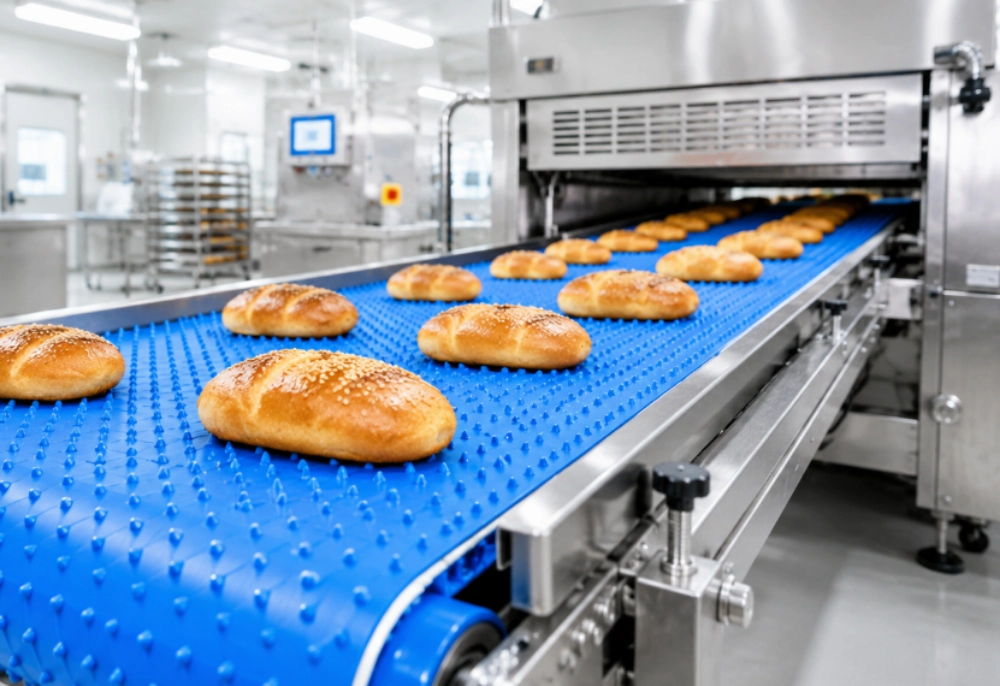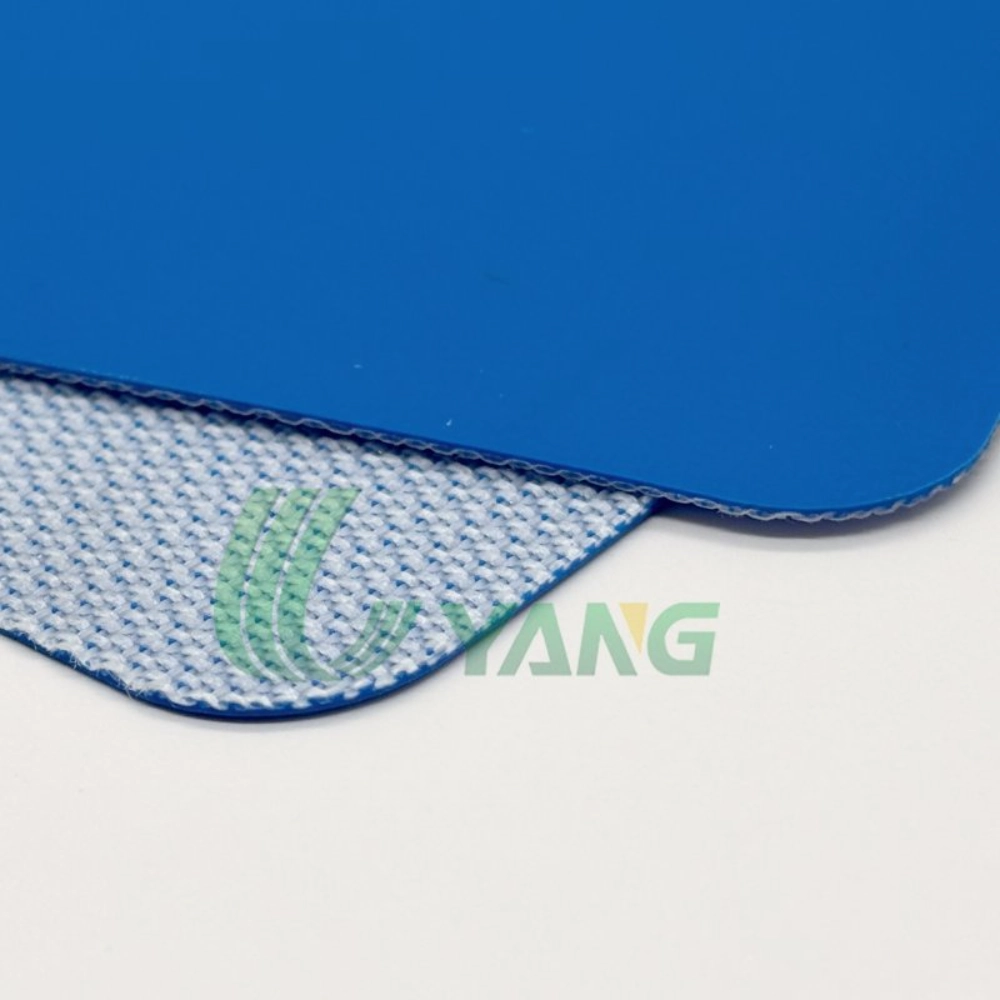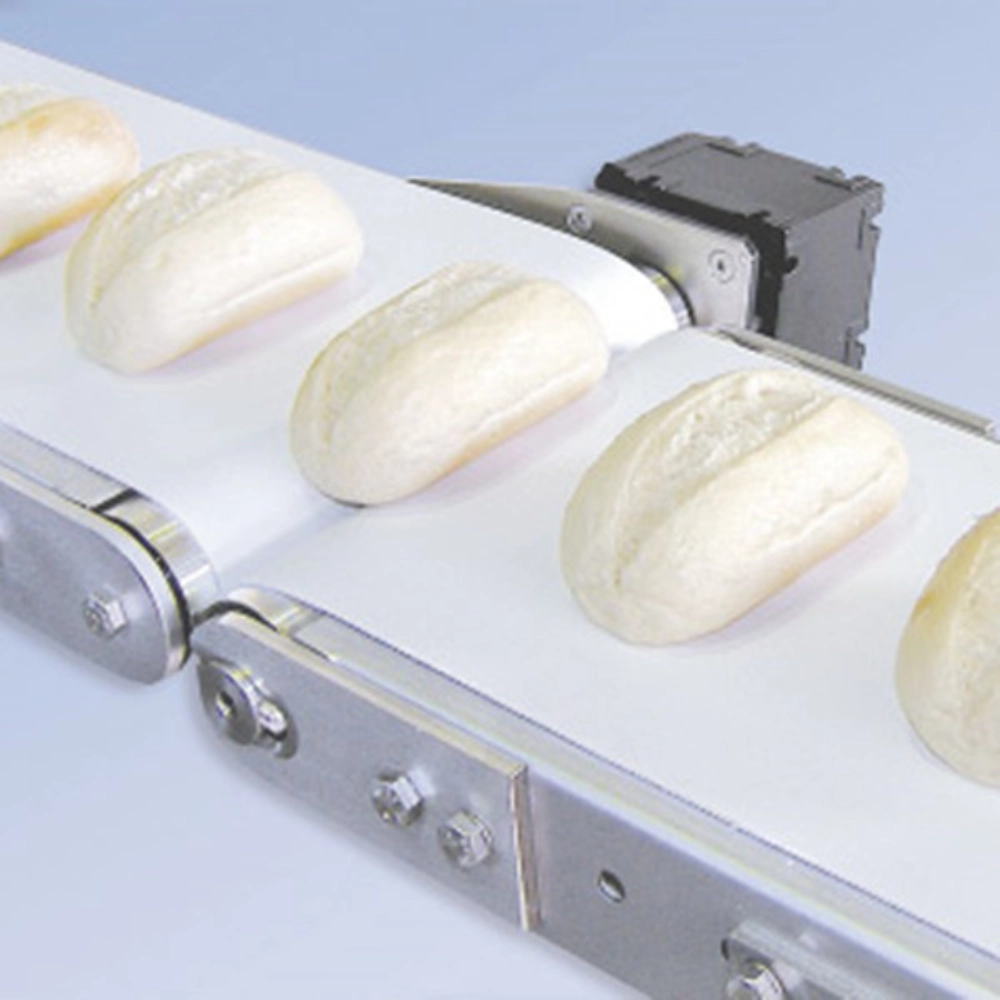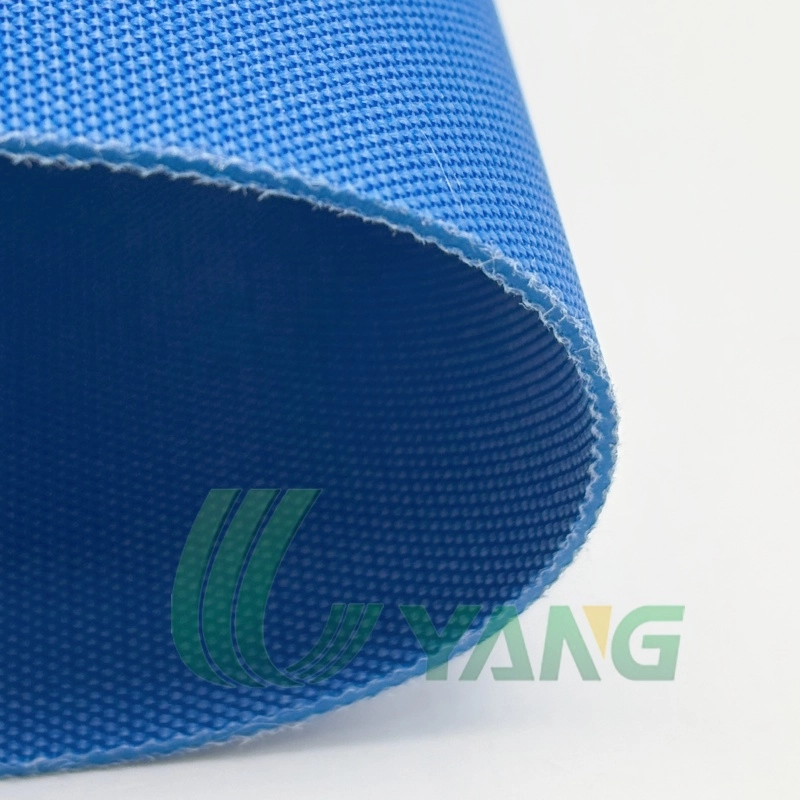
Silicone conveyor belt heat resistance should be checked through contact time, product temperature, surface release, pulley bending, and the cleaning routine. A belt that handles warm bread for a short transfer may not survive continuous contact with hot trays, sticky sugar, oil, or aggressive end-of-shift cleaning. Replacement decisions should start with the failed belt: where it cracked, stretched, glazed, wandered, or collected residue. Those marks tell you whether the next belt must solve heat, release, joint strength, tracking, or maintenance access.
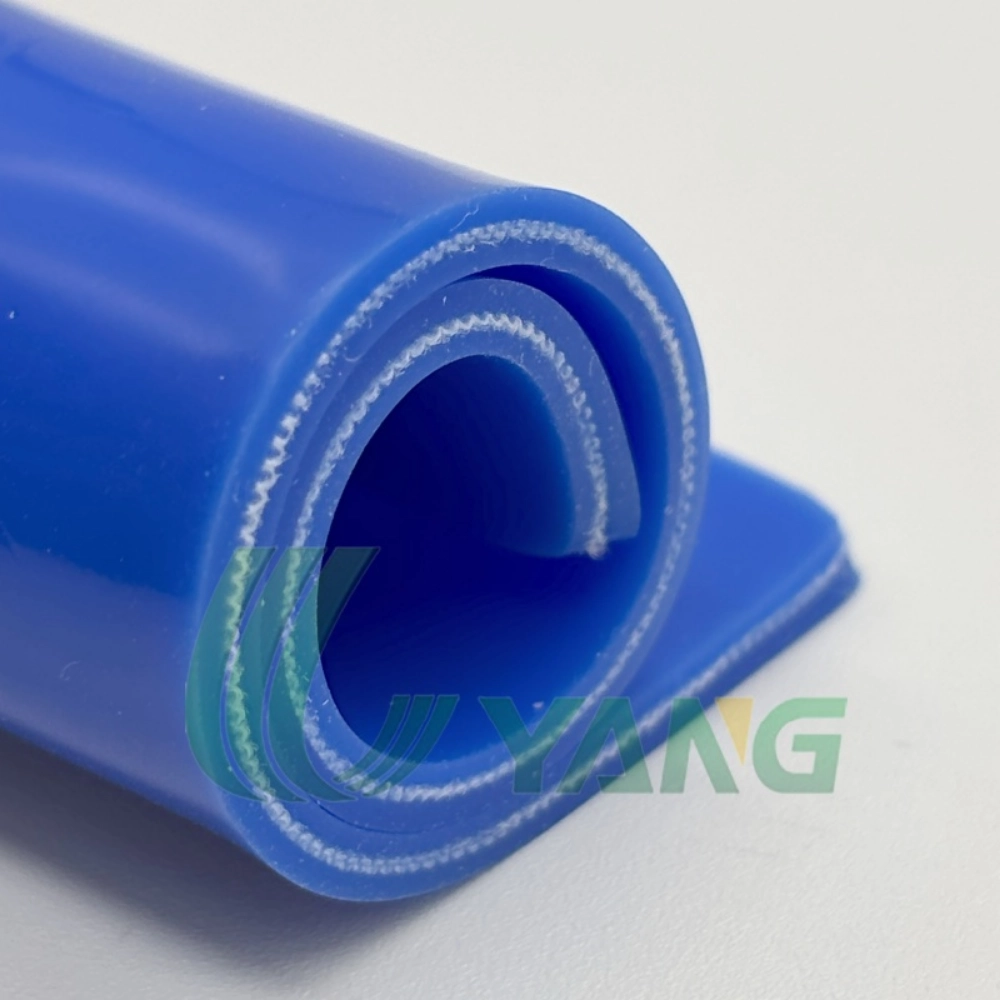
Key Takeaways
- Heat resistance is shaped by contact temperature, dwell time, product moisture, oil, and repeated cleaning, not a label alone.
- The old belt should be photographed before removal because cracks, glazing, and tracking marks reveal the real failure cause.
- Sample approval should include loaded running, pulley bending, cleaning exposure, and inspection after the belt cools.
- Documentation should match the actual belt surface, joint method, profiles, guides, or coatings supplied for the bakery line.
Heat Resistance Depends on Contact Time, Not Only Temperature
Bakery belts see heat in different ways. Some carry warm bread after cooling. Some run near oven exits. Others touch hot pans, oily pastry, or sticky sugar deposits. The same material can behave differently under a two-second pass, a long dwell zone, or repeated hot-cold cycles through a full production day.
When comparing a Silicone Conveyor Belt for replacement, record contact temperature and dwell time separately. Also note whether the product is dry, oily, wet, powdered, or sticky. These details affect surface release and belt life more than a general heat-resistant claim.
Before Replacement, Read the Failed Belt
The failed belt is the most useful diagnostic record on the line. Photograph both sides before removing it. Keep close-ups of the joint, edges, underside, tracking marks, surface shine, residue streaks, and any area near a guide or scraper. A quick visual record often prevents the new belt from repeating the same problem.
- Joint cracks may point to pulley diameter, bending fatigue, heat cycles, or joining method.
- Surface glazing can point to oil, sugar, tray contact, heat exposure, or cleaning chemistry.
- Edge wear may point to guide pressure, frame alignment, or belt stiffness.
- Tracking drift after washing may point to tension change, moisture exposure, or support geometry.
Line Checks That Should Come Before Bulk Approval
A sample test should copy the bakery line closely enough to be useful. Clean, empty running may show basic tracking, but it does not show whether dough sticks, oil changes the surface, or heat weakens the joint after repeated cycles.
| Check Point | What to Record | Why It Matters | Common Failure If Ignored |
| Temperature | Contact temperature and dwell time | Separates short heat exposure from continuous hot contact | Cracking, glazing, weak release |
| Product residue | Flour, oil, sugar, dough, moisture | Shows surface release and cleaning burden | Sticking, residue film, longer wash time |
| Pulley geometry | Minimum pulley diameter and wrap angle | Controls bending stress near the joint and edges | Joint split or edge fatigue |
| Cleaning routine | Water temperature, detergent, sanitizer, brushing | Maintenance can age the belt faster than product load | Surface change or joint weakness |
| Loaded tracking | Line speed, product weight, side pressure | Empty running hides drift under real load | Wandering, guide wear, stoppages |
How to Match Silicone Belting to Bakery Problems
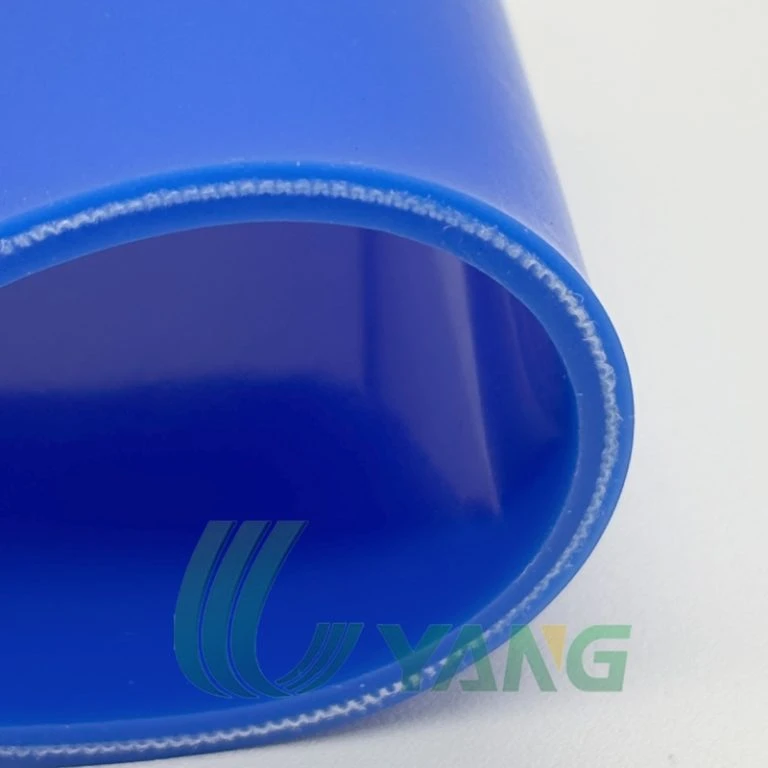
Silicone is often selected for heat and release performance, but it should not be treated as the automatic answer for every bakery conveyor. If abrasion, sharp product edges, heavy loads, or wet sanitation dominate the problem, another material or belt construction may need to be compared.
The wider conveyor belt product categories can help compare silicone, PVC, PU, positive drive, solid woven, and accessory solutions after the application data is listed. Material choice should follow the failure mode, not the name of the old belt.
Loaded Trials Should Include the Worst Product
Run the belt with the product that creates the most trouble: sticky dough, oily pastry, hot bread, sugar-coated items, or flour-heavy pieces that form residue. Watch the belt during start-stop cycles, not only steady running. Heat, side pressure, and residue often build slowly.
After the trial, let the belt cool and inspect the joint, edges, underside, and surface. Some early damage is easier to see after cooling because the belt relaxes and marks become more obvious. If the line has guides or cleats, inspect their attachment points as well.
Cleaning Chemistry Can Turn a Correct Belt into a Short-Life Belt
Many bakery belts fail through maintenance conditions rather than product heat alone. Hot water, detergent, sanitizer, brushes, flour dust, oil, and sugar all change the surface environment. If the belt is cleaned with stronger chemistry than the sample test used, the real service life may be shorter than expected.
For bakery, food, packaging, or mixed production lines, review the industry application context before ordering. Two bakeries can use the same belt width and length but need different surfaces because one handles dry bread while another handles oily or sticky pastry.
Food Contact Documents Should Match the Finished Belt
Bakery projects may need food-contact declarations, material information, or cleaning compatibility records depending on the destination market. Confirm these documents before production. The paperwork should match the finished belt surface and joint method, not only a broad material family.
If the belt includes profiles, guides, coatings, or special joining materials, ask whether those features are covered by the same document set. This is a practical purchasing check, especially when a distributor or bakery group needs consistent records across multiple plants.
What to Send for a Better Replacement Recommendation
A good replacement request gives the supplier enough evidence to identify the failure path. Send belt width, length, thickness if known, joint type, pulley diameter, line speed, product temperature, cleaning method, and photos of the failed belt. Add notes on the hardest product, the worst residue, and how often the line stops for cleaning.
UYANG BELTING can then discuss product selection, customization details, packaging confirmation, and final sample approval with fewer assumptions. If you already know the belt failed from heat, release, edge wear, or cleaning, state that clearly at the start of the inquiry.
FAQ
What Is the Most Important Heat Check for a Silicone Conveyor Belt?
Record both contact temperature and dwell time. A short touch with warm product is different from continuous contact with hot trays or sticky baked goods.
When Should You Avoid Silicone Conveyor Belt?
Avoid it when abrasion, sharp edges, heavy load, chemical exposure, or pulley geometry creates more risk than heat or release. A trial should confirm the match.
Why Does the Old Belt Matter before Replacement?
Cracks, glazing, edge wear, joint splits, and tracking marks show the actual failure cause. Those clues help prevent the new belt from failing the same way.
What Should Be Included in a Bakery Belt Sample Test?
Include loaded running, the worst product residue, normal cleaning chemistry, pulley bending, start-stop cycles, and inspection after cooling.
What Information Helps Get a Clear Quotation?
Send application photos, belt size, pulley diameter, line speed, product temperature, cleaning method, joint request, packaging needs, and the acceptance test for bulk goods.