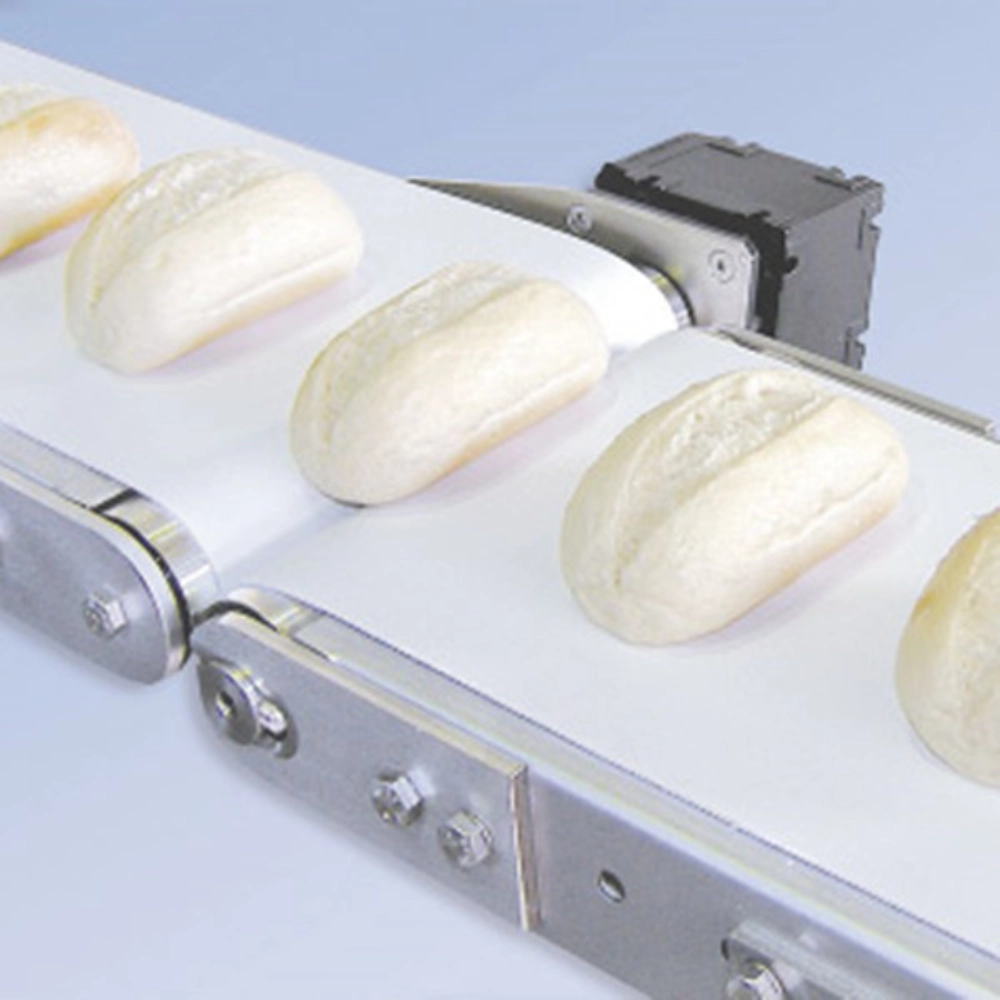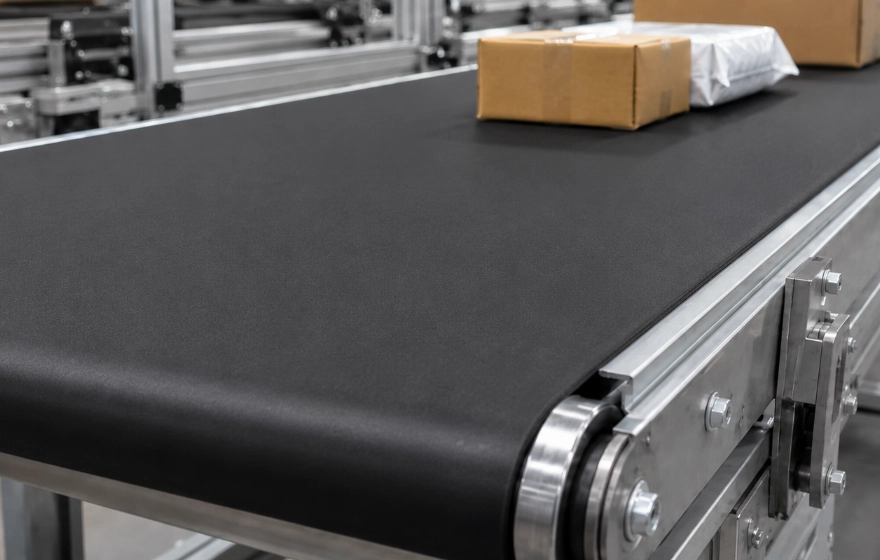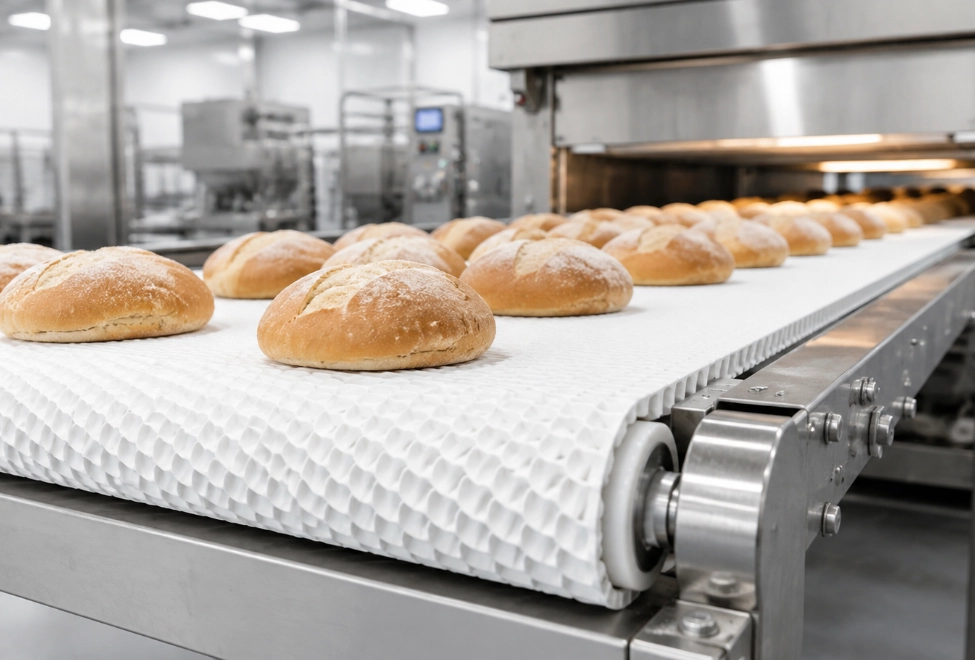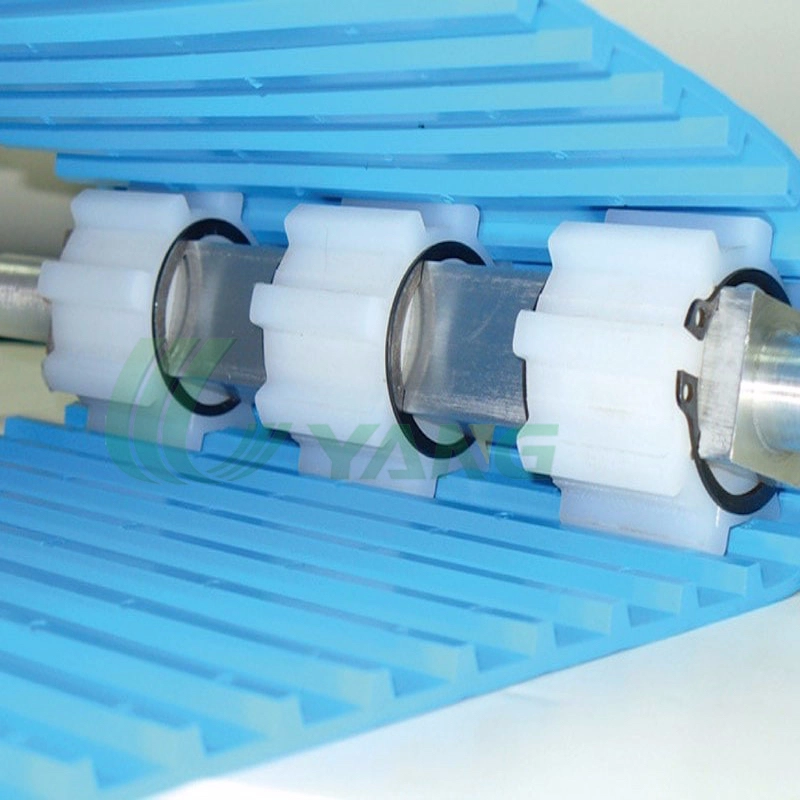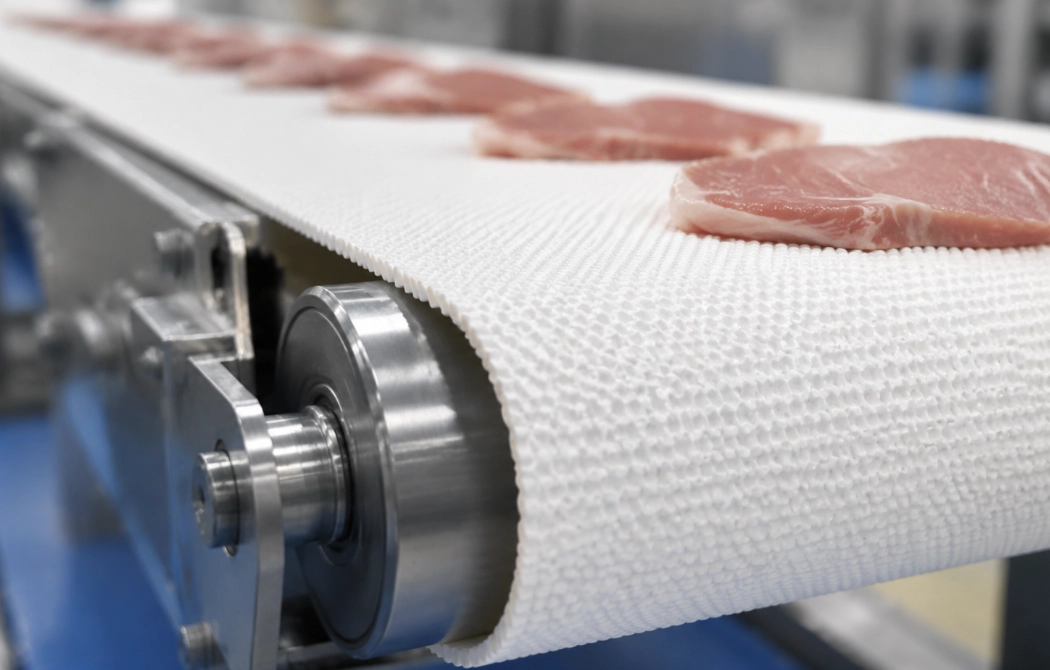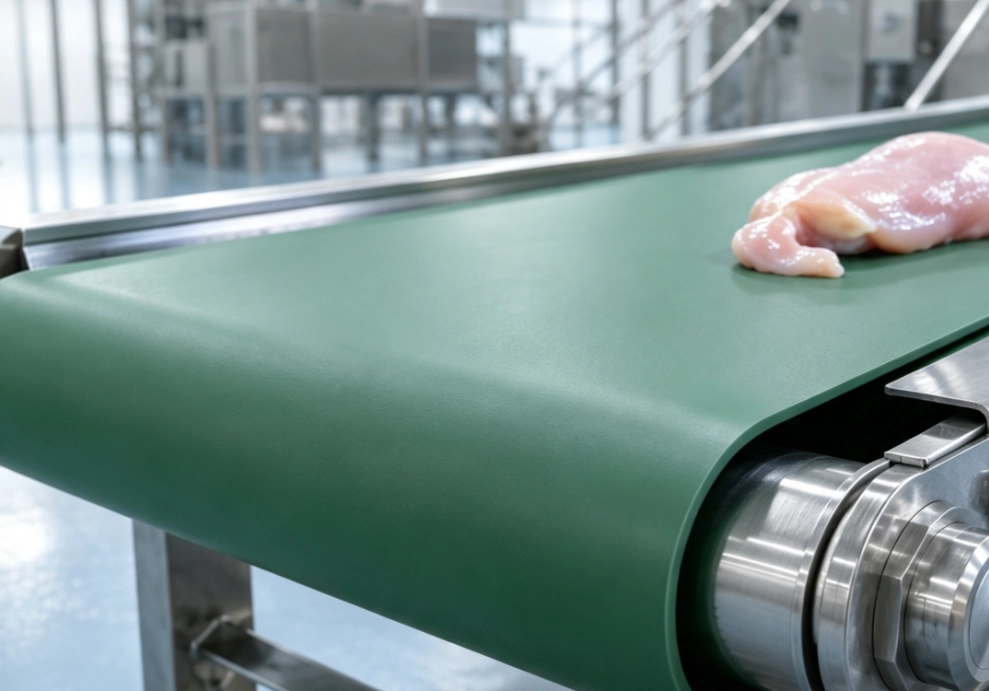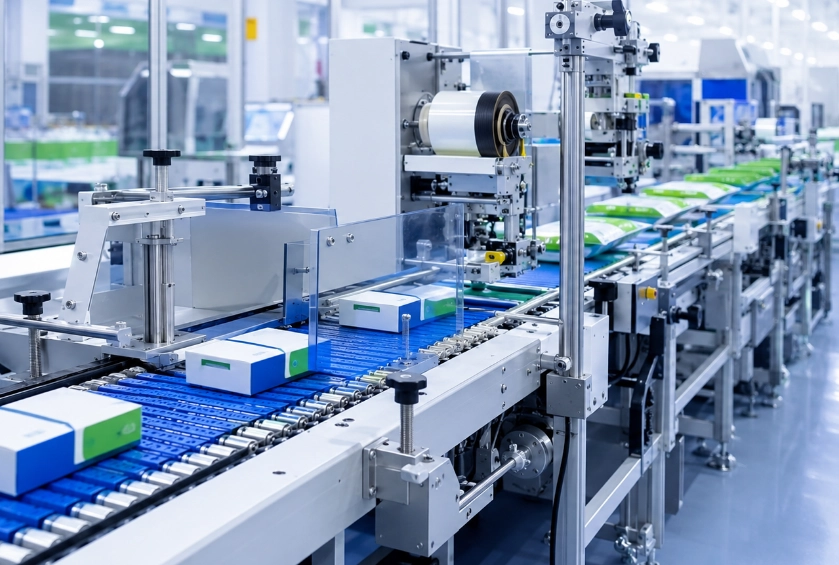
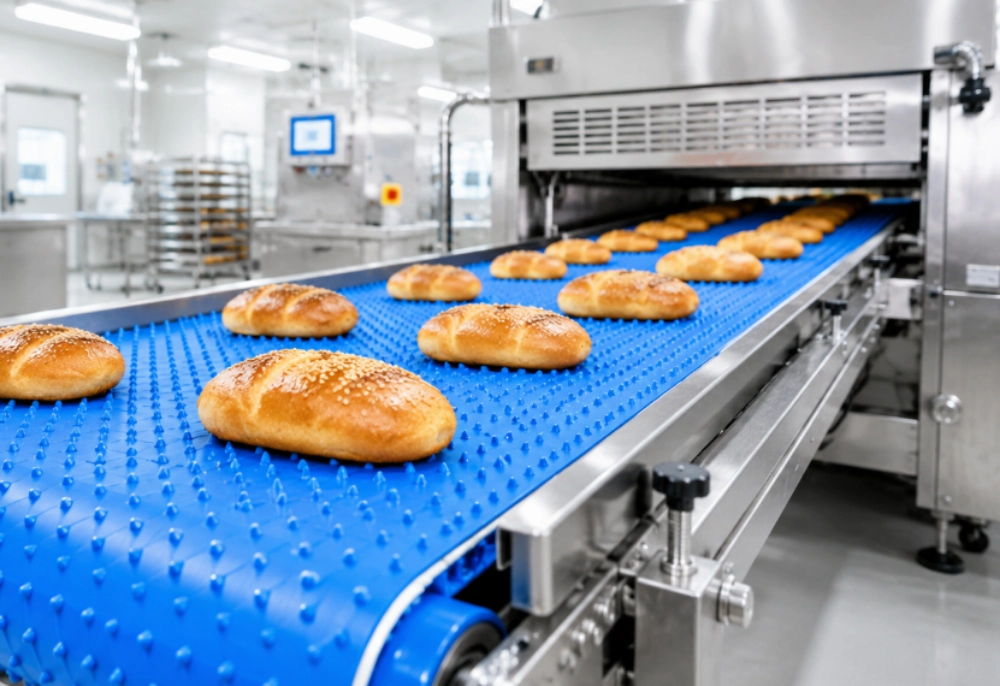
A positive drive belt helps food conveying lines control slip by using sprocket engagement instead of depending only on friction. That mechanical advantage matters most when wet product, oil, dough, meat trim, or washdown water can reduce grip on a normal flat belt. Slip control, however, is only one part of sanitation. The belt teeth, sprockets, underside supports, transfer points, and cleaning access must also return to a clean condition after every shift. If residue stays in a drive pocket or around a worn sprocket, a cleanable belt surface will not save the line from hygiene risk.
Key Takeaways
- Sprocket engagement reduces slip, but tooth pockets and drive zones still need direct cleaning access.
- Lower belt tension can reduce mechanical stress, yet poor alignment or worn sprockets can quickly remove that benefit.
- Sanitation approval should include real product residue, normal washdown chemistry, underside inspection, and restart behavior.
- A belt quote is stronger when it includes sprocket pitch, pulley diameter, belt width, product load, cleaning method, and the current failure mode.
Why Sprocket Engagement Changes the Sanitation Question
Positive engagement changes how the belt receives power. Instead of pulling the belt forward through surface friction, the sprocket teeth engage matching drive features in the belt. That can help a wet or oily food line run with more stable tracking and less tension. The trade-off is geometry. Every tooth, support contact, and side guide becomes part of the hygienic design.
A buyer comparing positive drive belt options should therefore review the complete drive path, not only the top conveying surface. Product can look clean from above while flour paste, meat particles, or sticky sauce remains near the underside. This is a small detail in drawings and a large detail during an audit.
Where Residue Usually Hides
- Between sprocket teeth when product reaches the underside.
- At transfers, scrapers, nose bars, and dead plates where the belt changes direction.
- Around guides, cleats, and sidewalls if their spacing blocks water flow.
- Near worn sprockets where uneven engagement creates repeated contact marks.
A Practical Sanitation Review Table
The review should connect each mechanical check with a cleaning result. A line that passes an empty running test can still fail once real product residue and normal shift pressure are present.
| Check Area | What to Inspect | Failure Signal | Better Approval Method |
| Sprocket engagement | Tooth wear, pitch match, shaft alignment | Jumping, uneven wear, repeat tracking drift | Run with load, then inspect after washdown |
| Belt underside | Residue near supports and drive pockets | Clean top surface but dirty drive zone | Use product residue, not only water |
| Tension | Setup range and restart behavior | Overstretch, edge stress, bearing load | Record setup method during sample approval |
| Transfer points | Scrapers, dead plates, guides, drainage | Residue line near belt direction changes | Check cleaning access with operators |
| Chemical exposure | Detergent, sanitizer, hot water, oil | Surface change or joint weakness | Confirm compatibility before bulk order |
How to Test the Belt with Real Food Residue
A useful test is not complicated, but it must be realistic. Run the belt with the actual product or the closest residue load available: dough, protein film, crumbs, oil, sauce, moisture, or powder. Let the conveyor start, stop, transfer product, and then go through the normal cleaning routine. The final inspection should happen after washdown, not before it.
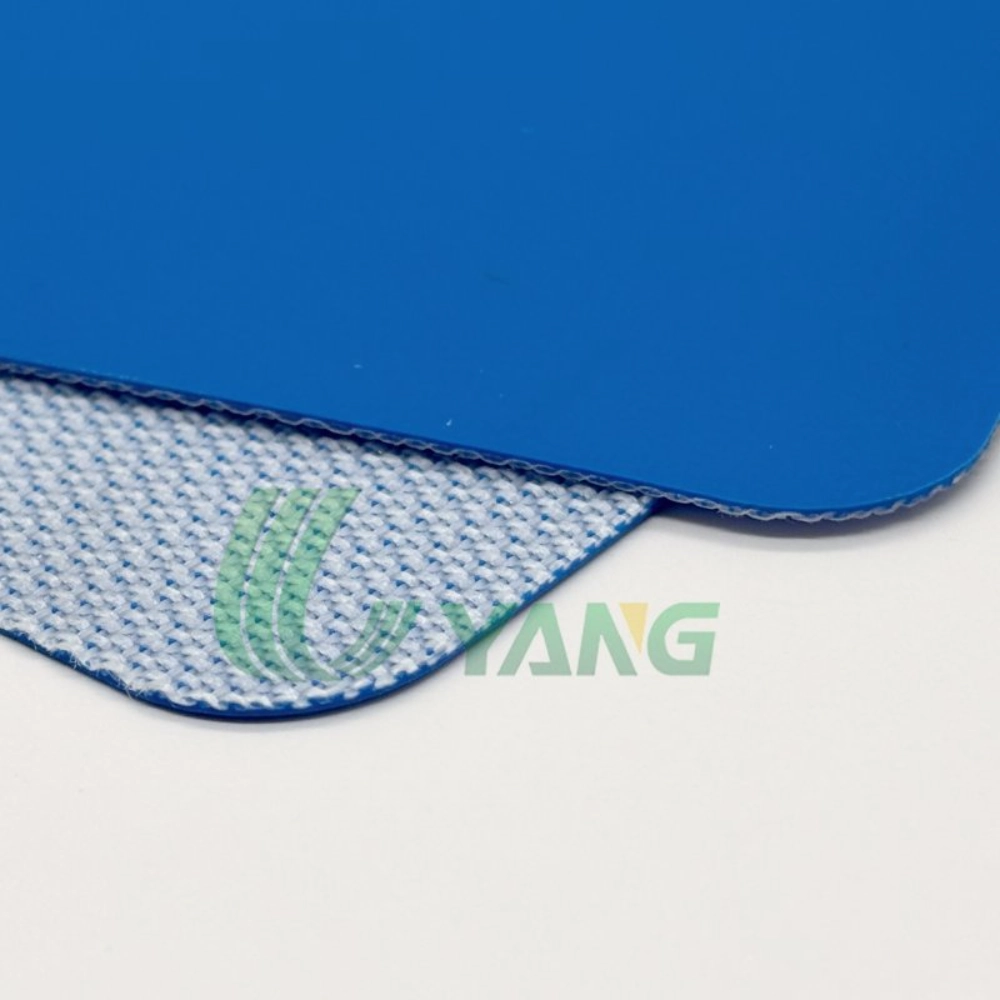
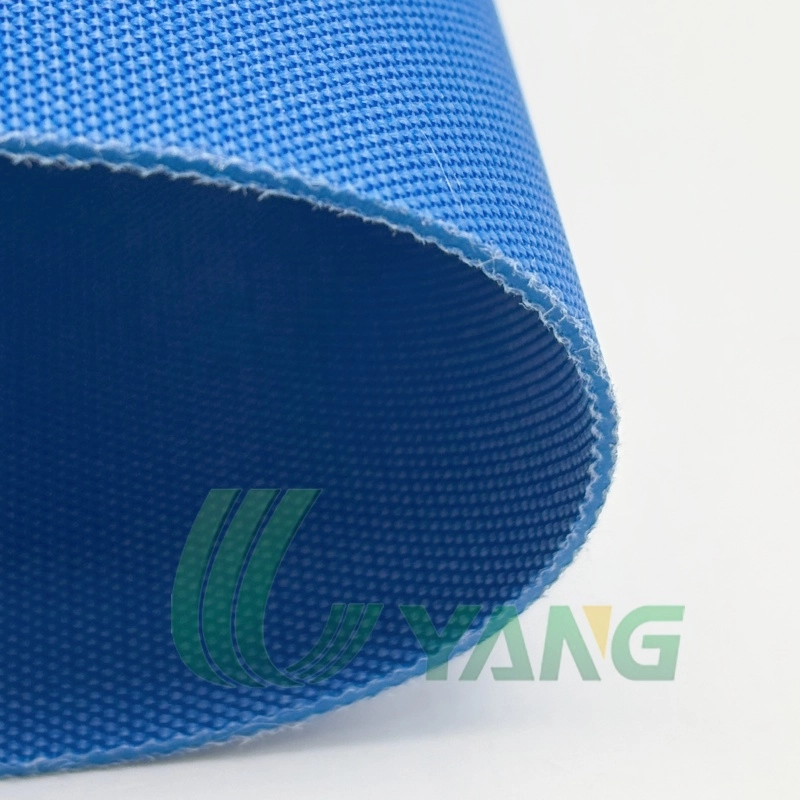
For food lines that also need a continuous cleanable surface, a Homogeneous Belt can be compared alongside positive drive options. UYANG BELTING should be assessed on material choice, sprocket layout, residue release, repair method, and whether technicians can reach the drive area without excessive disassembly.
What Maintenance Teams Should Record
- Belt width, speed, sprocket pitch, pulley diameter, and support layout.
- Cleaning water temperature, detergent or sanitizer, and exposure time.
- Residue found after cleaning on the top surface, underside, edges, and drive pockets.
- Sprocket condition across the full shaft, not only at the easiest inspection point.
- Belt removal time and the tools needed for weekly or monthly sanitation work.
Common Specification Mistakes That Create Hygiene Risk
The first mistake is treating a hygienic belt material as a complete hygienic system. The frame, sprockets, supports, scrapers, and guides decide whether cleaning water reaches the places where product collects.
The second mistake is correcting slip only by adding tension. Too much tension can increase wear, make cleaning more difficult, and hide a pitch or alignment problem. Positive drive systems are meant to reduce dependence on tension, so the root cause should be checked before adjustment.
The third mistake is ignoring the wider industry application conditions. A meat line, bakery cooling belt, seafood washdown conveyor, and dairy packaging line may all need sanitary conveying, but their residue, temperature, cleaning rhythm, and inspection access are different.
Sprocket Wear Can Undo a Clean Belt Design
Sprockets are wear parts, and their condition directly affects belt hygiene. Damaged or uneven teeth can load the belt at the same points every cycle. Over time, that can create edge stress, poor tracking, and small residue traps near the drive zone. Replacing only the belt may give a short improvement, then the same symptom returns.
During inspection, compare tooth shape across the shaft. Look for one side wearing faster, product packed between teeth, or marks that repeat at the same belt pitch. These signs often point to alignment, cleaning access, or load distribution rather than belt quality alone.
What to Send Before Asking for a Quote
A clear inquiry saves time because the belt and drive geometry can be discussed together. Send photos of the current conveyor, the failed belt if replacement is urgent, product residue after production, and the washdown area. Add the belt width, length, line speed, sprocket drawing, pulley diameter, cleaning chemistry, and product temperature.
When the project needs manufacturer input, the UYANG BELTING team can review these details against product categories, customization needs, and shipment documentation. The useful question is not simply which belt is sanitary; it is whether the belt, sprocket, frame, and cleaning method work as one repeatable system.
FAQ
What Is a Positive Drive Belt?
A: A positive drive belt uses sprockets or matching drive features to move the belt. This reduces reliance on surface friction and can help wet, oily, or sticky food lines control slip.
Does a Positive Drive Belt Always Improve Sanitation?
A: No. It can support sanitation when the belt surface, sprockets, supports, and cleaning access are designed together. Poor drive access can still trap residue.
What Should Be Checked after Washdown?
A: Inspect the underside, tooth pockets, sprocket contact areas, belt edges, transfer points, guides, and scraper contact. A clean top surface is not enough.
Can More Tension Stop Slip on a Positive Drive Conveyor?
A: It may reduce a symptom, but it can also increase wear. Check sprocket pitch, alignment, tooth wear, product load, and support layout before adding tension.
What Information Helps Select the Right Food Conveyor Belt?
A: Send belt size, sprocket pitch, pulley diameter, product type, residue, line speed, cleaning method, temperature, and photos of the current conveyor or failure point.