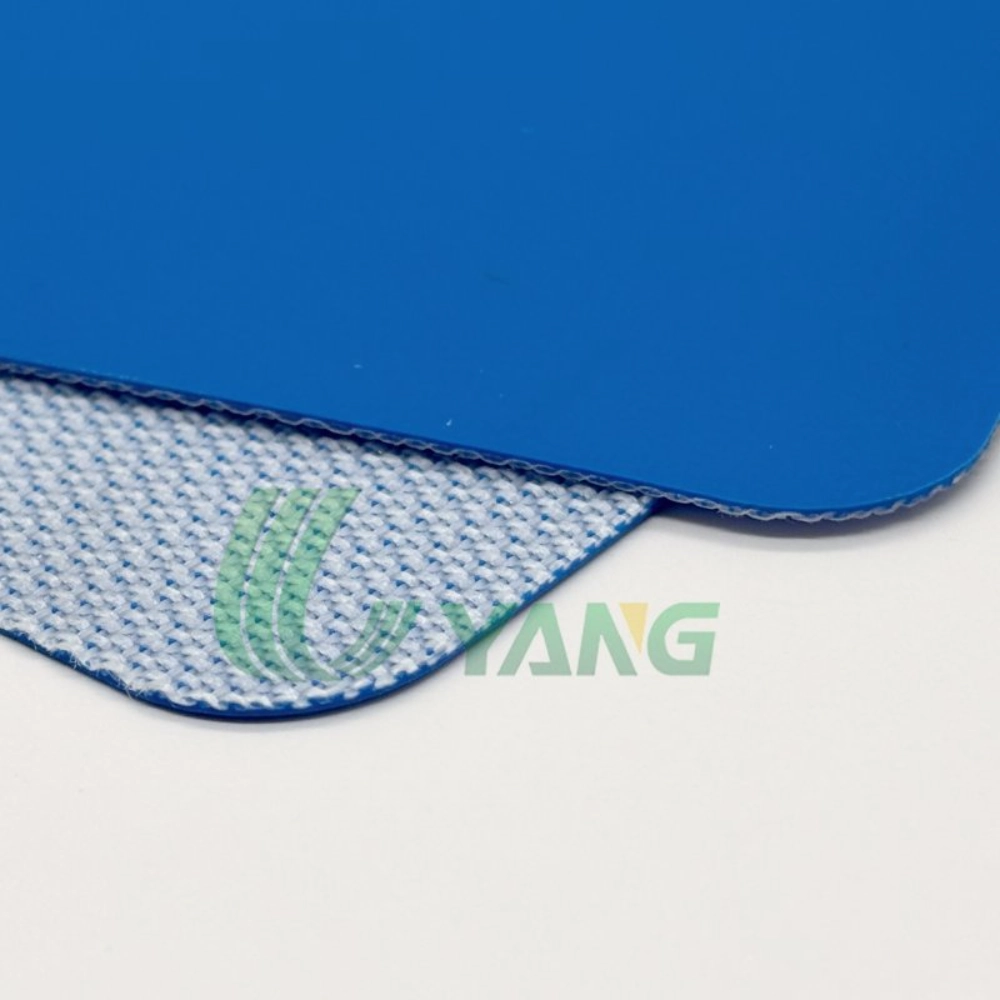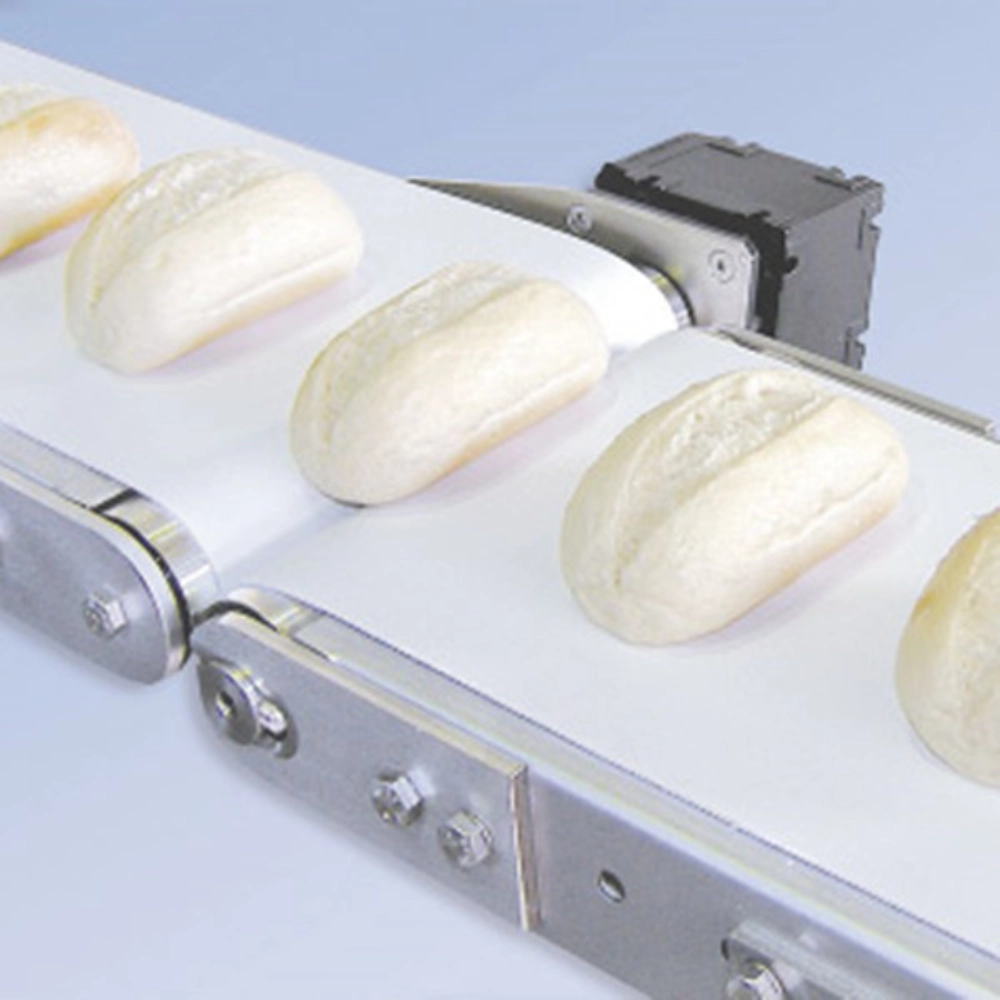
Picking the correct conveyor belt means more than flipping through a brochure, for it requires a practical fix that enables your assembly line to operate steadily without ongoing repair troubles. Over the past two decades, UYANG BELTING has zeroed in on this very objective. From a spacious 80,000-square-meter site featuring 15 up-to-date production lines, the company supplies far beyond ordinary belts. In fact, it delivers total industrial solutions adjusted to precise requirements. If your operations cover food handling or sturdy fabrication, then their industry-specific applications make certain you obtain an item that aligns with your equipment ideally. Serving as a reliable collaborator on the international stage, UYANG BELTING integrates ISO-certified standards alongside thorough technical insight to aid you in steering clear of expensive halts.

Why Does Material Selection Determine Your Production Line Success?
Selecting an improper material for your conveyor belt frequently results in early damage, alignment difficulties, or outright setup collapse. Since the contact between the belt’s outer layer and the transported objects governs the power your drives use, it also influences the frequency of component swaps.
Chemical Resistance and Surface Durability
Regular PVC earns recognition for its modest weight and bendability. That said, its genuine worth emerges from its capacity to manage oils, acids, and salts. Certain belts call for greater depth to withstand rough conditions, and others demand particular upper-layer firmness to avoid profound cuts that might conceal microbes. These qualities ensure the belt performs reliably over extended periods.
Impact of Specialized Patterns on Grip
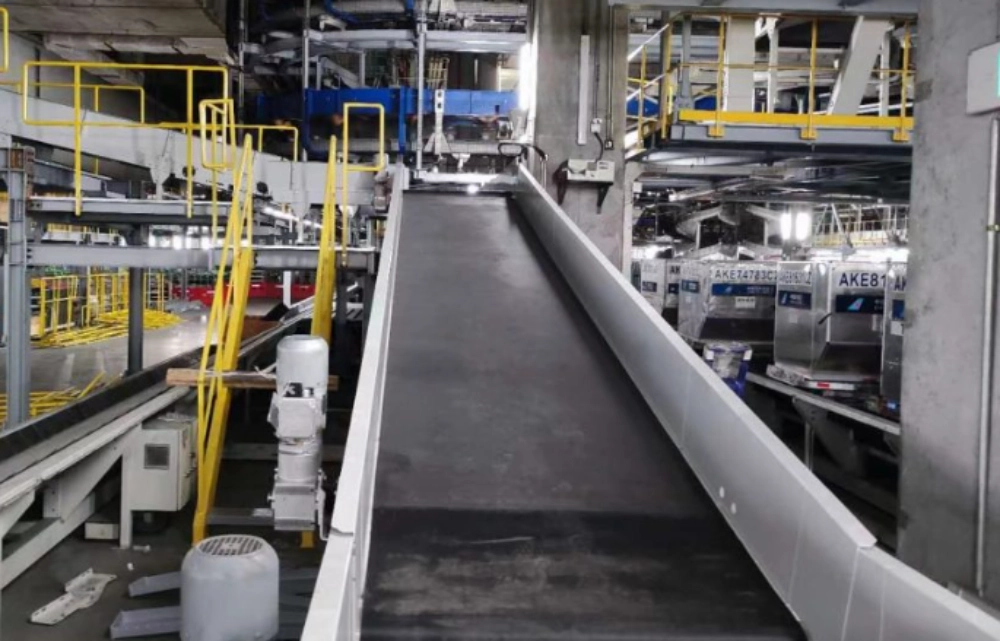
The pattern across the belt’s top serves a functional purpose rather than decoration. Designs such as diamonds, crescents, or saw-tooth modify the friction factor. When facing a sharp slope, a plain belt allows goods to slip rearward, which generates jams. Selecting the appropriate pattern thus avoids these disruptions effectively.
Influence of Ply Rating on Load Capacity
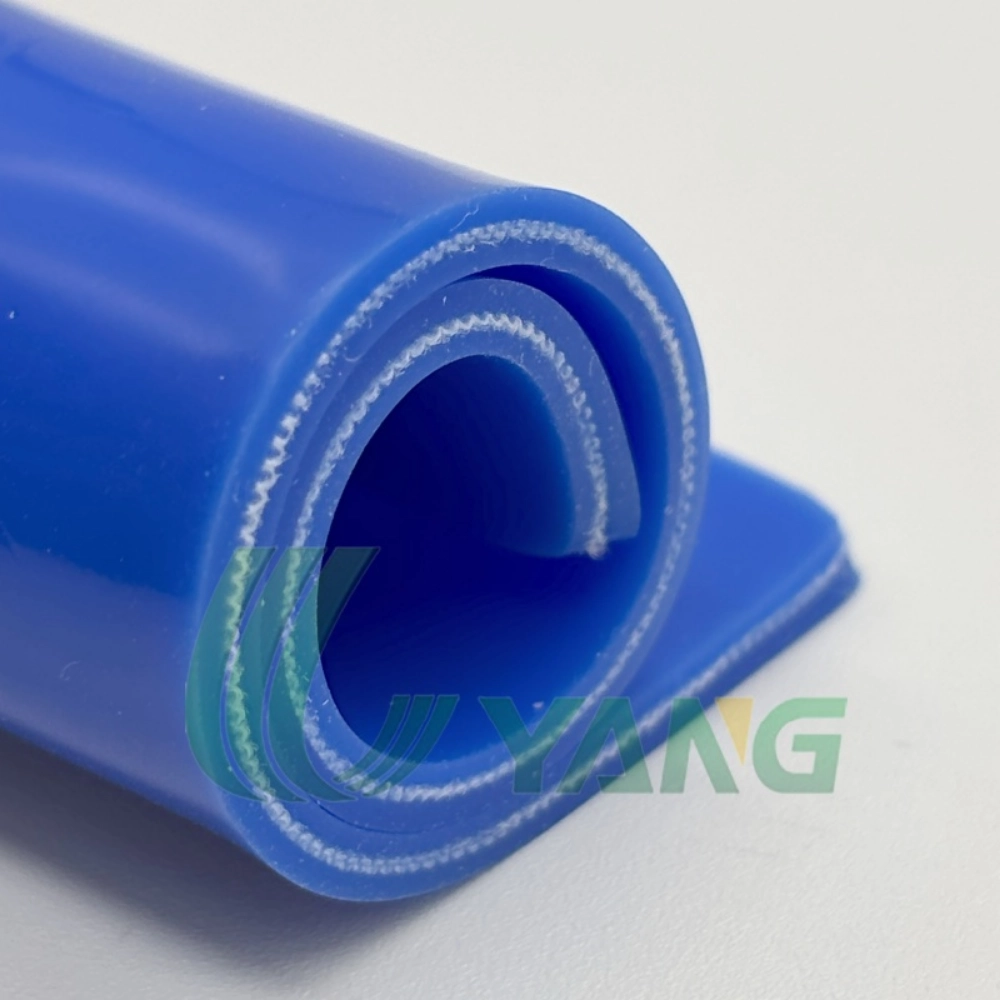
The word “ply” describes the fabric layers embedded in the belt. Greater numbers of plies typically deliver superior pull endurance. Should you install a low-ply belt in a robust apparatus, it elongates to the point where it dislodges from the pulleys. This basic calculation trips up numerous purchasers.
How Can You Choose the Right Belt for High-Traffic Retail Environments?
Within a grocery store context, the conveyor belt counts as one of the limited dynamic components that patrons view and listen to directly. Sound and electrical discharge emerge as the chief foes, because they impact the purchasing ambiance as well as the fragile circuits in the payment setup.
Low Noise Features for Supermarket Checkout Counters
A noisy, whining belt disturbs everybody nearby. Targeted lower-layer processes cut down the drag between the belt and the support platform. As a result, the payment path stays calm even in the peak seasonal surge. This calm boosts the entire customer interaction.
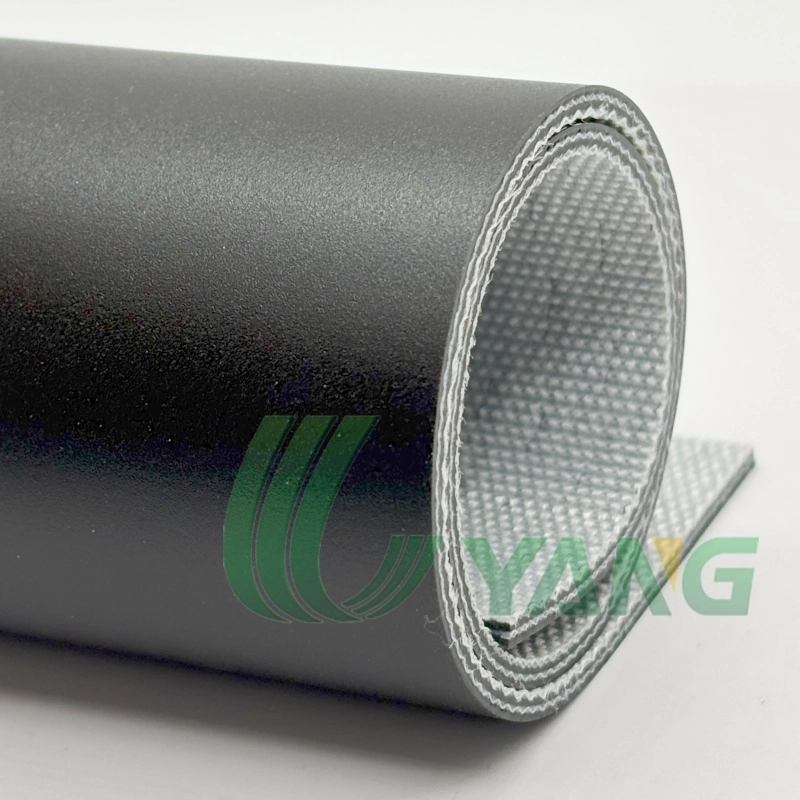
Advantages of Black Matte Anti-Static Surfaces
Shining belts rebound intense ceiling beams, an effect that fatigues attendants. A dull coating offers considerably less strain on vision. Of greater significance, anti-static traits block the accumulation of static that could jolt a patron or damage the code device. Such attributes promote safer and more pleasant workflows.
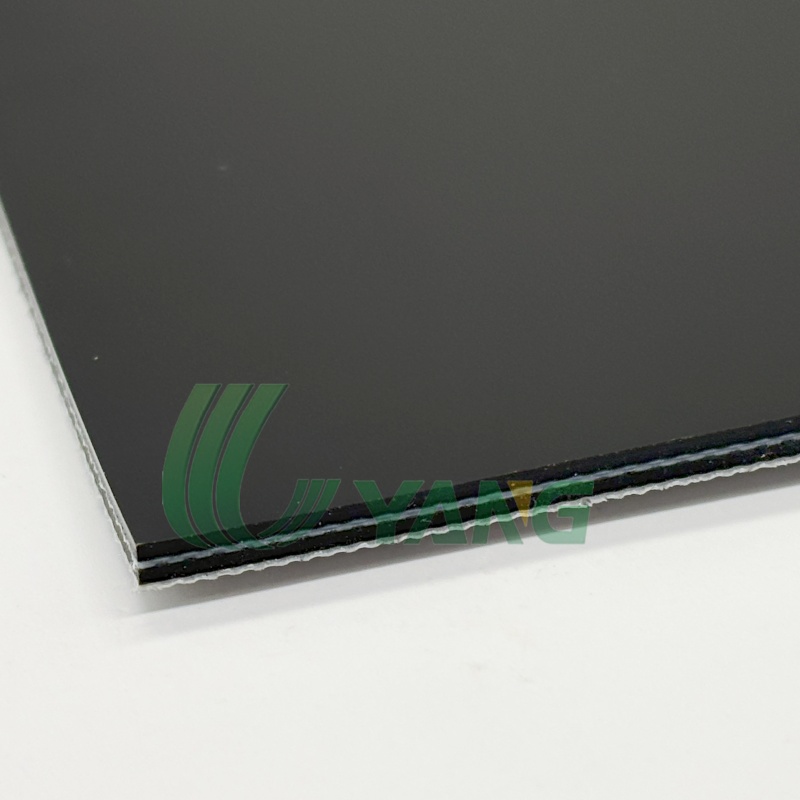
Recommendation: Black Matte PVC Conveyor Belt
Store overseers regard the Black Matte PVC Conveyor Belt for Supermarket Checkout Counter as a superior selection. It merges a tidy visual with the resilience essential to manage vast quantities of goods each day. This pairing supports consistent function in crowded areas.
Which Specifications Are Essential for Heavy-Duty Stone Processing?
Dealing with marble and stone entails steady moisture, granules, and considerable mass. Under such scenarios, a basic level belt gives out in mere weeks. You seek an option that secures damp stone and endures the pointed sides of basic materials.
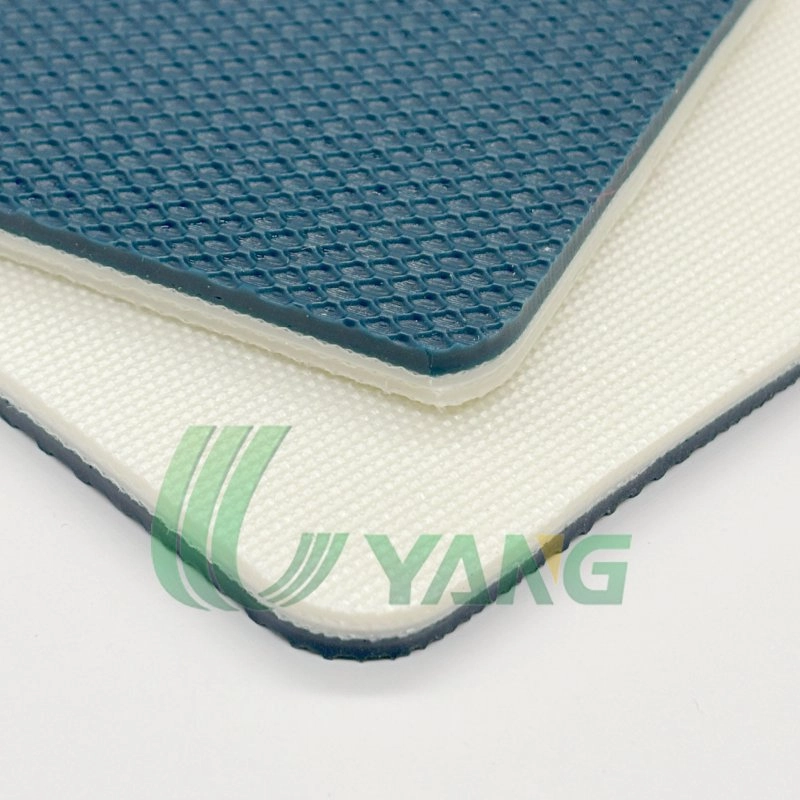
Slip Prevention with Petrol Small Golf Patterns
Liquid serves as a sliding aid. As marble blocks undergo slicing or buffing, they rest amid pooled water. A “golf” design forms minute hollows that hold air and moisture, so the belt’s face retains a solid hold on the stone. This approach curbs sliding in damp situations.
Resistance to Water and Polishing Abrasives
Agents employed in stone buffing often prove severely aggressive. A prime PVC blend resists bloating or splitting upon fluid contact. It preserves its structure, thereby cutting down on tension tweaking efforts. Consequently, operations run more efficiently.
Recommendation: Petrol Small Golf PVC Conveyor Belt
Operators of stone sites find the Petrol Small Golf PVC Conveyor Belt for Marble Industry built for these specific strains. It holds its path steadily, even under bulky, soaked burdens. This steadiness minimizes surprise pauses.
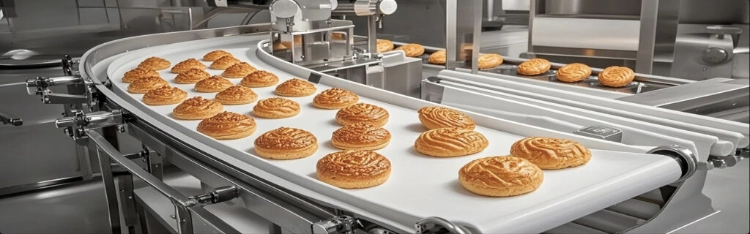
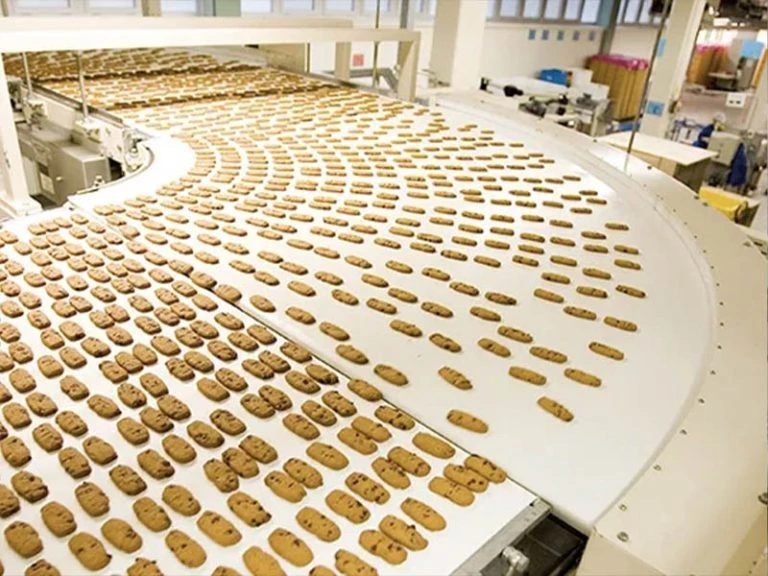
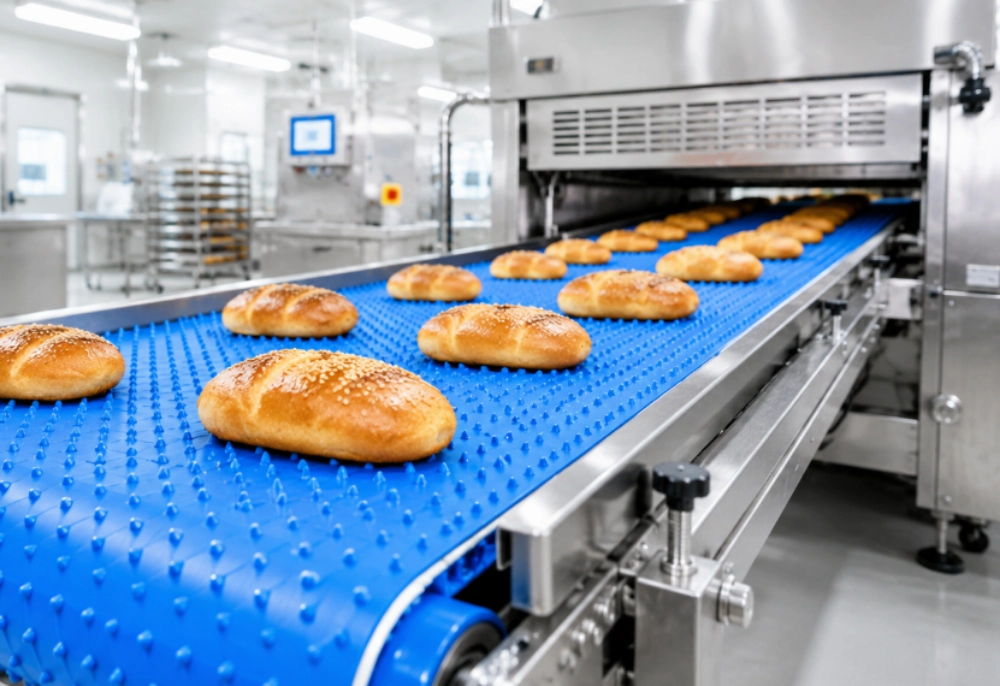
How Do You Ensure Food Safety in Industrial Bakery Operations?
Handling food forms a unique domain where cleanliness stands as the sole key measure. When your belt soaks fats or catches batter within its strands, it invites a pollution risk and a tough sanitation task.
Benefits of Cotton Top Non-Stick Surfaces
Batter clings tenaciously. An upper cotton layer lets the batter separate neatly, leaving no remnants. This trait matters greatly for upholding the form of loaves or pastries, and it aids in preserving sanitation across the assembly. In turn, it fortifies oversight of standards.
Temperature Tolerance for Dough Processing
Oven room settings heat up substantially. A belt that yields or sticks under warmth spoils your goods. Thus, you require a substance that remains firm through a broad heat span, guiding the cookies or rolls past chilling or rising steps. Such firmness protects output quality.
Recommendation: Cotton Top PVC Conveyor Belt
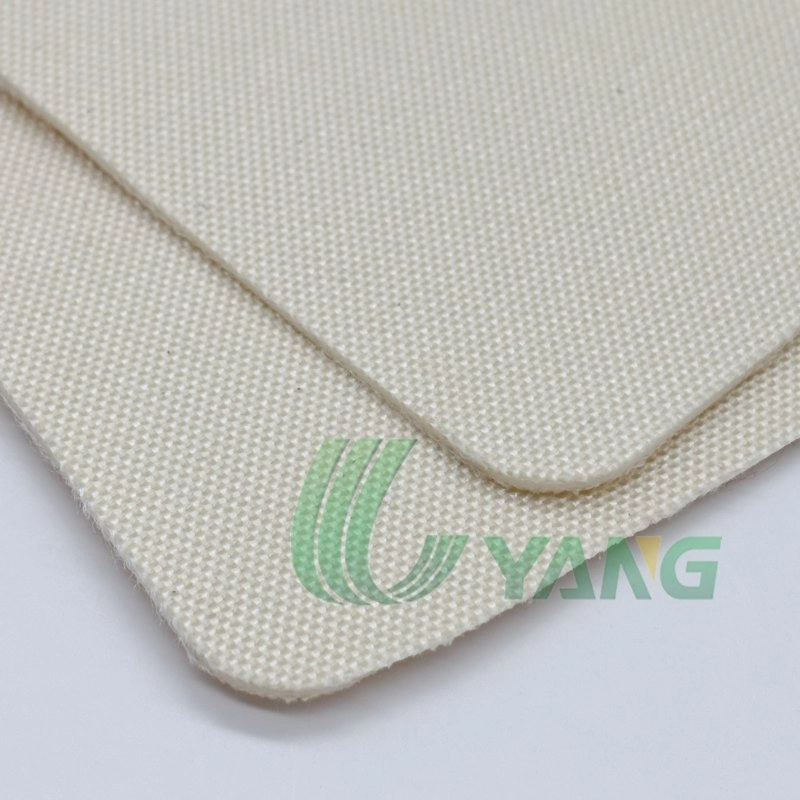
Business bakeries turn to the PVC Conveyor Belt – Cotton Top – For Bakery Processing as the field benchmark. It wipes clean with ease and adheres to the firm food-quality rules vital for current fabrication. This fit suits stringent hygiene needs.
What Environmental Factors Should Influence Your Final Decision?
The top belt still underperforms if it mismatches the nearby setting. Aspects like pulley measurements or plant dampness exert a strong effect on the belt’s true lifespan.
Ambient Temperature and Humidity Constraints
Excessive dampness prompts certain fabrics to contract or swell. For plants lacking temperature regulation, choose a belt boasting a stable polyester core. This subtle element spares considerable realignment hours.
Exposure to Oils or Acidic Cleaning Agents
Harsh cleansers challenge your belt’s resilience. Select PVC variants stiffen after brief rinses with some cleaners. Consult the chemical match table ahead of acquiring. This precaution wards off early problems.
Minimum Pulley Diameter Requirements
Each belt sets a boundary for bending sharpness. Pulleys under the minimum lead to eventual splits at seams or outer peeling. In established sites, this emerges as the usual source of unexplained belt breakdowns. Tackling it prolongs service duration.
Why Is Uyang Belting Your Ideal Partner for Custom Conveyor Solutions?
The field brims with low-cost belts that appear adequate yet break soon. Picking a collaborator with established background and broad production foundation secures uniformity, the prime asset in every logistics chain.
Precision Manufacturing and Strict Quality Control
Fifteen machine-driven lines weave quality throughout the procedure. Every material batch faces intensive exams to verify compliance with the pull and drag details stated in the spec sheet. Deviations find no place here.
Diverse Inventory for Global Industrial Applications
A 80,000 square meter expanse permits ample material holdings. Custom delays shorten, since most factory wants pull from available reserves, restoring your setup swiftly. This readiness hastens resumption after interruptions.
Expert Technical Support and Rapid Customization
Conventional belts occasionally prove insufficient. For demands involving exact ridges, edges, or special patterns, the expert group adjusts the item to match your specific apparatus. This degree of aid sets apart a provider from a solid ally.
FAQ
Q1: How do I know when it is time to replace my PVC belt?
A: Look for frayed edges, cracking on the surface, or if the belt starts slipping even after you have adjusted the tension. If the belt is making a rhythmic “thumping” sound, the joint might be failing.
Q2: Can I use a PVC belt for high-heat applications like an oven?
A: Generally, no. PVC has a relatively low melting point compared to silicone or Teflon. It is great for general transport and food processing, but keep it away from direct flame or high-heat ovens.
Q3: What is the benefit of a matte finish over a glossy one?
A: In retail or inspection lines, a matte finish reduces glare and hides small scratches better. It also tends to have a more consistent friction level for lightweight items like parcels or groceries.
Q4: Do these belts come with a warranty?
A: Yes, most professional industrial belts come with a 12-month quality guarantee against manufacturing defects, though this does not cover normal wear and tear from heavy daily use.
Q5: How do I choose between a 2-ply and a 3-ply belt?
A: It depends on the weight of your product and the length of the conveyor. Longer lines and heavier loads require more plies to prevent stretching. Always check your motor’s torque and pulley size first.