Keeping a smooth output stream demands careful balance, and the conveyor belt serves as the key yet often ignored part. If your plant faces sudden halts every couple of weeks, the cause typically lies in the material features not matching the real physical needs. This situation highlights why expert procurement creates a big impact. For example, UYANG BELTING has dedicated more than 20 years to improving factory answers in an 80,000-square-meter plant. Since they operate 15 automatic assembly lines, the company produces more than standard lengths; it emphasizes complete-system building that links simple parts to steady function. Whether you scan their product center or seek targeted industry applications, their skill in business-to-business shipments aids worldwide leaders in avoiding poor-quality options. You can discover more about their journey and the ways they back high-volume plants globally.

Why Is Poor Material Quality the Hidden Killer of Production Efficiency?
Factory areas operate with slim profits. A belt breakdown brings losses beyond the price of a fresh PVC length. It includes unused workers, delayed deliveries, and possible harm to drive units. Basic PVC substances frequently miss the core firmness needed for round-the-clock runs, resulting in gradual breakdown that begins minor but leads to full setup failure.
Frequent Belt Stretching and Tracking Issues
Weak polyester cores within the belt often lengthen when pulled. This pull requires your upkeep group to tweak adjustment points nonstop. If the lengthening occurs unevenly, the belt wanders, striking the frame and wearing the sides.
Low Wear Resistance and Surface Delamination
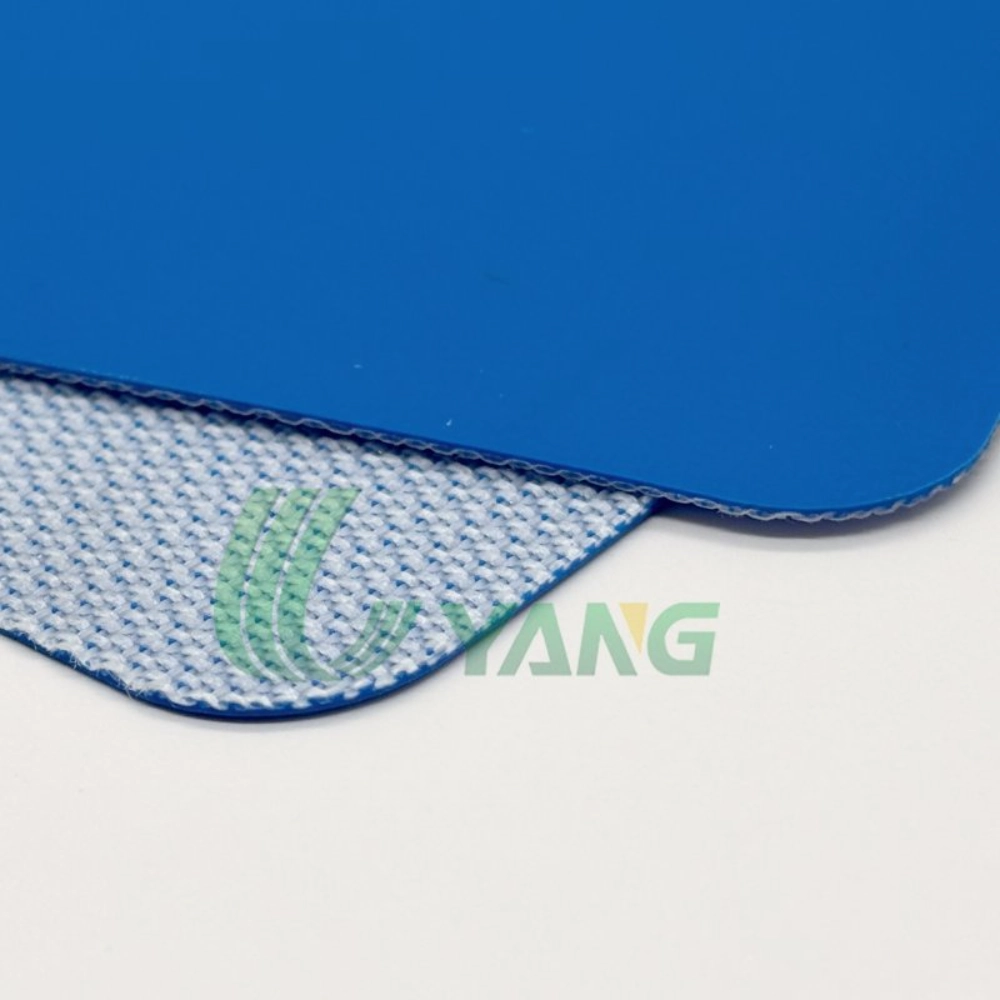
An inexpensive upper layer thins out much too soon. In areas of strong rubbing, the PVC coating can separate from the cloth base. Once the cloth appears, it takes in greases and dampness, turning into a spot for germs or simply decaying inward.
High Replacement Frequency and Labor Costs
Selecting a low-cost belt generally means replacing it several times over. The work time used to change belts and reconnect joins builds up to an amount that surpasses the early “gains” from a cheaper pick.
How Does Premium PVC Conveyor Belt Construction Prevent Unplanned Stops?
The gap between a belt enduring six months and one lasting two years stems from the chemical links and the grade of base polymers. Top PVC blends include certain softeners that hold the belt pliable even in cooler spots, stopping the splits that commonly cause major breaks at the start of a work period.
High Tenacity Polyester Fabric Core
A solid belt relies on a minimal-pull, strong cloth base. Fine materials employ heat-treated polyester that keeps its shape. As a result, after you set the path during setup, it remains in place for countless hours without tools.
Advanced Coating Technology for Chemical Resistance
Factory settings get dirty easily. Be it cleaners in a wash area or leftover oils in a component plant, the PVC must serve as a barrier. Modern coating methods form a tight surface that fights chemical expansion, preserving the belt’s form.
Superior Lateral Stability and Impact Absorption
The belt must stay firm enough to lie even over rollers yet bend enough to curve around wheels. Quality building applies particular weave styles in the cloth to avoid the belt from curving or bending under heavy cargo.
Can the Right Surface Pattern Minimize Material Slips and Jams?
Outer shape matters as much as the polymer base. If your goods slide back on a slope or pile at a shift spot, the belt’s outer fails its job. Plain belts suit various tasks, but certain hold designs alter the movement rules of your output line.
Increased Friction for Inclined Conveying
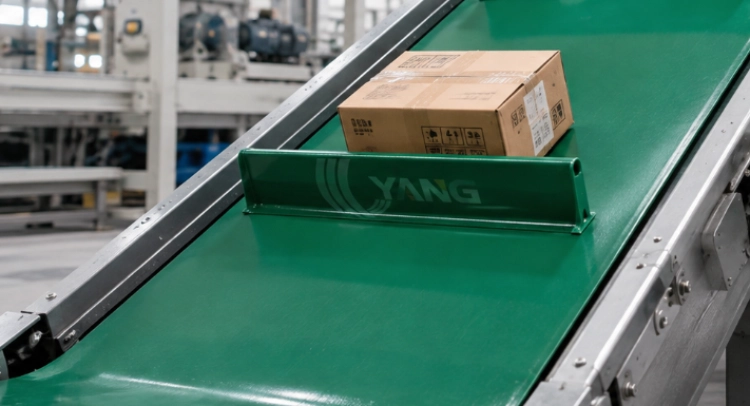
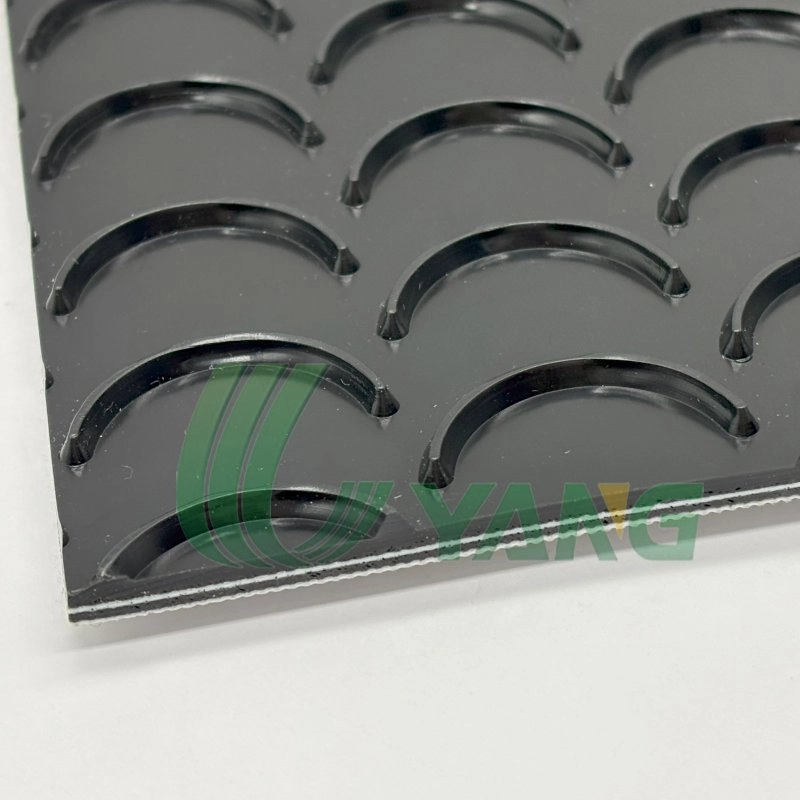
Shifting items upward calls for more than pace. Designs such as the crescent top offer physical blockage. This direct “hold” on the item bottom stops the sliding that blocks the lower end of the conveyor.
Enhanced Grip Performance in Moist Conditions
Liquid or dampness works as a slide aid, rendering plain belts risky and slippery. A rough surface cuts the liquid’s hold, so the belt keeps touch with the package or part even in wet packing areas.
Optimized Release Properties for Packaged Goods
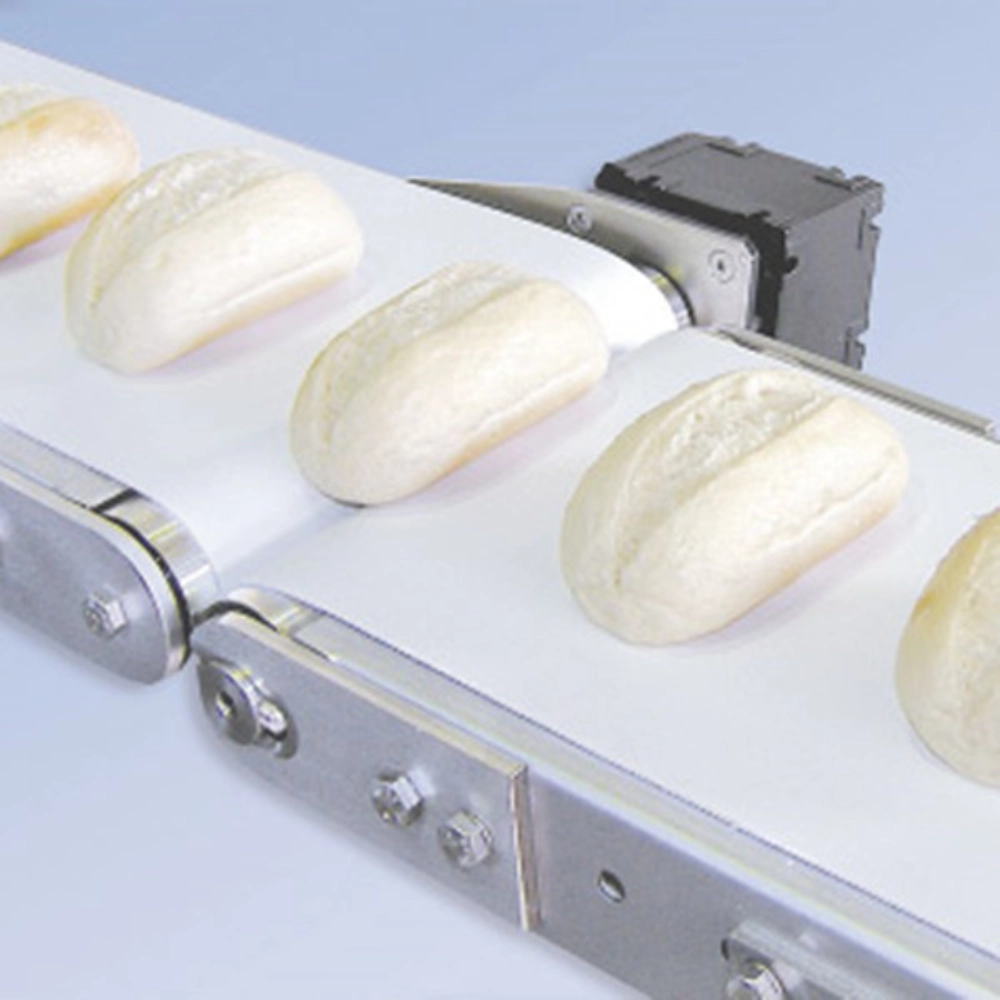
Interestingly, a belt must hold during travel but let go at a branch point or ramp. Fine PVC mixes permit a “set” hold, firm enough to shift the item, yet even enough to avoid sticking during the next step.
Why Should You Choose Uyang Crescent Top PVC Conveyor Belt for Complex Lines?
When the work includes sharp rises or careful treatment, the exact crescent layout proves vital. This approach does not fit every case; the substance adjusts to its working conditions. Picking a focused belt frequently fixes issues that common plain belts cannot manage.
Excellent Traction of Black Crescent Top PVC Conveyor Belt
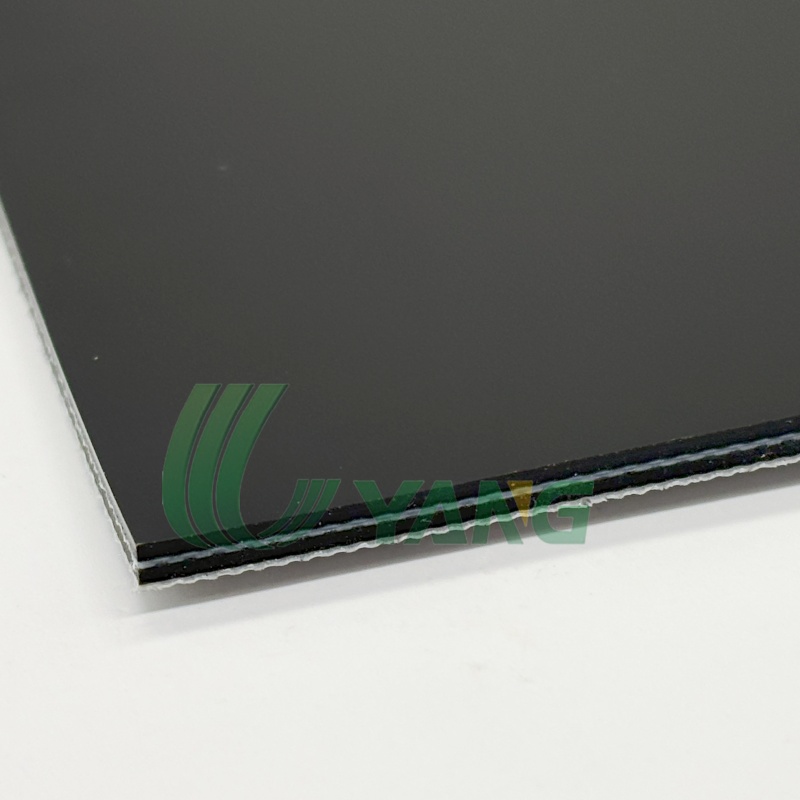
For shipping and tough factory sorting, the Black Crescent Top PVC Conveyor Belt delivers a sturdy answer. The black shade resists light damage better in storage zones, and the bold crescent shape manages boxes and plastic bins without any slide, even at fast rates.
Food Grade Safety of Crescent Top White PVC Conveyor Belt
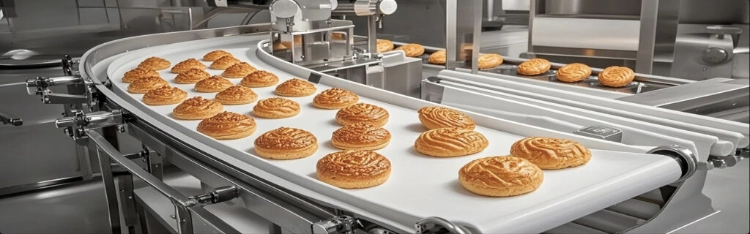
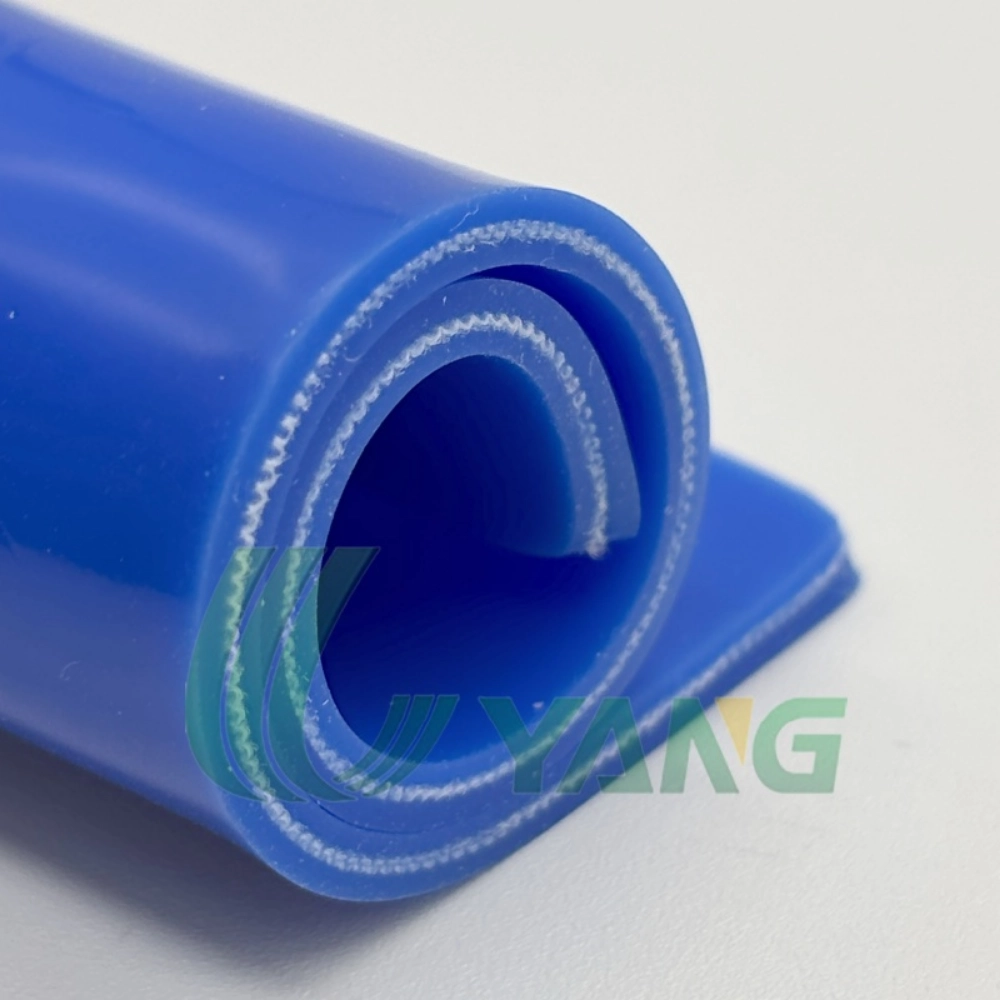
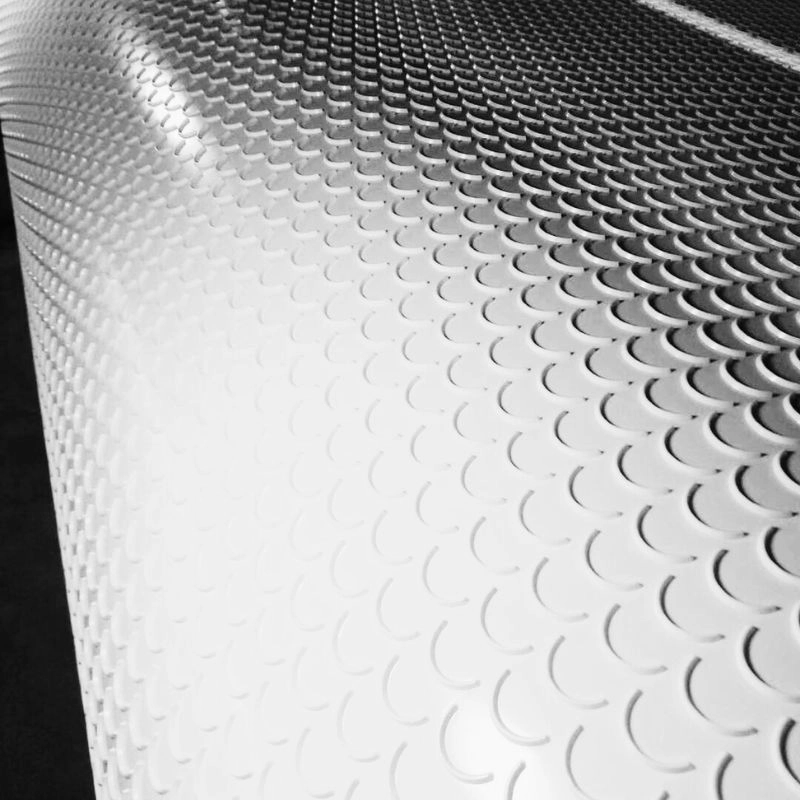
In food handling or drug wrapping, cleanliness comes first. The Crescent Top White PVC Conveyor Belt applies FDA-approved substances. It gives the identical physical hold as the black version but uses a shade that helps detect dirt or spots during cleaning.
Versatile Applications in Logistic and Food Industries
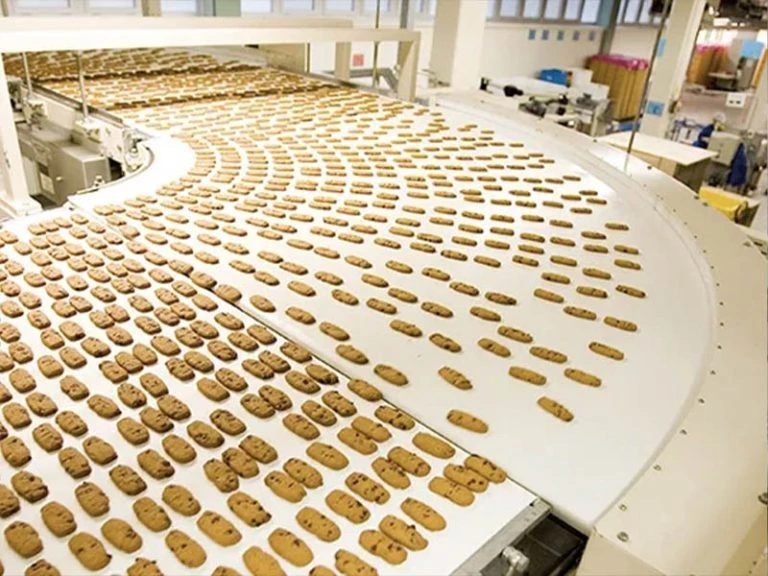
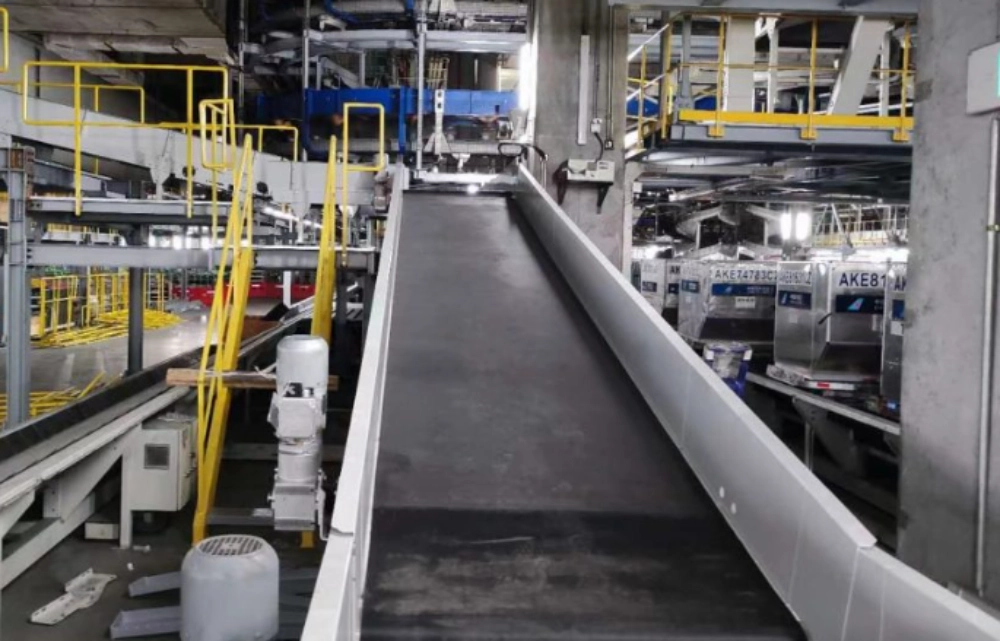
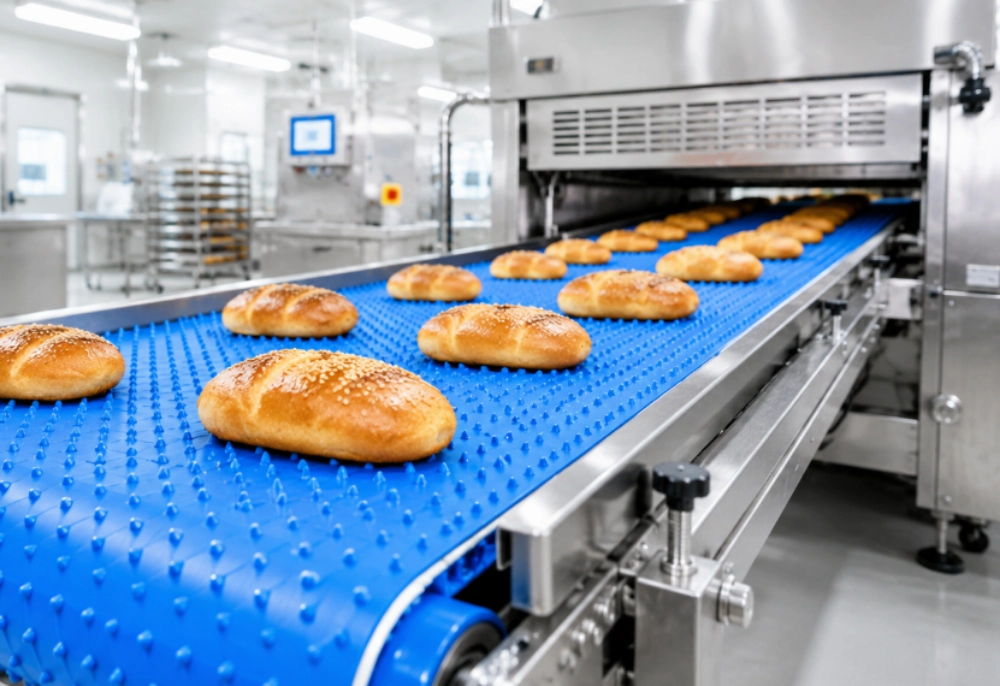
These belts serve a wide range of fields. From baggage sorting at airports to produce grouping, the crescent style remains common. Moreover, it runs quietly, a factor many overlook until working beside a noisy, sliding conveyor for a full day.
What Technical Standards Determine the Longevity of Your Conveyor System?
Steadiness involves key figures. You need to review the Shore hardness of the PVC and the pull strength of the core. If a provider lacks details on heat tolerance or static control, they likely do not oversee their own making process.
Precise Heat Press Splicing Technology
A belt’s strength matches its frailest part, often the connection. High-grade PVC enables a neater overlap join. When the substance heats and fuses right in a warm press, the link turns into a smooth section of the belt instead of a ridge that bumps over each roller.
Strict Antistatic and Flame Retardant Ratings
In numerous plants, static collection poses a fire risk or danger to delicate circuits. Leading belts add guiding threads in the cloth or static fighters in the PVC mix to release charge without harm.
Accurate Shore Hardness for Specific Load Requirements
If the PVC stays too soft, it erodes like soft rubber. If too rigid, it may split. Matching the Shore A hardness to your wheel sizes and item mass represents a minor detail that extends the belt’s service by years.
Why Is Uyang Belting Your Most Reliable Partner for Industrial Solutions?
Drawing from a maker with 20 years of background means you acquire more than an item; you gain protection for your output setup. Full answers cover beyond sending a material length. They include expert aid that understands belt responses to varying pulls and warmth levels.
Decades of Global B2B Export Experience
Handling worldwide rules and transport comes naturally to a proven shipper. You receive belts that fit area standards without issues like border holds or wrong tech papers.
Custom Fabrications and Swift Technical Support
At times, a basic belt falls short. Whether you require added grips, edges, or a special size, a maker with 15 lines offers room to adjust. If path problems arise, reaching an expert familiar with your belt’s cloth pattern speeds up fixes greatly.
Rigid Quality Control from Raw Materials to Finished Belts
Running an 80,000-square-meter site provides full watch over the making steps. From checking the polyester thread at the start to the last pull test on the completed PVC belt, each phase gets recorded. This uniformity guarantees that today’s belt works just like the one from three years prior.
FAQ
Q1: How do I know if my downtime is caused by the belt material or the machine?
A: Look for steady signs. If the belt wears at the sides or lengthens past the adjustment limit even with good setup, the substance probably lacks strength for the cargo. However, if the belt slides despite firm pull, you need a varied outer like a crescent top.
Q2: Can I use a Black Crescent Top belt for food applications?
A: In general, no. Although the hold works well, food settings often demand a White PVC belt that follows FDA/EU rules. The white shade proves key for sanitation checks.
Q3: Is a hot splice better than a mechanical fastener for PVC belts?
A: For lasting strength and no interruptions, a warm-melt overlap join excels. It runs smoother over rollers and avoids metal pieces that might loosen or scratch the wheels.
Q4: How often should I inspect my PVC conveyor belt for wear?
A: A fast sight review per work period helps, but a thorough check should occur each month. Search for “glazing” on the underside as a slide clue or minor splits in the upper layer.
Q5: Does a thicker belt always last longer?
A: Not always. A belt too wide for your wheel sizes will bend excessively, building inner heat and separation. The key lies in balancing cloth layers and PVC depth to your conveyor’s exact shape.