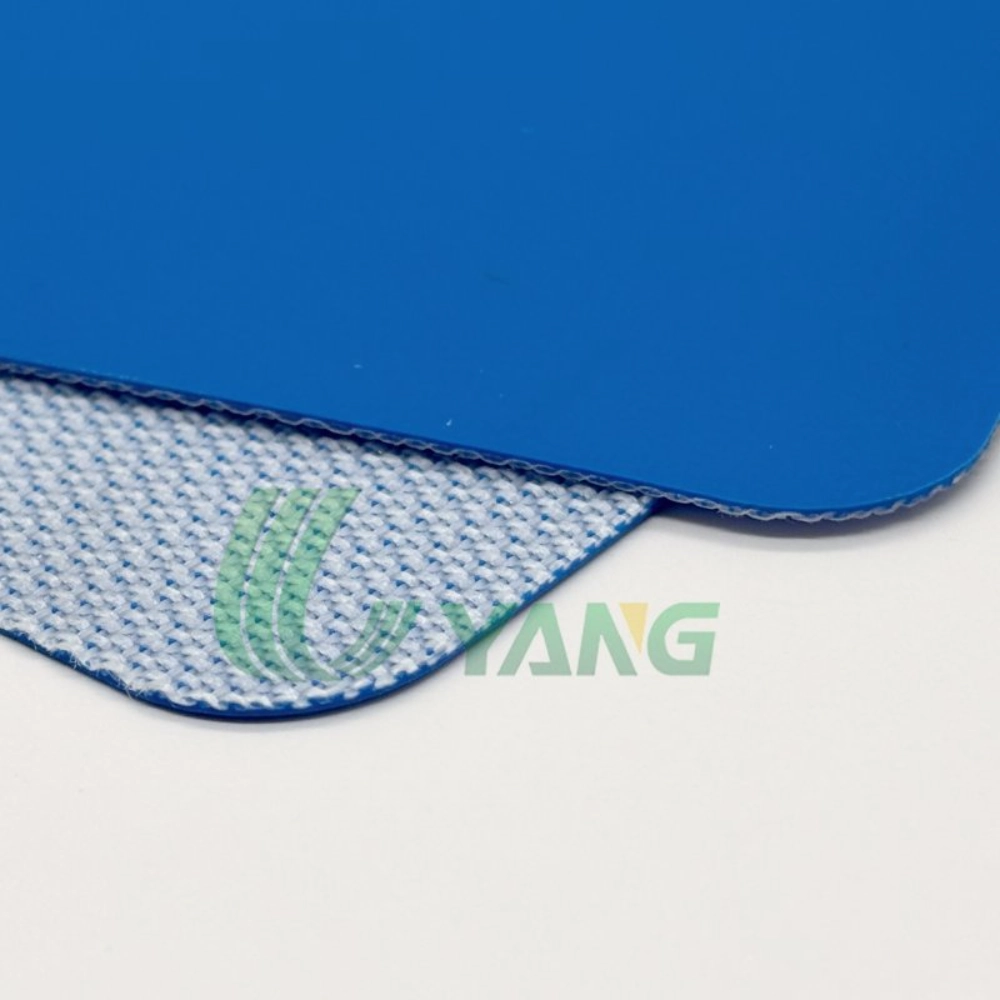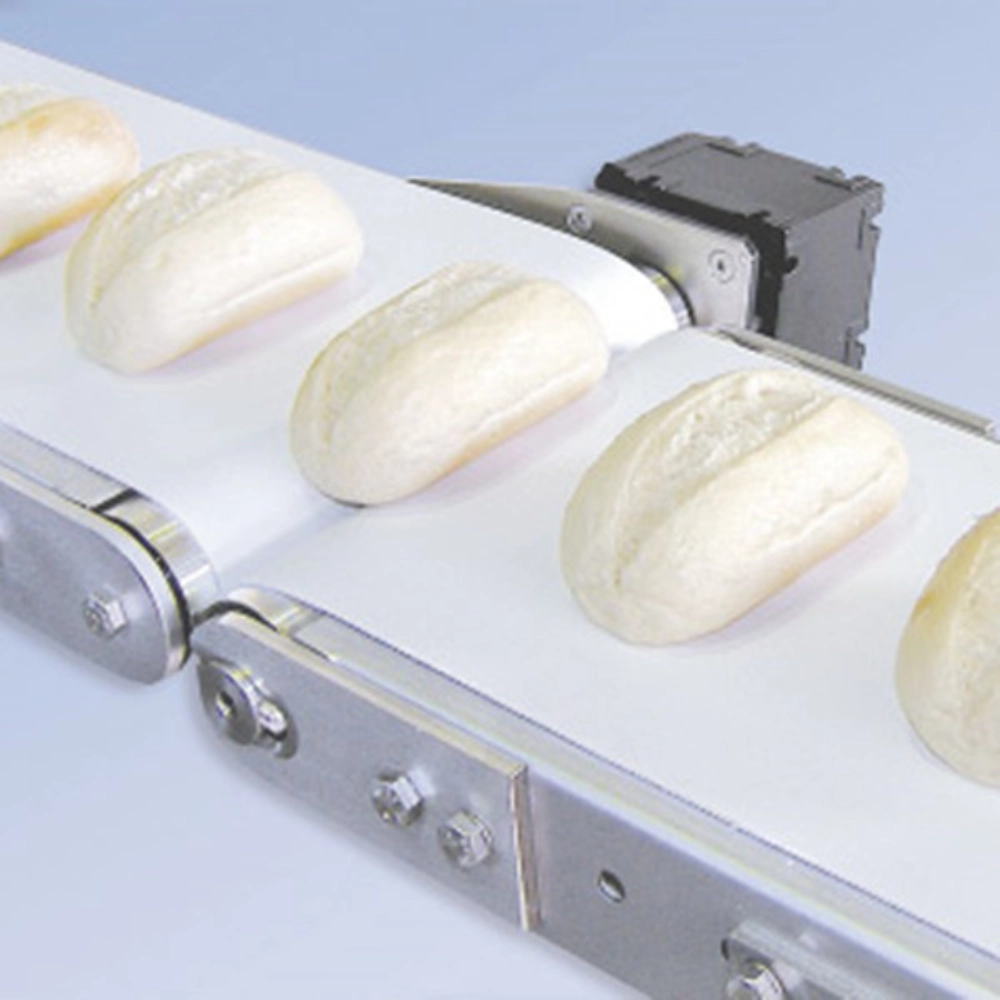
Purchasing a conveyor belt appears simple until early replacement expenses pile up. Many folks check the outer layer and assume it consists of rubber and cloth alone. However, the true staying power of a belt occurs on a basic and physical plane. To avoid draining your upkeep funds, you must examine the elements that gradually damage the PVC substance.
For more than 20 years, UYANG BELTING has tackled these precise issues for factories around the globe. The company manages a large 80,000-square-meter site equipped with 15 automatic assembly lines. Consequently, they go beyond merely offering belts; instead, they deliver effective options suited to the tough demands of current production. No matter if you work in food handling, shipping, or major electronics, their diverse product center shows a solid understanding of belt durability. From industry-specific applications to tailored builds, the group draws on 20 years of research to ensure your machinery keeps running. You can explore more about their quality standards and how they aid international supply networks by checking their website.

Why Does Surface Texture Influence Longevity?
The surface pattern you select for the upper layer does far more than shift items. It controls how the belt copes with warmth, rubbing, and physical strain each moment it operates. If that pattern fails to fit the grip needs of the cargo, the engine labors more, and the belt’s outer part begins to wear away gradually.
Friction Coefficients and Wear Resistance
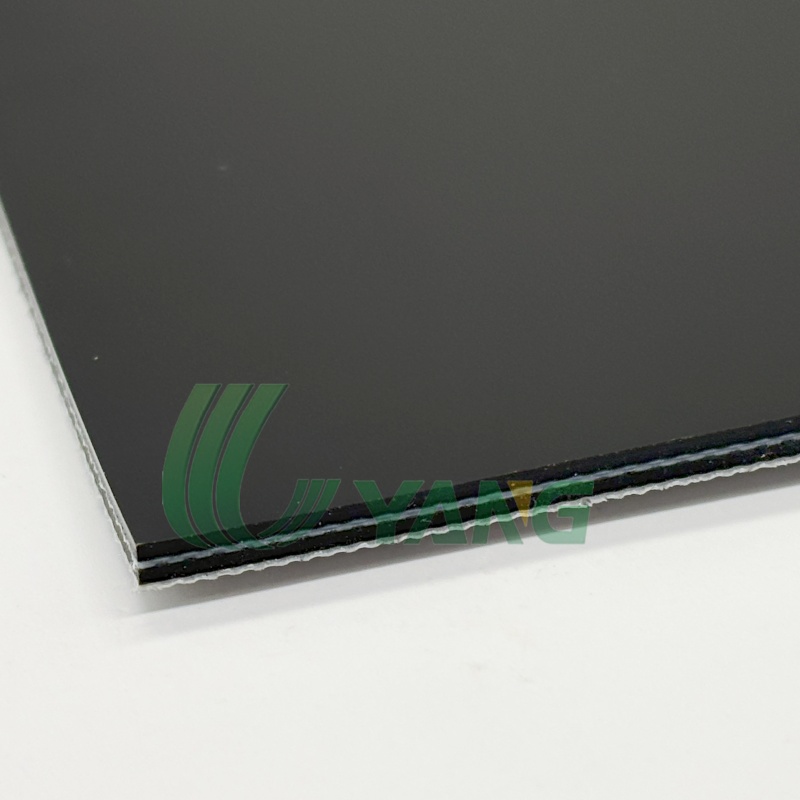
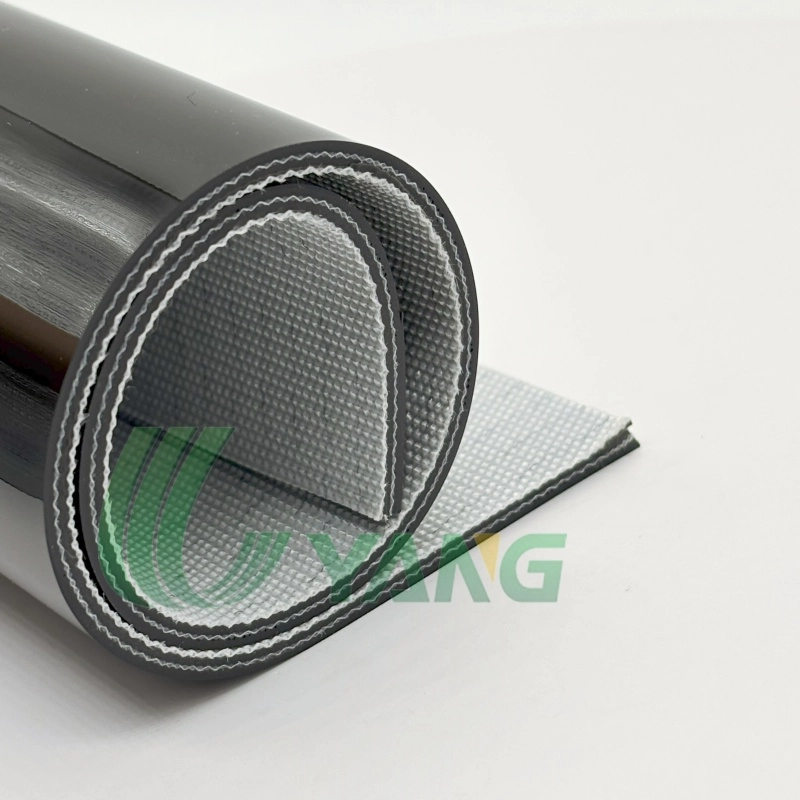
The contact hold between the belt and your items sets the pace at which the substance erodes. A Black Smooth PVC Conveyor Belt often serves as the standard choice for level movement since it cuts down on extra scraping. When the outer layer remains even, it avoids snagging the load, which helps preserve the top covering for much longer periods.
Grip Performance and Stress Distribution
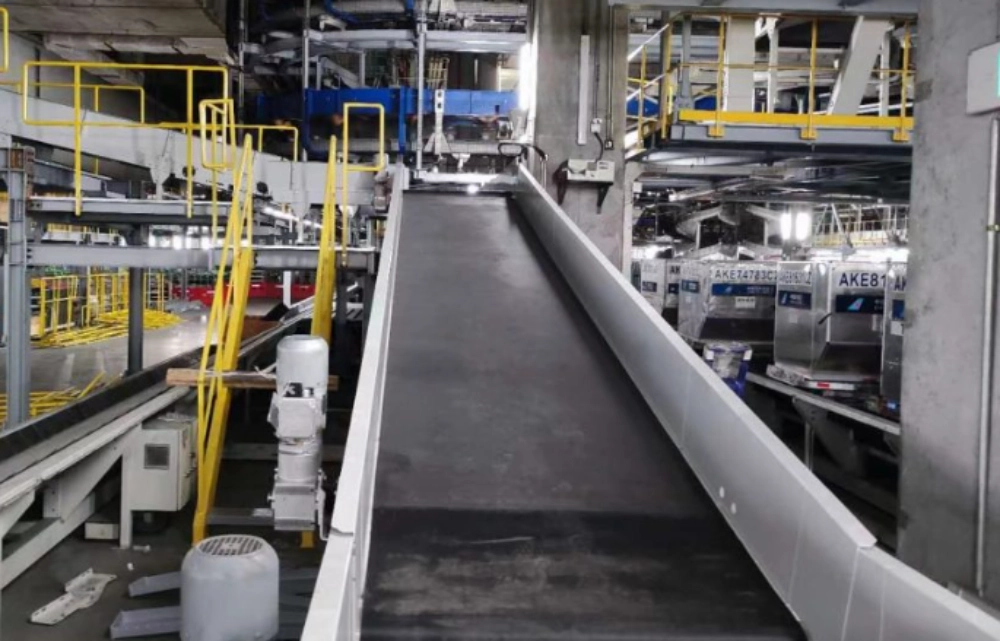
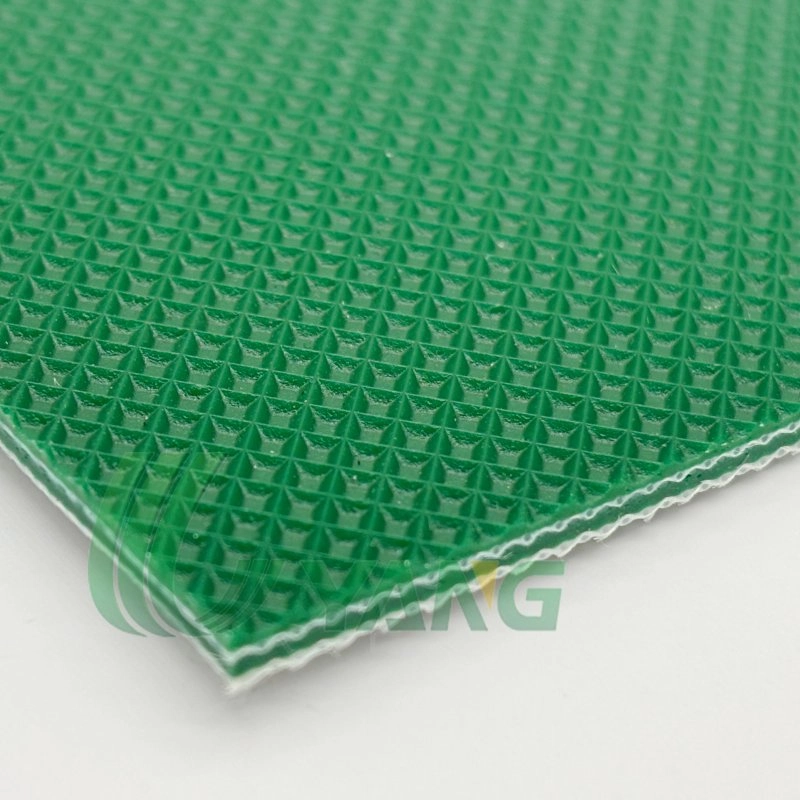
Dealing with slopes makes a plain belt a poor option. In such cases, you require a design like the Diamond PVC Conveyor Belt to offer firm hold. This diamond layout distributes the cargo’s mass over several touch areas, thereby stopping the PVC from pulling or ripping under the item’s pressure.
How Do Environmental Conditions Affect Material Integrity?
PVC functions as a polymer, and such materials dislike sharp heat changes along with strong chemicals. If your plant area chills in the early hours and heats up by midday, the belt expands and shrinks nonstop. As a result, this constant shifting forms tiny splits that later develop into complete separation.
Temperature Fluctuation and Polymer Stability
Basic PVC turns rigid in low temperatures. Once it sheds its bendability, cracks appear as it bends over the rollers. Quality factory belts include targeted softeners to maintain the substance’s flexibility, even as the gauge falls. This represents one of those overlooked expenses, since opting for an inexpensive belt often means selecting one unprepared for heat variations.
Chemical Exposure and Surface Porosity
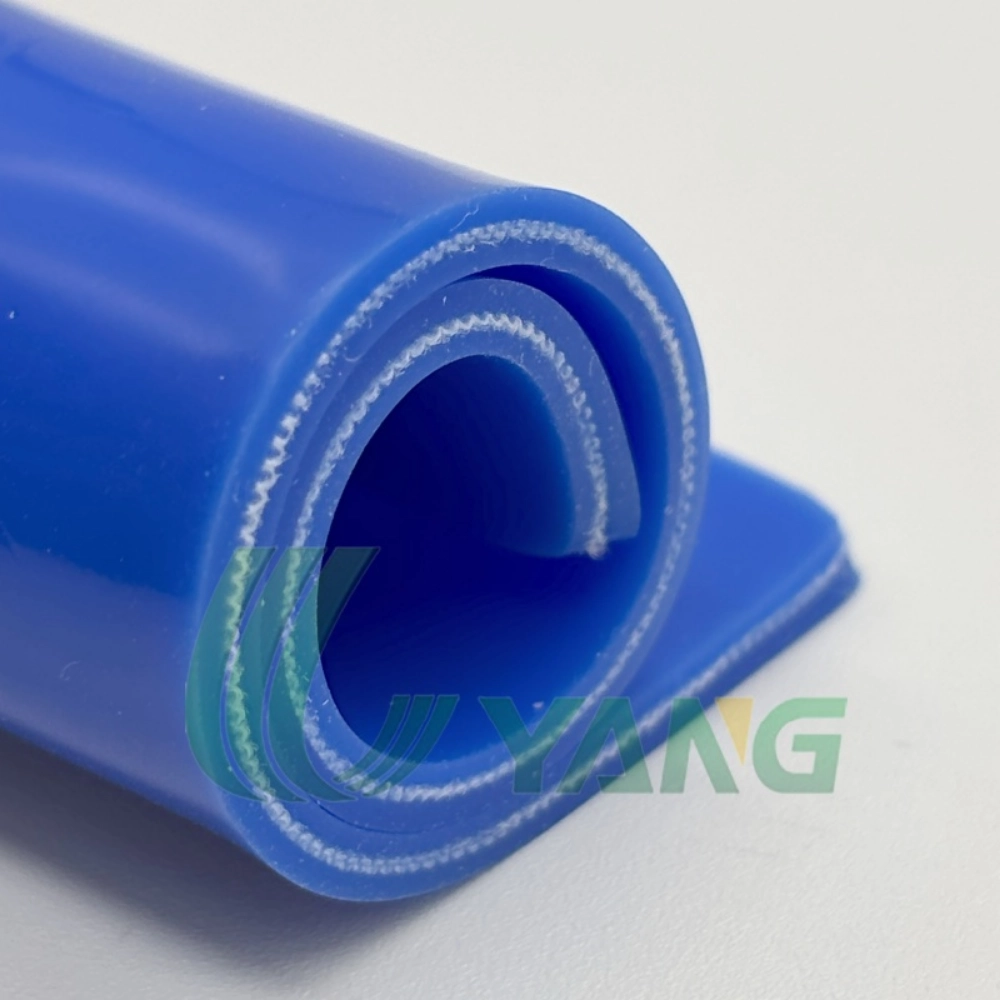
Greases, oils, and tough cleaners destroy belts quickly. When the PVC holds too many openings, these fluids seep into the inner cloth sections. After the grease reaches the core polyester structure, the sections begin to split. You will notice swells on the outer layer, signaling that the belt’s inner build has reached its end.
What Role Does Tensioning Play in Internal Belt Fatigue?
Many upkeep crews pull the belt as tight as they can to avoid slips. Such an approach creates a major error. Excessive pulling places heavy load on the join and the inner cloth. You should adjust the belt only firm enough to shift the cargo, without going further.
Proper Tracking and Edge Integrity
When the belt veers off course, its sides scrape the frame of the conveyor. This leads to edge wear, where the core fibers begin to loosen. Once the cloth shows, it draws in water and grime like a cloth, decaying the belt from within. Aligning the rollers properly stands as the simplest method to extend your belt’s duration twofold.
Elongation Rates and Structural Stretch
Reliable belts incorporate low-pull polyester fibers. This design maintains the belt’s steadiness, so you avoid frequent tension tweaks each week. If a belt pulls too far, it thins out, and a slim belt offers no shield against holes or strong hits.
Which Application Specifics Cause Premature Failure?
At times, the belt performs well, yet the device causes the issue. Dropping 50lb packages from three feet onto a narrow belt will lead to breakdown. The problem lies not with a faulty belt, but with selecting the incorrect item for the task. You must align the PVC’s firmness level to your operation’s force.
Load Weight and Impact Energy
Each time a weighty object strikes the belt, it sends a jolt. If the PVC proves too yielding, the item can break through to the cloth below. Choosing a belt with greater depth or a strengthened upper layer absorbs that force effectively. This setup acts much like a buffer for your conveyor setup.
Pulley Diameter and Flexing Frequency
Compact rollers save area but harm belt endurance greatly. As the belt curves around a small roller, the upper layer pulls while the lower one squeezes. Repeating this around the clock results in inner breaks. Before fitting a fresh belt, always review the smallest roller size guidelines.
How Can Maintenance Protocols Save Your Operational Budget?
You cannot simply fit a belt and ignore it. Even a small amount of dirt or a loose screw under the belt works like rough paper. It will scrape through the PVC and the roller covering before you spot any trouble.
Regular Cleaning and Debris Removal
Maintain the back section of the belt free of buildup. When scraps gather on the supports, they form ridges that the belt must pass over. Consequently, this uneven pull generates shakes, which damage the supports and the belt at the same time.
Visual Inspections and Early Detection
Examine the minor details closely. Do you spot a small cut? Does one side appear slightly rough? Identifying these problems soon allows for a fast fix or tweak, rather than holding off until the belt breaks during a busy run.
Why Choose UYANG BELTING for Your Industrial Needs?
Steadiness in business-to-business dealings relies on reliable output. This firm runs under a firm ISO-approved oversight method, ensuring the belt you acquire now matches the performance of one from five years back. Their 15 modern lines support swift making and reasonable costs without skimping on base supplies.
Drawing from over two decades of study, they have faced nearly every weak spot across various fields. The company offers a 12-month quality promise along with ongoing tech help, which remains uncommon in the sector. In urgent situations, they provide round-the-clock aid through WhatsApp or email to restart your operations. Selecting such a supplier with broad reach and expert knowledge means you gain not just a replacement piece, but a safeguard for your output reliability.
FAQ
Q1: How do I know if my PVC belt is over-tensioned?
A: If you notice the belt’s sides bending up or if the roller supports heat up more than usual, the pull is probably excessive. A correctly set belt shows a minor looseness on the back while holding the main roller firmly.
Q2: Can I use a smooth belt for inclined transport?
A: It is not recommended for slopes beyond 5-7 degrees. For greater angles, a patterned surface such as diamond or straight grooves becomes essential to stop the cargo from slipping and harming the belt’s outer layer.
Q3: What is the average lifespan of a standard PVC conveyor belt?
A: The duration changes greatly depending on the surroundings. In a neat indoor space with good care, a belt may endure 3 to 5 years. Yet, in demanding or chemical-rich uses, that could shorten to 12 months unless the belt uses targeted materials.
Q4: Why is my belt cracking on the bottom side?
A: This typically stems from employing a roller below the advised smallest size. The ongoing sharp bends tire the PVC and the inner cloth, causing splits that spread to the upper side over time.
Q5: Is PVC better than PU for food applications?
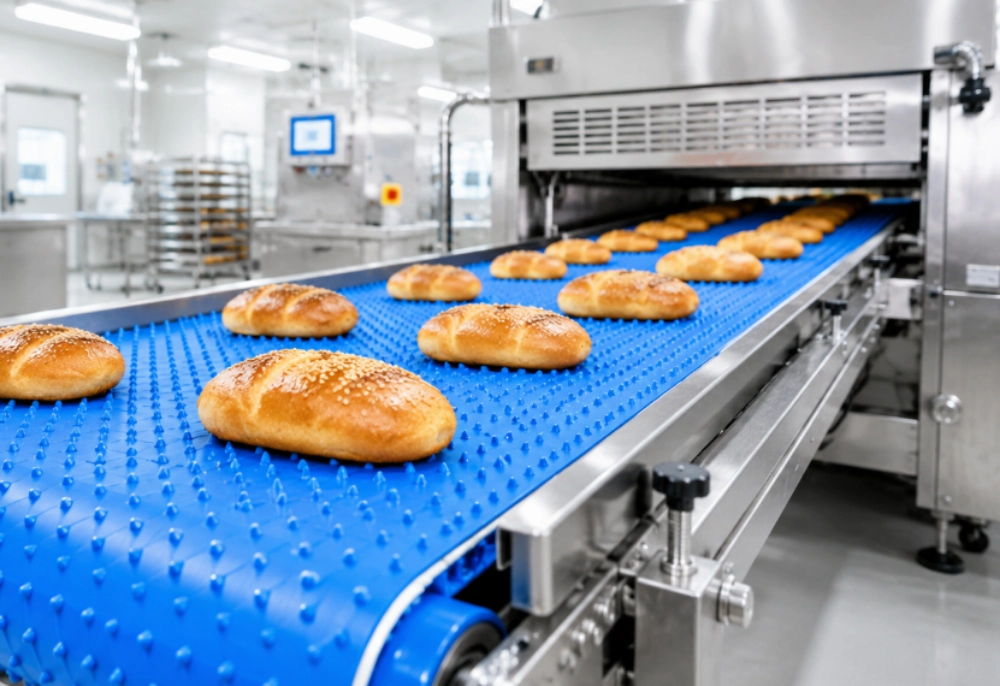
A: PVC suits general wrapping well, but PU (Polyurethane) typically suits direct food handling better due to stronger guard against plant oils and elevated heat. Still, custom food-safe PVC provides an affordable option for numerous dry food lines.