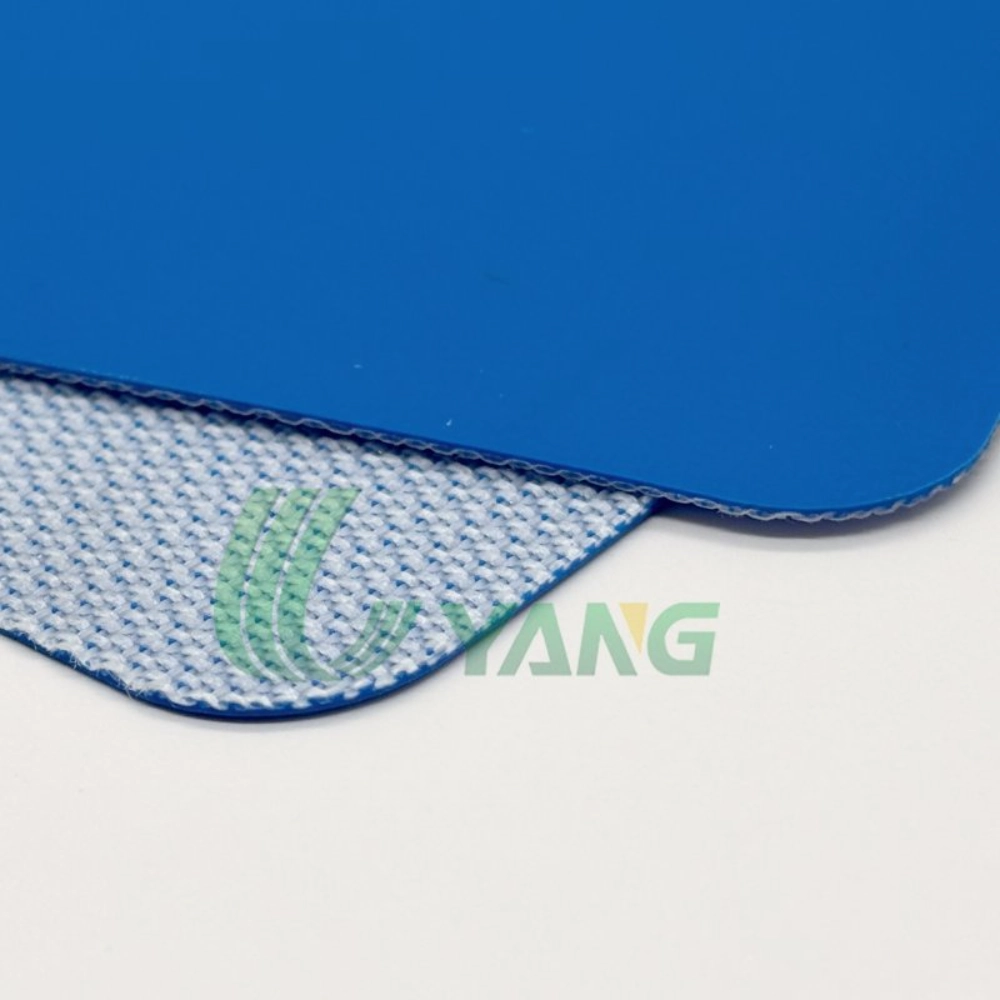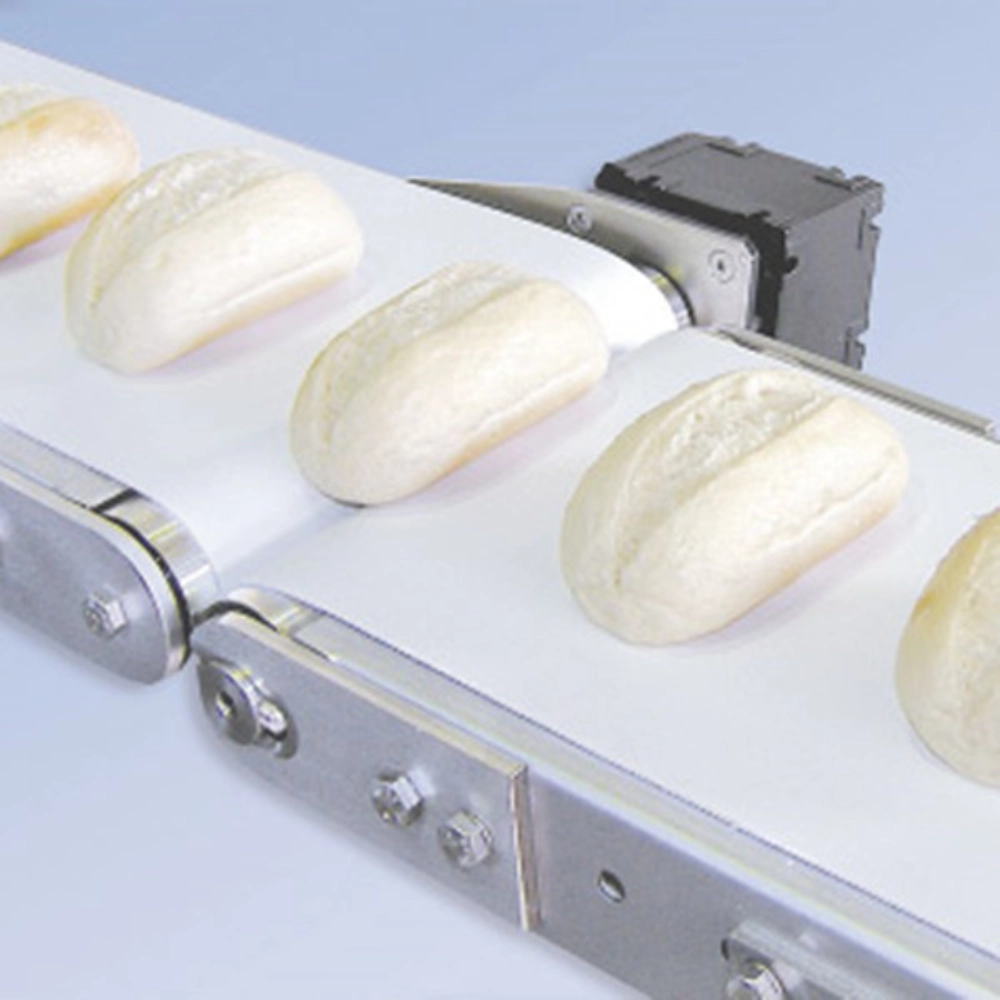
The worldwide conveyor belt sector should reach USD 8.2 billion by 2034. A large part of that rise ties to polymer options. New materials appear each year, yet the basic PVC belt forms the core of logistics and factory work around the world. This endurance stems from a unique chemical mix that copes with oils, chemicals, and physical strain better than most options at its cost level. Selecting the proper belt means more than choosing a shade. It calls for a thorough look at material strength and surface design.
When you deal with tricky industrial buying, UYANG BELTING shines with more than 20 years of skill in the field. They work from a huge 80,000-square-meter site with 15 automatic production lines. This setup delivers total-solution manufacturing that links basic material knowledge to real factory demands. Their focus on ISO-approved dependability and custom business uses makes them a key ally for firms that avoid stoppages. In areas like food handling or tough transport, their grasp of industry applications keeps your setup running smoothly.

What Makes PVC the Preferred Choice for Diverse Industrial Applications?
PVC’s flexibility arises from how it adjusts to various settings with basic additive shifts. Rubber tends to weigh more and crack under some chemical contacts, but PVC serves as a light option that cuts upkeep expenses.
High Chemical and Oil Resistance
PVC stands out due to its molecular setup that fights off many factory solvents and oils. In fields such as waste sorting or component production, belts meet steady grease contact. This material avoids swelling or form loss in those cases. It maintains steady performance under pressure.
Superior Mechanical Flexibility
Bending ability supports smaller pulley sizes in tight conveyor designs. Such a belt handles sharp bends and tricky paths without early wear or layer split. This feature extends overall use. It fits space-limited operations well.
Exceptional Cost-to-Performance Ratio
Planning funds for a big plant proves challenging. PVC delivers the best run time per cost unit. It outperforms pricier targeted polymers for routine sorting jobs. This balance aids budget control. Facilities gain value without excess spend.
Why Are Material Specifications Crucial for Conveyor System Longevity?
Picking a belt from a simple image leads to errors. Specs decide if it serves for months or years. Factors like room heat and load type shape the needed inner support. Proper choices build lasting setups.
Influence of Polymer Stability
Heat resistance stops the belt from stiffening or cracking. Without right stabilization in production, the surface forms tiny breaks that trap germs or dirt. These issues harm hygiene and flow. Stable builds prevent such problems effectively.
Role of Fabric Reinforcement Layers
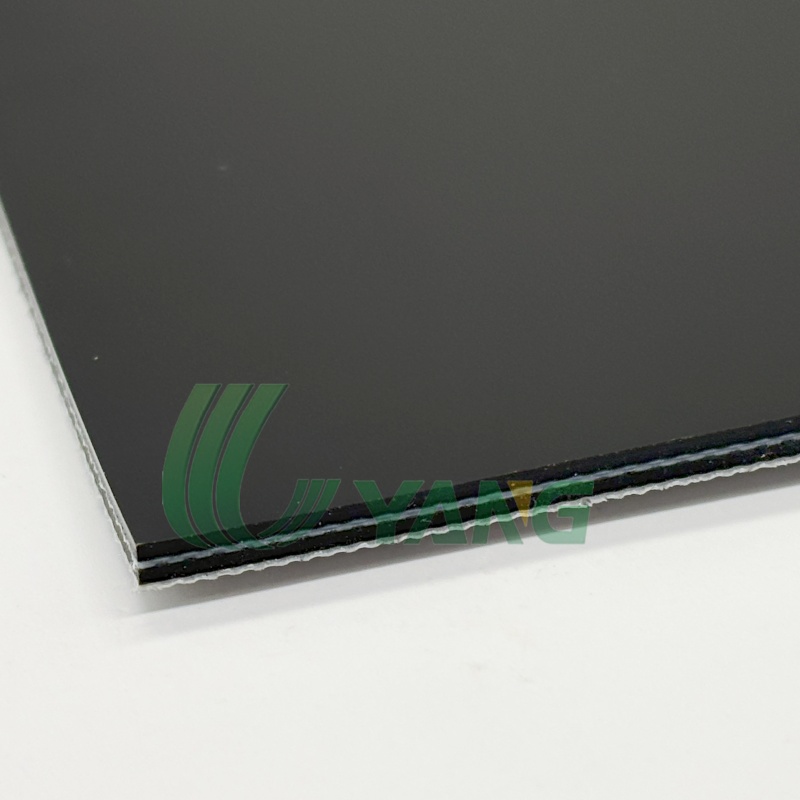
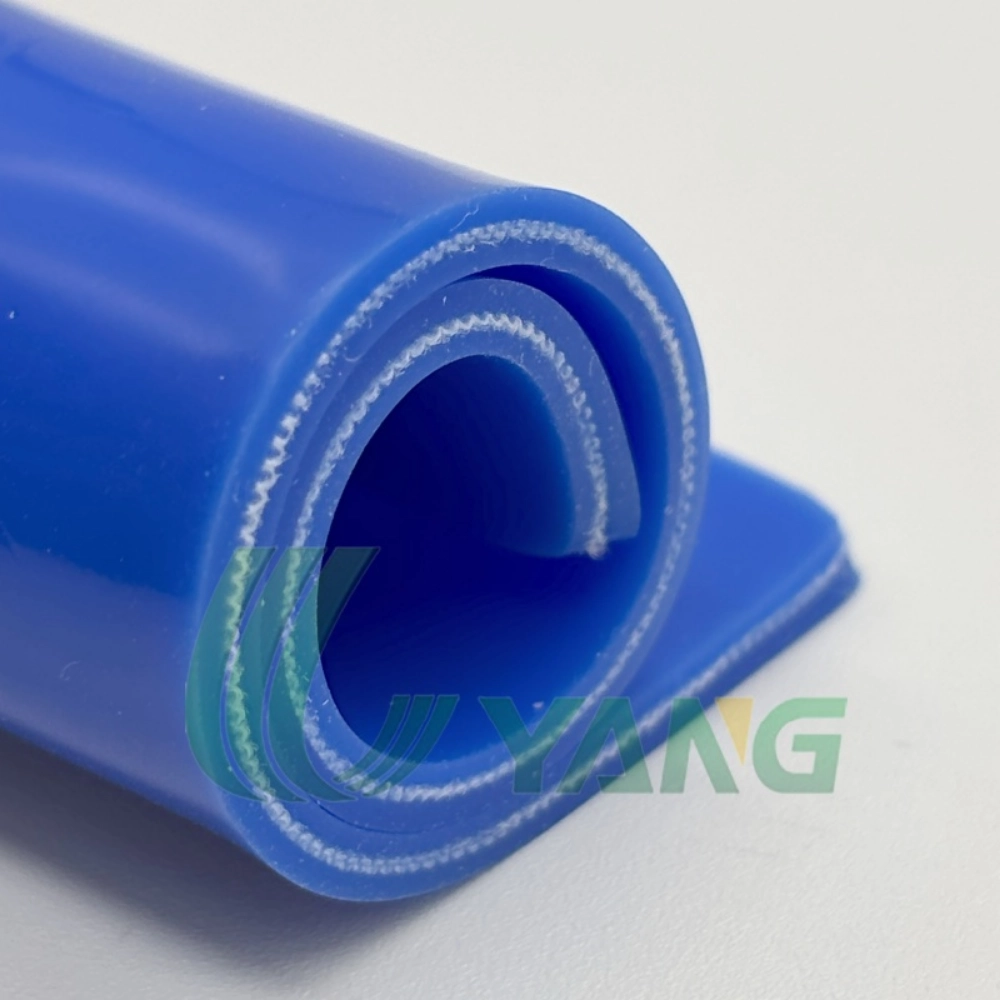
The inner fabric layer sets stretch control. Strong belts rely on polyester or nylon plies that block lengthening under big weights. This avoids frequent pull tweaks. It ensures smooth, reliable runs over time.
Impact of Anti-Static Properties
Charge buildup poses risks in electronics or crop moving. Current PVC mixes add carbon threads or targeted agents to release static without harm. This cuts fire chances and protects delicate parts. Safe handling boosts operational safety.
How Does the Petrol PVC Conveyor Belt Redefine Efficiency in Logistics?
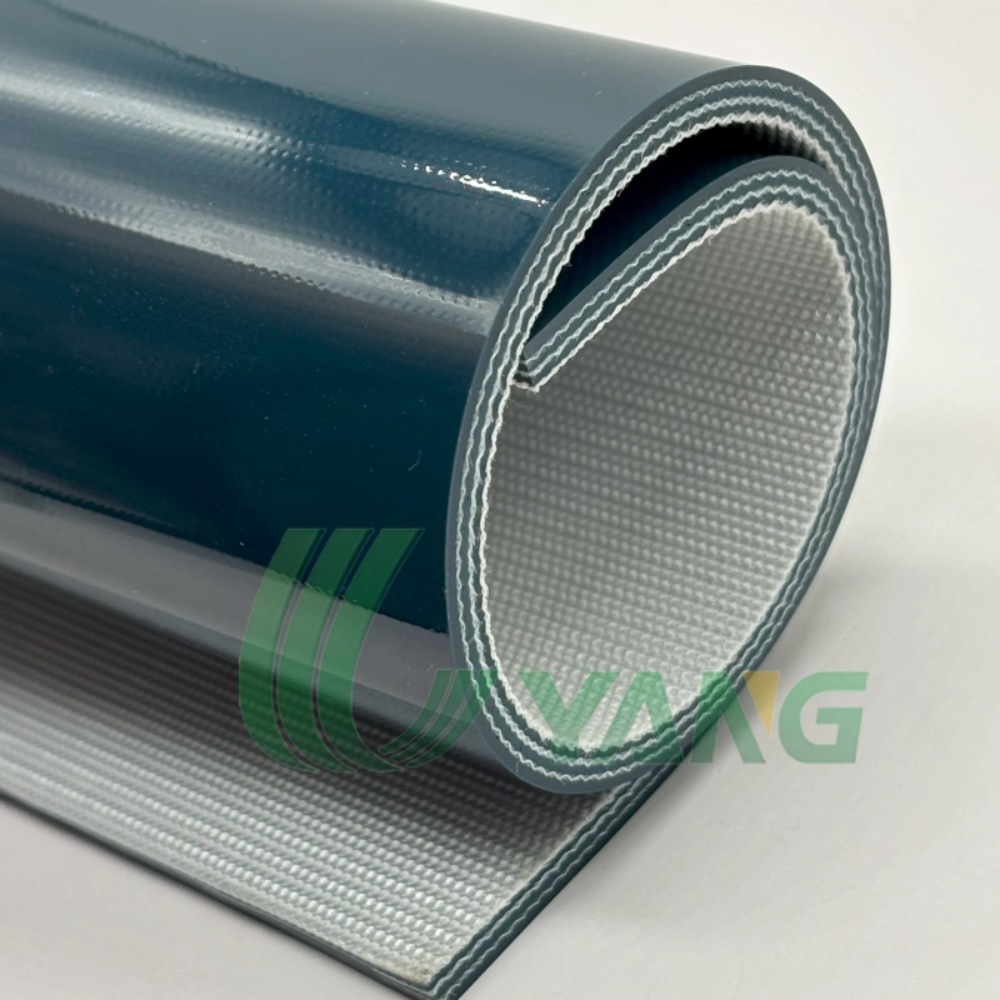
Basic belts often break down with heavy oil or fuel contact. Specialized design addresses this gap. In tough spots, the Petrol PVC Conveyor Belt provides a cover that holds firm even when soaked in oils or fuels. It supports steady workflow.
Advanced Petrol Resistance Technology
This goes beyond a surface layer. The full upper part blocks hydrocarbons from reaching the inner core. Such entry often leads to belt curl or side wear in greasy areas. The tech keeps structure sound. It suits demanding tasks.
Integration with High-Speed Sorting Systems
Even runs at fast paces need steady slide levels. This belt holds its hold and path accuracy amid rising heat or busy periods. It performs well in warehouse peaks. Operators see fewer errors.
Optimized Friction Coefficient for UYANG Belting
The match between belt base and bed sets energy use. A tuned base lowers pull resistance. As a result, drives handle loads with less effort. This cuts power needs overall.
Is Surface Texture the Secret to Solving Incline Transport Challenges?
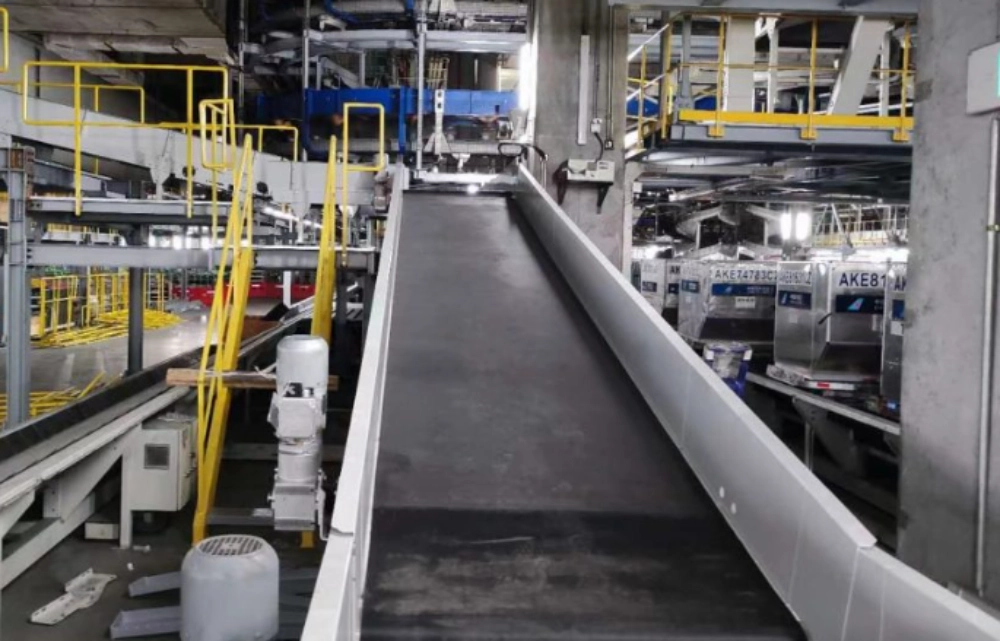
Pull from gravity slows output. On steep rises, plain belts cause slips. The rules of uphill moving require a face that grips package well to keep steady pace. Textured options solve this issue.
Functional Design of Wavy Rough Top Surfaces
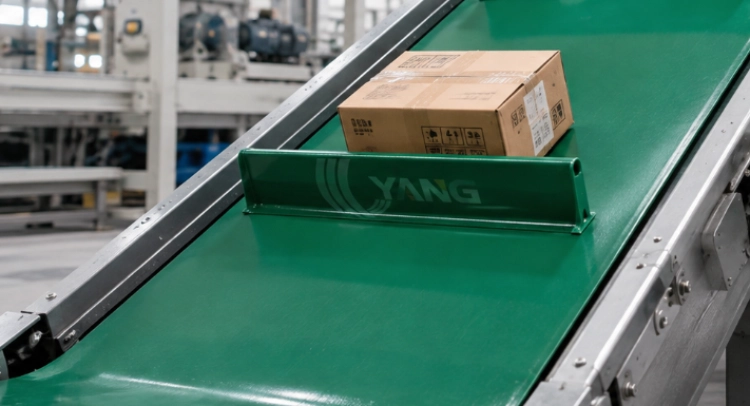
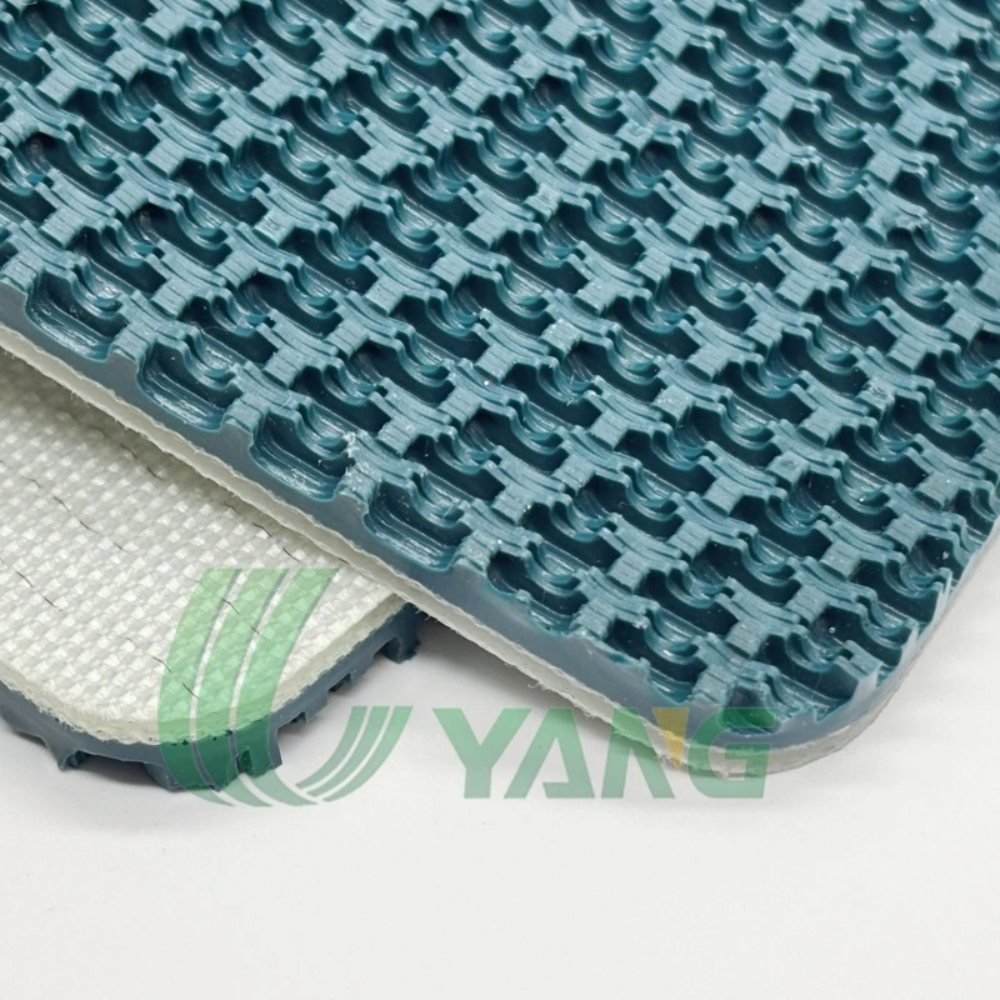
For sharp slopes, the Petrol Wavy Rough Top PVC Conveyor Belt sets the norm. Its ridges form several touch spots that hold air and give firm grasp on boxes, wraps, or odd shapes. This design aids secure carry. It boosts transport success.
Enhanced Grip Performance for Steep Angles
Regular rough faces wear out soon. These ridge patterns focus on lasting strength. They keep depth and hold after countless load passes. This endurance fits long shifts. It reduces upkeep calls.
Reduction of Product Slippage in Packaging Lines
Slides create jams and harm items. A gripped face removes the call for costly added grips in many cases. This simplifies the full belt layout. Flow improves without extra parts.
Which Technical Factors Determine the Success of Food and Pharma Conveying?
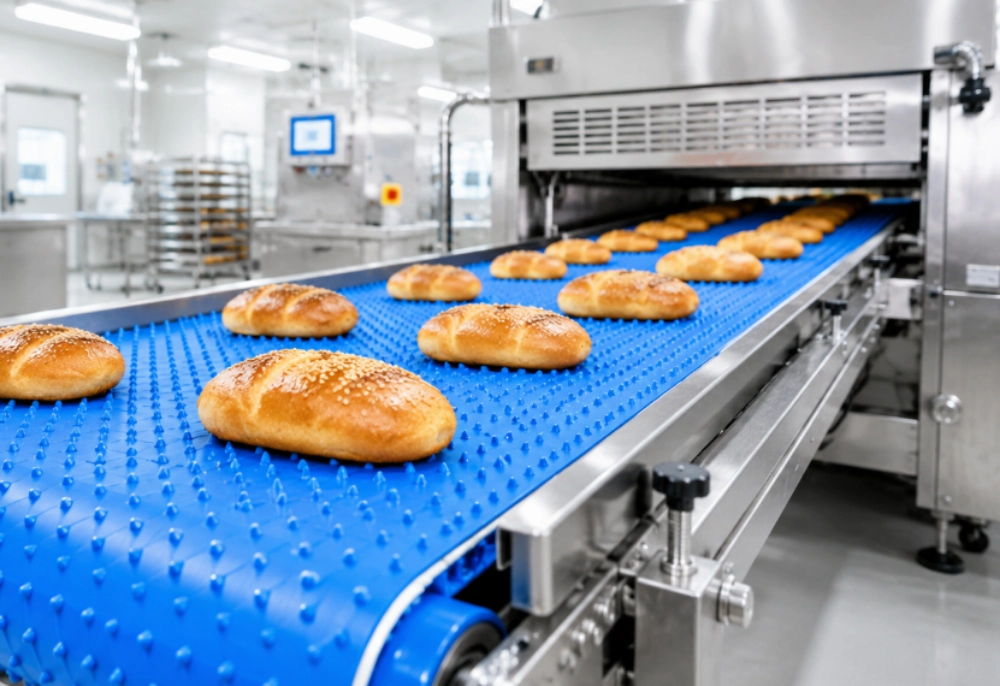
Clean standards allow no shortcuts. In these areas, the belt acts as more than a carrier; it forms a shield from dirt. Here, uniform belts or top PVC types take center stage. They ensure safe passage.
Compliance with Global Hygiene Standards
Belts require FDA or EU approvals. These confirm no harmful agents seep from the belt to food or drugs in transit. Meeting rules protects health. It supports trust in operations.
Easy-to-Clean Non-Porous Surfaces
Open spots breed germs. A fine PVC layer allows quick on-site wash methods. This cuts water and soap use. Clean runs stay simple and efficient.
Resistance to Harsh Cleaning Chemicals
Staff apply strong bases and acids often. The belt must endure these regular treatments without form loss or color fade. This hold keeps it ready for duty. It avoids early replacements.
Why Should You Partner with UYANG BELTING for Your Global Supply Chain?
Selecting a maker matters as much as the belt pick. You seek a team that covers research, building, and worldwide shipping in one place. This setup ensures even results across your work. It streamlines the chain.
Decades of Precision Manufacturing Expertise
With more than 20 years active, the group spots likely issues ahead. Such background comes from countless solid setups, not new ventures. It guides reliable choices. Experience drives better outcomes.
Diverse Portfolio of Specialized Industrial Solutions
Options span plain belts to flexible types. A broad selection lets you pick the exact fit for your gear. No need for near-miss choices. Precision meets specific demands.
Rigorous Quality Control and Technical Support
Each belt length faces checks. When line issues arise, round-the-clock aid and far checks speed fixes. You resume work quicker. This support minimizes losses.
FAQ
Q1: What is the main difference between PVC and PU belts?
A: PVC is generally more cost-effective and offers better resistance to certain chemicals, while PU (Polyurethane) is often preferred for high-abrasion food applications due to its extreme durability.
Q2: Can I use a Petrol PVC belt for food contact?
A: Generally, no. Petrol-resistant belts are engineered for industrial oils. For food, you should select a specific food-grade PVC or TPU belt that meets FDA standards.
Q3: How do I prevent my PVC belt from mistracking?
A: Ensure your conveyor frame is square and use belts with consistent edge tension. Adding a V-guide to the bottom of the belt is also a common and effective solution.
Q4: What is the maximum incline angle for a rough top belt?
A: It depends on the product, but most wavy rough top belts can handle inclines between 25 and 35 degrees without needing additional cleats.
Q5: Does UYANG BELTING offer custom sizes?
A: Yes, they provide tailored solutions including specific widths, lengths, and edge treatments to fit any existing conveyor system.