Modern production lines operate at a brisk pace. Materials, packages, and finished goods need to shift from one stage to the following without any holdups. This is precisely why conveyor belts serve as the core of numerous industrial setups these days. Based on industry studies, the worldwide conveyor belt market hit around USD 5.7 billion in 2024 and is projected to expand to USD 8.2 billion by 2034, fueled by rising automation, broader manufacturing efforts, and the expansion of logistics along with food sectors.
When it comes to various belt materials, PVC conveyor belts stand out as one of the most favored choices for light and medium-duty transport setups. They earn praise for their pliability, toughness against wear, and straightforward upkeep. Plenty of firms opt for PVC belts since they perform reliably in settings that demand cleanliness and steady functionality.
As an established producer, UYANG BELTING supplies diverse PVC conveyor belts crafted for specific sectors. These range from even surfaces suited for packaging operations to patterned belts offering better hold, and such options enable companies to sustain smooth production with reduced stoppages.
Here are five key sectors that depend greatly on sturdy PVC conveyor belts produced in China.

Why Does the Food Processing Industry Depend on PVC Conveyor Belts?
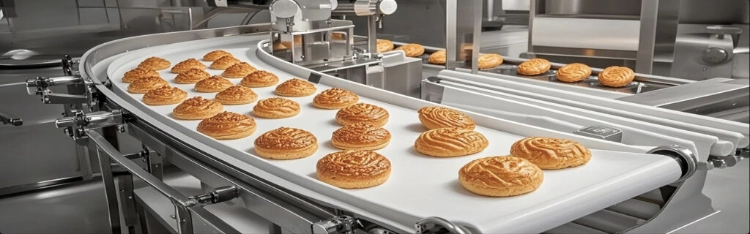
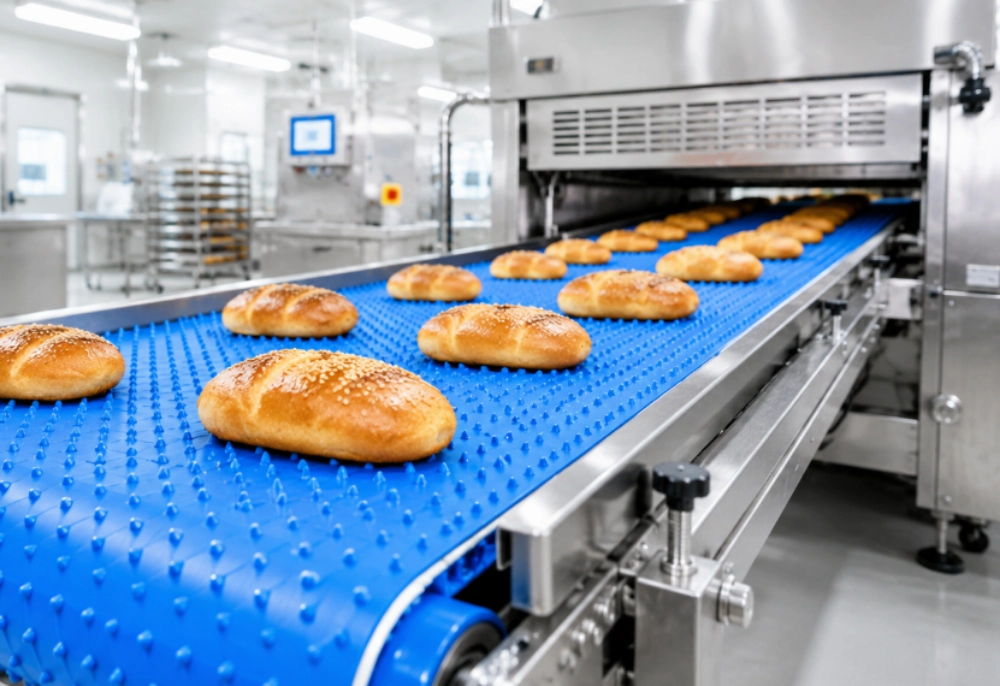
Food production lines seldom pause. Ingredients proceed from prep areas to cooking zones, then to cooling spots, packaging stations, and finally storage units. In these kinds of places, the conveyor belt has to stay spotless, dependable, and simple to service.
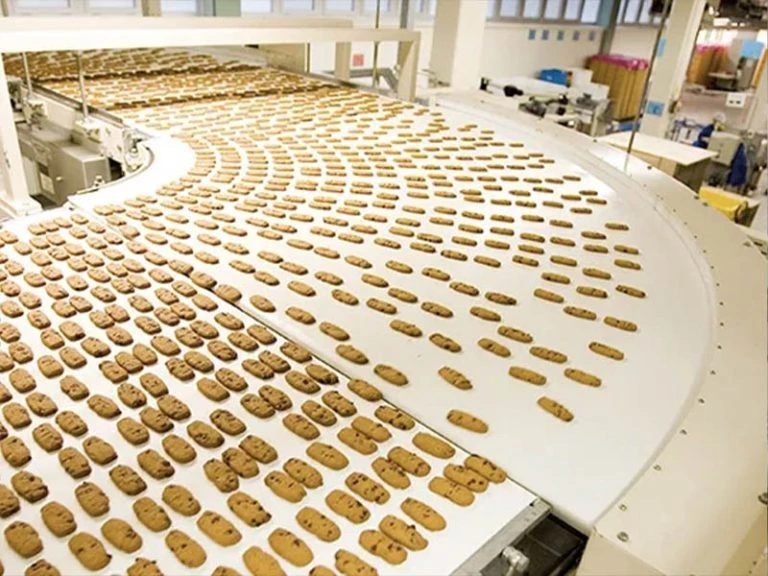
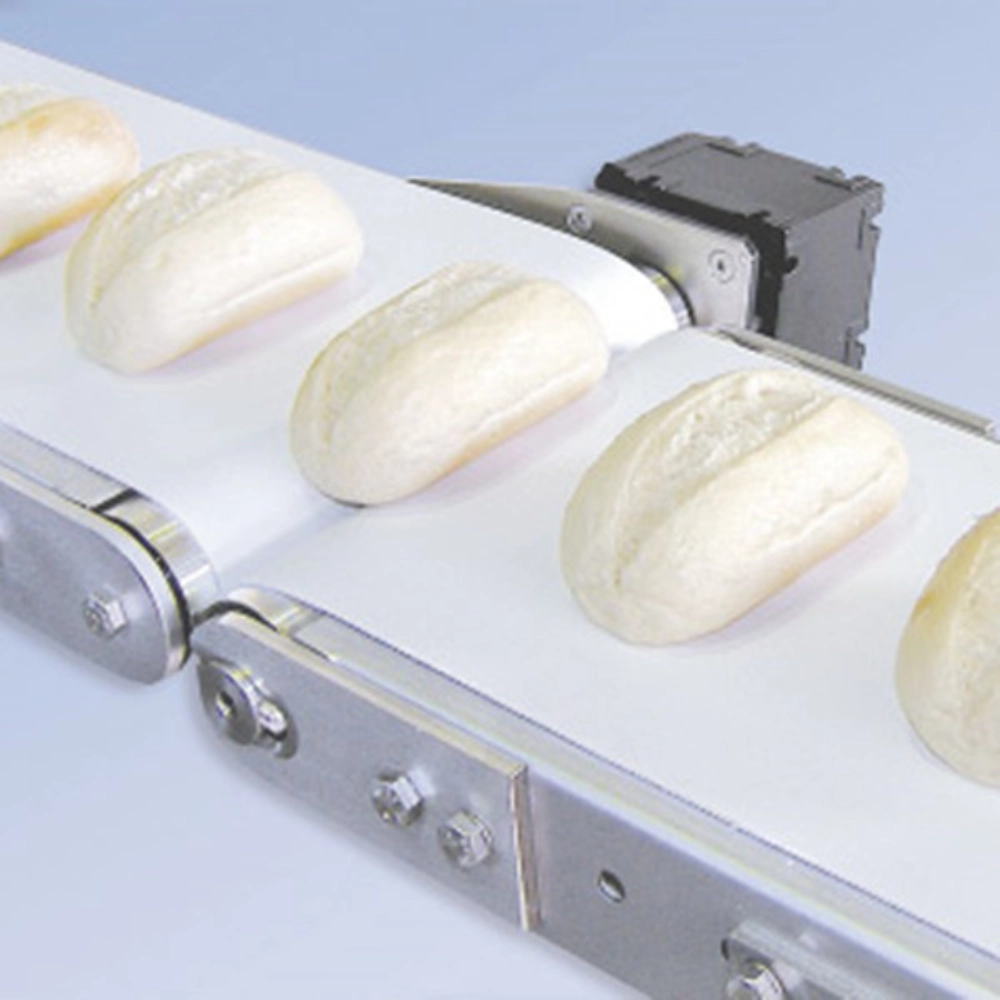
PVC conveyor belts find frequent use in bakeries, snack plants, vegetable handling facilities, and frozen food operations. Their exteriors withstand oils and dampness well, and cleaning them proves quite easy between runs.
Prior to examining particular advantages, it proves useful to grasp what food makers seek in a conveyor arrangement. Cleanliness rules remain strict, output rates stay elevated, and items can range from dry powders to adhesive dough.
Hygienic Material Handling in Food Production
Food safety guidelines frequently call for conveyor substances that avoid soaking up water or substances. PVC belts fulfill these demands effectively. Their non-absorbent exteriors cut down on pollution risks and assist staff in sanitizing the setup swiftly.
In numerous food plants, belts need to manage powders, grains, and handled goods like cookies or wrapped treats. A firm belt exterior avoids spills and ensures the workflow remains even.
Easy-to-Clean Surfaces for Continuous Processing
Time spent on cleaning can impact output effectiveness. A belt that gathers leftover bits hampers the entire process. PVC belts gain favor because their exteriors resist clinging dirt readily, particularly those with sleek finishes.
Service crews typically discover that PVC belts demand less work for standard washing when compared to certain rubber options.
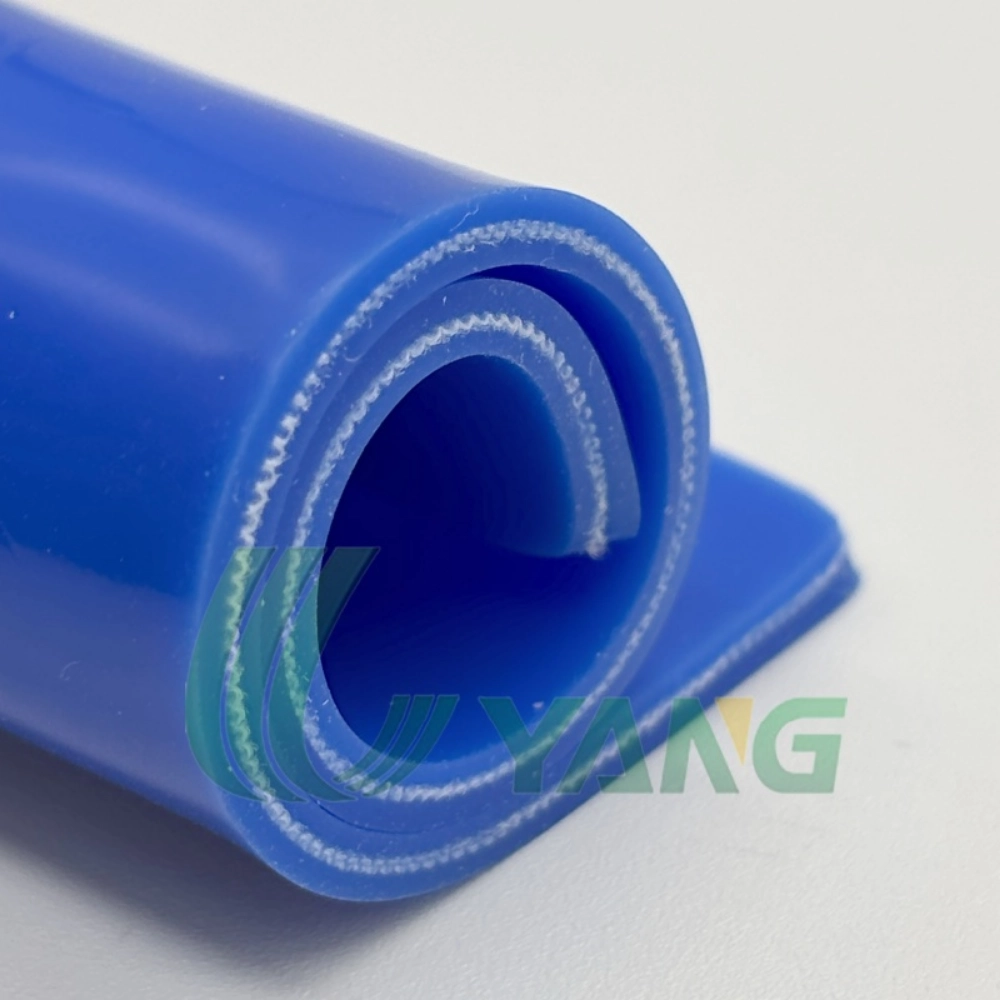
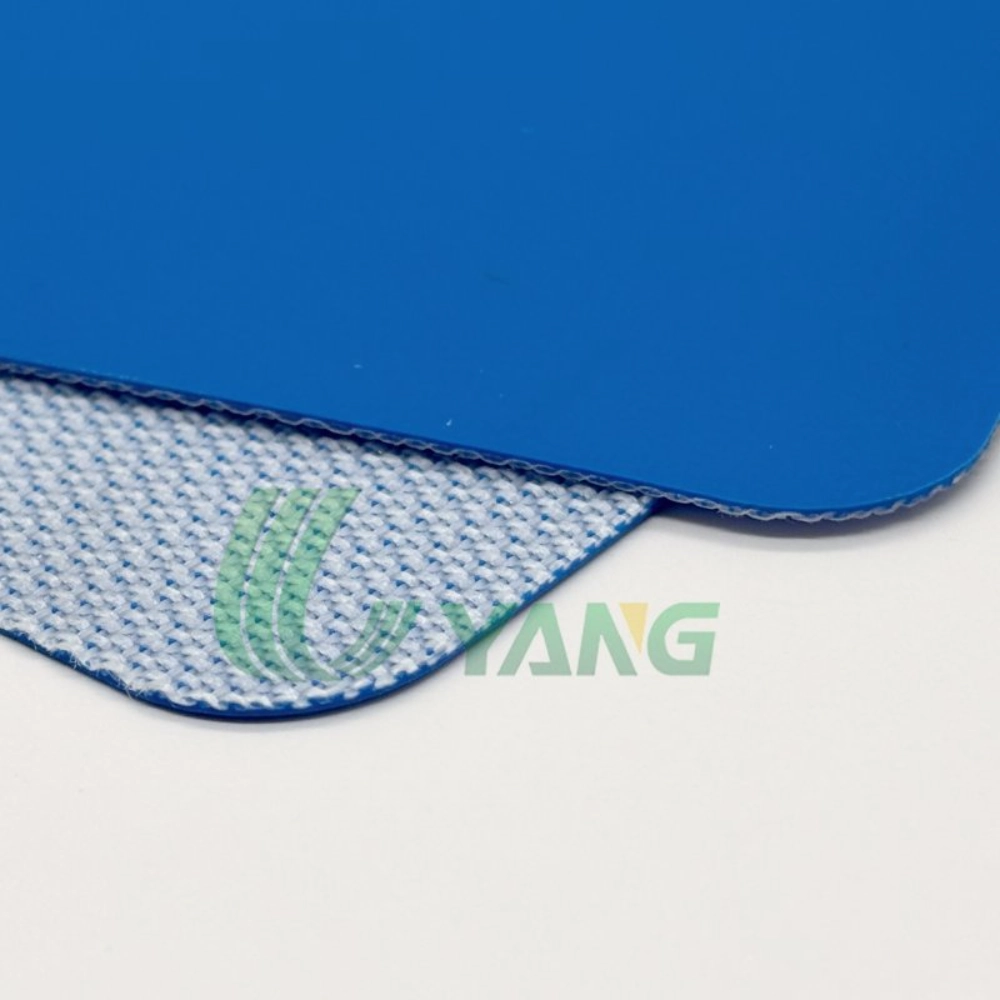
Recommended Solution: Blue Glossy PVC Conveyor Belt
In food and packaging areas, the Blue Glossy PVC Conveyor Belt from UYANG BELTING delivers a pristine and even exterior that suits wrapped items and light food products. The shiny layer lets substances glide smoothly over the belt, and it also aids workers in detecting leftover spots during sanitation.
This belt style sees broad application in food wrapping lines, bakery workflows, and minor processing sites.
How Do Logistics and Warehousing Operations Benefit from PVC Conveyor Belts?
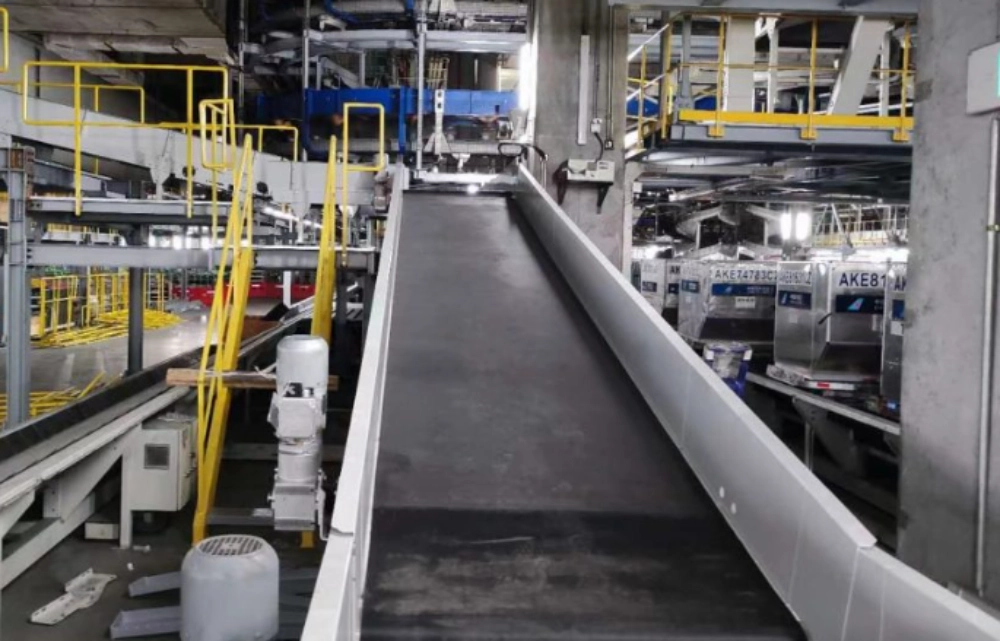
The surge in e-commerce has transformed the size of logistics centers. Countless packages pass through sorting points each hour. Conveyor setups now form the foundation of contemporary warehouses.
Such locations call for belts capable of operating extended periods with little interruption. Packages in varied forms and masses travel the same route, so the belt must remain solid and trustworthy.
PVC conveyor belts represent a standard pick because they merge sturdiness with a fairly light build.
Efficient Parcel and Package Transportation
Sorting hubs rely on belts that guide parcels onward without skids or jolts. An even exterior helps preserve package alignment and avoids blockages in the system.
Level PVC belts enjoy particular popularity in conveyor grids employed by delivery firms and online sales distribution points.
Stable Operation in Automated Sorting Systems
Automated setups employ detectors and readers that monitor objects as they advance along the belt. Should the belt pace vary or the exterior prove irregular, sorting precision might decline.
PVC belts supply consistent traction amounts and foreseeable motion, rendering them fitting for mechanized gear.
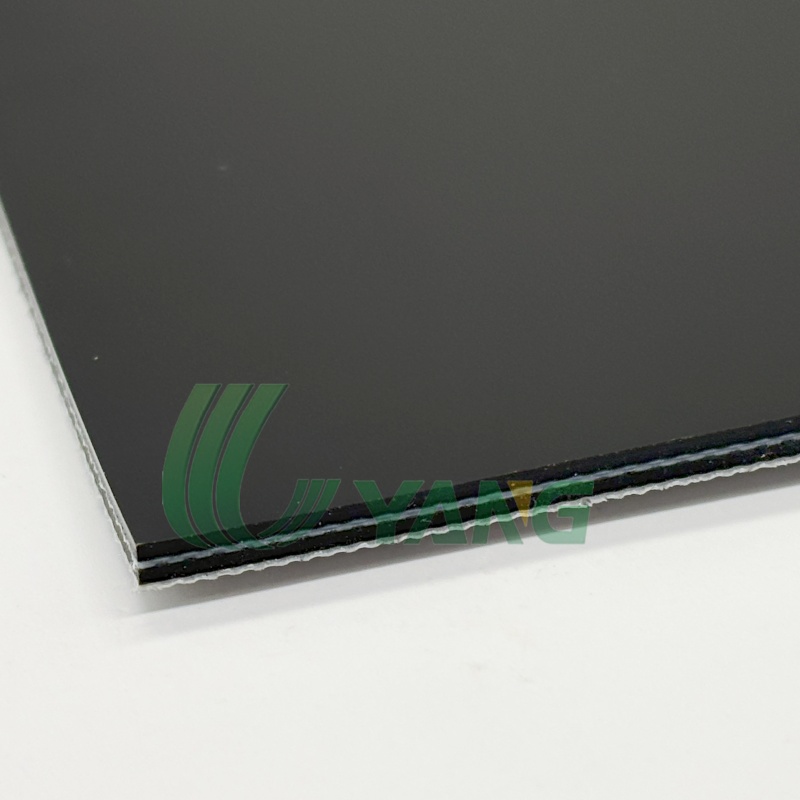
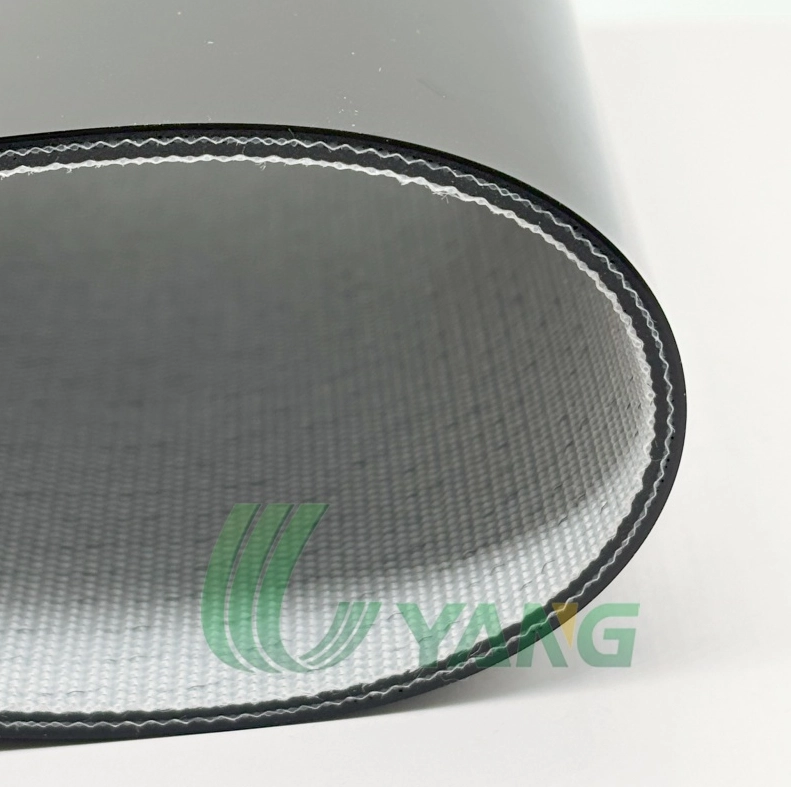
Recommended Solution: Black Smooth PVC Conveyor Belt
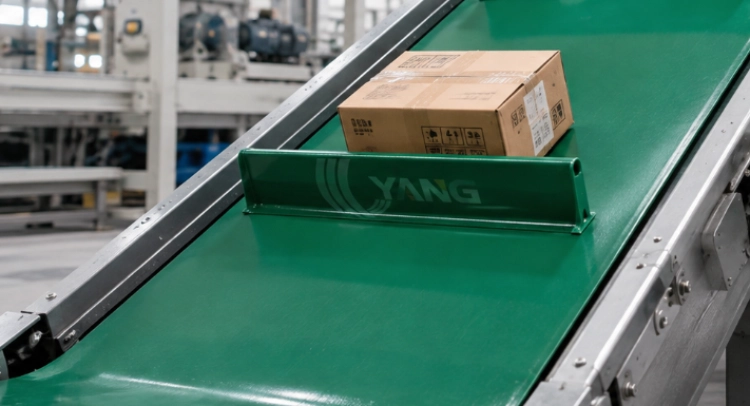
The Black Smooth PVC Conveyor Belt from UYANG BELTING finds common use in logistics sites. Its level exterior permits packages to proceed evenly over rollers and frame structures. The substance also grants solid defense against erosion, a key factor in storage areas where belts function nearly around the clock.
For hubs managing vast numbers of packages each day, this kind of toughness aids in lowering service expenses gradually.
Why Are PVC Conveyor Belts Essential in Packaging and Bottling Lines?
Packaging operations must align with rapid filling and sealing devices. Bottles, boxes, and holders advance swiftly from one phase to the subsequent.
Within this context, conveyor belts fulfill a basic yet vital function: guiding products ahead without abrupt halts or displacements.
Packaging facilities generally favor belts offering fluid motion and uniform pull. Even minor shakes can result in item misalignment.
Smooth Product Transfer on High-Speed Lines
Rapid packaging devices can manage hundreds of pieces each minute. Thus, a conveyor belt needs to sync with that tempo without prompting slides or clashes.
PVC belts gain recognition for reliable motion and managed pull, positioning them as a dependable selection for packaging settings.
Reduced Product Damage During Packaging
Whenever holders collide, tags might come loose or wrappings could warp. A steady conveyor exterior minimizes these issues.
Numerous plants choose belts with thoughtfully planned layers to harmonize hold and fluid motion.
Recommended Solution: Blue Glossy PVC Conveyor Belt
The Blue Glossy PVC Conveyor Belt serves aptly in packaging and bottling arrangements once more. Its even exterior bolsters quick item shifts while curbing rub traces on holders.
Producers frequently place this belt variety in drink facilities, beauty product wrapping sites, and drug manufacturing lines.
How Do Manufacturing and Assembly Industries Use PVC Conveyor Belts?
Plants making electronics, machine components, or everyday items lean strongly on assembly paths. Staff and robotic aids function alongside the identical conveyor network.
The belt needs to transport parts securely even as it endures substances, oils, or rub from mechanical elements.
PVC belts see wide adoption in standard manufacturing since they achieve a fair mix of bendability and sturdiness.
Reliable Component Movement in Assembly Lines
Within assembly spaces, elements pass from post to post. Hence, a conveyor belt must hold those pieces firm so personnel can execute duties precisely.
PVC belts offer sufficient traction to block slides, yet they still permit even conveyance over extended production paths.
Chemical and Abrasion Resistance in Industrial Environments
Factory conditions often subject conveyor belts to oils, sanitizers, and tiny grains. Certain substances break down fast in these scenarios.
PVC belts display strong defense against various factory substances and scraping, which aids in prolonging operational duration.
Recommended Solution: Diamond PVC Conveyor Belt
The Diamond PVC Conveyor Belt from UYANG BELTING boasts a patterned exterior that boosts traction. The diamond layout aids in stopping substances from slipping, particularly on mildly sloped conveyors.
This layout suits manufacturing sites where elements or implements need to stay firm amid conveyance.
Why Are Textile and Light Industrial Facilities Adopting PVC Conveyor Systems?
Textile output encompasses several phases like spinning, coloring, slicing, and wrapping. Items might turn out sensitive, featherweight, or somewhat wet following particular steps.
A conveyor belt applied in textile plants has to guide cloths evenly without harming them.
PVC conveyor belts often get selected because they treat items kindly while proving tough enough for nonstop runs.
Gentle Handling of Delicate Fabrics and Materials
Cloth bundles and textile segments demand cautious guidance. Harsh exteriors might leave imprints or spark knots.
PVC belts furnish a sleek and regulated route that shields cloths as they progress between devices.
Stable Performance in Chemical and Humid Conditions
Textile completion steps could include colors, rinse fluids, or moisture. Conveyor belts must endure these scenarios without splitting or shedding pliability.
PVC substances uphold functionality in such spots, making them appropriate for minor industrial tasks.
Recommended Solution: Black Smooth PVC Conveyor Belt
The Black Smooth PVC Conveyor Belt from UYANG BELTING serves routinely in textile and minor manufacturing spots. Its firm exterior backs cloth guidance and overall item management without harming fragile goods.
Paired with robust erosion defense, this belt assists textile operations in upholding consistent output.
Conclusion
Throughout diverse sectors, conveyor belts unobtrusively sustain production momentum. From food handling plants to vast logistics centers, selecting the proper belt can influence productivity, service expenses, and item standards.
PVC conveyor belts have emerged as a favored fix because they blend pliability, toughness, and simple servicing. As sectors keep mechanizing their output paths, the call for solid conveyor networks will probably persist in rising.
UYANG BELTING provides multiple PVC belt styles adjusted to varied job conditions. Even belts back packaging and logistics networks, whereas patterned choices like the diamond layout grant firmer traction for manufacturing paths. Through these fixes, plants can construct conveyor networks that operate fluidly and endure extended periods.
FAQ
Q1: What industries commonly use PVC conveyor belts?
A: PVC conveyor belts see broad use in food processing, logistics and warehousing, packaging lines, manufacturing assembly systems, and textile production. These sectors need belts that prove sturdy, pliable, and straightforward to service.
Q2: Why are PVC conveyor belts popular in food production?
A: PVC belts resist dampness and oils, and cleaning them comes easily. Their non-absorbent exteriors aid in upholding cleanliness levels, a must in food handling spots.
Q3: How do textured conveyor belts differ from smooth ones?
A: Smooth PVC belts typically apply to packaging and logistics since they let products advance with ease. Patterned belts, like diamond-layout styles, supply firmer traction and fit better for sloped conveyors or cases where substances could slip.