Food safety ranks among the most carefully monitored elements in current food manufacturing. From bakery setups to factories handling wrapped snacks, each processing phase must follow firm cleanliness guidelines. Even minor gear aspects can influence the end product standard. Among such parts, conveyor belts hold a notably vital position.
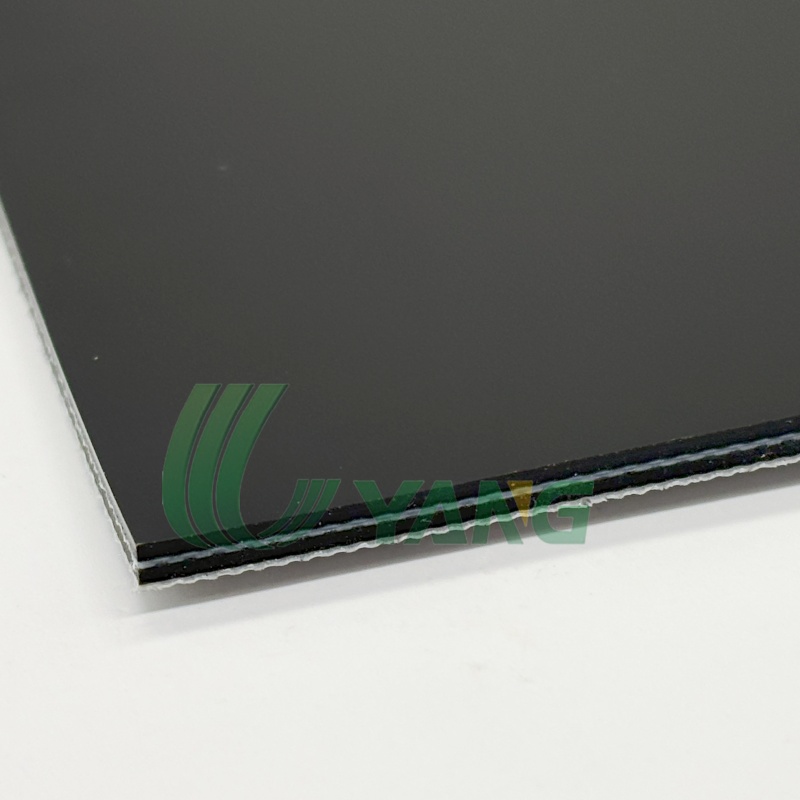
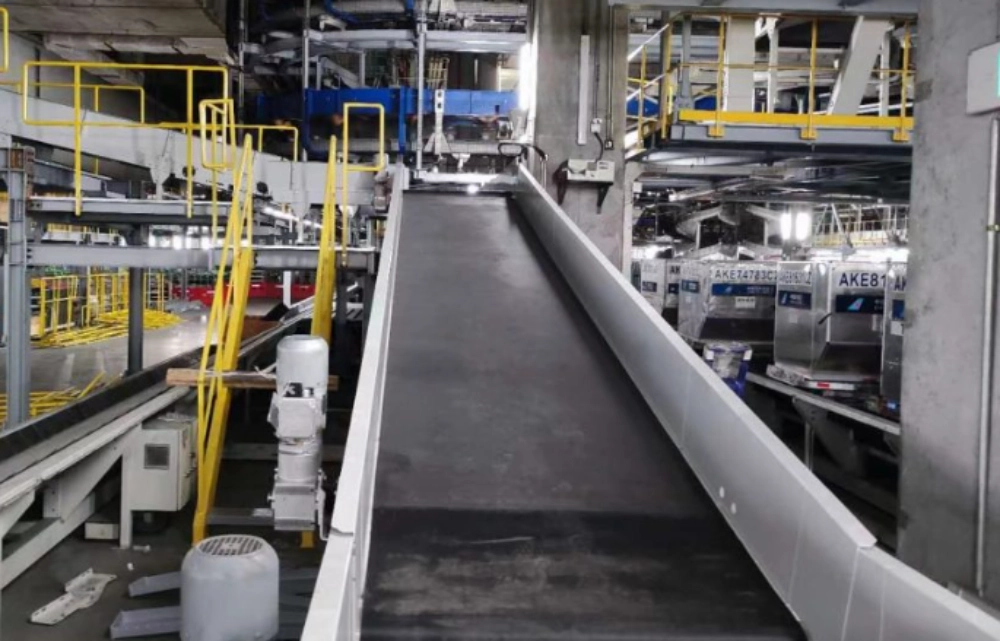
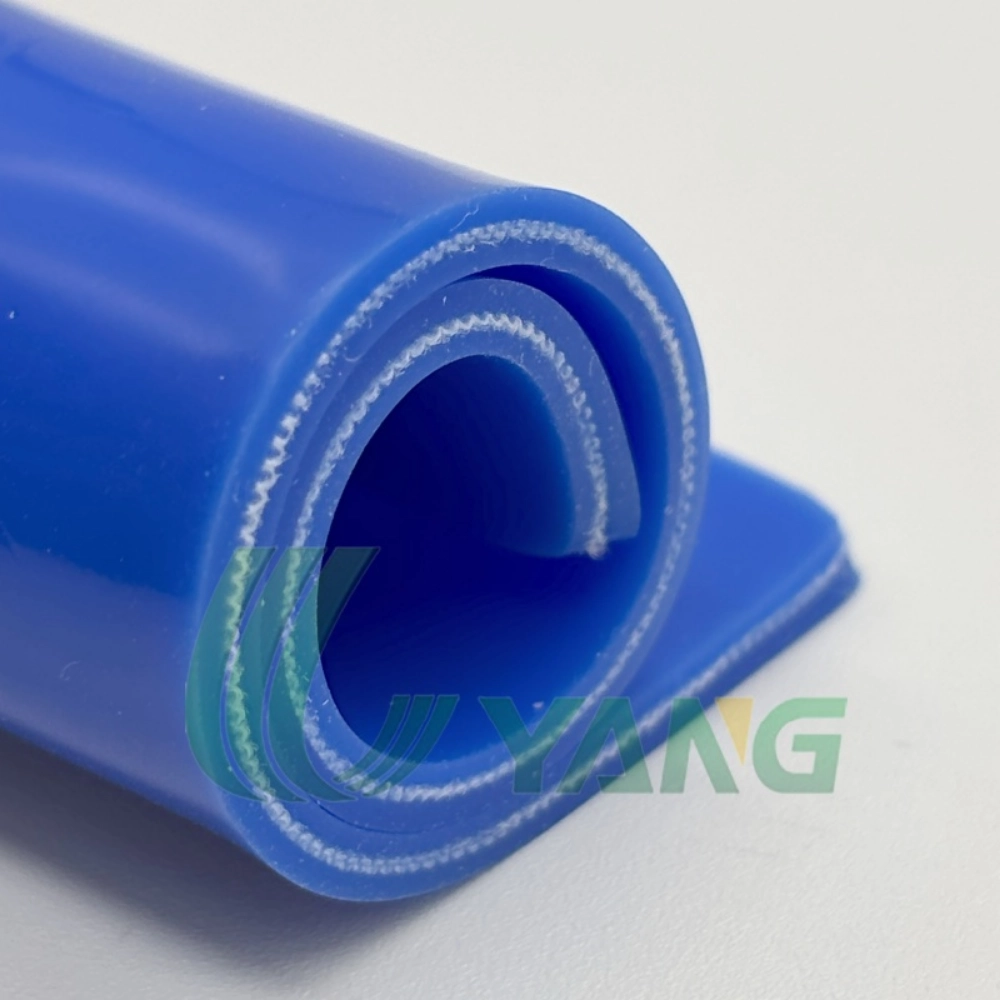
In mechanized food manufacturing, the belt exterior frequently touches raw items, dough mixtures, or completed goods directly. Should the substance lack food-grade approval or if the belt design catches remnants, pollution hazards may rise swiftly. For this reason, numerous producers now depend on particular PVC conveyor belts crafted for food settings. Firms like UYANG BELTING have created various belts suited for bakery and sweet-making lines, providing exteriors and substances that match actual manufacturing demands.

Why Are Food-Grade Conveyor Belts Essential in Modern Food Processing?
Food plants nowadays function under rigid cleanliness policies. Conveyor belts might appear basic, yet they position themselves squarely within the manufacturing stream. When the belt exterior proves secure and simple to service, it aids in safeguarding both the item and the company image.
Prior to reviewing certain belt varieties, it proves helpful to grasp what renders a conveyor belt appropriate for food manufacturing from the outset.
Strict Food Safety Compliance
Food-grade conveyor belts get built to satisfy global safety norms applied in food manufacturing sites. Such norms generally emphasize harmless substances, exterior purity, and defense against pollution.
PVC belts routinely employed in food plants get produced using regulated base materials that avoid emitting dangerous elements amid manufacturing. This proves crucial particularly in bakery and snack output where food might rest on the belt exterior for a few minutes.
As food safety norms tighten across the globe, many makers are switching outdated rubber belts to PVC or alternative polymer substances that align with current cleanliness policies.
Hygienic and Non-Toxic Materials
A further cause for the necessity of food-grade belts rests in the substances employed. PVC offers various strengths in food settings. It naturally withstands numerous oils, fats, and sanitation substances applied in manufacturing sites.
Due to this defense, the belt exterior remains firm across extended usage spans. It resists breaking apart, splitting, or shedding bits that might blend with food.
In bakery tasks where flour particles, sugar, and oils prevail, a firm belt substance assists in preserving consistent output over daily cycles.
Smooth and Easy-to-Clean Belt Surfaces
Sanitation forms a regular task in food plants. Conveyor belts that capture grains or feature deep channels can render cleaning challenging.
Food-grade PVC belts typically display even or mildly patterned exteriors that limit remnant accumulation. Staff can rinse and purify the belts rapidly between output groups.
In quick-paced fields like wrapped snacks or oven-fresh items, briefer sanitation periods translate to reduced pauses and steadier manufacturing timetables.
How Do PVC Conveyor Belts Improve Food Hygiene During Processing?
Although substance security matters greatly, belt layout also contributes substantially to cleanliness efficacy. A thoughtfully crafted PVC belt diminishes pollution dangers amid routine functioning.
Food advances over the belt steadily, at times in sizable quantities. If the belt exterior soaks up dampness or retains debris, germ proliferation might emerge as an issue.
Non-Porous Surface Structure
PVC belts earn recognition for their fairly non-absorbent exteriors. In contrast to certain cloth or rubber substances, suitably layered PVC avoids readily taking in fluids or oils.
This layout aids in blocking food remnants from penetrating the belt core. Rather, the majority of grains stay atop the exterior, where removal occurs during sanitation.
For food makers, that minor variation simplifies daily purification considerably.
Resistance to Oils, Moisture, and Chemicals
Food manufacturing spots frequently encounter water mists, oils, sugar mixes, and sanitation agents. Conveyor belts must manage all these without forfeiting robustness.
PVC substances naturally resist many of these elements. They preserve bendability even upon contact with oils or dampness, which prevents splitting or bloating.
This defense prolongs belt longevity and ensures the manufacturing path operates evenly.
Reduced Risk of Cross-Contamination
Cross-pollution poses a grave worry in food plants. When remnants linger caught in gear, they could pass to the subsequent output group.
Since PVC belts simplify cleaning and prove less absorbent, the likelihood of remaining grains drops. This renders them fitting for sites managing varied items on the identical manufacturing path.
A purer belt exterior simply implies fewer cleanliness issues amid daily functioning.
Which Food Processing Applications Benefit Most From PVC Conveyor Belts?
PVC conveyor belts gain extensive employment throughout the food field. Their pliability and sturdiness enable operation in numerous manufacturing path types.
Certain food procedures impose greater strains on conveyor belts than others. Bakery and sweet-making output stand as two prevalent instances.
Bakery and Dough Handling Lines
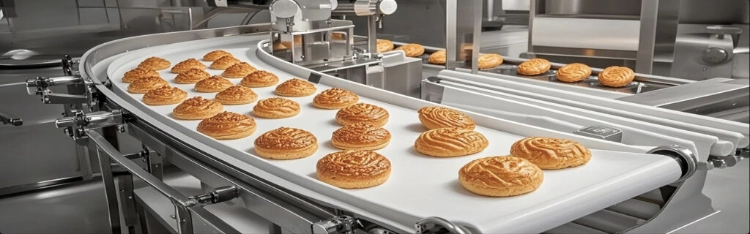
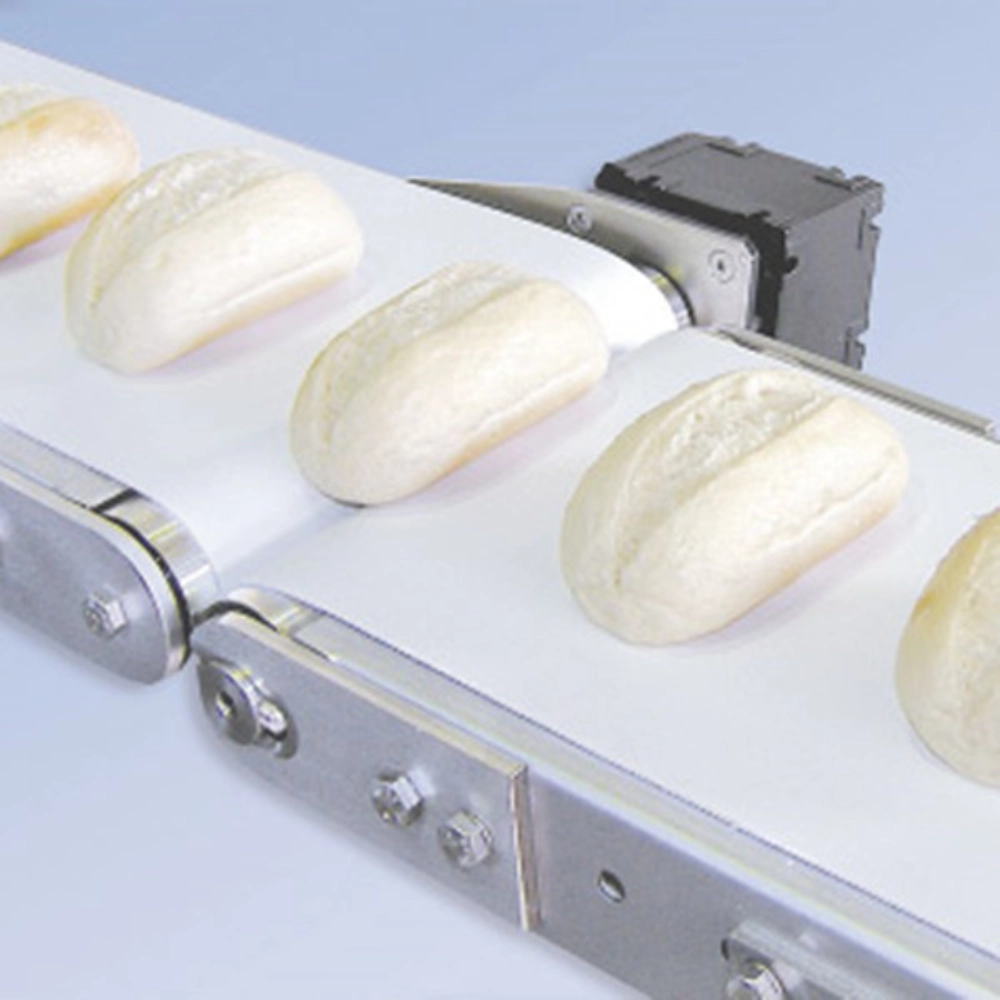
Bakery output frequently deals with pliable dough, flour grains, and adhesive components. Conveyor belts need to guide sensitive materials without altering their form.
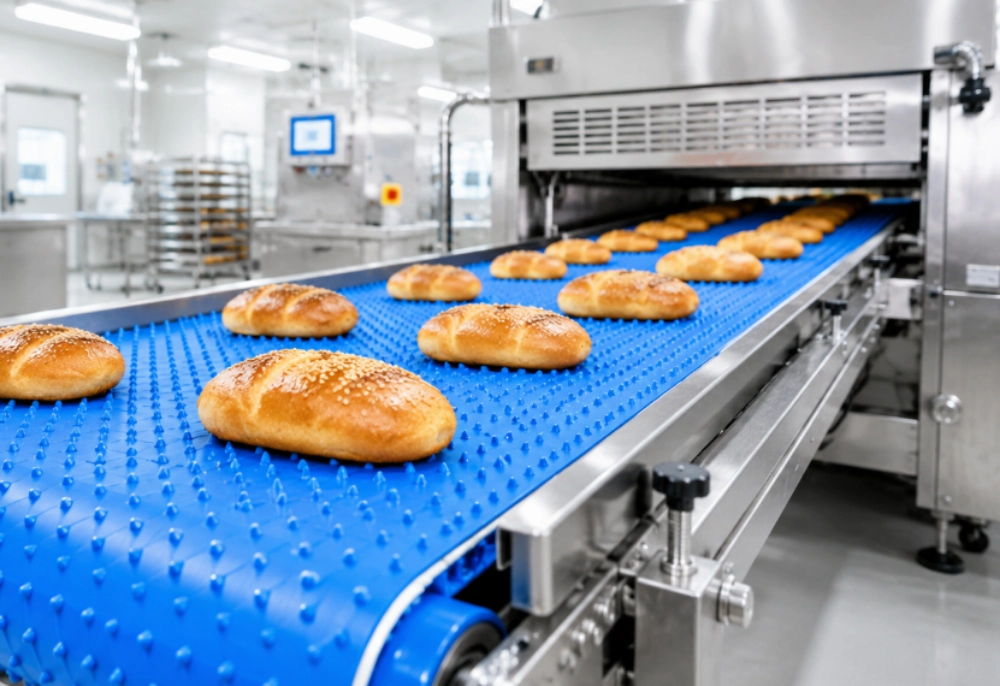
PVC belts featuring mild exteriors assist dough in progressing fluidly via blending, shaping, and oven stages. They further lessen adhesion troubles that might disrupt the path.
Such belts commonly serve for loaves, pastries, pizza bases, and comparable oven items.
Confectionery and Snack Processing
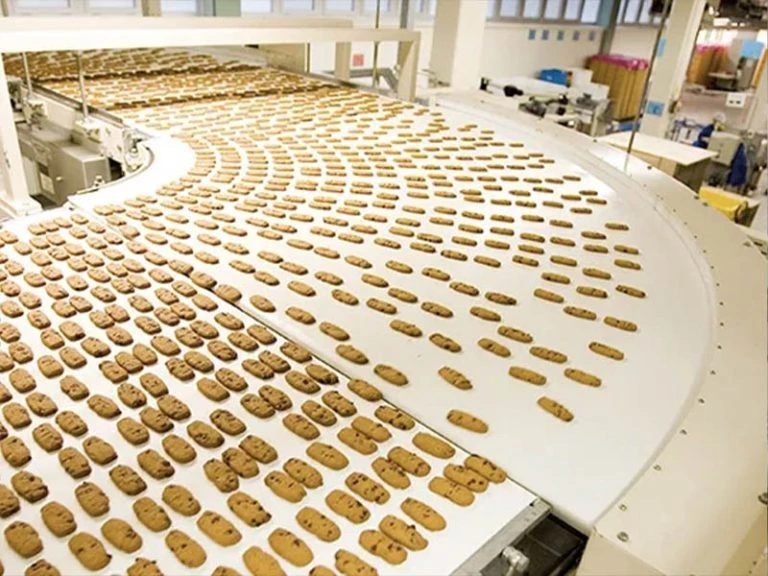
Sweet and snack output paths function at elevated velocities. Conveyor belts must manage sugar layers, chocolate, or adhesive stuffs without impacting item looks.
PVC belts handle these scenarios effectively since they withstand sugar deposits and oils. Their solid layout also backs nonstop motion without undue elongation.
In sweet-making plants, dependable belt efficacy holds significance because even slight postponements can hinder the full path.
Food Packaging and Sorting Systems
Following cooking or baking, various items proceed through wrapping and categorization stations. Conveyor belts convey goods toward sealing devices, tagging setups, or check zones.
PVC belts deliver reliable conveyance for final goods while upholding a pure exterior. This safeguards wrapped food from pollution prior to market arrival.
Wrapping paths often continue for lengthy periods, so belt sturdiness emerges as a key consideration.
What Types of Food-Grade PVC Conveyor Belts Are Suitable for Bakery Production?
Bakery spots introduce distinct difficulties. Dough may adhere to exteriors, flour grains disperse readily, and belts must stay mild for breakable items.
To address these requirements, producers supply particular conveyor belts with varied exterior substances and layouts.
Cotton Top PVC Conveyor Belt for Dough Processing
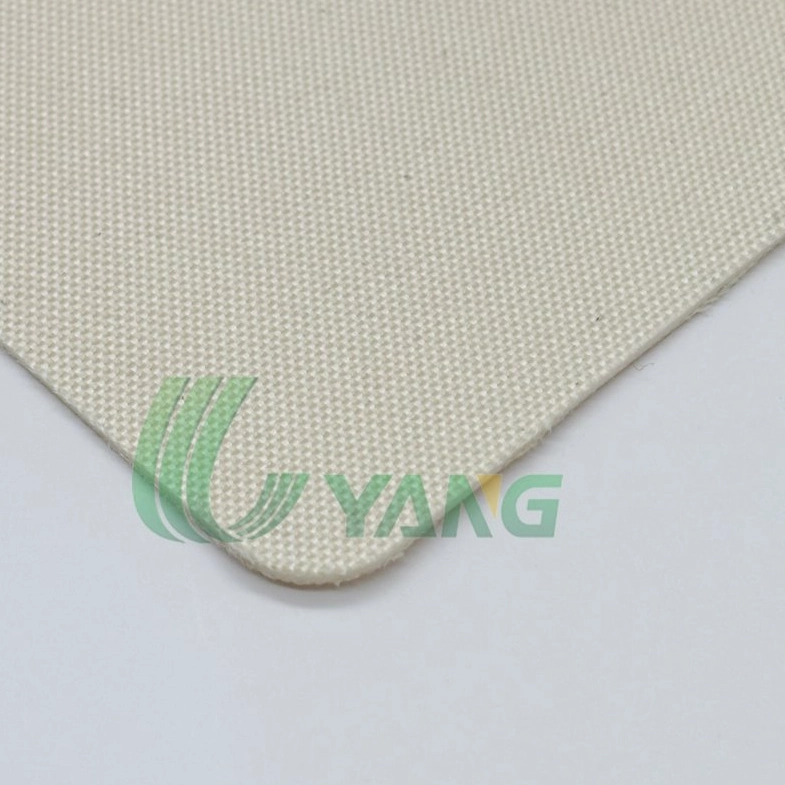
The cotton top PVC conveyor belt crafted by UYANG BELTING sees broad use in bakery output paths. The cotton exterior furnishes a gentler touch layer that suits uncooked dough effectively.
This belt variety cuts down on adhesion amid dough management. It additionally aids in upholding the form of bread or pastry segments as they advance along the path.
In numerous bakeries, cotton top belts apply in dough shaping and pre-oven conveyance setups where mild management counts.
Polyester Fabric PVC Conveyor Belt for Confectionery Lines
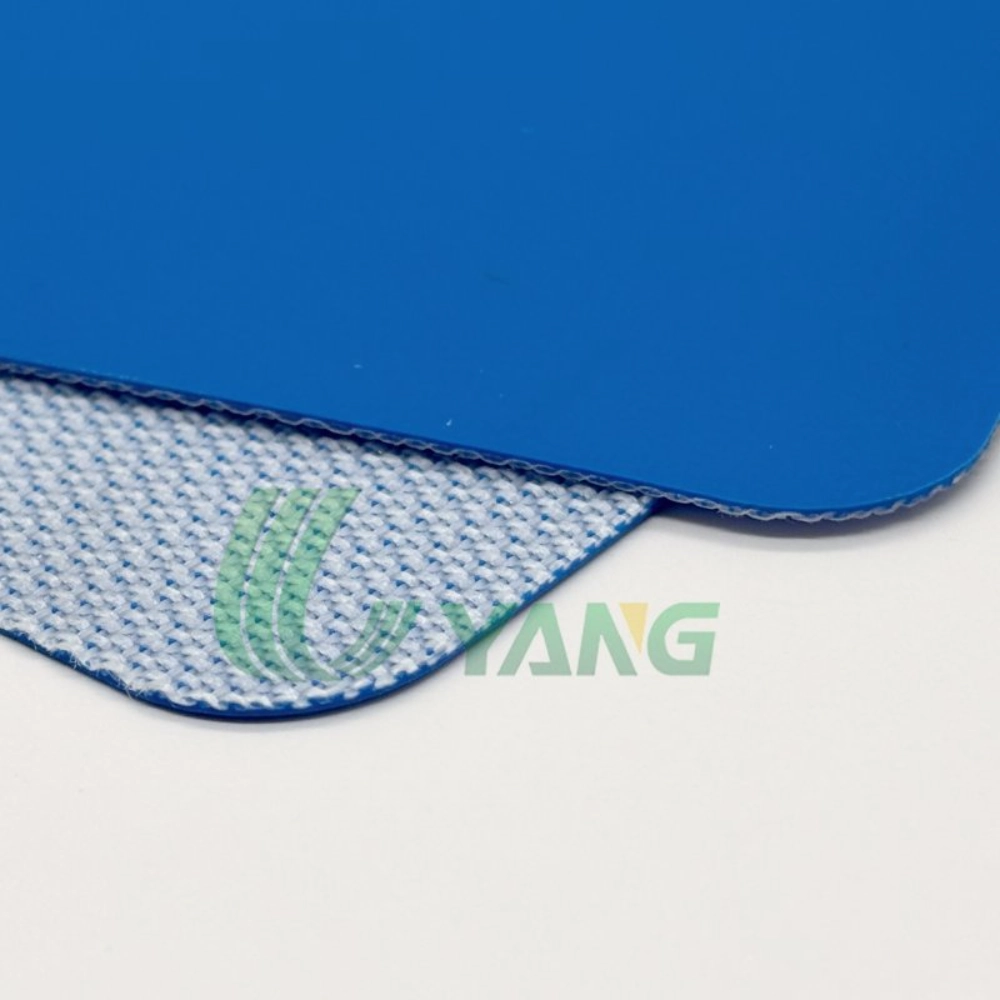
Polyester fabric PVC conveyor belts routinely serve in sweet-making and bakery wrapping procedures. The fabric support boosts robustness while retaining belt pliability.
This layout permits the belt to bear greater burdens without drawing out. It further enhances defense against erosion, beneficial in rapid output spots.
For makers dealing with sweets, cookies, or wrapped snacks, polyester fabric belts yield a solid mix of sturdiness and cleanliness.
White Felt Bakery Conveyor Belt for Delicate Food Transport
White felt bakery conveyor belts represent a further favored fix for sensitive food items. The felt exterior supplies a mild layer that shields fragile oven goods amid conveyance.
Products like cakes, pastries, and adorned sweets typically demand additional caution while shifting via chilling or wrapping zones. Felt belts assist in minimizing exterior traces or harm.
The pale exterior moreover eases spotting of remnants for staff during sanitation, fostering superior cleanliness oversight.
Why Choose a Professional Conveyor Belt Manufacturer for Food Safety?
Picking the correct conveyor belt encompasses more than selecting a substance. Production caliber, expert aid, and item uniformity all shape sustained efficacy.
Food makers frequently lean on seasoned belt providers who comprehend the actual scenarios within manufacturing sites.
Consistent Quality and Material Standards
Expert producers oversee base materials, layering methods, and evaluation steps. This results in belts exhibiting steady depth, exterior caliber, and longevity.
For food plants functioning nonstop, uniform belt caliber lessens unforeseen halts.
Customized Belt Design for Food Applications
Varied food items call for distinct belt traits. Some require mild exteriors, while others need firmer support or unique patterns.
Producers such as UYANG BELTING supply tailored belt fixes crafted expressly for bakery and sweet-making paths. This adaptability lets manufacturing gear function more fluidly.
Reliable Technical Support and Global Supply
Expert direction holds importance too when setting up or swapping conveyor belts. Seasoned providers can suggest the suitable belt layout according to the task.
Through worldwide reach and production know-how, firms like UYANG BELTING back food makers in erecting secure and firm manufacturing networks.
As food output keeps expanding and mechanization spreads further, the function of solid conveyor belts will grow ever more crucial. Opting for the proper food-grade PVC belt aids in sustaining cleanliness norms while enabling manufacturing paths to proceed steadily over time.
FAQ
Q1: What makes a conveyor belt food-grade?
A: A food-grade conveyor belt gets made from substances safe for direct or indirect food contact. These substances avoid releasing harmful elements and get designed to withstand pollution, oils, and dampness typical in food manufacturing spots.
Q2: Why are PVC conveyor belts widely used in the food industry?
A: PVC belts gain favor due to their sturdiness, cleaning ease, and resistance to oils and substances. Their even exteriors aid in upholding cleanliness while backing reliable item motion across manufacturing paths.
Q3: Which conveyor belt surface is best for bakery production?
A: For bakery paths, milder exteriors such as cotton top or felt conveyor belts often get favored. These materials cut sticking and assist in shielding sensitive dough or oven items amid conveyance.