As a plant manager or production engineer, you deal with steady demands to increase output. You also have to follow tight food safety rules. Picking the correct belting setup is an important choice. It affects your whole operation. If you choose poorly, you might face unexpected stops, serious product dirt, and extra repair costs. You require a dependable ally to guide you through these tough factory picks. This is where UYANG BELTING steps in.
They offer solid knowledge in factory drive systems and food-safe belting options. This supplies just what your production line requires to operate without problems. For example, they handle soft bakery dough or boxed items well. A reliable maker guarantees you receive suitable materials, custom builds, and quick assistance. In this guide, we explain the main differences between modular plastic setups and pvc food conveyor belts. Our goal is to help you decide on a smart, secure path for your site that brings good returns.

What Are the Core Differences Between Modular Plastic and PVC Food Conveyor Belts?
Before you improve your site, you need to assess how these two basic systems are constructed and kept up. Each type brings unique ways it works on your work line.
Material Composition and Structural Design Profiles
Modular plastic belts include linked firm plastic blocks tied by hinge rods. They move via gear wheels instead of even rollers. This setup ensures steady path holding. However, it brings added machine details to your line. By comparison, pvc food conveyor belts include nonstop, bendable man-made layers supported by tough cloth bases. This even structure operates on common roller systems. It uses pull and grip to shift items evenly along the route.
Hygiene Standards and Cleaning Requirements
Clean practices shape your everyday work flow. The many links and spaces in modular belts tend to hold food scraps and germs. To clean them, you need special strong-water wash setups. This also causes notable production pauses. In opposition, the level, plain tops of pvc food conveyor belts provide much easier wipe clean methods. You can readily use scrape devices to clear sticky waste. This greatly shortens your clean periods and water needs. At the same time, it allows simple compliance with firm FDA guidelines.
Installation Costs and Long-Term Value
You have to match starting money outlay with future gains on your spend. Modular plastic setups need exact gear wheels. They frequently require a fully new conveyor frame plan. Thus, the first cost is rather steep. Still, pvc food conveyor belts usually bring a far more affordable initial fix. They fit smoothly into regular conveyor frames. Consider their reduced power use from lighter build and lower swap prices. Then, PVC belts steadily offer better long-run returns for typical food work uses.
Why Do Manufacturers Prefer PVC Food Conveyor Belts for Many Applications?
Although tough spots at times require stiff plastics, current food handlers often favor PVC choices for routine tasks. Below, we cover why pvc food conveyor belts hold as the common choice for smooth operation and neatness. Frankly, in my experience, they just make sense for most daily runs.
Seamless Surfaces Eliminate Hidden Bacteria Traps
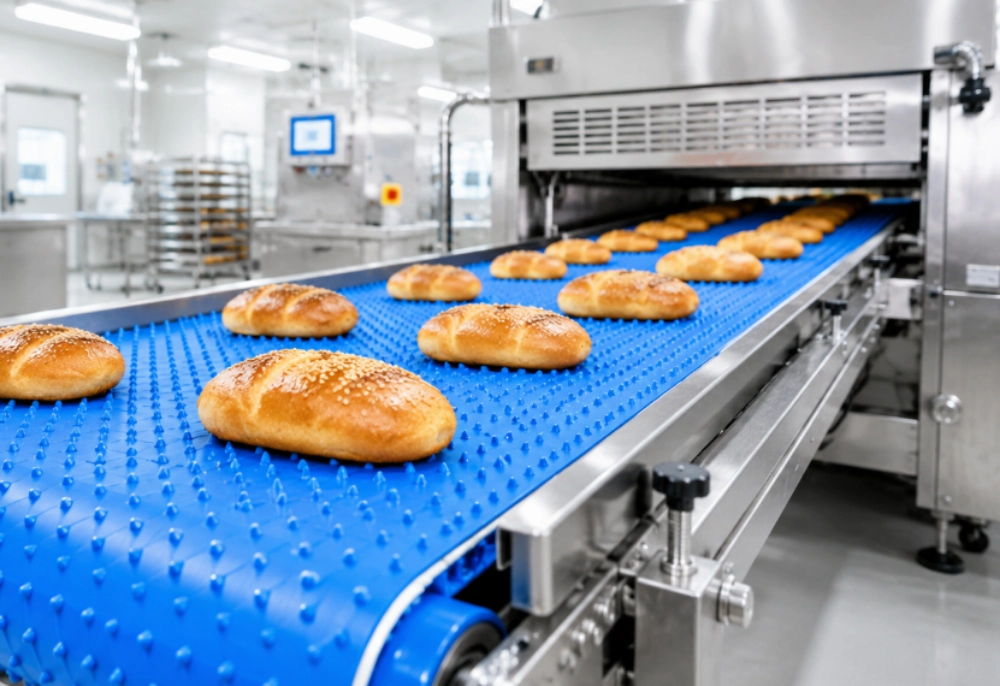
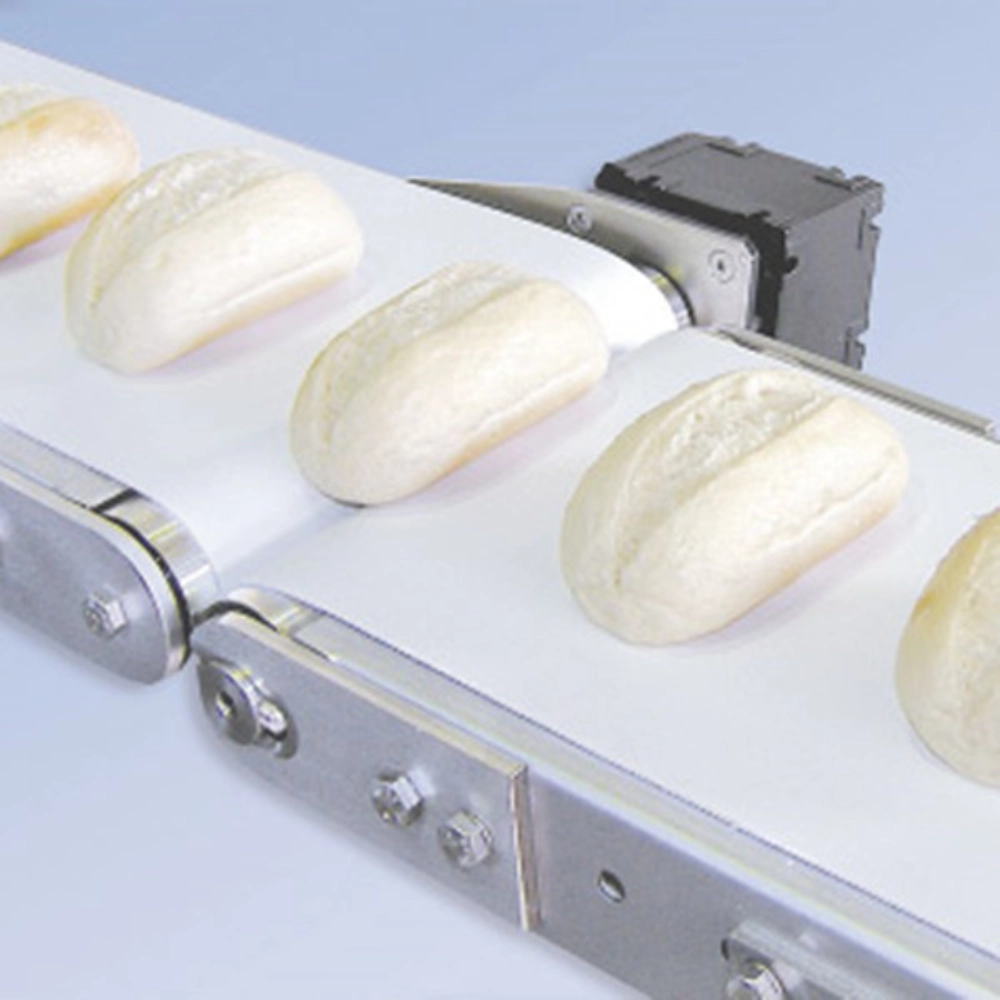
An ongoing, water-tight top layer well blocks water entry and risky germ spread. Different from linked belts, pvc food conveyor belts miss the small connections where bugs usually lurk. This even quality delivers clean benefits like those in top sure-drive setups. Yet, you avoid the steep bill. Suppose your site manages gooey items such as new dough, sweet sugar, or fresh meat. Then, a level PVC top permits quick scraping and simple daily cleanups. One bakery we worked with reduced cleaning by 40 minutes per day this way.
Excellent Flexibility Ensures Smooth Product Transitions
Item loss at line shifts damages your profits. PVC’s built-in bend lets you apply notably smaller roller widths at conveyor ends. This feature creates very close shifts between varied conveyor parts. Fragile goods pass over steadily without drops into spaces, backward rolls, or body harm. Such bend positions PVC as perfect for quick sort work, detailed pack routes, and average-load item care.
Budget-Friendly Options for General Food Processing
You do not always require a too-fancy answer for simple jobs. In areas like big commercial bakeries, farm item sorting, and boxed good moves, strong hit protection is seldom needed each day. In these cases, pvc food conveyor belts serve as a quite cheap daily mainstay. They supply all required food-safe safety papers and steady day-to-day work at a small share of the price for involved modular setups. For instance, a packaging firm cut expenses by 25% after switching, based on their reports.
When Should You Consider Modular Plastic Over PVC Food Conveyor Belts?
PVC shows plain clean and money benefits. Even so, some harsh work conditions call for another machine method. You ought to review plastic block systems in these particular situations.
Heavy-Duty Applications Requiring High Impact Resistance
If your work includes placing heavy frozen meat slabs or pointed rough bones straight on the line, usual cloth-supported belts could get tears. During these exact strong-hit moments, the dense, firm makeup of modular plastic withstands quick body ruin better than gentler man-made tops. Think of a butcher shop dropping 40-pound cuts—modular holds up where others fail.
Wet Environments Needing Maximum Fluid Drainage
Some food work steps, like deep veggie wash points, chem coat routes, or new sea life handling, demand huge liquid amounts to flow off at once. Modular belts can get made with wide open-lattice patterns. These free zones let water, fluids, and clean chems drop directly through the belt top. As a result, items avoid slides and liquid gathers. A fish processor we know drained 90% more water this way, cutting slip incidents.
Production Lines Prone to Frequent Belt Damage
In sites where worker slips or machine blocks often wreck belt sections, modular systems provide a special mend plus. Rather than swapping or re-joining a whole nonstop belt, your care group can easily remove the damaged plastic blocks. Then, they fit in fresh swap parts right there. This approach saved one veggie line two hours per fix, from industry tales I’ve seen.
Which Solutions Best Suit Your Processing Plant?
If your work aims fit the gains of even, bendy, and cheap carrying, updating your pvc food conveyor belts is the clever choice. We list clear, strong suggestions here to raise your work line right now.
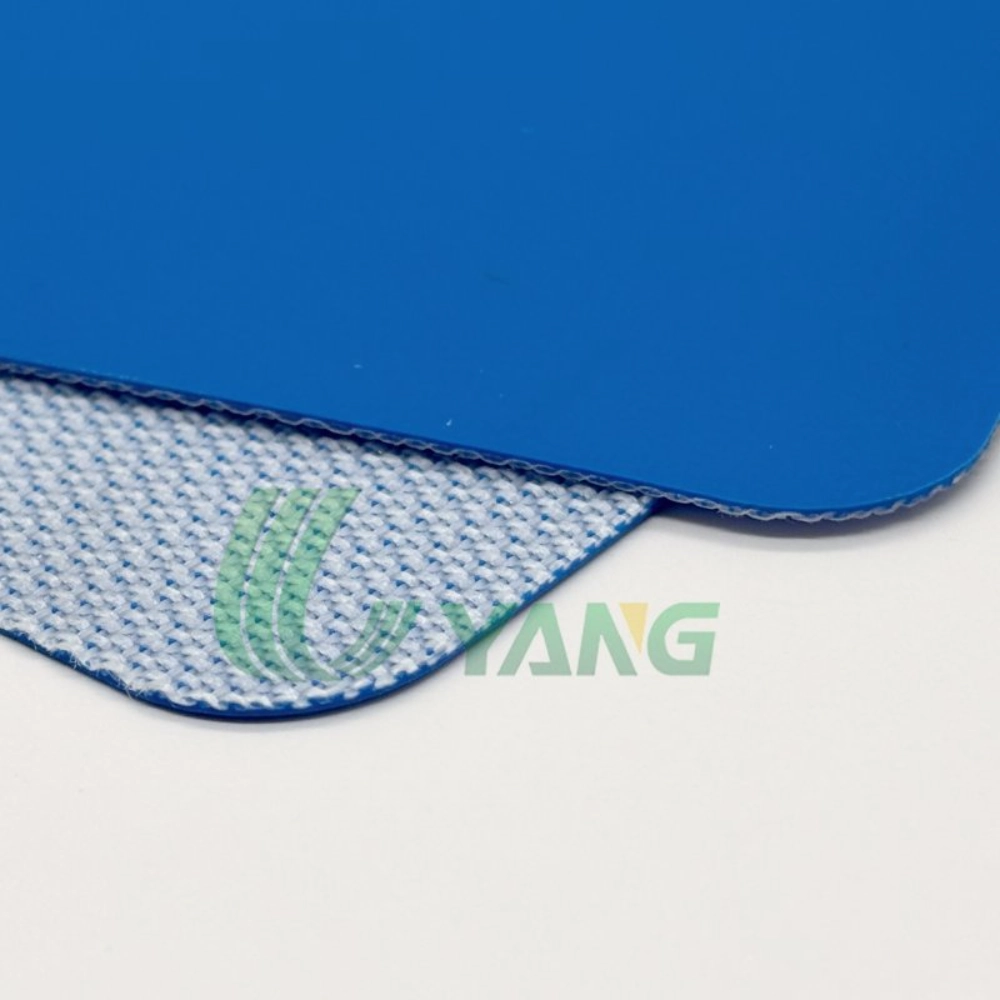
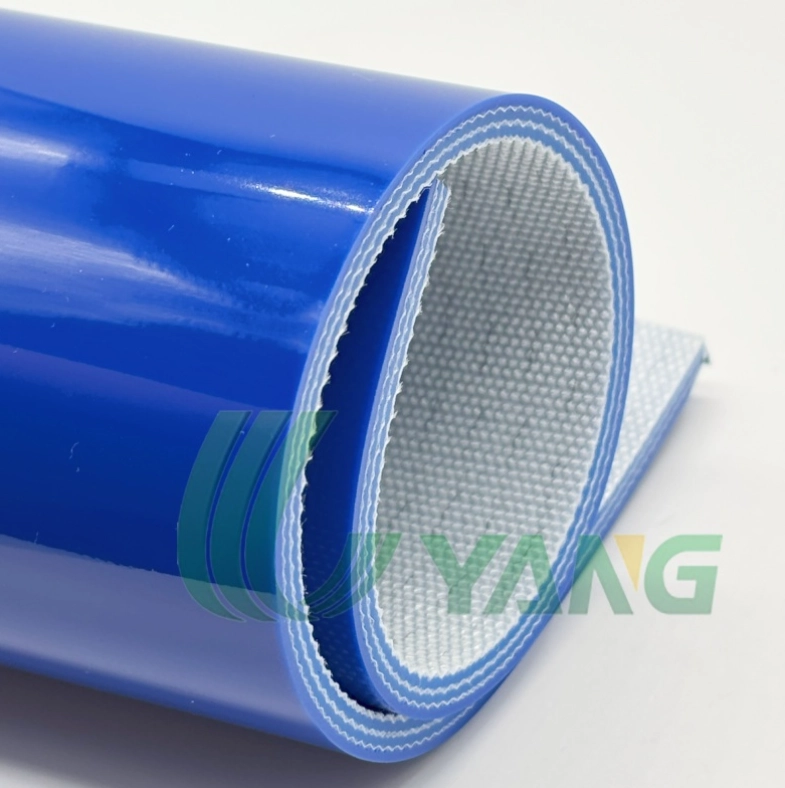
Blue Glossy PVC Conveyor Belts Enhance Contaminant Detection
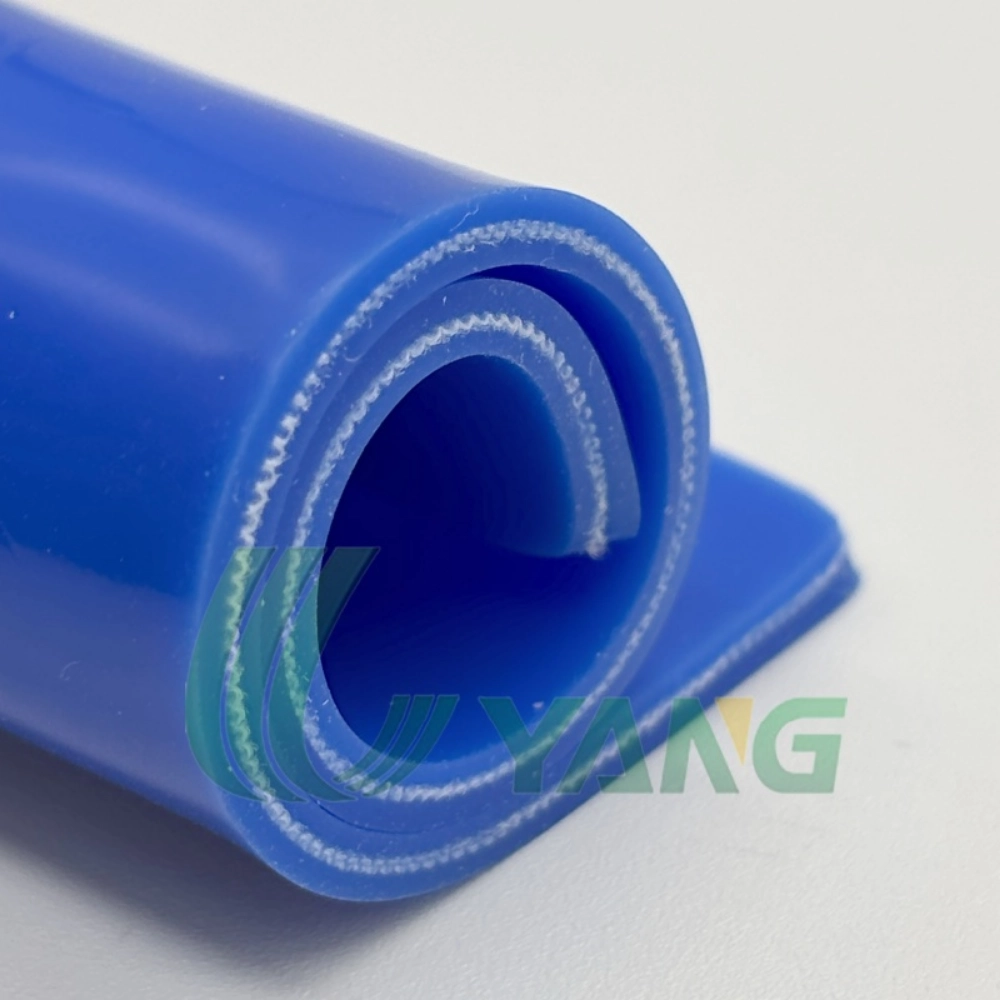
Sight checks rank high in today’s food making. The Blue Glossy PVC Conveyor Belt brings a fast lift to your check process. Its bold blue shade shows clear against nearly all foods, which makes it very simple for your staff or auto cam setups to notice pale food pieces, strange bits, or possible belt damage. Plus, the shiny coat pushes back damp and oils. Thus, sticky leftovers glide off readily in wash times. In a candy factory setup, this belt helped spot defects 15% faster during runs.
White PVC Conveyor Belts Deliver FDA-Compliant Bakery Solutions
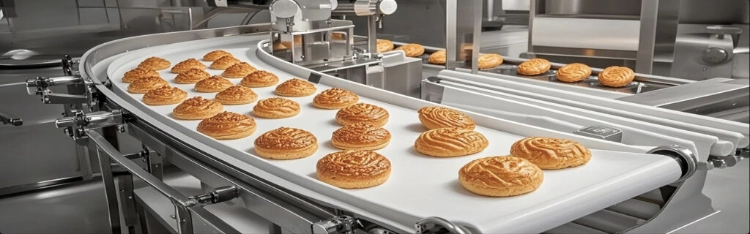
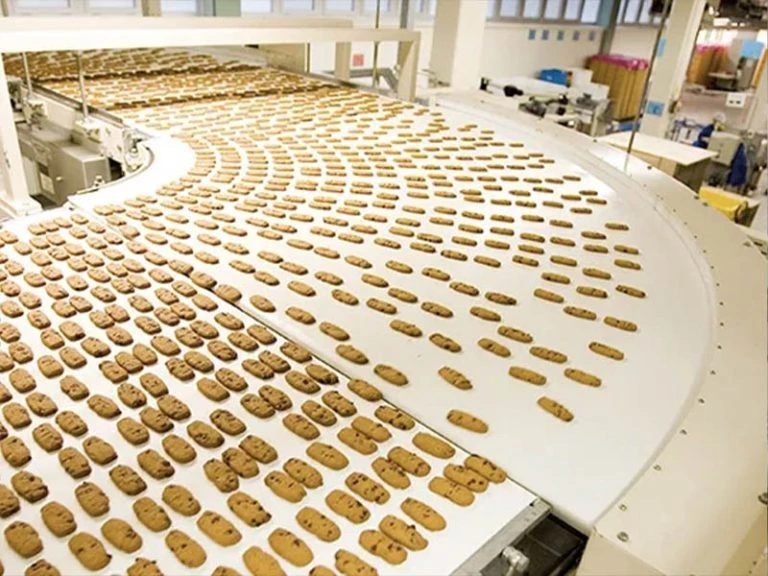
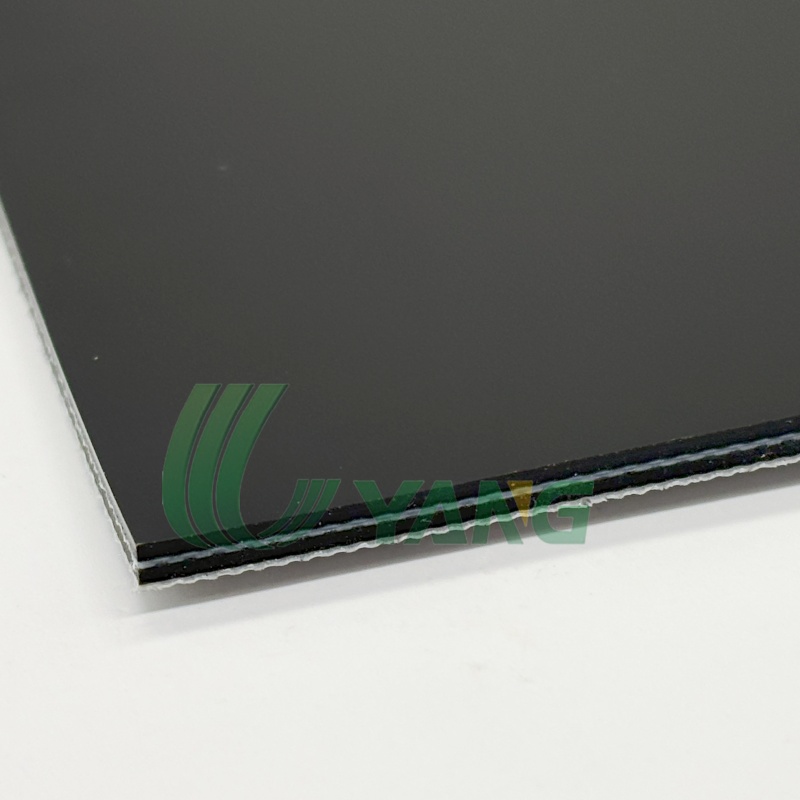
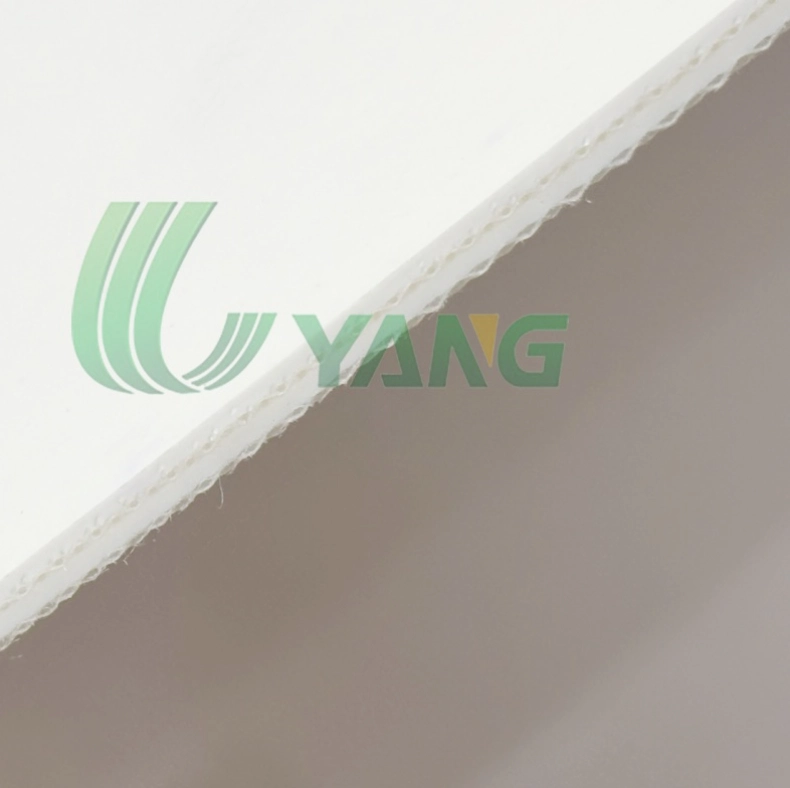
For classic food work and spotless shows, the White PVC Conveyor Belt stands as a total must-have. It brings a sharp clean, safe look that right away calms health checkers and quality reviewers. It supplies very steady work for dough care, group packing, and basic food shifts. Its top offers just the proper hold for dry or lightly wet items. Meanwhile, it stays very easy to clean at shift ends. It’s straightforward, yet effective—I’d say it’s a staple in bakeries.
Custom Fabrication Meets Your Specific Conveyor Specifications
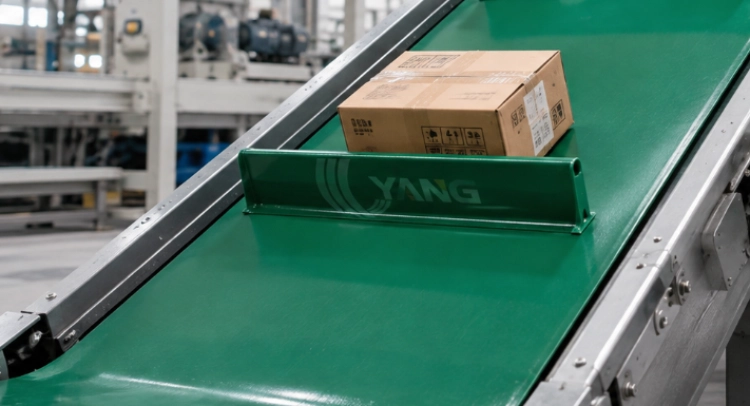
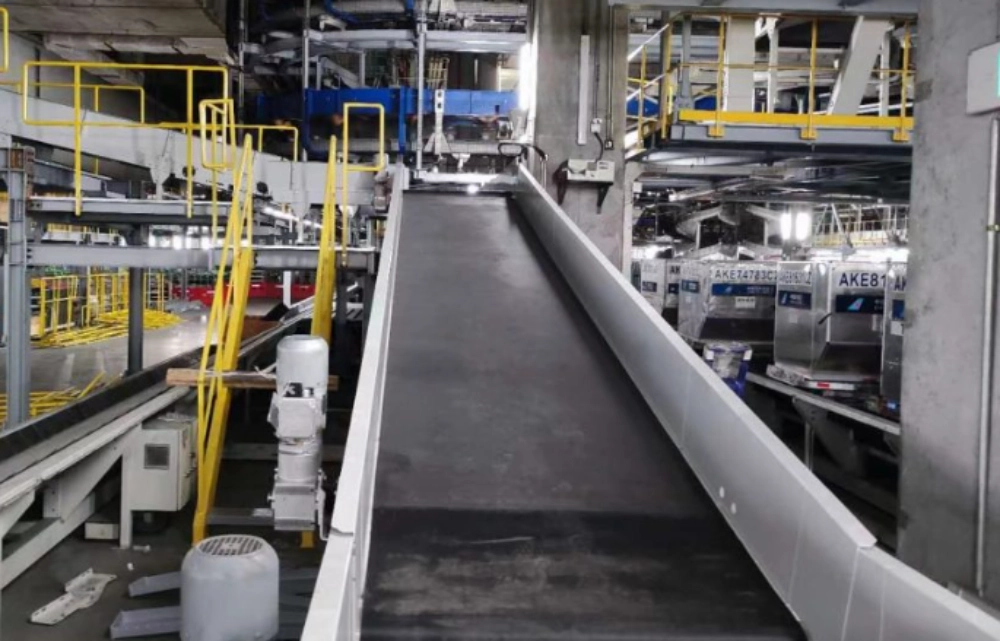
Each work line faces special size limits. Standard belt rolls hardly ever suffice. You may ask for tailored changes to these pvc food conveyor belts. For instance, add set ridges for slope carrying, wavy edge walls to block item spills, or V-strips to secure exact path on your conveyor frame. Shaping the belt to your precise tools stops routine work troubles. A fruit sorter added sidewalls and avoided 50% of spills, per their feedback.
How Can Premium Service Optimize Your Conveyor System?
Getting a fine-quality belt covers only part of the task. You require full, continued aid to maintain your belts operating well. This boosts your site’s active time to the max.
Expert Consultations for Precise Belt Selection
Blind tries cause expensive pauses. When you connect with task experts, they make sure a pro reviews your exact food work setting. They check items like room warmth, item mass, chem contact, and roller measures. This assures you get a suggestion for the right details needed for your pvc food conveyor belts.
Reliable Technical Support and Maintenance Guidance
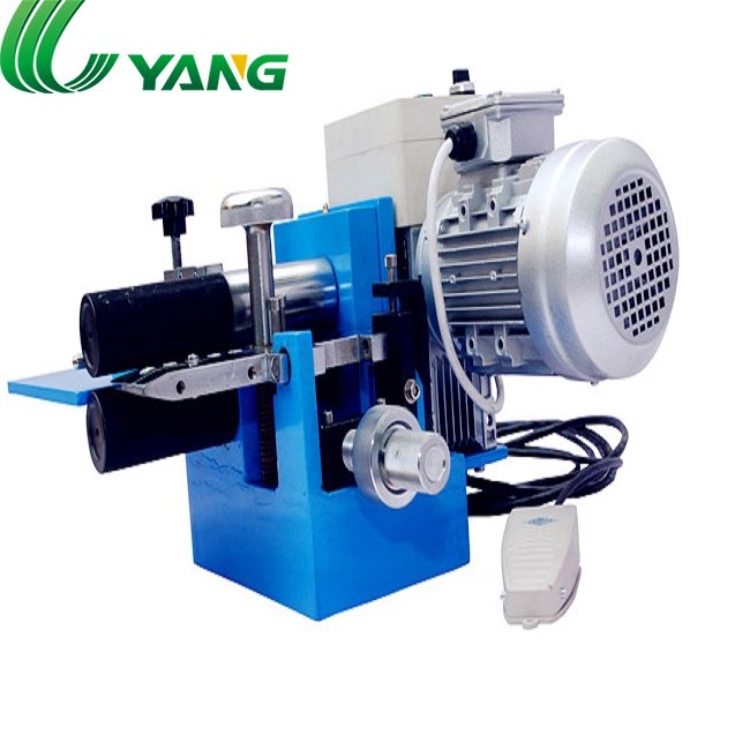
A solid item demands proper use. You merit strong post-buy aid. This covers in-depth tips on correct pull measures, best join methods, and usual care timetables. Such tech help straightly lengthens the work life of your belts. It also shields your outlay.
Contact Us for Your Custom Conveyor Quote
Quit allowing poor belts to hold back your work line. Connect with our committed aid group today. When you seek a thorough talk, you gain steady, direct-from-factory rates for your coming site improvement. Allow us to remove pauses and fine-tune your food care steps at once.
FAQ
Q: How long do pvc food conveyor belts typically last in a standard processing facility?
A: The life span shifts with load, pace, and upkeep. Yet, with suitable pull and regular wipes, top pvc food conveyor belts commonly endure 1 to 3 years in usual, average-work food settings before a swap.
Q: Can I replace an existing modular plastic belt with a PVC belt on the same conveyor frame?
A: In general, no. Linked belts depend on set gear wheels to power the plastic links. Whereas pvc food conveyor belts need even, rounded, or covered rollers to build move grip. Changing between the setups usually demands updating the power and end parts of your conveyor frame.
Q: Are pvc food conveyor belts suitable for high-temperature applications like ovens or fryers?
A: Regular PVC belts work well in room or fairly warm settings (often up to 80°C or 176°F). For very hot uses like straight oven feeds or deep fry spots, you must shift to special items like Teflon (PTFE) or set high-warmth silicone belts.