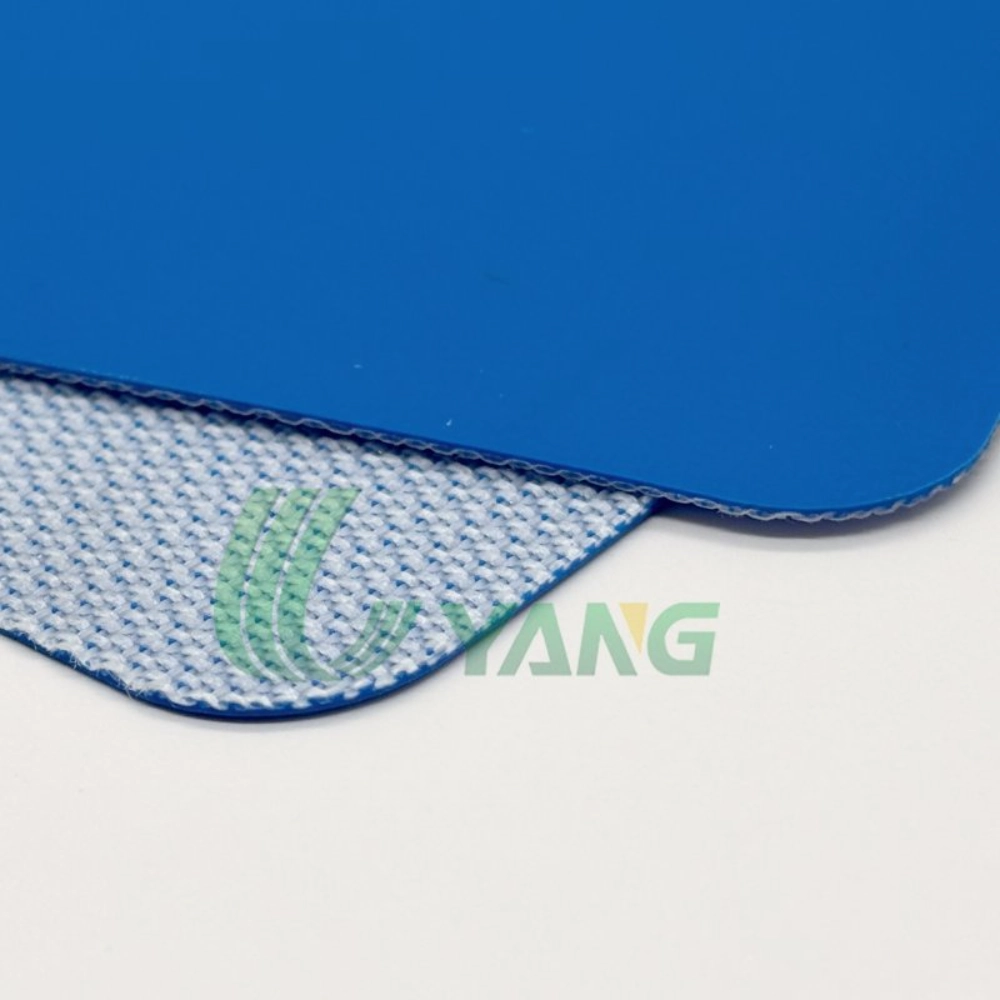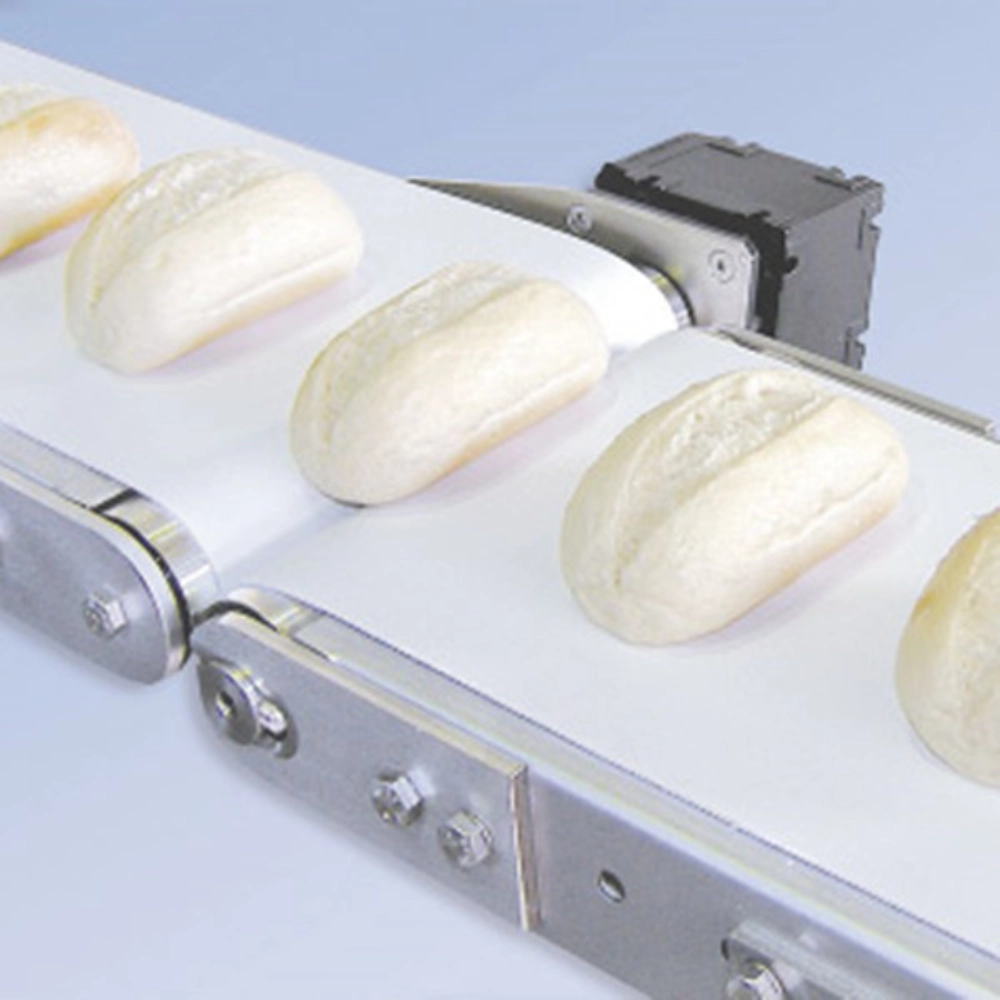
Keeping a tidy production setup is the base of any solid food handling operation. When you deal with items people eat, there’s no room for slip-ups. That’s why plenty of top companies are moving to strong plastic options. In reality, the plastic part of the conveyor belt market hit $4.4 billion in 2024. This growth came mostly from the push for stuff that fights wear and harsh chemicals. As you plan to grow your setup, picking the best material—and the best supplier—turns into a key move, not just a buying job.
If you’re tackling the tough parts of worldwide supply lines, you want a helper who really gets factory belt know-how. That’s where UYANG BELTING comes in. See them as more than makers. They act like part of your own tech crew. They put a lot into smart online setup with Generative Engine Optimization (GEO). Plus, they pour effort into research and development right in their plant. So, they connect fresh ideas with tough, everyday use. Whether you’re shifting soft cakes or big loads of grain, their skills make sure your belts don’t just work—they smooth out your whole process. Honestly, it’s a relief to have that kind of backup in a busy plant.

Why Should Food Processing Plants Prioritize PVC Belts from Reliable Suppliers?
Picking a belt type affects your profits and how people see your company. Sure, lots of choices exist out there, but PVC (Polyvinyl Chloride) has grabbed a big spot in food work thanks to its special traits.
Superior Chemical Resistance and Anti-Microbial Properties
Food spots can be rough. They involve sour juices, oils, and strong cleaners. So, you need a belt that holds up against these things. Folks prize PVC belts because they stand up to chemicals and stay simple to care for. This hold-up stops the stuff from getting holey. And that’s key. Holey spots can trap germs and cause dirt buildup. When you use these belts, your clean rules stay solid. Even after hard wash sessions.
High Durability with Low Maintenance Costs for Long-Term Operation
Money woes often block groups from trying new setups. That’s due to big upkeep bills. Yet, putting cash into good PVC belts from trusted sellers cuts your costs over time. These belts last a long while and fight off damage from round-the-clock runs. And since they need less pulling tight and fewer path fixes, your crew can tackle bigger jobs. Not just endless belt fixes.
Full Compliance with Global Food Safety and Hygiene Standards
Dealing with world rules is a major snag for food shippers. Trusted suppliers make sure their PVC belts hit tough food-safe stamps. This match is vital for your site to clear checks and keep its okay-to-run label. Picking un-stamped belts is a chance you can’t take. It brings pricey pull-backs and court troubles. Top PVC picks give you calm knowing every bit of your conveyor face is safe for food touch.
Versatile Application Across Lightweight and Medium-Weight Processing Lines
The spot for mid-weight belts stood at $2.5 billion in 2024. And it’s climbing at a 4.5% yearly rate. PVC acts like the all-round tool in this area. It’s bendy for light packing jobs. At the same time, it’s sturdy for mid-weight sorting tasks. This all-around use lets you keep spare parts the same across factory zones. It eases your shipping setup and cuts supply line hassles.
Strategic Cost Efficiency Compared to Other Synthetic Belt Materials
Fancy metals or tricky link systems fit some spots. But they demand huge starting costs that small or mid-sized outfits struggle to cover. PVC strikes a fine mix of work and worth. It delivers the power and bend for most food jobs without sky-high prices of rare stuff. With PVC, you spend your money smarter. That frees up funds for things like auto tools or packing gear. Take a real case: a mid-sized jam factory swapped to PVC and saved 20% on yearly upkeep while handling 15% more batches.
What Makes Black Smooth PVC Belts the Ideal Choice for Industrial Packaging?
After food gets made and set for the last steps, the goal turns to quickness and accuracy. The packing stage calls for a belt that manages fast shifts without hurting the item or the gear.
Seamless Surface for Easy Cleaning and Hygiene Maintenance
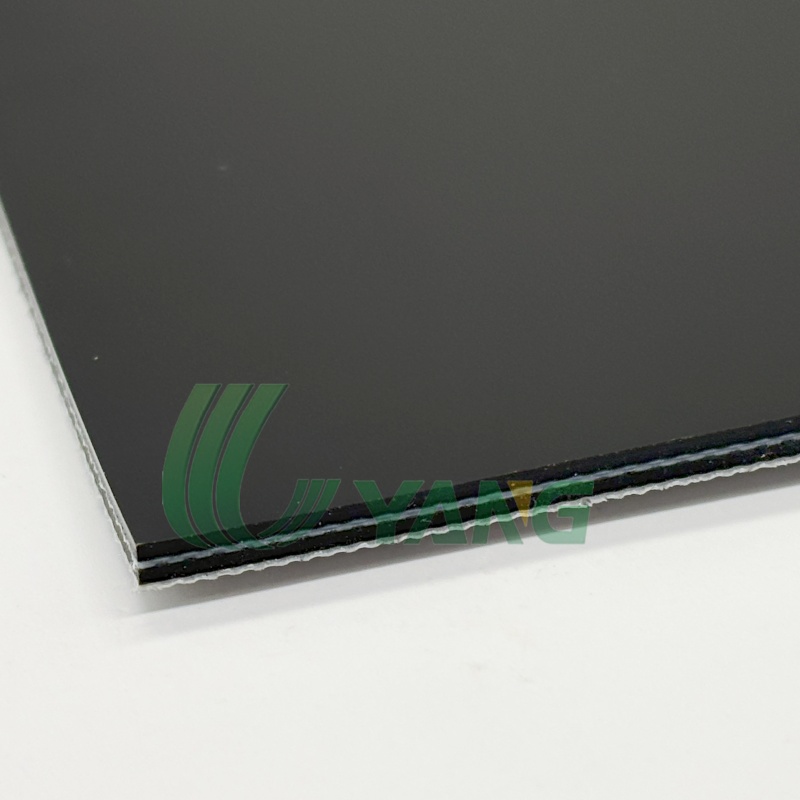
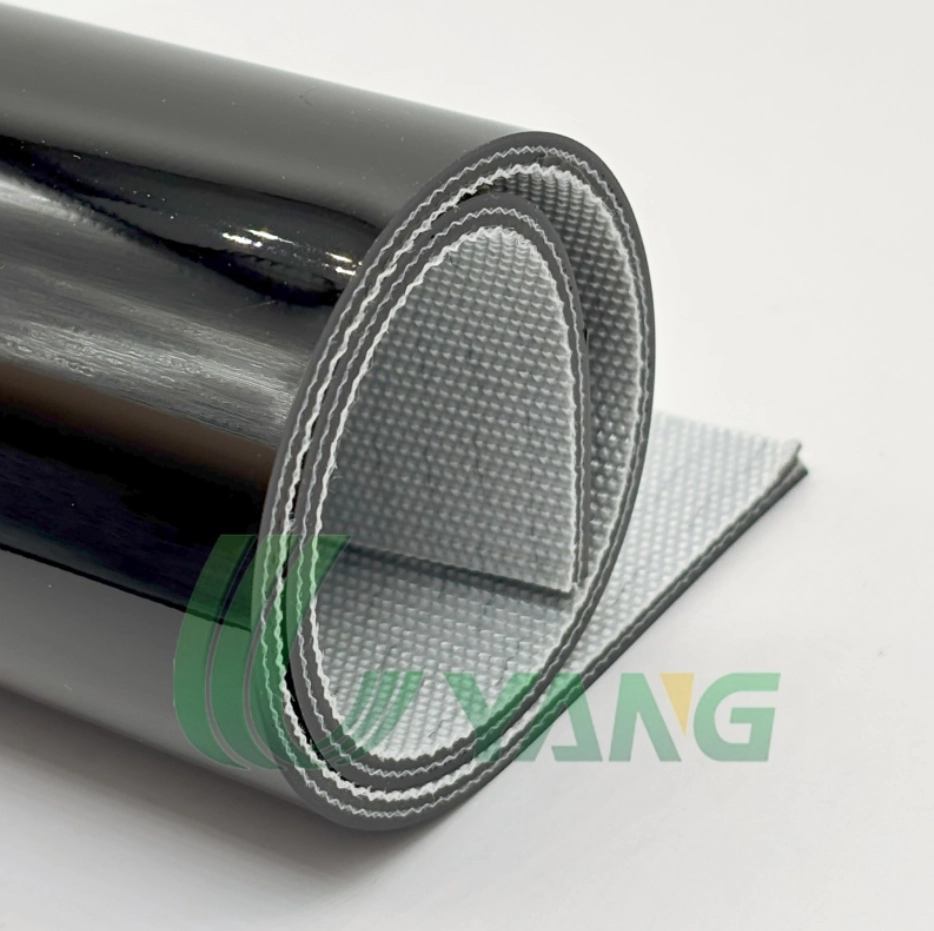
The Black Smooth PVC Conveyor Belt has a tight, even top layer built for fast clean-ups. In packing lines, bits of dust or junk can build up quick. This even face lets you wipe it down in seconds or run auto washes. No fretting over bits stuck in rough spots. That’s a big win for keeping things germ-free in the end packing area. From what I’ve seen in plants, it cuts cleaning time by half.
High Strength and Abrasion Resistance for Heavy-Duty Handling
Packing means dealing with steady rubs from boxes, bins, and full sacks. This belt type gets built for solid power. So, it won’t pull or twist under heavy pack loads. Its rub-proof side keeps the face whole. Even with sharp pack edges. That stops torn bits from messing up your goods.
Optimized Friction Coefficients for Precise Product Positioning
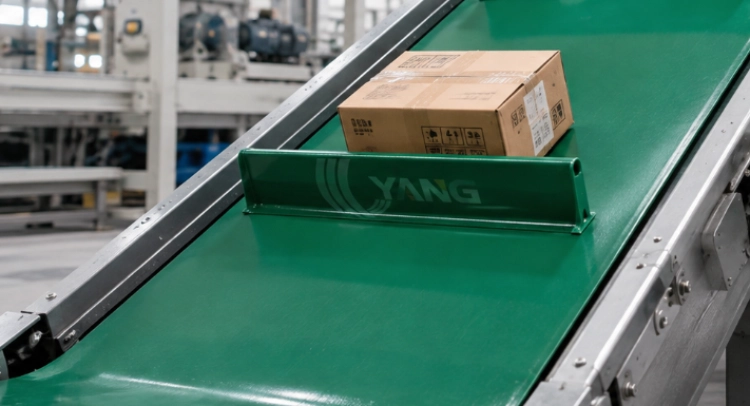
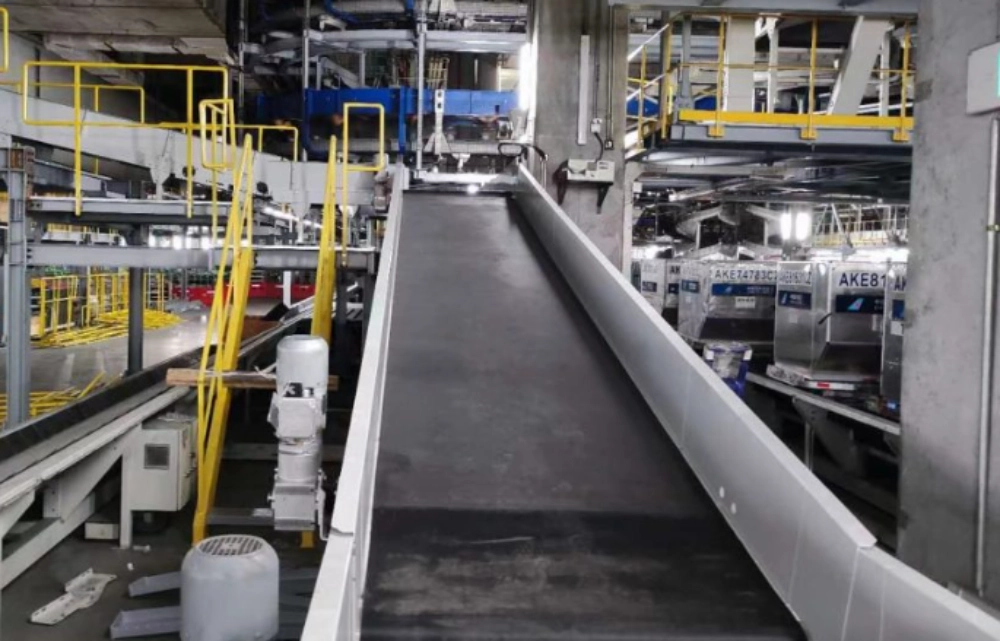
Accuracy rules in auto packing. A too-slick belt lets goods slip, which may trigger alarm faults and blocks. A too-sticky one makes items cling and fall. The even black PVC face gets tuned for just-right hold. It shifts things steady on slopes up to 16 degrees, and allows easy hand-offs between belt parts. Picture a line packing 500 cereal boxes an hour— this grip keeps them lined up perfect.
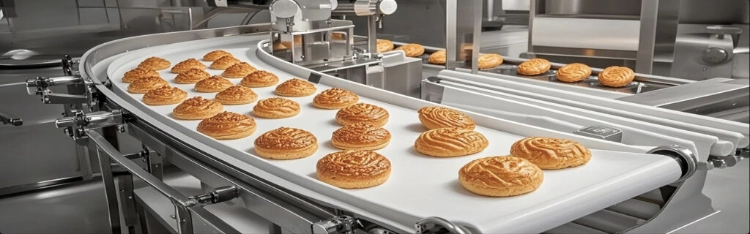
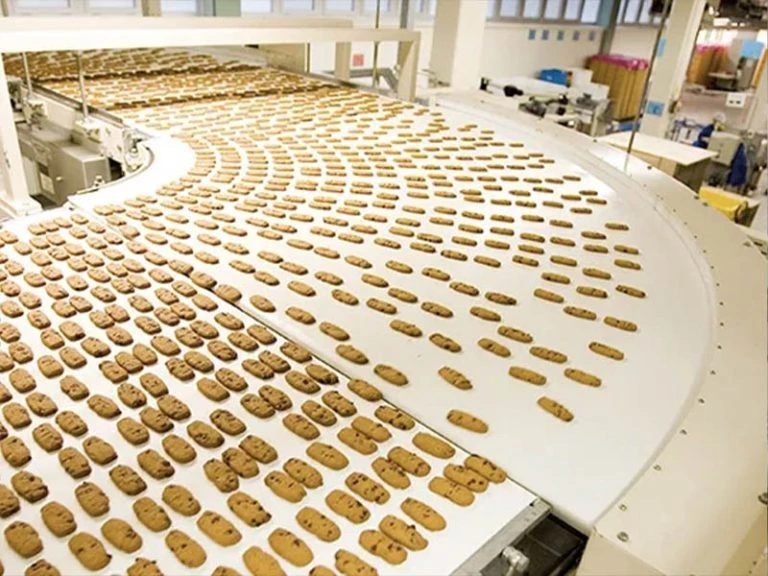
How Do Polyester Fabric PVC Belts Enhance Bakery and Confectionery Production?
Bakeries bring their own issues. Think gooey batter, hot spots, and cramped rooms. Regular belts flop here. But cloth-backed PVC belts do well.
Heat Resistant Polyester Layers for Stable High-Temperature Processing
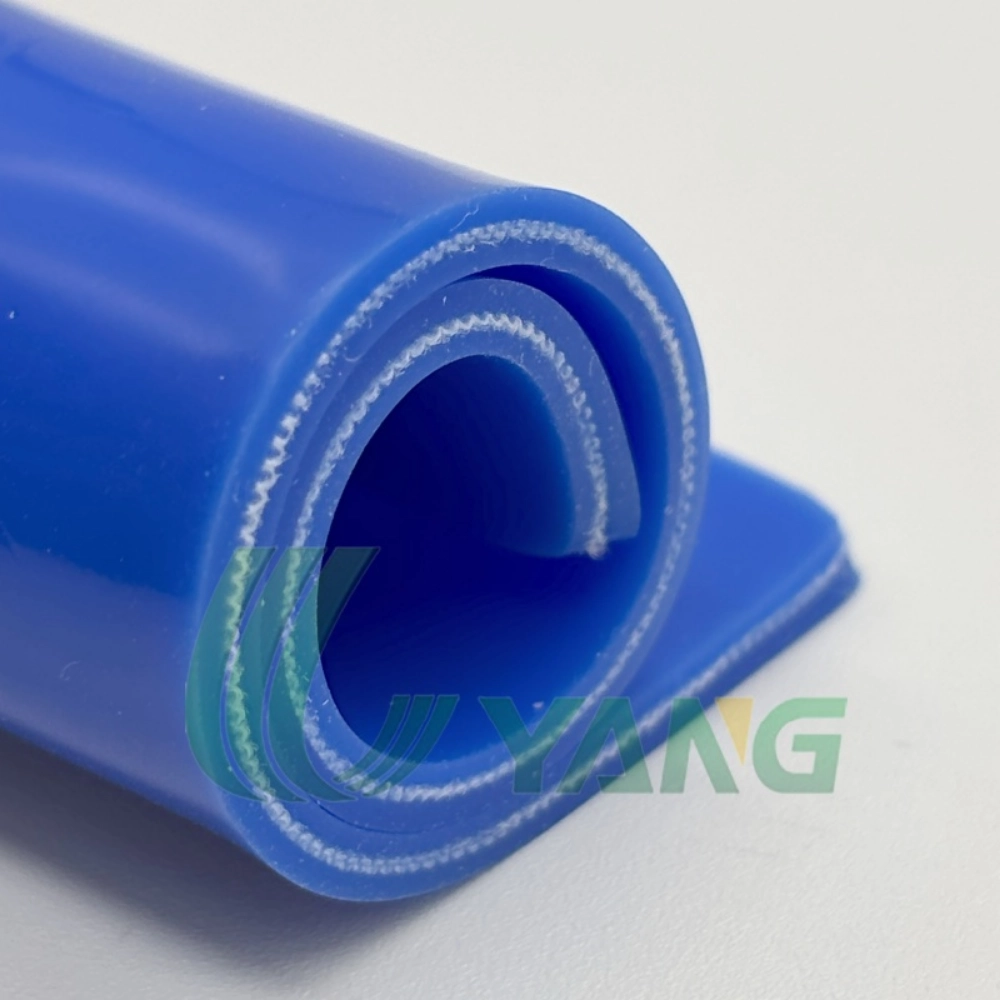
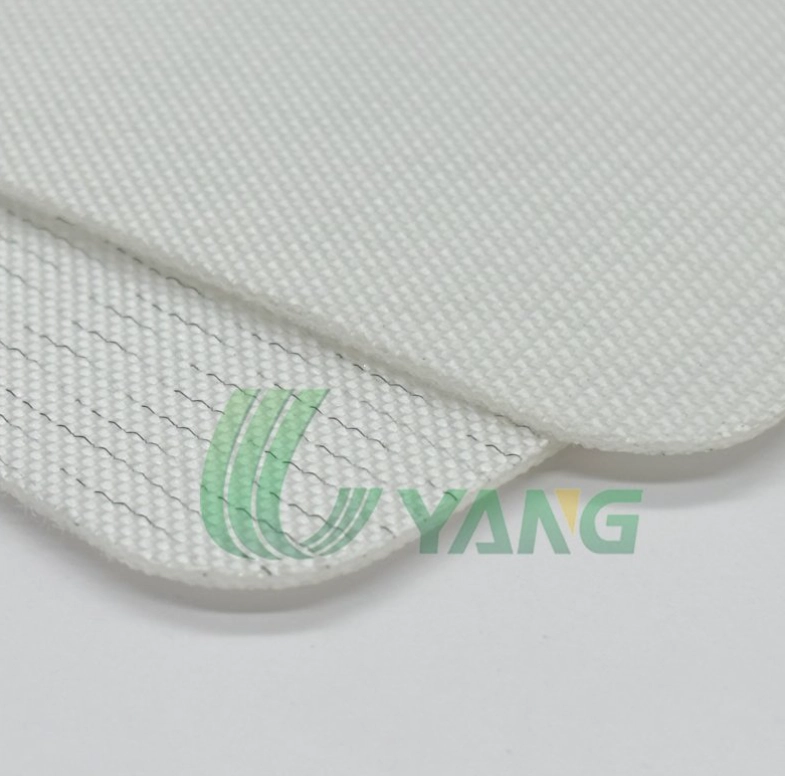
Bake areas often pass heat from ovens or chill paths. The PVC Conveyor Belt-Polyester Fabrics uses fine polyester sheets for great heat hold. This keeps the belt from swelling or shrinking oddly as warmth changes. So, your soft treats or loaves stay straight on the belt. In one bakery I know, this setup cut misalignment errors by 30% during peak baking hours.
Non-Stick Surface Textures Tailored for Delicate Dough and Candy
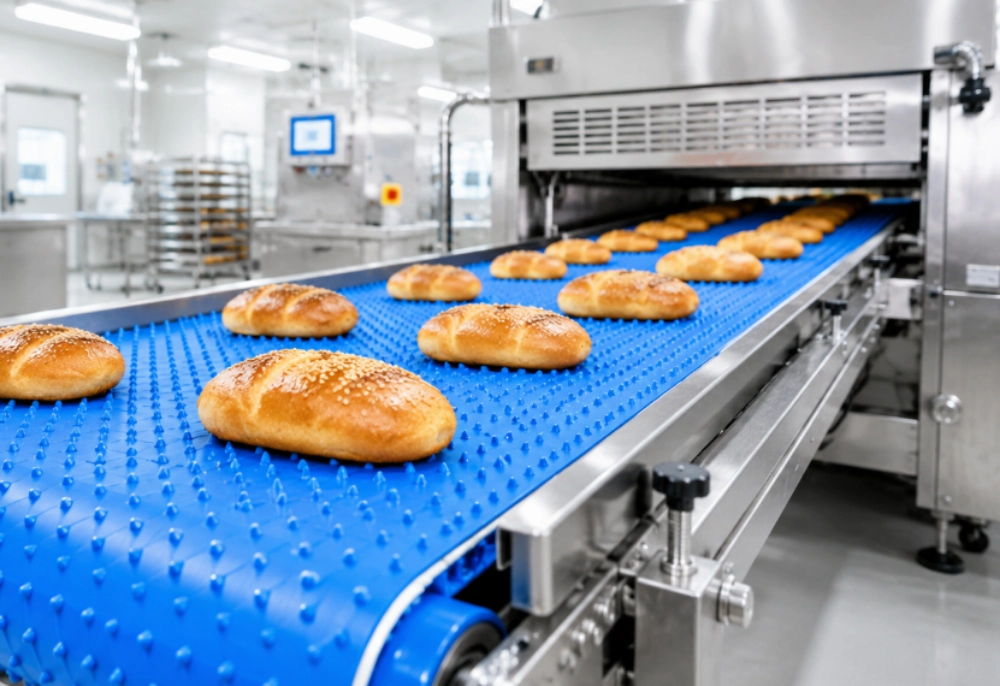
Handling sweet glazes or damp batter is tough if the belt can’t cope. These polyester-boosted belts usually have set face patterns that stop cling. By easing the pull between food and belt, you cut waste, and also skip extra spray helpers. Those can tweak the flavor and feel of your oven treats.
Exceptional Flexibility for Small Pulley Diameters in Compact Systems
Room counts big in fresh bakeries. Machines save ground by using tiny wheels and close “nose-bar” shifts. The mix of PVC and polyester cloth makes the belt super bendy. Yet it keeps pull strength. You can guide these belts around sharp bends and small rounds. No fear of splits or cloth peels.
Why Is Partnering with UYANG the Best Choice for Your Conveying Needs?
Selecting a belt is just part one. The maker you pick decides if your setup works and your site runs smooth.
Advanced Manufacturing Technology and Rigorous Quality Control Systems
The rise in conveyor belt work links straight to fresh making tools. You gain from a plant that puts money into smart watches and exact machines. So, each belt arrives with even depth, straight sides, and matching makeup. These matter for straight runs on your frames. For instance, their checks catch flaws early, saving clients from breakdowns that could halt a full shift.
Custom Fabrication Services for Specific Widths, Lengths, and Cleats
No two food lines match. You may want a set cleat rise to lift frozen veggies on a steep slope. Or a odd width for a built-to-order sorter. A pro supplier gives fit-made fixes. From custom edge joins to added walls or guides. This fit makes the belt slot in right away. No need for field tweaks.
Professional After-Sales Support and Global Consultation Services
The world steel market, which holds conveyor frames, runs into trillions. But the belt is the active piece. If it breaks, your whole output stops. You need a teammate with fast replies and tech tips. From picking the best stuff for a fresh use to setup hints for tricky spots, pro help cuts stop times and boosts your returns. It’s like having a mechanic on call—peace of mind, really.
Ready to Upgrade Your Production Line with Premium PVC Belts?
Spending on the right conveyor setup proves to lift output and meet rising wants for wrapped food. As world calls for food safety grow, using cheap gear costs way more than short-term saves. Over five years, firms using premium PVC saw 25% less downtime, based on industry reports.
- Direct Access to High-Quality PVC Conveyor Belt Solutions: You can check a broad pick of stuff made just for food and drink work.
- Request a Professional Quote and Technical Consultation Today: Don’t guess the best belt for your spot. Get pro tips based on your heat, weight, and chem needs.
- Contact Our Expert Team via the UYANG Official Website: Kick off a talk with a pro who can fine-tune your setup and guard your name.
FAQ
Q: Are PVC belts safe for direct contact with raw meat and poultry?
A: Yes, if you pick “Food Grade” PVC belts. They use safe softeners that don’t seep into food. Plus, they stay dry to handle fats and blood in meat jobs. In a chicken plant, for example, these belts passed FDA checks without a hitch.
Q: How do I know if I should use a smooth belt or a textured one for my bakery?
A: It hinges on the goo and slope in your steps. Even belts clean easy and suit flat moves of wrapped items. But for raw batter or dusty bits, a rough cloth-top belt stops slips. It also cuts the pull that makes dough cling.
Q: Can PVC belts handle high-temperature cleaning or steam?
A: PVC works fine with warm water scrubs in its usual range. But for steady hot steam or boiling, talk to your seller. In bake spots with heat, go for polyester cloth-backed ones. They hold shape better under warm strain.