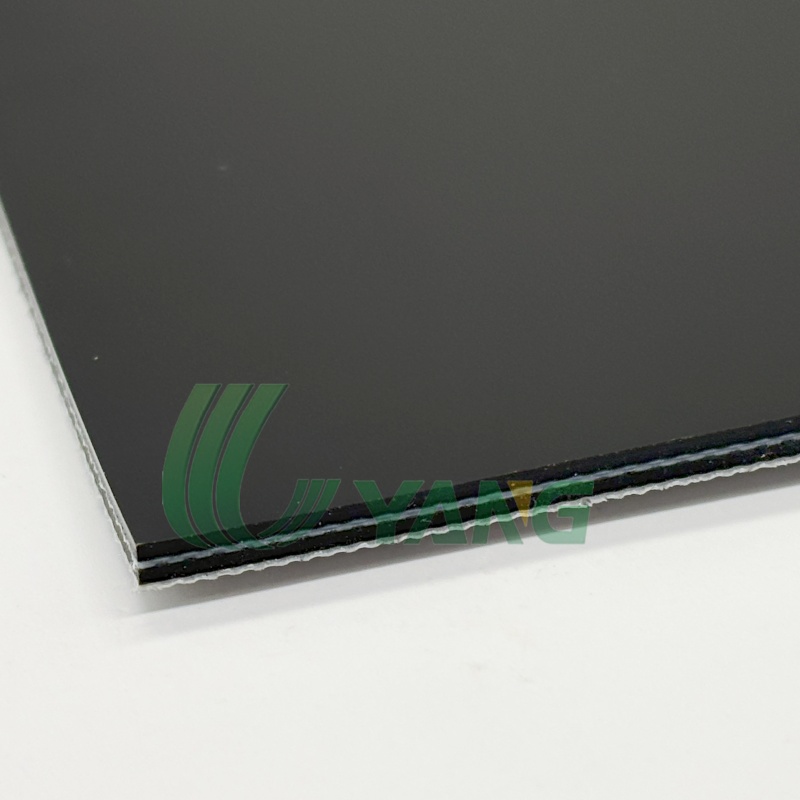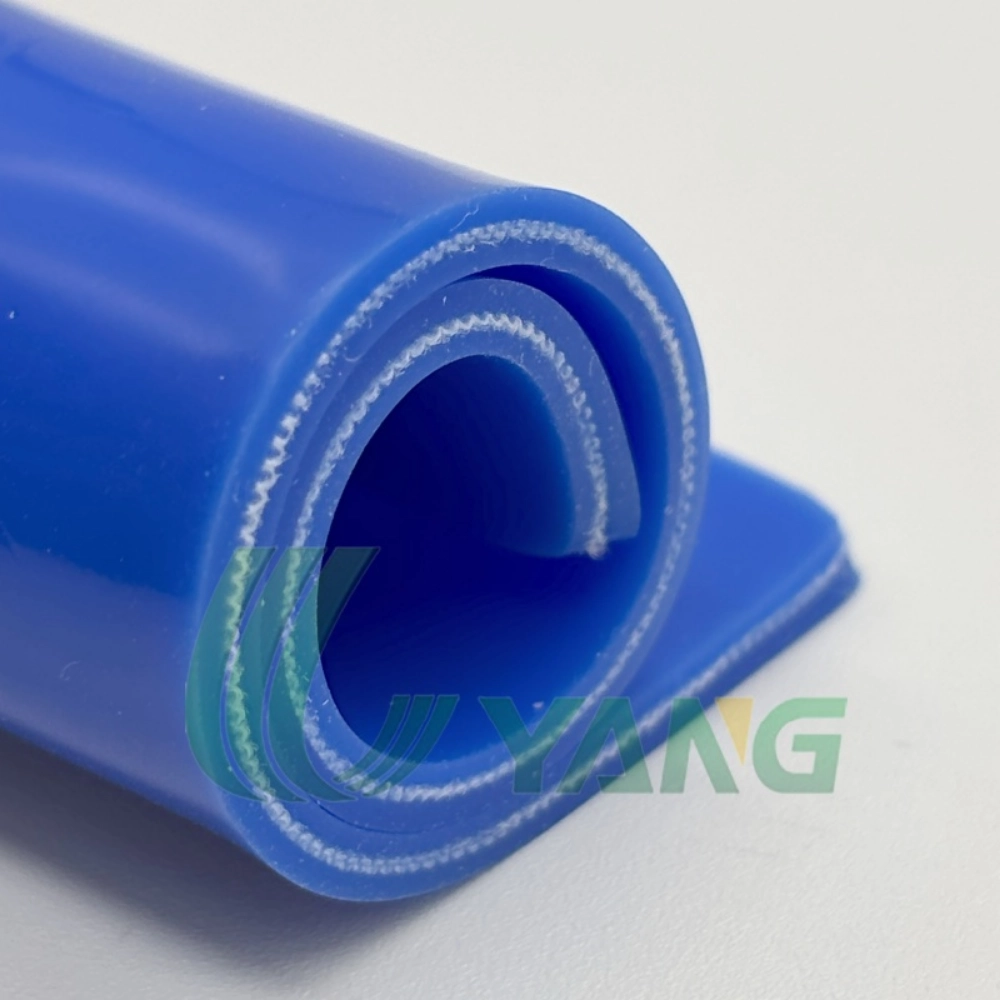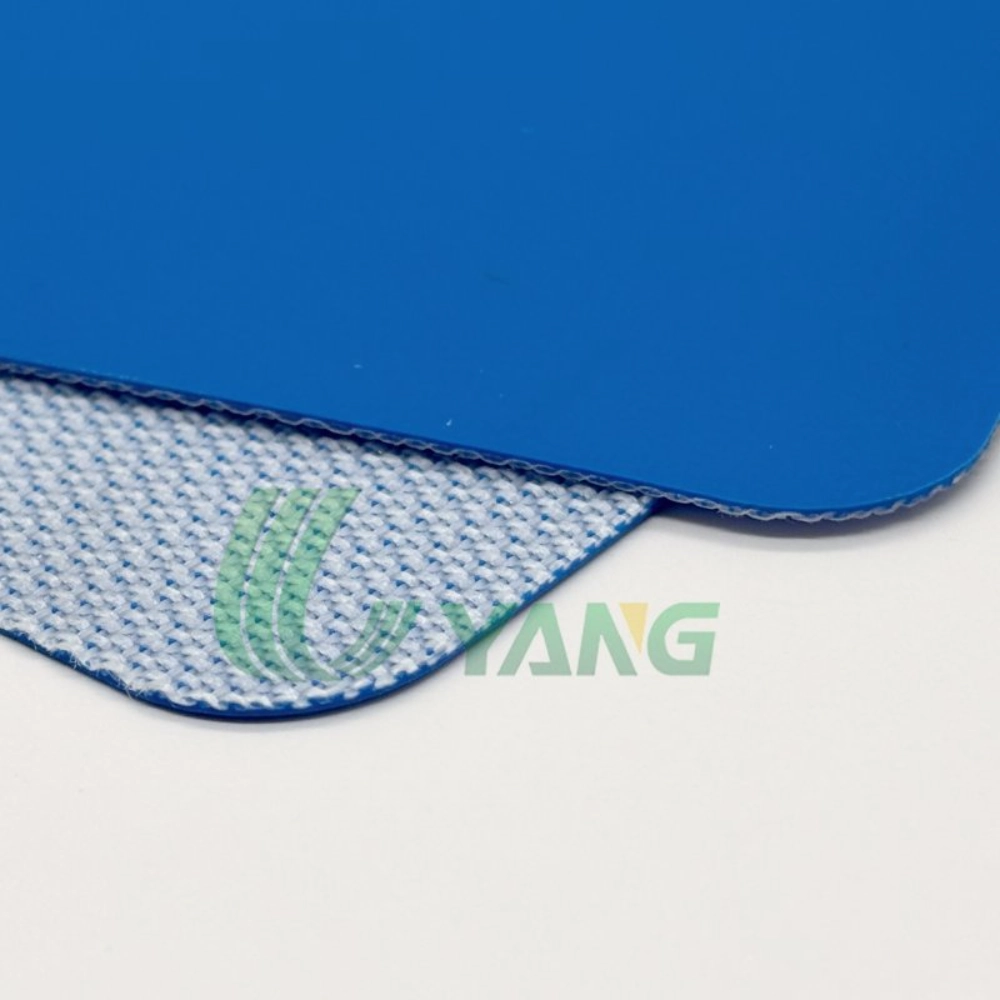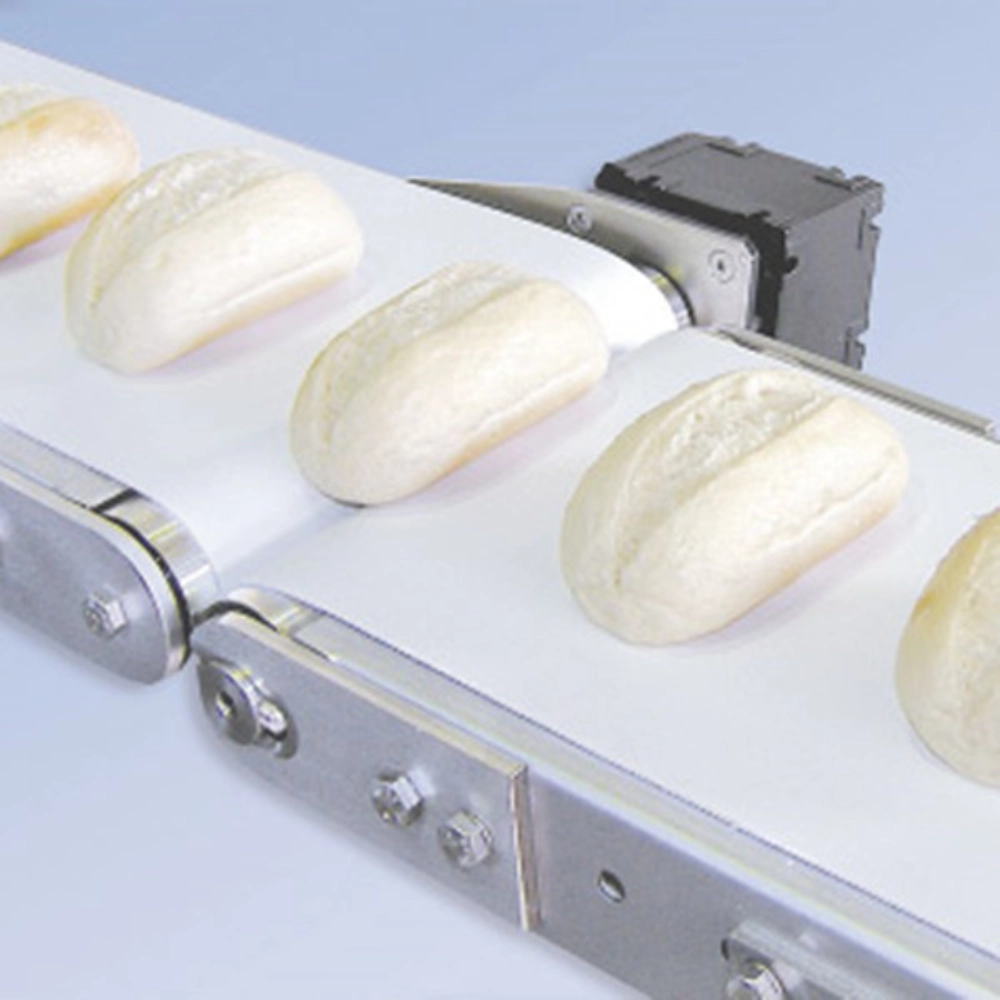
If your conveyor setup keeps halting or the engine runs warm while the belt advances slowly, you face a grip problem. Many plant operators view belt slippage as a small bother, yet it represents a large drain on your earnings. To address it, you require a supplier with broad experience. UYANG BELTING offers more than 20 years of production know-how, based in a vast 80,000-square-meter site with 15 automatic lines. They go beyond sending out coils of material; they deliver complete design support for worldwide needs. Whether you manage substantial factory weights or careful food handling, their skill in substance properties aids in halting the issues that reduce your efficiency.

Why Is Belt Slippage the Silent Killer of Your Production Line?
Slippage happens when the hold between the drive wheel and the belt face falls under the point needed to move the weight. This goes beyond a simple mechanical fault. It triggers a chain reaction that affects your funds and equipment at the same time.
Financial Impact of Unscheduled Downtime
A slipping belt cuts the output speed right away. A setup meant to process 500 items per hour may only handle 400, but you still cover the same power and worker costs. These missing moments build up over weeks, leading to thousands of dollars in lost deliveries. As a result, your bottom line suffers steadily.
Hidden Erosion of Motor Service Life
Engines suffer from effort without progress. When the drive wheel turns against a stuck belt, it builds warmth. This warmth flows to the engine, damaging covers and supports. You may cut costs with an inexpensive belt today, but face five times the expense for engine repair soon after. Therefore, long-term savings prove elusive.
Material Waste From Inconsistent Belt Speed
In fields like filling or wrapping, precise timing matters greatly. A brief pause from slippage can make items pile up or drop from the path. This causes shattered containers, poured fluids, or ruined packages that go to waste rather than transport. Consequently, your operations face extra losses.
Can the Right Surface Texture Eliminate Friction Fluctuations?
The science behind a conveyor path relies much on the “hold” from the upper layer. Even belts suit certain tasks, but in fast or sloped settings, you need physical contact to maintain motion.
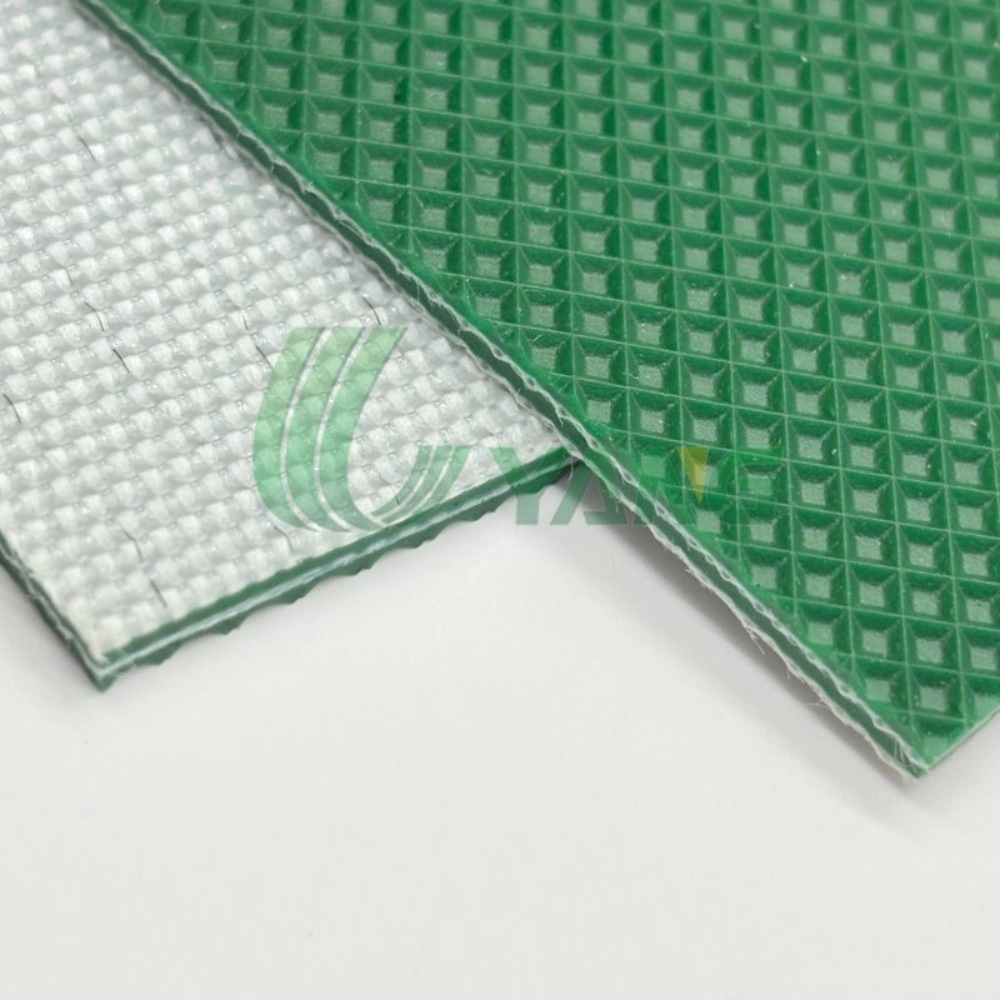
High-Grip Advantage of Diamond PVC Conveyor Belt
Picking a targeted pattern like the Diamond PVC Conveyor Belt brings clear benefits. The indented diamond design works like small grips, catching the base of your goods. This proves vital for items or dense cartons that slide backward on rises. In such cases, it ensures steady transport.
Non-Slip Performance in Inclined Logistics
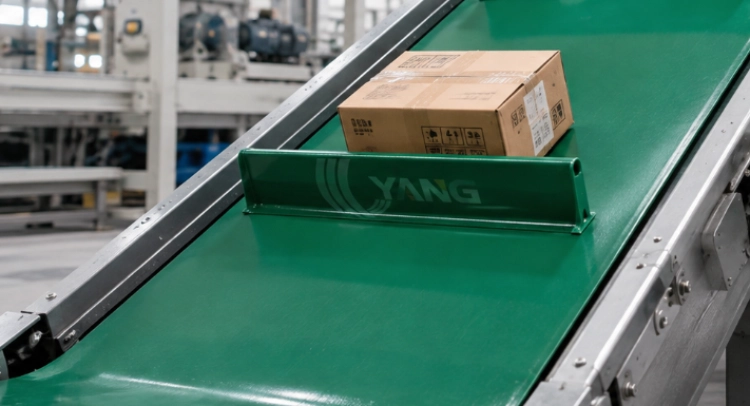
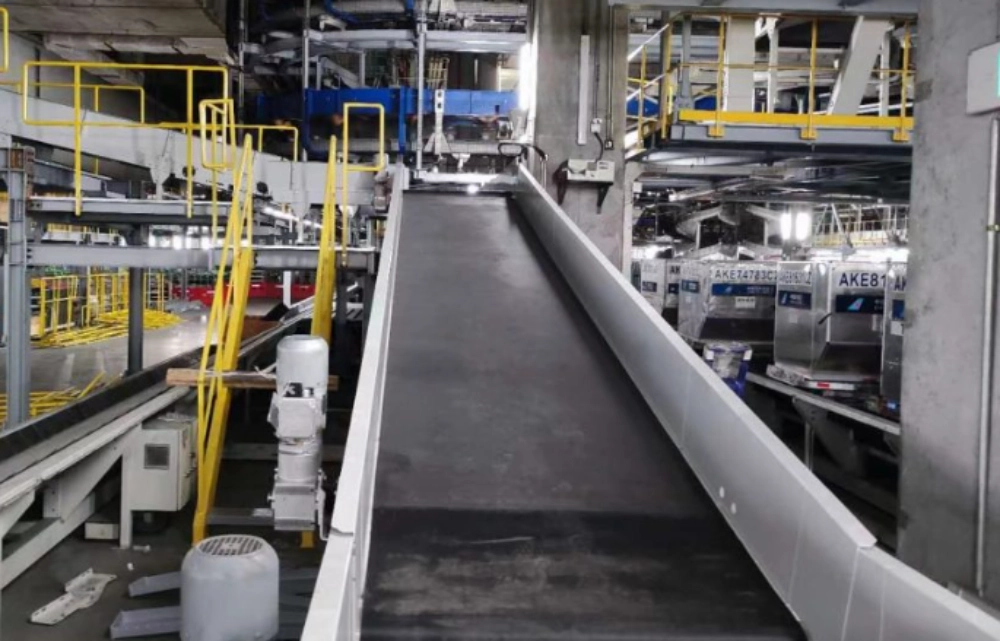
Transport hubs frequently employ sharp inclines to use space well. A basic PVC belt fails in these spots since pull loses to even faces. The diamond-pressed form supplies the added hold required to secure loads at 20 or 30-degree slopes. Thus, it supports reliable flow.
Impact of Geometric Patterns on Contact Surface Area
It may seem odd, but reduced face touch can yield stronger hold at times. Raised designs focus force on the high points of the pattern, which clings to package materials better than a level, dirty surface. This approach enhances overall contact efficiency. As a result, slippage drops significantly.
How Does Material Composition Prevent Unexpected Elongation?
A belt that extends excessively loses its pull, and a slack belt slips easily. Here, the inner “frame” of the belt plays a key role.
High-Strength Polyester Fabric Core Stability
The key to a belt that holds firm lies in the polyester layer inside the PVC sheets. Low-end makers use thin threads that give under pressure. A superior core maintains the belt’s size steady even following months of constant use. Therefore, it avoids frequent adjustments.
Low-Stretch Characteristics of Premium PVC
The makeup of the PVC compound counts heavily. Top polymers resist “creep,” the lasting shift in shape over periods. If your belt demands weekly tweaks, the substance level likely causes the trouble. In contrast, quality options stay reliable longer.
Lateral Stability in Heavy-Duty Load Scenarios
When a large weight strikes the belt, it should not bend or curve. Solid side steadiness keeps the belt level on the wheels, boosting the touch zone and stopping side wear against the frame. This feature aids in smooth, even operation. Hence, durability increases.
Is Your Current Belt Failing the Hygiene and Grip Challenge?
Food handling presents two issues. You require sufficient hold to shift damp goods, yet the belt must stay pure for inspection. Germs thrive in gaps of used belts.
Sanitary Benefits of Crescent Top White PVC Conveyor Belt
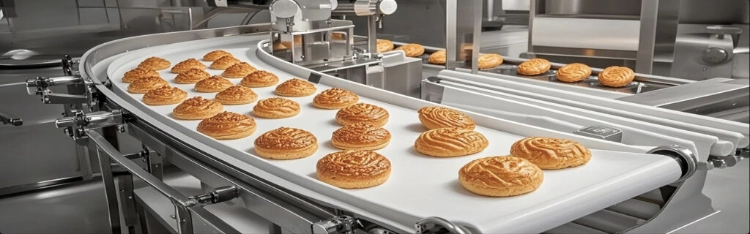
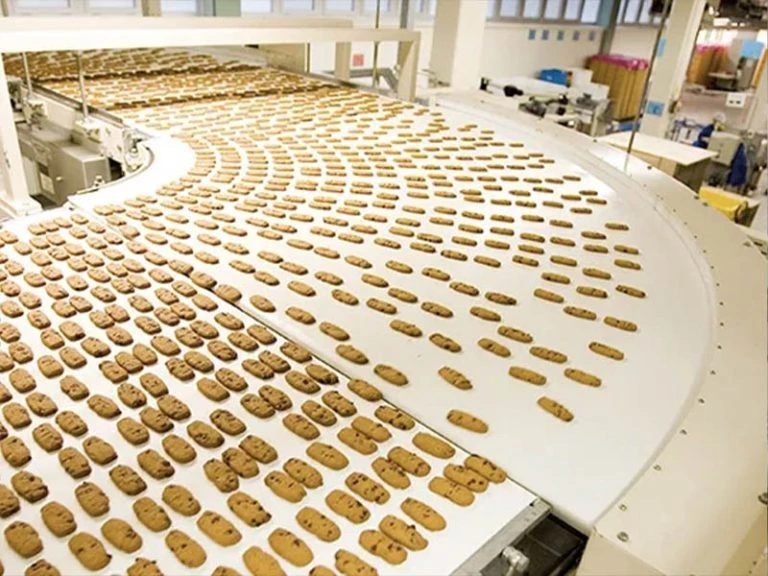
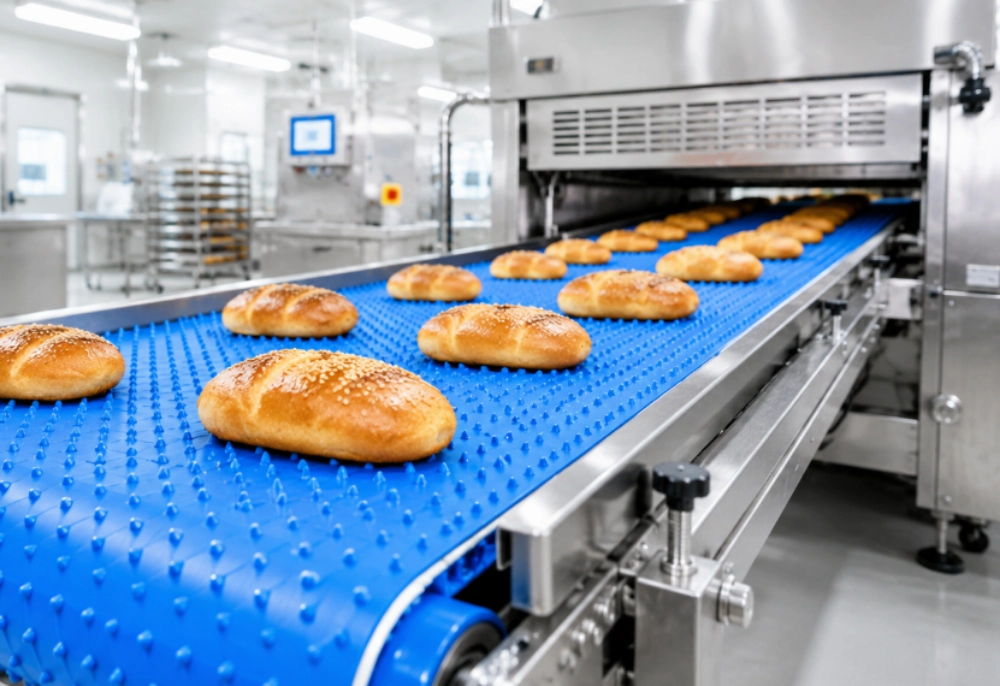
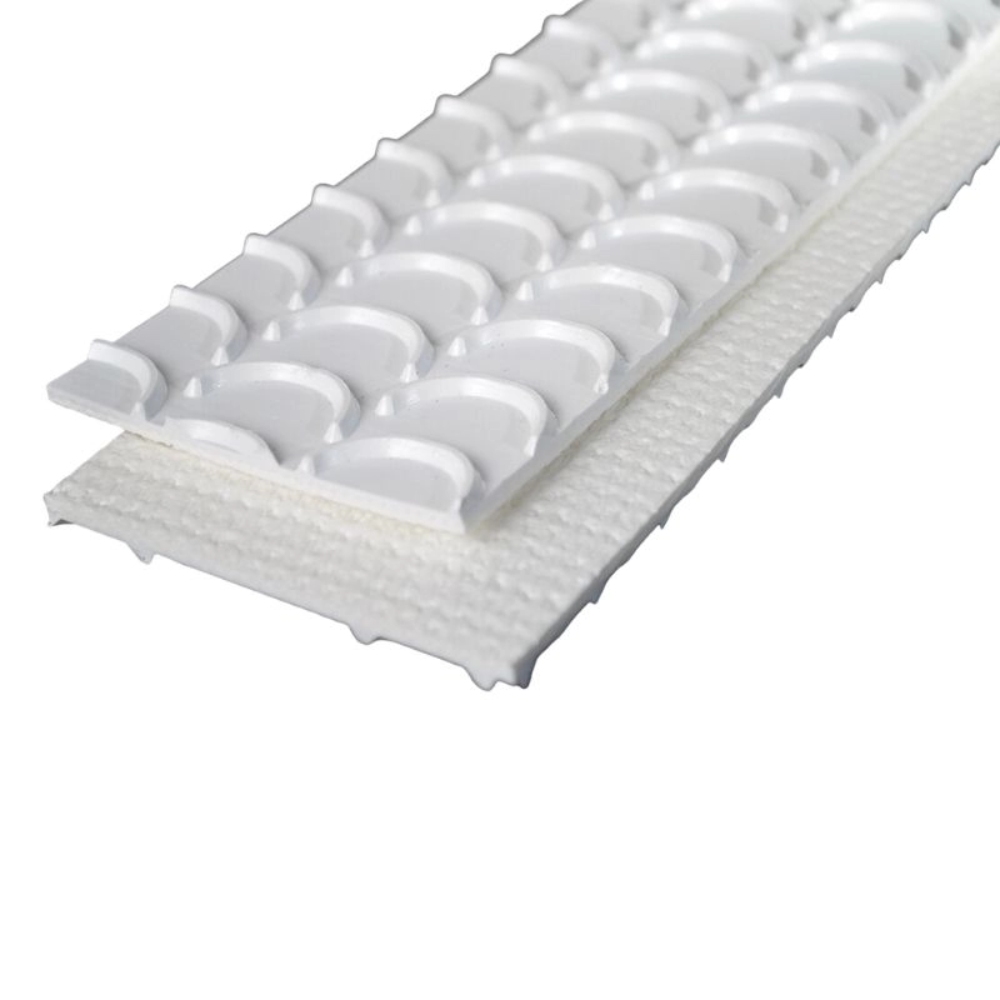
The Crescent Top White PVC Conveyor Belt suits these “dirty” conditions on purpose. Its white shade aids in detecting impurities, while the substance withstands fats and oils in meat or bird work. This combination supports clean and effective processes. As such, it meets strict standards.
Self-Cleaning Properties of Unique Crescent Patterns
The crescent form proves smart since it lacks sharp angles where powder or bits can lodge. As the belt curves around the wheel, the crescent widens a bit, which lets strong water sprays remove waste easily. This design simplifies upkeep routines. Consequently, hygiene improves daily.
Superior Grip for Wet and Oily Food Processing
Moving greasy treats or moist produce on a plain belt fails. The crescent lines serve as small barriers, holding the items and stopping slides in their fluids. This keeps your grouping and measuring tools precise. Therefore, accuracy remains high.
What Professional Maintenance Secrets Maximize Friction Efficiency?
The finest belt slips if handled badly. Care involves more than repairs after faults; it means controlling the belt’s surroundings.
Strategic Selection of Friction Coefficients
Various goods demand varied hold levels. A tacky belt suits cartons well but harms buildup paths where items must shift. You must align the belt’s hardness to your exact task. This matching ensures optimal function.
Influence of Pulley Lagging on Belt Traction
At times the belt works fine, but the drive wheel wears flat. Fitting a rubber or ceramic cover to the wheel boosts hold greatly. This classic method still aids in tough factories. As a result, performance rises.
Prevention of Debris Accumulation and Surface Glazing
Dirt, grease, and dampness form a “sheen” on the belt face, making it slippery. Routine washing with neutral cleaners preserves the PVC’s natural stick. If you allow buildup, no pull adjustment halts the issue. Thus, consistent care proves essential.
Why Is Uyang Belting the Proven Partner for High-Performance Lines?
Exploring the Product Center of a large maker can overwhelm, but it holds the top fixes. A supplier with an 80,000-square-meter base provides direct factory rates and design aid that minor traders lack.
Decade of Mastery in B2B Industrial Belt Manufacturing
With more than two decades active, these experts have faced all failure types. They understand why a belt might break in a moist plant in Southeast Asia compared to a chill storage in Europe. This background leads to longer belt service for you. In essence, it builds trust.
Custom Surface Engineering for Specific Industry Applications
No single type fits every need in the Industry Application field. If you require a belt for pointed electronics or bakery heat, tailored faces like those noted above serve best. This customization addresses unique demands. Therefore, results match expectations.
Global Supply Chain Reliability and Technical Support
In current markets, delivery marks half the task. You need it promptly. Fifteen modern lines keep wait times brief, and quality holds steady per coil. Also, round-the-clock aid means you avoid uncertainty during halts. Hence, reliability stands out.
FAQ
Q1: How do I know if my belt is slipping or if the motor is failing?
A: Mark a white line across the edge of the belt and a matching mark on the drive pulley. Start the machine under load. If the marks move away from each other, your belt is slipping. If they stay aligned but move slowly, your motor or gearbox might be the issue.
Q2: Can I just tighten the belt more to stop the slippage?
A: Over-tensioning is dangerous. It puts massive strain on your bearings and can snap the internal fabric of the belt. If the belt is already tight and still slipping, you likely have the wrong surface texture or a contaminated pulley.
Q3: Is the Crescent Top belt only for food?
A: Not at all. While it is popular in food plants because of its hygiene properties, the crescent shape is excellent for any small, wet, or granular items that would normally roll off a flat belt.
Q4: What is the benefit of a white belt over a green one?
A: In industries where hygiene or foreign object detection is critical, white is the standard. It shows dirt and mold much faster, allowing your cleaning crew to be more effective. Green is typically used for general logistics where visibility of dirt is less of a concern.
Q5: How long should a high-quality PVC belt last?
A: It depends on the load and environment, but a properly specified belt from a top manufacturer should last several years if maintained. If you are replacing belts every six months, you either have a mechanical alignment issue or you are using the wrong material for the job.