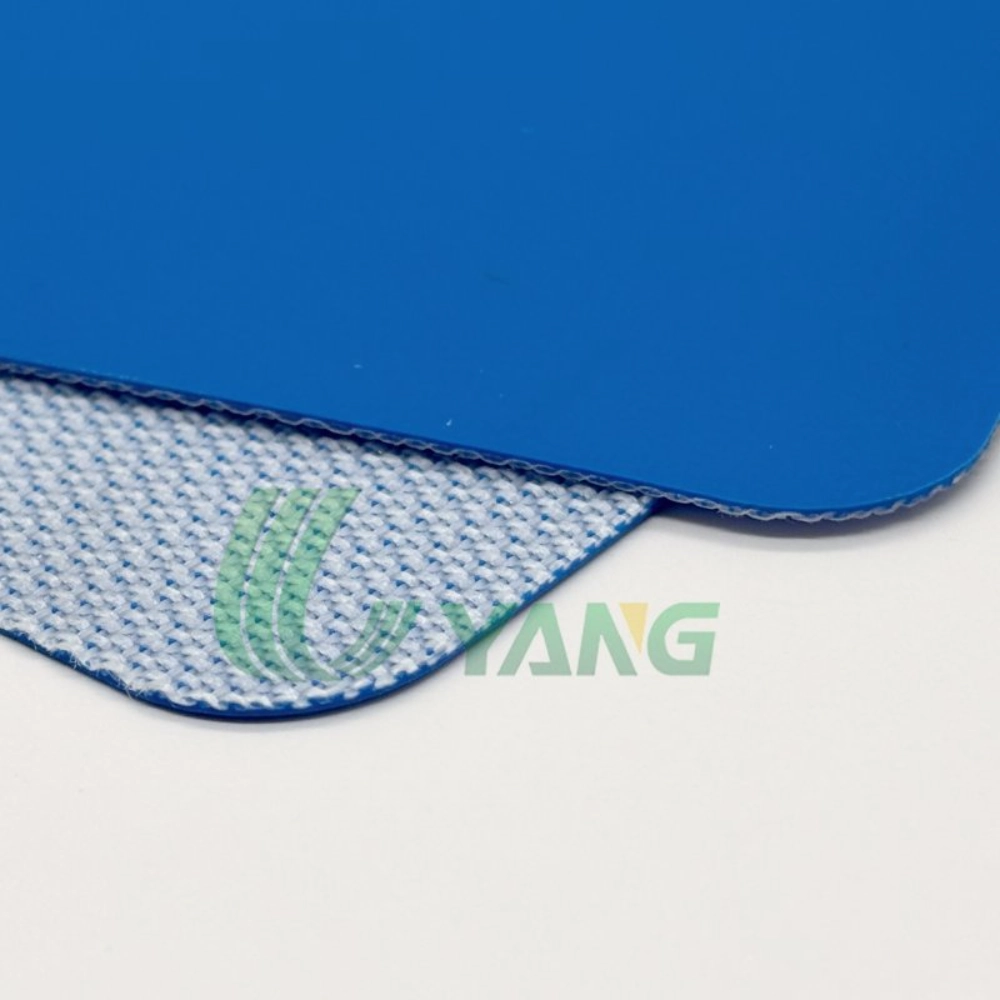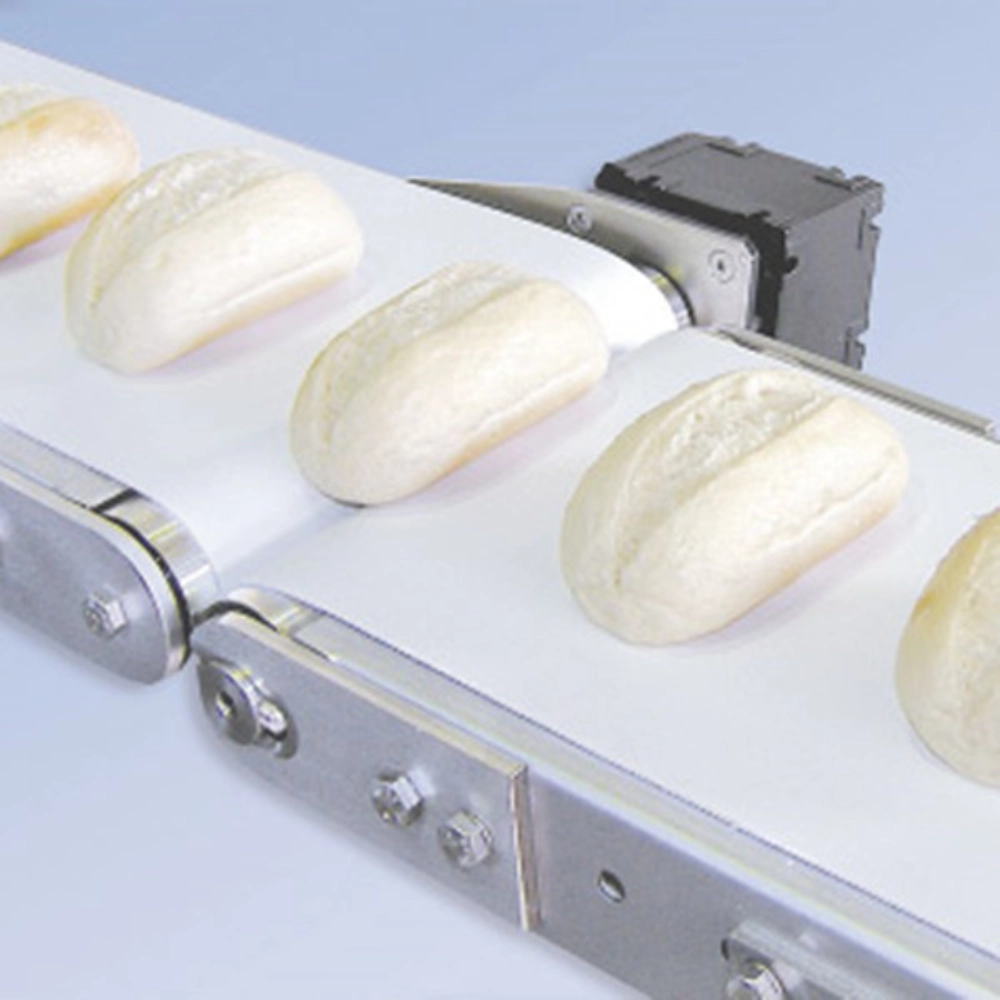
In tire manufacturing, conveyor belt thickness is not a small specification hidden in a quotation sheet. It affects heat resistance, tracking stability, rubber release, maintenance frequency, and shift output. The wrong belt may run well during a short trial, then deform, crack, or collect raw rubber once production becomes continuous. That is why tire plants need a supplier that can match belt structure to the exact process, not just sell a heavier roll. UYANG BELTING supports tire and industrial lines with more than 20 years of belting experience, an 80,000-square-meter production base, 15 advanced production lines, and tire-focused conveyor belt solutions. For buyers and engineers, this means you can discuss temperature, pulley diameter, width, load, grip, and custom processing before ordering.

Why Does Belt Thickness Matter to Tire Plant ROI?
A tire line carries uncured rubber, tread strips, carcass parts, green tires, or finished tires through heat and handling zones. In these stages, belt thickness works together with surface material, ply structure, and pulley compatibility. Choosing only by millimeter count can create a false sense of safety, because a thick belt with poor flexibility may fail faster than a thinner belt with the correct fabric and cover.
Heat Is Only One Part of the Failure Risk
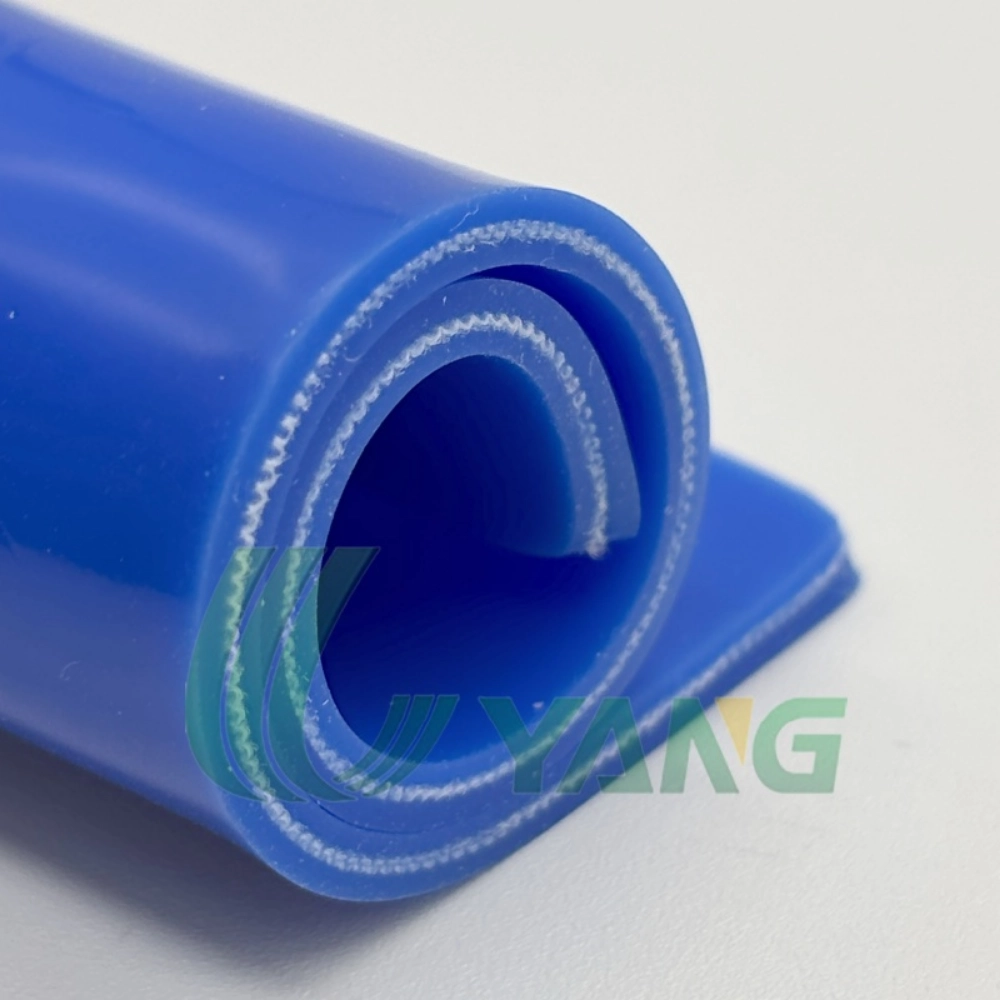
Heat can soften a weak cover, damage the adhesive layer, or speed up edge cracking. Standard PVC belts are common in packaging, food, and general conveying, but tire manufacturing brings higher heat, tacky rubber, carbon black, pressure, and repeated bending. Some PVC canvas structures can handle higher working ranges than basic PVC surfaces, while rubber canvas and silicone canvas options may cover hotter zones. The key is to confirm peak temperature, contact time, and whether the hot material touches the belt directly.
Ply Structure Controls Tracking and Load Stability
The fabric plies inside the belt decide how the belt stretches, tracks, and carries load during daily production. A belt with too little support may elongate, drift to one side, or require frequent tension correction. A belt with too much stiffness may increase motor load and create stress at small pulleys. In B2B sourcing, the right question is not “What is the thickest belt?” but “Which thickness and ply design can hold the product while still bending smoothly on my equipment?”
Thickness Must Match Pulley Diameter
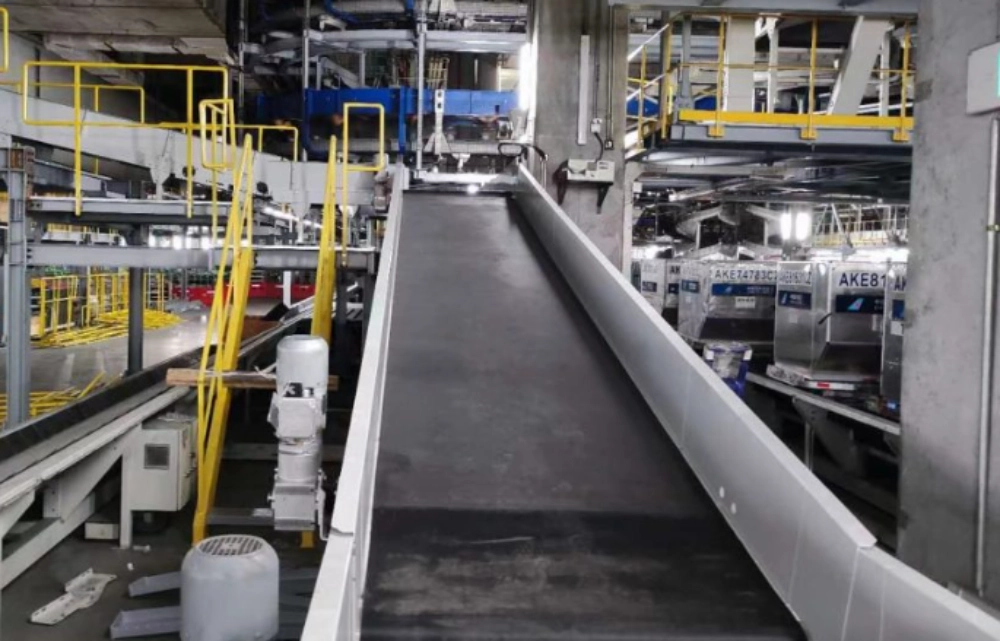
A tire plant may use different conveyors for molding, cooling, storage, inspection, and packaging. Each conveyor has its own pulley diameter, transfer point, speed, and frame layout. If the belt is too thick for the pulley, internal stress builds every time it bends. If it is too thin for the load and heat, the surface may deform or lose grip. Before confirming an order, provide belt width, length, speed, pulley diameter, load weight, incline angle, product size, working temperature, and exposure to oil, chemicals, or cleaning agents.
How Should Buyers Define the Right Belt Before Ordering?
Good belt selection starts with process mapping. A supplier cannot recommend accurately from “used for tire factory” alone. You will get a more useful proposal when you identify the exact production stage, the material being moved, and the operating problem you want to solve.
Map the Production Stage First
Tire production includes mixing, calendering, extrusion, tread handling, tire building, green tire storage, vulcanization-related transfer, cooling, inspection, and packaging. Each stage creates a different demand on the belt. Green tire handling needs stable positioning and surface protection. Cooling lines need heat release and smooth transfer. Rubber sheet handling needs release performance and abrasion resistance. Final tire transfer may need load support and tracking stability rather than high-temperature resistance.
Confirm Adhesion, Heat, and Cleaning Conditions
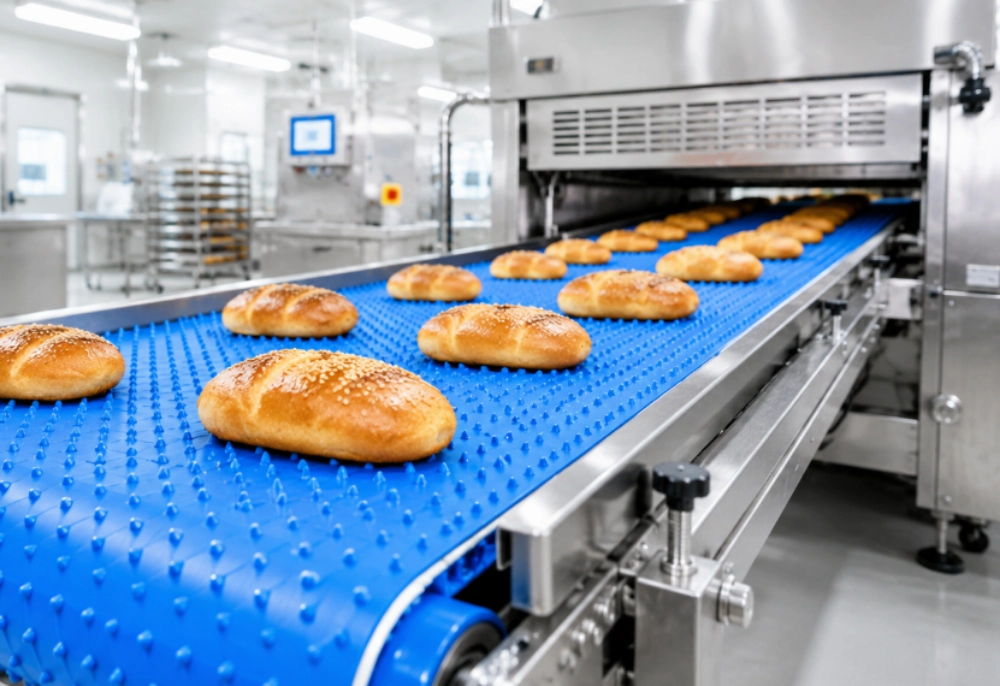
Raw rubber sticking to the belt is more than a cleaning issue. It can damage the product surface, slow operators, increase scrap, and make the next process unstable. For tacky compounds, the surface should reduce adhesion while still giving enough friction for controlled movement. Food-grade homogeneous belts use TPU or TPE one-piece structures for hygiene and washdown, but tire applications usually focus on heat, rubber release, friction, and wear.
Which Tire Conveyor Belt Options Fit High-Heat Production?
For tire plants, the best belt is normally a process-specific belt, not a generic belt. Two practical options are worth comparing when your line must handle rubber adhesion, heat exposure, and stable conveying.
2.5mm Cotton Canvas PU Conveyor Belt For Tire industry
The 2.5mm Cotton Canvas PU Conveyor Belt For Tire industry is designed for tire manufacturing processes where flexibility, surface release, and controlled handling are important. Its cotton canvas and TPU structure gives a balance of abrasion resistance, impact absorption, and bendability. The 2.5mm thickness keeps the belt light enough for efficient running, while the fabric structure supports stable movement of tire components.
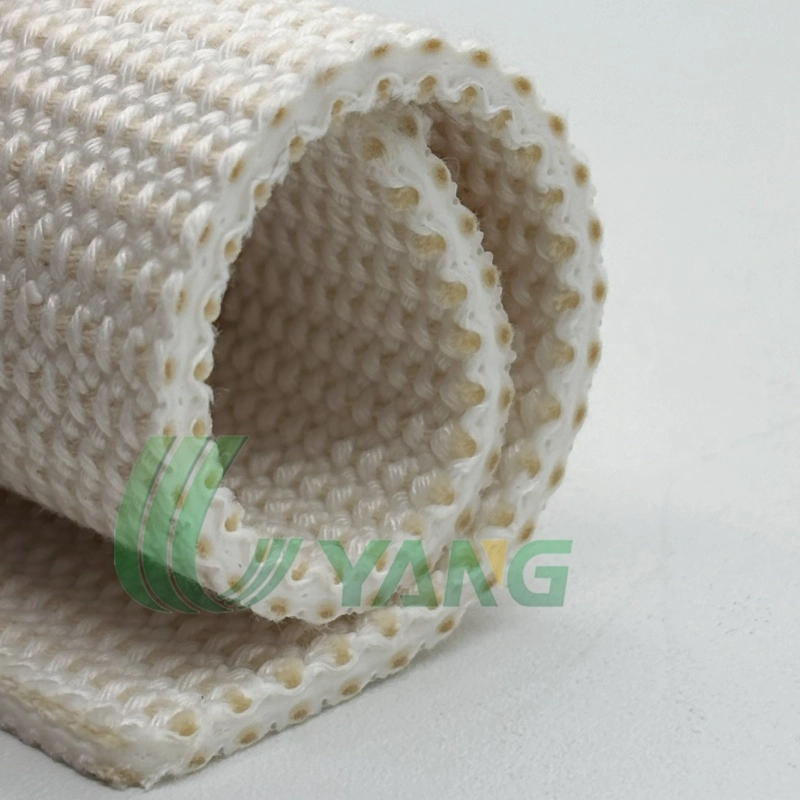
This option is useful for tire carcass and tread forming lines, green tire conveying before vulcanization, and automated handling where materials need steady positioning. For purchasing teams, the value is clear: lower risk of rubber sticking, less manual correction, easier replacement, and better consistency across long production shifts.
PVC Conveyor Belt -Polyester Woven Cotton Top -For Tire Factory
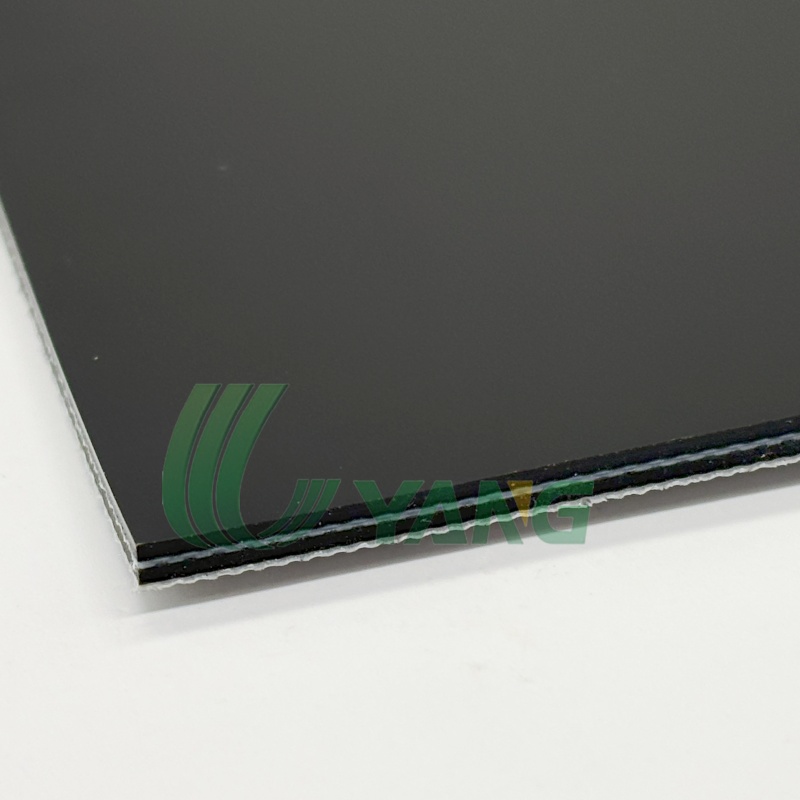
The PVC Conveyor Belt -Polyester Woven Cotton Top -For Tire Factory is another suitable choice when your line needs a cotton-textured surface plus PVC structural support. Its polyester woven cotton top gives higher friction for stable tire transportation, while the PVC middle layer helps maintain shape and working strength. The product data shows a 2.7mm total thickness, 2 plies, a minimum roll diameter of 50mm, and a working temperature range of -15/+80°C.
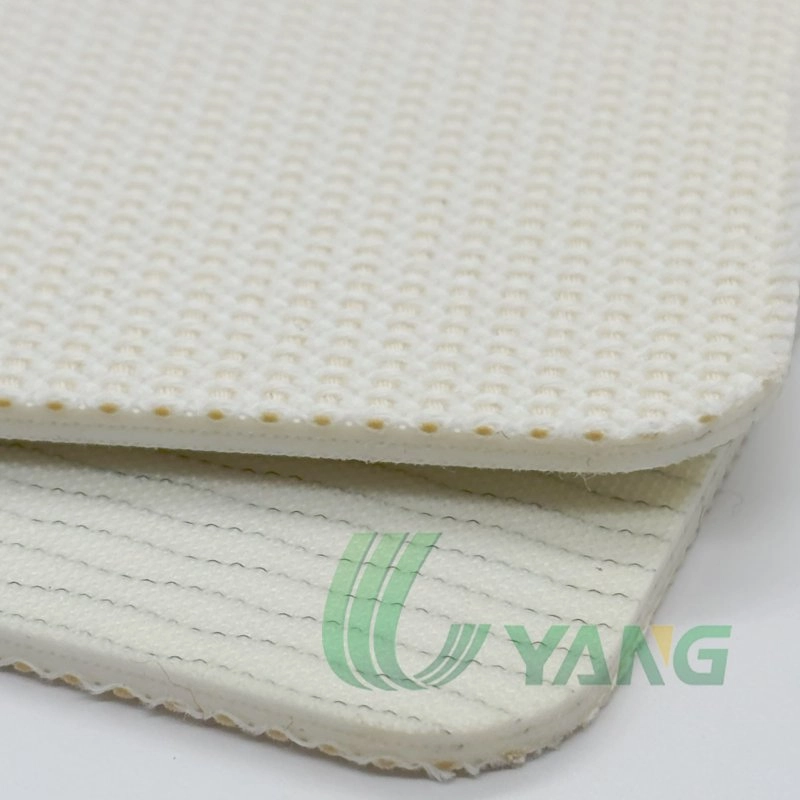
This belt is suitable for tire molding, vulcanization-related transfer, inspection, and packaging where stable grip and clean release are both needed. For factories that want a cost-effective belt with flexible customization, it can be a practical option because width, length, and special properties can be tailored. The single-sided textured cotton fabric option fits many standard tire applications, while double-sided textured cotton fabric can support higher friction and stability needs.
What B2B Problems Can the Right Belt Solve?
A well-selected conveyor belt should reduce operating cost, not just move product from one point to another. In tire factories, small belt problems quickly become production problems because each line stage is linked to the next.
Less Sticking and Product Waste
When rubber compounds bond to the belt surface, operators spend more time cleaning and correcting product movement. This can lead to surface marks, torn tread edges, and inconsistent feeding into the next machine. A PU-coated cotton canvas belt or cotton-top structure can reduce sticking while keeping the friction needed for controlled transfer.
Lower Downtime and More Predictable Maintenance
Belt cracking, drifting, or delamination can stop an entire process. Correct thickness, ply count, and pulley compatibility help keep the belt aligned and reduce edge damage. This gives maintenance teams a more predictable replacement schedule instead of emergency shutdowns. It also helps plant managers control spare belt stock across multiple lines.
Why Work With a Technical Belt Supplier Instead of Buying a Generic Belt?
Generic sourcing may look cheaper on the first quotation, but tire plants usually pay later through scrap, stoppages, and extra labor. A technical supplier helps you compare heat range, load, grip, flexibility, release behavior, and machine fit before mass purchase.
Manufacturing Capacity and Quality Control
UYANG BELTING offers PVC, PU, homogeneous, rubber, modular, timing, processing, and specialty patterned belts for many industries, including automotive and tire applications. Its production capacity supports trial orders and bulk needs, while ISO-focused quality control helps keep batches consistent. For B2B buyers, this matters because one approved sample must match the later production roll.
Customization and Long-Term Support
Custom thickness, width, length, surface pattern, guide strip, cleat, sidewall, branding, and packaging can help the belt fit your equipment and sales market. The company also supports OEM/ODM cooperation, sample service, global shipping, and after-sales assistance. Buyers can submit drawings, photos, or operating data, then request a recommendation before confirming the purchase. For a tire plant, that support can prevent costly mismatch. For a distributor, it creates a stronger selling point because you are offering a solution, not just a product.
FAQ
What thickness should I choose for tire cooling lines?
Many cooling or medium-duty tire conveying lines use belts around 2.0mm to 3.0mm, but the final choice depends on pulley diameter, speed, load, and heat exposure. A 2.5mm or 2.7mm belt can work well when the fabric, cover, and surface are matched to the process.
Can a standard PVC belt survive vulcanization heat?
It is risky to use a standard PVC belt without checking the real temperature and contact time. Tire-related heat, rubber adhesion, and pressure require specialized construction, and some zones may need cotton-top, PU-modified, rubber, or silicone-based options.