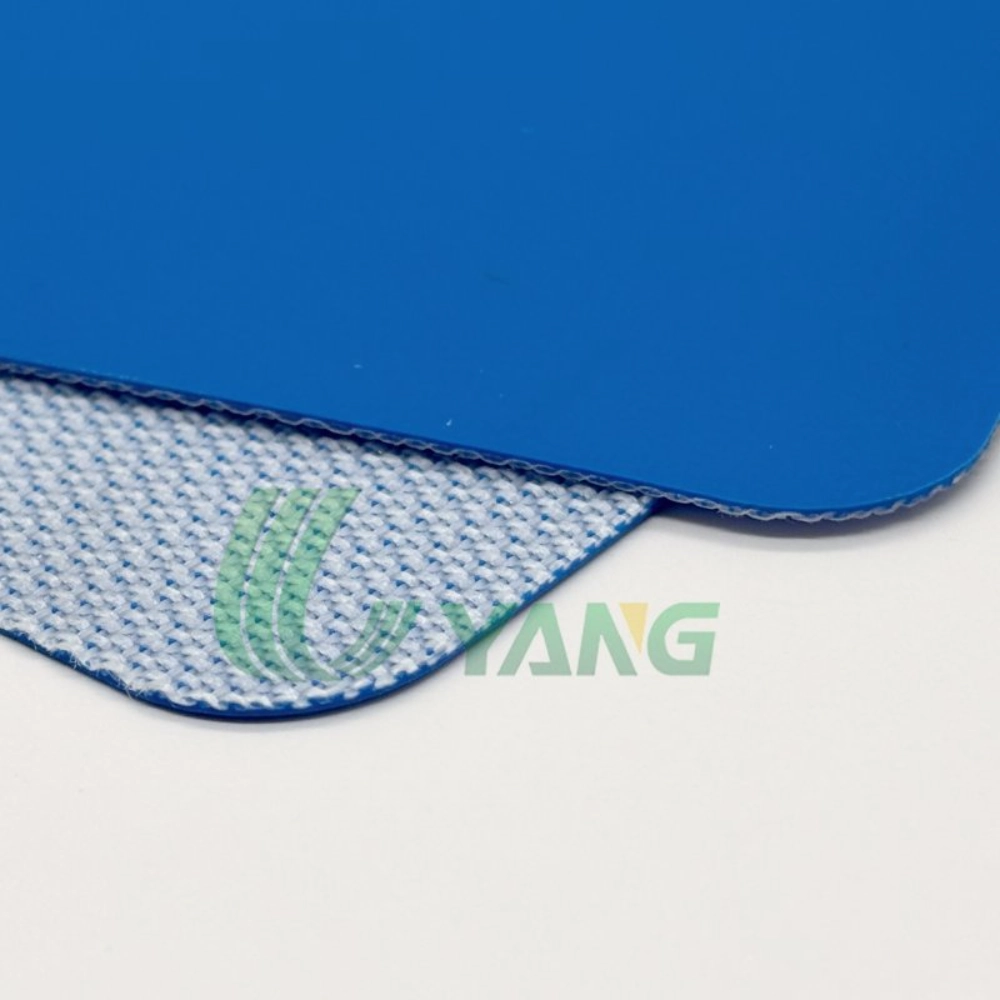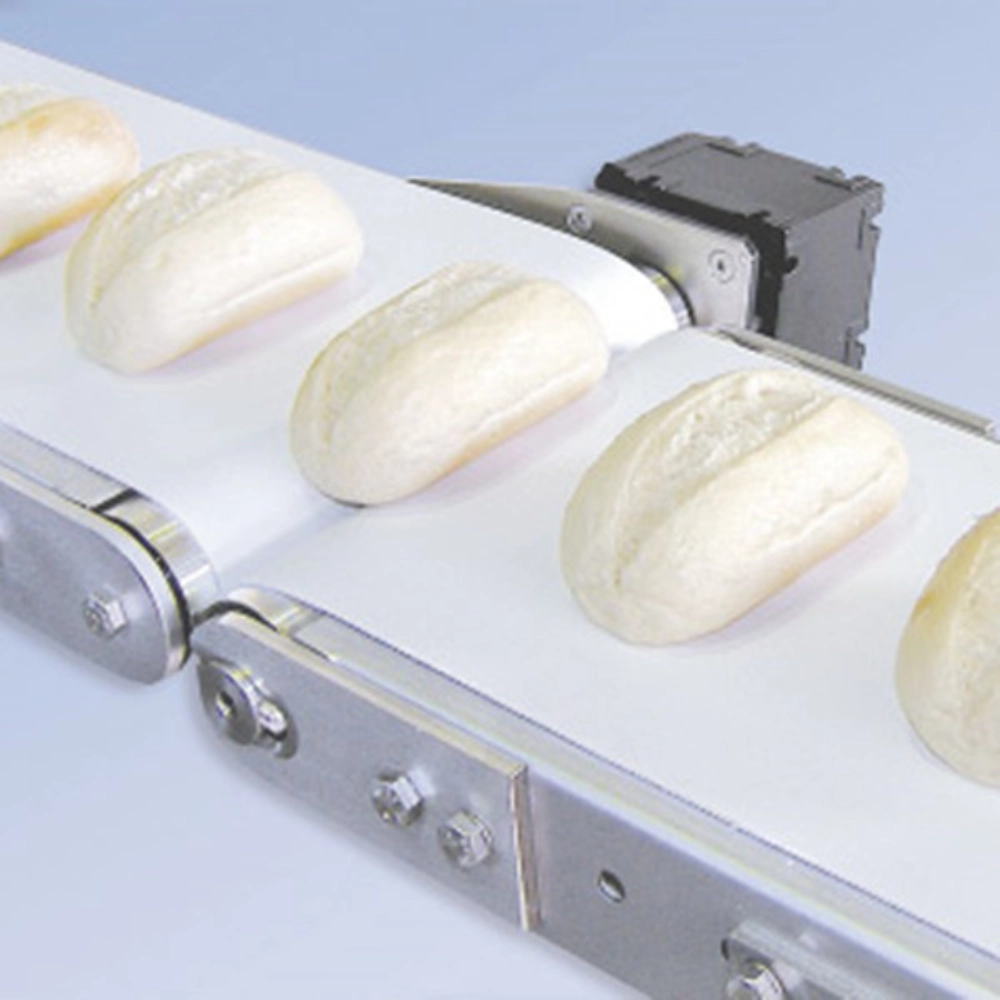
In B2B production, a PVC conveyor belt is not a minor spare part. It affects line speed, product stability, cleaning time, energy use, and unplanned downtime. A buyer may compare price per meter, but the plant pays for every stoppage, mis-tracked belt, and damaged product. So belt specification should start from the real working condition, not a simple catalog description.
If your factory needs a more reliable sourcing route, UYANG BELTING can be considered as a practical partner for conveyor belt projects. The company has 20+ years of industry experience, an 80,000-square-meter production base, and 15 advanced production lines. Its Product Center covers PVC, PU, homogeneous, rubber, modular, timing, processing, and patterned belts. Its Industry Application resources help buyers match belts with food processing, tire and automotive, printing, textile, logistics, electronics, wood, stone, and other industrial scenes.

Why Should PVC Conveyor Belt Selection Start with Production ROI?
For a purchasing team, the lowest quotation often looks attractive. For an operating line, the better question is whether the belt can keep output stable across daily shifts. A wrong belt may run at first, but it can stretch, slip, collect dirt, track to one side, or crack early. The real cost includes emergency labor, lost production hours, delayed delivery, and extra wear on rollers, pulleys, bearings, and motors.
Unit Price Is Not the Full Belt Cost
A belt that is too stiff may require higher tension and place more load on the drive system. A belt that is too weak may elongate and lose tracking accuracy. A surface that is too smooth may allow cartons, trays, molded parts, or wrapped products to slide back on an incline. A surface that is too aggressive may mark product packaging or trap dust. B2B buyers should treat the belt as a working component, not a consumable chosen only by thickness and color.
Specification Accuracy Protects Daily Output
Make sure to gather belt width and length, as well as machine speed, pulley diameter, load, product dimensions, conveyer belt incline, temperature, exposure to oil or other chemicals, cleaning, anti-static, food processing, flame resistant, cleated, sidewall, or guide-strip requirements, and any other specific processing needs before you place your order. By gathering this critical information, the supplier can specify a correctly-sized belt for your specific machine as opposed to specifying a “generic” belt that your machine must be forced to accommodate.
Which PVC Belt Surface Fits Your Product and Line Layout?
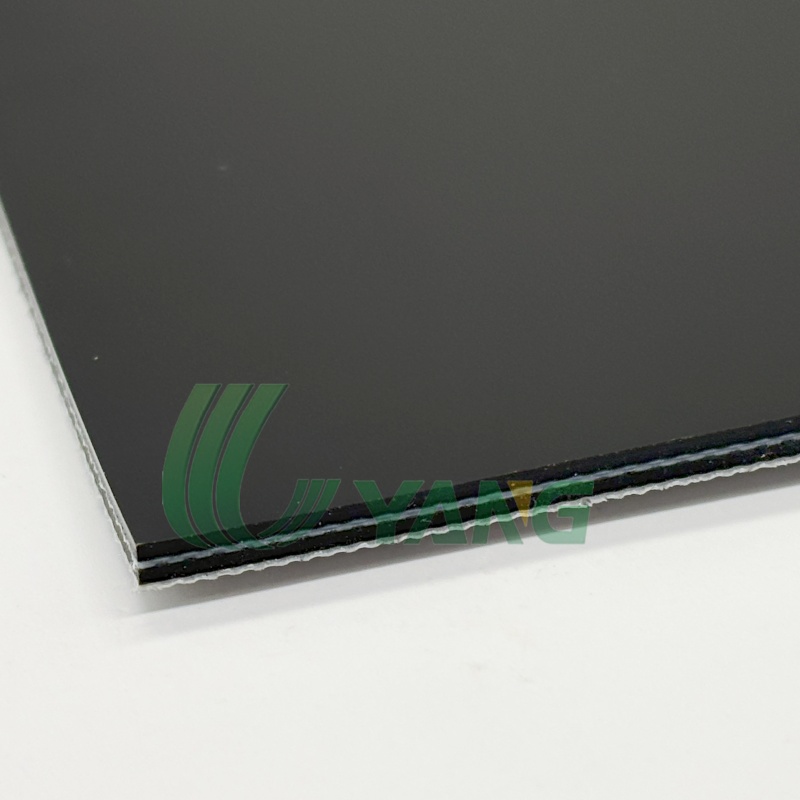
The top surface of the product in contact with the belt surface determines the cleaning, traction and transfer stability of the product during startup and shutdown, as well as during running on inclines and declines. For flat-bottomed cartons, light-weight packages, printing materials, etc. which require to be cleaned and transferred effectively from one conveyor to another, a smooth surface belt such as a PVC belt with a fine surface texture is ideally suited to provide stable transfer with a minimum of surface drag. However, on inclined conveyor lines where products may be sliding on an angled surface, a textured surface can provide additional safety.
Saw Tooth PVC Conveyor Belt for Incline and Frequent Starts
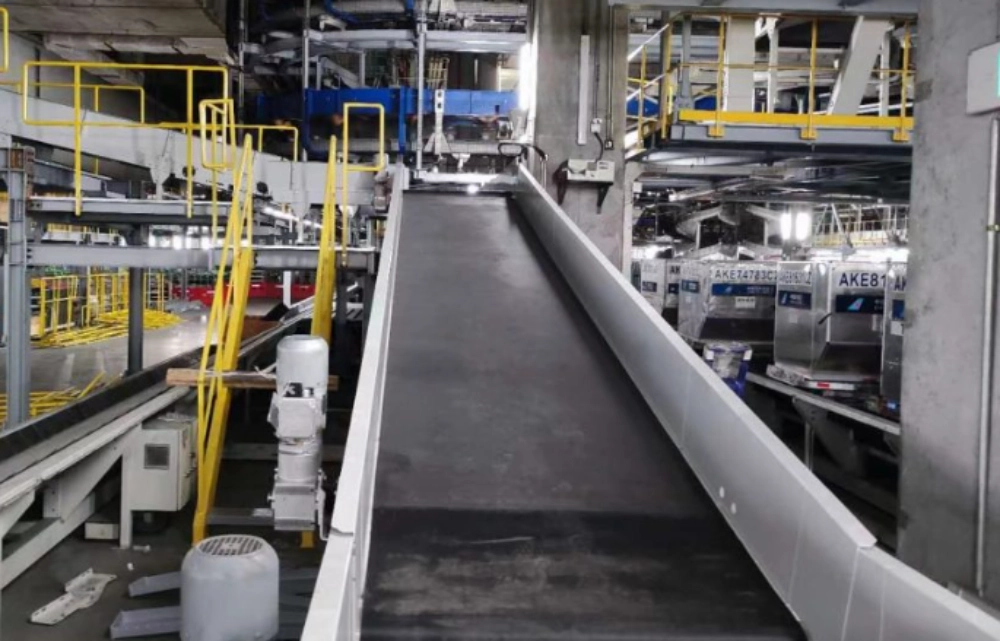
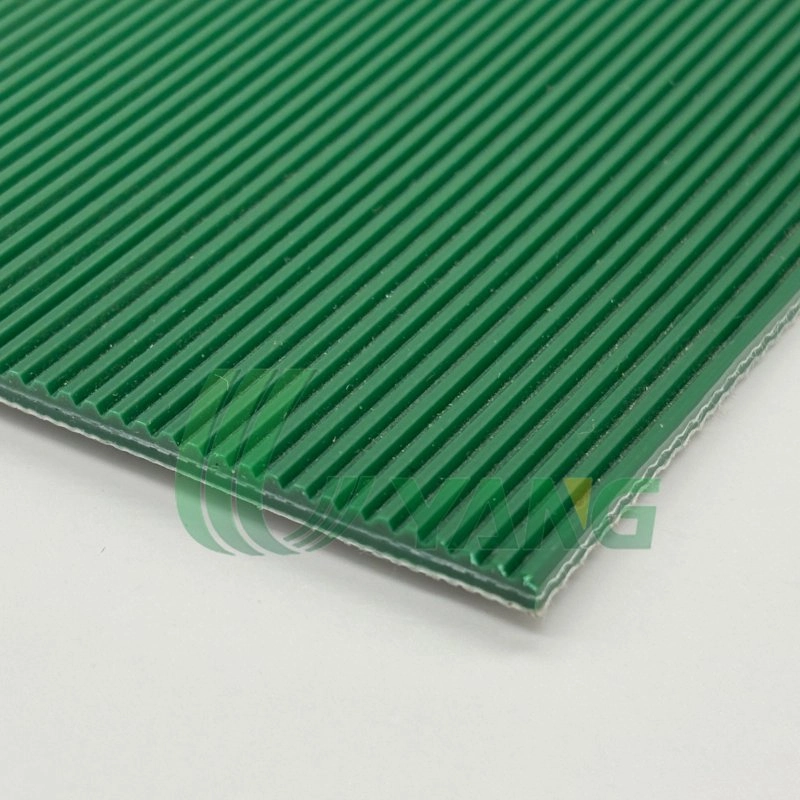
When the conveyor layout includes inclines, short transfer points, or frequent start-stop movement, the Saw tooth PVC conveyor belt provides stronger mechanical grip than a smooth surface. The raised tooth pattern helps reduce backward sliding, so it is useful for small packages, paper products, and light industrial parts that need controlled movement on angled lines. For buyers, this can reduce product accumulation, manual correction, and repeated line adjustment.
Black Lattice PVC Conveyor Belt for Wet, Oily, or Unstable Contact
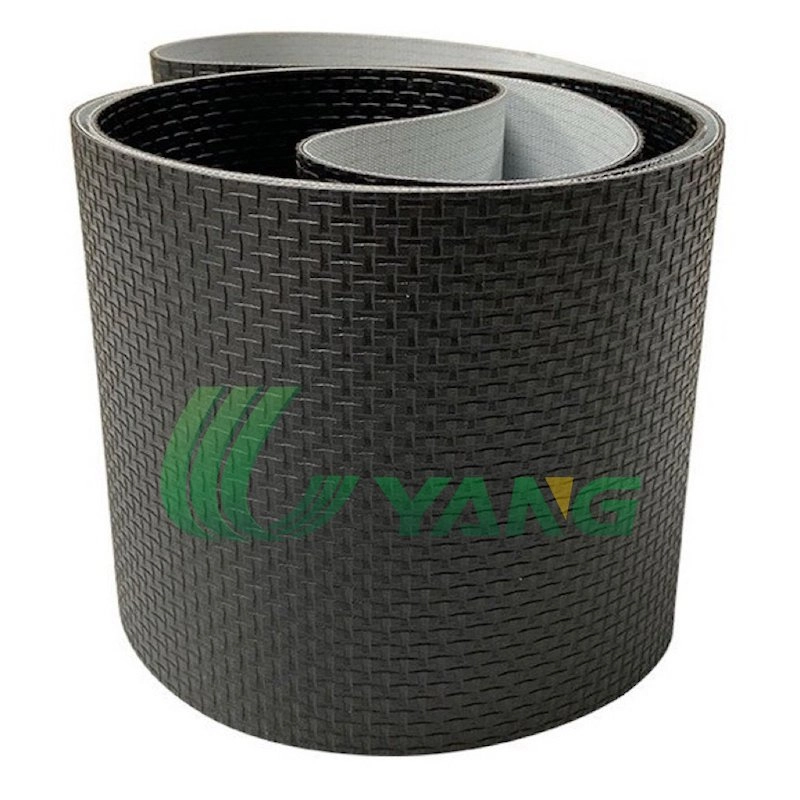
If products face wet surfaces, light oil, dust, or unstable bottom contact, the UYANG Black Lattice Pattern PVC Conveyor Belt gives multi-directional grip through its lattice texture. The pattern helps maintain contact while allowing small amounts of liquid or debris to move away from the main contact points. It is suitable when a standard flat PVC belt cannot provide enough hold, but a very aggressive surface would create cleaning or product-marking problems.
How Should Buyers Match Belt Construction to Application Conditions?
Surface selection is only one part of the decision. B2B buyers also need to check internal fabric, total thickness, bottom fabric, temperature range, minimum pulley diameter, and required processing.
Thickness, Ply, and Pulley Diameter Must Work Together
A thicker belt is not always better. Heavy-duty belts can carry stronger loads, but they also need larger pulley diameters and more drive force. If a belt is too thick for a small pulley, bending stress increases and the belt may crack near the splice or edge. If a belt is too thin for the load, it can stretch and lose tracking. The right choice is the lightest belt that can safely handle the load, speed, impact, and pulley design.
Temperature, Oil, Chemical, and Sanitation Exposure Matter
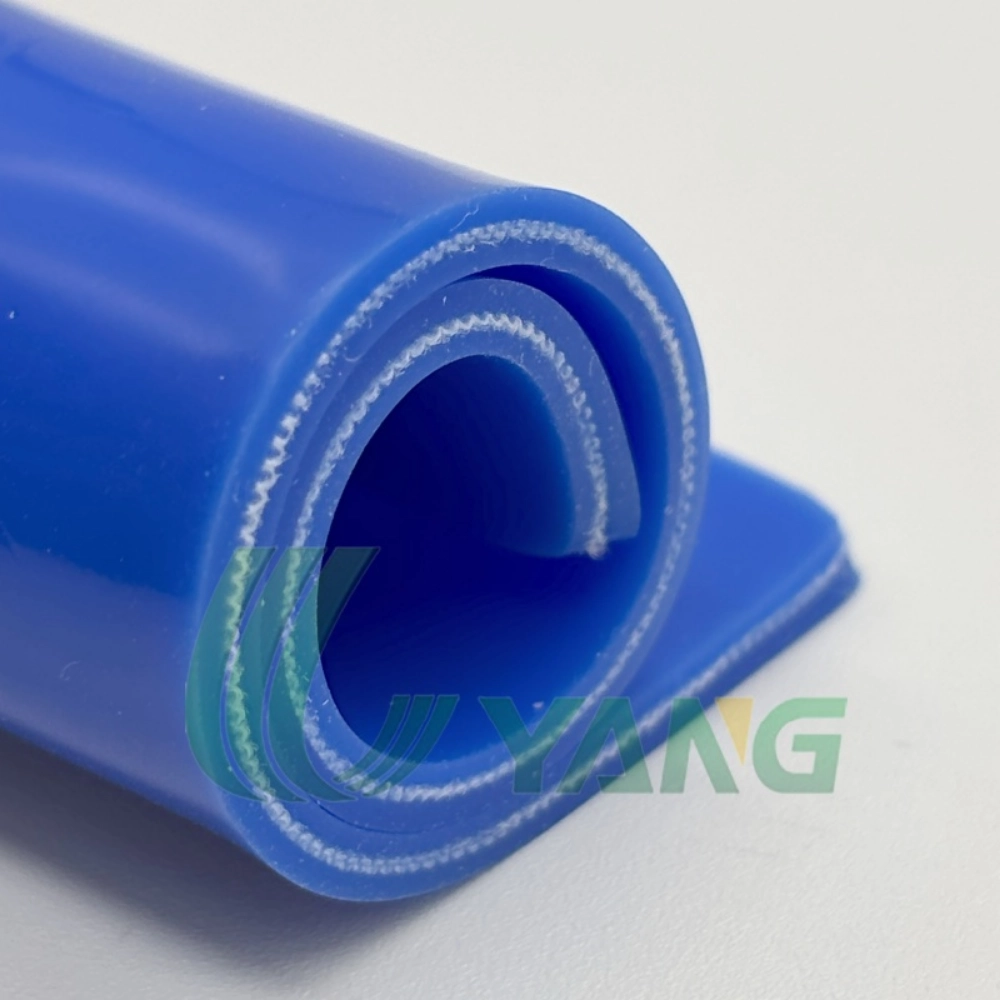
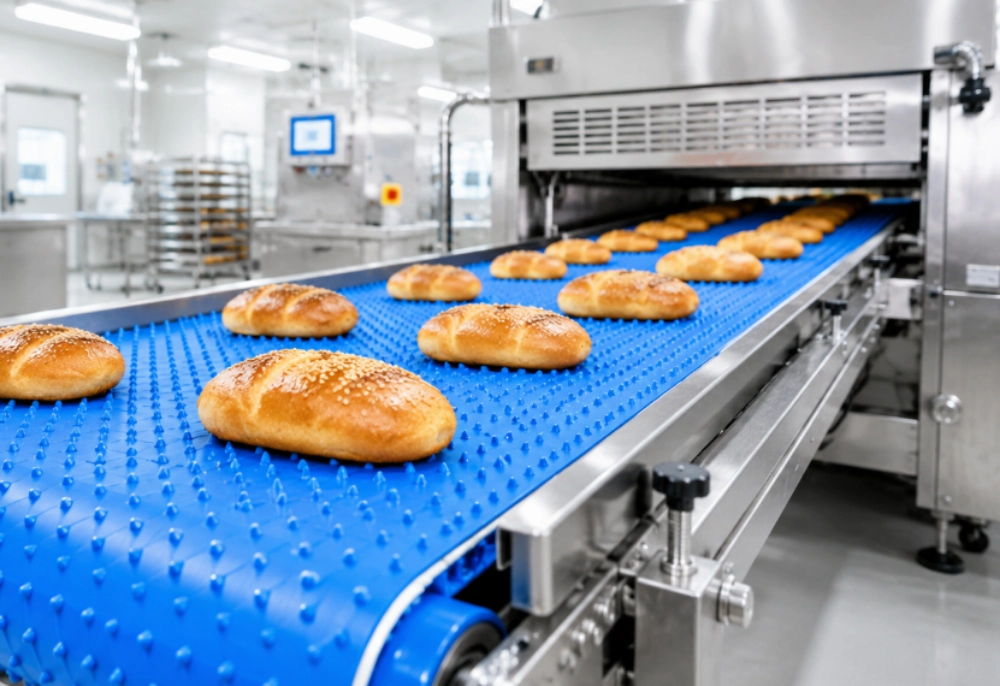
PVC conveyor belts are often selected because they are flexible, cost-efficient, oil-resistant in many applications, and suitable for light to medium-duty transport. However, not every PVC belt is suitable for every environment. Food lines may require FDA or EU food-contact documentation. Electronics lines may require anti-static control. Washdown areas need surfaces and joints that can resist water and cleaning agents. For higher heat zones, rubber or silicone belt options may need to be reviewed.
A Practical Note for Tire and Heavy Manufacturing Lines
Tire manufacturing shows why application matching matters. Different stages may use PVC canvas belts, rubber canvas belts, silicone canvas belts, textured PVC belts, timing belts, or modular belts depending on heat, grip, cooling, forming, and transfer requirements. In some tire handling sections, textured PVC can support grip and stable movement. In hotter or heavier sections, another material may be safer. A reliable supplier should help you separate where PVC works well and where another belt type is more suitable.
What Custom Processing Turns a Belt into a Production-Ready Solution?
A belt roll is not always ready for installation. Many industrial orders require fabrication before use. This is where processing ability reduces risk for international buyers.
Endless Splicing for Lower Downtime Risk
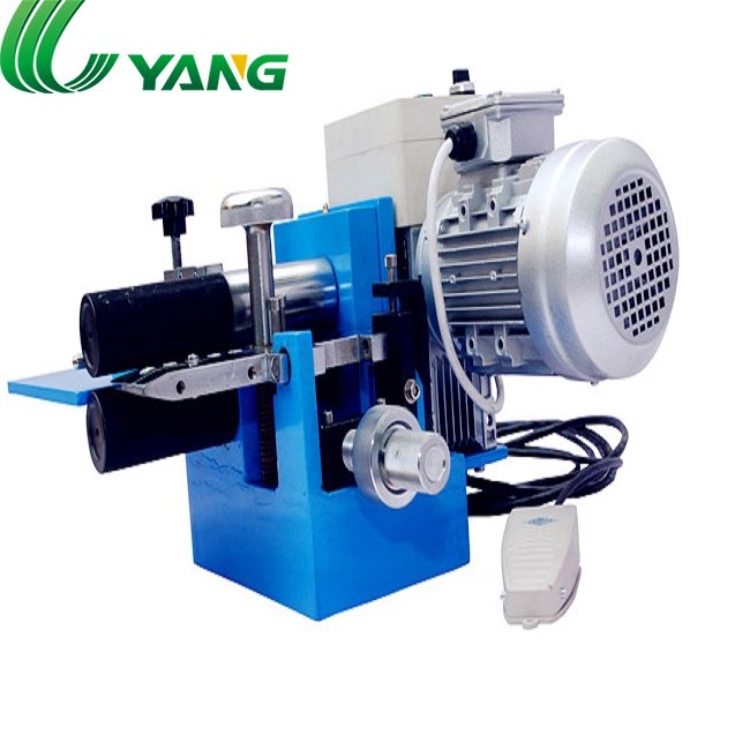
The splice is often the first place to fail if the joining method is poor. Hot splicing, finger splicing, or other suitable endless processing should match belt thickness, material, and pulley design. A smooth and accurate splice reduces vibration, noise, and impact when the joint passes over rollers. For factories running long shifts, a good splice can be as important as the belt material itself.
Cleats, Sidewalls, and Guide Strips Improve Control
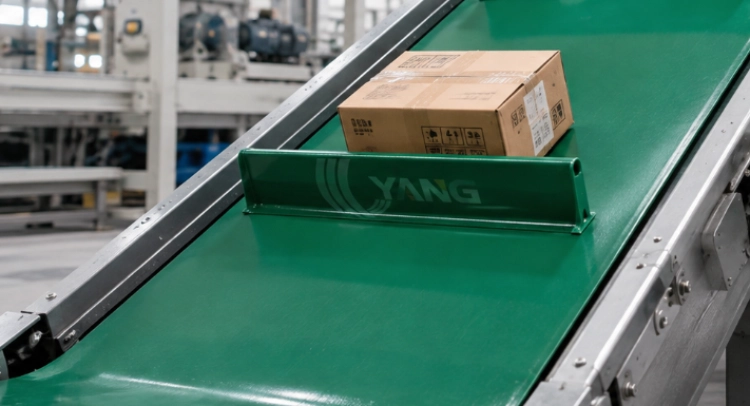
Cleats help move loose items or packages on incline conveyors. Sidewalls help contain bulk or small materials and reduce spillage. Guide strips help the belt stay centered when loading is uneven or when the conveyor frame is not perfect. These features are useful for plants that want to reduce manual cleanup, edge wear, and tracking downtime.
OEM and ODM Support Makes Procurement Easier
For distributors, equipment manufacturers, and multi-site factories, custom size, surface pattern, color, branding, packaging, and trial samples can make procurement more controlled. Small trial orders help confirm performance before bulk purchasing. For long-term projects, consistent documentation, repeatable specifications, and stable production batches matter more than one-time low pricing.
What Should a B2B Buyer Check Before Placing an Order?
A professional inquiry makes the supplier’s recommendation faster and helps avoid disputes after delivery.
Technical Data for Quotation
Send drawings or photos of the conveyor, belt dimensions, pulley diameter, operating speed, load per meter, product type, incline angle, working environment, and current belt problem. If the belt is replacing an old one, provide the old belt surface, thickness, ply number, bottom fabric, and failure mode. A good supplier can then recommend material, structure, surface, splice, and processing details with less guesswork.
Compliance, Warranty, and Service
For regulated industries, ask for relevant certificates and compliance documents before placing an order. These may include ISO 9001:2015 quality system documents, FDA or EU 10/2011 food-grade documents, or anti-static and flame-resistant specifications when needed. UYANG BELTING also provides a 12-month quality guarantee from the Bill of Lading date under normal operating conditions, plus lifetime technical support.
Delivery and Support for Global Projects
B2B procurement often involves strict schedules. The knowledge base shows flexible MOQ, sample service, OEM and ODM support, quotation response, standard delivery, urgent order options, sea freight, air express, land transport, and waterproof packaging. These details matter during equipment upgrades, factory expansion, or maintenance shutdowns.
Why Choose a Total-Solution Supplier Instead of Only a Belt Seller?
A belt seller may ask for width, length, and quantity. A total-solution supplier asks how the line works, what product is carried, where the current belt fails, and what result the buyer needs. UYANG BELTING combines product range, manufacturing capacity, custom processing, certification support, and after-sales service. For buyers, that means one supplier can support product selection, sample testing, bulk production, shipping, troubleshooting, and later optimization.
Conclusion
Optimizing a PVC conveyor belt means matching material, structure, pattern, splice, and custom processing with the exact production condition. When this is done well, the result is smoother transport, less slippage, fewer tracking problems, lower maintenance pressure, and better purchasing ROI. For B2B buyers who need stable supply and technical support, working with a conveyor belt manufacturer that can provide full solution guidance is the safer path from quotation to long-term operation.