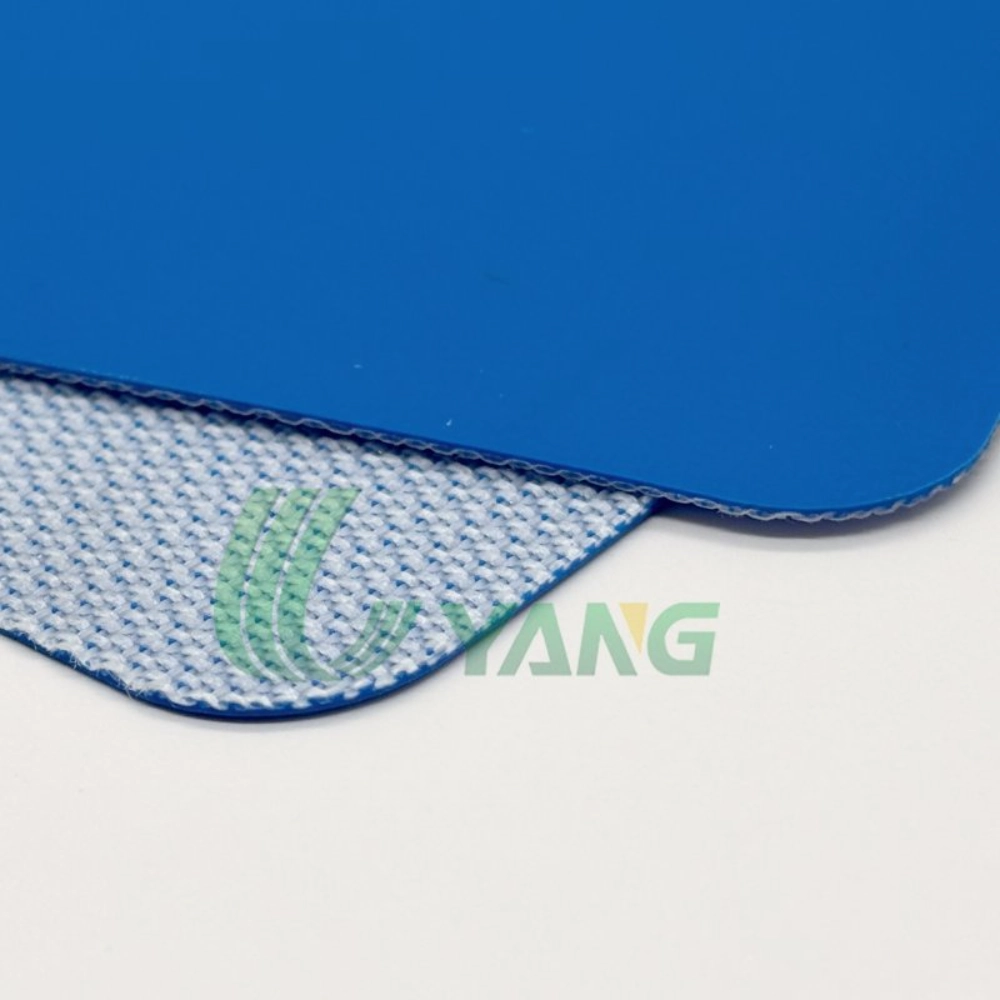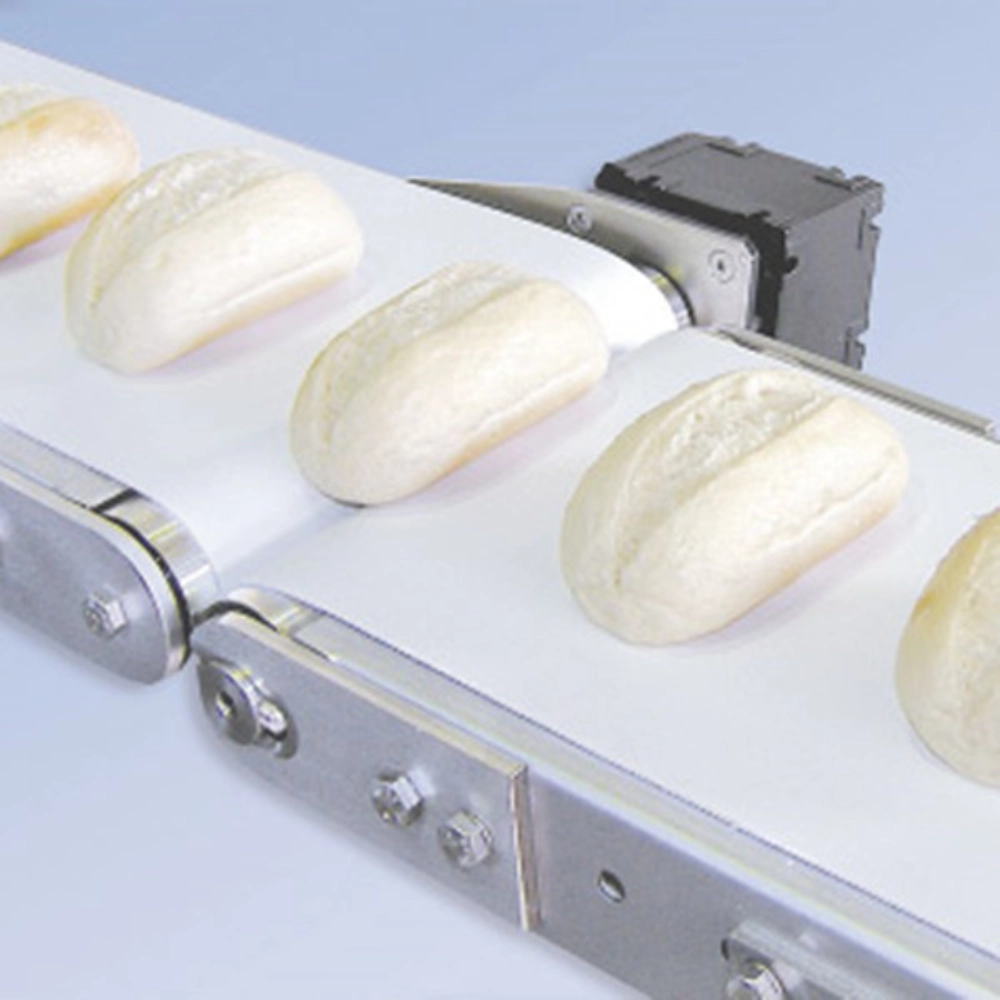
When a conveyor belt starts drifting, slipping, or wearing at the edges, many teams make the same first move: they tighten it. It feels quick, but it can turn a small tracking fault into a bigger mechanical problem. In B2B production, that mistake costs more than a replacement belt. It can slow packing speed, damage motors, create waste, and delay deliveries.
For factories, equipment builders, distributors, and maintenance teams, the real question is how to avoid the same failure in the next production run. UYANG BELTING has more than 20 years of conveyor belt manufacturing experience, an 80,000-square-meter facility, and 15 advanced production lines. Its PVC Conveyor Belts are built for practical factory use, from packaging and logistics to food handling and light industrial conveying lines.

Why Tracking and Tension Affect Your Output Cost
A conveyor belt is often treated as a wear part, but in a running factory it works like a production control point. If the belt does not move straight or lacks the right drive force, the whole line becomes unstable. Operators stop the system, technicians adjust the take-up, products wait on the line, and the buyer starts paying for downtime that never appeared in the purchase price.
Automated material handling is now central to manufacturing, packaging, food processing, logistics, and general industry. Polymer-based belts such as PVC, PU, rubber, and TPE are chosen for different balances of flexibility, strength, cleaning convenience, and wear resistance. For buyers, the decision should include speed, load, product contact, cleaning method, temperature, pulley diameter, and maintenance cost.
Tracking Problems Create Edge Wear and Product Risk
Tracking is the belt’s ability to run along the center of the conveyor frame and pulleys. When the belt moves to one side, the edge rubs against guards, frames, or guides. After several shifts, the edge can fray, curl, or harden from friction heat.
This is serious for high-volume buyers. Edge wear can contaminate product flow, damage packaging, and shorten belt life. In clean production areas, loose belt particles or frayed fabric edges are not acceptable. Tightening the belt may hide the symptom briefly, but it does not correct pulley alignment, load position, roller buildup, or frame distortion.
Tension Mistakes Damage Motors, Bearings, and Belts
Tension gives the belt enough grip to move around the drive pulley. Too little tension causes slipping, heat marks, unstable speed, and poor transfer. Too much tension creates another set of costs. Motors work harder, bearings run hotter, shafts may bend, and the belt fabric can stretch beyond its normal working range.
For procurement teams, over-tensioning is dangerous because the failure may be blamed on belt quality when installation is the real cause. A good supplier should help check belt specification, pulley lagging, roller alignment, take-up travel, load, and surface friction. This is the difference between buying a belt and buying a working solution.
How to Diagnose the Real Problem Before Adjustment
Before adjusting the take-up unit, watch how the belt behaves. If the belt always moves toward the same side at the same frame point, the conveyor structure or pulley alignment is usually the first area to check. If the drift travels with the belt, the issue may come from belt curvature, an uneven splice, or storage damage.
Also check the return side. Dirt, residue, oil, or worn rollers can change roller diameter and slowly push the belt off center. A line inspection should include cleaning, load position, roller condition, pulley angle, and belt underside condition, not only tension.
When Surface Grip Changes the Result
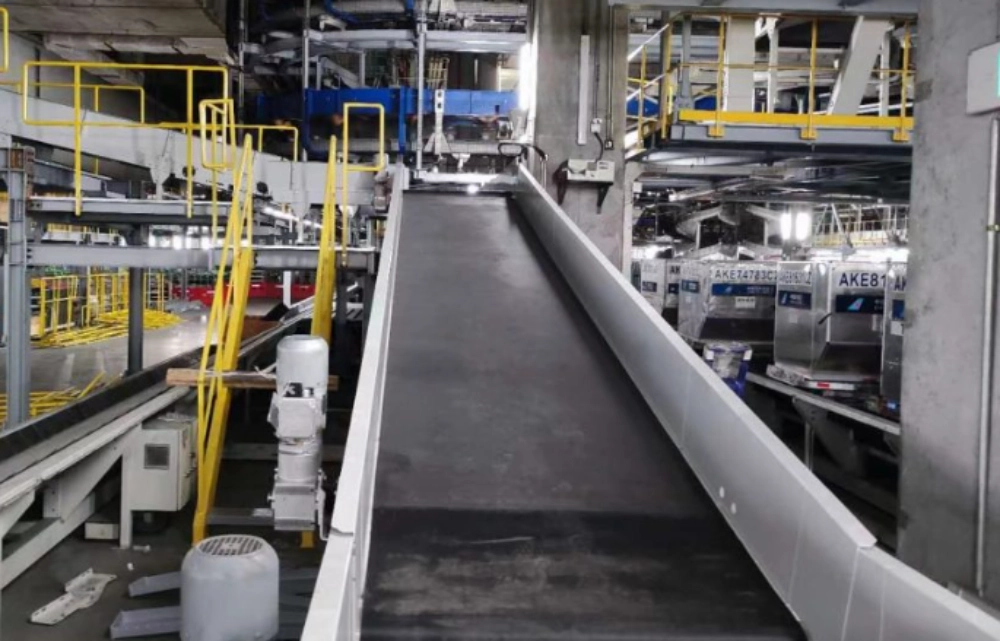
Surface friction affects both tracking and tension. A smooth belt on a light-duty horizontal line may need only moderate tension. On an incline, in a damp area, or in a line that starts and stops often, the same surface may slip. Operators then tighten the belt, although the better answer may be a textured surface or a belt with stronger grip.
Flat belts are widely used because they suit many industries and product types. Still, surface pattern matters. A B2B supplier should ask about the real product, not only the belt size.
Which PVC Conveyor Belt Features Help Reduce Drift?
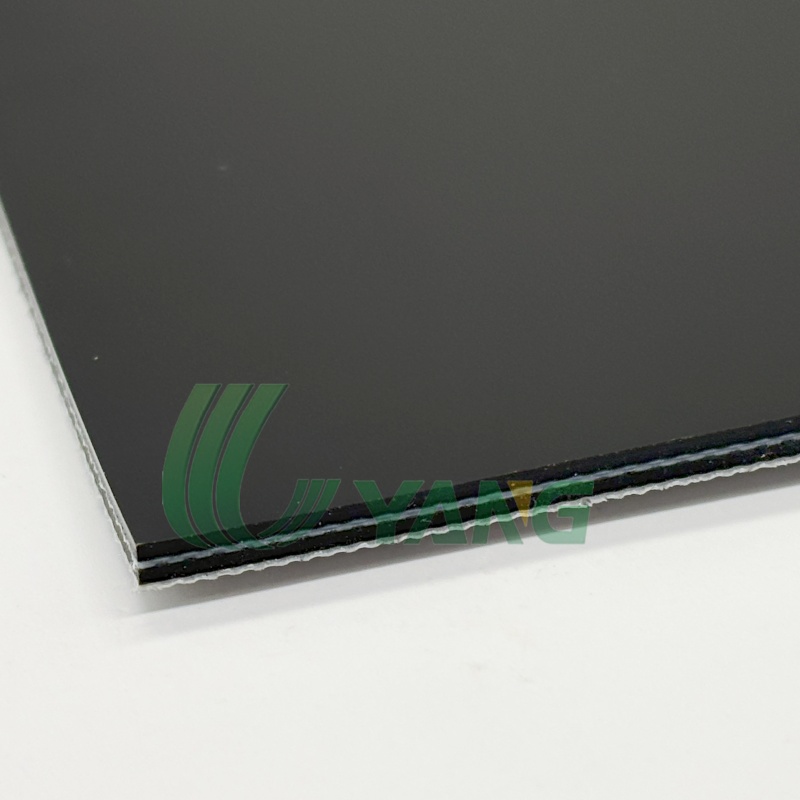
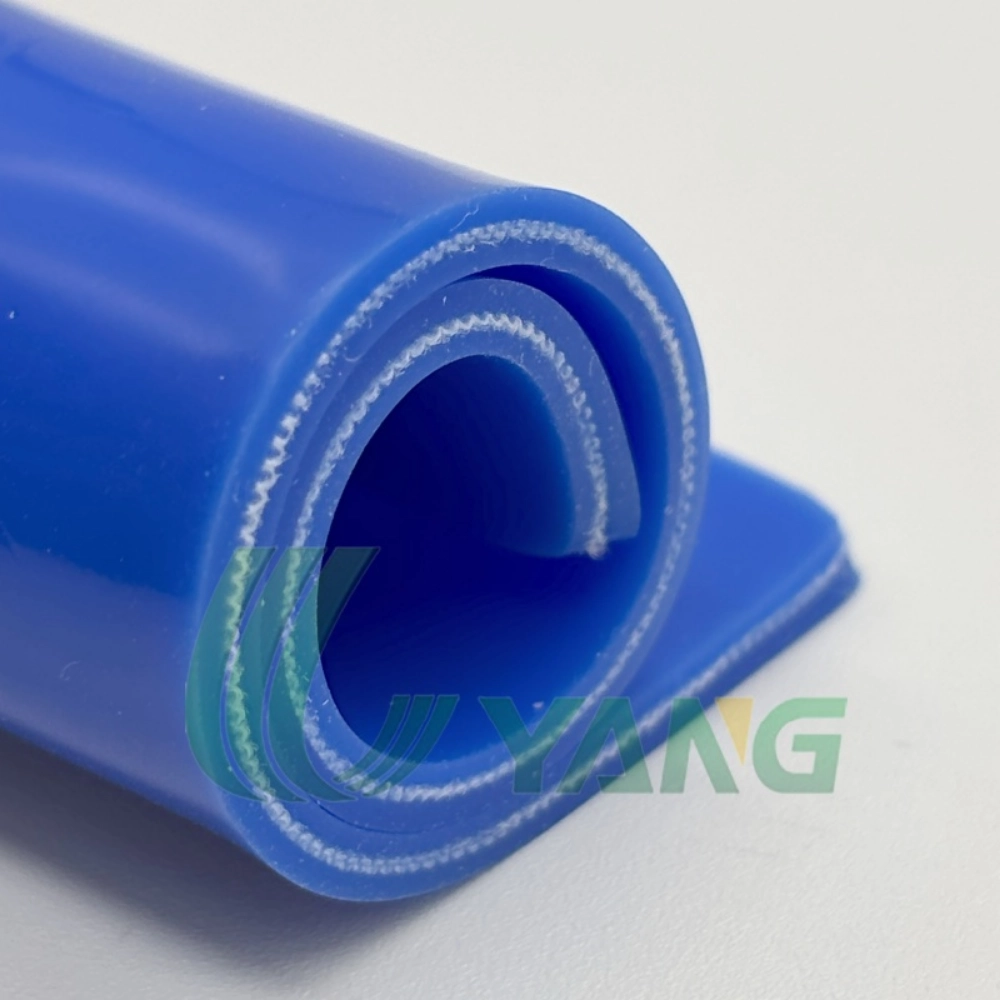
Good tracking starts with good belt construction. The belt needs stable fabric layers, consistent thickness, correct splicing, and a surface that matches the conveyed product. If the belt body curls, the coating is uneven, or the ply structure lacks lateral stability, even a skilled technician will struggle to keep the belt centered.
A low-cost belt that needs constant adjustment can become more expensive than a better belt with longer service life and fewer line interruptions.
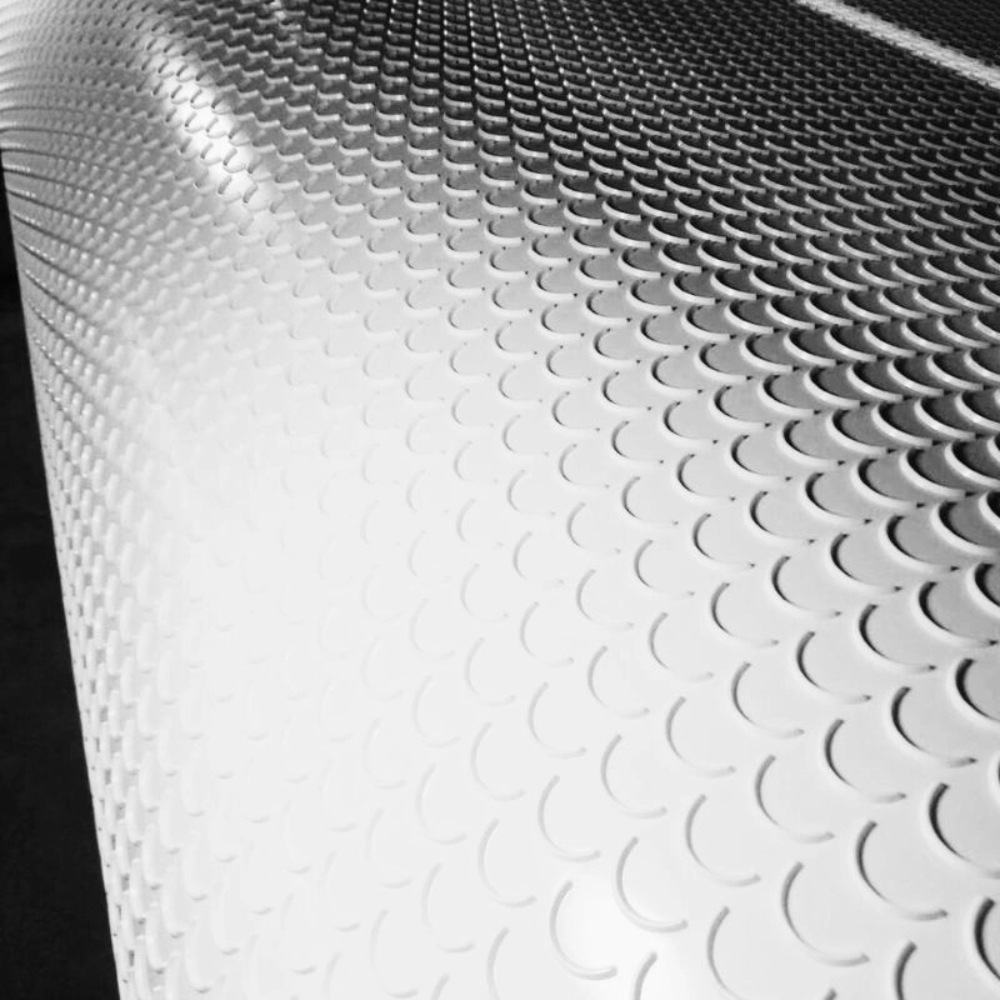
Crescent Top White PVC Conveyor Belt for Clean Handling
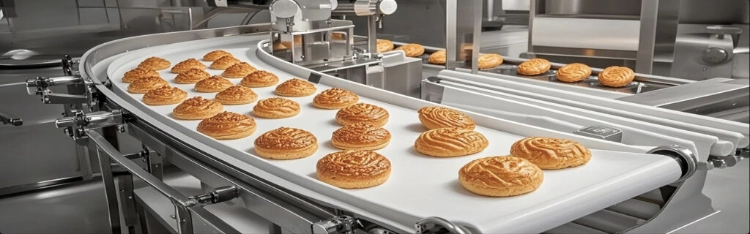
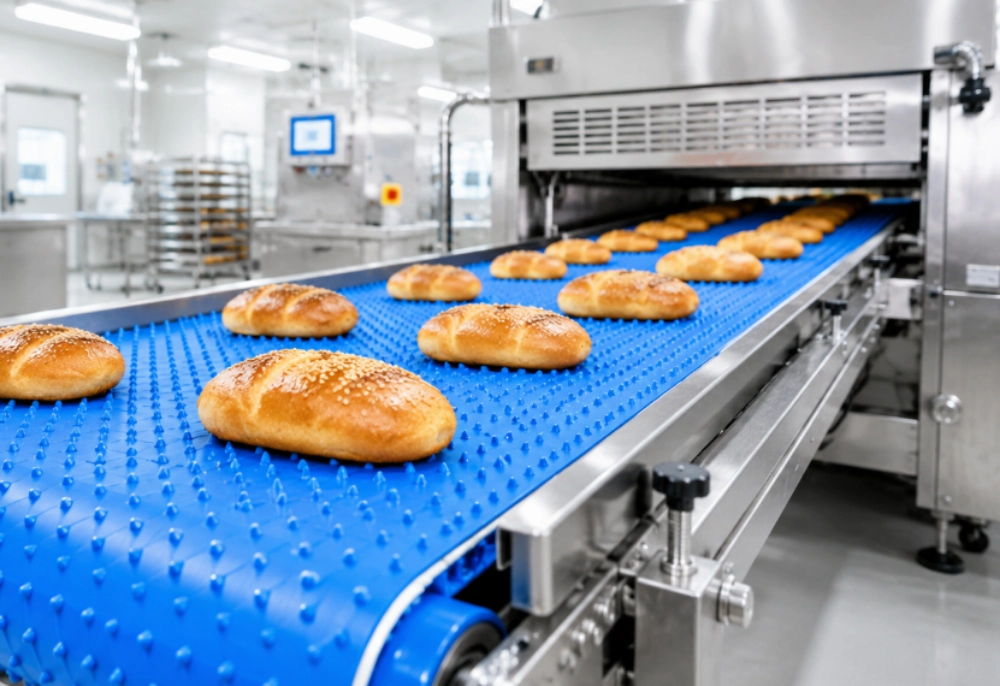
The Crescent Top White PVC Conveyor Belt is a practical option for food handling, light packaging, and clean transfer lines where grip and product care both matter. Its crescent pattern improves contact without making the surface too aggressive for light goods.
The white color makes dirt and residue easier to spot. This helps operators find contamination risks earlier. In strict hygiene environments, compare PVC belts with Homogeneous Belt or Easy-clean Belt options, because fabric-free TPU or TPE structures can suit washdown or chemical sanitation.
Diamond PVC Conveyor Belt-UYANG BELTING for Inclined Lines
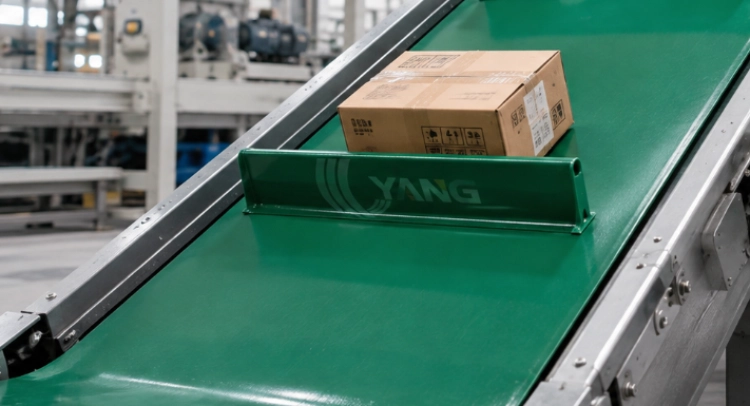
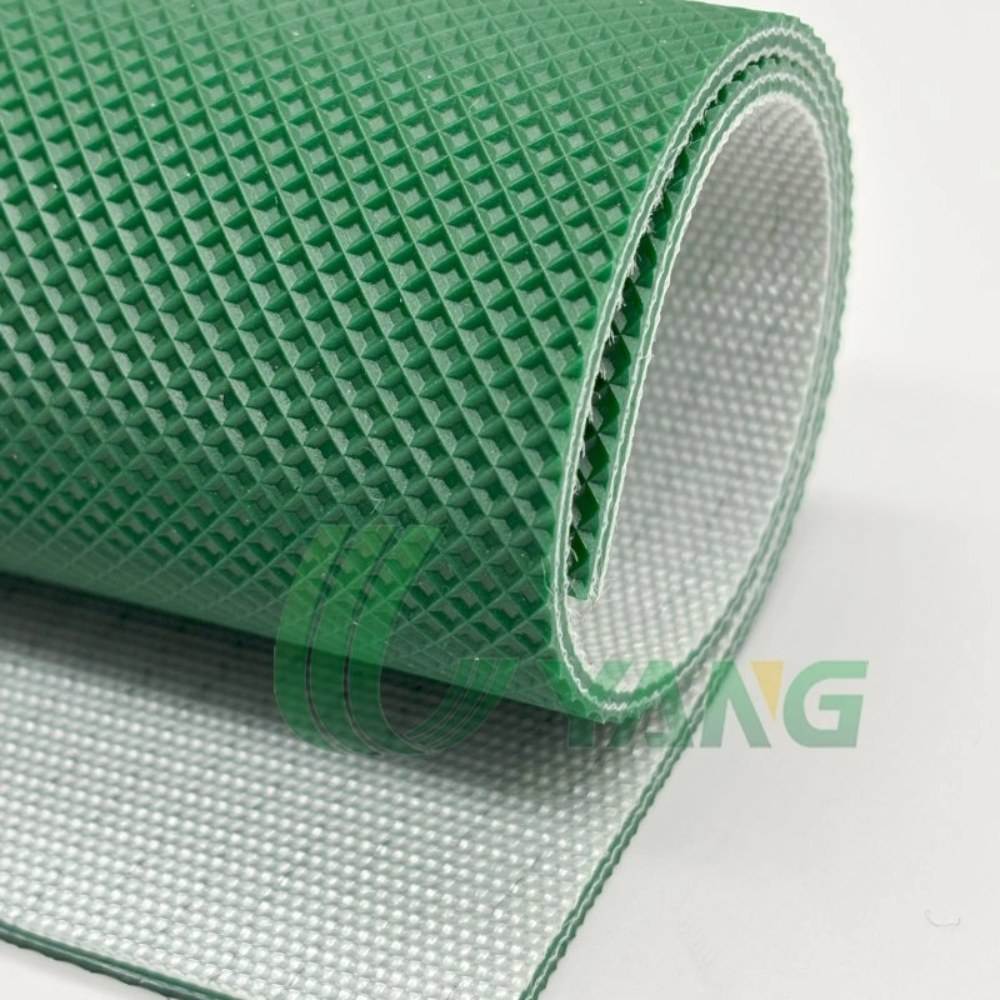
The Diamond PVC Conveyor Belt-UYANG BELTING is better suited to lines where products need more grip, especially on slopes, transfer sections, or start-stop movement. The raised diamond texture increases contact and helps reduce sliding, so the line can often run with less unnecessary tension.
For B2B buyers, better grip can protect the drive system. Instead of forcing the motor and bearings to work harder through overtightening, the belt surface helps carry the product more naturally.
How Should B2B Buyers Specify a Belt Before Ordering?
A complete inquiry should include more than width and length. Share the conveyor layout, speed, pulley diameter, product weight, product bottom shape, incline angle, working temperature, oil or chemical exposure, cleaning process, required color, and special processing needs such as anti-static, flame-retardant, food-grade, cleated, sidewall, perforated, or guide-strip design.
This information helps the supplier recommend a belt that fits the machine, instead of leaving your maintenance team to solve mismatched material later. The thickest or strongest belt is not always the best belt. If it is too stiff for your pulley size, it may crack early or require excessive tension.
Application Matching Protects Long-Term ROI
For food and pharmaceutical lines, cleanability, safety standards, sealed edges, and proper splicing may matter more than heavy load strength. For logistics and packaging, surface grip and stable tracking may be the main buying points.
UYANG BELTING’s product range covers PVC Conveyor Belts, PU Conveyor Belts, Homogeneous Belt, solid woven conveyor belts, rubber conveyor belts, plastic modular belts, timing belts, processing belts, and customized patterned belts. This range lets buyers discuss the actual line problem instead of choosing from a narrow catalog.
Why Choose UYANG BELTING as a Long-Term Conveyor Belt Partner?
B2B buyers need more than a shipment. They need stable batches, clear communication, documents, practical packaging, and after-sales support when a line problem appears. UYANG BELTING combines large-scale manufacturing with custom belt processing, ISO-focused quality control, and global export experience.
The company supports flexible orders, OEM and ODM needs, and custom sizes and patterns. Products come with a 12-month guarantee for manufacturing defects under normal operating conditions. Technical help continues beyond the sale through remote diagnostics, photos, videos, and manuals.
From Purchase Order to Production Confidence
A good conveyor belt purchase should bring fewer emergency adjustments, cleaner product flow, lower maintenance stress, and better output stability. If your team is dealing with edge wear, slippage, blackened belt sides, hot bearings, or repeated tension changes, the next step should be a technical review.
Before placing your next order, prepare your line data and share your real operating conditions with the supplier. With the right belt surface, correct internal structure, and suitable installation advice, tracking and tension problems become manageable.
FAQ
Q1: How can I know whether the problem is tracking or tension?
If the belt rubs one side of the frame, it is usually tracking. If the drive pulley spins while the belt does not move, or the motor overheats, check tension.
Q2: Should I tighten the belt when it runs to one side?
Not immediately. Check pulley alignment, roller buildup, load position, splice condition, and the frame first. Tightening a mistracked belt can stretch fabric and damage bearings.
Q3: Which surface is better for inclined conveying?
A textured surface is usually safer. The Diamond PVC Conveyor Belt-UYANG BELTING can offer stronger grip than a smooth belt and reduce unnecessary overtensioning.
Q4: What should I send before asking for a quotation?
Send belt width, length, speed, pulley diameter, load, product type, incline angle, working environment, cleaning method, and any special processing needs. This allows the supplier to recommend a belt that fits your line.