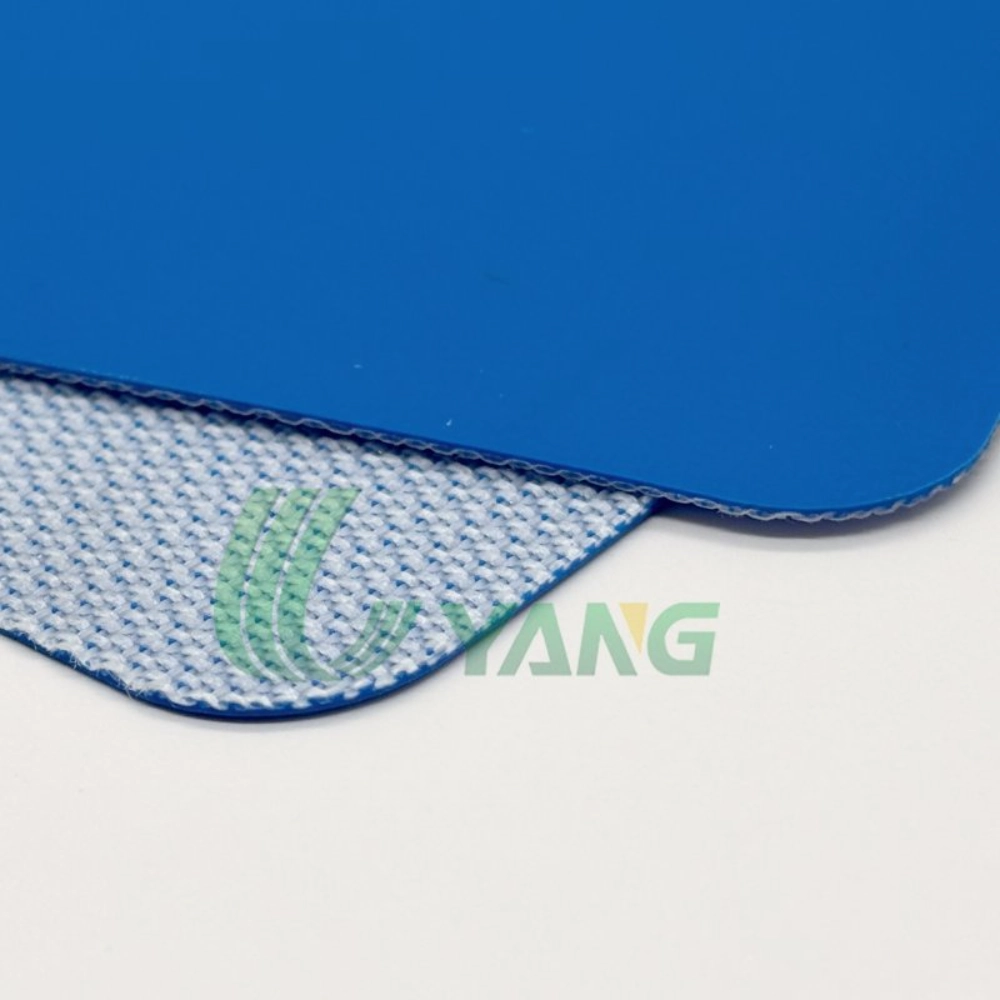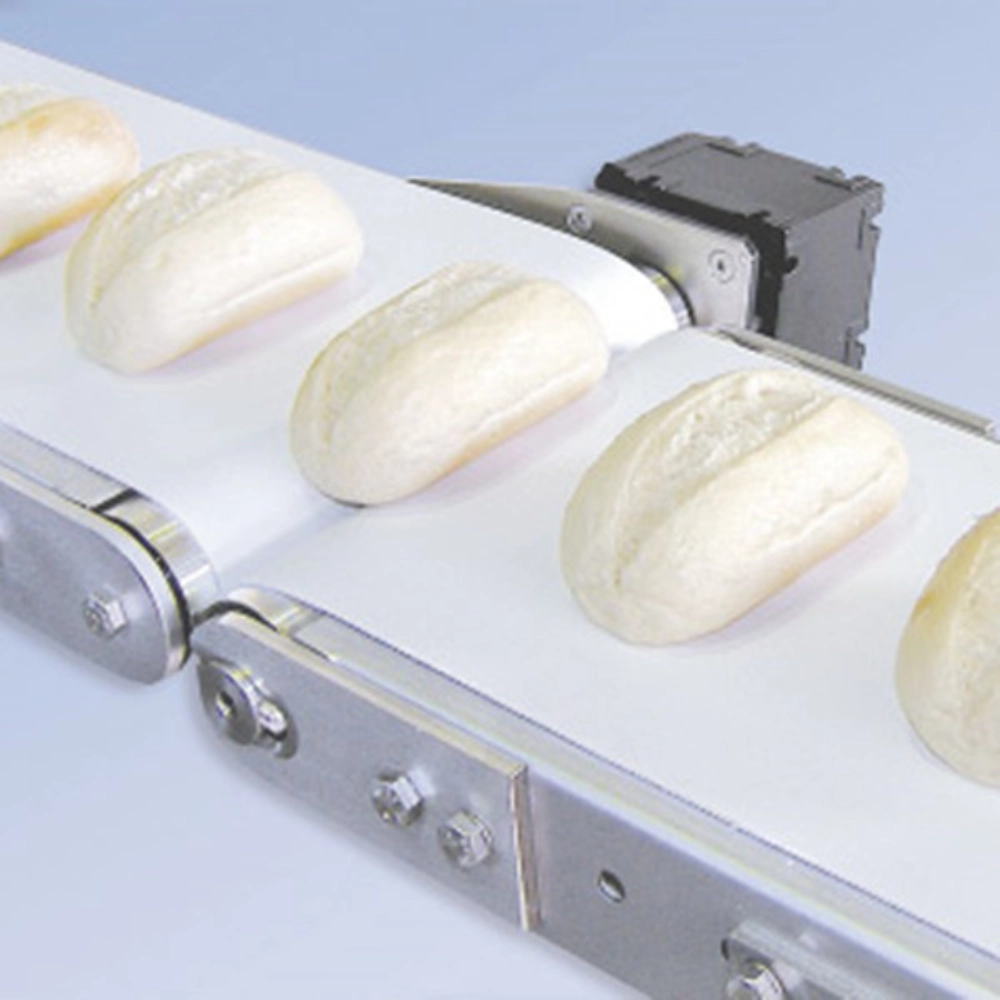
For distributors, OEM plants, packaging factories, and maintenance teams, sourcing PVC conveyor belts in volume is not only a price discussion. It is a production-risk decision. One weak batch can stop lines, delay deliveries, and create claims from your own customers.UYANG BELTINGsupports global B2B buyers with more than 20 years of conveyor belt experience, an 80,000-square-meter manufacturing base, and 15 automated production lines. When you need stable supply for logistics, packaging, food-related handling, tire production, or general manufacturing, the right sourcing process turns a belt purchase into a safer operating plan.

Why High-Volume PVC Belt Sourcing Needs a Quality Roadmap
Automation keeps raising demand for conveyor belts in manufacturing, packaging, logistics, food and beverage, mining, cement, and steel. This creates more choices for buyers, but it also brings more uneven quality. A low quotation may look attractive, yet the real cost appears later through belt wandering, cracking, stretching, or contamination risk.
A quality roadmap gives both sides a clear inspection basis before shipment. It should define material, plies, thickness, color, surface, friction level, edge processing, splice method, operating temperature, pulley diameter, load, cleaning method, and packing style. With these details fixed, you avoid vague promises such as “standard quality” or “same as sample.”
Trap 1 Surface Inconsistency That Breaks Tracking Stability
Surface inconsistency is one of the quickest ways to create daily line trouble. If coating thickness, curing, or tension is not balanced across the belt width, the belt may snake from side to side and damage the edges.
In high-volume sorting or packaging work, even a small friction difference can make cartons slide, rotate, or pile up at transfer points. Before bulk production, ask how the supplier controls coating uniformity, visual inspection, and batch traceability.
Trap 2 Recycled PVC and Unstable Resin Blends
Some low-cost suppliers reduce material cost by mixing recycled PVC or unstable filler into bulk orders. The belt may look acceptable when new, but the surface can become brittle, smell strongly, lose flexibility, or crack after repeated pulley bending.
For industrial buyers, material stability is worth more than a small saving per meter. Virgin PVC or properly controlled modified PVC gives more predictable flexibility, wear resistance, and service life, especially where oil, moisture, cleaners, or warm conditions are present.
Material and Fabric Quality Decide Belt Life
The visible surface gets the most attention, but the fabric carcass often decides whether the belt stays flat under load. The top cover handles product contact, while polyester or cotton fabric layers provide tensile strength and dimensional stability. If the bond between layers is weak, the belt may peel, bubble, or delaminate after heat, pressure, cleaning, or repeated bending.
Trap 3 Ply Separation Caused by Weak Bonding
Ply separation often starts quietly. A belt may pass a quick appearance check, then fail after several weeks because of poor fabric treatment, rushed lamination, or uneven heat and pressure during production.
In B2B purchasing, do not treat all “2-ply” or “3-ply” descriptions as equal. Ask for fabric type, tensile strength, sample testing, and recommended pulley diameter, because a strong fabric must still bend correctly on your conveyor.
Trap 4 Thickness Fluctuation and Poor Dimensional Control
Thickness is not just a number on a quotation sheet. If one side of a 3.0mm belt is slightly thicker than the other, tracking becomes unstable and the splice may not sit evenly.
Uneven thickness also affects scraper contact, transfer height, and product movement between machines. For repeat orders, define acceptable tolerance before production so every roll matches the same approved standard.
Match the Belt Surface to the Application, not Just Price
A surface that works well in a warehouse may not work in a clean packaging room. The correct choice depends on product weight, product bottom shape, transfer speed, incline angle, cleaning routine, and whether the belt contacts wrapped goods or direct food.
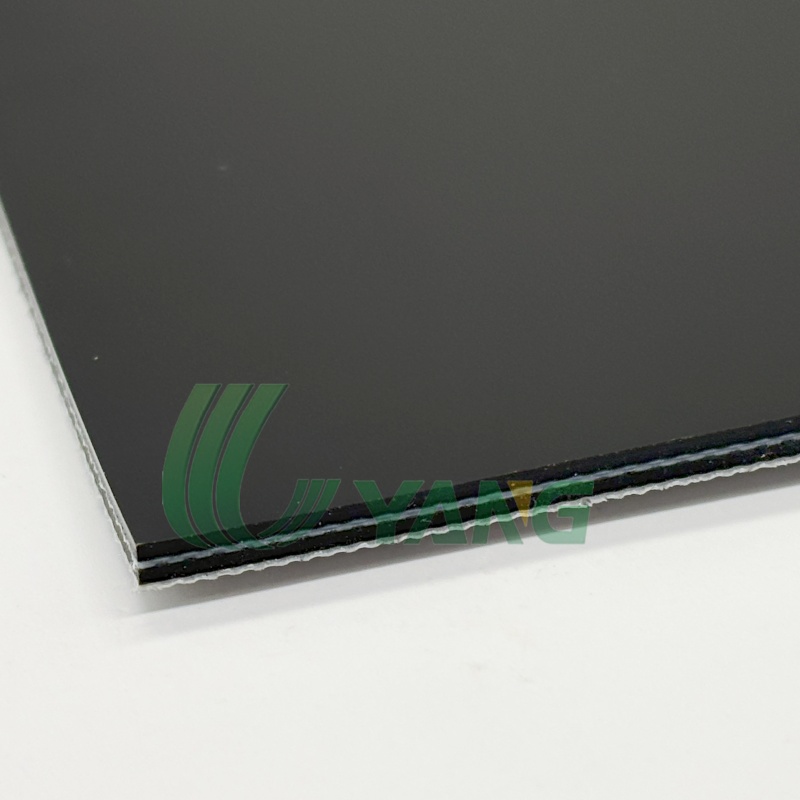
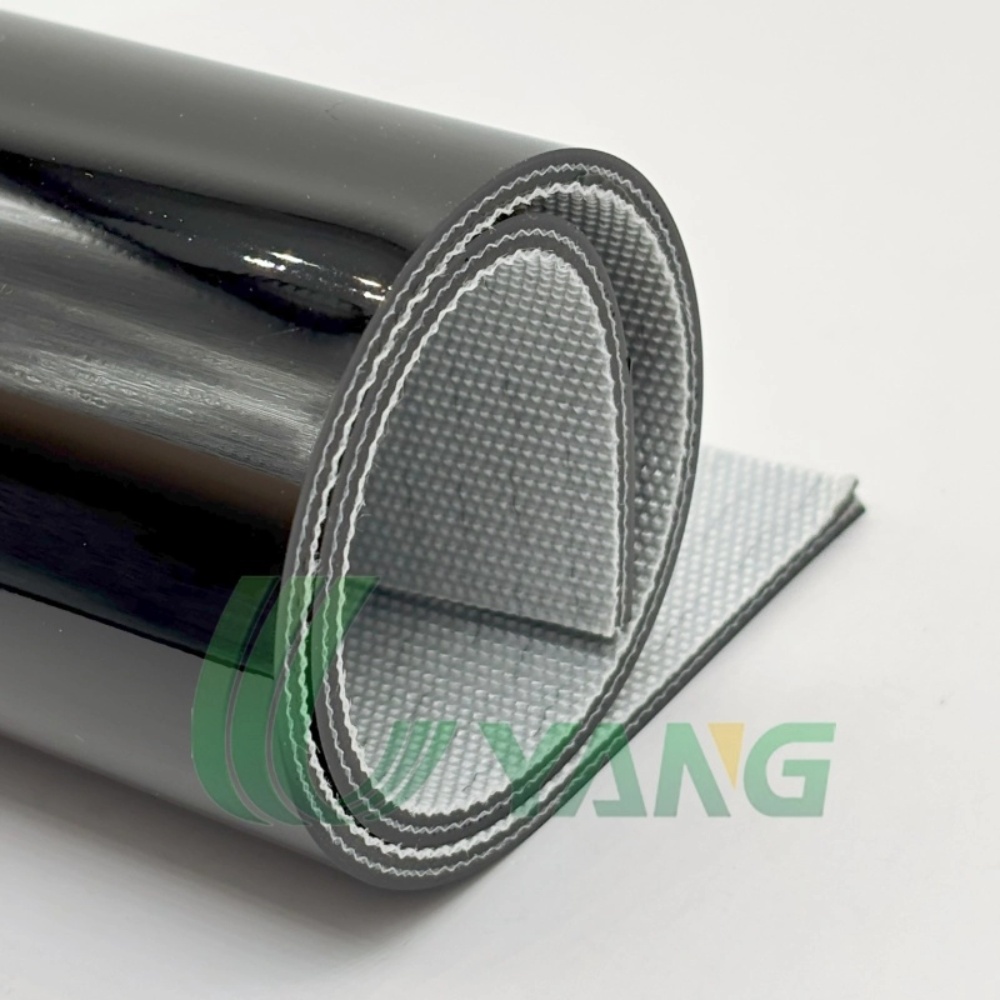
Black Smooth PVC Conveyor Belt for Logistics and General Handling
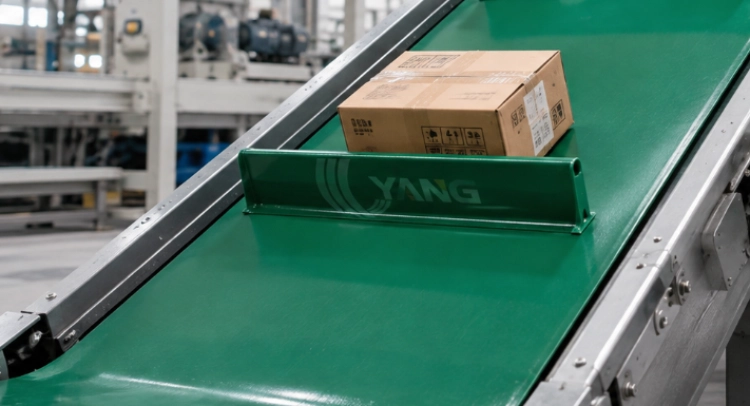
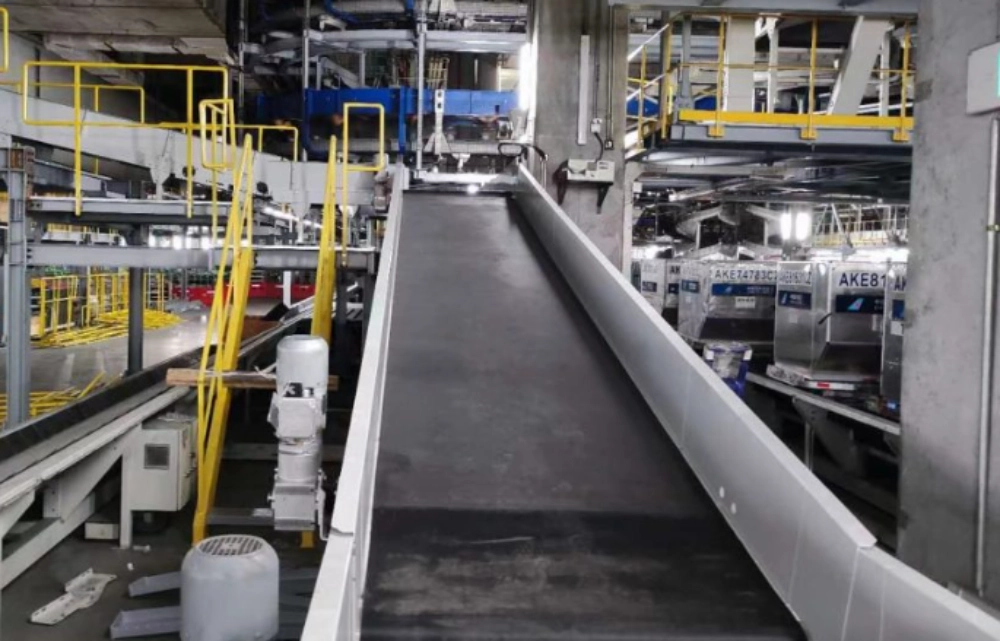
Black Smooth PVC Conveyor Belt suits many logistics, sorting, packaging, electronics, tobacco, wood panel, gypsum board, and general conveying lines where products need a flat and steady surface. Its smooth face supports quick transfer and helps reduce product disturbance during movement.
For B2B buyers, this belt type is often practical when the goal is stable indoor conveying, easy cleaning, and dependable wear resistance. Still, it should not be selected for heavy oil exposure or direct food contact unless the exact formulation and compliance requirements are confirmed.
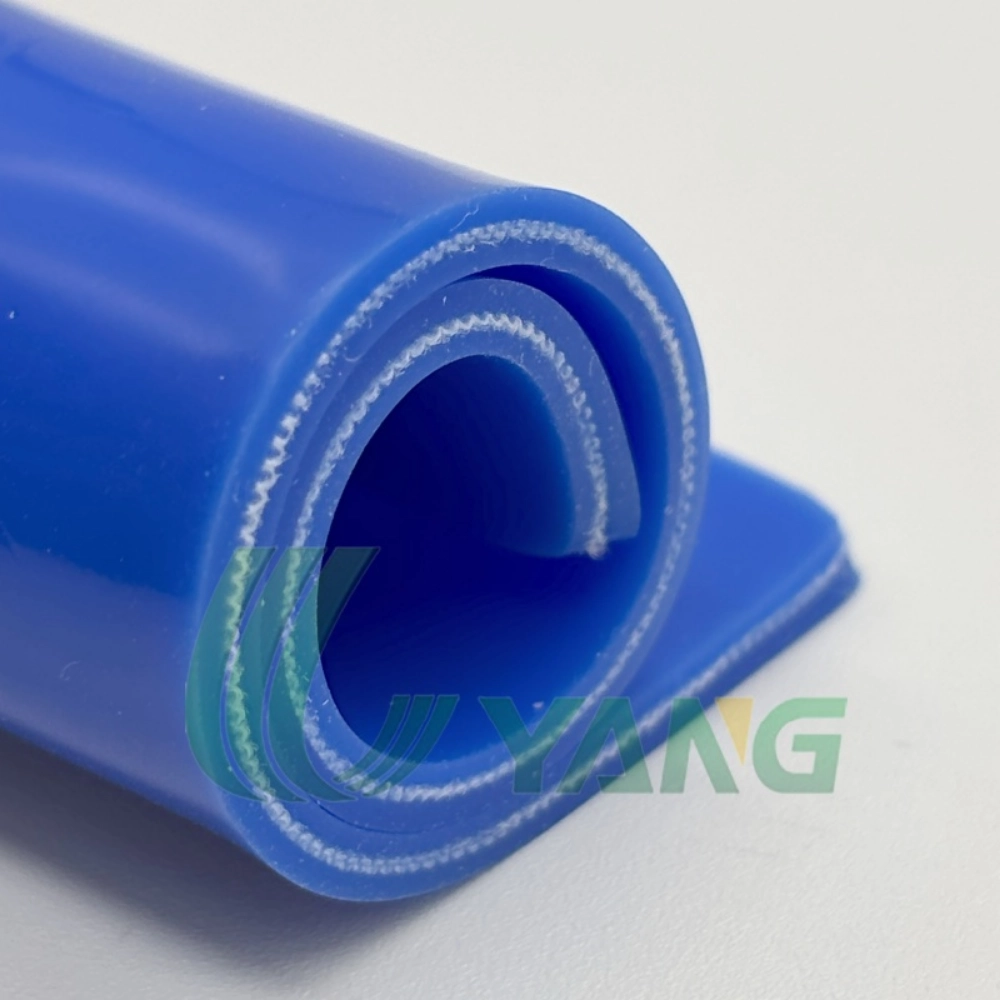
Blue Glossy PVC Conveyor Belt for Cleaner Packaging Environments
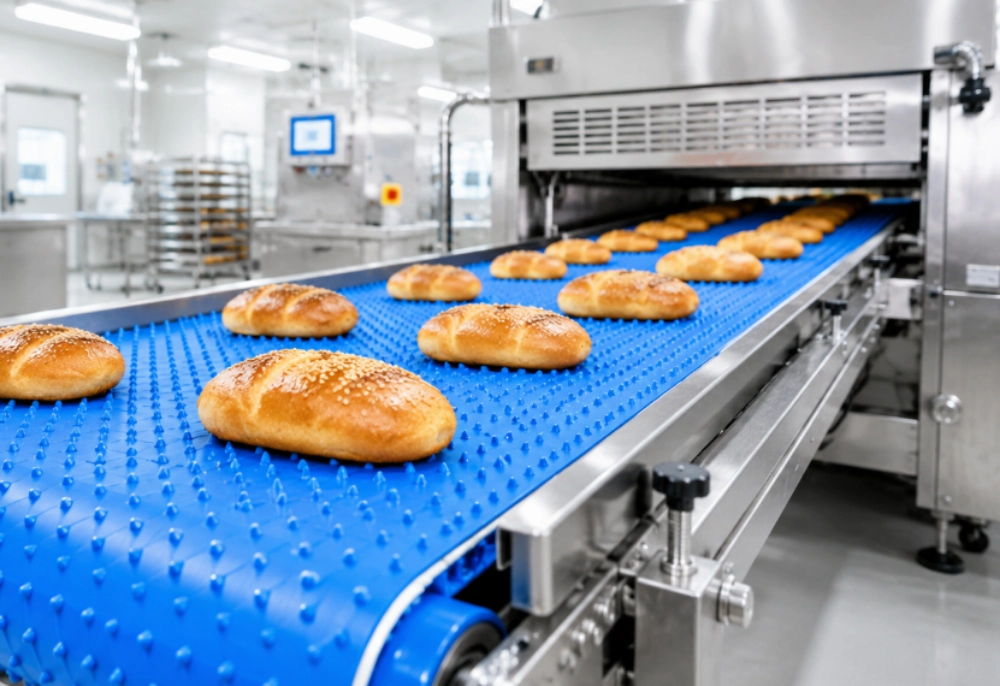
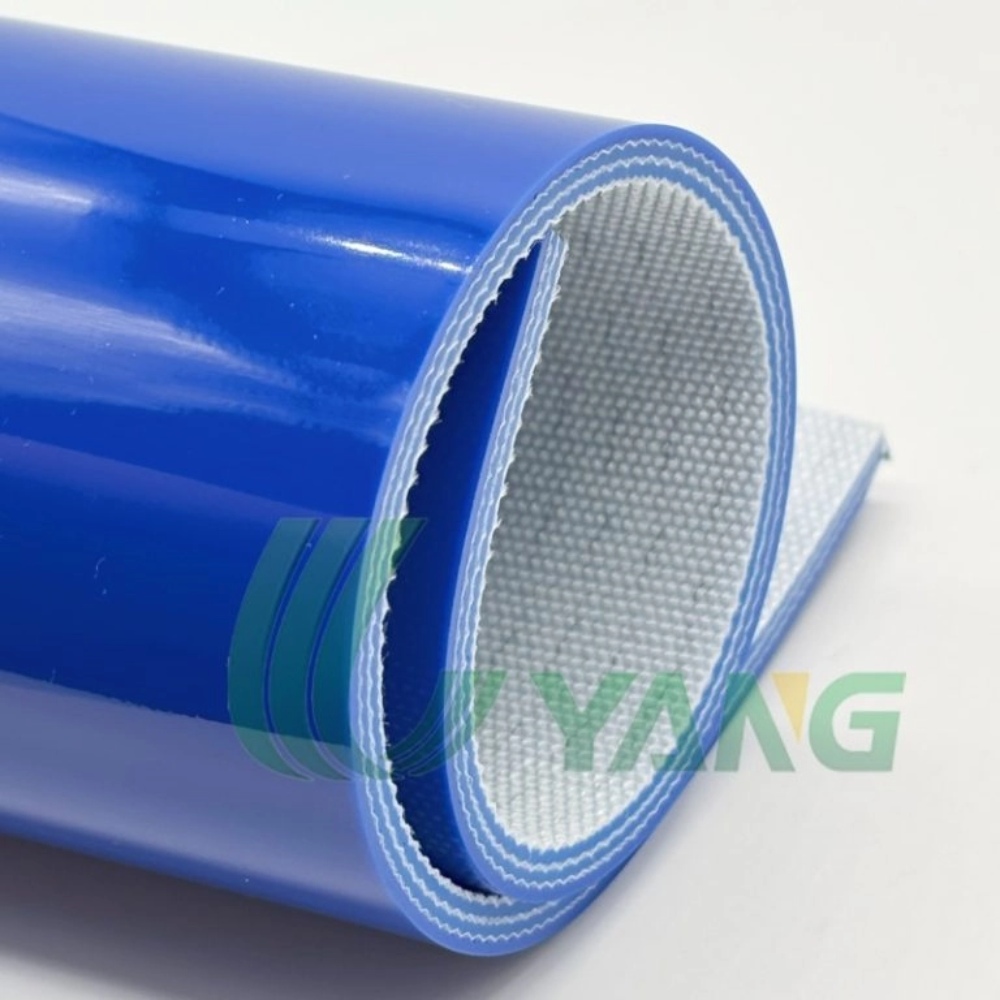
Blue Glossy PVC Conveyor Belt is useful where a clean visual surface, easy wipe-down, and stable product transfer are priorities. Blue is common in hygiene-focused production because it makes residue and foreign objects easier to identify.
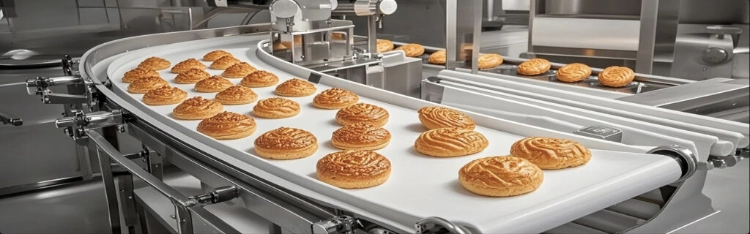
This makes it suitable for light packaging, pharmaceutical packaging, bakery transfer, and other cleaner production spaces, provided the buyer confirms the required food-grade or hygiene standard. In bulk sourcing, color, gloss, and surface quality should become part of the inspection standard.
Hygiene and Special Applications Need Different Belt Logic
Food plants, pharmaceutical workshops, wet processing areas, and tire factories all create different risks. A belt that performs well with cartons may fail around oil, hot rubber, steam cleaning, or sharp product edges. Procurement teams should define the environment before asking for a quotation.
When PVC is Enough and When Homogeneous Belts Make Sense
PVC belts are commonly used for lighter packaging, food-related conveying, and logistics because they are easy to maintain and can offer good chemical resistance. However, when the line needs high sanitation, frequent high-pressure washing, steam cleaning, or direct contact with sensitive food, a Homogeneous Belt or Easy-clean belt may be a better fit.
These belts are typically made from TPU or TPE, with a fabric-free, one-piece structure that reduces liquid penetration, bacterial traps, and delamination risk. The decision should compare cleaning time, hygiene risk, maintenance cost, and total service life rather than only the unit price.
Tire and Heavy Manufacturing Applications Require Custom Thinking
Tire production and other heavy manufacturing lines may involve warm materials, tacky rubber compounds, abrasive particles, or repeated load impact. In these cases, buyers should not focus only on surface color or thickness.
Fabric structure, heat tolerance, surface release, grip, and pulley compatibility matter together. The tire industry reference material shows a wide range of PVC, PU, cotton, patterned, and processed belt options, so the belt should be chosen according to the process step, not a generic catalog description.
Make Procurement More Predictable With Supplier Controls
A strong B2B supplier helps reduce uncertainty before, during, and after production. Once a container arrives with coating marks, crushed rolls, wrong thickness, or poor packaging, correction costs rise quickly.
Specification Confirmation Before Production
Before confirming the order, collect belt width and length, thickness, plies, surface, color, speed, pulley diameter, load weight, product size, incline angle, temperature, oil or chemical exposure, cleaning method, splice type, and any need for anti-static, guide strip, sidewall, cleat, perforation, or sealed edge processing.
For repeat buyers, keep one approved specification sheet for every belt type. It should include photos, sample reference, test requirements, packing method, roll length, label format, and claim procedure, so purchasing, engineering, and warehouse teams work from the same standard.
Inspection, Packaging, and After-Sales Protection
Inspection should cover appearance, thickness, width, surface defects, splice quality, fabric bonding, edge condition, color consistency, and roll packing. For glossy belts, pinholes or small bubbles are easier to spot under proper light.
Long rolls need strong cores and protective wrapping to avoid crushing, moisture, and dirt during sea transport. After-sales terms also matter, so ask how claims are handled and whether the supplier can give technical advice when a belt tracks badly, wears too fast, or reacts to oil or cleaners.
Why Choose UYANG BELTING for High-Volume PVC Belt Orders
A large-volume belt order is easier to manage when the supplier combines product range, production capacity, quality control, export packaging, and technical communication. About UYANG BELTING shows the company’s focus on conveyor belt manufacturing and industry applications, while its PVC Conveyor Belt Product Center gives buyers access to multiple PVC belt surfaces and structures.
For distributors, OEMs, and factory maintenance teams, the value is not only receiving belts; it is receiving a sourcing plan that reduces downtime, replacement disputes, and quality drift. With experience in PVC, PU, tire industry belts, and cleaner belt solutions, the team can help match the belt to the application, confirm samples, control production, and arrange export-ready packaging.
If you are preparing a new project, replacing unstable suppliers, or building a repeat-order program, start with a technical discussion instead of a simple price request. Share your conveyor drawing, product weight, working environment, cleaning method, target lifetime, and current belt problems. Then contact UYANG BELTING for a specification-based quotation and sample confirmation.