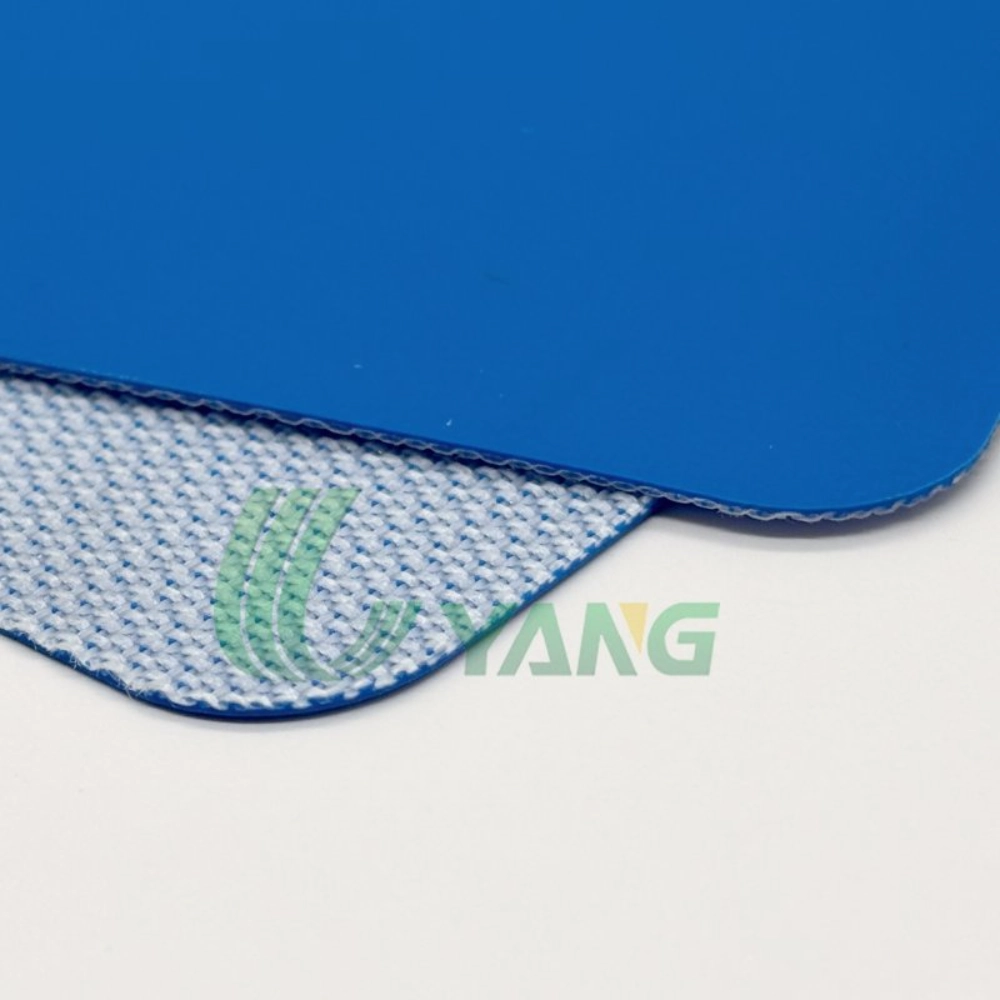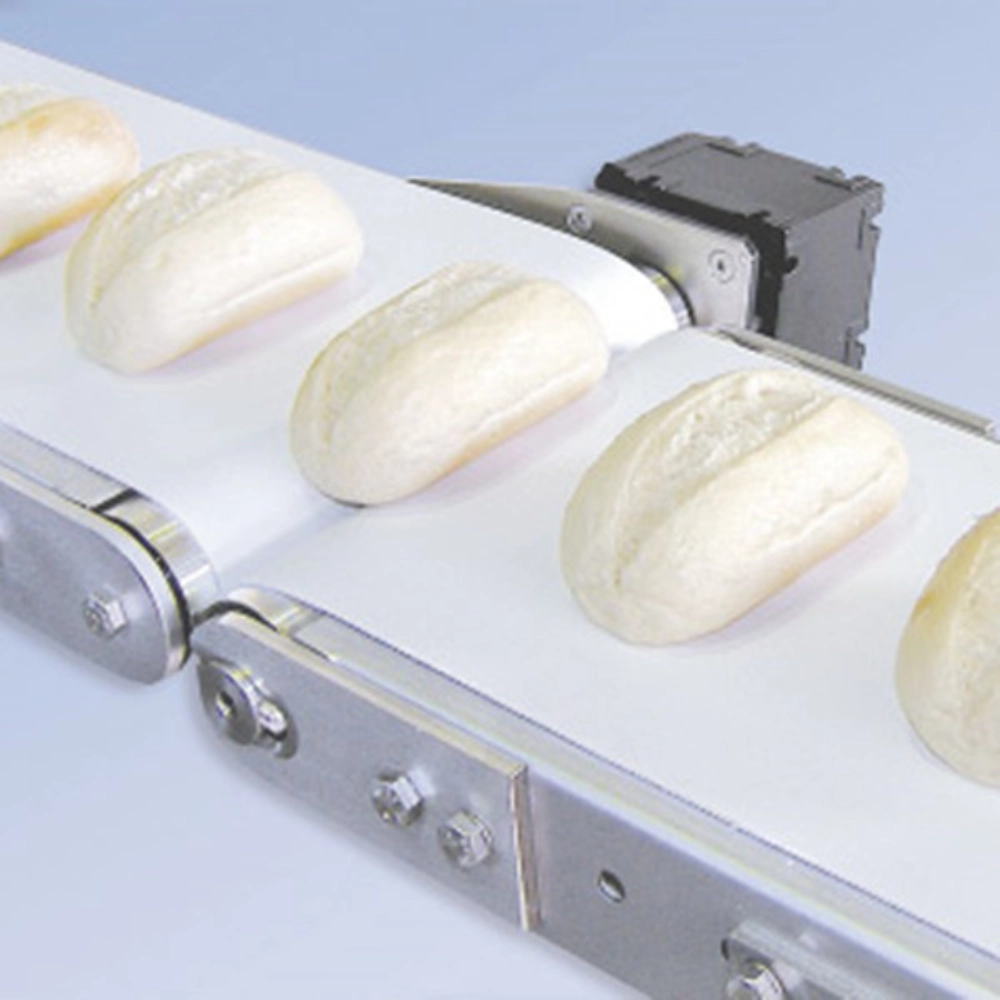
Picking the correct conveyor belt material can mean the line between steady operations and constant fixes. The world market for these items is set to hit USD 8.2 billion by 2034. Pressure to keep things running well grows each day. When you team up with UYANG BELTING, you gain a maker with more than 20 years in research and development. They run a large 80,000-square-meter plant for your needs. Fifteen automated lines help them deliver full setup services. They do not only provide belts. They offer complete manufacturing support. Your site may deal with tough mining loads or fine electronics. A look at the UYANG product center shows their strength in diverse industrial applications. They stress dependability and tailored designs. This makes them a solid pick for worldwide buying.

Why Does Material Selection Matter for Your Operational Efficiency?
The basic traits of belt material shape how the setup deals with rub, load, and outside pressures. A poor pick results in belt slip, engine stress, or early breaks. These issues stop work and eat into funds.
Impact of Friction Coefficients
Materials offer different hold levels. A belt that slips too much lets items slide back on slopes. One with strong grip may build heat or harm soft packs. Balance fits your load needs best.
Correlation Between Belt Lifespan and ROI
Care costs form a big part of full ownership price. Strong polymers or rubber mixes cost more at start. But they last longer before swaps. Smooth runs depend on belts that fight wear and chemicals. They avoid frequent pulls.
Is PVC the Most Versatile Choice for General Manufacturing?
PVC (Polyvinyl Chloride) stays common in light and mid-weight conveyor uses. It resists chemicals well and costs less. This material works best where oils and acids appear. But heavy force stays low.
High Cost-Effectiveness for Bulk Transportation
Standard shipping, packing, and basic making favor PVC for value. It gives a firm base to shift boxes, packages, and parts over far paths. You avoid the steep cost of special rubber types.
Excellent Chemical Resistance and Anti-Static Properties
New lines in electronics need anti-static traits to guard fine parts. PVC mixes can change to release static charge. This makes them a secure option for tech-heavy sites.
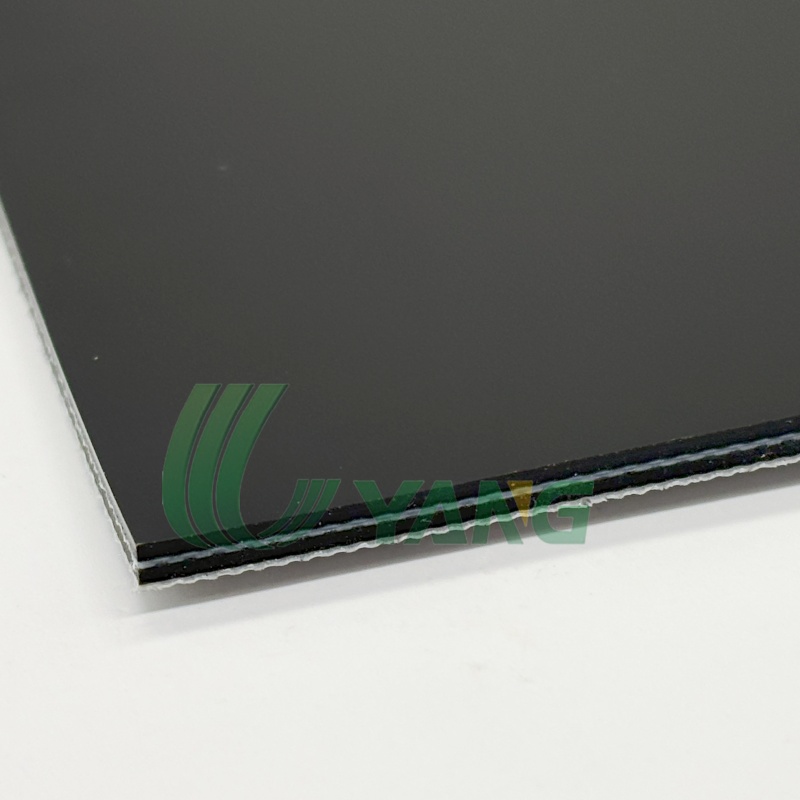
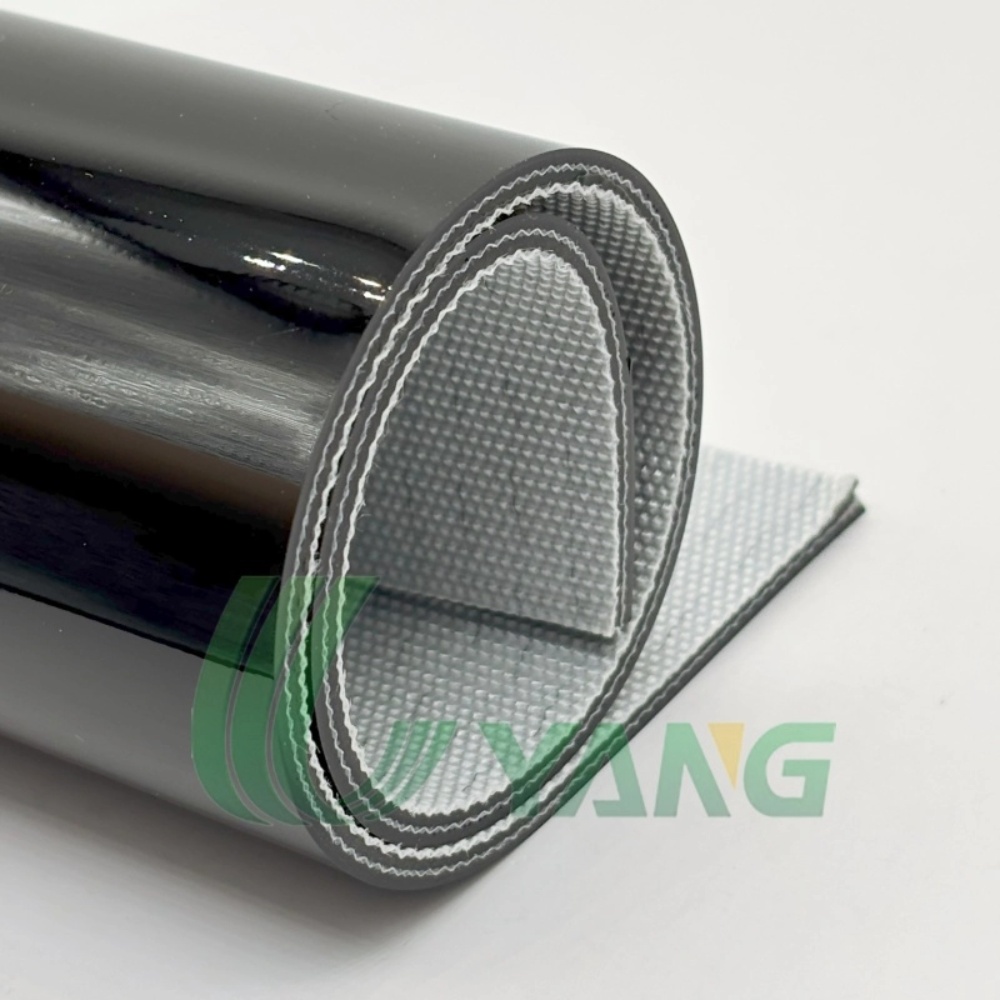
Recommendation of Black Smooth PVC Conveyor Belt
Basic shipping tasks suit the Black Smooth PVC Conveyor Belt well. It takes daily use without trouble. The even face aids auto sorting gear. Items move from start to end smoothly.
When Should You Switch to PU for Specialized Processing?
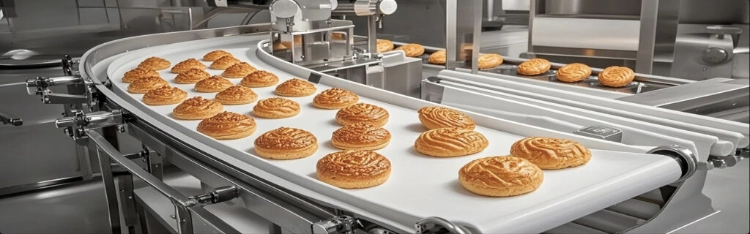
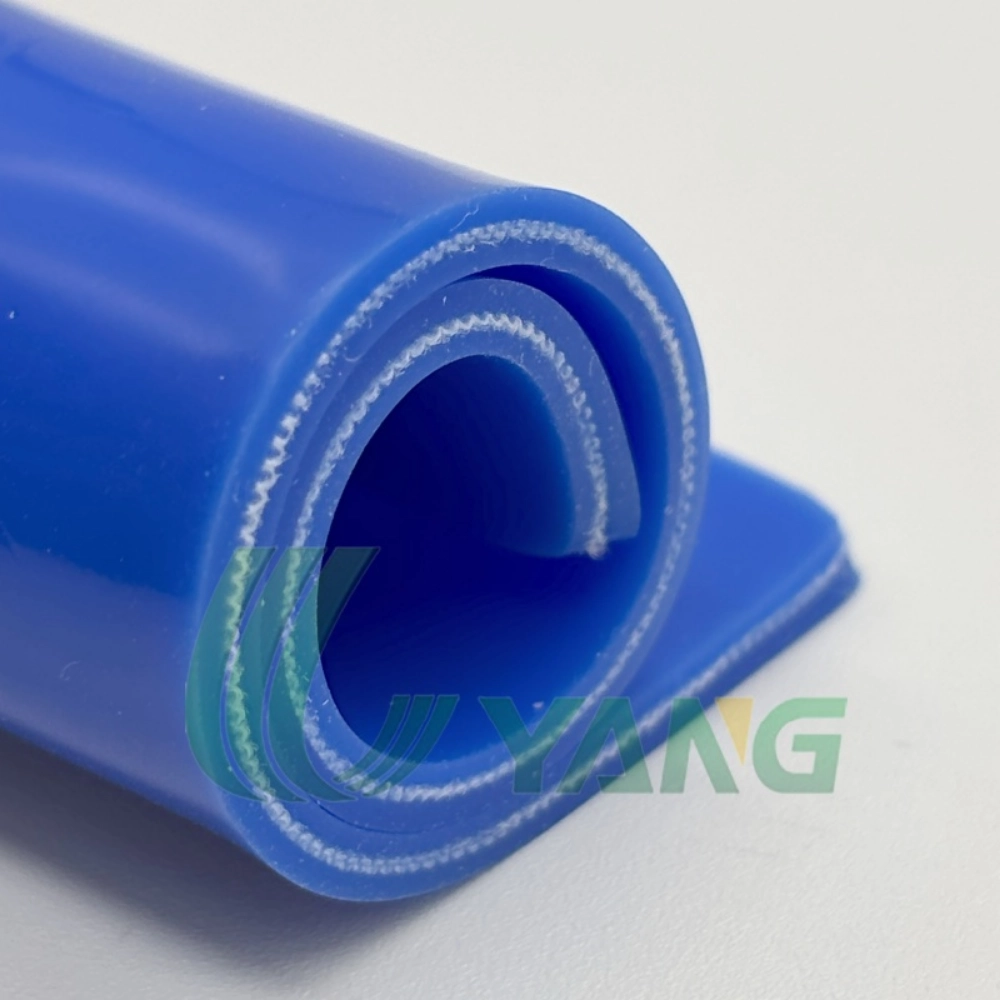
Polyurethane (PU) belts, known as uniform or simple-clean types, lead in clean-focused fields. These differ from built-up belts. They form one full piece that avoids germ buildup.
Superior Oil Resistance for Food Industries
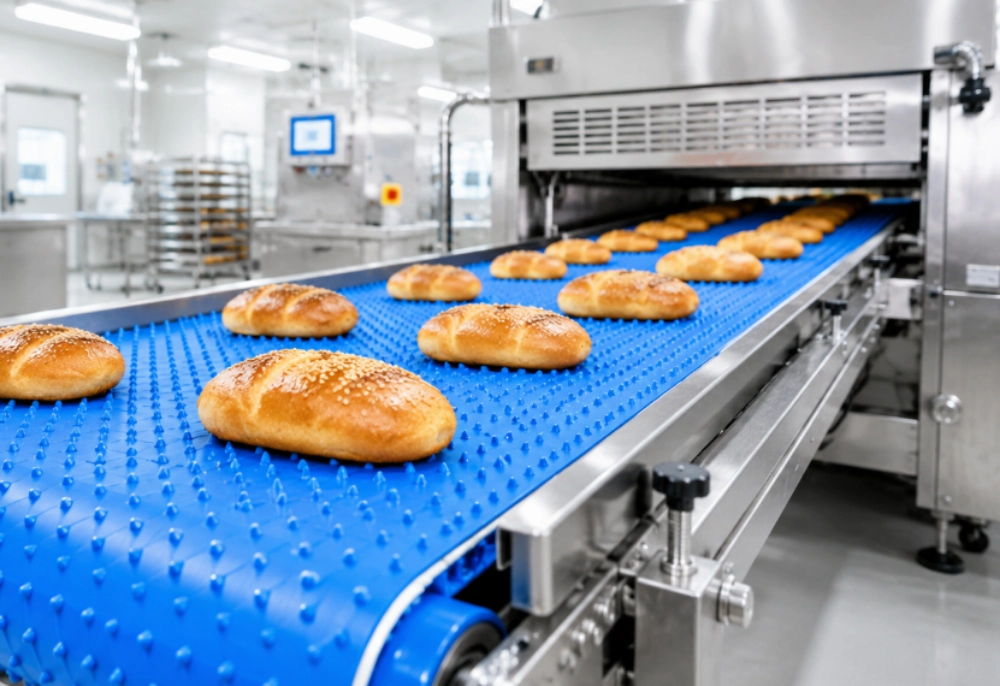
Lines with meat, birds, or greasy treats require PU. It holds shape against animal or plant fats. Cleaning proves simpler than rough faces.
Enhanced Flexibility and Precision in Small Pulley Systems
PU bends easier than PVC. This lets you fit small pulleys and save room in setups. The material fights off-center runs. It stays aligned at fast paces.
Why Is Rubber Still the King of Heavy-Duty Applications?
Polymers lead in easy fields. But natural and man-made rubbers fit tough jobs like mining, metal work, and open hauling. These belts take hits from stones, fuel bits, and ground rock.
High Impact Resistance for Mining and Agriculture
Rubber soaks up force well. Big stones or pointy metals hit and the rubber bends then returns. It avoids rips. Light plastics lack this strength.
Extreme Temperature Tolerance and Traction
Rubber stays firm in cold open air or by warm ovens. It gives built-in hold key for steep rises. Other belts let loads slip there.
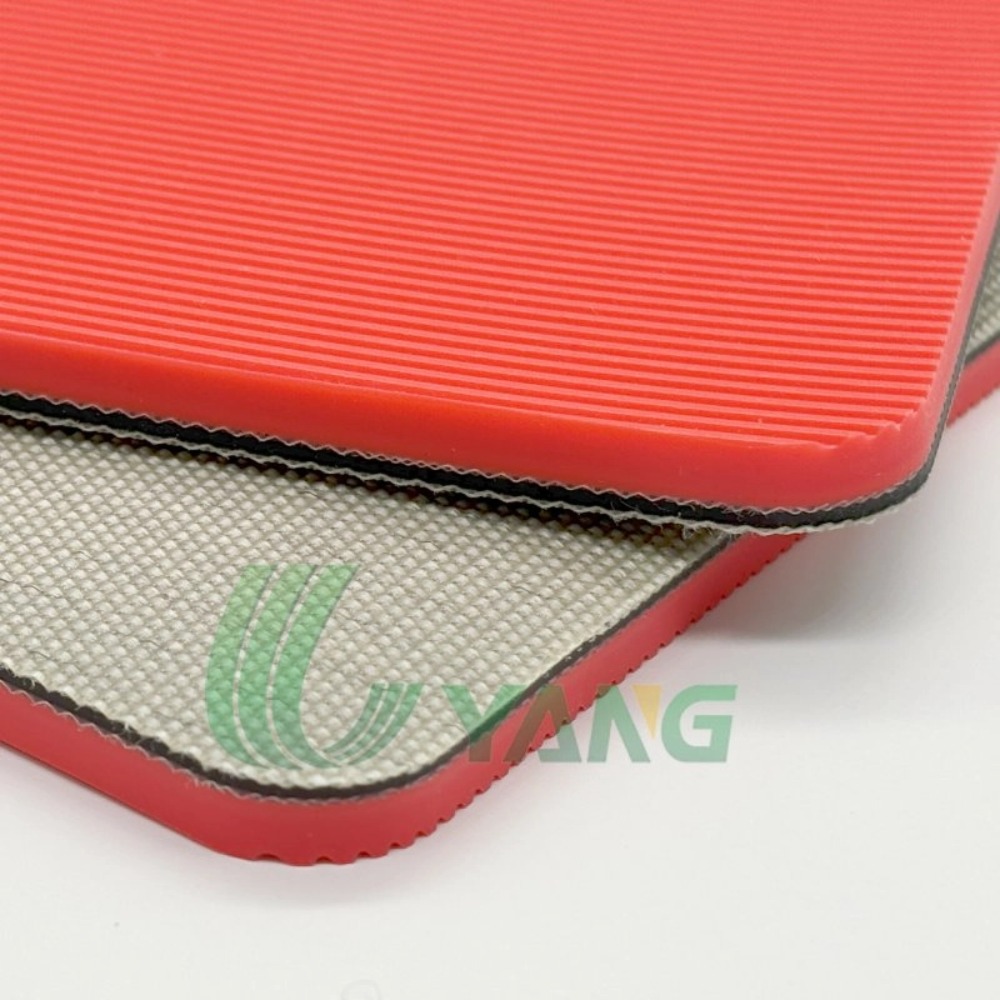
Recommendation of Longitudinal Rib Red Rubber Coated Conveyor Belt
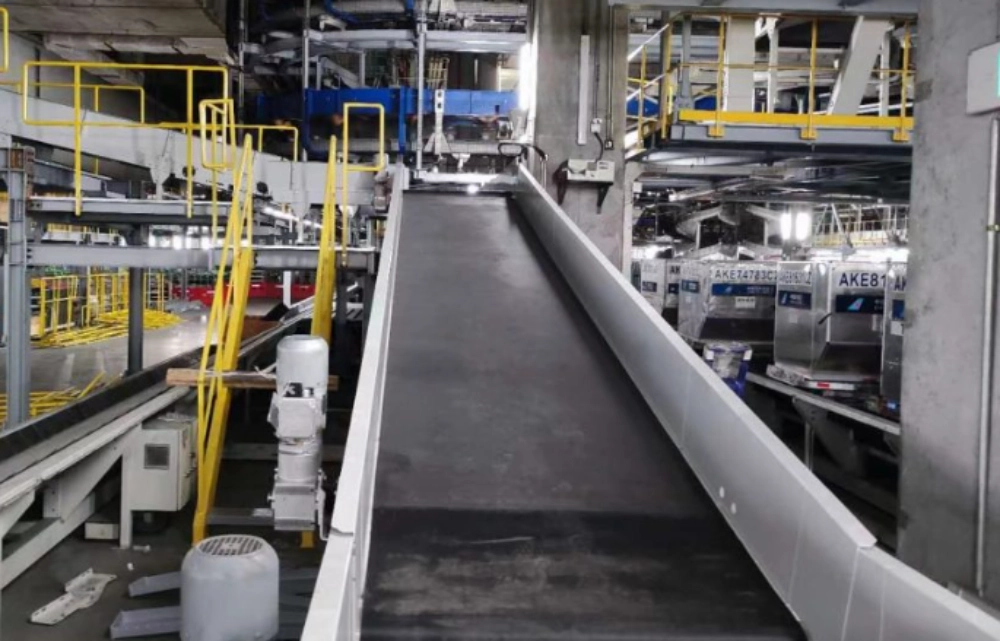
Steep hauls need top hold. The Longitudinal Rib Red Rubber Coated Conveyor Belt solves that. Ridges keep goods set and block back slides common in plain belts for up moves.
How to Determine the Best Fit for Your Specific Industry?
Pairing a belt to a field goes beyond material. It covers the exact issues in the work area. A storage site differs from chip plants or stone pits.
Logistics and Warehouse Automation Solutions
Fast sort hubs stress low noise and power use. Light PVC with smooth undersides cools engines and quiets runs in round-the-clock shifts.
Precision Electronics and EMS Assembly Lines
Electronic Manufacturing Services (EMS) demand safe faces for boards. Special PVC with carbon threads offers ESD (Electrostatic Discharge) guard.
Heavy Industrial and Sloped Conveying Systems
Bulk hauls like stones or wood bits call for thick rubber layers. The load weight and rough grind would ruin light belts fast.
Why Choose Uyang Belting as Your Global Strategic Partner?
A history of excellence over 20 years shows their grasp of trade details. They provide more than belt rolls. You get a link with ongoing tech aid and far checks.
Professional Customization and Technical Consultation
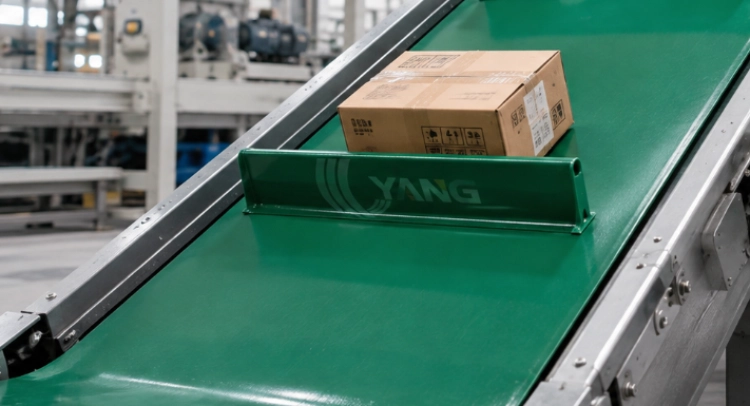
Each line varies. Custom belts add cleats, walls, or guides as needed. This fit cuts time on field tweaks.
Advanced Production Technology and Quality Certification
Fifteen modern lines ensure even output. Batches test to ISO rules. Pull strength and heat hold match listed specs.
Extensive Experience in International Trade and Logistics
Moving big belts over lines brings issues. Ties with skilled shippers mean wet-proof packs. Options cover sea for large buys or air for quick patches. They manage moves so you run your line.
FAQ
Q1: How do I know if I need PVC or PU for my food line?
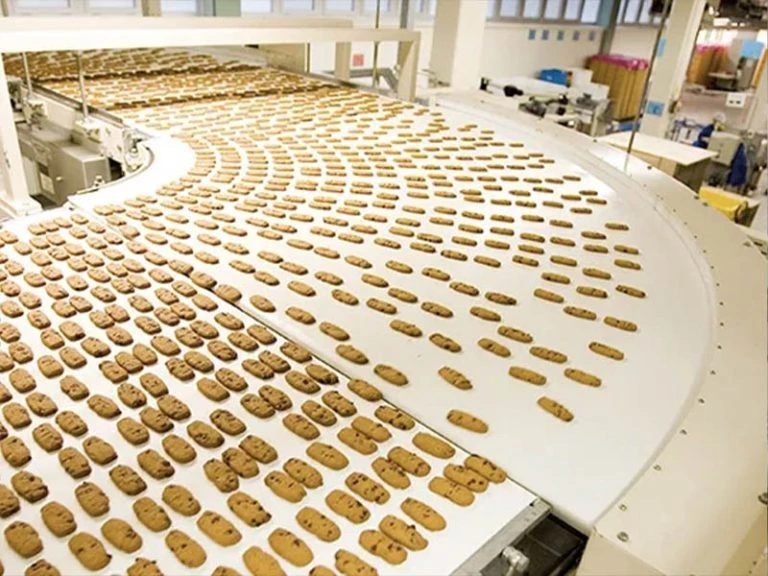
A: If your food is dry (like crackers), PVC is fine. However, if there is oil, moisture, or raw meat involved, you should use PU to meet hygiene standards and prevent the belt from swelling.
Q2: What is the lifespan of a standard rubber conveyor belt?
A: It depends on the load, but a high-quality rubber belt in a heavy-duty environment typically lasts 1 to 3 years. Proper tensioning and pulley alignment can extend this significantly.
Q3: Can I use a PVC belt on a system with small pulleys?
A: PVC is stiffer than PU. If your pulleys are very small (under 50mm), a standard PVC belt might crack over time. You should check the minimum pulley diameter specs before installing.
Q4: Is it possible to repair a torn belt on-site?
A: Yes, many belts can be cold-bonded or mechanically fastened for a quick fix. For a permanent solution, hot vulcanizing or welding is usually recommended to maintain a smooth surface.
Q5: Do your belts come with anti-static certification?
A: Many specific models are designed for anti-static environments and come with technical data sheets confirming their resistance levels, which is crucial for electronics manufacturing.