A PVC conveyor belt roll looks simple on a quotation sheet, but the wrong roll can cause tracking trouble, slipping, early cracking, poor cleaning results, or unplanned line stops. For many buyers, the real question is not only “PVC or PU?” It is also about surface grip, oil contact, washdown needs, pulley size, splice type, delivery time, and whether the belt can match your existing conveyor frame without extra rework.
Why Does Material Choice Decide Belt Cost and Downtime?
PVC and PU both belong to polymer based light conveyor belt materials, and the global belt market keeps growing because factories want faster, cleaner, and safer material flow. Industry data in the knowledge base shows the conveyor belt market was estimated at USD 5.7 billion in 2024 and may reach USD 8.2 billion by 2034. Polymer belts, including PVC and PU, already hold a major share because they are flexible, easy to process, and suitable for many production lines.
PVC Belt Roll: Practical and Budget Friendly
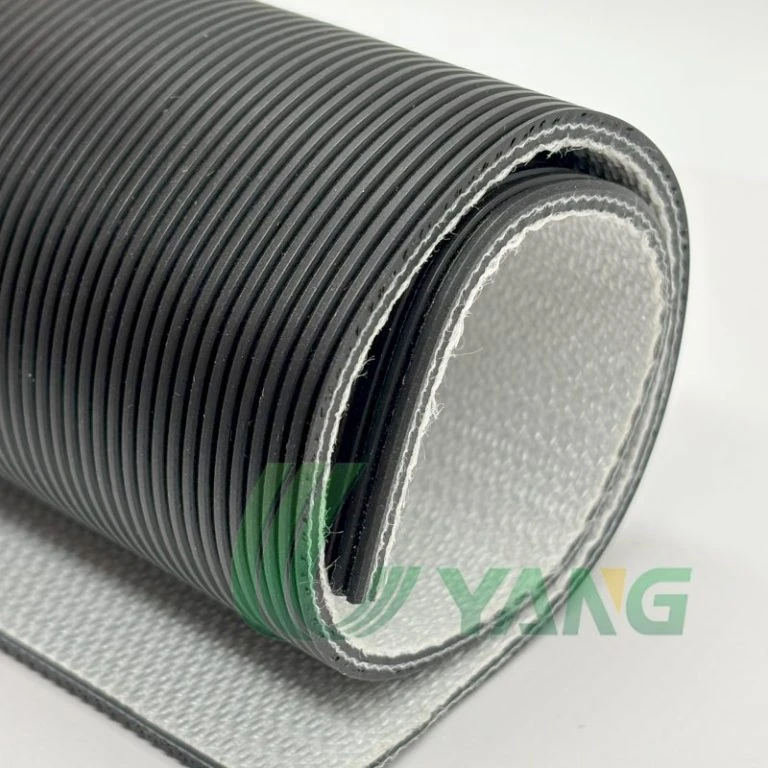
PVC conveyor belt rolls are often the safer buying choice when the line handles cartons, packaged goods, light industrial parts, dry food packs, tobacco, wood products, or airport and logistics items. PVC is cost friendly, easy to maintain, and available in many surface patterns. Rough top, diamond, straight rib, lattice, golf pattern, and smooth PVC surfaces all solve different grip problems.
In tire related conveying, PVC belt references in the knowledge base show thickness choices from about 2.0mm to 6.0mm, with different minimum pulley diameters. That detail matters. A belt that is too thick for a small pulley will not bend well, and the joint may fail early. Cheap is not cheap anymore when a line stops at 2 a.m., which happens more often than people admit.
PU Belt Roll: Cleaner Surface and Longer Wear
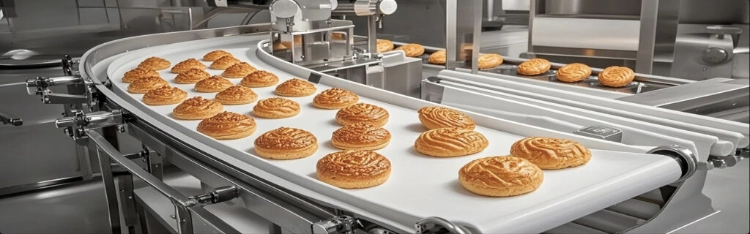
PU conveyor belt rolls are usually chosen when you need better oil resistance, lower friction, cleaner contact, and stronger wear performance. PU is common in food processing, pharmaceuticals, electronics, cleanroom lines, and frozen or wet conveying. It also suits applications where PVC may crack, absorb contamination faster, or lose surface stability under repeated cleaning.
For wet, cold, or hygiene critical use, the PU Conveyor Belt- Deburring Edge Property-Anti-Microbial Type is a useful option. It is a 1.4mm polyether PU belt with hydrolysis resistance, flexibility from -30°C to 80°C, built in antimicrobial protection, laser trimmed edges, and improved abrasion resistance compared with standard PU. It fits frozen food, pharmaceutical blister packaging, and cleanroom electronics assembly.
How Should You Compare PVC vs PU Before Ordering?
A good buyer does not choose by material name only. You need to match the belt to the product, the cleaning method, the conveyor frame, and the real operating habit of the workshop. Some lines are clean on paper but oily in daily use. Some “dry” lines still get water during shift cleaning. That small mismatch often causes the complaint later.
Key Comparison Table for B2B Buyers
| Buying Point | PVC Conveyor Belt Roll | PU Conveyor Belt Roll |
|---|---|---|
| Cost Level | Lower initial cost | Higher initial cost |
| Best Use | General handling, packaging, logistics, dry industrial lines | Food contact, wet lines, oily goods, cleanroom use |
| Cleaning | Easy for normal cleaning | Better for frequent washdown |
| Oil and Fat Resistance | Moderate, depends on formula | Better for oily or fatty products |
| Surface Options | Many patterns for grip and incline conveying | Smooth, diamond, matte, food grade and special surfaces |
| Service Life | Good in suitable dry or medium duty use | Longer in wet, cold, and hygiene critical use |
| Buyer Concern | Price, thickness, pulley size, pattern | Compliance, edge quality, microbial control, wear life |
If the product is dry and the line is not cleaned with hot water or chemicals, PVC may be the better value. If the product is wet, sticky, fatty, frozen, or sensitive to contamination, PU is usually a safer long term choice.
Which Belt Roll Fits Your Industry Application?
Different industries care about different belt failures. Logistics buyers worry about slipping and noise. Food processors worry about bacteria, cleaning time, and foreign matter. Tire factories care about stable tracking, anti adhesion, strength, and suitable surface texture. This is why a factory should not buy one “universal” roll for every line.
Food, Pharmaceutical, and Cleanroom Lines
For food and pharmaceutical applications, hygiene is more important than the roll price. The knowledge base explains that easy clean homogeneous belts use a fabric free, one piece thermoplastic structure, usually TPU or TPE. This structure has no fabric layer, no capillary absorption, and no common delamination point. It can handle high pressure washdown, hot water, steam, and chemical sanitizing when the belt type is selected correctly.
A standard PU belt can already be a good choice for many clean lines. For higher hygiene demands, ask about sealed edges, smooth surfaces, heat fused joints, and food contact documents such as FDA or EU 10/2011. Blue belts are also popular in food plants because foreign matter is easier to see.
Logistics, Packaging, and Airport Handling
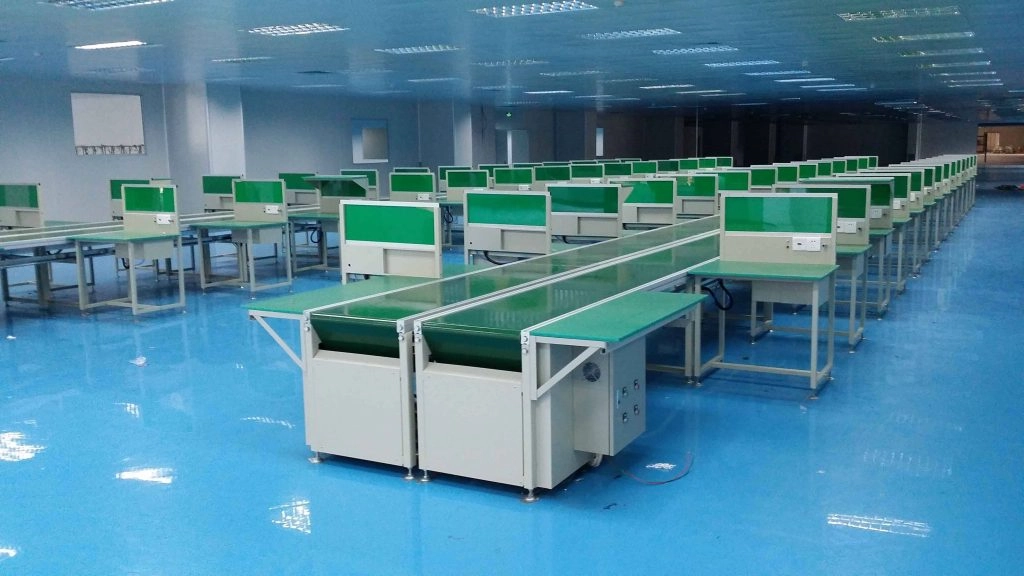
PVC belt rolls are widely used in logistics and packaging because they offer enough grip at a reasonable cost. For an inclined conveyor, rough top PVC can reduce sliding. For flat carton transfer, a smooth or matte PVC surface may run quietly and keep product flow stable.
UYANG BELTING lists applications such as food processing, agriculture processing, automotive and tyre, wood processing, fitness, airport and logistics, textile and printing, marble and ceramic processing, tobacco processing, and skiing conveyor belts on its industry application page. That range is helpful when your project includes more than one workshop area.
Tire and Automotive Production
Tire production uses several belt styles across mixing, calendering, cooling, tread handling, and forming lines. The tire industry material in the knowledge base includes PVC canvas belts, rubber canvas belts, silicone canvas belts, and timing belt types such as T10, GT10, AT10, and H profiles. Common concerns include heat range, anti sticking, small pulley diameter, fatigue resistance, tracking, and grip.
PVC can work well for flat transfer or light duty tire handling. For higher heat, stronger oil contact, or more demanding forming areas, you may need rubber, silicone, PU, or synchronous belt solutions. Send the machine drawing if possible. A two minute check on pulley diameter can save a week of argument later.
What Specifications Should Be Confirmed on a PVC Conveyor Belt Roll?
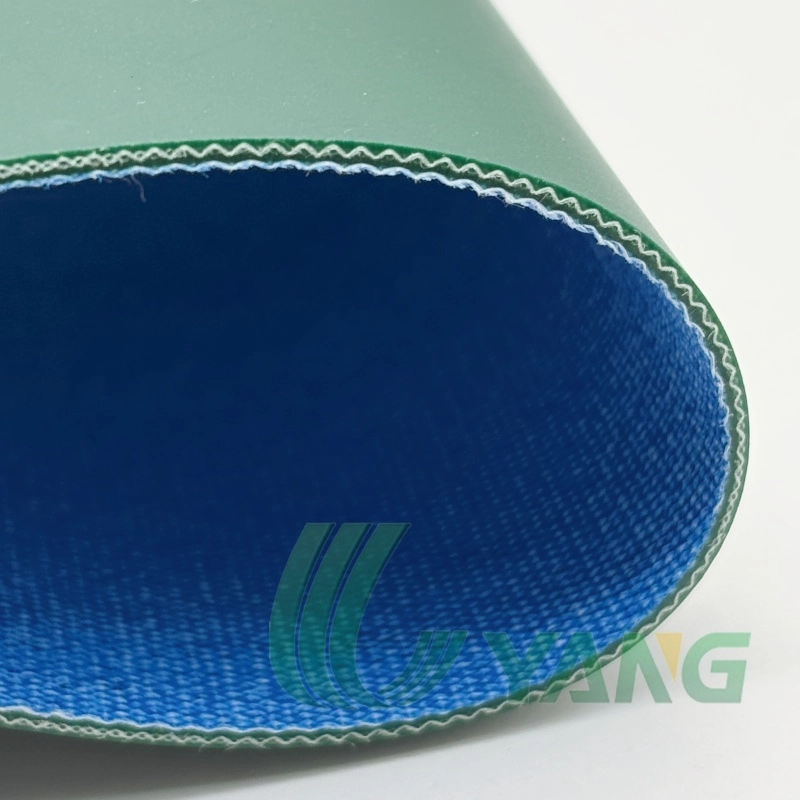
A clear specification sheet makes the quotation faster and reduces wrong sampling. “Green PVC belt roll” is not enough. Many green PVC belts look similar, but the ply count, fabric strength, cover thickness, bottom fabric, and surface pattern can be very different.
Roll Size, Ply Structure, and Thickness
Confirm roll width, roll length, total belt thickness, top cover thickness, bottom cover or fabric type, and number of plies. For example, light duty PVC may use 2 plies, while medium or heavier applications may need 3 to 5 plies. If the belt runs on small rollers, check the minimum pulley diameter before choosing a thick belt.
Surface Pattern and Working Conditions
Choose the surface according to product behavior. Smooth surfaces are easier to clean. Rough top and straight rib surfaces help grip. Diamond or lattice patterns can support inclined conveying or product separation. Also confirm temperature range, oil contact, moisture, chemical cleaning, and whether the belt touches food directly.
Splice, Edge, and Packing Details
For endless belts, ask about finger splice, step splice, mechanical fastener, or heat fused joint. For food or clean applications, sealed or deburred edges help reduce liquid ingress and hidden dirt. Roll packing also matters for export orders. Waterproof polybag packing and custom packing can protect the roll during sea freight or long warehouse storage.
Why Work With a Manufacturer Instead of a Trading Office?
A PVC or PU conveyor belt roll is not only a commodity. Once the belt is cut, joined, punched, guided, cleated, or customized, production experience starts to matter. A manufacturer can check whether your requested belt is suitable before money is spent. A trading office may only forward the order and hope the roll works.
UYANG BELTING is a conveyor belt total solution manufacturer in China with over 20 years of manufacturing experience and 15 advanced production lines. Its product range covers PVC conveyor belts, PU conveyor belts, solid woven belts, homogeneous belts, belt accessories, and processing machines. For buyers who need regular roll supply or custom belt processing, the product center gives a useful starting point for comparing belt structures before sending a specification sheet.
Production and Custom Support
UYANG BELTING’s company profile presents it as a conveyor belt and related presents it as a conveyor belt and related machine manufacturer with long term experience, multiple production lines, and a wide portfolio. For custom orders, buyers can ask for trial rolls, custom widths, patterns, cleats, guides, branding, and OEM or ODM support. Low MOQ support and sample service are also helpful when you want to test a new line before bulk purchase.
Service Points That Matter After Shipment
Before payment, confirm the warranty, lead time, drawing approval process, and after sales contact. The knowledge base notes a 12 month quality guarantee, lifetime technical support, remote troubleshooting through photos or videos, and maintenance guidance. For overseas buyers, also confirm trade terms such as EXW, FOB, CIF, or DDP, plus whether standard production or urgent production is available.
FAQ
Q1: Is PVC or PU Better for a Conveyor Belt Roll?
A: PVC is better for general handling, packaging, logistics, dry product transfer, and cost sensitive projects. PU is better for food contact, wet lines, oily products, frozen areas, cleanrooms, and lines that need frequent washing.
Q2: Can PVC Conveyor Belts Be Used in Food Processing?
A: PVC can be used in some dry or packaged food lines, but direct contact with wet, oily, or high hygiene food usually needs food grade PU or homogeneous easy clean belts. Always ask for food contact compliance documents before placing an order.
Q3: What Information Should Be Sent for a Conveyor Belt Roll Quote?
A: Send belt width, roll length, total thickness, ply count, surface pattern, color, temperature range, pulley diameter, product weight, cleaning method, and whether the belt needs cleats, guides, holes, sealed edges, or endless splicing.
Q4: When Should You Choose an Anti-Microbial PU Conveyor Belt?
A: Choose an anti-microbial PU belt when the line handles frozen food, pharmaceuticals, cleanroom electronics, wet products, or products sensitive to contamination. The 1.4mm polyether PU anti-microbial belt from UYANG BELTING is designed for wet, cold, and hygiene critical applications.
Q5: Can UYANG BELTING Supply Custom PVC and PU Conveyor Belt Rolls?
A: Yes. UYANG BELTING offers PVC conveyor belts, PU conveyor belts, homogeneous belts, accessories, processing machines, and custom support for belt width, surface pattern, cleats, guides, splice type, and application based requirements.