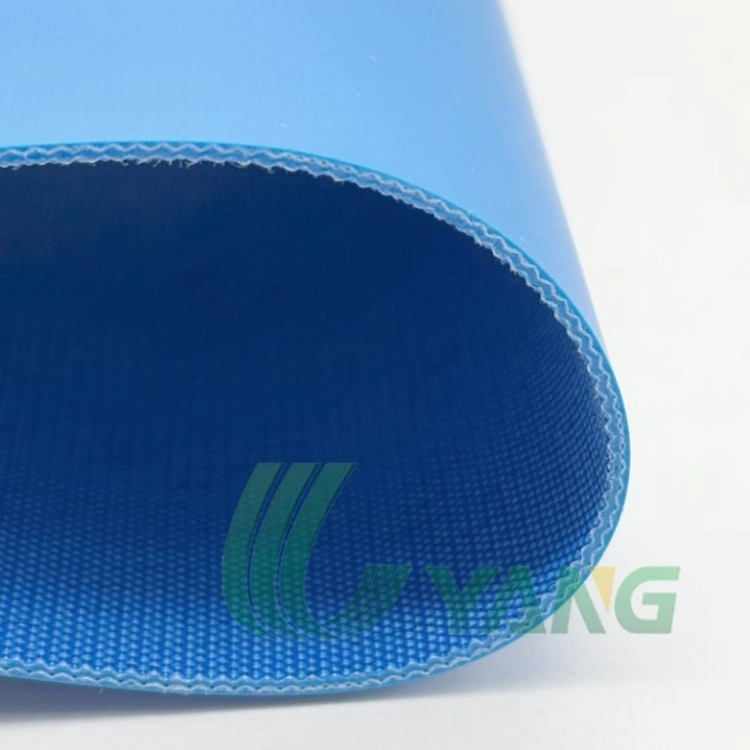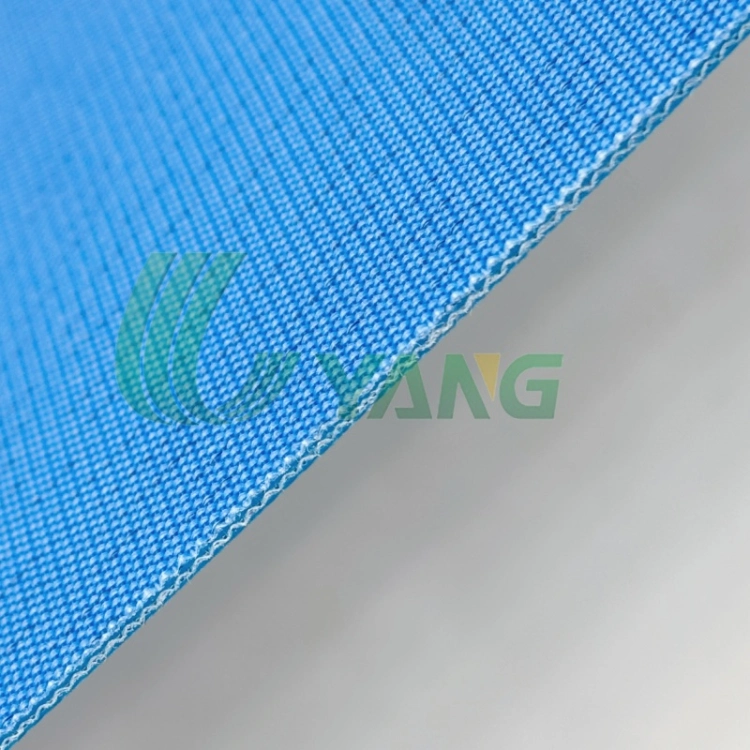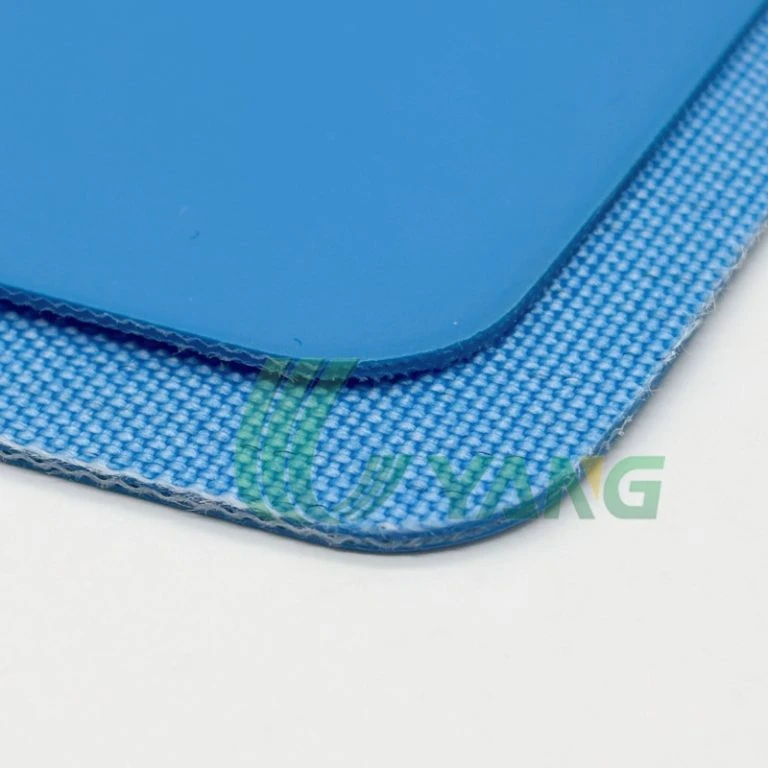
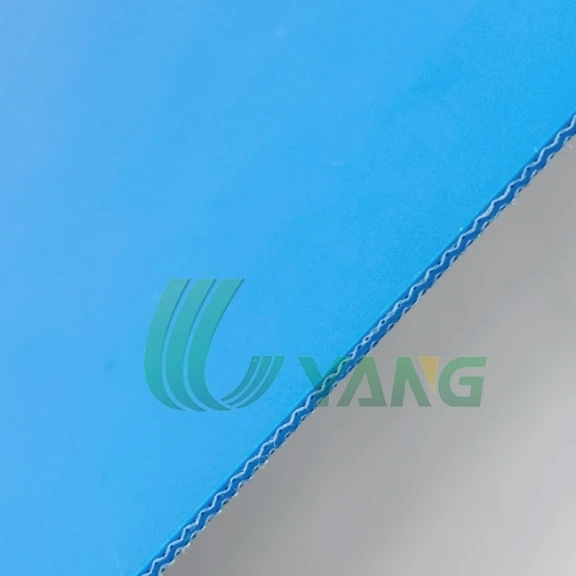
Edges fail first on a washdown line for two reasons. A cut edge is bare fabric, and fabric drinks. Every night the belt is left wet it wicks water down into the layers. The edge is also the one part of the belt that scrapers, guides, frames and knives all touch. So the belt gets replaced six months in, the cover gets blamed, and the replacement fails in exactly the same two places.
The cover was never the problem. Water reaches the edge before it reaches anything else, and hardware wears there long before the cover itself has a story to tell.
Look at Where the Belt Sleeps
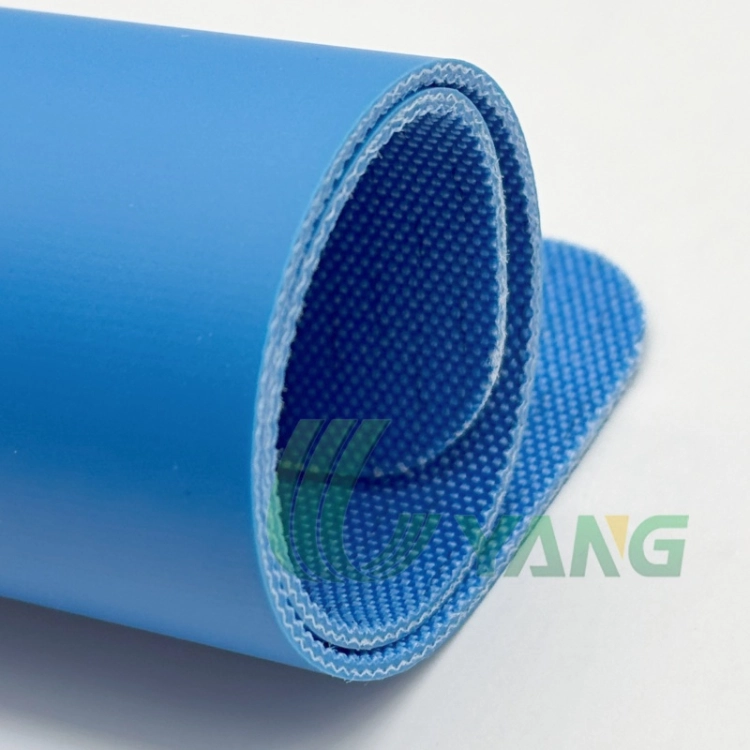
The line stops at ten, with the belt wet and the frame wet, and nobody dries anything. By six the cover feels dry to the hand and the plies — the fabric layers inside a laminated belt — are still damp. Five nights a week for a year, and the layers have to part.
No additive prevents that, which is also why edge failures look sudden. They have been running quietly since the first wet weekend.
What a Sealed Edge Does
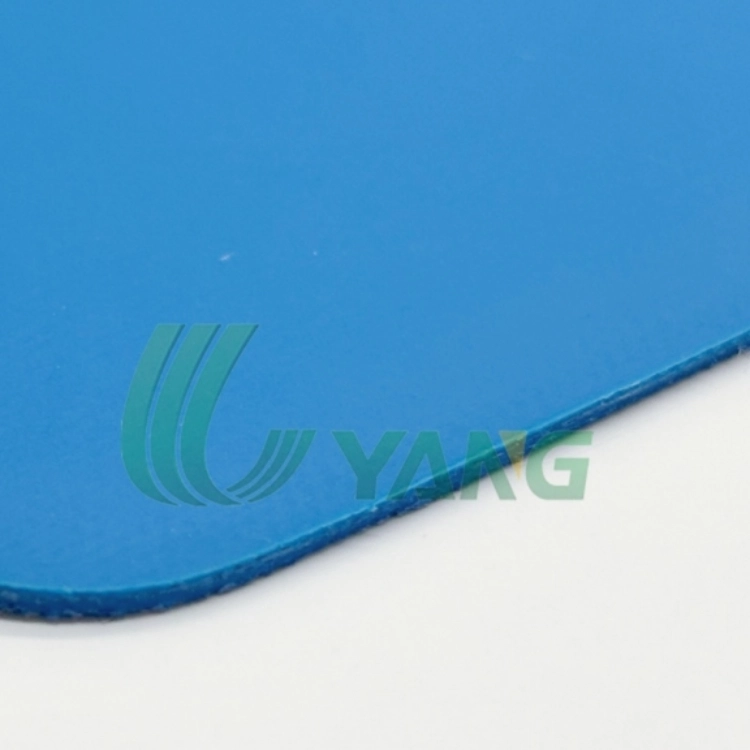
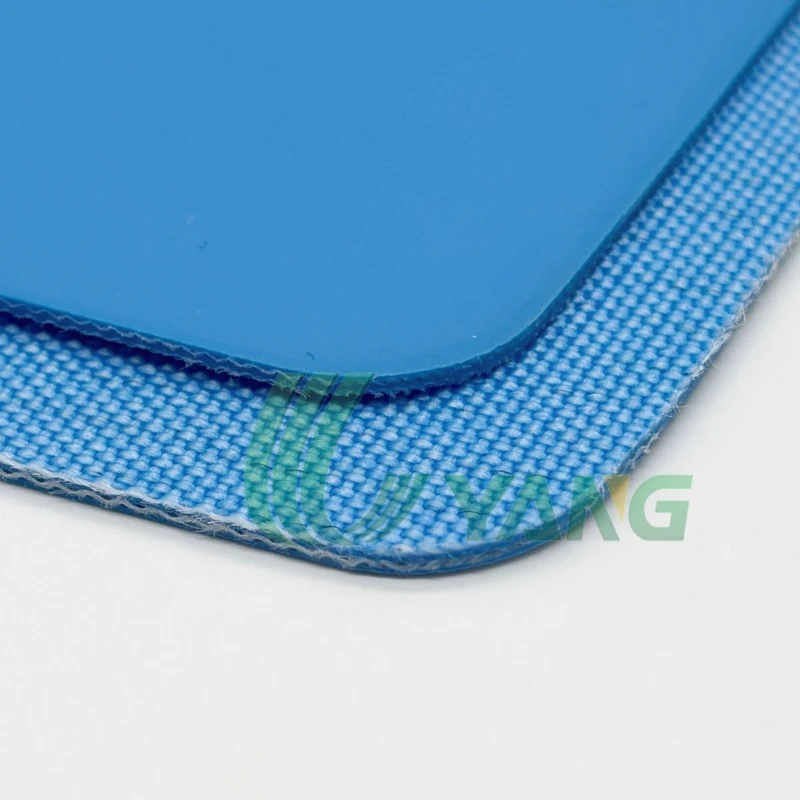
Sealing closes that fabric off. Heat-seal, weld or coat it during manufacture, according to what the belt allows. Ask first whether the cover can take it, because thin covers and awkward compounds refuse to weld cleanly. A seal that fails quietly then does more damage than an honest cut edge, since nothing looks sealed invites an inspection. The edge and guide options are worth pricing before the specification is fixed.
Three things reopen it
A scraper set too tight, a guide out of line, or a knife dropped on the return side accounts for nearly all of it, and none of it is the belt’s fault.
Edge and splice are one job
An endless weld is only as good as the edges either side of it. Water reaches a splice from the side far more often than from the top. That is the whole story behind the splice nobody replaced for a reason, and the month it takes the new one to follow.
Read the Edge Before You Order
An edge gone white and hairy is rubbing against something. Find that something before any money gets spent. An edge that is swollen and soft has taken in water. A curl points at heat, or at tension uneven across the width, or at a pulley smaller than the belt wants. Cracks along the edge mean flex fatigue at a small drum, or a cover gone hard.
| What the edge looks like | Likely cause | First move |
| White and hairy | Rubbing against frame or hardware | Find what it rubs on before spending anything |
| Swollen and soft | Water wicking in through the edge | Check sealing, overnight damp and splice openings |
| A curl | Heat, uneven tension across the width, or a pulley smaller than the belt wants | Measure tension across the width; check pulley diameter |
| Cracks along the edge | Flex fatigue at a small drum, or a hardened cover | Check drum size before reordering the same spec |
Four symptoms, four different bills. Buying a thicker cover cures none of the four. It is still what almost every buyer tries first.
Where the Damage Comes From
The damage comes from guides, welded sidewalls, frame edges worn sharp, pulleys out of line, and the cleaning crew’s scraper. Scrapers, though, outdamage everything else combined, and they are also the cheapest thing on that list to fix. With a plastic blade at the right angle, residue comes off and the edge survives. With a steel blade at the wrong angle, the edge lifts, and the man holding it will tell you the belt was old.
Put It in the Order
Write the order so it states: sealed or cut on both edges, width tolerance, which face carries the guide, sidewall and cleat pitch. Then confirm direction of travel before the weld starts. That last line saves more belts than any datasheet.
On a food line, add the wash chemistry and the wash temperature. Both decide whether a food-grade belt keeps its edge or slowly takes on water. Same argument runs through freezer and washdown selection, and it comes up wherever a PU belt has to survive two clean-downs a day.
It is worth knowing that a homogeneous belt — moulded from a single thermoplastic, with no fabric layers inside — has nothing to wick. That is a different answer to the same question, and a more expensive one.
The boundary is worth stating plainly. A homogeneous belt earns its price where the line is washed every shift and fabric never gets the chance to dry between runs. Where the line runs mostly dry between clean-downs, a sealed laminated edge at a fraction of the cost does the same job. And no edge treatment survives a steel scraper set at the wrong angle — fix the scraper first, because that evidence will undo any belt you buy.
The Arithmetic
A sealed edge is a small percentage on the belt price. A mid-campaign replacement is a shift, a splice, a hygiene investigation, and a hunt for the spare nobody ordered because the last one lasted three years.
About UYANG BELTING
Tianjin UYANG BELTING has spent twenty years on light conveyor belts, running 80,000 square metres and fifteen production lines across PVC, PU and PVK, plus homogeneous belts in TPU and TPE from 1.5 to 5 mm. Sealed edges, welded splices, welded guides and sidewalls, all done in house. The in-house part is the one that decides how long your edges last.
Certification runs from FDA and EU 10/2011 for food contact to ISO 9001:2015 for the process, with HACCP and GMP design around the belt. Send a line drawing and the belt list can be written against it.
In Short
Edges fail first because they are the only part of a belt that is both open and unwatched: bare fabric drinking overnight, hardware and scrapers wearing at it by day. Seal the edges, confirm the guide face and direction of travel before the splice starts, keep the scraper angle right, and inspect monthly — weekly on a line washed every shift. Do that and the cover becomes the limiting factor, which is where a belt’s age should show.
FAQ
Q1: Can every belt have sealed edges?
A1: No. Most laminated PVC and PU belts can be sealed. Thin covers and some compounds weld badly. Confirm before it goes into a specification, because a poor seal fails quietly.
Q2: How long does a sealed edge last?
A2: Longer than a cut edge, not forever. Scrapers, guides and knives reopen it. Monthly inspection, small openings dealt with early, is the whole trick.
Q3: Is a homogeneous belt the same as a sealed-edge belt?
A3: No. Homogeneous belt has no fabric inside it at all, so there is nothing for water to wick along. Sealing protects a belt that does have fabric inside it.
Q4: Why does an edge swell when the top of the belt is fine?
A4: It is water travelling along the plies from the cut edge, a sealing and washdown issue rather than a cover quality issue. Replace it like-for-like and the new belt starts the same clock.
Q5: How often should edges be checked?
A5: Monthly at the very least. Weekly where the line is washed every shift. And always after anybody has been near the guides or the frame with a spanner.