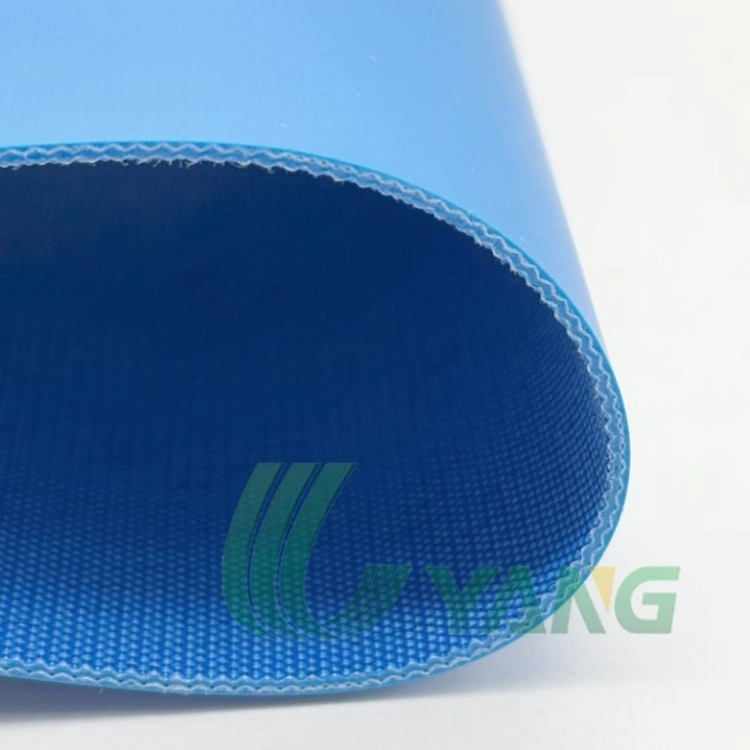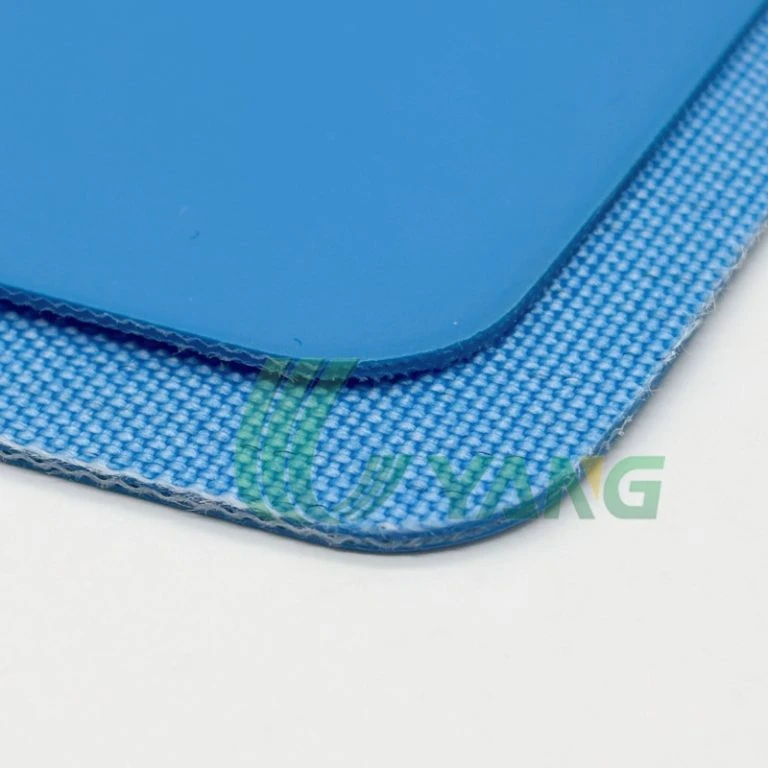
Thickness is the number everybody quotes and the one nobody defends. The whole food grade range runs 1.5 mm to 5 mm, so the choice feels like rounding, two millimetres or three, what could it honestly cost. It costs a fitter six weeks walking the line after a 5 mm belt lands on rollers sized for 2. It costs a QA lead the morning a knife mark through a thin laminate turns out to have been feeding water into fabric since spring, and every swab record between here and there now deserves suspicion. Same column on the order form, two different disasters, and both of them ship when the thickness arrives with no written reason behind it. Meat and poultry take 3 or 4 mm. Bakery takes 2. Anything else needs that reason on paper.
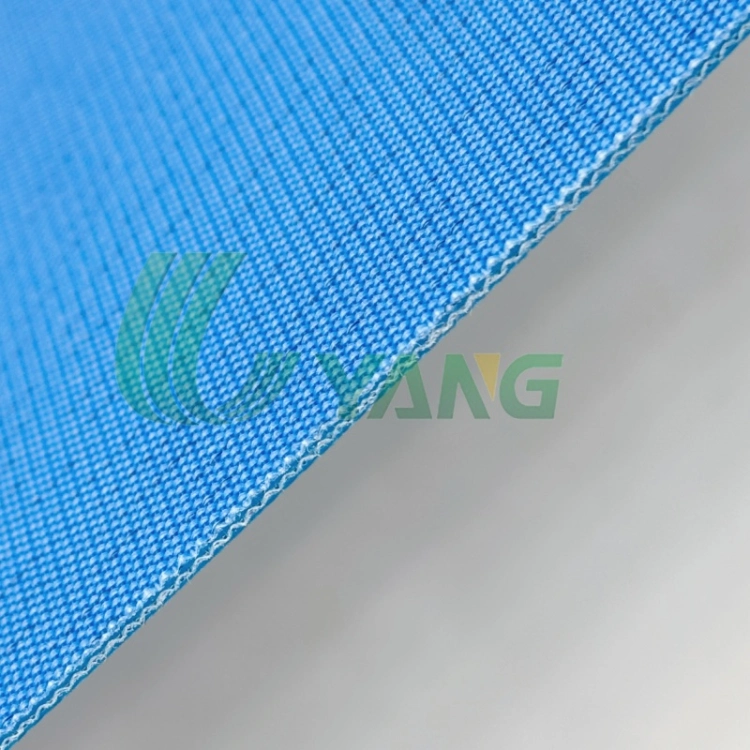
What the Millimetres Actually Control
Stiffness, pulleys and tracking
Thicker means stiffer, and that single fact is behind most complaints of this type. The rest is folklore. A 5 mm belt over a roller built for 2 mm fights the bend every revolution, holds a cup in the free span, drifts toward whichever side gives. The take-up gets chased, then the tensioner gets blamed, then somebody trims the belt edge to stop the rubbing, and the thickness decision has now become an edge-lift finding with a date on it.
Tape-measure the smallest roller before anything else. Diameter and thickness are one decision. Treating them as two is the error.
Knife marks and the margin they eat
A meat room eats belt slowly, that’s ordinary, the interesting part is what the knives add. A mark inside the top layer is cosmetic and gets a joke about it. A mark through to a fabric core is a water trap, permanently, and every swab after that month is theatre. The 3 to 4 mm habit in breaking rooms came out of replacement logs rather than brochures, and the extra millimetres are margin the knives test hourly.
What thickness can’t fix
Hot fat chemically wrong for the compound eats 5 mm as cheerfully as 2 mm. A cold splice by an untrained hand fails at the joint before the thickness ever gets its turn. Material and welding first. Millimetres are step two, not step one.
Thickness by Application, Not by Catalogue Habit
Meat and poultry: 3 to 4 mm
Trimming and portioning tables run 3 mm. Four millimetres is where sides and heavy halves travel across the belt, or where knives hit belt more often than the crew admits on the sales call. Plants that moved 2 to 3 on a deboning table describe it flatly: fewer swollen edges, fewer swaps, no romance in it.
Bakery and light goods: 2 mm
Soft product, small rollers, nothing trying to cut the belt. Two millimetres flexes without memory set while the bake hall swings warm and cool, and past that number the machine fights stiffness it never asked for. Sticky dough is a surface complaint rather than a thickness complaint, which is why silicone conveyor belts live in this part of the range at exactly the thickness the machine asks for.
The middle ground
Seafood rinse tables, cheese handling, frozen infeed and outfeed, all of it between the two anchors above, and buyers guess here more than anywhere else on the line. Three questions beat any catalogue. What lands on the belt, from what height, and how hot the washdown actually runs. Answer those three sentences and a range narrows without anyone booking a meeting. The smooth top PU belt for fresh meat sits mid-map and makes a useful thing to argue against.
A Pre-Quote Sheet That Saves a Sample Round
Five items, in order, because the first one caps the rest.
| What to collect | Why it decides the quote |
| Smallest pulley and roller diameters | Caps the workable thickness |
| Product weight, drop height, blade exposure | Sets the wear margin |
| Washdown temperature plus chemical routine | Material class comes out of this first |
| Machine length and take-up travel | Heavier belts stretch; travel must cover it |
| Who welds the splice, site or factory | Construction and delivery plan follow the answer |
That last row surprises people. A belt welded endless at the factory and shipped ready to hang is a different animal than one closed with clips by whoever drew the night shift, and the sensible thickness moves when that answer changes.
Structure Under the Top Layer Changes the Answer
Two belts, same 4 mm on the calliper, unrelated animals.
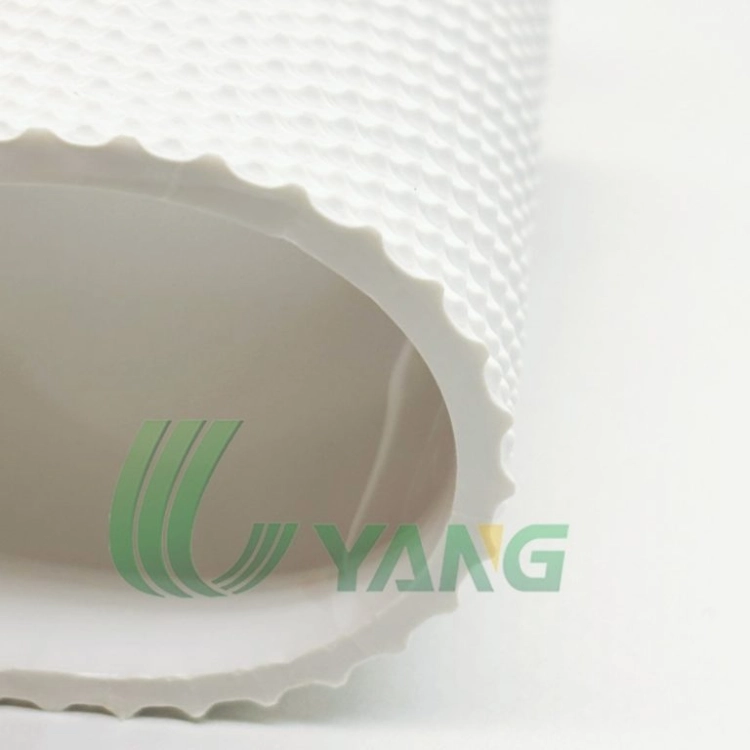
A laminate is PU cover over fabric. It built this industry and it fails one known way: water reaches the weave, the core stays wet, done. A homogeneous belt is one thermoplastic body, TPU or TPE straight through, nothing woven to drink and no interface to peel, with edges heat-sealed so the entry points close. Wet rooms order the homogeneous belt range for exactly that reason. Dry carton lines run laminates for a decade, correctly. Both sentences are true. The product center lists both families with their thickness tables, and the argument about which room is which settles on the room, not the catalogue preference.
Splice Equipment Decides Who Repairs at 6 a.m.
Solid belts get repaired by welding, so the press question is really a thickness question wearing a hat. The workshop water-cooled press heats 20 minutes, dwells 3, cools 2, so say 25 to 30 minutes per joint with the belt clamped and someone making coffee meanwhile. The air-cooled unit is the field machine, cooling and pressure built into its own body, one flight case in the van, and a cycle of 4.5 heat, 3 dwell, 2.5 cool, meaning 9 to 12 minutes when the joint comes out right. Thick carcasses sit at the long end of either window, and that is where the thickness decision returns to visit your downtime math, at six in the morning, on a Saturday.
No welder on the crew? Then two questions before ordering: does it ship pre-welded endless, and does a press stay on the order for later. One email, cheap. The alternative learns itself from a stopped line, which is a worse teacher.
About UYANG BELTING
Twenty years on light conveyor belts. Fifteen production lines, 80,000 square metres in Tianjin, PVC, PU and PVK patterns out to food, tobacco, logistics, printing and electronics plants. Slitting to width, guides and sidewalls welded, endless splices closed in house, production inside 7 to 20 days, twelve months warranty from bill of lading. That’s Tianjin UYANG BELTING, and food is the industry where the thickness arguments above happen weekly. Factory detail sits on the company profile page, the range on the UYANG BELTING site.
The email opener that works: pulley diameters, one photo of the load side, the washdown routine. Then ask for a short sample length and let it run a week. A sample belt has ended more thickness arguments than any data sheet, mostly because the machine gets a vote and the machine usually wins.
FAQ
Q1: Does a thicker food belt always last longer?
A1: No, and it’s the priciest misconception around. Thickness pays where impact and knives actually remove material. Bakery machinery with small rollers wears its own rollers and loses tracking under a thick belt while the 2 mm one runs for years unnoticed.
Q2: Can a 2 mm belt survive a meat room?
A2: It gets installed there. Then trimming and deboning stations burn through it. The 3 to 4 mm convention came from plant replacement logs; the brochure only quoted them later.
Q3: Which thickness suits frozen and IQF lines?
A3: Flexibility in the cold decides more than thickness does, so material spec and roller sizes lead and the number follows. Measure the pulleys and most plants land between 2 and 3 mm without much debate.
Q4: Why does blue keep showing up in thickness tables?
A4: Colour is its own choice, but blue became the default because a blue chip in a tray of trim is spotted from the doorway, while a white chip of the same size hides in the product at any thickness.
Q5: What should a buyer confirm before trusting a quoted thickness?
A5: Smallest pulley on the machine, who welds the splice, how hot the washdown runs. Those three confirm the quoted number or reopen it. RFQ stage is the cheap hour to discover which.