Choosing a conveyor belt becomes difficult when one factory has straight lines, inclined sections, wet zones, dry packing areas, heavy loads, small parts, and repeat purchasing needs. A standard belt may run well on one line but fail on another because the material, surface texture, joint type, or guide design does not match the real working condition. This article explains how custom conveyor belts help you choose the right structure for different layouts, industries, and production needs. It also shows what bulk buyers should check before repeat orders, so slipping, tracking trouble, cleaning pressure, and early belt replacement can be reduced.
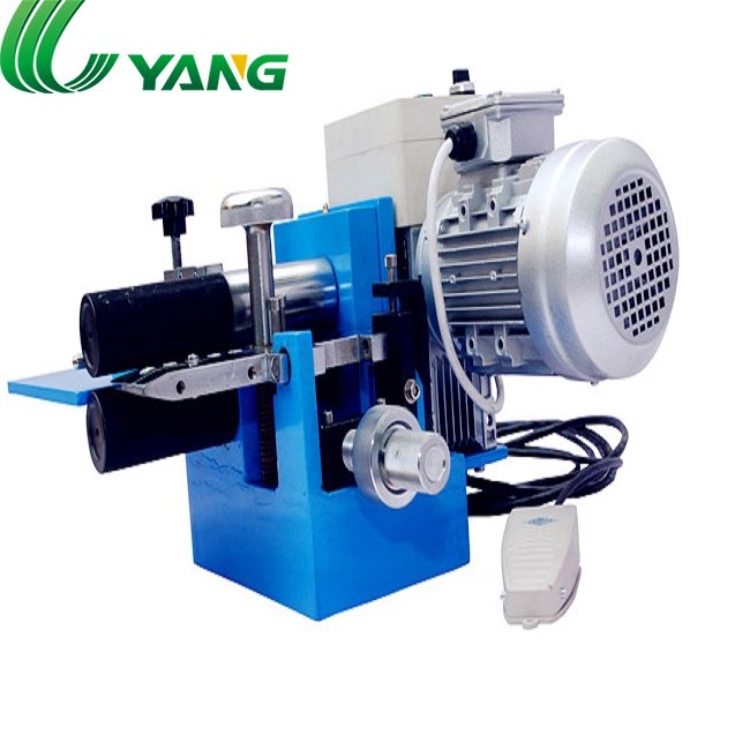
UYANG BELTING supports these needs with over 20 years of conveyor belt manufacturing experience, an 80,000㎡ production base, and 15 advanced production lines. Its product center covers modular belts, PVC/PU conveyor belts, PVK solid woven belts, homogeneous belts, silicone belts, and belt processing machines.

How Do Factory Layouts Affect Conveyor Belt Selection
A conveyor belt is not chosen by material alone. Line shape, transfer angle, product weight, cleaning method, and running time all affect the final choice. A belt used for cartons may not suit seafood. A belt used on a flat packing table may slip on an inclined feeder. Small details, such as thickness, surface pattern, and pulley size, can become real problems after installation.
Straight Line Production Flow
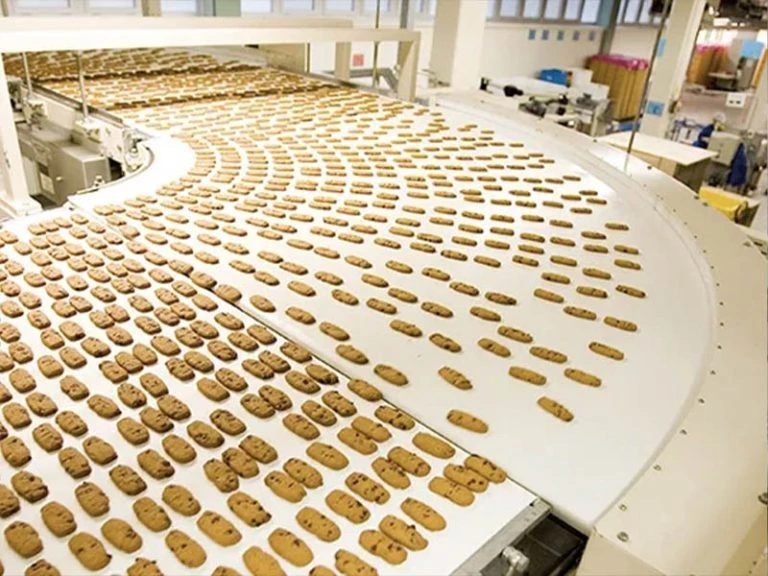
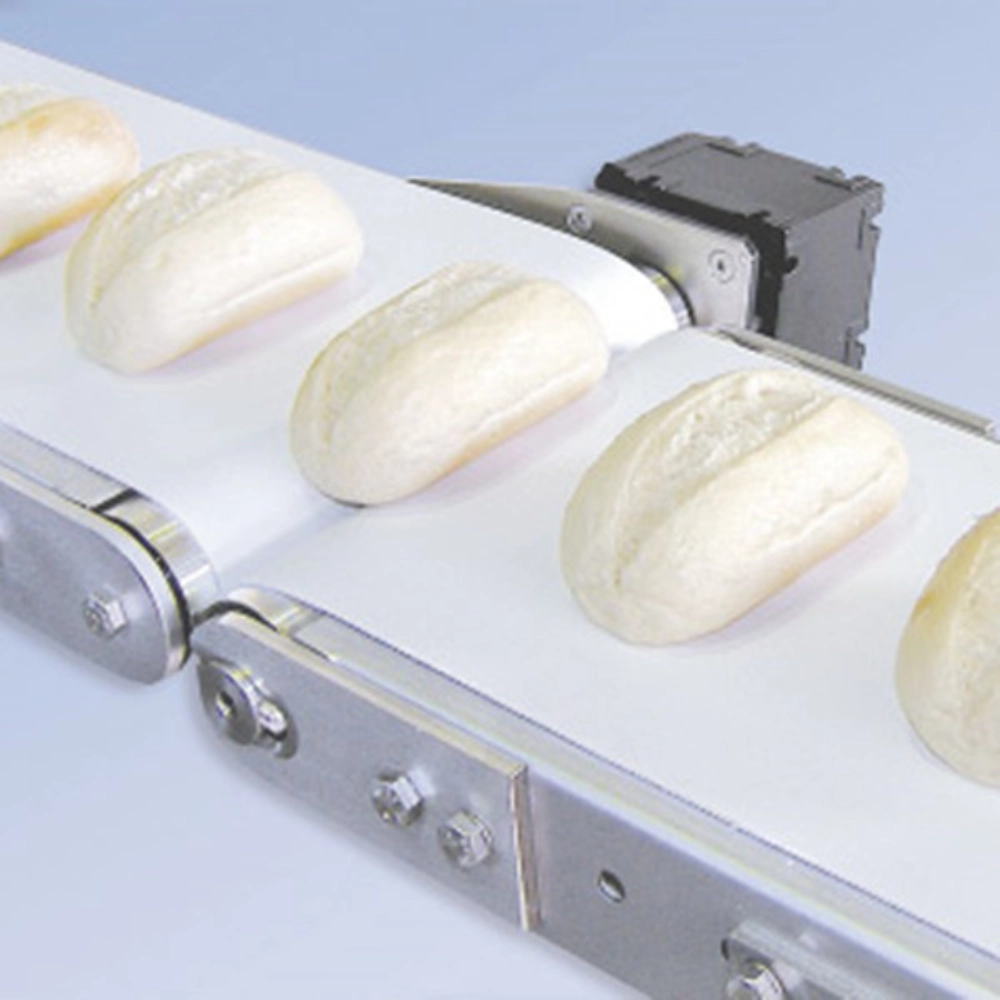
Straight line conveying is common in packaging, food transfer, inspection, and light assembly. Flat PVC or PU conveyor belts usually work well here because they run smoothly, clean easily, and are simple to replace. For dry goods, cartons, electronics, and packaged products, a smooth or lightly textured surface is often enough.
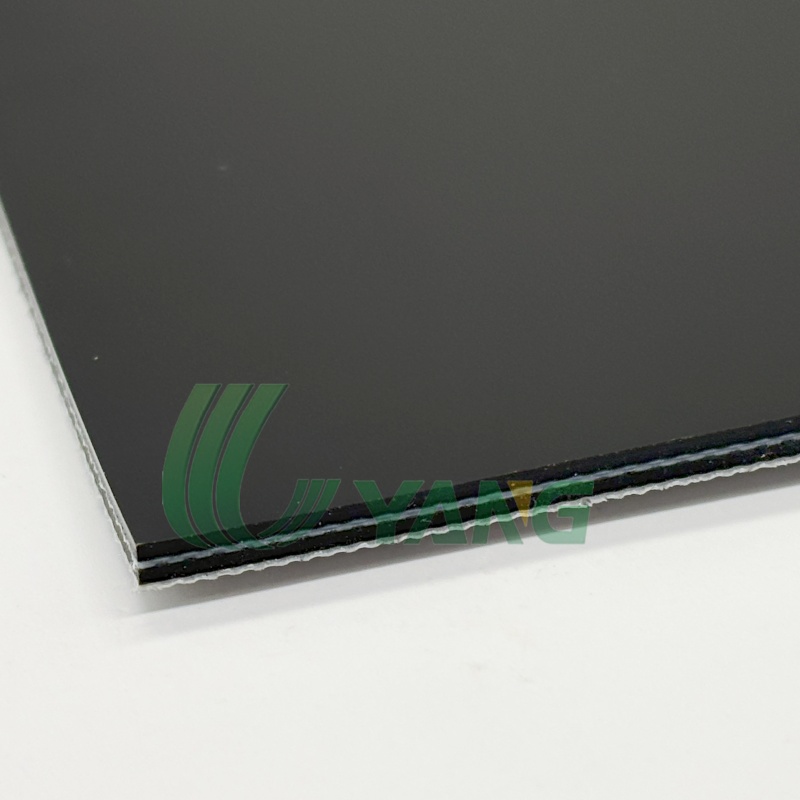
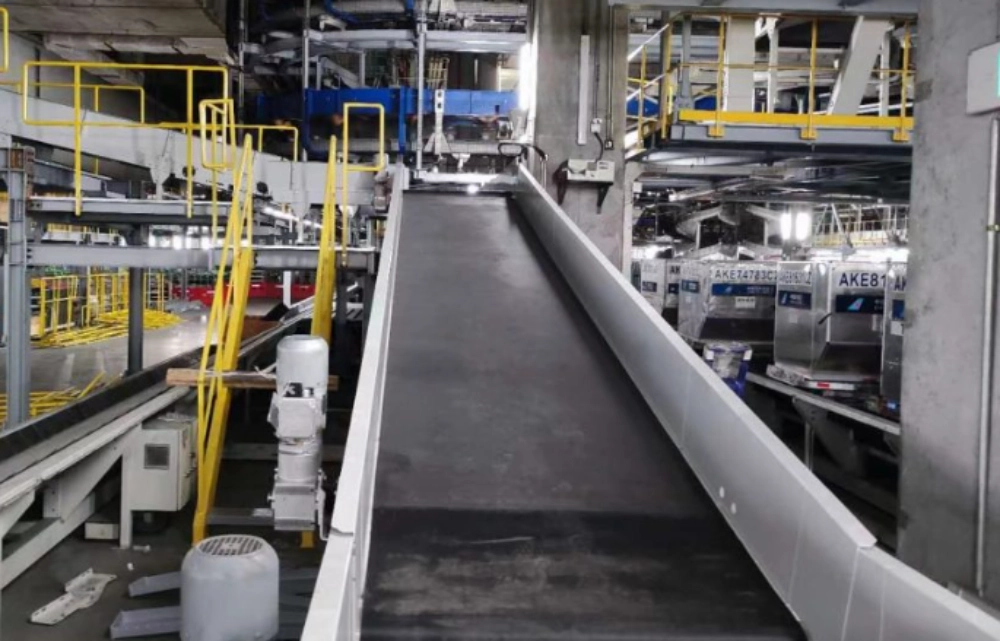
For long-distance transport, a solid woven belt can be a better choice. It has stronger wear resistance than many light-duty belts and is often used in airports, express delivery, postal systems, and logistics lines. For large projects, stable daily running is often more important than saving a little on the first order.
Inclined and Multi Directional Conveying
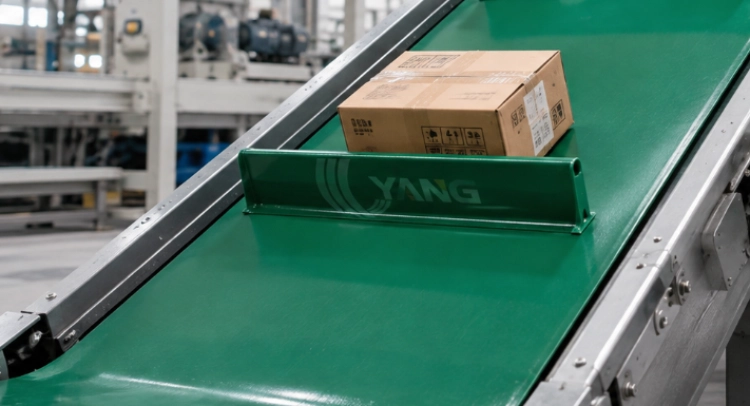
Inclined conveying needs more grip. When the angle increases, flat belts may cause product sliding, poor positioning, and extra manual adjustment. Textured PVC belts, rough top belts, cleated belts, or sidewall belts can help.
Cleats lift products section by section. Sidewalls keep loose goods on the belt. For grains, small packages, chopped food, and irregular parts, these structures make the line steadier. Before a bulk order, confirm angle, load weight, belt speed, product shape, and pulley size. Almost the same is not close enough here.
For curved sections or limited floor space, modular conveyor belts are useful because they can work with sprockets, drainage sections, cooling areas, and special transfer designs. In tyre and rubber production, modular mesh belts are used for film spray, film soak, tread rubber cooling, tire rubber cooling, and sorting systems. Open mesh structures around 38% to 43% help air, water, or processing liquid pass through the belt.
Why Do Different Industries Need Different Custom Conveyor Belts
Industry application should guide the belt choice from the start. Food processors care about hygiene. Logistics buyers care about wear resistance and fast replacement. Textile and printing factories care about flatness and stable running. Tyre factories care about heat, heavy load, chemical contact, and tracking. One belt cannot solve all of these problems.
Food Processing Hygiene Requirements
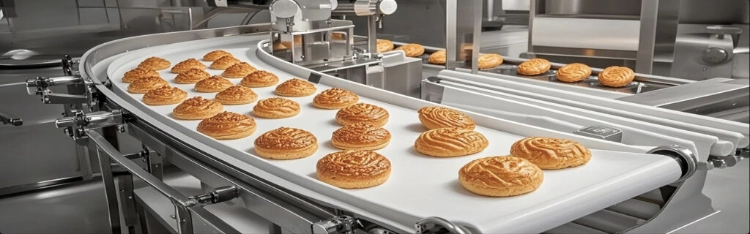
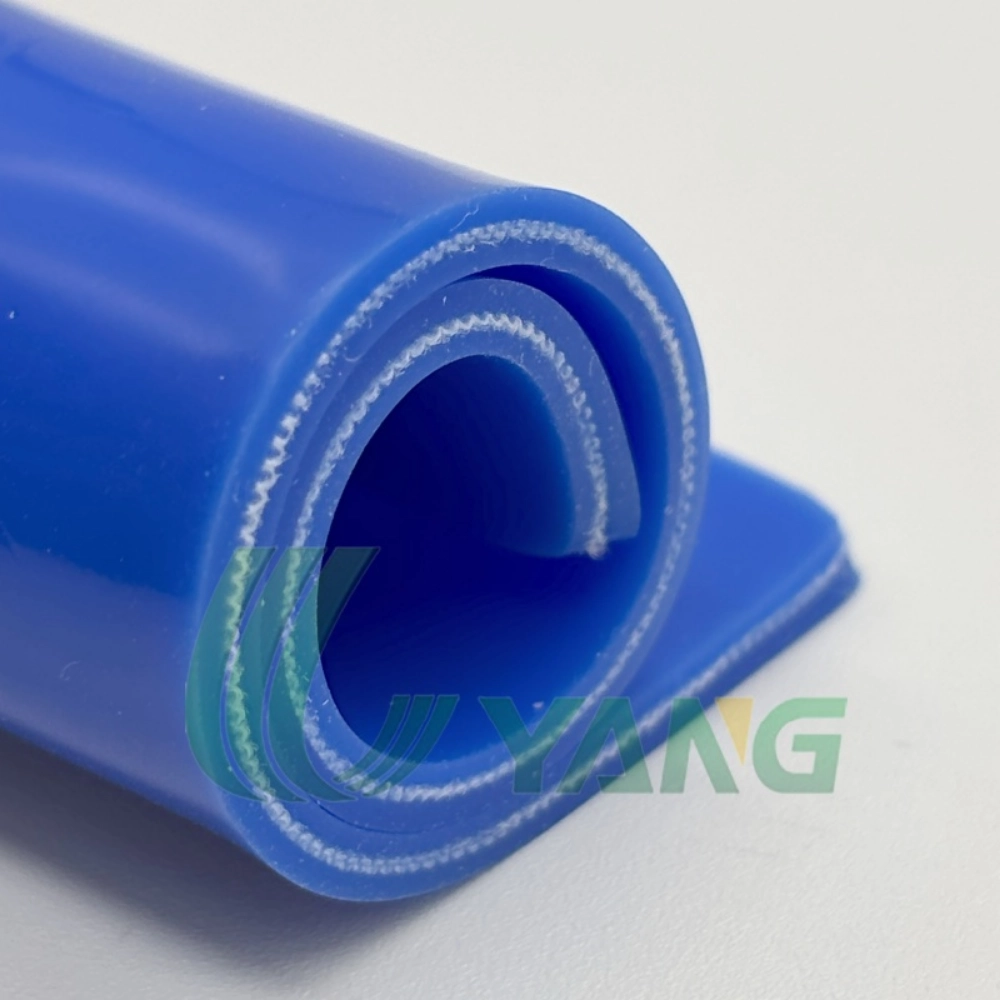
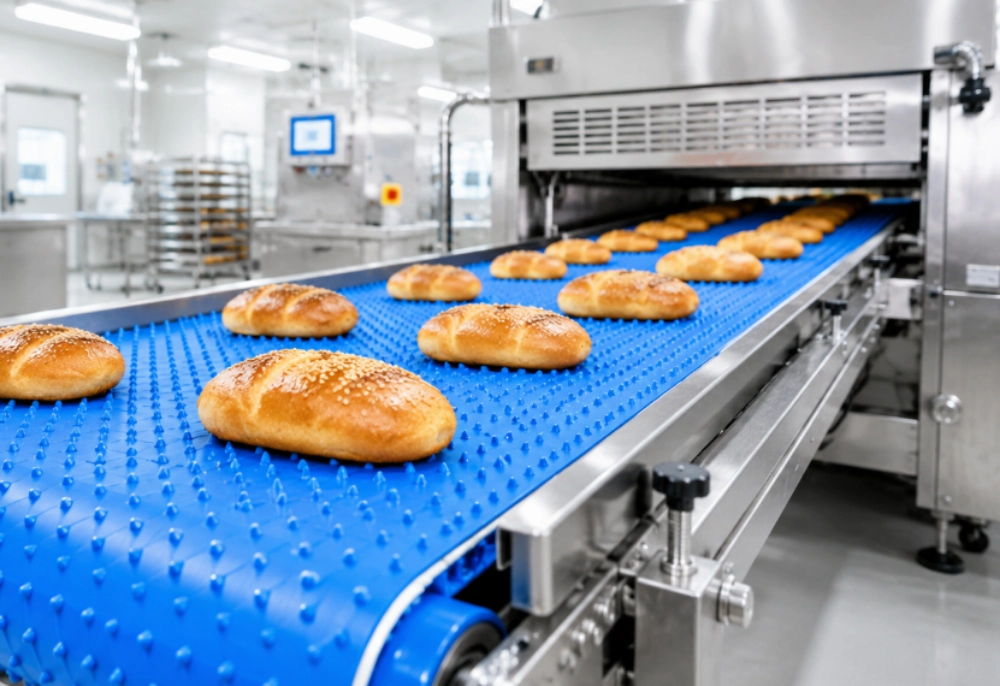
In food processing, the belt must be easy to clean, safe for contact use, and stable after repeated washing. Homogeneous belts, also called easy-clean belts, are made from one thermoplastic material, usually TPU or TPE. They have no fabric layer, no laminated structure, and fewer places for water, oil, or bacteria to hide.
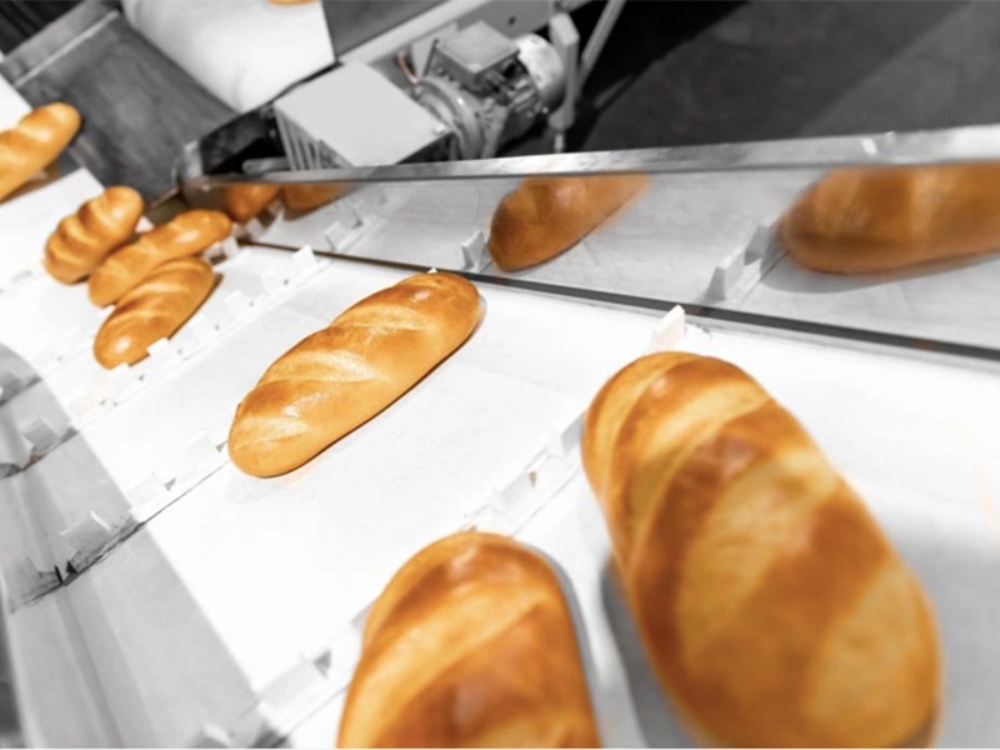
For meat, seafood, bakery, dairy, and frozen food, this belt type can reduce cleaning pressure. Common thickness options are often around 1.5 mm to 5 mm. Meat lines may choose 3 mm to 4 mm for better cut and impact resistance, while bakery lines may use around 2 mm when flexibility matters more. Blue belts are also common in food plants because foreign material is easier to spot.
Airport Logistics and Textile Printing Needs
Airport and logistics lines often run for long hours and carry mixed goods, including bags, parcels, cartons, and plastic totes. Solid woven belts suit long-distance and high-wear conveying. PVC belts work well for lighter packaging. Modular belts help when the line needs drainage, easy section repair, or sprocket-driven control.
Textile and printing lines need stable movement, clean surfaces, and good joint quality. A belt that waves slightly at the splice can affect product handling. PU belts, silicone belts, and special processing belts can support weaving, dyeing, printing, finishing, and transfer work. Flatness is a small detail on paper, but it matters a lot after installation.
How Can Belt Material Match Specific Production Conditions
Material choice should come after the working condition is clear. Temperature, oil, moisture, friction, chemical contact, and cleaning frequency all change the answer. PVC, PU, TPU, TPE, PVK, silicone, PP, PE, POM, and PA materials each have useful roles, but none of them fits every line.
PVC and PU Belts for General Handling
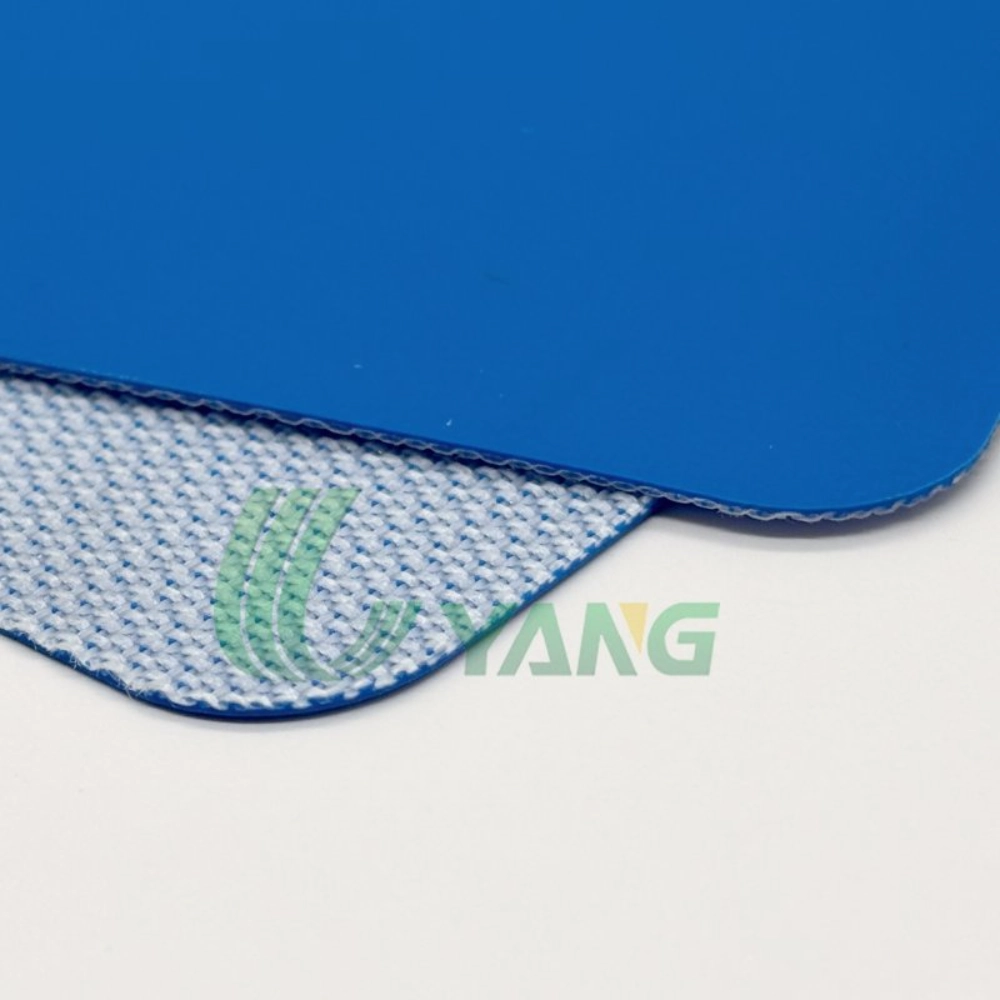
PVC conveyor belts are widely used because they are practical, cost-friendly, and easy to maintain. They work well for light and medium-duty conveying, packaging, cartons, electronics, and many dry or semi-dry goods. A PVC conveyor belt can be selected with different colors, thicknesses, textures, and bottom structures to match the machine layout.
PU belts are often chosen when flexibility, wear resistance, and cleaner handling are needed. They are suitable for food packaging, textile transfer, and light industrial lines where smooth running and cleaner surfaces matter.
Homogeneous Silicone and Modular Belts
Homogeneous TPU or TPE belts go further for sanitary work. Their one-piece structure helps reduce liquid absorption, edge fraying, delamination, and hidden dirt. The homogeneous belt category is useful for meat, seafood, dairy, bakery, frozen food, and pharmaceutical packaging. For cleaner layouts, sealed edges and heat-fusion joints are worth asking about.
For sticky, warm, or release-sensitive products, silicone conveyor belts can help. For cooling or drainage work, modular mesh belts may be better. In tyre and rubber lines, modular flush grid belts with 27.2 mm pitch, 8.7 mm belt thickness, and around 38% open area can support air or liquid flow. Material choices such as POM, PP, PE, or PA should be checked against temperature range, belt strength, and line speed before mass production.
How Can Belt Structure Improve Transport Stability
The belt structure decides how products move, not only what the belt is made of. Cleats, sidewalls, guide strips, perforations, sealed edges, open mesh, and surface patterns can all change line behavior. A custom belt should solve the exact weak point of the layout.
Cleats Sidewalls and Surface Patterns
Cleats are useful when products need to move upward or stay separated. Cleat height, spacing, welding strength, and material should match product size and belt speed. For food lines, cleats must also be easy to clean. For packaging lines, cleat spacing should match the machine rhythm.
Sidewalls help keep loose materials on the belt. They are useful for grains, small parts, powders, chopped food, and irregular products. The key point is bonding quality. Poor sidewall welding can crack, trap dirt, or peel after repeated bending. For bulk orders, sample testing on a similar pulley size is a sensible step.
Belt Guides for Tracking Control
Tracking is a common pain point, especially with heavy or uneven loads. In rubber mixing and tyre production, belts may run off track because the load is heavy and uneven, or stretch because the load is too high. Stronger belt construction, guide strips, or modular sprocket-driven belts can help.
Guide strips help belts stay centered. Modular belts can also reduce tracking problems because sprockets control movement more directly. For long lines with repeated start-stop operation, this affects daily maintenance work.
Why Is the Right Manufacturer Better for Custom Conveyor Belt Projects
Custom conveyor belt supply needs more than catalog products. It needs production capacity, application knowledge, belt processing, and after-sales support. A supplier that knows food hygiene, logistics sorting, textile transfer, tyre cooling, and general packaging can help buyers avoid wrong specifications before the first order.
Manufacturing Capacity for Bulk Orders
For bulk procurement, factory capacity affects delivery stability. Long manufacturing experience, a large production base, and multiple production lines are helpful for repeat orders and project-based purchasing. This also matters when buyers need the same belt design in different widths or staged shipments.
Low-price offers can be risky when thickness, color, splice quality, or delivery time changes from batch to batch. For long-term use, consistency often matters more than the lowest quote.
One Stop Customization and After Sales Support
A wide product range helps buyers match the belt to the line instead of forcing one material into every application. One project may need smooth PVC belts, easy-clean TPU belts, modular mesh belts, cleated belts, guide strips, and silicone belts at the same time.
Customization can include belt width, color, thickness, surface texture, perforation, cleats, sidewalls, guides, sealed edges, and splice type. A good custom belt should fit the layout, carry products steadily, clean faster where needed, and return with the same specification when reordered. That is the real value for bulk buyers.
FAQ
Q1: How Do You Choose a Conveyor Belt for a New Factory Layout?
A: Start with layout type, product weight, belt speed, incline angle, cleaning method, and working temperature. Then choose the material, surface pattern, belt structure, and splice type.
Q2: When Should You Choose a Custom Conveyor Belt Instead of a Standard Belt?
A: Choose a custom belt when the line needs special width, incline support, hygiene, heat resistance, tracking control, or special product handling.
Q3: Which Belt Is Better for Food Processing Lines?
A: PVC or PU belts can work for general food packaging. For stricter hygiene areas, homogeneous TPU or TPE belts are often better because they are fabric-free and easy to clean.
Q4: What Conveyor Belt Works Best for Logistics and Airport Systems?
A: Solid woven belts suit long-distance and high-wear conveying. PVC belts work well for lighter goods. Modular belts fit curved, drainage, or sprocket-driven sections.
Q5: What Details Should Be Confirmed Before a Bulk Conveyor Belt Order?
A: Confirm material, thickness, width, length, surface pattern, color, cleat size, guide position, splice type, pulley diameter, temperature range, cleaning method, and application stage.