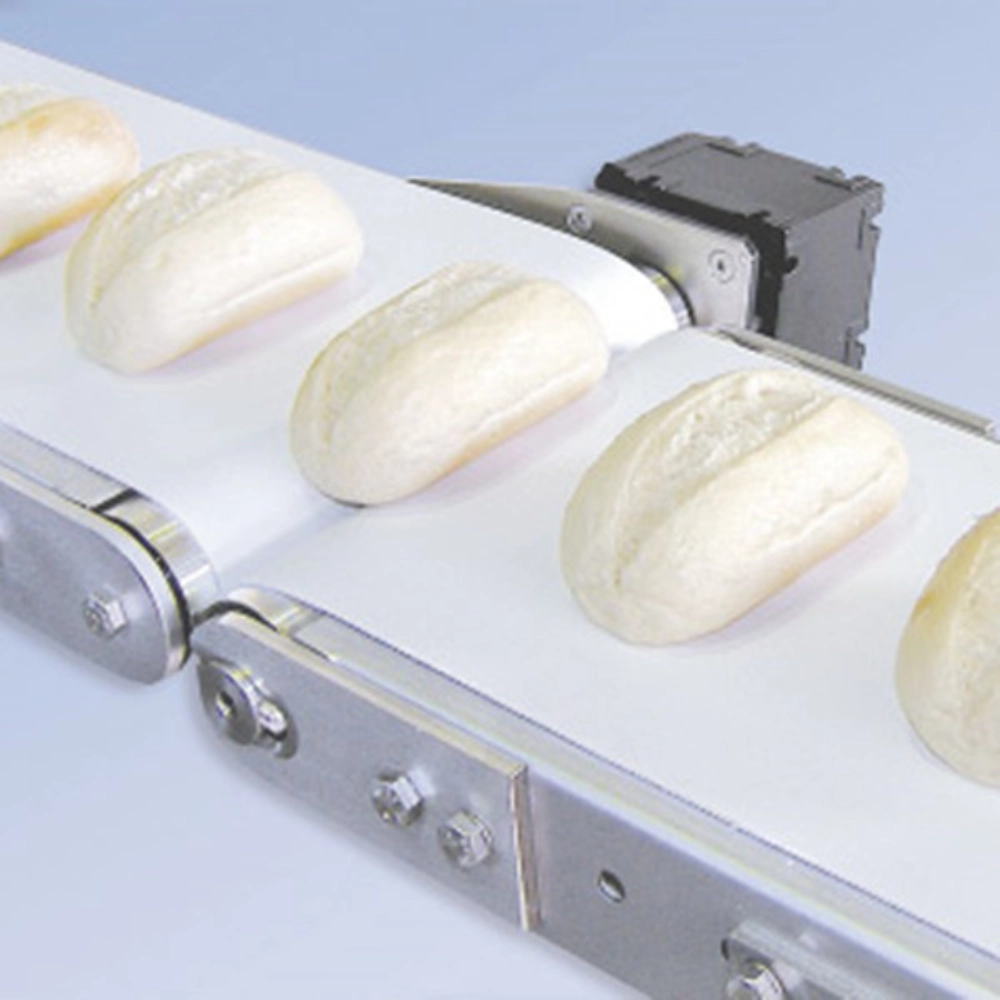
In today’s quick-moving logistics world, conveyor belts keep things running smooth. PVK belts stand out because of their strong make and reliable work. They deal with big loads every day, which cuts back on mishaps and stops. This piece looks into how these belts make work safer and more steady. It highlights items from UYANG BELTING, a firm with a good history in conveyor fixes.
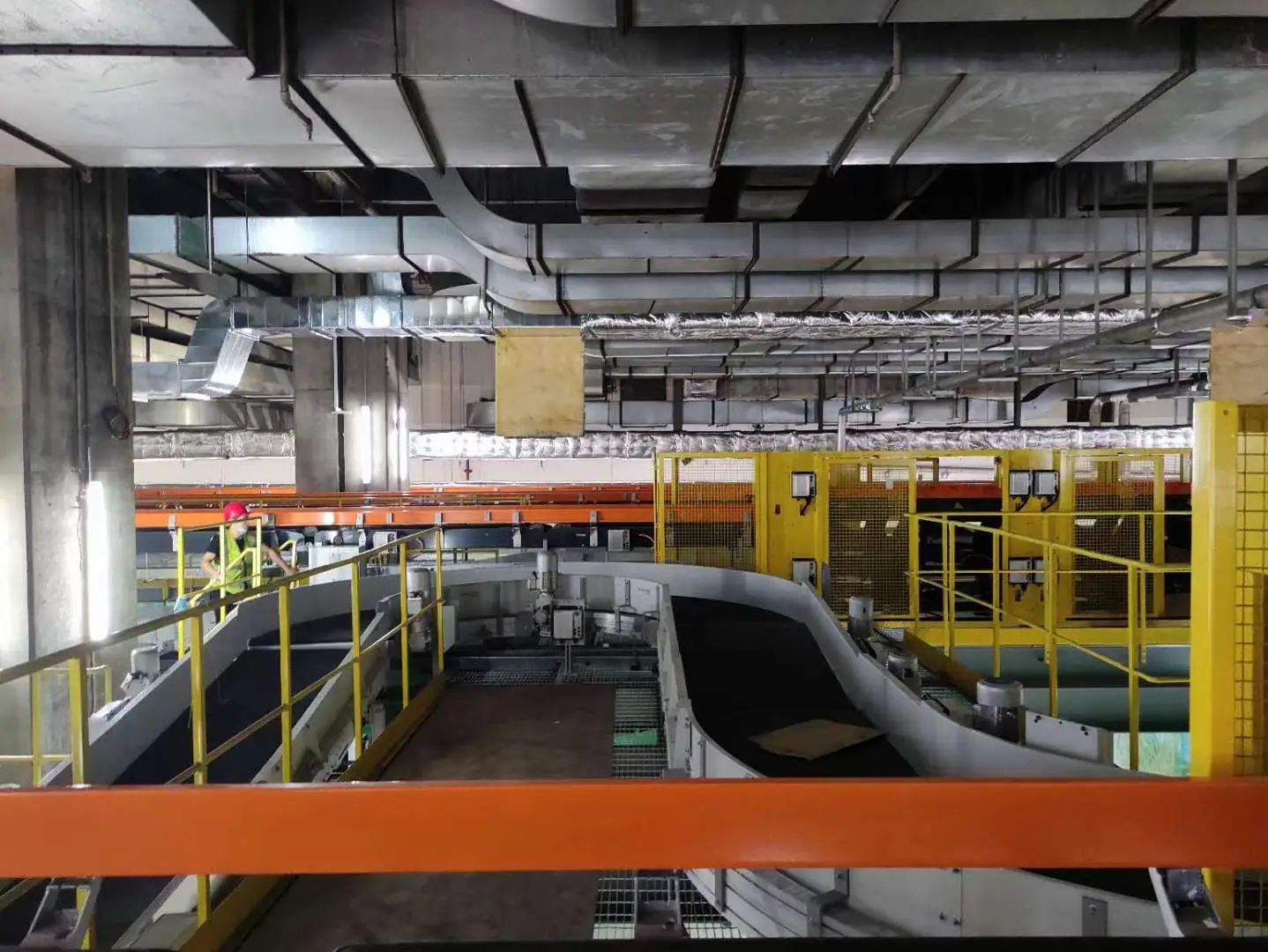
What Are PVK Belts?
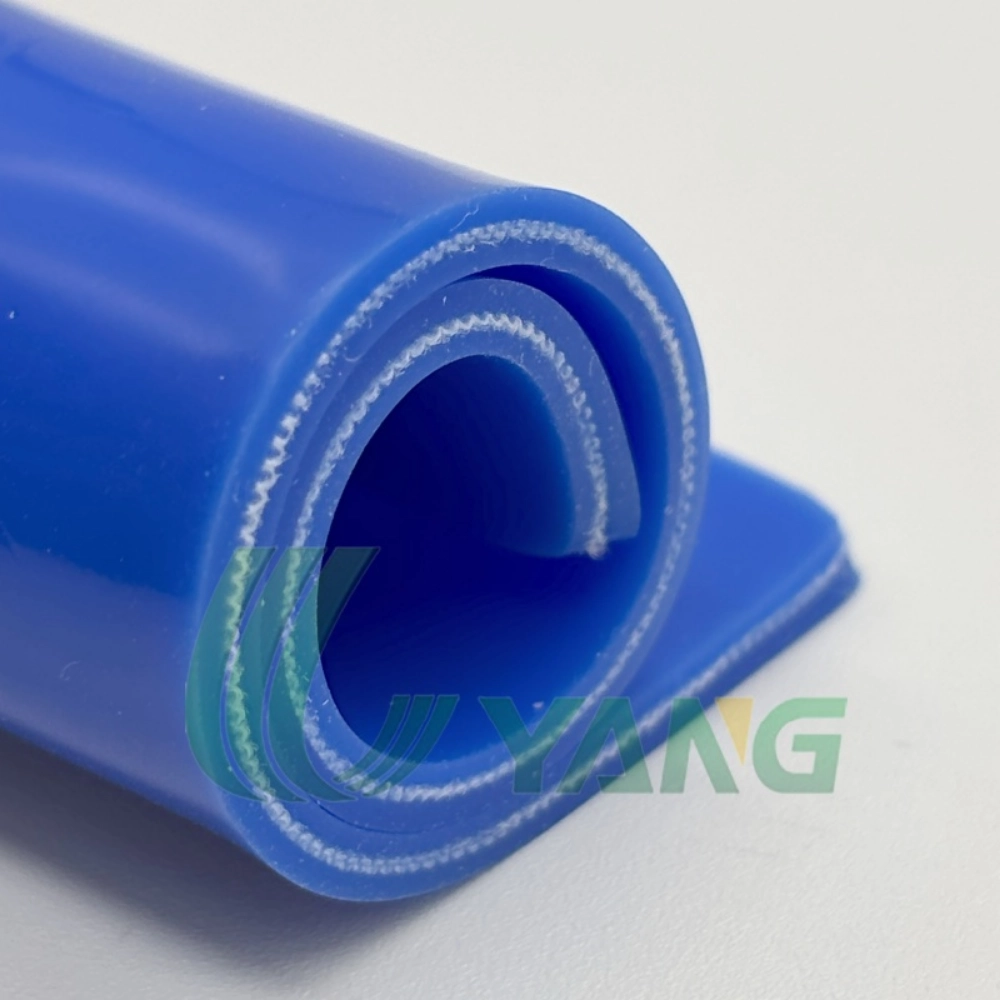
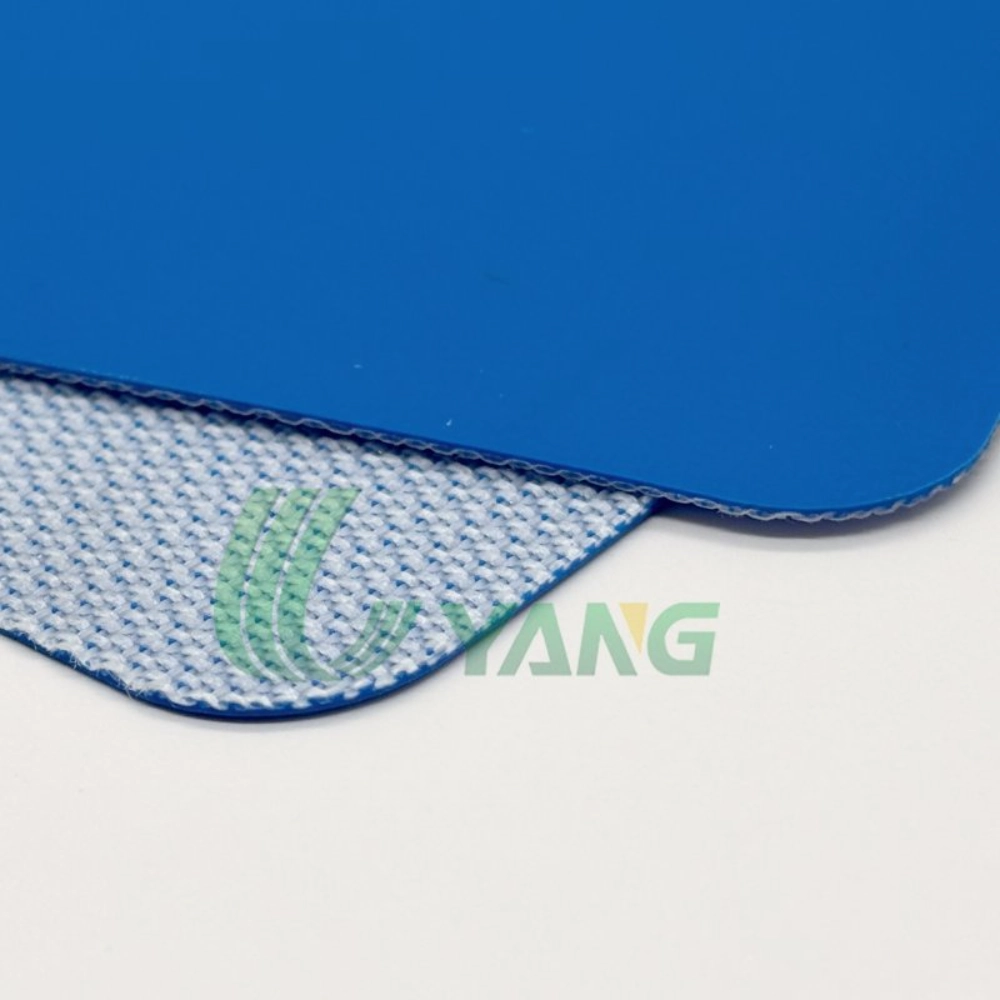
PVK belts, or solid woven conveyor belts, get their name from the polyvinyl chloride and kevlar mix that gives them extra strength. These belts weave together fibers into a single layer, ditching the usual multi-ply setup for something more unified and tough. Folks in logistics turn to them when they need belts that won’t give up under pressure.
Durable Solid Woven Construction
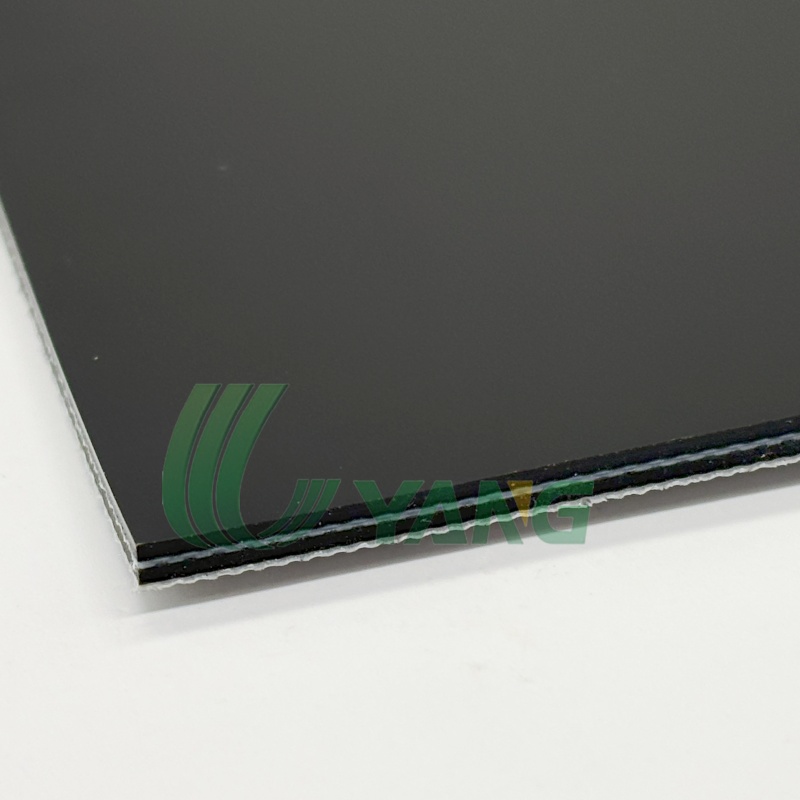
The core of a PVK belt lies in its interwoven fabric. This setup creates a seamless structure that resists tearing and stretching. For example, UYANG BELTING’s PVK 150 Black Smooth Top uses a solid woven base with a PVC top, clocking in at 5.2 mm thick. It handles rough jobs without falling apart. No weak spots mean fewer surprises on the line.
High Abrasion Resistance
PVK belts shrug off scrapes and scuffs better than most. Their surface fights wear from constant friction, like packages sliding across in a busy warehouse. Take the PVK 100 Black Single Side from UYANG—it weighs just 3.4 kg per square meter but holds up to heavy use. This keeps belts running longer, saving time on swaps.
Customizable Thickness Options
Thickness varies to fit the job at hand. UYANG offers options from 3.0 mm in the PVK 100 to 4.0 mm in the PVK 130 Black Double Side. Thicker belts tackle steeper inclines or heavier cargo. Clients pick what works best, matching belt specs to their setup. It’s all about getting the right fit without overkill.
How Do PVK Belts Improve Safety in Logistics?
Safety tops the list in any warehouse or distribution center. PVK belts cut risks by handling hazards head-on. They stand up to flames, chemicals, and even metal detectors, making sure operations stay smooth and secure.
Flame-Retardant Properties
Flame retardancy keeps small sparks from turning into big problems. UYANG’s PVK belts, like the PVK 130, meet standards that slow fire spread. In logistics spots with electrical gear or flammable goods, this feature buys time for workers to react. No one wants a conveyor fire halting the whole shift.
Chemical Resistance Features
Spills happen—oils, cleaners, or acids from packages. PVK belts resist these without breaking down. The PVK 150’s PVC coating holds strong against common chemicals. This means less corrosion over time, keeping the belt intact and workers away from slippery or damaged surfaces.
Metal Detection Compatibility
Many logistics lines use metal detectors to spot contaminants. PVK belts work seamlessly with these systems. UYANG’s designs, such as the PVK 100, avoid interference, letting scanners do their job. This catches issues early, preventing recalls or injuries from sharp debris.
Why Opt for UYANG BELTING PVK Products?
UYANG BELTING brings real-world know-how to the table. With a focus on quality and client needs, their PVK lineup fits right into global logistics chains. Exports to over 50 countries show their reach, backed by a massive 80,000 square meter facility.
Over 20 Years Expertise
Two decades in the game mean UYANG knows conveyor belts inside out. They’ve served thousands of clients, honing products for tough spots. Their PVK belts draw from this background, blending tried-and-true methods with fresh tweaks. Reliability isn’t just talk—it’s built in.
Wide Customization Services
No two operations match exactly. UYANG lets clients tweak colors, patterns, and sizes. For PVK belts, add grooves or adjust widths up to 3400 mm. This flexibility helps logistics firms dial in efficiency, whether for tight turns or long runs.
Lifetime Technical Support
Problems crop up, but UYANG sticks around. Their 12-month warranty covers defects, and tech help lasts for the belt’s life. Remote diagnostics via photos or videos keep downtime low. For global users, this means quick fixes without borders getting in the way.
What Makes PVK Belts Reliable for Heavy Loads?
Heavy loads test any belt’s mettle. PVK options shine here, thanks to their robust makeup. They stay put under stress, reducing slips and stops that plague weaker belts.
High Tensile Strength
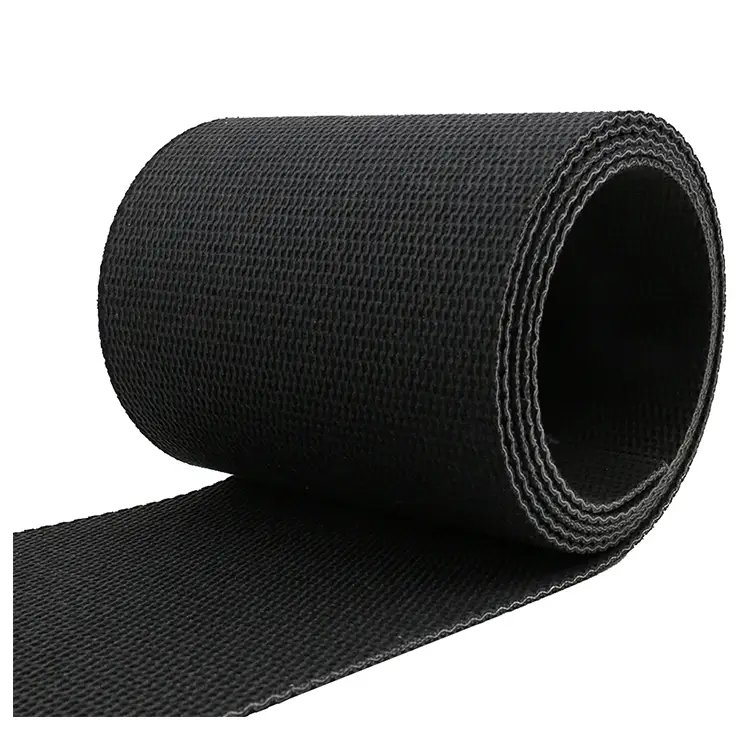
Tensile strength measures how much pull a belt takes before snapping. UYANG’s PVK 150 hits 26 N/mm at 1% elongation—plenty for bulky cargo. This keeps belts taut, even on long conveyors. No sagging means steady flow.
Low Maintenance Design
PVK belts demand little fuss. Their solid weave skips the layers that peel or fray. Clean with basic routines, and they last. The PVK 130’s double-sided fabric brushes off dirt, cutting cleaning time. Less hassle equals more uptime.
Temperature Range Stability
From -20°C to +80°C, PVK belts hold shape. UYANG’s lineup, like the PVK 100, handles cold storage or hot warehouses without shrinking or cracking. This stability suits logistics hubs facing varied climates, keeping operations rolling year-round.
How Can PVK Belts Boost Efficiency in Warehouses?
Efficiency boils down to smooth movement. PVK belts speed things up by easing flow and adapting to layouts. In warehouses juggling high volumes, this makes a big difference.
Smooth Surface Flow
A flat, non-stick top lets packages glide. The PVK 150’s smooth PVC finish cuts drag, speeding sorting. Fewer jams mean faster throughput—key for e-commerce fulfillment centers racing against deadlines.
Incline Handling Capability
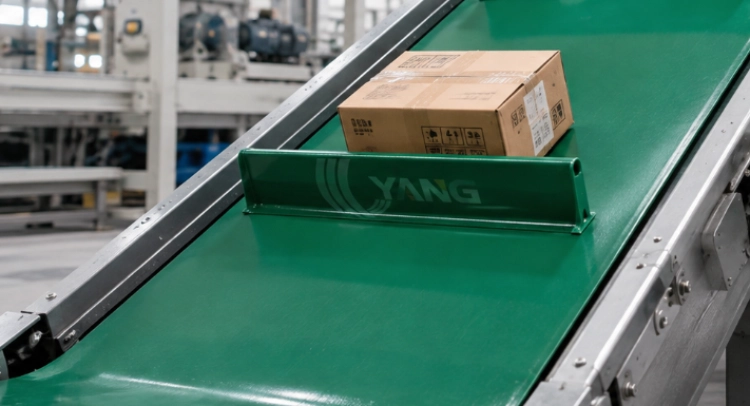
Inclines challenge belts, but PVK grips well. Patterns like the crescent on UYANG’s PVK 130 prevent slips on rises up to 16 degrees. This fits multi-level warehouses, moving goods up without extra pushes.
Turn Application Versatility
Tight corners? No issue. PVK belts flex around turns without buckling. Their single-ply design in models like the PVK 100 allows sharp bends over small rollers. Logistics setups with winding paths benefit, keeping space tight and operations fluid.
What Applications Suit UYANG’s PVK 130 Double Side Belt?
UYANG’s PVK 130 shines in spots needing two-sided toughness. Its 4.0 mm thickness and double fabric covers make it a go-to for demanding logistics tasks.
Airport Baggage Systems
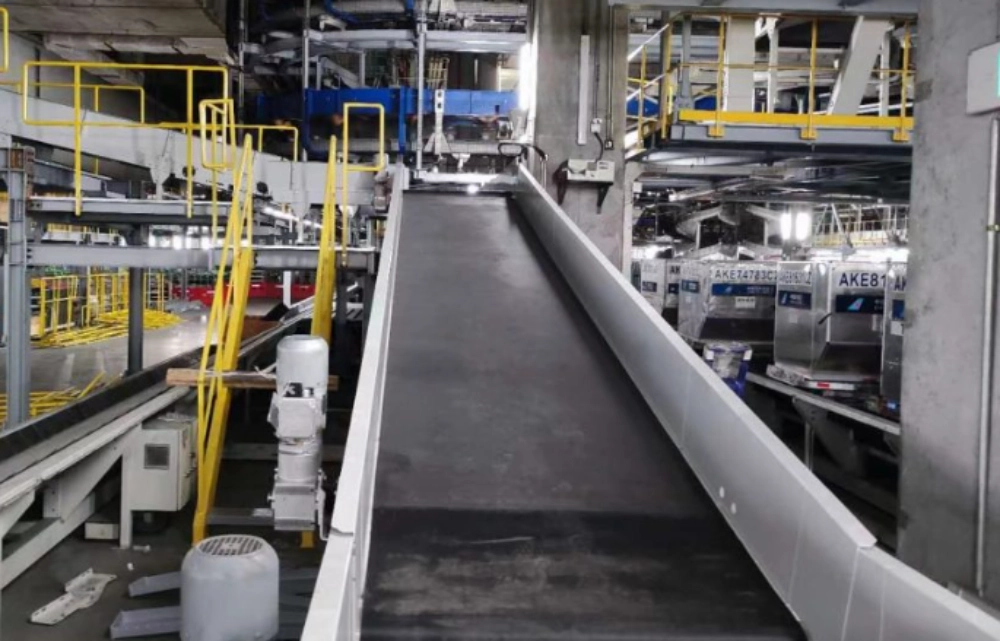
Airports churn through luggage non-stop. The PVK 130’s abrasion resistance handles rough bags, while flame retardancy adds safety in busy terminals. Smooth flow keeps carousels spinning, cutting wait times for travelers.
Package Handling Lines
Sorting centers rely on quick, reliable belts. This model’s high load capacity manages boxes of all weights. Chemical resistance deals with spills from damaged goods, maintaining pace in high-volume hubs.
Bulk Material Conveying
For loose items like grains or parts, the PVK 130’s weave prevents seepage. It suits troughed setups, containing loads on long runs. Logistics firms moving aggregates find it dependable, with low stretch ensuring even delivery.
How to Maintain PVK Belts for Long-Term Performance?
Maintenance keeps PVK belts at peak. Simple checks and cleans extend life, dodging costly halts. UYANG’s guides make it straightforward.
Regular Abrasion Checks
Spot wear early. Inspect surfaces monthly for scuffs or thin spots. UYANG recommends photos for their support team if issues show. Catching problems fast avoids full failures.
Easy Cleaning Routines
Dirt builds up, slowing things. Wipe with mild soap after shifts—PVK’s non-porous finish makes it quick. For the PVK 150, avoid harsh scrubs to preserve the smooth top. Regular wipes keep efficiency high.
Professional Installation Guidance
Install right from the start. UYANG suggests heat welding for joints, ensuring no weak links. Their tech support walks through tensioning, preventing slips. Proper setup means longer runs with fewer tweaks.
In wrapping up, PVK belts from UYANG BELTING transform logistics by blending safety with rock-solid reliability. Their features tackle daily challenges, from heavy hauls to quick sorts. With global backing and custom fits, these belts prove their worth in real-world ops.
FAQs
Q1: What sets PVK belts apart from standard conveyor belts?
A: PVK belts use a solid woven structure for better strength and less layering issues. They resist abrasion and chemicals more effectively, making them ideal for tough logistics jobs.
Q2: How long do UYANG’s PVK belts typically last?
A: With proper care, they can run for years. Factors like load and environment play in, but their durable build often outpaces traditional options, backed by a 12-month warranty.
Q3: Can PVK belts be customized for specific warehouse layouts?
A: Yes, UYANG offers tweaks in thickness, width, and patterns. This lets them fit inclines, turns, or heavy-duty needs without a hitch.