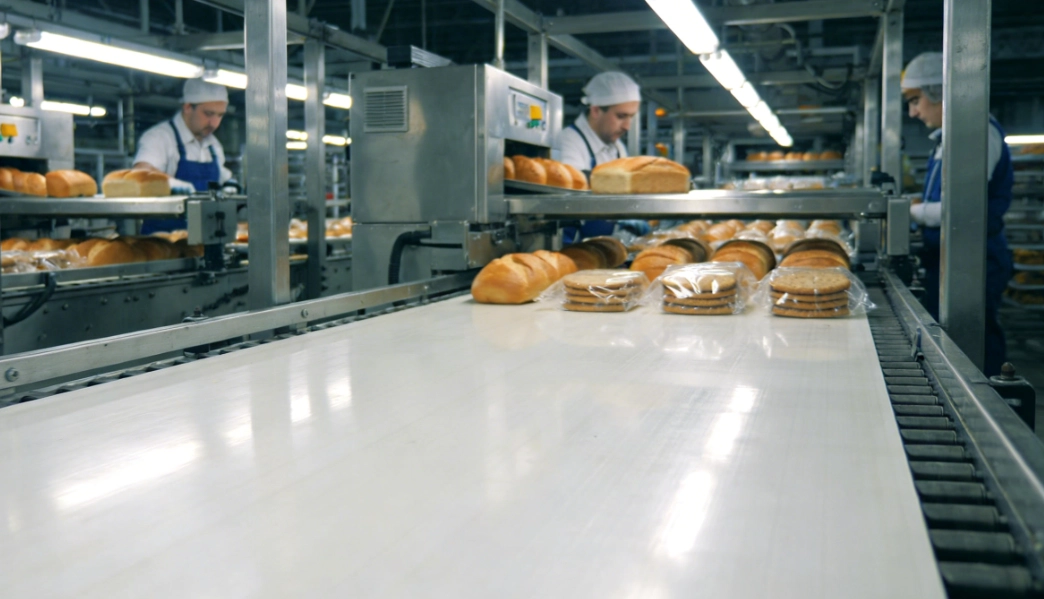
The worldwide conveyor belt market reaches notable figures, valued at USD 5.7 billion in 2024, and it projects to climb to USD 8.2 billion by 2034. Although major fields such as mining and steel draw much attention, the prepared food and beverage area serves as a key driver for this expansion. In a lively bakery setting, the conveyor belt functions not merely as equipment; rather, it acts as the core of the production process. Selecting an unsuitable one can delay operations, spoil the dough mixture, lead to failed sanitation checks, or result in high upkeep expenses.
Whether operating a large-scale industrial bread system or a focused pastry operation, the belt material choice influences operational costs directly. As urban growth increases globally and daily habits shift, the need for ready-to-eat food and bakery items rises steadily. Consequently, machinery must prove more resilient, sanitary, and efficient to match the speed of current production methods.
Why Is Material Selection Critical for Bakery Productivity?
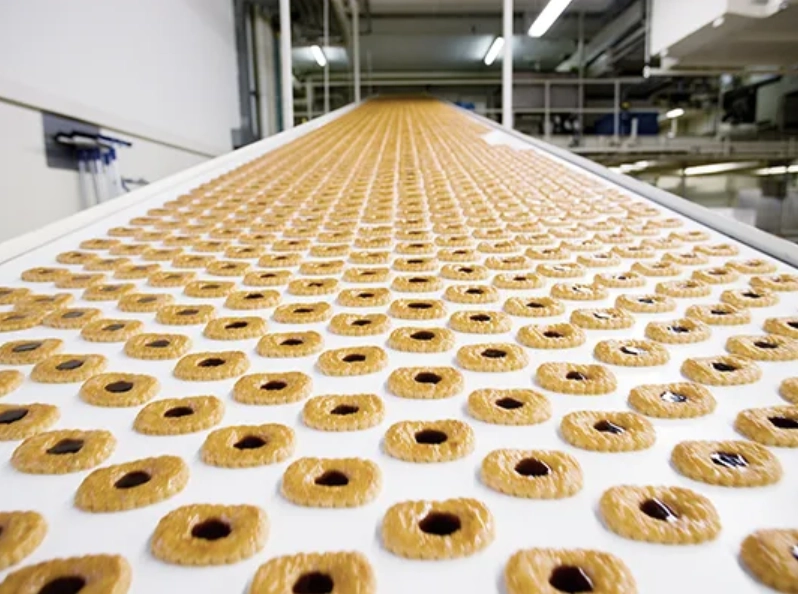
Within the conveyor belt sector, polymers dominate, accounting for a substantial USD 4.4 billion portion of the market. For bakery environments, the focus lies not only on a belt that transports but also on its interaction with raw components. If the mixture adheres, product loss occurs. If the surface proves too coarse, the consistency suffers. Moreover, if cleaning demands effort, bacterial risks emerge. The selected material, be it PVC, polyurethane, or dedicated felt, shapes the extent of interruptions and the uniformity of the end result.
High-Performance Polymer and Felt Solutions
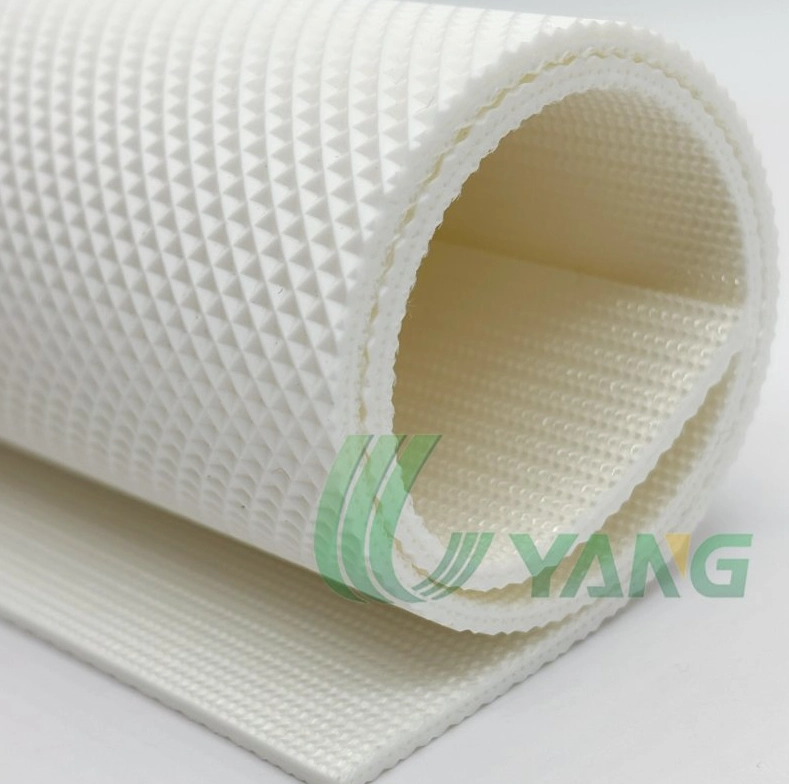
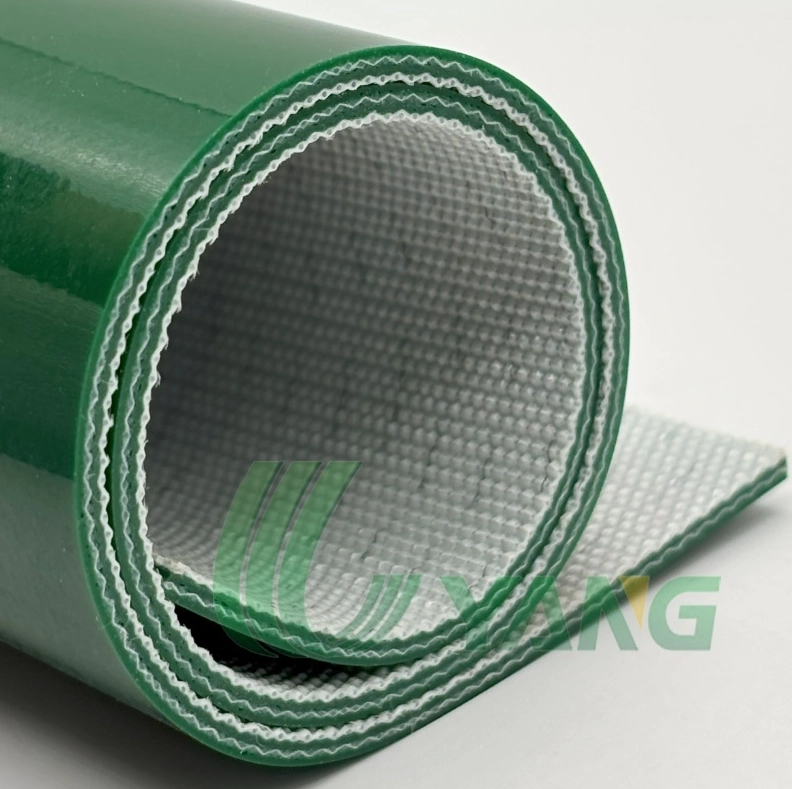
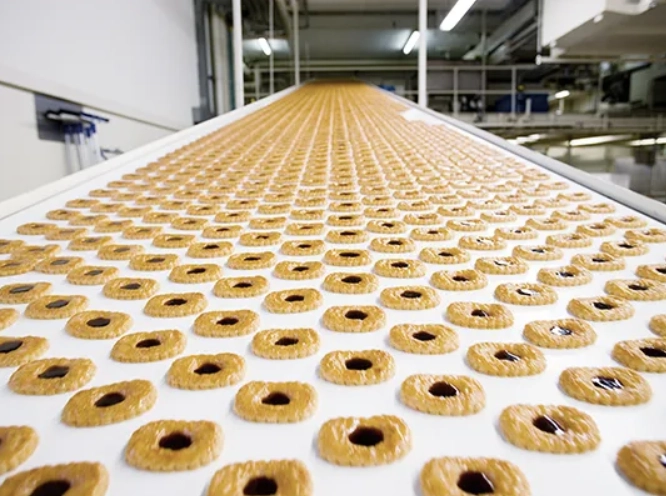
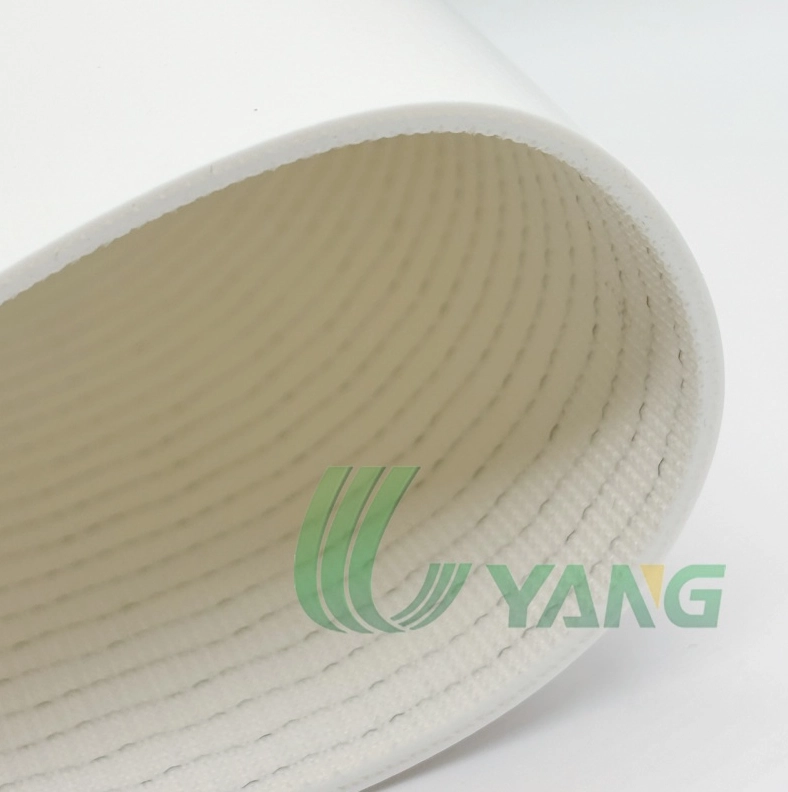
The industry shifts quickly toward targeted materials suited to the demands of food handling. Many bakery managers view felt as an essential element for mixture management. UYANG BELTING provides a 3-Ply White Felt Bakery Conveyor Belt crafted with a gentle upper layer. This design ensures softness, and the felt allows air passage while avoiding the common adhesion issues with damp mixtures. It serves ideally for pastry lines or cookie forming where product form remains vital.
Hygiene and Chemical Resistance Standards
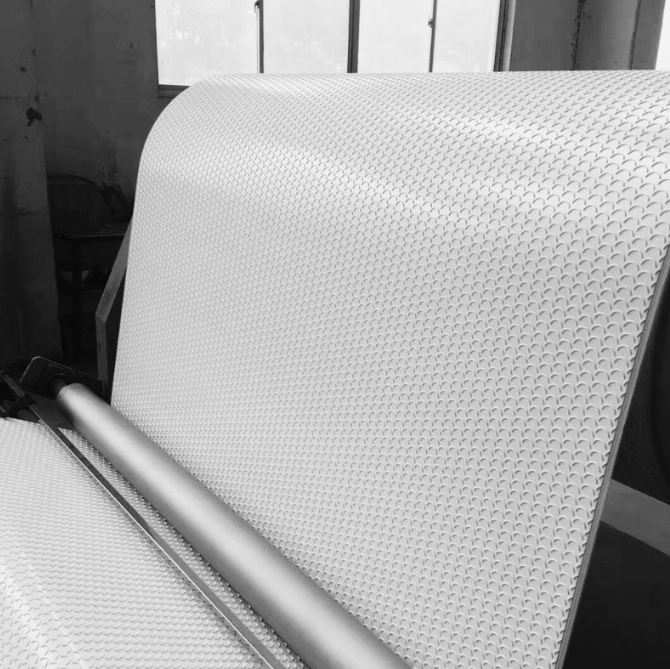
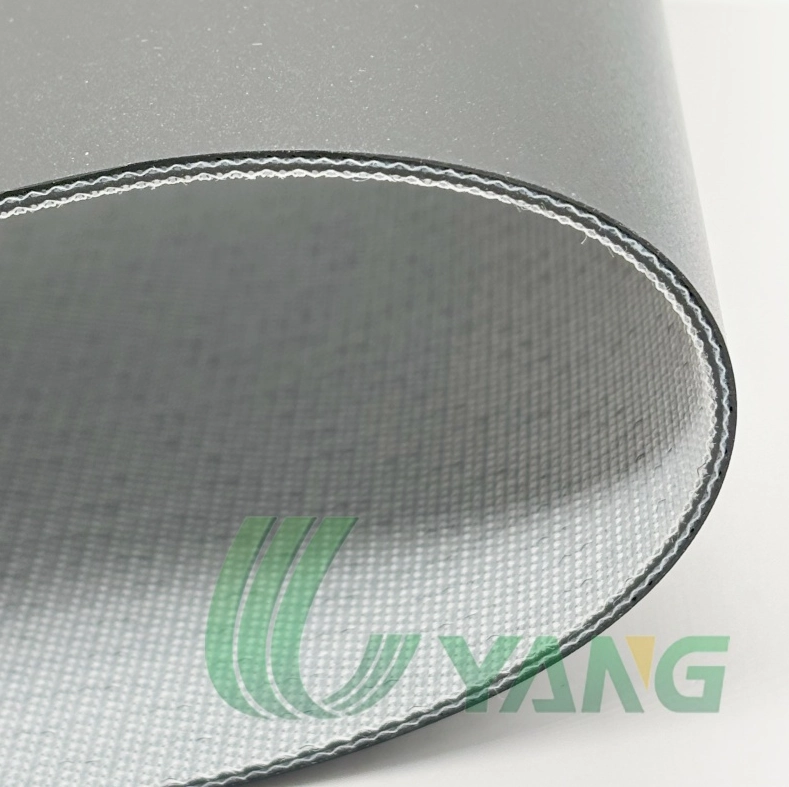
Anyone familiar with production areas understands that sanitation tasks, though disliked, hold utmost importance. Smooth belts, capturing over 73% of market share, gain favor due to their relative ease of surface cleaning compared to intricate modular designs. UYANG BELTING’s PVC Conveyor Belt with Polyester Fabrics suits such untidy conditions. It withstands fats and oils typical in bakery and sweet production without degrading or retaining odors, thus supporting ongoing food protection.
Balance Between Durability and Gentle Handling
Although sturdy rubber belts excel in transporting minerals in extraction sites, they lack suitability near fresh bread. Bakery belts require a particular form of resilience. The PVC Conveyor Belt with a Cotton Top from UYANG BELTING achieves this balance effectively. The cotton layer offers a natural, low-adhesion contact for food items, whereas the PVC base supplies the necessary framework for proper alignment and tension. Therefore, it delivers enduring function without compromising the careful treatment pastries demand.
How Does Application Weight Affect Your Belt Choice?
Many assume bakery belts fall under the lightweight category, yet this view misses the mark. The medium-weight segment reached USD 2.5 billion in 2024 and expands at a consistent rate. In extensive bakery facilities, operations may involve shifting large dough portions, weighty pans, or bulk supplies that exceed the capacity of thin materials. Choosing a belt below the required specification leads to elongation, sliding, or sudden failure during peak production.
Assessing the load in an application extends beyond mere physical mass. It encompasses tension levels, conveyor length, and slope angles. Even a modest 16° rise alters belt behavior under pressure. Thus, the ideal belt must resist deformation over extended periods, particularly as higher spending power fuels demands for increased output.
Specialized Medium-Weight Belt Utility
Medium-weight belts emerge as reliable staples in standard production, and bakeries follow this pattern. These options provide added thickness, which aids in extended lines with elevated tension. UYANG BELTING’s layered constructions offer the essential steadiness, ensuring that under heavy tray loads, the belt avoids drooping or misalignment. This reliability maintains smooth operations and minimizes disruptions that cause material waste.
Structural Integrity of Multi-Ply Fabrics
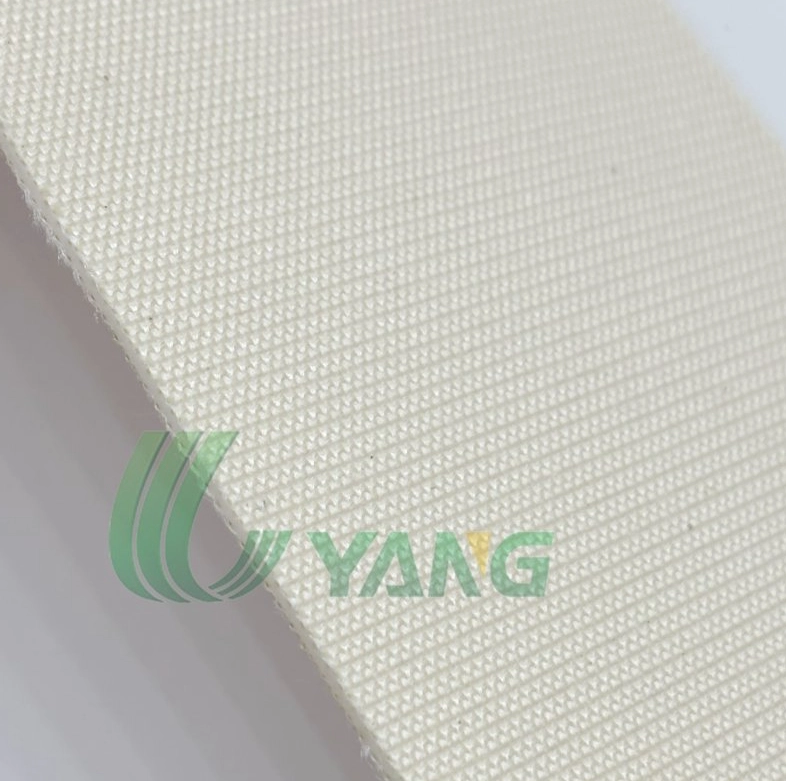
The term “ply” in a belt, such as the 3-ply felt version, indicates the internal fabric layers that provide reinforcement. In bakery settings, these typically consist of polyester or cotton. Multiple layers enable the belt to manage greater pull and repeated cycles without distortion. This feature proves crucial for rapid systems where constant strain applies. UYANG BELTING’s build guarantees dimensional stability, even following prolonged continuous use.
Adaptability to Packaging and Processing Stages
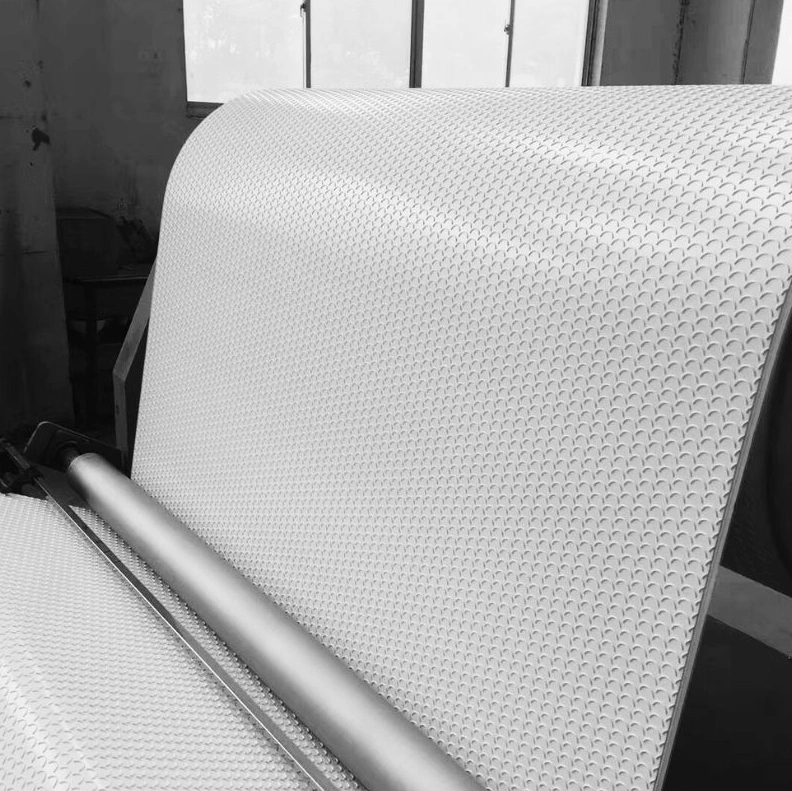
Smooth belts act as versatile components in conveyor applications, evidenced by their 73.2% market dominance. They support tasks from initial mixture handling to end-stage packing. Due to their flexibility across material types, PVC or felt variants can integrate throughout facility sections. This uniformity simplifies inventory for repair teams and eases troubleshooting efforts. Additionally, they facilitate safe movement of fragile goods on gentle slopes without backward movement.
What Role Does Automation Play in Modern Bakery Operations?
Automation represents a prominent shift in production, extraction, and distribution sectors. In bakeries, it translates to reduced manual contact with mixtures and greater reliance on advanced equipment for demanding tasks. However, such systems depend entirely on dependable conveyor belts. A belt malfunction halts the entire automated framework. As a result, needs for durable options surge to accommodate the relentless, accelerated rhythm of mechanized processes.
Advanced oversight and improved belt compositions set new benchmarks. Purchasing a belt involves acquiring an integral part of a sophisticated setup. With escalating labor expenses and efficiency pressures, the belt serves as a vital indicator in performance data. Furthermore, a belt with energy-saving traits and minimal resistance cuts power consumption and eases strain on drive components.
Enhanced Efficiency Through Intelligent Design
Amid worldwide efforts for greater output, bakeries seek every possible advantage. Smart belt engineering ensures superior path adherence, easier maintenance, and fewer hands-on tweaks. Materials from UYANG BELTING align with these automated setups to operate independently. When the conveyor performs consistently, staff can prioritize product excellence over resolving jams or addressing alignment issues.
Energy Efficiency and Sustainable Manufacturing
Sustainability evolves from mere terminology into a strategic benefit. Firms like Bridgestone and Bando advance toward green belts that minimize energy use. For bakery operations, selecting belts with reduced-friction surfaces matters. Such designs require less force to advance over support beds, yielding significant cost reductions annually. UYANG BELTING’s emphasis on quality PVC and felt contributes to this by lessening system resistance.
Safety and Monitoring in Food Processing
The move toward mechanized tools heightens attention to safety measures. A belt prone to fraying or fiber release poses serious hazards in food areas. Employing robust, versatile structures maintains belt wholeness during intensive service. UYANG BELTING’s offerings endure without generating debris or contaminants in products. This assurance enables safe expansion of bakery activities.
Conclusion
Selecting an appropriate conveyor belt combines technical knowledge with hands-on insight. Considerations include material suitability, such as felt layers versus PVC cotton surfaces for optimal mixture contact, alongside load capacities and mechanization requirements. Given the rapid expansion of the global conveyor sector, choices abound, yet food-safe, specialized products remain the wisest selection. UYANG BELTING delivers customized solutions that enable contemporary bakeries to meet rising needs while preserving artisanal standards.
FAQ
Q1: How do I know if I need a felt belt or a PVC belt for my bakery?
A: The decision largely depends on product adhesion levels. Felt belts, including 3-ply white felt models, excel with clinging mixtures due to improved release and ventilation. PVC belts suit oil-heavy or sanitation-intensive phases requiring thorough cleaning.
Q2: Can these belts handle heat from the ovens?
A: Standard belts have defined tolerances, but many bakery variants manage surrounding warmth or post-bake heat. For internal oven use, specialized high-temperature metal or silicone options apply. However, UYANG BELTING’s PVC and felt belts perform reliably on cooling and transfer lines.
Q3: Why is my conveyor belt stretching and slipping?
A: This issue often stems from inadequate load rating or inferior single-layer construction. Switching to multi-ply designs, such as 3-ply, enhances framework strength. With expanding production speeds, advancing to medium-weight belts addresses heightened tension effectively.