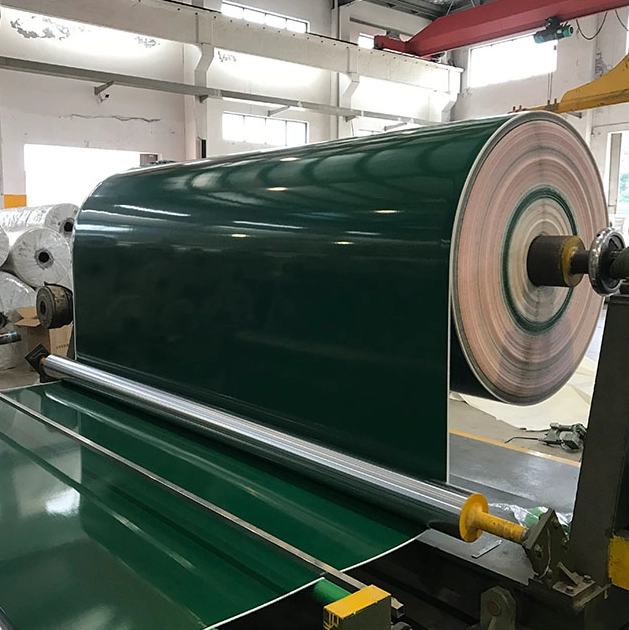
The worldwide conveyor belt sector is gaining strong momentum, as figures project a rise from USD 5.7 billion in 2024 to roughly USD 8.2 billion by 2034. Although demanding fields such as mining and steel contribute much to this expansion, the core of the market lies in the polymer category. Indeed, polymer belts produced a substantial USD 4.4 billion in earnings only last year. Within this group, Polyvinyl Chloride—commonly called PVC—stands out as the preferred option for companies aiming to maintain smooth operations without excessive spending.
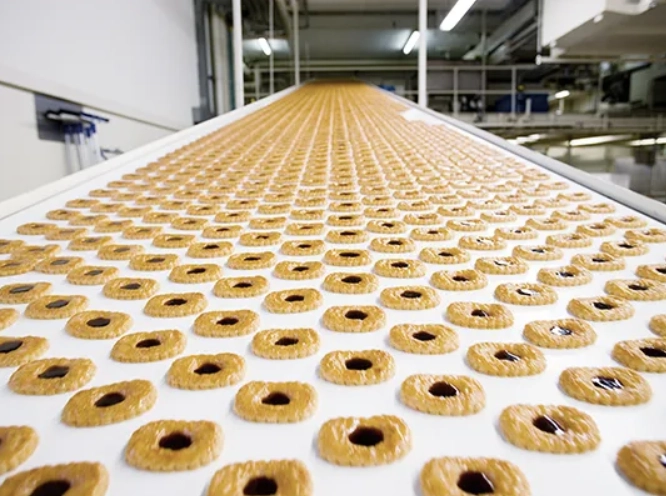
From large-scale ventures like the Beijing Daxing airport requiring extensive baggage systems to nearby food facilities, PVC appears in many places. The appeal extends beyond mere affordability; it serves as the suitable choice for various tasks. Firms such as UYANG BELTING have established a strong position by adapting this flexible material to meet precise, critical demands in industrial settings.
Core Advantages of PVC Conveyor Belts for Modern Industry
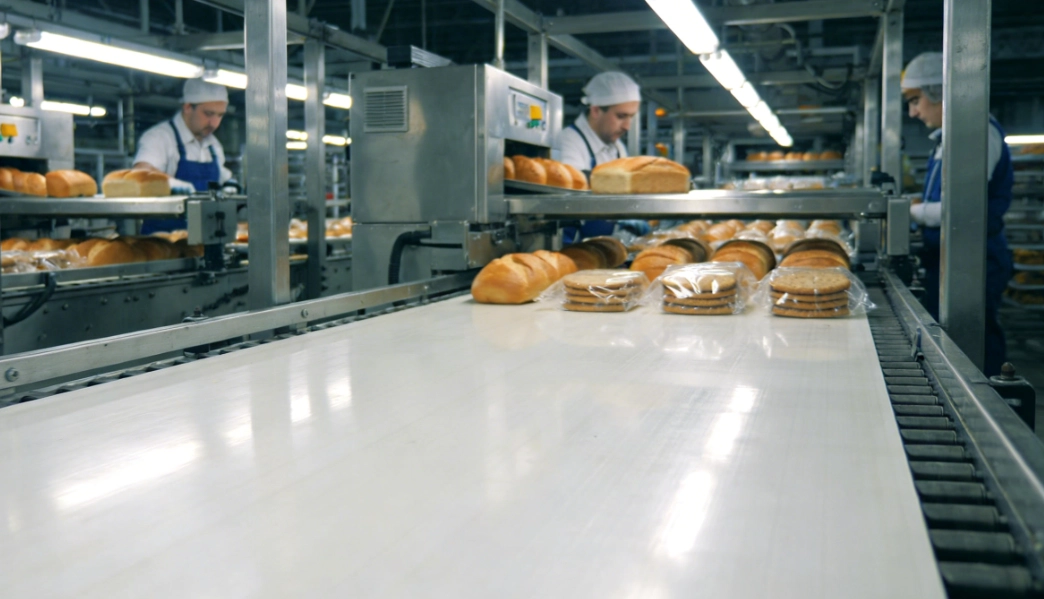
What makes PVC so widely chosen? To begin with, it proves quite sturdy. Even though rubber dominates in intense mining operations, PVC belts excel in less rigorous uses like food handling and packing since they withstand chemicals effectively and need little expertise for upkeep. These belts resist oils and wear, so they hold up well when factory conditions turn a bit disorderly.
A further key factor involves financial aspects. Establishing a production site demands significant outlays in equipment and technology. For numerous businesses, particularly smaller operations or those in emerging areas, investing heavily in advanced metal setups simply does not fit. PVC provides a practical balance: it adjusts easily, functions on slopes reaching 16 degrees, and delivers good returns because it endures for years when handled properly.
Industry-Specific Solutions: Precision Engineering by UYANG BELTING
Basic belts suffice for general needs, but most companies face unique issues. Perhaps the belt slips too easily, generates excess sound, or marks the items it carries. This is where targeted design steps in. UYANG BELTING goes beyond offering a simple belt; they create surfaces that address these particular challenges for specialized areas like wood handling or retail operations.
Wood Processing and High-Grip Applications
Wood handling involves dust, differing loads, and the demand for exact control. If a board shifts even slightly during sanding or slicing, the entire item becomes unusable.
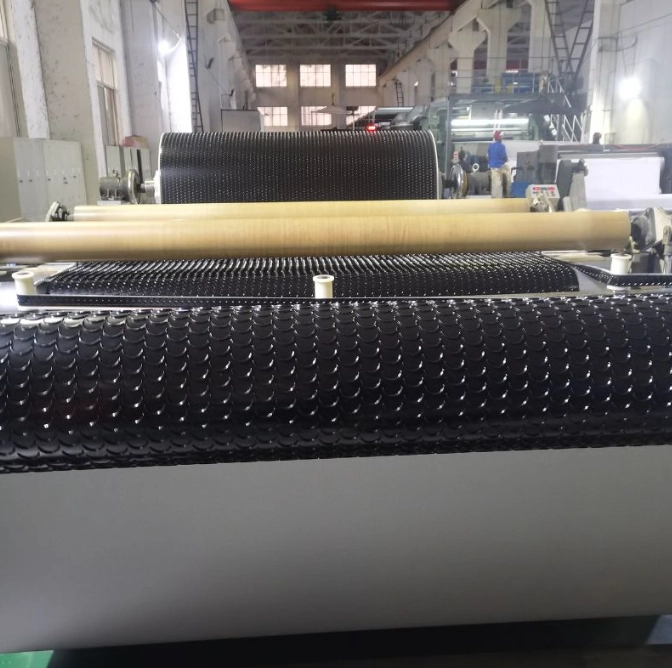
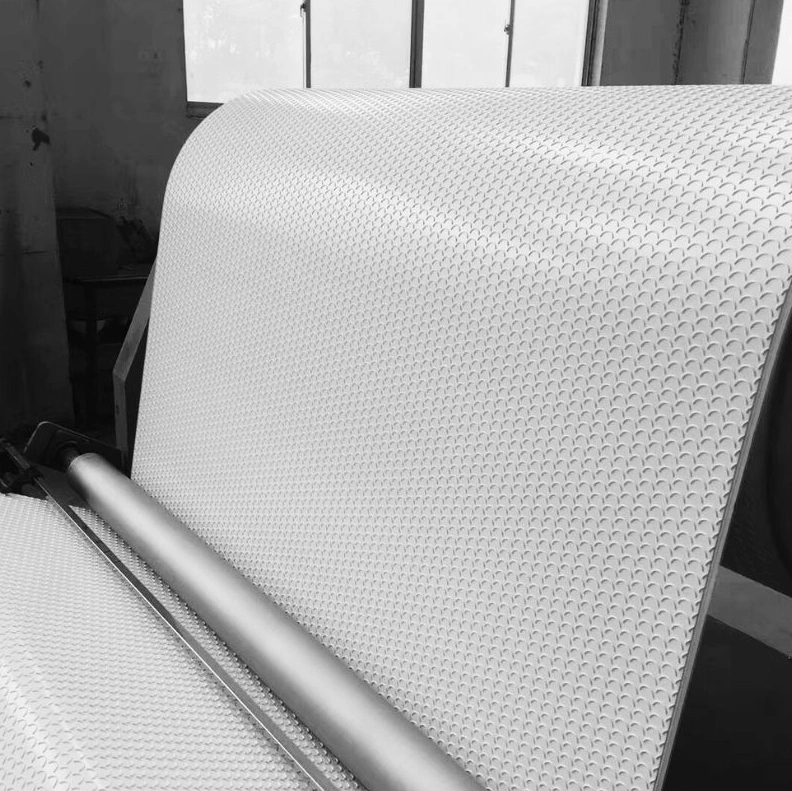
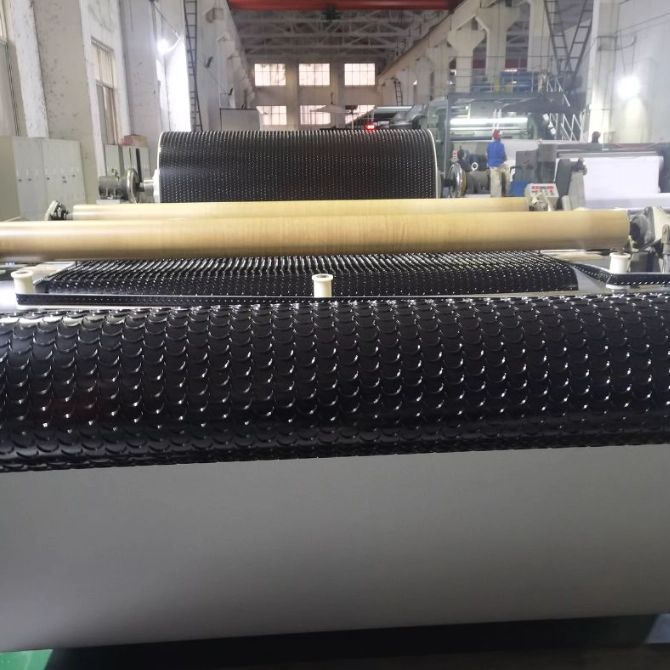
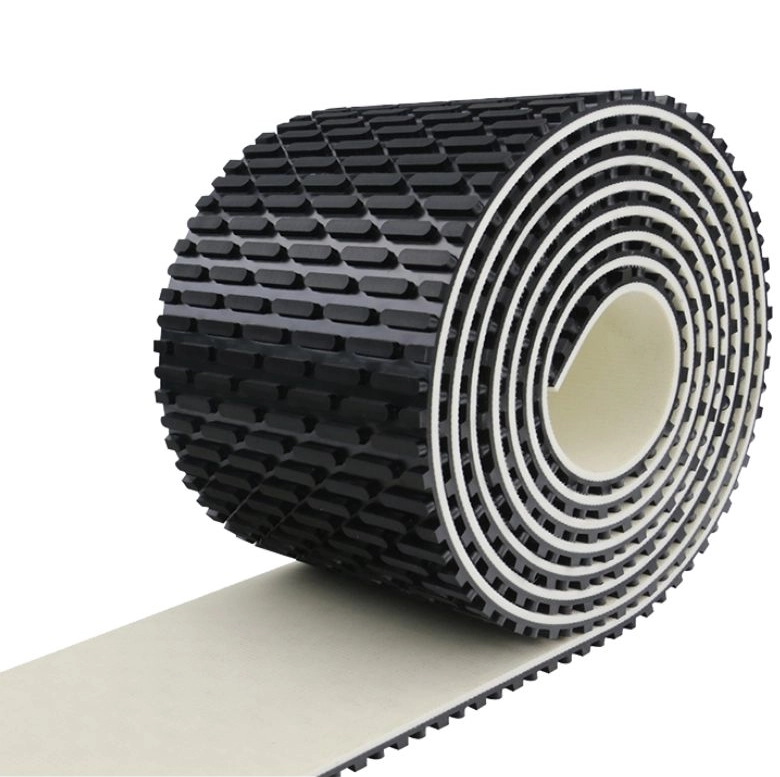
The Capsule Stud PVC Conveyor Belt from UYANG serves as a clear instance of tackling this concern. The capsule stud pattern goes beyond appearance; it functions like numerous small grips securing the wood firmly. It supplies the additional hold required for substantial timber or even panels, ensuring alignment holds steady even at quick speeds.
Retail and Logistics Optimization
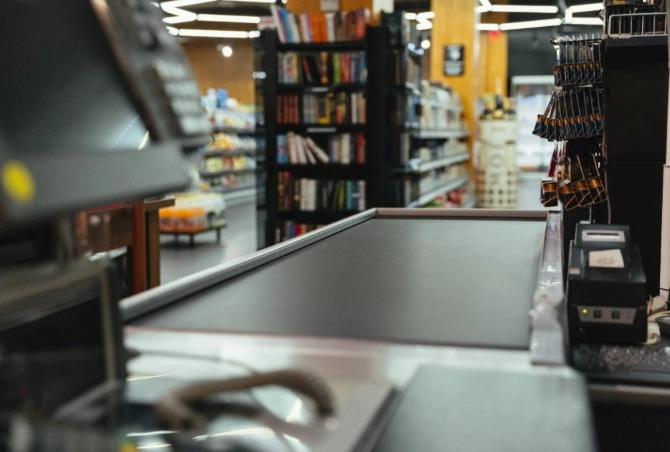
Consider your recent visit to a store. You likely overlooked the conveyor at the payment area, which highlights its success. An effective retail belt must operate silently and remain unobtrusive to shoppers.
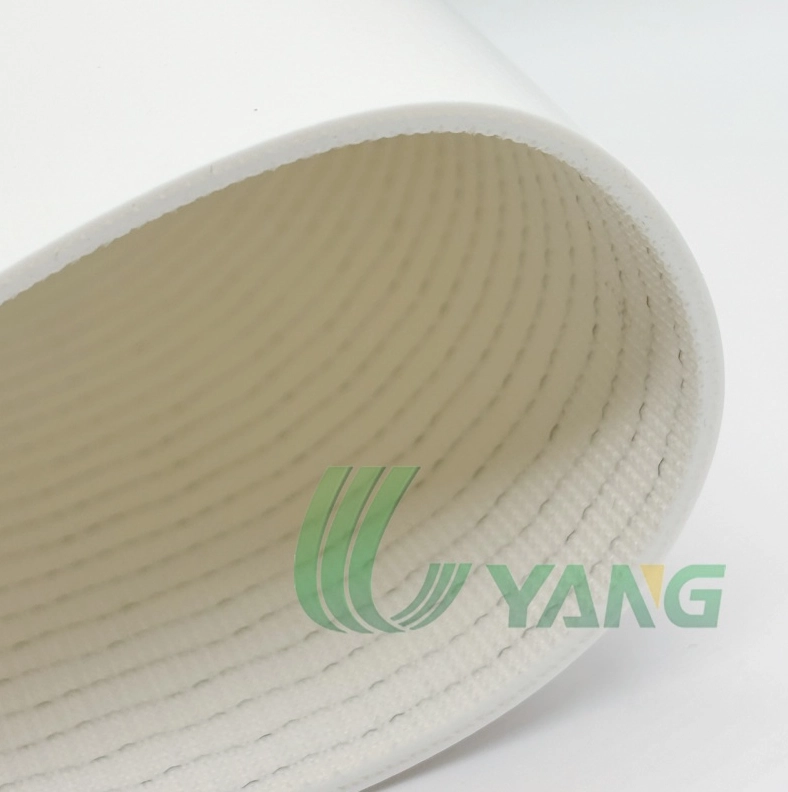
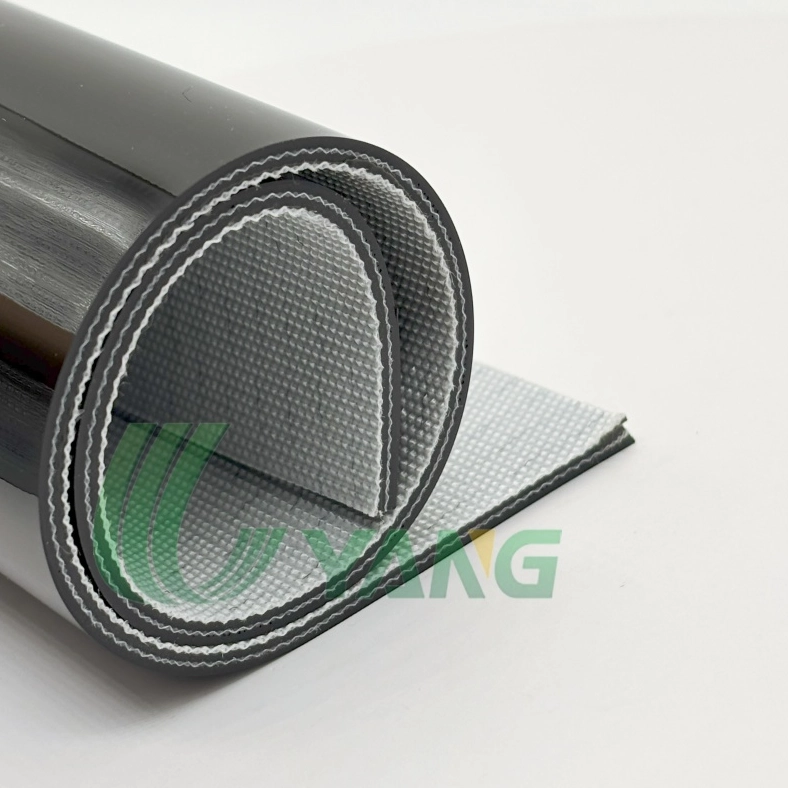
UYANG’s Black Matte PVC Conveyor Belt addresses retail demands directly. Typical shiny belts bounce back lights from above, which disrupts the light-based scanners for product codes. With a matte surface, this issue fades away. Additionally, the design emphasizes reduced friction and minimal noise, so it blends into the lively atmosphere of a crowded store without adding disturbance.
Heavy-Duty Specialized Manufacturing
At times, PVC benefits from blending with related polymer types. Although PVC suits many scenarios well, certain hot or abrasive conditions call for combined materials.
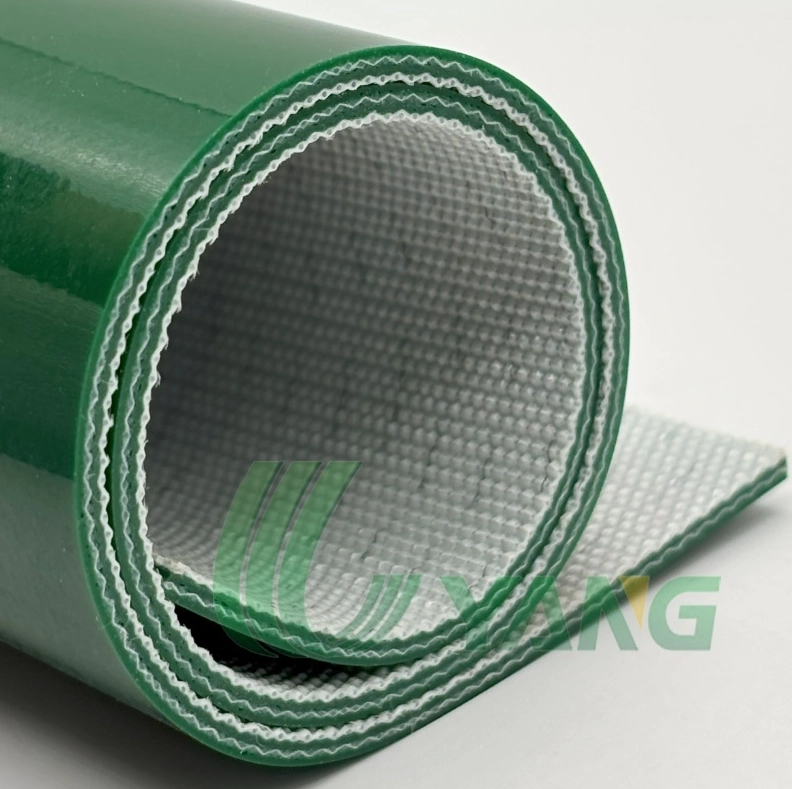
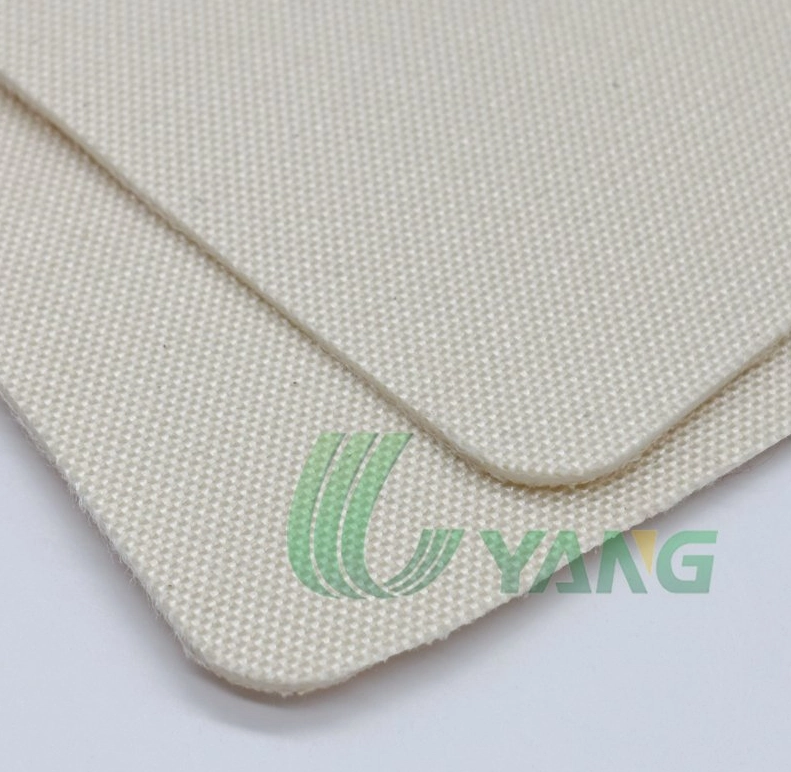
In tire making, UYANG provides the 3.0mm Cotton Canvas PU Conveyor Belt. Polyurethane, or PU, gains favor for its toughness and smooth slide, ideal for shifting rubber tires that might cling to other faces. Supported by cotton canvas, the belt retains bendability yet withstands the pressure from weighty tire forms.
Navigating the Economic Landscape of Belt Adoption
In truth, the main obstacle for many firms centers on initial expenses. Reports from the sector indicate that elevated upkeep and installation costs frequently deter groups from modernizing their setups. Yet clinging to outdated, hands-on methods creates risks. As workforce expenses climb and volumes of passengers or goods grow, automated systems turn essential rather than optional.
Selecting PVC allows companies to sidestep some of those tough entry obstacles. Current PVC designs also save energy. Leading names like Bando and Bridgestone promote greener belts to reduce power loss. UYANG BELTING pursues a comparable strategy, crafting belts that perform reliably while helping control utility costs.
Future Trends: Automation and Intelligent Monitoring
Society shifts toward connected systems across the board. In conveyor applications, this translates to smart tracking tools and versatile structures. Belts evolve from mere flexible components into elements of advanced networks that oversee safety and output.
Worldwide shifts, including vast building efforts in China and India, accelerate this progress. Operating an airport serving 100 million travelers annually leaves no room for equipment breakdowns. Such needs for dependable fixes urge producers to develop quicker, yielding slimmer, more resilient, and advanced materials.
Conclusion: Selecting the Right Partner for Your Enterprise
Picking a conveyor belt may appear minor, but it forms the foundation of your workflow. PVC secures its leading role in the market as a reliable versatile option—adaptable for food tasks, sturdy for wood work, and hushed for store settings.
When planning to improve your setup, avoid settling for ordinary supplies. Seek a collaborator who grasps the exact needs for traction, hold, and endurance in your field. UYANG BELTING offers a tailored range to elevate your site from basic function to precise efficiency.
FAQ
Q1: Is PVC better than rubber for all industries?
A: Not always. Rubber remains dominant in intense mining and stone handling due to its superior resistance to major shocks. That said, for nearly all other areas—such as food, packing, and routine production—PVC often proves superior because it weighs less, costs less, and cleans more simply.
Q2: How do I know if I need a textured surface or a flat belt?
A: Smooth belts dominate, accounting for more than 73% of sales owing to their broad usefulness. However, if transporting goods on sharp rises over 16 degrees or managing slick substances like damp wood, a patterned option such as the Capsule Stud design becomes necessary.
Q3: Why is matte finish important for supermarket belts?
A: The key lies in the reading devices. Glossy surfaces send light back toward code scanners, leading to mistakes. A matte black version soaks up that light, ensuring swift payments and preventing the belt from seeming worn after brief service.