Running machines are now common in houses, gyms, hotels, and rehab spots. But behind each even glide of the deck, the conveyor belt does the main job. The stuff it’s made from, the top pattern, and the back cloth all affect how steady the run feels, how long it holds up, and even how noisy each footfall is. So, picking the right conveyor belt material isn’t just a tiny tech thing. It’s a big deal for the whole machine’s work.
For makers, builders, and part sellers, PVC treadmill belts stay one of the most trusty picks. Firms like UYANG BELTING, who make light conveyor belts, offer special ones for running machines in homes and busy places. This guide goes over the materials, patterns, and suggested belts. That way, buyers can pick smart and sure.
What Makes a Conveyor Belt Suitable for Running Machines?
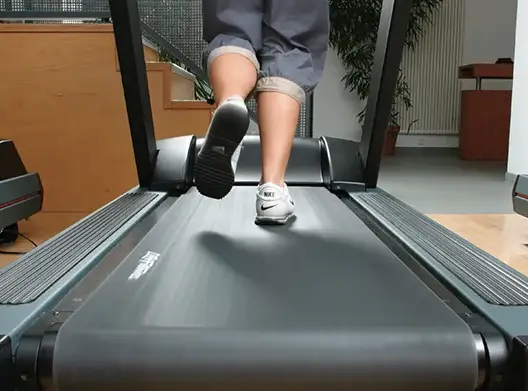
A running machine needs more than a plain flat belt. Each step touches the belt top, and the deck has to handle loads over and over, sometimes for hours daily. So, the material must mix toughness with ease while keeping friction low.
Load-Bearing Stability and Traction
Steadiness lets the runner feel firm. A belt with good grip stops slips, mainly at quick paces or on slopes. This often relies on the top pattern and how stiff the material is.
Comfortable Foot Support and Shock Absorption
Decks differ, but the belt still helps with padding. Some back cloths make a gentler step, which gives a nicer feel under feet.
Low Noise Performance and Smooth Movement
Nobody likes a noisy treadmill. A belt that glides well over the deck and rollers cuts down extra sounds. It keeps the machine feeling steady.
Why Are PVC Conveyor Belts Commonly Used in Running Machines?
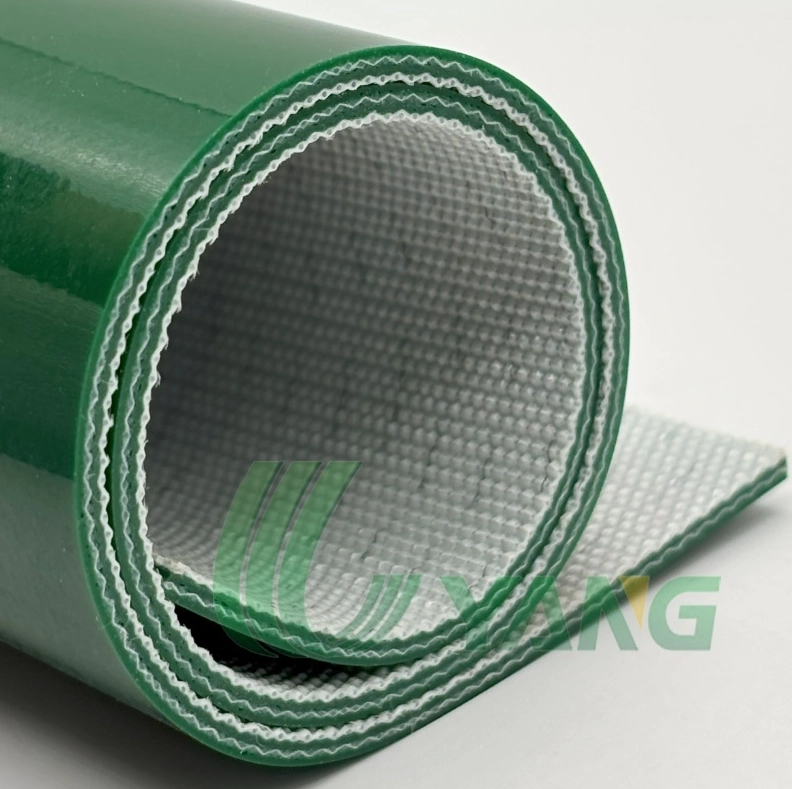
PVC belts have stayed a go-to in treadmill making for years. The material is light, bendy, and tough enough for constant motion. It mixes lasting power with low cost, so home fitness brands and gym makers pick PVC.
PVC belts also do fine in spots with heat shifts and damp air. They don’t warp much and can swap out without hard tweaks.
Balanced Durability and Flexibility
PVC gives a good blend of strength and bend without being too hard underfoot. That makes it handy for long use.
Strong Wear Resistance with Lightweight Design
The build stands up well to rubs from rollers and decks, even in gyms where machines go nearly all day.
Easy Maintenance and Cost Efficiency
Cleaning is easy—most belts just need a fast wipe. Swap times are longer than plain PU straps but not as pricey as fancy special belts.
How Do Surface Textures Influence Running Machine Performance?
Even tiny pattern changes can shift how the treadmill feels. Designs affect hold, sound, and how the belt works with shoes. UYANG BELTING makes many patterns to fit needs, mainly for fitness gear makers.
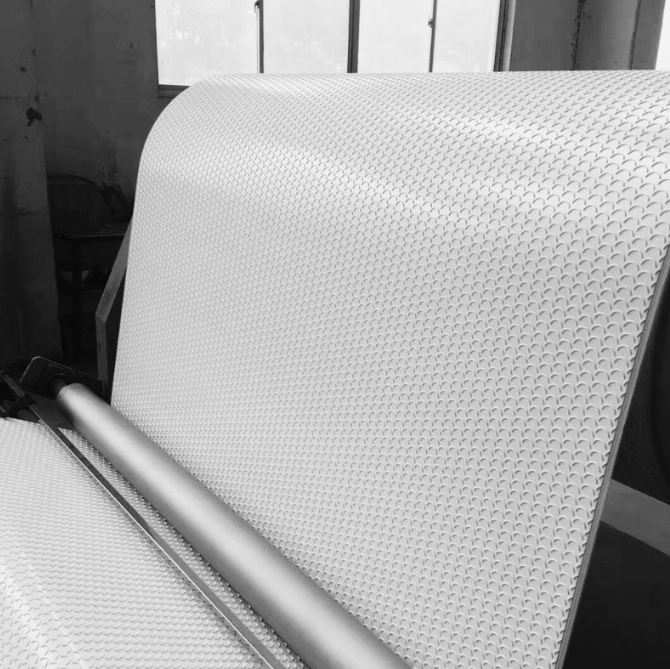
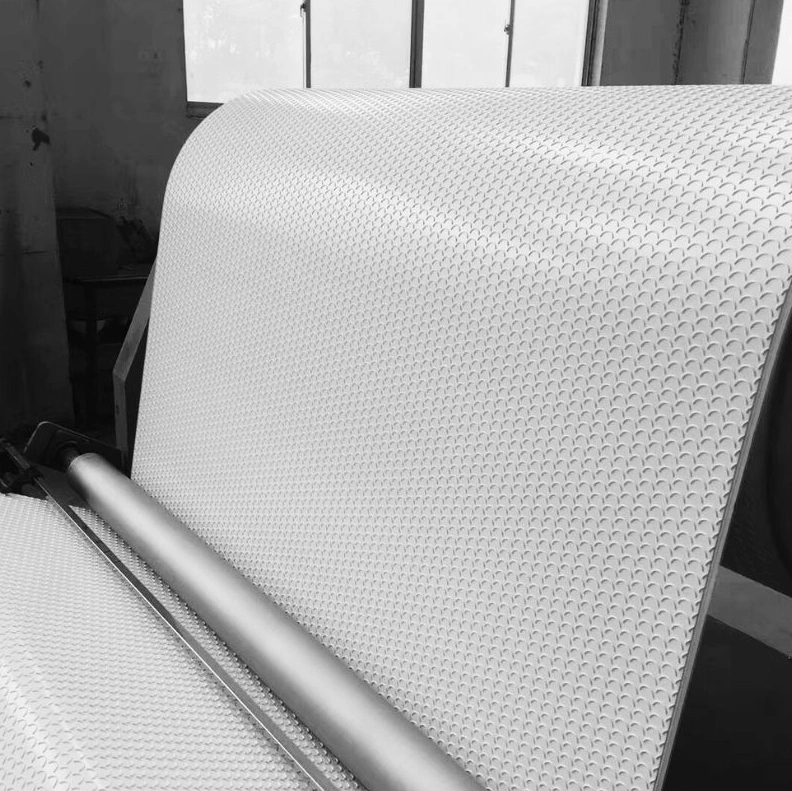
Golf Texture for Enhanced Grip
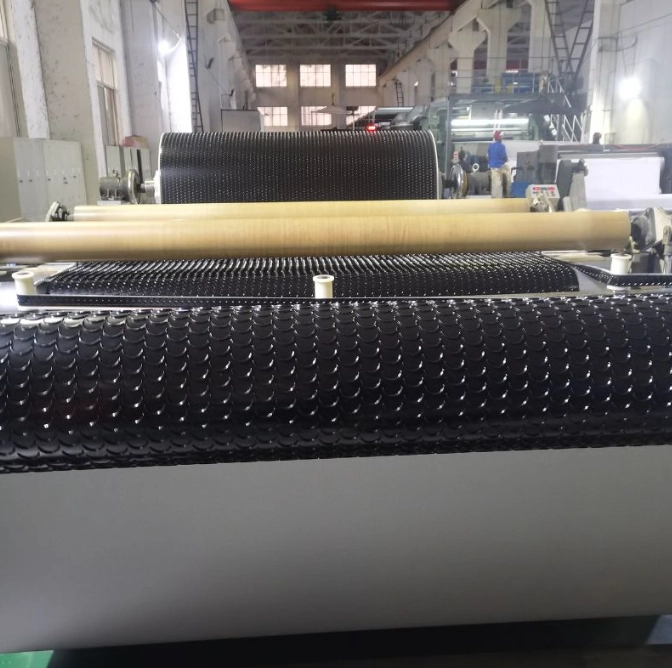
The “golf ball” bump pattern makes a firm top with soft hold. It aids runners in staying balanced without a sticky or bumpy feel.
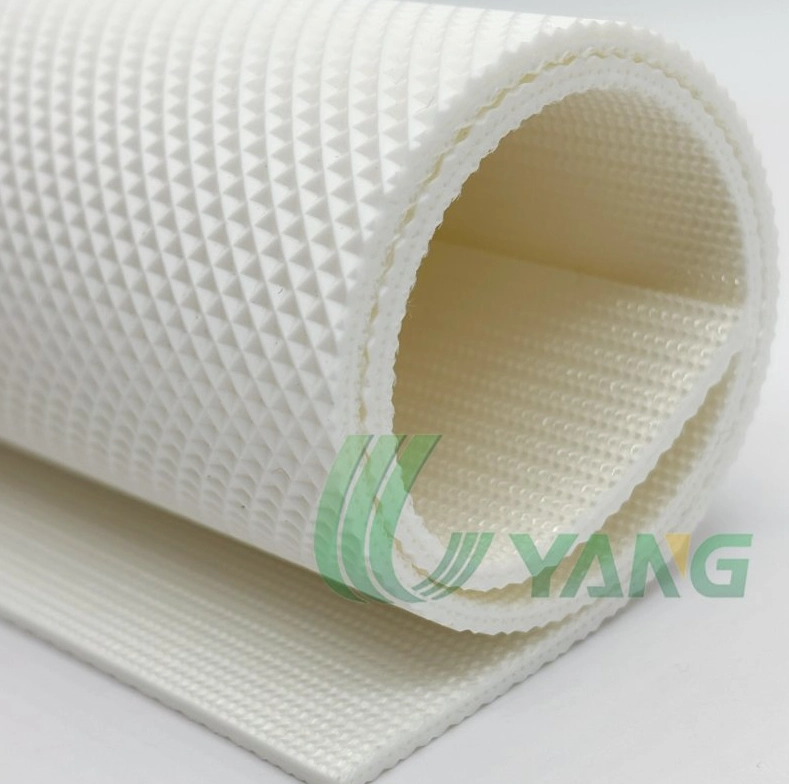
Mini Grip Texture for Anti-Slip Support
This design offers a firmer hold, good for folks with hard strides or in busy gyms where safety matters most.
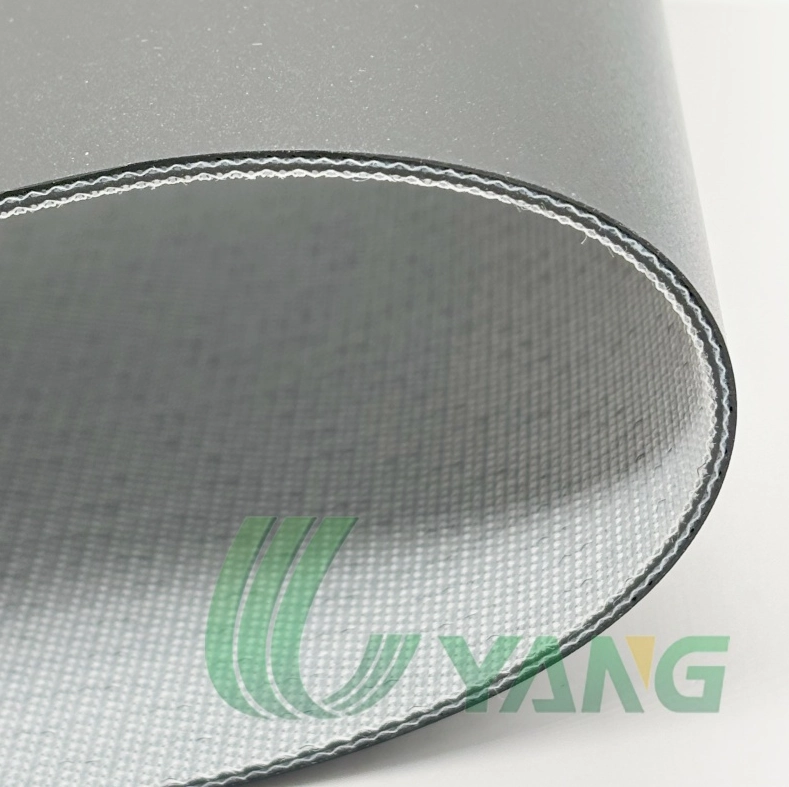
Low-Noise Backing for Quiet Operation
The back cloth affects sound amounts. A quiet fabric lowers the noise of each step. It makes the treadmill fit better for flats, hotels, and rehab areas.
Which UYANG BELTING PVC Belts Are Best for Running Machines?
As experts in light conveyor belts, UYANG BELTING has a few treadmill belts built just for steady running work. Here are three top picks that many running machine brands use.
PVC Golf Top–Cotton Fabric Bottom Belt for Comfort & Stability
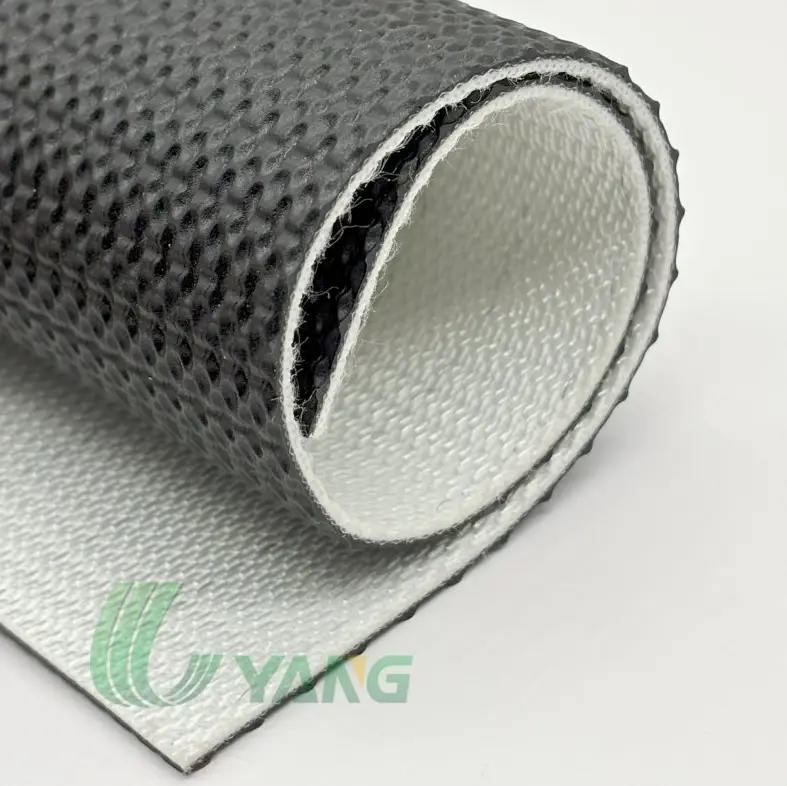
This belt has a golf bump top layer for grip and a cotton cloth bottom for natural padding. The cotton adds a soft foot touch, so it works well for home treadmills or walking machines.
PVC Golf Top–Low Noise Fabric Bottom Belt for Quiet Running
This type keeps the same trusty golf top but uses a low-noise cloth underneath. It is very liked in fitness spots and hotels where quiet running counts.
PVC Mini Grip Top Belt for Strong Anti-Slip Performance
The mini grip pattern gives tight foot hold, perfect for fast runs or tough workouts. Lots of gym treadmill makers pick this for its safety and firmness.
What Are the Differences Between Cotton Fabric Bottom and Low-Noise Fabric Bottom?
Different bottom cloths make varied running feels. Users might not spot the bottom layer, but they sure sense it through sounds and foot pushback.
Cotton Fabric Bottom for Natural Cushioning
Cotton has a gentle, cozy touch that takes in shakes a bit. This makes each step feel less sharp, mainly for slow exercises.
Low-Noise Fabric Bottom for Sound Reduction
This backing cuts the “thump” sound from steps, so the machine stays quiet even in fast runs.
Application-Based Selection for Home or Commercial Gyms
Cotton bottom belts often fit home folks. Low-noise bottoms work for gyms, hotels, and group spots.
How to Select the Best Belt Material for Home vs. Commercial Running Machines?
Not all treadmills face the same setups. A home one might run half an hour daily, but a gym one could go without stops. Picking the right belt hangs a lot on how it’s used.
Home Use: Comfort and Low Noise Priority
Many users like soft, quieter belts for walks or medium runs.
Gym Use: Durability and High-Traction Priority
Gyms want belts that take heavy workouts, strong foot hits, and long hours.
Rehabilitation Use: Smooth Movement and Soft Support
Rehab spots focus on firmness and slow speeds, so belts with even grip and gentle cloth are liked.
What Key Factors Should Buyers Consider Before Choosing a Running Machine Conveyor Belt?
PVC belts come in lots of kinds. Before picking a belt, treadmill makers and fix firms usually check a few easy but key things.
Material Strength and Abrasion Resistance
Tougher stuff lasts longer and keeps steady hold over time.
Noise Level and Smoothness
A silent belt makes a nicer workout spot, mainly in tight areas.
Compatibility with Machine Structure and Rollers
Some belts do better on certain roller sizes or deck covers. Matching belt kind with machine build skips future fix problems.
FAQs
Q1: How long does a PVC treadmill belt usually last?
A: Most PVC belts hold up for about 1–3 years based on use. Home users might get more time, but gyms with constant running may swap belts sooner.
Q2: Can different textures affect treadmill noise?
A: Yes. The top pattern changes the rub sound from shoes, and the bottom cloth shifts the glide sound on the deck. Quiet backing really lowers total noise.
Q3: Are UYANG BELTING treadmill belts suitable for commercial gyms?
A: Yes. Many gym gear makers pick UYANG BELTING belts, mainly the Mini Grip and Low-Noise types, for their toughness and steady long work.