Current fitness gear centers on reliable operation, user ease, and extended durability. Within any treadmill setup, the conveyor belt holds a vital yet often overlooked function. A properly constructed treadmill belt influences running steadiness, sound output, engine strain, and ongoing upkeep expenses.
PVC conveyor belts now serve as a favored option for treadmill producers around the globe. Because they offer even robustness, adaptable build, and steady traction qualities, these PVC belts align with the routine needs of public workout centers, residential exercise devices, and advanced training tools. As a dedicated conveyor belt producer, UYANG BELTING supplies PVC belt options aimed at treadmills, which are shaped to address genuine requirements in the fitness sector rather than relying solely on test figures.
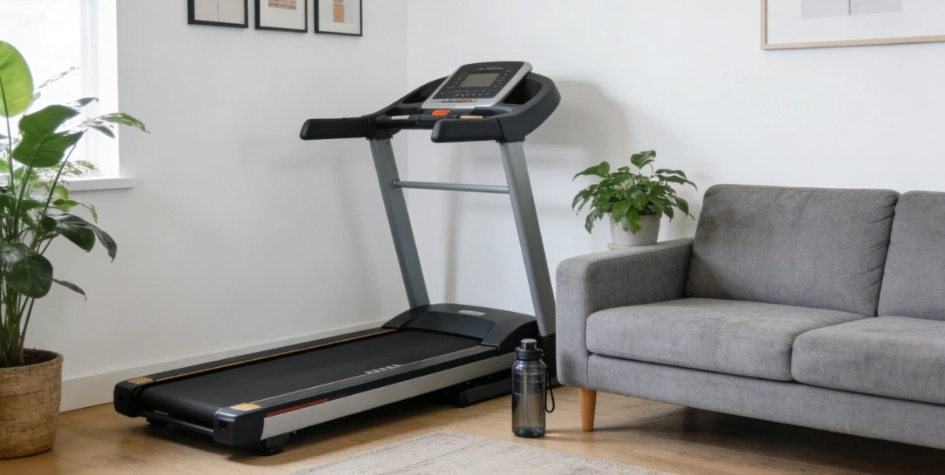
What Makes PVC Conveyor Belts Ideal For Treadmill Applications?
PVC conveyor belts find common use in light- to moderate-duty setups, yet treadmills bring a distinct blend of mechanical stresses and user interactions. Grasping why PVC performs effectively clarifies its firm standing in fitness gear.
Prior to reviewing particular operational aspects, it proves useful to see how PVC belts connect with treadmill frameworks and those who use them.
Advantages Of PVC Conveyor Belts For Fitness Equipment
PVC material delivers a harmony that metallic or rubber belts frequently find hard to reach. It bends readily around pulleys while retaining form amid steady foot impacts. In treadmill contexts, this ensures consistent motion without abrupt velocity shifts or belt wandering.
Moreover, PVC exteriors yield managed traction. The belt holds footwear firmly yet without a tacky or coarse sensation, which maintains jogging ease and cuts down on slide hazards amid speed increases or slope adjustments. This equilibrium holds particular value for public treadmills that serve various body masses and movement patterns all day long.
Durability And Performance Benefits
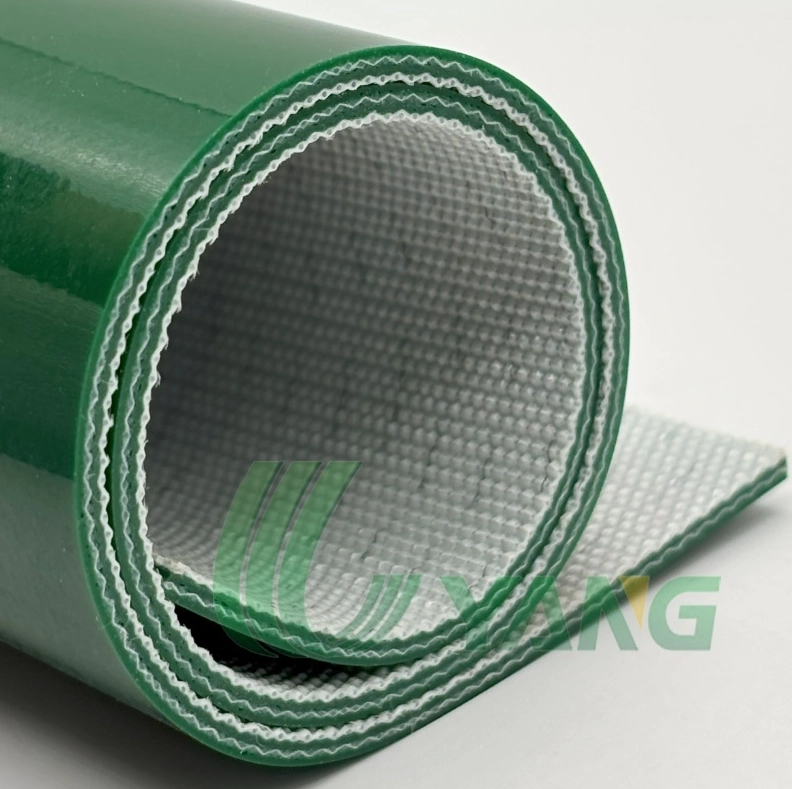
Treadmill belts endure ongoing pressure loops. Every footfall delivers pressing force, rubbing warmth, and side shifts. PVC belts from UYANG BELTING incorporate strengthened textile plies that enable the belt to preserve its outline even following prolonged sessions.
Furthermore, the core layout counters elongation and border rolling, both typical problems that cut short belt longevity. Even gauge and uniform pull spread aid in lessening damage to engines and pulleys, thereby indirectly decreasing service intervals for device holders.
Cost-Effectiveness In Long-Term Use
PVC conveyor belts go beyond initial low price. Their true worth emerges across extended periods. Through suitable build and outer layout, a PVC treadmill belt shortens swap intervals and operational pauses.
When set against denser substances, PVC belts impose lighter demands on engines, which assists in boosting power savings. For workout center managers and treadmill makers, this results in decreased running outlays while upholding execution standards.
How Do Surface Types Impact Treadmill Belt Performance?
The upper layer of a treadmill belt makes direct contact with the person using it. Outer pattern influences hold, ease, and audio levels. Varied workout settings call for distinct outer plans, so outer picking carries weight. After settling on material, outer form turns into the following major choice.
Role Of Golf Top Surfaces In Grip And Comfort
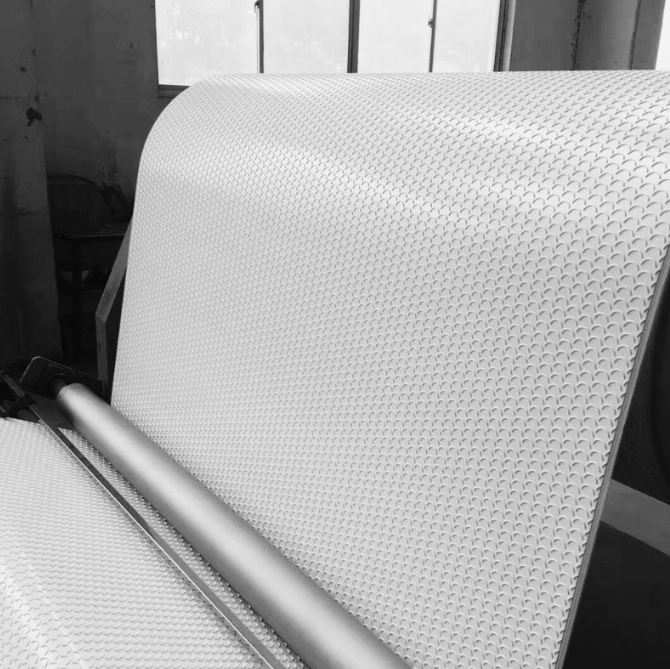
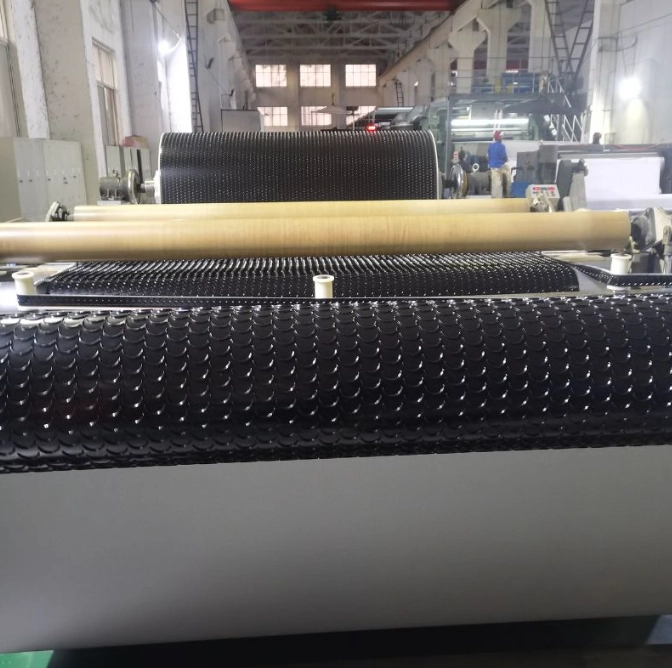
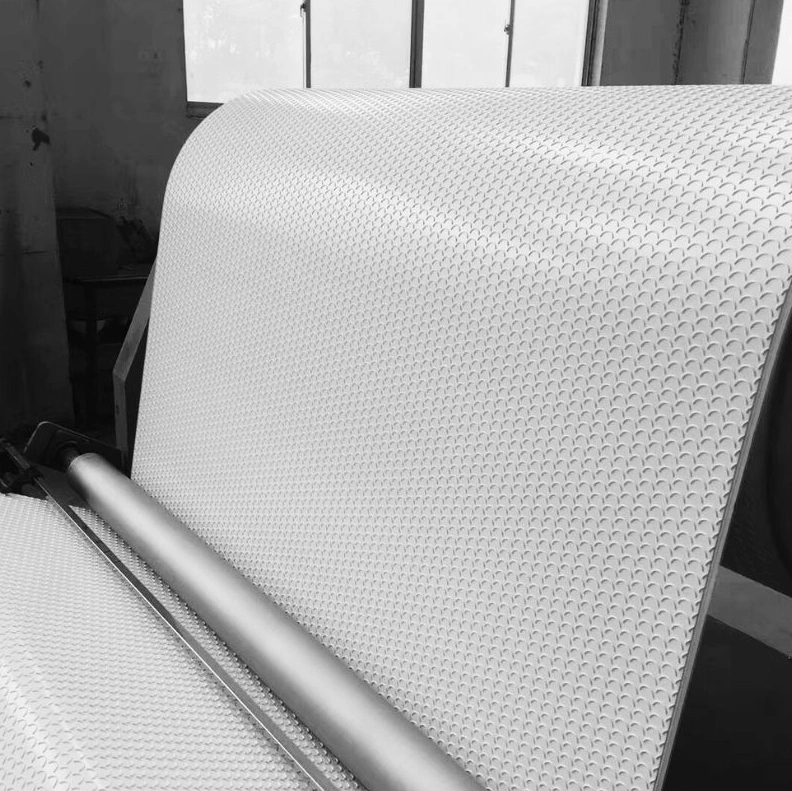
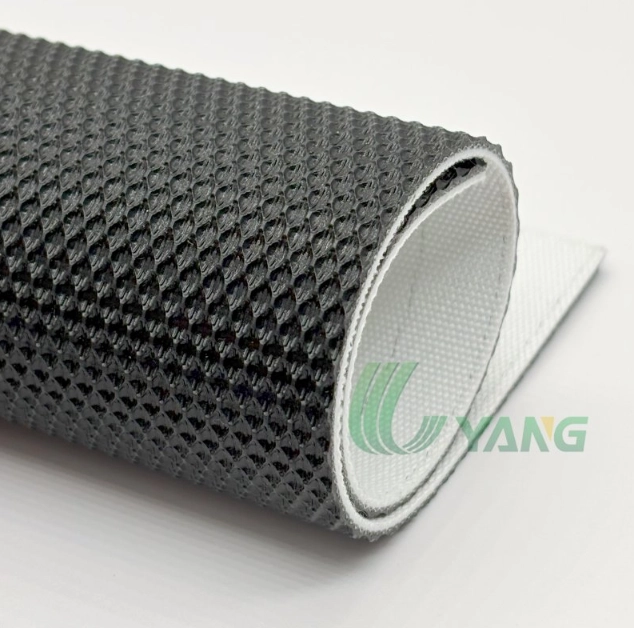
Golf top exteriors include tiny, uniformly placed designs that boost hold while preserving a level motion sense. This pattern aids firm foot positioning without generating sharp rubbing.
UYANG BELTING’s PVC Conveyor Belt – Golf Top layouts see broad application in residential and public treadmills alike. The outer layer manages strolling, light running, and quick bursts without seeming harsh beneath the feet. Additionally, it aids in spreading force evenly, which lessens outer damage as time goes on. Thus, golf top belts emerge as a dependable pick for gear built for daily extended runs.
Mini Grip Top Surface For Enhanced Stability
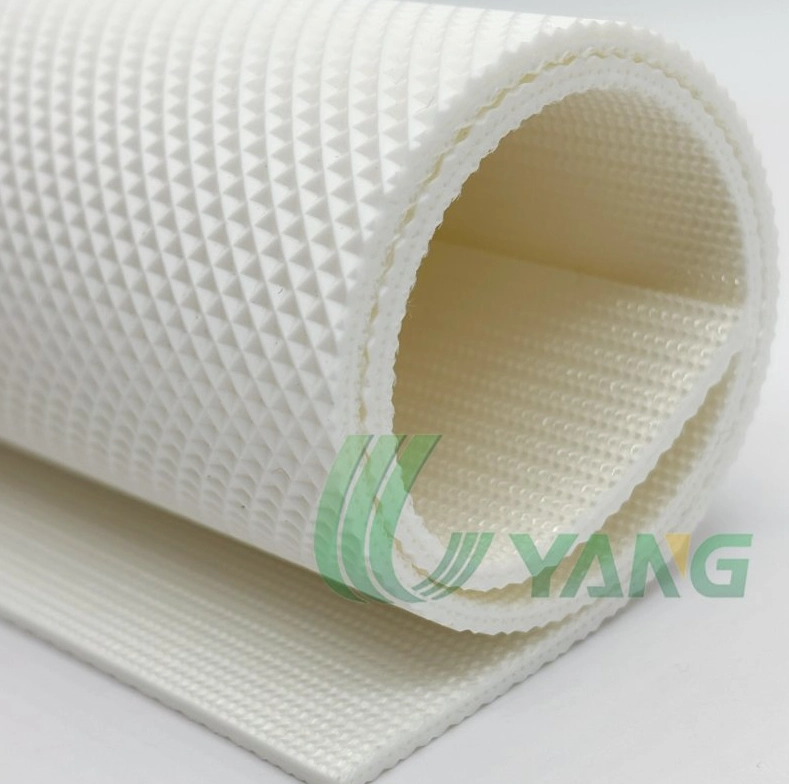
In treadmills employed for intense sessions or recovery programs, added hold gains importance. Mini grip top exteriors deliver firmer pull while permitting usual foot shifts.
The PVC Conveyor Belt – Mini Grip Top for Treadmill Belt from UYANG BELTING supplies better steadiness amid rapid pace shifts and slope exercises. The pattern backs those needing greater command, like new users, older individuals, or competitors in timed drills. Even with the extra hold, the outer stays simple to wipe and avoids collecting particles or moisture readily.
Comparing Top Surface Options For Different Users
Selecting among golf top and mini grip top hinges on intended treadmill application. Golf top exteriors fit routine workouts, public centers, and residential setups. Mini grip top exteriors match targeted drills, health-related fitness, or devices stressing security above velocity.
UYANG BELTING supplies both varieties, enabling treadmill producers to align belt output with aimed audiences rather than imposing a single-style fix.
What Are The Key Differences Between Fabric Bottom Variants?
Although top exteriors shape user interaction, the lower textile directs belt connection with the treadmill base and power mechanism. This ply markedly sways audio, warmth, and sustained damage. Knowing lower textiles clarifies why alike belts act quite variably in actual operation.
Cotton Fabric Bottom For Traditional Treadmill Belts
Cotton textile lowers earn note for even rubbing and trustworthy output. They pair effectively with coated or greased bases and yield reliable belt progression.
The PVC Conveyor Belt – Golf Top – Cotton Fabric Bottom – For Treadmill Belt stands as a standard choice for usual treadmill builds. The cotton ply assists in holding firm touch with the base, cutting abrupt slides or jolts in action. This kind fits numerous average and public treadmills where even pace management outweighs very low audio.
Low Noise Fabric Bottom For Quieter Operation
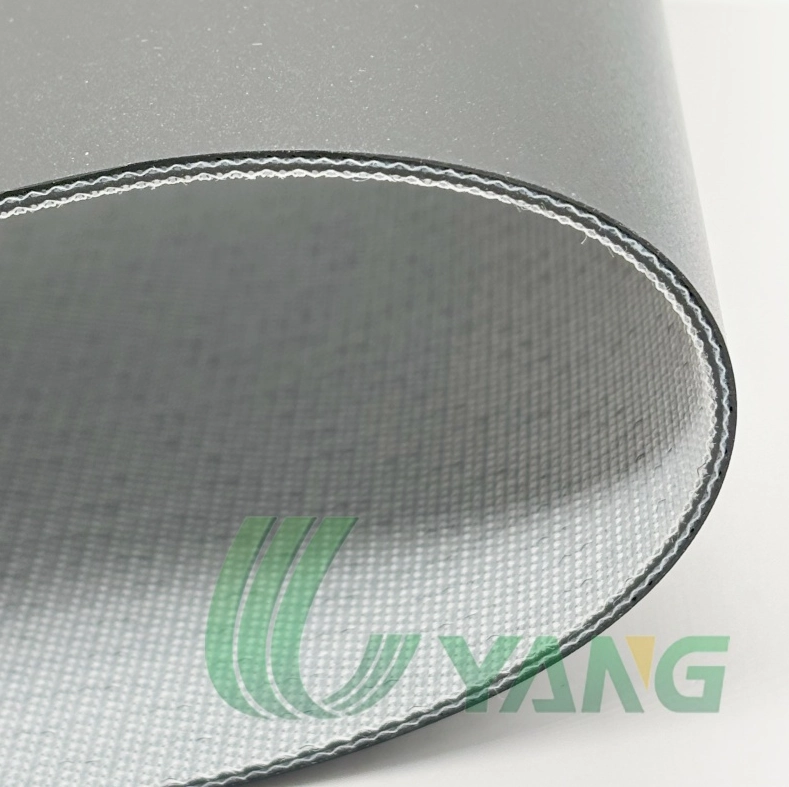
Audio management grows more critical, particularly for residential workout areas, flats, and lodging spots. Low noise textile lowers aim to cut rubbing noise and shaking between belt and base.
UYANG BELTING’s PVC Conveyor Belt – Golf Top – Low Noise Fabric Bottom – For Treadmill Belt stresses fluid touch and lowered motion audio. The textile layout aids in soaking up shaking, rendering sessions quieter and more pleasant. This belt suits settings where sound issues might harm user approval or gear location.
How Bottom Fabric Influences Belt Performance
Lower textile selection sways warmth accumulation, engine demand, and grease requirements. Cotton textiles provide solid hold but might need steady greasing. Low noise textiles lessen audio and rubbing yet depend on exact building to retain steadiness.
Through presenting varied textile choices, UYANG BELTING lets treadmill labels adjust belt conduct rather than settling for trade-offs.
Which UYANG BELTING PVC Conveyor Belts Are Best For Your Treadmill?
Picking products simplifies when actual scenarios come into view. UYANG BELTING crafts treadmill belts drawing from true device needs instead of broad conveyor roles. Listed below sit three targeted PVC conveyor belt answers employed by fitness gear makers globally.
PVC Conveyor Belt – Golf Top – Cotton Fabric Bottom (Classic Performer)
This belt merges a pleasant golf top outer with a usual cotton textile lower. It yields firm hold, expected progression, and drawn-out endurance.
It fits public workout centers, basic residential treadmills, and everyday fitness tools that require even output without extra intricacy.
PVC Conveyor Belt – Golf Top – Low Noise Fabric Bottom (Quiet Runner)
Formed for audio-aware spots, this belt cuts motion sound while retaining fluid action. The golf top outer upholds ease, as the low noise textile betters user interaction. It performs suitably for residential treadmills, lodging workout areas, and high-end fitness tools centered on pleasantness.
PVC Conveyor Belt – Mini Grip Top (Premium Grip Solution)
This selection stresses better pull and command. The mini grip outer backs strong drills and elevated security standards.
It gets picked often for expert fitness tools, recovery treadmills, and setups for diverse user types.
Why Choosing The Right PVC Conveyor Belt Improves Treadmill Efficiency?
A treadmill belt goes further than mere underfoot motion. It shapes the full setup’s output and duration. Selecting the proper belt can heighten user approval and trim sustained expenses. Viewing output from varied viewpoints aids in underscoring the belt’s actual merit.
Enhanced Traction Leads To Smoother Workouts
Suitable hold lessens belt sliding amid pace rises and slope shifts. This maintains velocity passes as fluid and foreseen, something users sense right away. Firm pull likewise guards engines and command setups from sharp demand surges, boosting machine trustworthiness overall.
Reduced Wear And Maintenance Needs
Aptly fitted belt layout cuts rubbing warmth and irregular damage. Consequently, it leads to fewer tunings, rarer greasing, and wider gaps between swaps. For workout center runners and tool providers, lowered pauses prove as worthwhile as prolonged belt duration.
Improved User Experience And Safety
Pleasant exteriors, managed audio, and firm motion all add to superior user interaction. When individuals feel assured on a treadmill, they remain extended and drill more regularly. Security advances too, notably for novices or recovery users who count on foreseen belt conduct.
FAQs
Q1: How long does a PVC treadmill conveyor belt usually last?
A: Endurance varies with operation strength, care, and belt layout. Top-grade PVC treadmill belts can endure multiple years in public venues if kept in good condition.
Q2: Is a low noise fabric bottom necessary for all treadmills?
A: Not invariably. Low noise textiles suit homes and lodgings best. Public centers might favor endurance over audio cuts, based on the setting.
Q3: Can PVC conveyor belts be customized for specific treadmill designs?
A: Yes. UYANG BELTING furnishes tailoring in depth, outer motif, textile layout, and sizes to fit varied treadmill types and output demands.