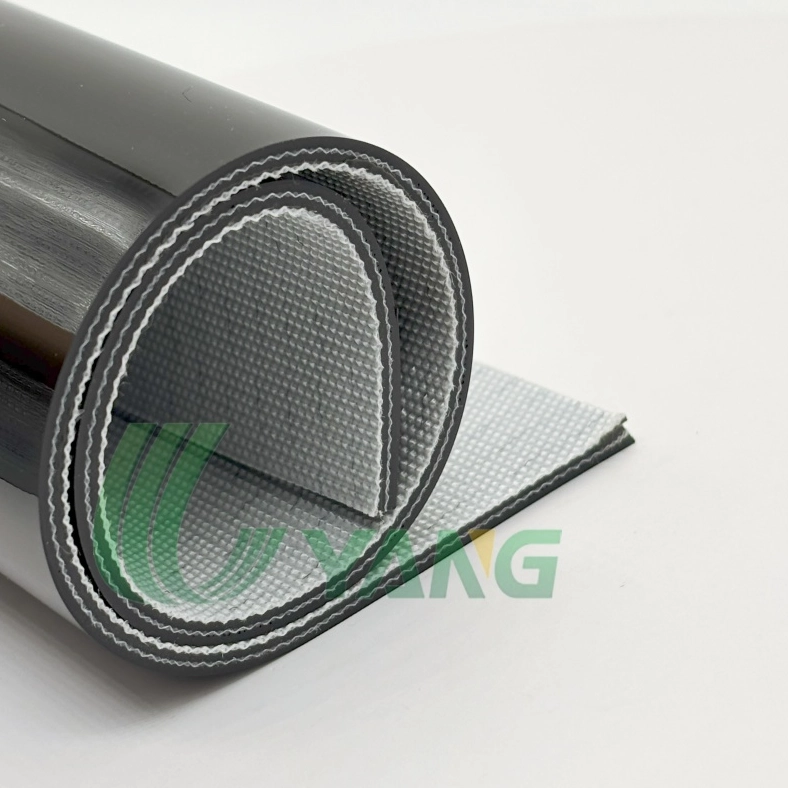
Food hygiene goes beyond just recipes and ingredients. In today’s food processing facilities, the conveyor belt serves a vital yet understated function. It handles everything from dough in bakeries to packaging in confectionery lines, and its surface contacts food items daily. Picking an unsuitable belt material can boost cleaning expenses, heighten contamination dangers, and spark regulatory problems.
Out of the various selections, metal and PVC conveyor belts stand as the top two picks. Both fit certain roles, yet when cleanliness tops the list, their distinctions stand out sharply.
This piece examines how metal and PVC conveyor belts handle food hygiene, focusing closely on bakery and confectionery uses. It also features real-world cases from UYANG BELTING’s food-grade PVC belt lineup to illustrate how material selection impacts actual operations.
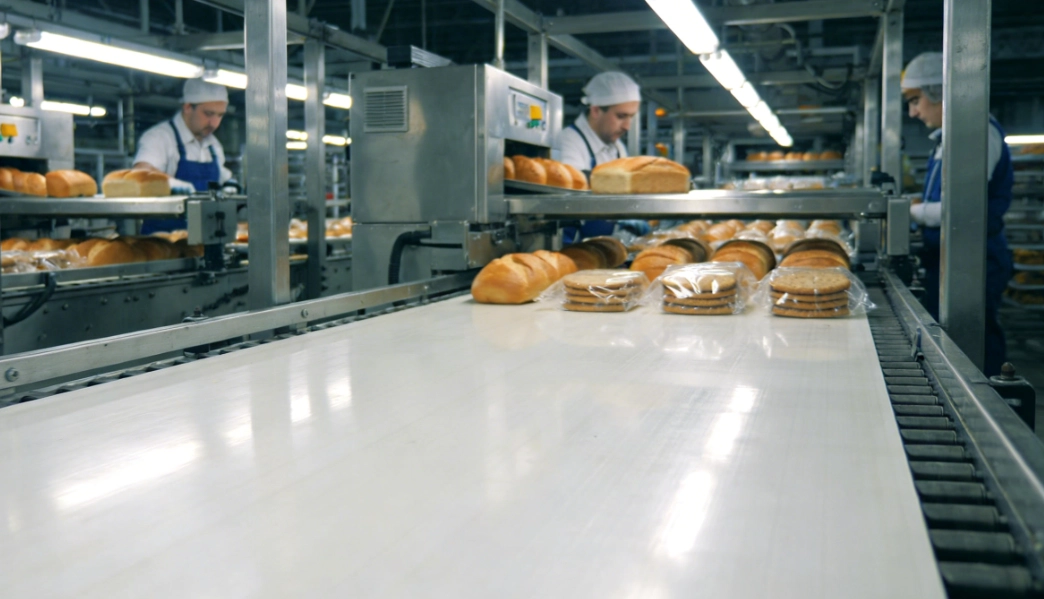
Why Does Conveyor Belt Material Matter in Food Hygiene?
Prior to pitting metal against PVC, it pays to grasp why belt material exerts such a big influence on hygiene results.
Conveyor belts face ongoing exposure to food, dampness, warmth, oils, and sanitizing agents. Even minor design elements can determine if germs accumulate or get flushed out effectively.
Impact Of Material On Contamination Risks
Various materials react to food leftovers in quite distinct manners. Rough or worn surfaces often capture bits of crumbs, sugar, fats, and wetness. And once those bits get stuck, they turn into ideal spots for bacterial growth.
Metal belts frequently form small cracks at connections or weld spots. In contrast, well-crafted PVC belts deliver a smoother, more even face that cuts down on spots where contaminants can lurk.
Cleanability And Sanitation Requirements
Routine rinses mark the norm in food facilities. A belt material that wipes clean swiftly cuts down on worker time and lowers water and chemical needs. Thus, even PVC faces generally rinse and scrub more readily than intricate metal setups, which demand intense pressure washes.
Regulatory And Safety Compliance In Food Processing
Standards like FDA and EU rules stress washable surfaces and material steadiness. Conveyor belts cannot flake off bits, rust away, or soak up items that might seep into food products.
Here, material picks begin to shape ongoing adherence, beyond mere routine upkeep.
What Are The Hygiene Challenges Of Metal Conveyor Belts?
Metal conveyor belts see broad use in factory settings, but food tasks bring particular cleanliness hurdles that prove tough to overlook.
Surface Crevices And Bacterial Harborage
Many metal belts depend on mesh patterns, pivots, or linked plates. Such builds form narrow gaps that prove hard to access when scrubbing. As time passes, food scraps can gather in those zones, particularly on bakery routes dealing with dough or sugary goods.
Even after thorough scrubs, certain scraps linger on.
Corrosion And Cross-Contamination Potential
While stainless steel fights off rust well, it does not escape corrosion entirely. Regular contact with water, soaps, and sour food bits can gradually wear down the face. And once wear sets in, the belt turns tougher to sanitize and more prone to holding germs.
Moreover, metal belts conduct heat fast, which might harm fragile food goods and prompt residues to bake onto the face.
Maintenance Intensity And Downtime
Metal belts hold up strong, but when issues arise, fixes tend to drag on. A twisted part or frayed link can halt the whole setup. In food sites, such pauses also call for added cleaning measures prior to resuming work.
For plants aiming for steady output and regular switches between products, this setup often creates a serious holdup.
What Advantages Do PVC Conveyor Belts Offer For Food Safety?
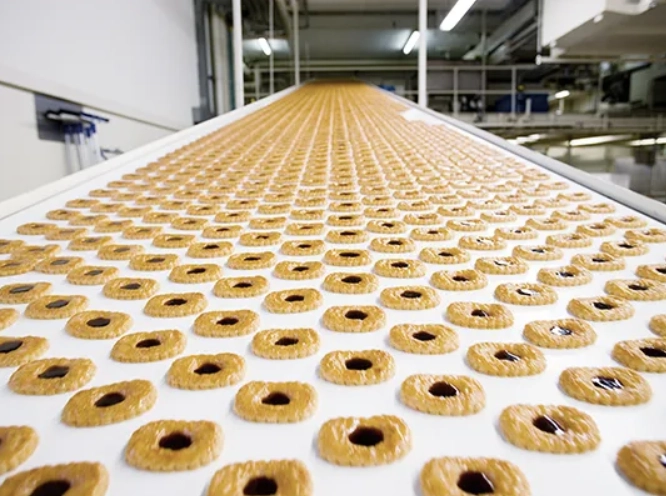
PVC conveyor belts have grown into the go-to option in numerous food handling spots, particularly for bakery and confectionery routes.
Smooth Surface For Easy Cleaning
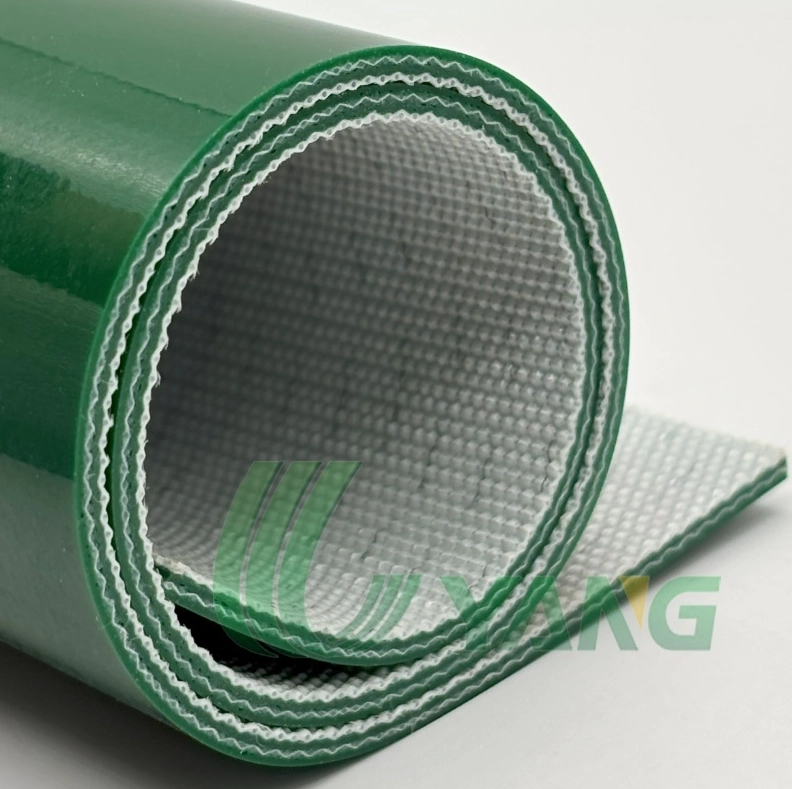
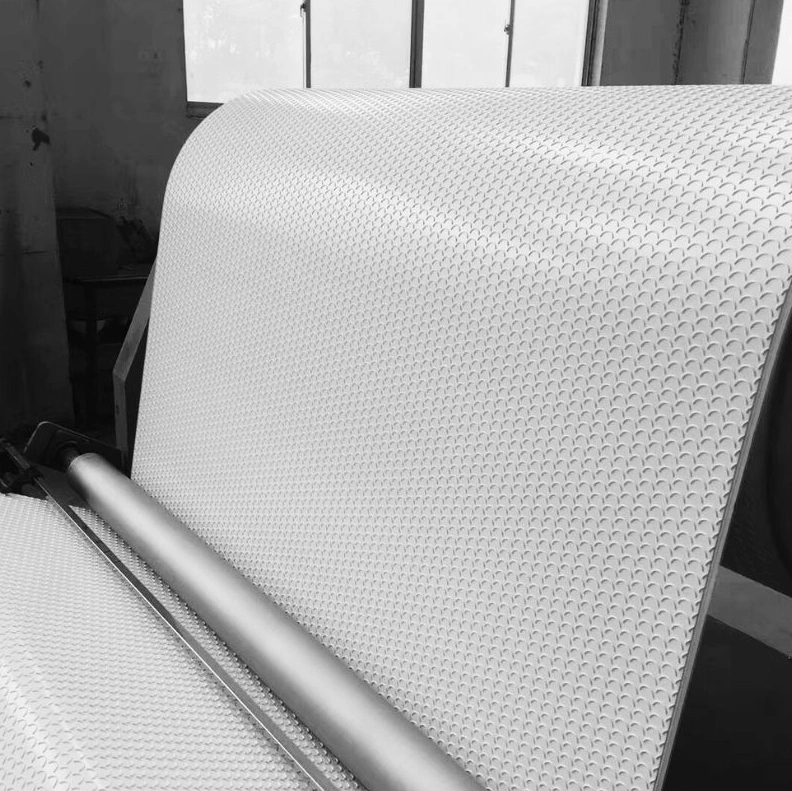
Designers craft PVC belts with level, unbroken faces. As a result, food scraps find fewer nooks to settle, so everyday scrubbing runs quicker and surer. This proves key for items like dough, flour, sugar, and chocolate, which cling easily.
Hence, a level PVC face typically leads to briefer scrub sessions and reduced water use.
Chemical And Moisture Resistance
Food-grade PVC stands up to typical cleaning solutions and avoids taking in dampness. Therefore, it sustains a firm face even following multiple rinses. Unlike metal, PVC shuns rust, so its cleanliness holds steady through the years.
Consistent Performance In Bakery And Confectionery Lines
PVC belts supply solid bendability and grip without harming tender food pieces. They manage repeated starts and halts smoothly, a frequent need in packing and shaping tasks.
In bakeries with extended work periods, reliability outweighs sheer toughness.
How UYANG BELTING’s PVC Belts Promote Food Hygiene
UYANG BELTING puts strong emphasis on food-grade PVC conveyor belts tailored for actual bakery and confectionery setups. A few items shine when cleanliness leads the way.
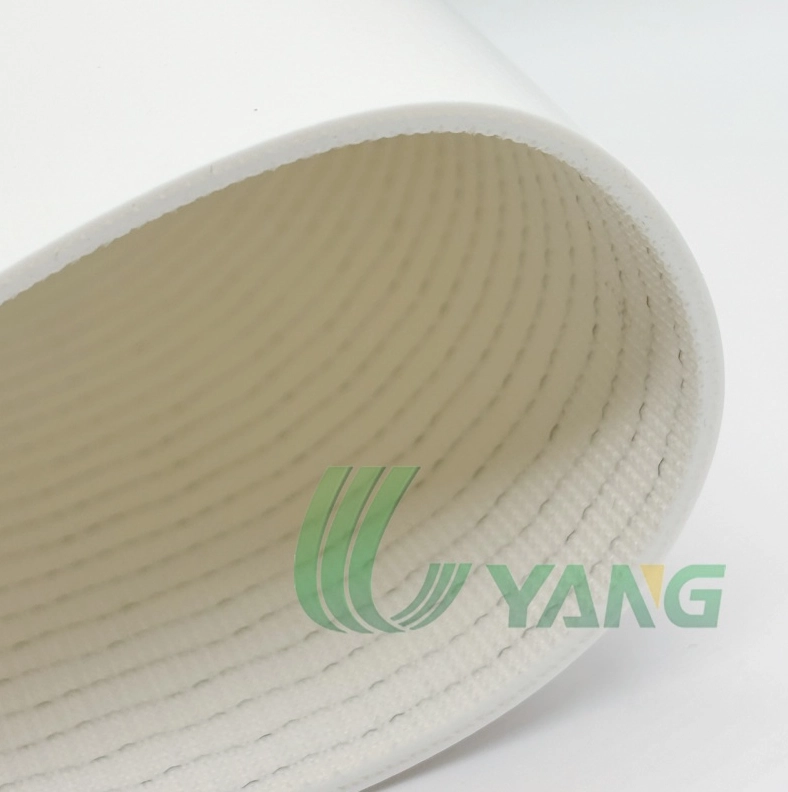
3-Ply White Felt Bakery Conveyor Belt – Soft Surface For Gentle Food Contact
The 3-Ply White Felt Bakery Conveyor Belt suits direct food touch where both mildness and purity count. Its gentle felt layer cuts sticking and aids dough release without rips or bends.
On the hygiene side, the pale face spots dirt readily during checks. Plus, the stacked build offers firmness while simplifying wash steps. Operators often deploy this belt in dough work, rising, and chill stages.
PVC Conveyor Belt – Cotton Top For Bakery Processing
The PVC Conveyor Belt with Cotton Top merges dampness uptake with a safe PVC foundation. The cotton layer tackles extra flour and top wetness, curbing buildup over lengthy runs.
This setup boosts hygiene by curbing scrap pileup and speeding face dry-out post-scrub. It fits well in bread and pastry paths where dough varies through the shift.
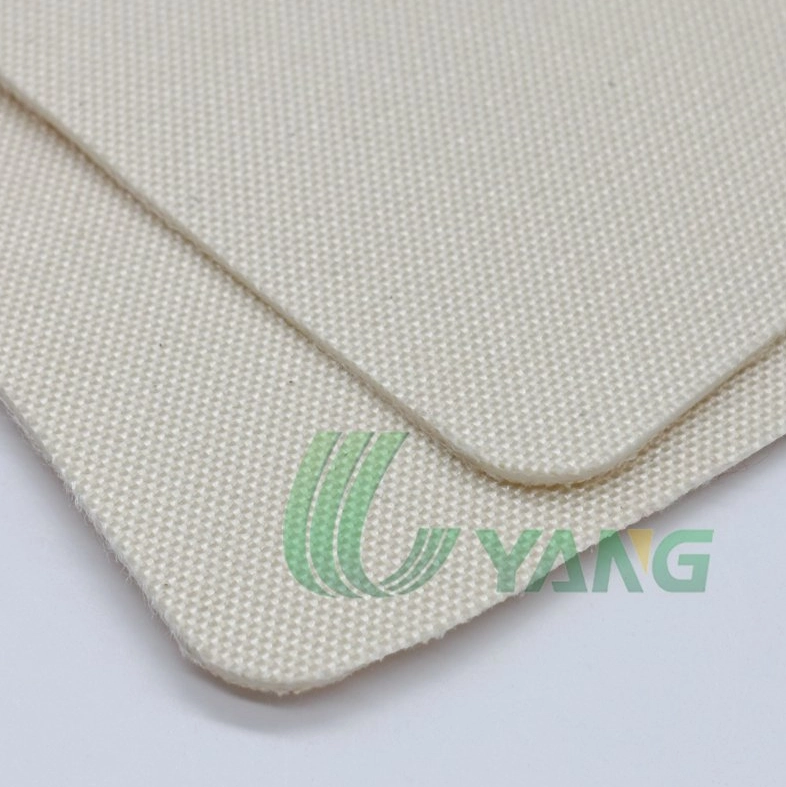
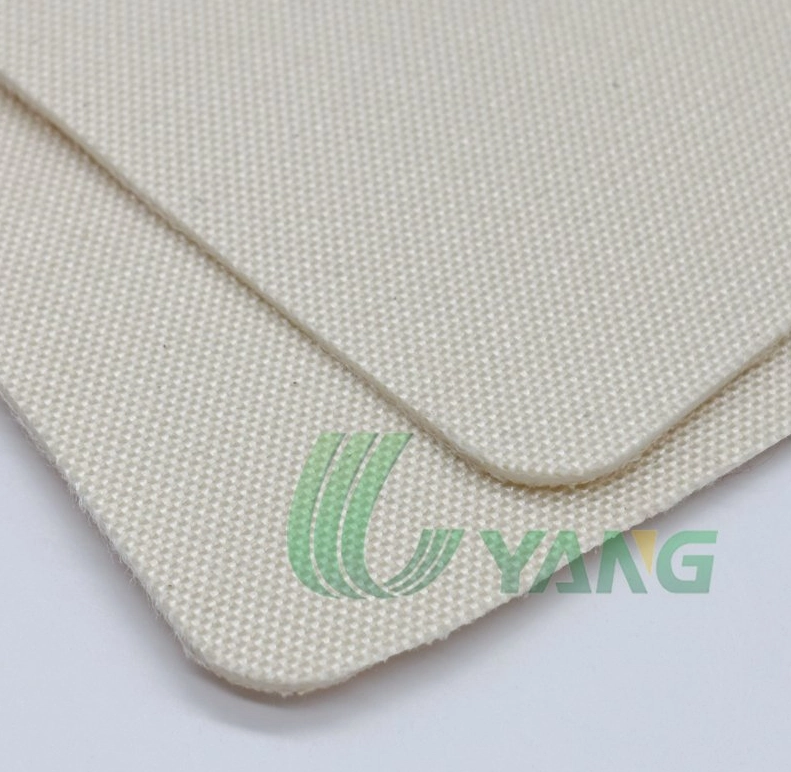
PVC Conveyor Belt – Polyester Fabrics For Bakery And Confectionery Lines
The PVC Conveyor Belt with Polyester Fabrics suits power and purity in busy settings. The polyester core ensures size steadiness, and the PVC face cleans simply while fending off oils and sugars.
It works reliably in confectionery tasks, where clingy parts and regular cleans mark the routine. The build keeps a pure face intact without losing sturdiness.
When Might Metal Belts Still Be Considered In Food Applications?
Even with their drawbacks, metal belts do not vanish entirely from food handling.
High-Temperature Or Heavy-Duty Processes
For tasks in bake ovens or intense warmth, metal belts manage heats that routine PVC cannot touch. Yet these spots usually limit to set phases, not whole lines.
Specialized Applications With Proper Sanitation Protocols
Certain sites pour funds into upscale wash gear made just for metal belts. With apt arrangements, purity risks stay in check, although expenses and hassle rise.
Integration With Automated Cleaning Systems
Pairing metal belts with auto CIP setups can still apply. However, this fits mainly in vast-scale works.
How To Choose Between Metal And PVC For Your Food Line
Picking the apt belt material hinges on routine work facts, not solely data sheets.
Assessing Your Product Type And Processing Conditions
Clingy, yielding, or fragile food goods thrive more on PVC belts. Metal ones may fit firm or heat-worked items, yet they prove less kind in bakery spots.
Evaluating Cleaning And Maintenance Practices
When quick scrubs and low worker needs count, PVC belts hold a plain edge. Straightforward wash habits often yield stronger rule-following.
Balancing Cost, Hygiene, And Operational Efficiency
Though metal belts might endure longer at times, PVC ones frequently trim total run costs via simpler scrubs, fewer halts, and firmer purity oversight.
For countless food makers, notably bakeries, PVC conveyor belts from trusted sources like UYANG BELTING hit the sweet spot of safety and smooth flow.
FAQ
Q1: Are PVC conveyor belts safe for direct food contact?
A: Yes. Food-grade PVC conveyor belts see wide use in bakery and confectionery handling. Made to FDA or EU benchmarks, they suit direct touch and stay easy to maintain clean.
Q2: Do PVC belts wear out faster than metal belts?
A: PVC belts may falter under peak heat unlike metal, but in standard food tasks, they deliver steady runs and extended use with less upkeep work.
Q3: Which conveyor belt material is better for bakery hygiene?
A: In most bakery tasks, PVC conveyor belts yield superior hygiene thanks to even faces, simpler scrubs, and standoff against dampness and food scraps.