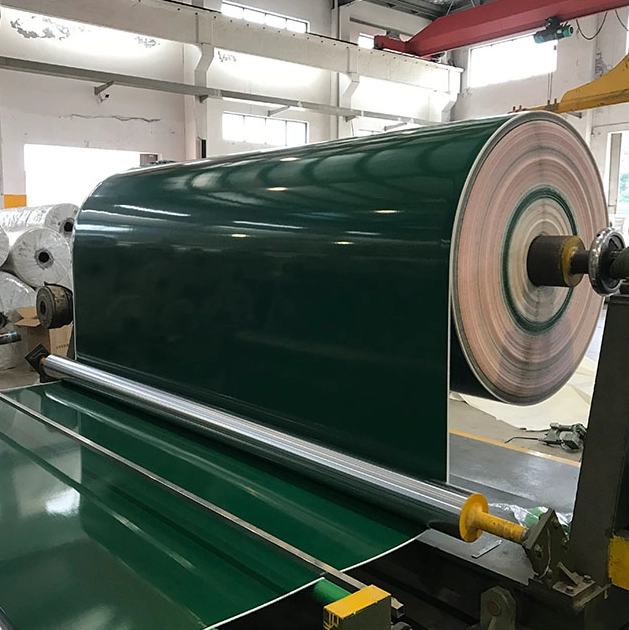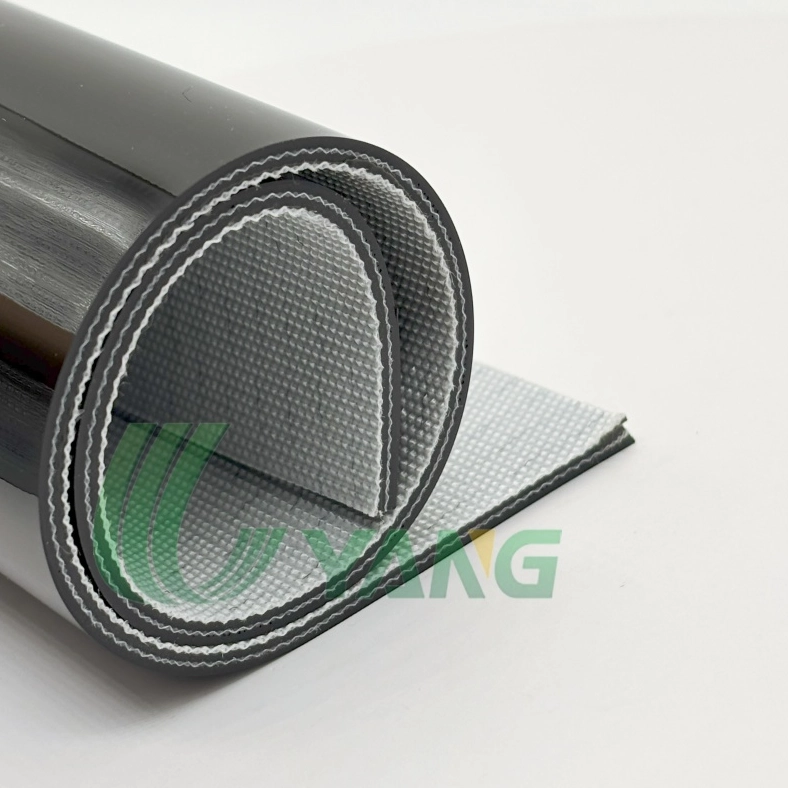
The worldwide conveyor belt industry follows a marked path of growth, with forecasts pointing to USD 8.2 billion by 2034. Sectors including mining, steel production, and cement operations are increasing their activities to satisfy international construction needs, so the equipment that shifts these items must possess enhanced durability. Even though various materials are available, black PVC stands out as a preferred option for numerous demanding installations. This preference goes beyond basic sturdiness, as these belts effectively manage the routine demands of a productive industrial site.
Why Is the Global Market Shifting Toward High-Performance Polymer Belts?
This change amounts to more than a temporary fashion, since data supports its foundation. The polymer category by itself held a value of $4.4 billion during 2024. Firms are transitioning from outdated, cumbersome setups because contemporary polymers such as PVC deliver a blend of pliability and solid power that few alternatives can match.
Steady Growth in the Polymer Segment
The polymer area expands at a consistent rate of 4.5 percent. Such development holds little surprise, particularly when one examines how substances like PVC, polyurethane, and rubber receive adjustments for particular tasks. Among intense usage areas, emphasis falls on withstanding wear from friction and coping with contact from chemicals without breaking down.
Expansion of Global Infrastructure and Logistics
Large-scale ventures are appearing across many regions, such as the vast Daxing Beijing International Airport and India’s “smart cities” effort. These initiatives require enormous quantities of cement and steel, which consequently drives demand for conveyor mechanisms that transport basic materials without pause. When handling such substantial amounts, the decision on belts can directly influence whether a project meets its schedule or faces delays.
Strategic Need for Cost-Effective Automation
Establishing a fabrication plant demands significant funds, and elevated upkeep expenses can severely impact a company’s finances. For this reason, efforts focus on automation options that endure over time. Although purchasing a sturdy PVC belt may initially feel like a notable expense, it ultimately prevents issues by avoiding frequent halts and fixes down the line.
How Does UYANG BELTING Solve Challenges in Steep-Angle and Heavy-Duty Transport?
Attempting to elevate goods along a sharp rise brings gravity as the primary obstacle. Standard level belts fail to perform adequately when exceeding a 16-degree slope, so innovative patterns become crucial, and UYANG BELTING has invested considerable effort in devising ways to ensure materials remain in place.
Superior Grip With Black Crescent Top PVC Belts
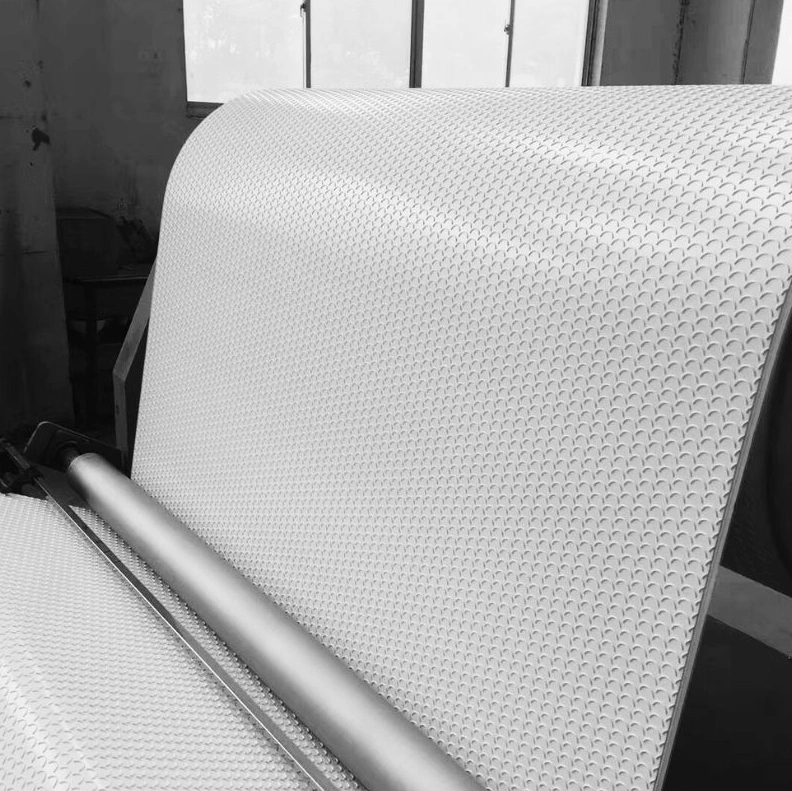
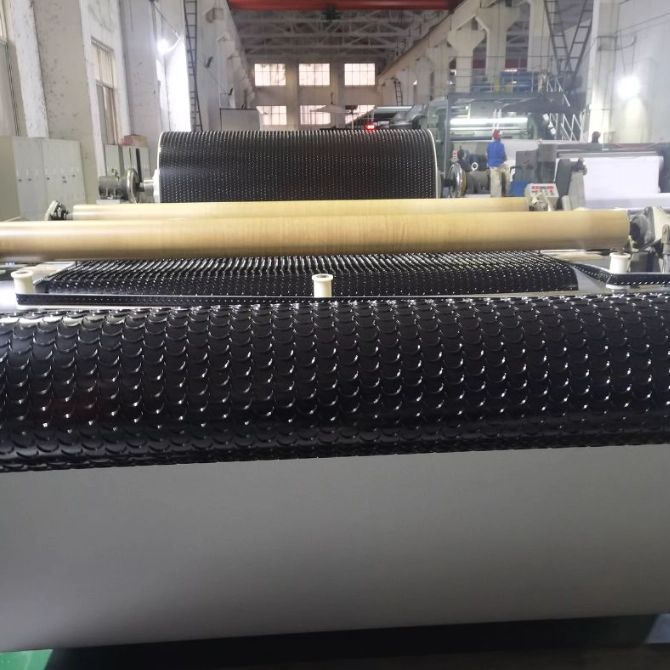
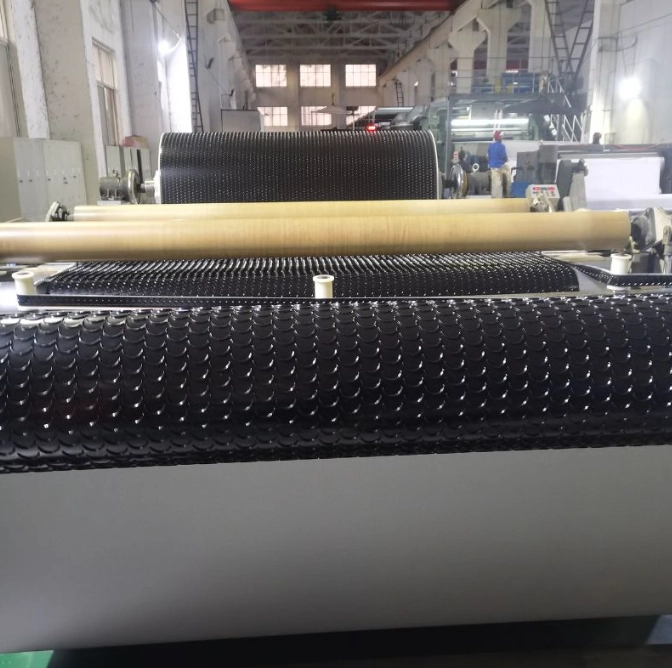
UYANG’s Black Crescent Top PVC Conveyor Belt proves highly effective for sloped tasks. Its distinct “crescent” design functions similarly to small ridges that securely hold onto loads and stop them from slipping rearward. This feature aligns perfectly with rigorous activities like managing chips or shifting ores under conditions of pronounced angles.
Impact Resistance for Industrial Environments
Fields like mining and building subject belts to repeated stress. Workers frequently place dense stones, minerals, or metal components on the top layer, but the PVC in these belts absorbs such forces well. Consequently, it remains firm, bounces back from pressure, and avoids tearing upon first encounter with a jagged limestone edge.
Custom Solutions for Diverse Application Segments
No matter if operating in a “medium-weight” field such as recycling or a “heavy-weight” area like steel making, the belt must align with the cargo weight. UYANG BELTING’s selection spans these levels, making certain that sites like a cement works in China or a steel plant in North America obtain belts properly suited to their hauling capacities.
What Makes PVC the Ideal Choice for High-Traffic Commercial Environments?
The scope includes more than just conveying stones and metals, as a major share of the market—around 73.2 percent—consists of level belts applied in production and sales outlets. Within these environments, the ideal qualities involve quiet function, simple upkeep, and reliable performance.
Low Friction Performance of Black Matte PVC Belts
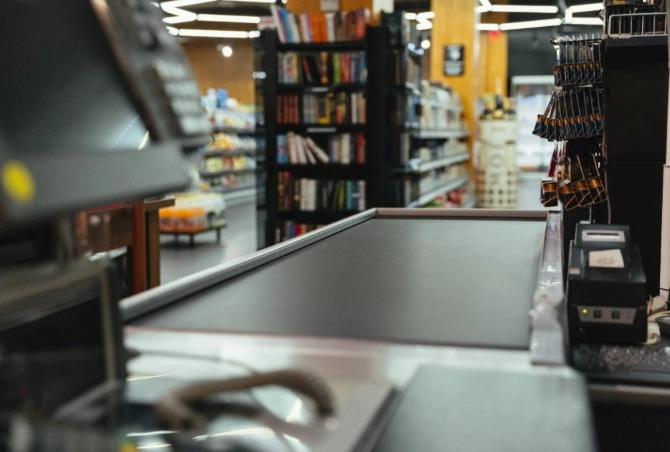
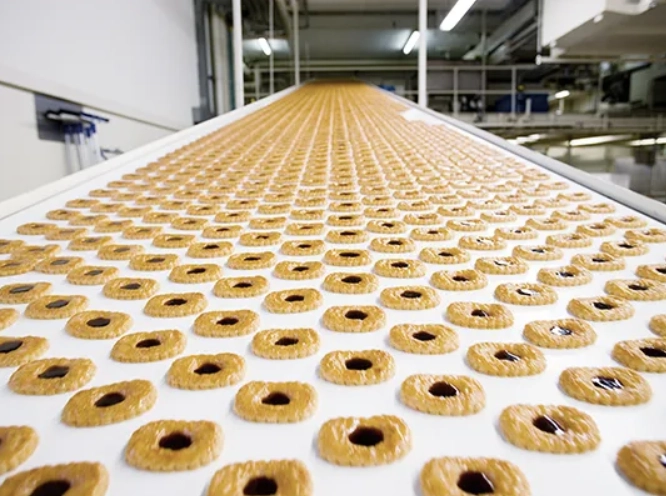
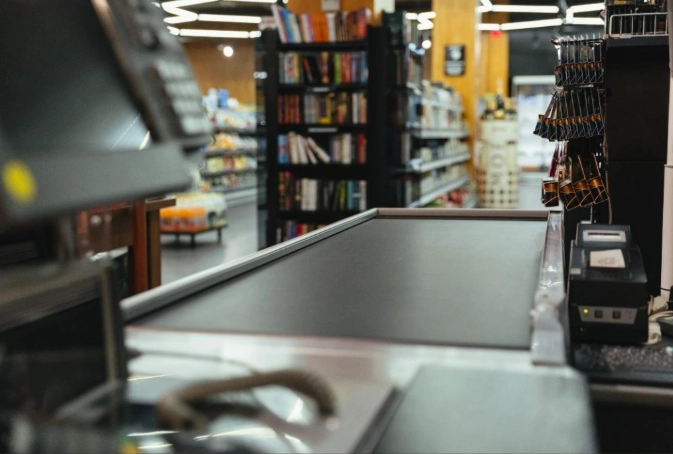
Consider a grocery register or an active shipping center; the belt requires even motion beneath goods without hesitation. The Black Matte PVC Conveyor Belt features a surface with reduced resistance to sliding. As a result, the drive unit operates with less strain, and the objects atop avoid abrupt shifts.
Durability for Continuous Logistics Operations
The surge in online shopping, along with fast-paced routines that boost intake of sealed foods, keeps logistics sites active around the clock. Such settings demand a belt capable of enduring countless repetitions. Beyond its polished look, the matte layer offers a sensible option that conceals signs of use while preserving hold over extended periods.
Ease of Maintenance and Chemical Resistance
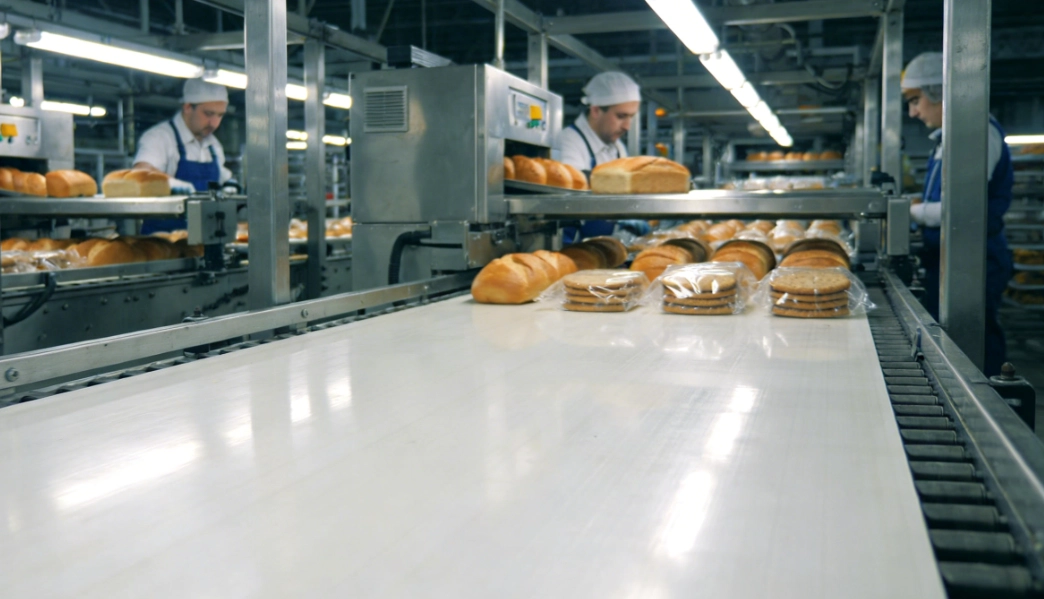
PVC’s standout benefit lies in its straightforward sanitation. In food handling and wrapping sectors, where spills occur often, the option to clean the belt quickly and have it withstand greases or detergents provides clear advantages. This keeps processes hygienic and extends the belt’s service far beyond that of absorbent fabrics.
Why Is Surface Versatility Key to Manufacturing and Packaging Success?
Production setups are becoming increasingly intricate, potentially shifting fragile devices in one moment and bulky packages in the next. Flexibility serves as the central element, which explains why even-surfaced belts retain their leading position on shop floors.
Adaptability of Black Smooth PVC Conveyor Belts
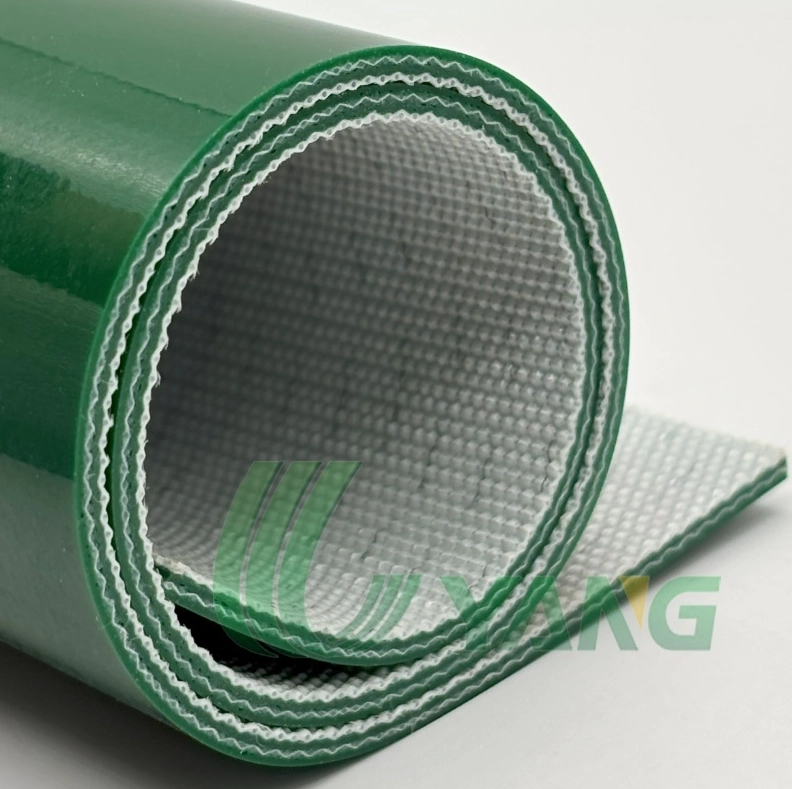
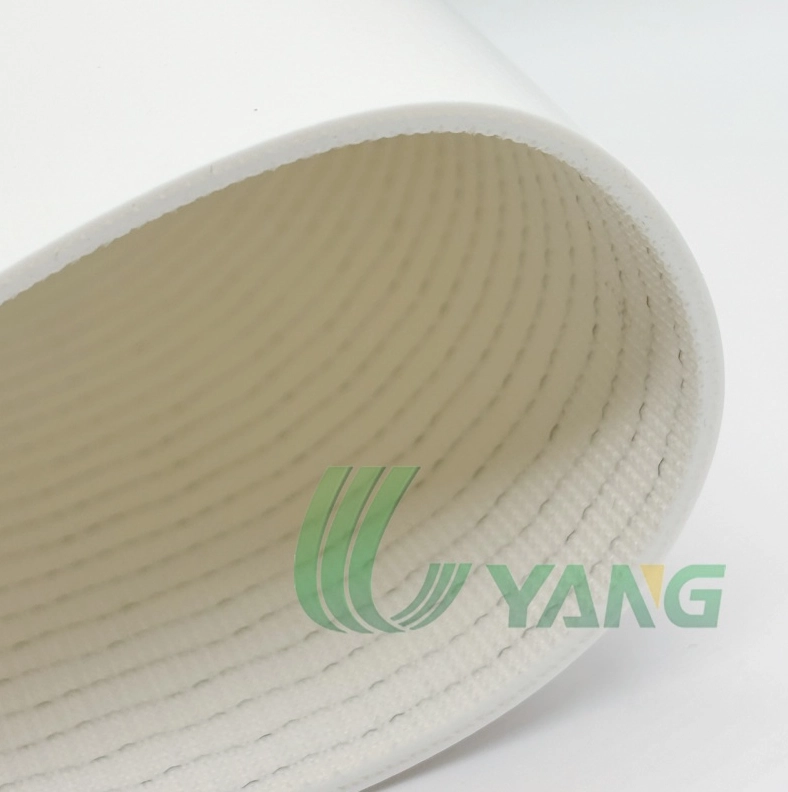
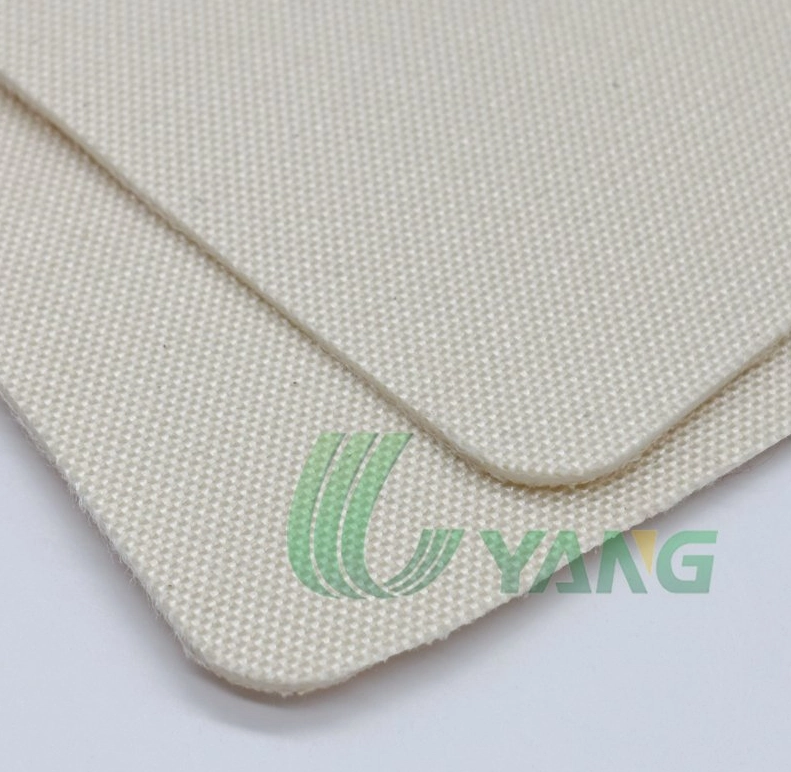
The Black Smooth PVC Conveyor Belt likely ranks as the most flexible device in use. With its even and unridged form, it accommodates virtually all kinds of loads or items. Regardless of fitting into a “portable” or “stationary” arrangement, it reliably supports routine production and logistics functions.
Optimization for Modern Supply Chains
Logistics pathways in locations like Germany and the UK devote resources to mechanization. These frameworks depend on detectors and rapid flow, where a smooth PVC belt supplies a uniform base that does not interfere with light-based sensors, thus suiting advanced categorization facilities that drive worldwide commerce.
Integration With Intelligent Monitoring Systems
Current conveyor configurations are advancing with smart oversight tools that evaluate strap tightness, damage, and velocity. UYANG BELTING produces these smooth versions to precise standards, allowing them to integrate smoothly with such systems and aiding companies in achieving sustainable and power-saving targets set by major firms.
How Can Businesses Overcome Economic Barriers to Advanced Conveyor Adoption?
The topic of expense commands attention, especially for smaller enterprises in emerging zones, where the large capital outlays for updated plants seem overwhelming. Yet, methods allow for sustainable strategies without financial ruin.
Long-Term Value Through High-Performance Materials
This reflects the common issue of opting for bargain items only to replace them shortly. A basic belt could cut immediate costs, but its breakdown after mere months incurs idle time fees exceeding the initial outlay for a superior PVC type. Materials of high caliber from UYANG BELTING represent a commitment to uninterrupted operations.
Strategic Partnerships With Specialized Manufacturers
Independent resolution proves avoidable, as leading groups perform ongoing research so clients need not. Partnering with an expert grants entry to cutting-edge features—like belts consuming minimal power or bearing greater weights—without requiring deep knowledge in polymer fields.
Future-Proofing via Scalable Conveyor Solutions
Competition in the sector will heighten as 2034 nears. Selecting an adaptable belt framework today avoids full overhauls when output expands. Be it incorporating extra sloped parts or accelerating wrapping processes, a reliable PVC base provides space for future scaling.
FAQ
Q1: What is the difference between a Crescent Top and a Smooth PVC belt?
A: The key distinction involves traction. A Smooth PVC belt suits level shifting and standard wrapping, where items advance without restriction or permit simple organization. In contrast, a Crescent Top belt incorporates a raised “half-moon” layout crafted to secure loads firmly, positioning it as the preferred pick for elevating goods on steep rises to prevent slippage.
Q2: Can these black PVC belts be used in food processing?
A: Yes, though suitability varies by context. PVC typically resists chemicals and cleans readily, benefiting “pre-processing” and “bottling/packaging” stages. Still, for managing fresh, uncovered foods, verify dedicated food-grade approvals to confirm the substance complies with protection norms for direct handling.
Q3: How long do these belts typically last in a heavy-duty environment?
A: Duration hinges on cargo, surroundings like warmth or chemical contact, and care routines. That said, opting for a belt specified for “heavy-weight” roles and maintaining correct pulley setup ensures these belts endure for years. Employing “intelligent monitoring” further detects degradation soon, greatly prolonging the setup’s overall duration.