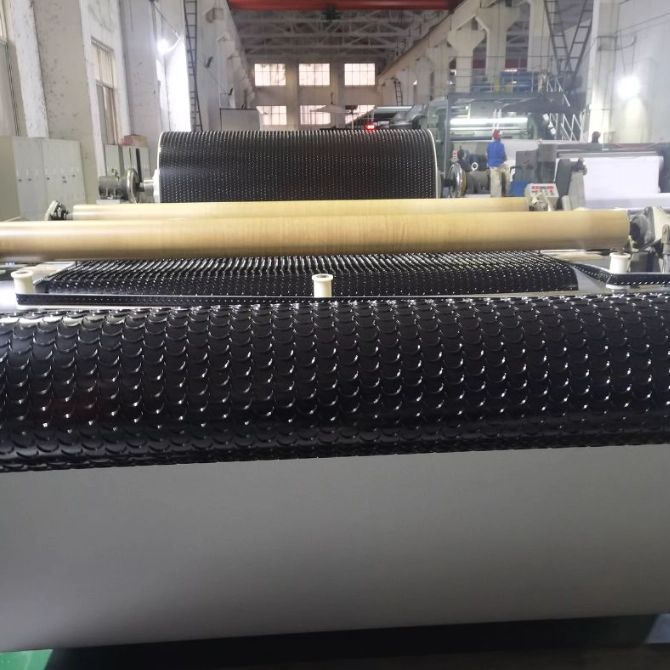
The global conveyor belt market experiences steady expansion, advancing from USD 5.7 billion in 2024 to a forecasted USD 8.2 billion by 2034. This progress arises primarily from significant increases in mining, steel, and food production sectors. Amid these vigorous industrial efforts, PVC (Polymer) belts stand out as a primary selection for various plant supervisors. These belts provide robust construction, effective management of chemicals, and economical maintenance requirements.
In the past, the sector depended substantially on rubber or metal for numerous applications, yet the transition to lighter, adaptable polymer substances proves difficult to overlook. Actually, the polymer division generated USD 4.4 billion in 2024, expanding more quickly than numerous alternative categories. For organizations striving to maintain assembly lines with few interruptions, choosing the suitable belt substance essentially establishes the basis for the entire process.
Why Is PVC the Leading Choice for Modern Industrial Efficiency?
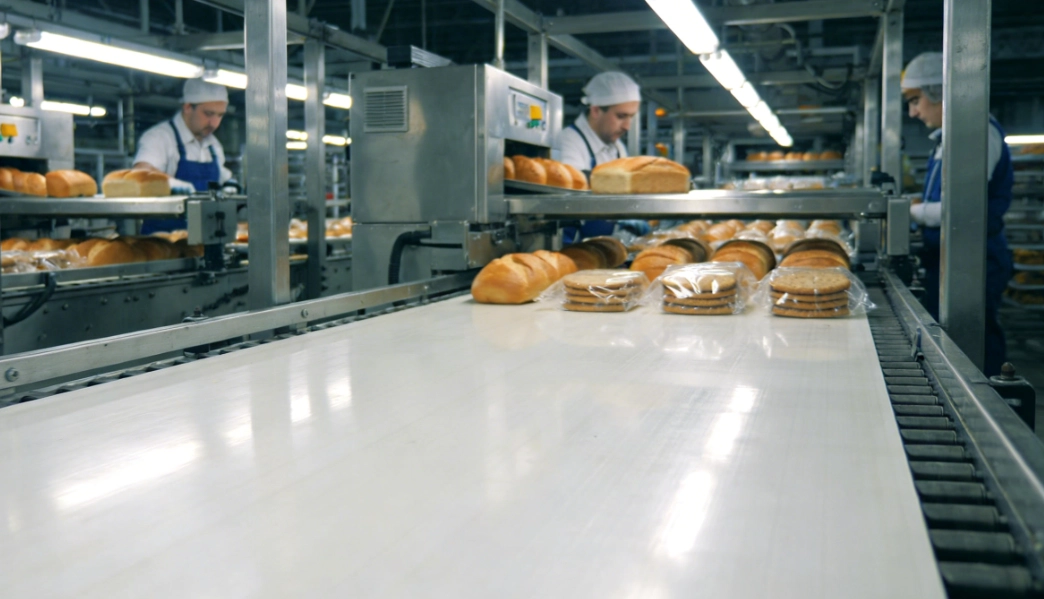
The choice ultimately relates to the manner in which these belts endure routine demands. In contrast to previous materials that could fracture or absorb oils, PVC remains firm. It features inherent protection against chemicals and oils, which renders it suitable for packaging or food processing lines. Moreover, its simple cleaning method allows continued operation, thereby reducing periods of inactivity while awaiting service personnel.
High Chemical Resistance and Simplified Maintenance
Typical factory environments differ from sterile spaces; instead, they involve disorder, lubrication residues, and various cleaning substances. PVC belts endure such particular pressures without disintegrating. Since they resist adverse reactions to most industrial chemicals, these belts achieve longer service life and avoid frequent replacements every few months. This level of dependability accounts for the projected consistent growth of the polymer segment at a 4.5% CAGR during the upcoming decade.
Versatility Across Diverse Global Industry Segments
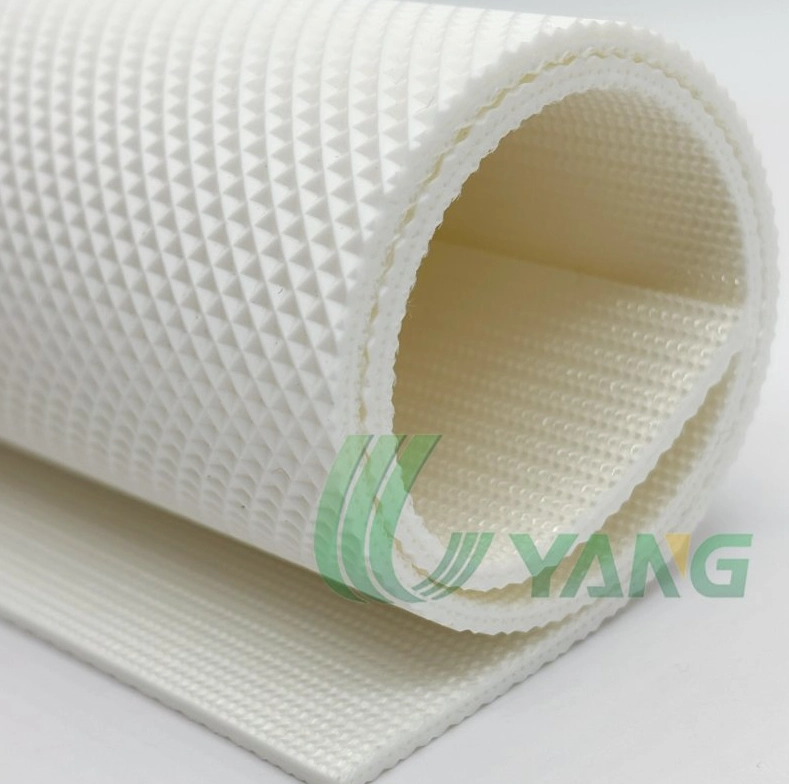
A notable aspect of PVC involves its potential for adjustment to suit different tasks. For example, whether a belt requires greater flexibility for compact pulleys or enhanced traction, polymer-based options like PVC and TPE allow customization for nearly all light to medium duties. This flexibility precisely explains the substantial revenue portion these materials have captured in recent years within the industry.
Optimized Performance for Inclined and Flat Conveyance
Horizontal belt configurations serve as essential components in the sector, comprising over 73% of the market. PVC functions effectively in these arrangements because it manages elevations up to 16 degrees without uncontrolled slippage. Whether transporting containers in storage areas or elements in production facilities, the adhesion and firmness of a horizontal PVC belt maintain even and reliable progression.
How Does UYANG BELTING Enhance Specific Sector Operations?
A standard belt may suffice for certain uses, but most enterprises require options aligned with their particular procedures. Specialized configurations address this need. UYANG BELTING utilizes these core PVC advantages and tailors them to precise areas—such as retail stores, exercise devices, or tire production—to ensure the belt effectively resolves user challenges.
Specialized Solutions for High-Traffic Supermarket Checkouts
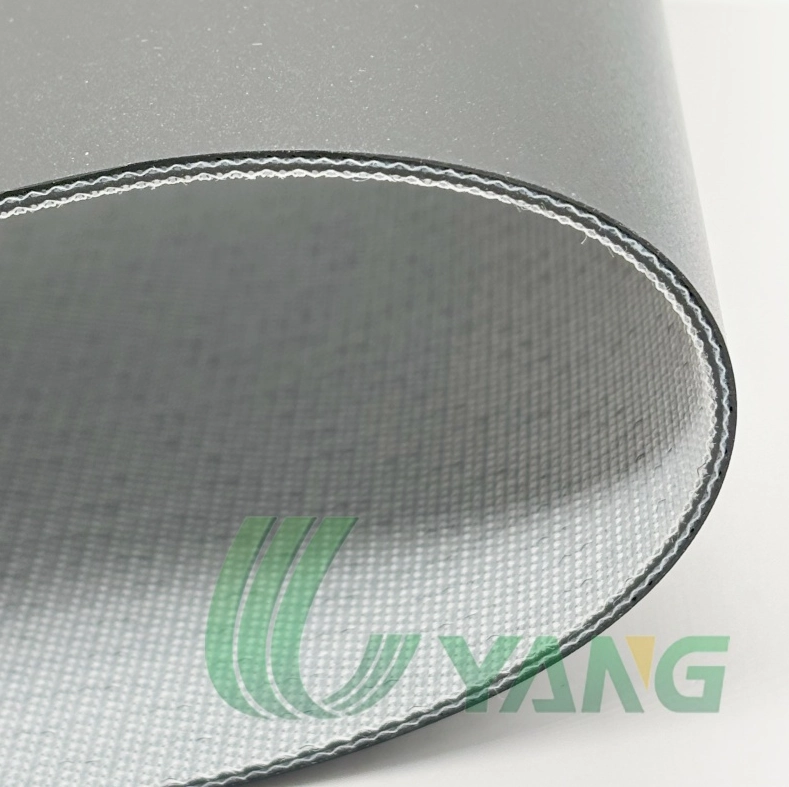
For instance, the Black Matte PVC Conveyor Belt from UYANG BELTING illustrates this approach. In commercial contexts, a glossy surface might reflect intense ceiling lights into operators’ vision throughout the day. The non-reflective coating resolves this distraction while enabling quiet advancement at payment points. This serves as an excellent demonstration of how a straightforward material decision can create substantial improvements in busy settings, where client satisfaction holds equal importance to the underlying technology.
Advanced Grip and Comfort for Fitness Treadmill Belts
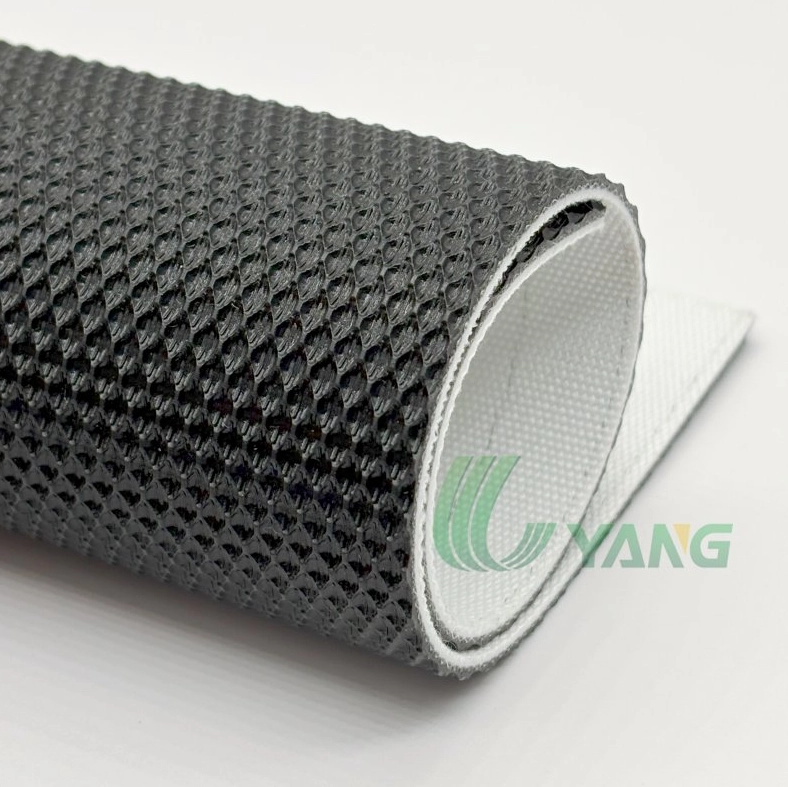
On the exercise front, the PVC Golf Top belt equipped with a cotton fabric base represents a fundamental element for treadmills. The textured “golf” surface supplies essential hold for participants, preventing unintended shifts, and the cotton layer underneath ensures low noise levels while diminishing resistance that often leads to motor failure. With rising expenditures on wellness and household appliances, the need for these specialized production belts steadily increases.
Heavy-Duty Durability for Tire Manufacturing Facilities
In demanding locations such as tire production sites, PVC maintains relevance. The Polyester Woven Cotton Top belt accommodates thermal conditions and the viscous properties of unprocessed rubber. As the automotive and steel fields witness notable recovery in areas like North America—which accounts for approximately 34% of the market—possessing a belt that withstands plant temperatures delivers a significant advantage for operations.
What Economic Factors Are Driving PVC Belt Adoption?
Financial aspects typically determine the prevailing technology in the long term. Although certain groups encounter challenges with the elevated expenses of installing large conveyor networks, PVC provides some relief. Generally, it costs less to manufacture and position than durable metal systems, positioning it as a preferred choice for companies aiming to expand without depleting resources.
Lowering the High Barriers of Initial Capital Investment
Establishing a production site demands considerable funds, with structures, equipment, and systems all vying for allocation. For smaller operations or those in emerging locales, the substantial maintenance and startup expenditures create formidable obstacles. PVC belts assist in reducing these barriers, as they offer economical purchase and operation without the need for dedicated engineering staff solely for upkeep.
Meeting the Surging Demand in Emerging Infrastructure Projects
Consider the developments in Asia. China directs the conveyor sector’s progress through extensive initiatives in mining, steel, and food processing. Between China’s urban development and India’s “100 smart cities” program, an urgent requirement exists for trustworthy conveyor setups to transport construction elements. PVC frequently emerges as the sensible option for these dynamic infrastructure efforts, owing to its reliability and rapid deployment.
Boosting Productivity in High-Growth General Manufacturing
The focus extends beyond large structures like bridges and high-rises; it encompasses everyday purchases. Escalating earnings result in increased acquisitions of vehicles and domestic devices. This surge in general manufacturing imposes considerable demands on production areas to generate more output at quicker paces. Medium-weight PVC belts play a key role here, sustaining those production flows to fulfill the expanding worldwide demand for consumer items.
Can Intelligent Design Solve Safety and Automation Challenges?
Contemporary factories incorporate greater intelligence, and belts must align with this evolution. Observers note a substantial shift toward automation and intelligent logistics. Transport now involves more than basic relocation from one point to another; it requires seamless incorporation with sensors, mechanical appendages, and AI-supported classification mechanisms.
Integration with Modern Automation and Logistics Devices
Recent advancements in logistics and production drive demands for advanced automation. PVC belts prove suitable for this, as they support the addition of smart surveillance tools that monitor wear or velocity in real time. As a result, this capability averts unexpected malfunctions that might compromise an entire day’s output targets.
Enhanced Material Safety through Robust Technical Solutions
Safety commands attention today, with considerable emphasis on ensuring automated equipment avoids becoming dangerous. Sturdy methods for material control—such as employing belts with versatile structures—guarantee proper alignment and personnel security. A carefully crafted PVC belt goes beyond mere transport; it achieves this while reducing potential dangers in the workspace.
Support for Sustainable and Energy-Efficient Manufacturing
Global efforts toward environmental responsibility influence the conveyor field as well. Organizations like Bridgestone and Bando already develop belts that consume less power and produce minimal waste. PVC belts align with this pattern because they typically weigh less than metal equivalents, which means drive units exert less effort to operate them. That modest reduction in mass can accumulate into considerable reductions in electricity expenses over a year of nonstop function.
FAQ
Q1: Why should I choose PVC over rubber for my conveyor system?
A: The decision hinges on the items being transported. Rubber performs well for substantial rocks and extraction tasks due to its abrasion resistance. However, in food, packaging, or light production settings, PVC generally excels because it manages chemicals more effectively, cleans with ease, and incurs lower maintenance costs.
Q2: How do PVC belts handle inclines?
A: They cope adequately. Conventional horizontal PVC belts typically support elevations to 16 degrees. For steeper requirements, a “cleated” belt with small ridges or barriers becomes necessary to halt items from slipping downward.
Q3: Are PVC belts durable enough for heavy industry?
A: PVC primarily serves lightweight and medium-weight purposes. In areas like food, retail, and general production, it demonstrates exceptional endurance. That said, for severe tasks such as shifting raw iron ore or large aggregate pieces, heavy-duty rubber or metal belts would be more appropriate.