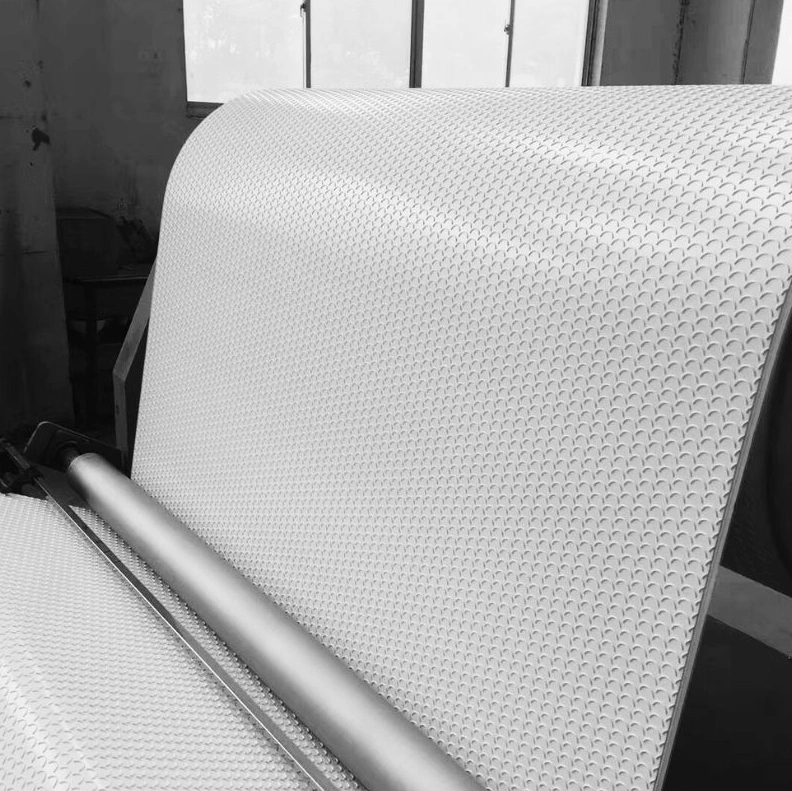
Current factories count on even and firm material transport. In fields such as food processing, logistics sorting, packaging lines, or light manufacturing, conveyor belts ensure production proceeds without hitches. Among the various belt materials offered these days, PVC conveyor belts see broad use since they supply toughness, bendability, and fairly straightforward care.
During the last few years, China has turned into a key global source for PVC conveyor belts. Plenty of overseas buyers now get belts from Chinese makers because they strike a fair mix of cost, methods, and output volume. Outfits like UYANG BELTING have aided in forming this image by providing sturdy conveyor belts to customers in assorted fields.
This guide covers why PVC conveyor belt manufacturers in China draw global notice, what renders a belt genuinely tough, and ways to pick the proper sort for certain industrial wants.
Why Are PVC Conveyor Belt Manufacturers in China Gaining Global Attention?
China’s conveyor belt field has expanded fast in the previous ten years. World need for automated output and material handling setups rises steadily, and Chinese makers have placed themselves as main providers in this area. Before checking out certain items, it pays to see what sets China’s conveyor belt field apart.
Strong Manufacturing Capacity and Industrial Supply Chains
China holds one of the fullest industrial supply chains worldwide. Starting from polymer base materials to fabric support layers and surface handling tech, almost each part of conveyor belt making can happen inside one production network.
This linked setup assists makers in keeping regular output even as worldwide supply chains shift. For customers, this leads to faster wait times and solid delivery plans.
Big output scales let plants deal with both basic orders and custom belt specs without big waits. Groups like UYANG BELTING run up-to-date production paths that back diverse belt depths, finishes, and field uses.
Competitive Pricing with Reliable Quality Standards
Expense savings rank as a top cause why many foreign sellers opt for Chinese conveyor belt sources. Making costs hold steady against makers in Europe or North America, but the standard of work has risen a lot.
Lots of Chinese makers now stick to worldwide making rules and check steps. Tight watch over belt depth, pull power, and surface sameness has grown into usual routine in top plants.
Thus, customers usually see that PVC conveyor belts built in China give firm results while holding gear costs in check.
Wide Range of Conveyor Belt Applications Across Industries
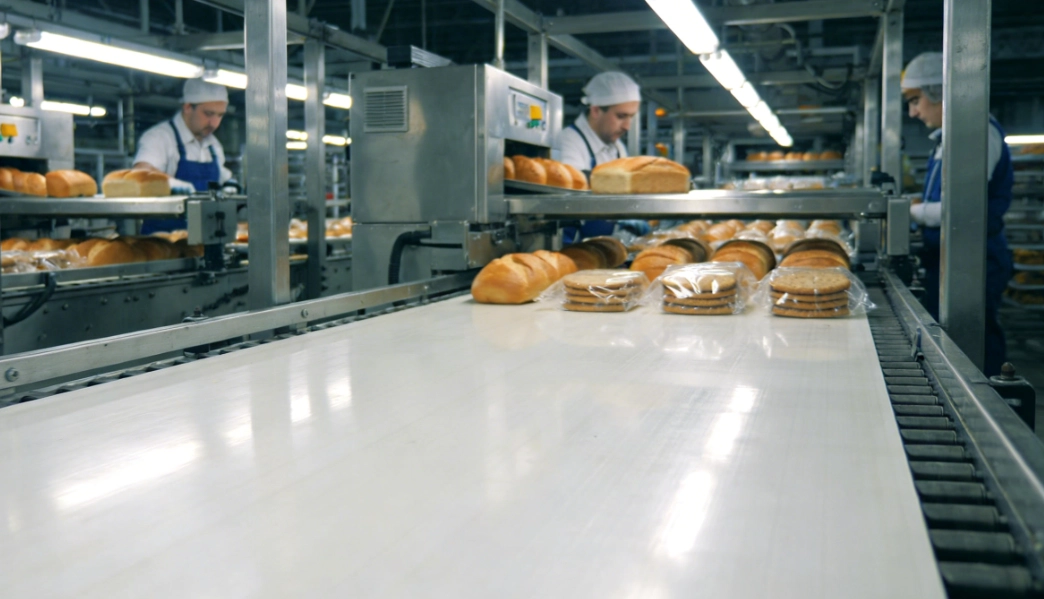
PVC conveyor belts serve in plenty of varied areas. They turn up in food processing paths, packaging spots, airport bag systems, logistics stores, and light making sites.
Since every area manages distinct materials, belt tops and forms need to change too. A few belts stress hold and pull, whereas some put first even tops or mild touch with breakable goods.
Makers in China have grown their item ranges to meet these mixed demands, and that has let them hold a firm spot in world markets.
What Makes a Durable PVC Conveyor Belt Worth Choosing?
Every conveyor belt does not work the same. Toughness hinges on a few layout and material parts that shape how a belt acts in routine output settings. Knowing these parts eases picking a belt that holds up better and works steadily.
High-Quality Polymer Materials and Multi-Layer Construction
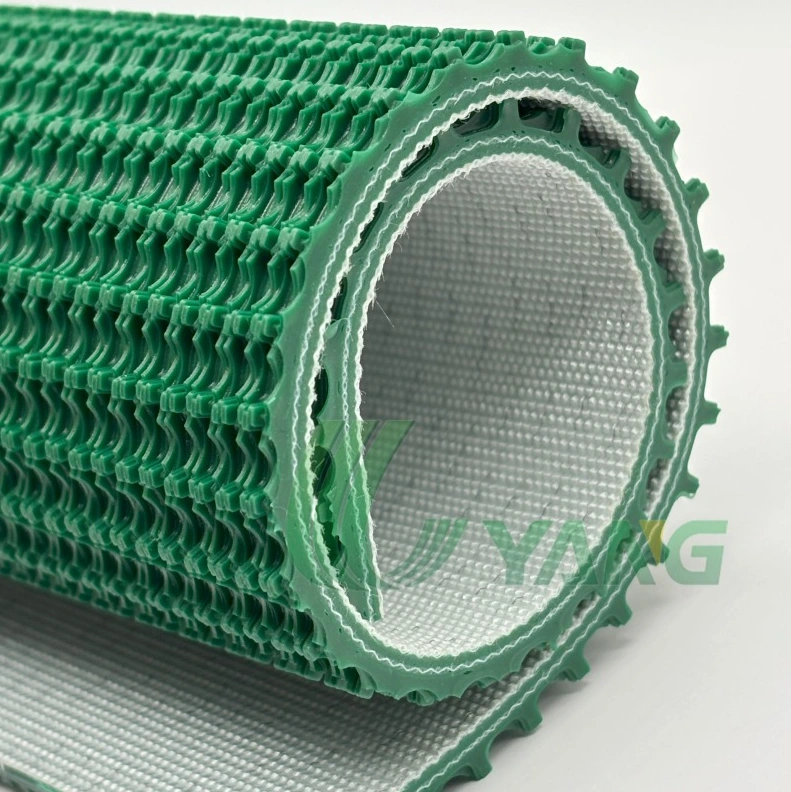
PVC conveyor belts mostly make up of several layers. The outside top gives hold and guard, while inside fabric layers bring power and firmness.
A soundly made belt draws on solid polyester or fabric backing mixed with lasting PVC covers. This stacked form lets the belt stand up to pulling, splitting, and heavy weight push in action.
Makers who watch material standards well often turn out belts with longer run times. Tiny points, like join strength between layers, can bring a clear change as days go by.
Surface Texture Design for Better Grip and Transport Stability
Top layout takes a major hand in how conveyor belts do. Varied finishes aid in guiding how goods shift on the belt. Certain designs raise rub so packs stay put on angled moves, and some build smoother touch tops that shield soft materials.
Selecting the fitting top finish cuts down on good shift troubles and lifts the firmness of the full conveyor setup.
Resistance to Abrasion, Chemicals, and Long-Term Wear
Field settings can turn rough. Conveyor belts face dirt, oils, wetness, and wash agents often. With time, these setups can hurt frail belts.
Tough PVC belts get shaped to take rub and fair chemical touch without form loss. This sort of stand helps trim care stops and holds output paths going evenly.
Which PVC Conveyor Belt Types Are Most Popular in Industrial Applications?
Varied fields need unlike belt traits. Top finish, bend, and depth all sway how a belt does in day-to-day runs. UYANG BELTING gives a few PVC conveyor belt kinds shaped for set material move cases.
Diamond PVC Conveyor Belt for Stable Material Handling
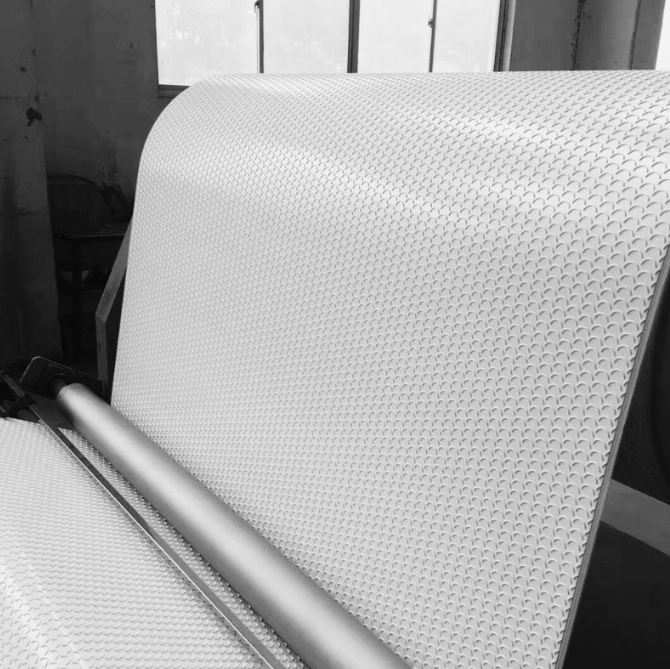
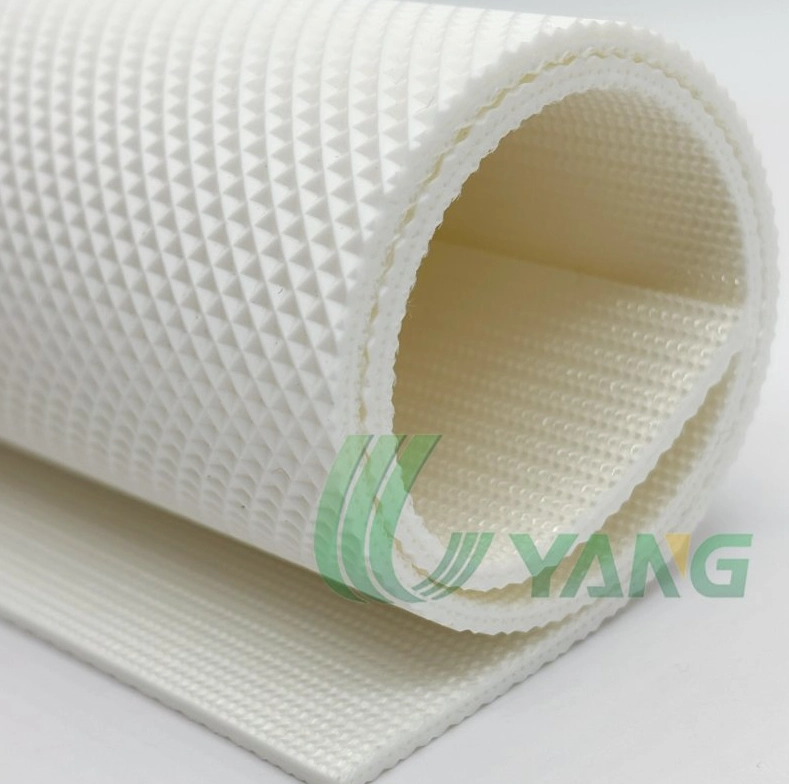
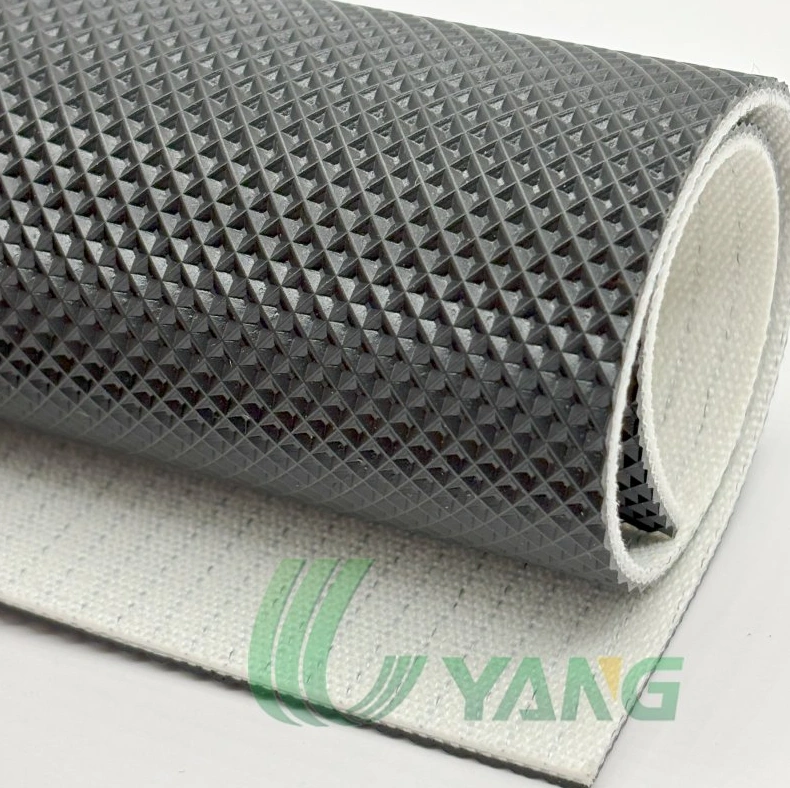
The Diamond PVC Conveyor Belt from UYANG BELTING gets made with a lifted diamond top design that betters hold in transit.
This design aids in stopping goods from sliding when the conveyor works at quicker rates or small slopes. For that, the belt sees usual use in packaging paths, logistics sort setups, and making spots where good firmness counts.
The diamond top also betters toughness because the finished design spreads rub more level over the belt top.
Green Matte PVC Conveyor Belt for Packaging and Logistics Lines
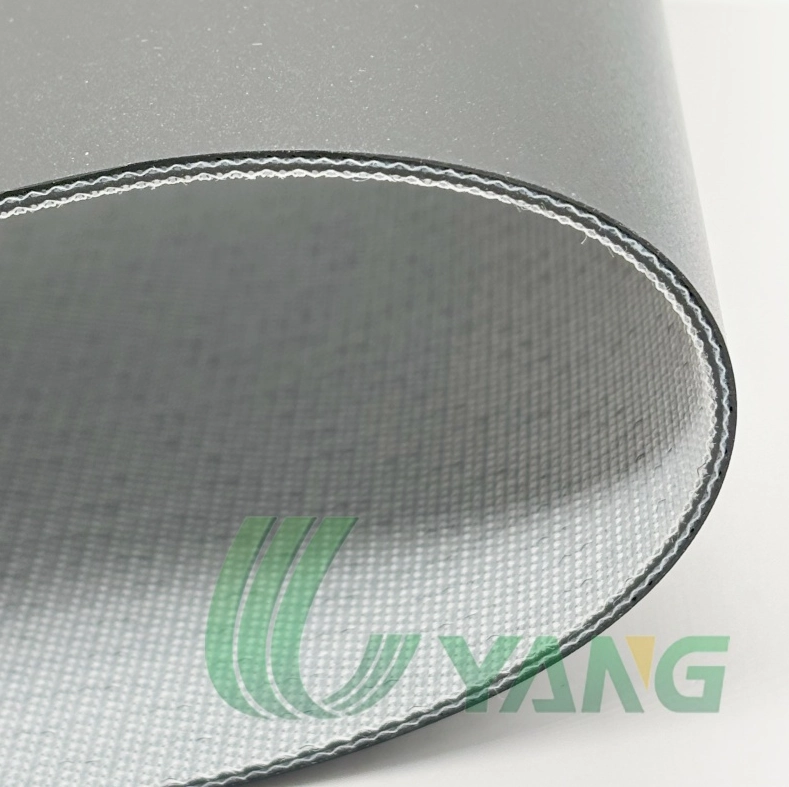
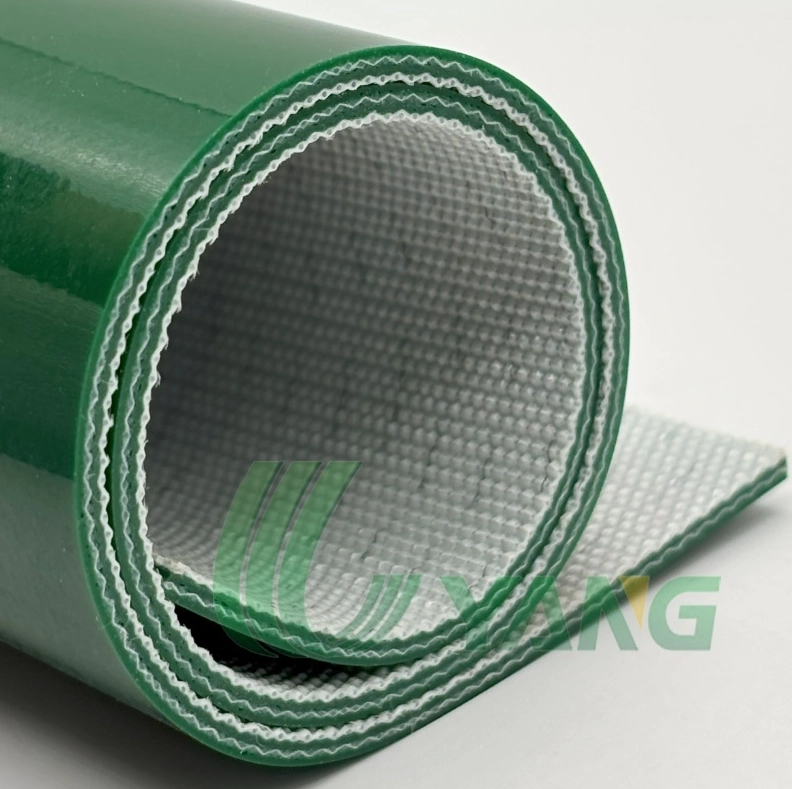
The Green Matte PVC Conveyor Belt shows a sleek matte top that brings managed rub without too much hold. This belt sort fits well in packaging spots where boxes, packs, or light goods shift fast along the path, and the matte end cuts shine under plant lights while keeping even good flow.
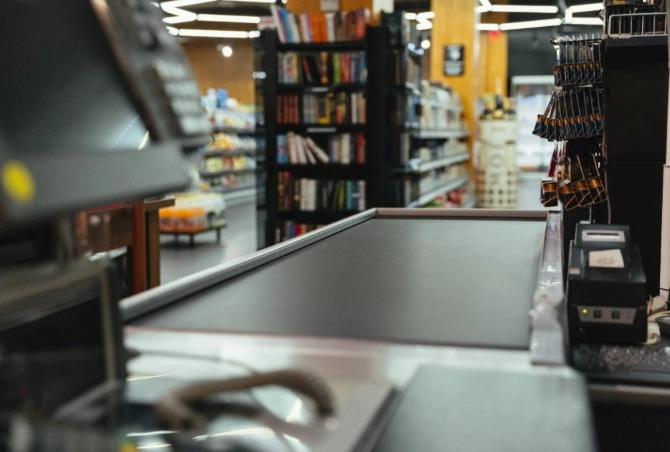
Owing to its even layout, the green matte belt sees wide use in logistics spots, store conveyors, and auto sort tools.
Green NOVO 60 Felt Belt for Food and Soft Material Processing
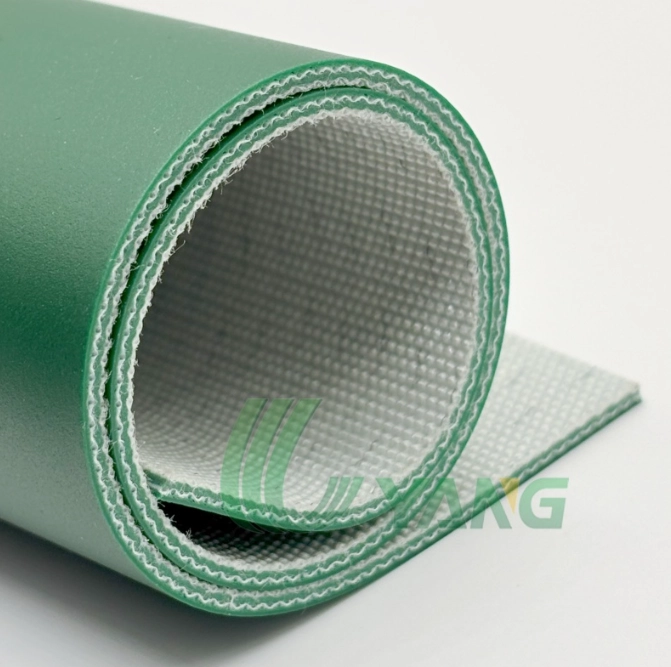
The Green NOVO 60 Felt Belt brings a fresh way. In place of a PVC upper top, it draws on a felt-style form that treats soft goods softly.
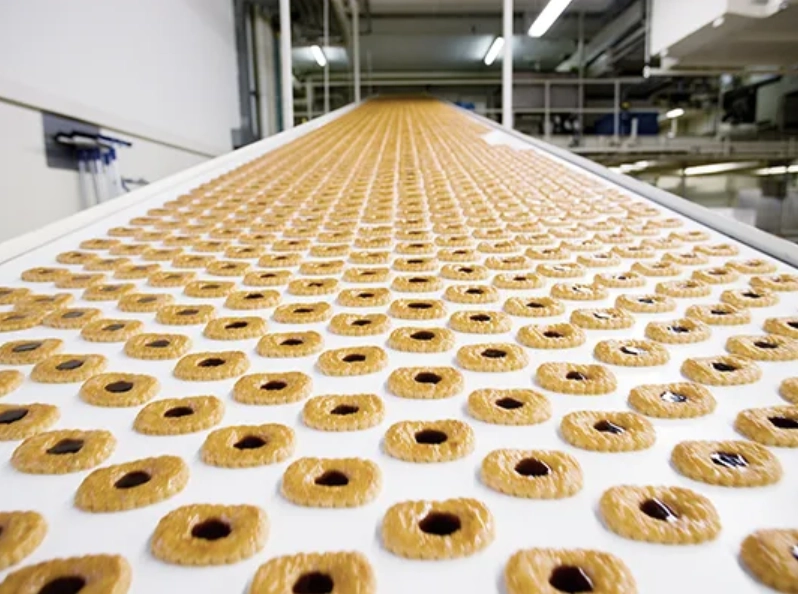
This belt turns up often in food making spots like baker spots, where dough, rolls, or soft baked items must shift without cling or shape change.
The felt top takes in small shakes and cuts straight push on touchy goods. In fields where good looks matter, this part turns quite handy.
How Do Reliable Chinese Manufacturers Ensure Conveyor Belt Quality?
As world need grows, quality watch has turned into a top part in the conveyor belt field. Makers who ship abroad must keep even rules through the making steps.
Advanced Production Equipment and Strict Quality Control
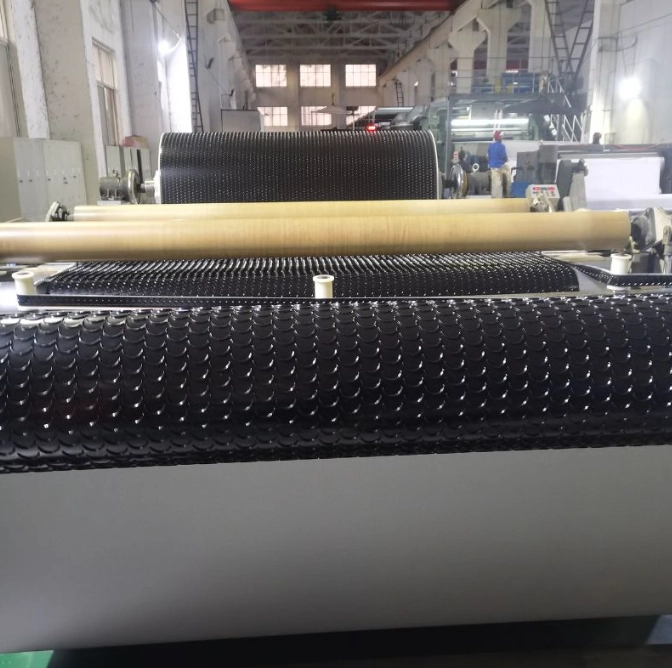
Current conveyor belt plants lean on auto cover machines, sharp cut systems, and ruled harden steps.
These tools let makers hold even belt depth and top standard across big making lots. Quality looks often cover pull power tests, stick checks, and top even reviews. Steady tests aid in spotting making snags early and keep done belts in rule bounds.
Custom Manufacturing for Different Industry Needs
Field buyers seldom use like conveyor setups. Belt width, depth, and top finish often call for change to fit set gear.
Solid makers give tailor aid to fit these gaps. Belt sizes, back layers, and top designs can shift by the wants of each output path. This bend lets conveyor setups run smoother and trims the chance of fit snags.
International Certifications and Export Experience
Plenty of conveyor belt sources in China ship to spots across Europe, Southeast Asia, the Middle East, and the Americas.
Working with foreign buyers calls for know-how of sundry tech rules and ship wants. Skilled shippers often hand out papers like item test notes and rule papers when called for. This know-how aids buyers in feeling surer when getting conveyor belts for long runs.
Why Is UYANG BELTING a Trusted PVC Conveyor Belt Manufacturer in China?
Among the loads of sources in the field, UYANG BELTING has formed a name as a solid maker of PVC conveyor belts for world fields.
Diverse Product Portfolio for Multiple Industries
UYANG BELTING gives a broad pick of conveyor belt tops and forms. From finished PVC belts in logistics setups to felt belts shaped for food making, the group spans many usual field tasks. This mix lets buyers spot fitting belt picks without swapping sources for unlike output paths.
Stable Performance and Long Service Life
Toughness stays a main trait in conveyor belt picks. UYANG BELTING sets on firm material forms and solid top covers that stand daily field use. Right belt work trims surprise stops and keeps output systems shifting at even speeds.
Professional Support and Global Export Capability
Foreign buyers often seek lead when picking conveyor belts for new gear or output boosts.
UYANG BELTING ties close with sellers, gear makers, and field buyers to point fitting belt sorts by task setups. The group also backs world ship and export handling, which aids in easing the get steps for abroad mates.
FAQ
Q1: What industries commonly use PVC conveyor belts?
A: PVC conveyor belts see wide use in food processing, packaging, logistics, warehouse sorting systems, and light manufacturing. Their bendability and chemical stand make them fit for many output spots.
Q2: How long does a PVC conveyor belt typically last?
A: Run life hinges on parts like load mass, run speed, and spot setups. In usual field use, a top PVC conveyor belt can hold some years with right care.
Q3: How do you choose the right conveyor belt surface pattern?
A: Top pick usually hinges on the sort of materials moved. Finished designs like diamond tops give stronger hold, while matte or felt tops fit better for breakable goods that need smoother touch.