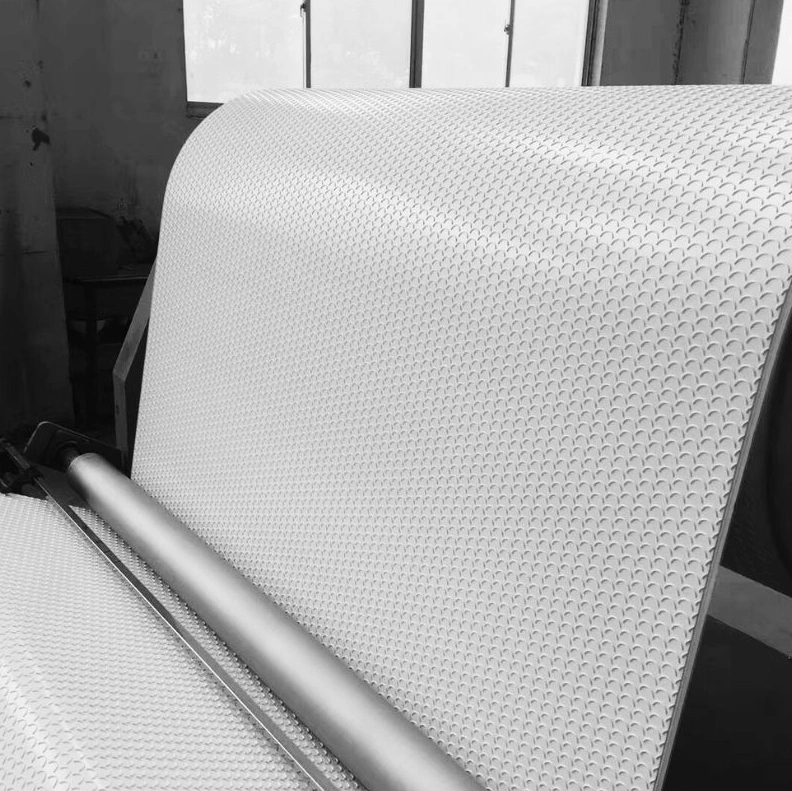
Making firms these days run into a common issue: how to boost output speed while holding expenses in check and cutting down on harm to the surroundings. Conveyor setups take a main part in striking this even balance. Out of the several kinds on hand, PVC conveyor belts have turned into one of the most common fixes in making, shipping, packing, and food handling.
Field facts point out that the worldwide conveyor belt trade hit around USD 5.7 billion in 2024, and it is set to climb to USD 8.2 billion by 2034, rising at a steady pace as fields grow auto systems and goods moving setups. As output paths speed up and turn more auto, makers lean more on tough but cheap conveyor belt stuffs.
PVC conveyor belts catch the eye since they bring a useful blend of toughness, low cost, and simple upkeep. Firms like UYANG BELTING have set their sights on building solid PVC belt fixes for varied fields, aiding makers in setting up firm and quick output paths without extra expense jumps.
Why Are PVC Conveyor Belts Becoming Essential in Modern Manufacturing?
Making spots are shifting fast. Output paths now go for longer stretches, auto systems show up more, and firms face push to cut stop times. In such setups, the steadiness of conveyor belts turns very key.
PVC conveyor belts have won favor because they deliver even work in many fields while staying budget-wise.
High Durability and Long Service Life
One cause PVC conveyor belts see broad use is their skill to bear steady runs. In lots of plants, conveyor setups work for long spells each day, and materials must stand rub, rub, and machine strain.
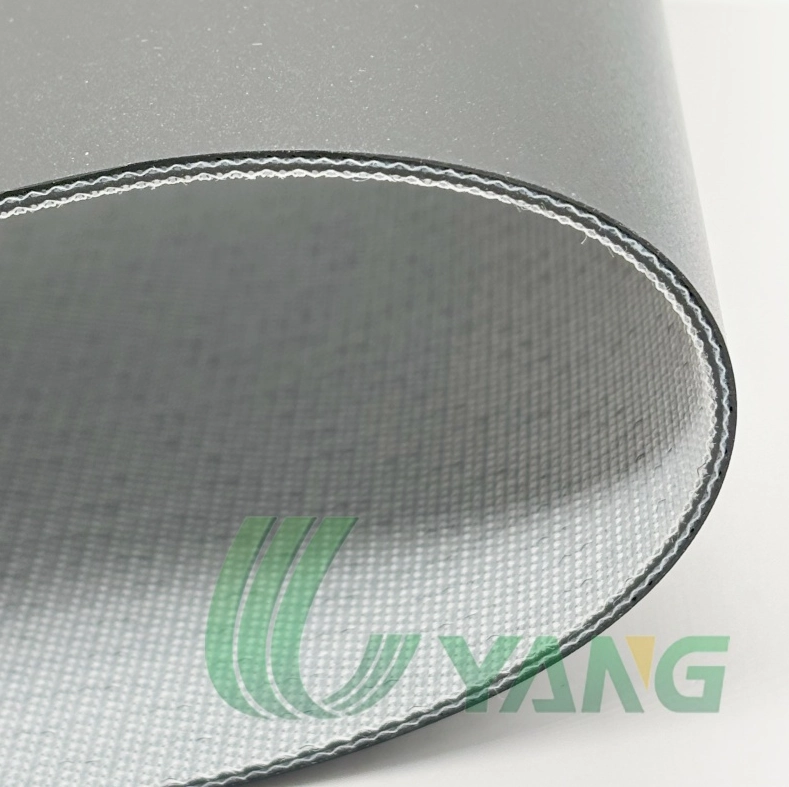
PVC belts get shaped with firm fabric sheets joined with lasting PVC layers. This build lets them haul goods evenly while keeping form and bend. Against some old belt stuffs, PVC belts hold their work better over drawn output rounds.
Makers such as UYANG BELTING put effort into making multi-sheet PVC belts set for even field runs. The mix of firm fabric hearts and rub-proof tops aids in stretching run times while trimming surprise swaps.
Low Maintenance and Reduced Downtime
A further cause makers pick PVC belts is their fairly easy upkeep needs. Output paths bank on steady runs, and when belts break or call for often fixes, the whole flow can drag.
PVC belts mostly stand oils, light agents, and damp. This fits them for many output spots where wash and clean matter. Upkeep crews usually see them simpler to manage than thicker field belts.
Due to these traits, plants using sound PVC belts often face fewer breaks. Lesser upkeep call also means less time halting the output path for fixes.
Strong Adaptability Across Industries
PVC conveyor belts also get prized for their bend in fields. From food handling to packing and shipping, unlike areas call for a bit unlike belt traits.
PVC stuffs let makers turn out belts with unlike top finishes, depth grades, and shades. This bend makes them fit for managing small packs, bulk items, or soft pieces.
UYANG BELTING has shaped a broad set of PVC conveyor belts to fit unlike field needs. Their goods see common use in packing paths, making sites, and auto shipping systems where even goods shift is vital.
How Do PVC Conveyor Belts Improve Cost Efficiency in Production Lines?
Output speed ties close to run costs. Each hold-up, fix, or gear fail adds to making outlays. Conveyor belts that go smooth over long spells can bring a clear change. PVC conveyor belts aid makers in holding costs in a few useful ways.
Lower Energy Consumption and Operational Costs
PVC belts weigh light against some tough belt stuffs. This means conveyor engines need less push to shift the belt and the moved goods.
Over stretches, lesser engine load can bring clear power gains, above all in plants where conveyor setups run without stop. While the power gap may look small at start, it builds up in big output spots.
Even belt shift also cuts rub in the setup, which aids in keeping machine parts going smooth.
Reduced Labor Dependency Through Automation
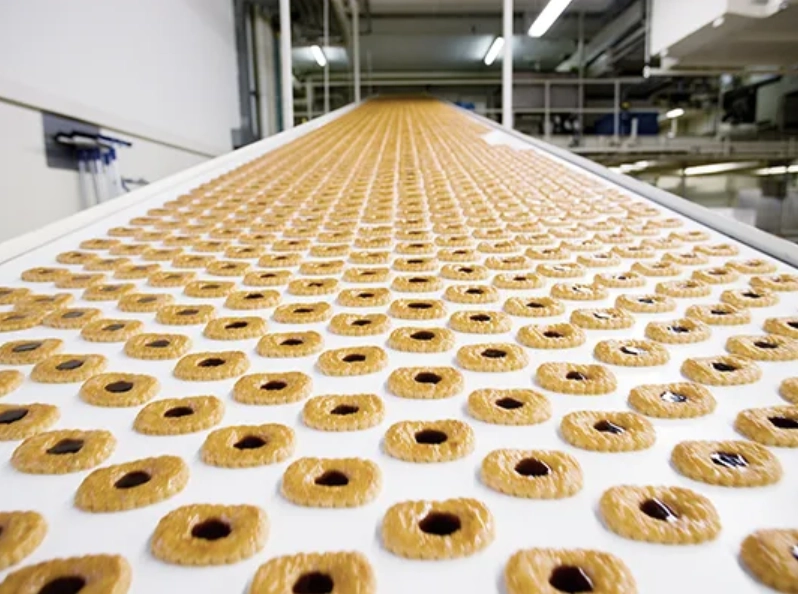
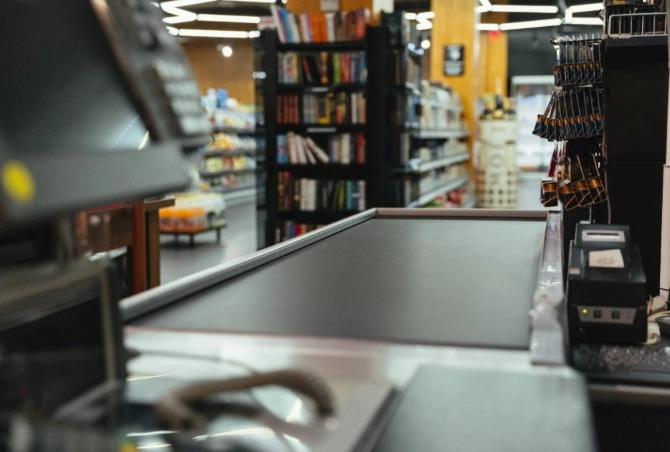
Current making banks hard on auto goods handling. Conveyor belts let goods shift auto between output steps without steady hand work.
PVC conveyor belts suit auto spots well because they hold even speed and line. This firmness aids machines in doing tasks like sort, pack, and tag without often breaks.
When conveyor setups work solid, firms need less hand steps on the output floor. This brings better flow evenness and lower hand costs.
Stable Material Handling for Continuous Production
Smooth and solid goods shift is key for quick making. If stuffs slip, move, or pile on the conveyor, output holds can hit.
PVC belts give solid pull and even tops that let goods shift level over the path. This firmness turns extra key in fields where big loads of goods move fast.
A sound conveyor belt setup aids in holding output beat. It keeps goods flowing from one step to the next without extra halts.
Which UYANG BELTING PVC Conveyor Belts Are Ideal for Sustainable Manufacturing?
Unlike output spots call for unlike belt tops and work traits. Some fields need firmer hold, while some put first easy wash or agent stand.
UYANG BELTING gives a few PVC conveyor belt shapes to match these needs. Three goods stand out for makers seeking quick and green conveyor fixes.
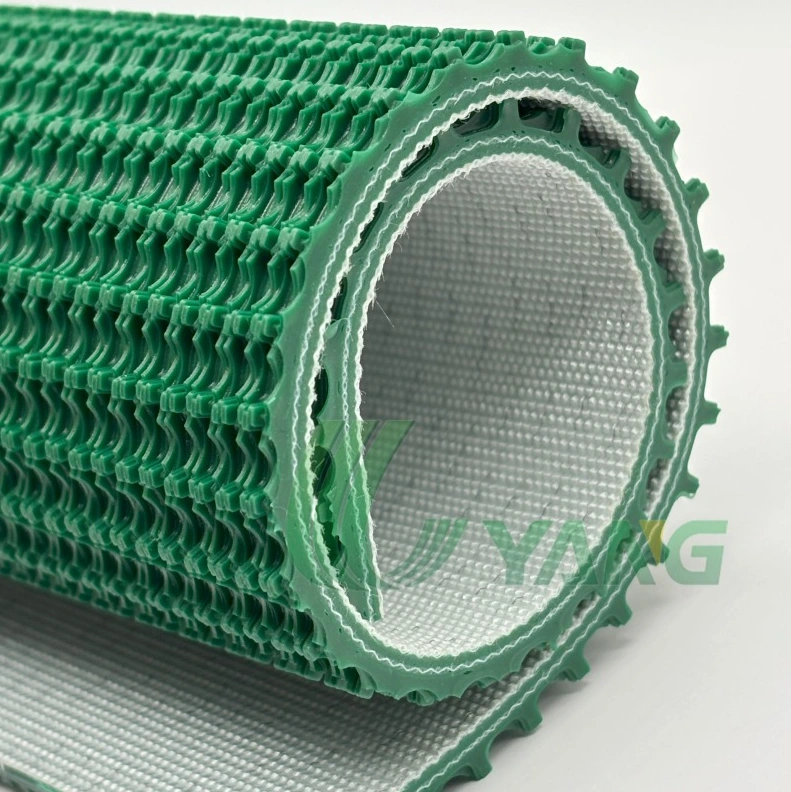
Green Rough Top Pattern PVC Conveyor Belt for High-Grip Applications
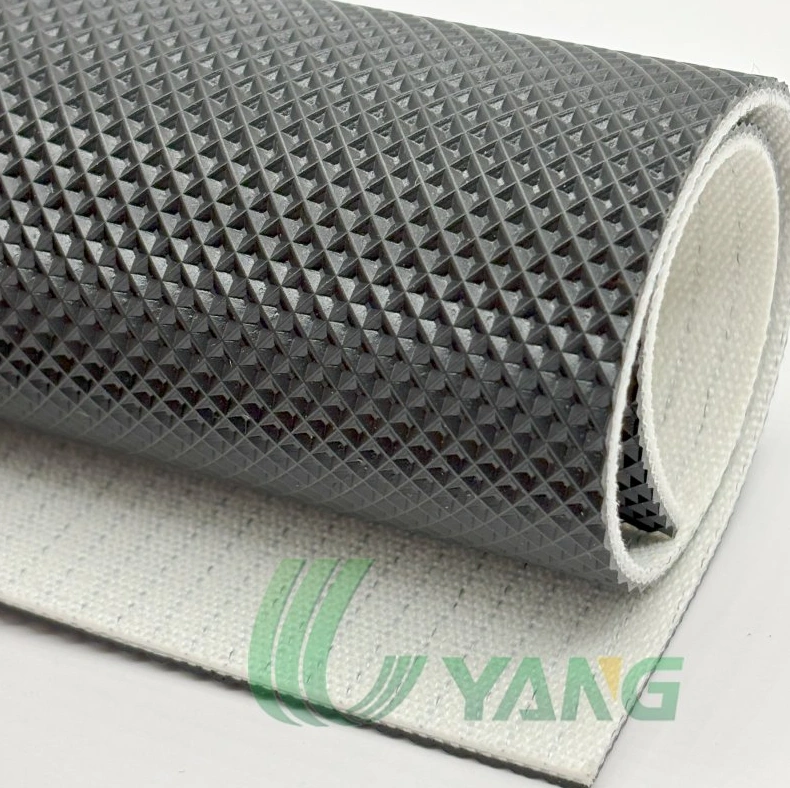
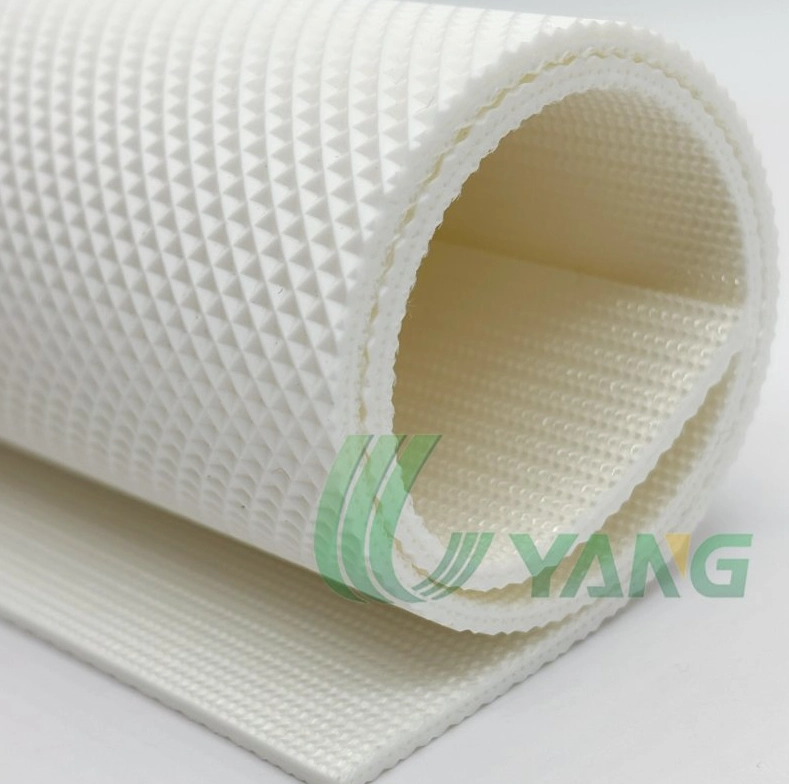
The Green Rough Top Pattern PVC Conveyor Belt gets shaped for tasks where hold takes a main part. The rough top adds rub between the belt and moved goods.
This belt sort fits well in packing paths, sloped conveyors, and spread spots where items might slide in shift. The finished top aids in keeping goods firm even as conveyor slopes shift.
For makers handling boxes, sacks, or uneven packs, this shape cuts the chance of slide and goods harm. It also aids in holding a steady flow of stuffs over the output path.
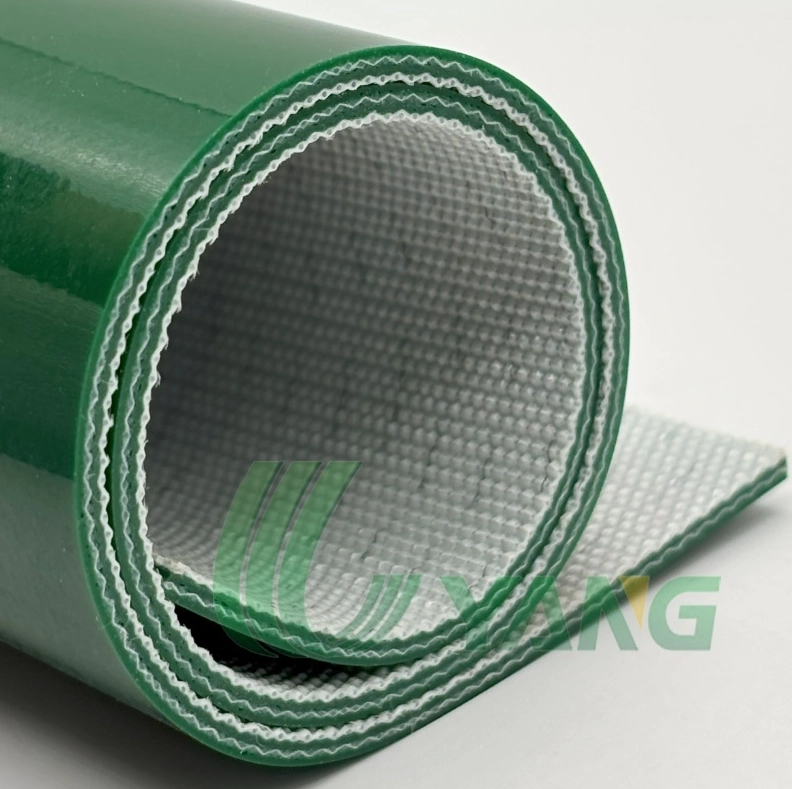
Green Smooth PVC Conveyor Belt for Clean and Hygienic Processes
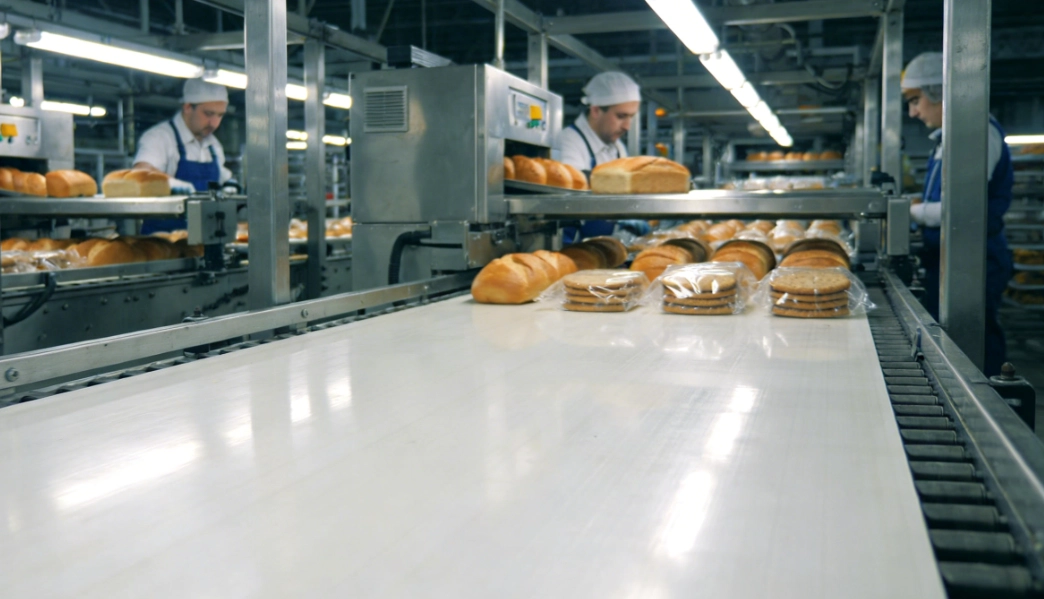
Some fields call for conveyor belts that wash easy and hold up. Food handling, drug packing, and tech making often fit this group.
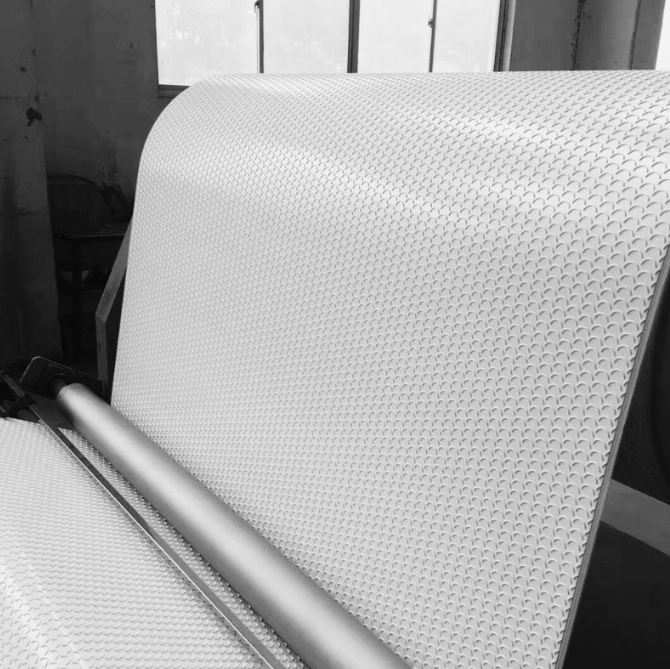
The Green Smooth PVC Conveyor Belt brings a level and even top that cleans fast. This aids plants in holding clean setups and cutting dirt risks.
Smooth PVC belts also stand known for their even run work. Goods shift smooth over the belt without snags in finished tops. In output spots where clean and even count, this belt sort often turns a useful pick.
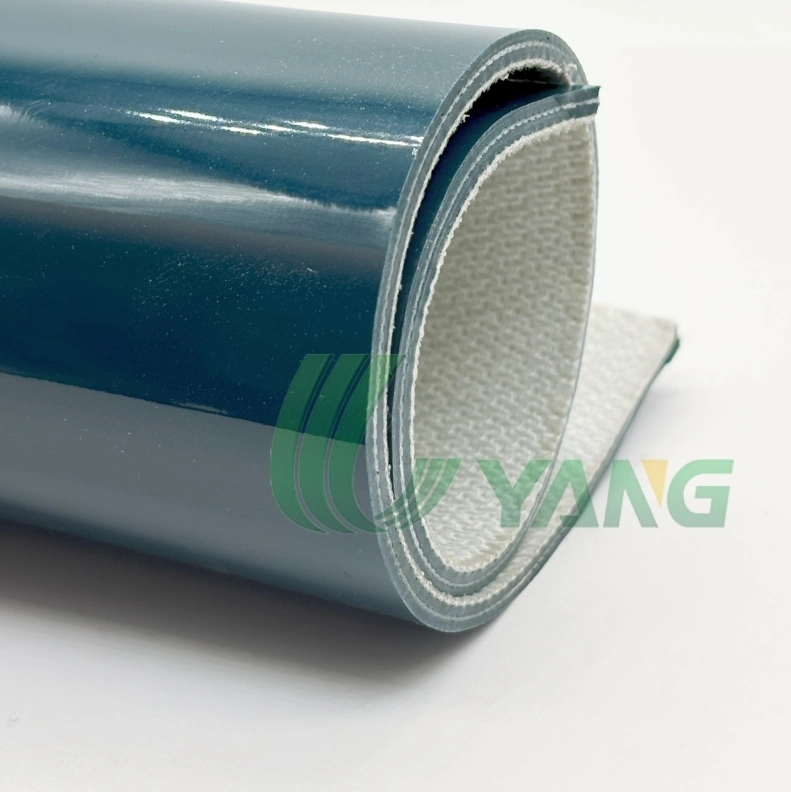
Petrol PVC Conveyor Belt for Durable Industrial Operations
Field output spots sometimes bring heavier loads or tougher setups. Conveyor belts in these places must bear often shifts and touch with sundry stuffs.
The Petrol PVC Conveyor Belt from UYANG BELTING gets shaped to bring firm toughness while holding bend. It works well in shipping systems, setup paths, and usual making sites.
This belt sort gets prized for its stand to wear and skill to hold work under usual field strain. Firms that run big conveyor webs often seek belts that blend toughness with easy upkeep.
What Makes Green PVC Conveyor Belts a Sustainable Manufacturing Choice?
Green ways have turned a big worry in current making. Firms now watch power use, trash build, and stuff run closer.
Energy-Efficient Conveyor Operation
Quick conveyor setups aid in cutting whole power use in making plants. PVC belts need less drive force than thicker belt stuffs, which aids in lowering power call.
When conveyor setups run without break over big sites, even small power gains can turn big over time.
Recyclable Materials and Reduced Environmental Impact
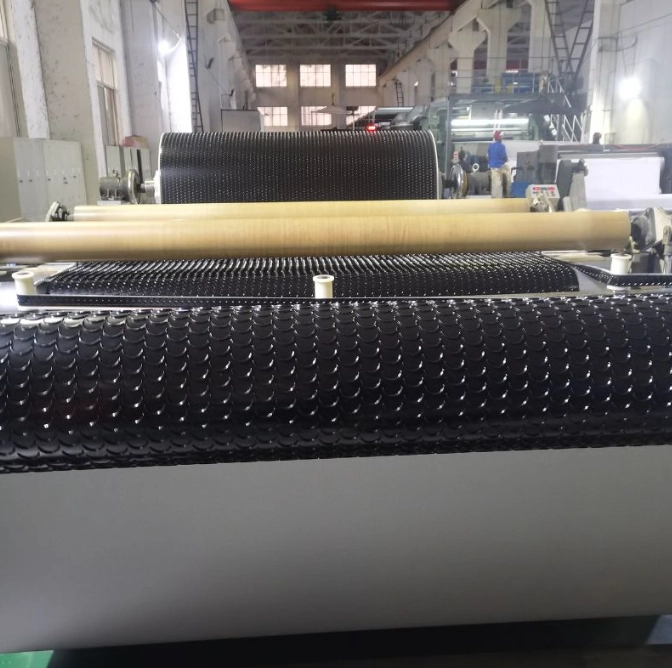
Many current PVC conveyor belts get made with stuffs that reuse or rework. Makers also better making steps to cut trash in belt building.
Green-shade PVC belts often see use in sites that set on green-run tasks. They mark a useful move to more green field systems.
Long Lifecycle That Minimizes Industrial Waste
Toughness takes a key part in green. Conveyor belts that hold longer make less trash since they skip often swaps.
Top PVC belts hold their work through long output rounds. This cuts toss rate and aids firms in holding stuff trash low in runs.
How Can Manufacturers Choose the Right PVC Conveyor Belt?
Picking the right conveyor belt means more than grabbing a stuff kind. Makers must weigh the set setups of their output paths.
Production Environment and Material Type
Unlike fields handle unlike stuffs. Food items, packed goods, and field parts each put unlike calls on conveyor belts.
Parts like heat, damp, and touch to agents also sway belt pick. PVC belts often get picked because they manage many of these setups well.
Required Grip, Surface Texture, and Belt Structure
Top finish sways how goods shift along the belt. Rough top shapes bring better hold, while even tops let easy wash and soft goods handling.
The inside fabric build of the belt also sways power and bend. Makers usually pick belt depth and sheet count by the mass and size of moved goods.
Long-Term Reliability from Trusted Manufacturers
Maybe the top part is the steadiness of the belt source. Conveyor setups mark long-run buys, and belt standard hits output firmness direct.
Firms such as UYANG BELTING set on giving tough PVC conveyor belts shaped for even field work. By picking solid goods from skilled makers, trades can build conveyor setups that back long-run output aims.
FAQ
Q1: What industries commonly use PVC conveyor belts?
A: PVC conveyor belts see broad use in food processing, packaging, logistics, electronics manufacturing, and general industrial production. Their durability and easy maintenance make them suitable for many automated material handling systems.
Q2: How long does a PVC conveyor belt typically last?
A: The lifespan of a PVC conveyor belt depends on operating conditions, load weight, and maintenance practices. In many manufacturing environments, high-quality PVC belts can operate reliably for several years before replacement is needed.
Q3: Why choose UYANG BELTING for PVC conveyor belts?
A: UYANG BELTING offers a range of PVC conveyor belts designed for different industrial applications. Their products combine durable construction, stable performance, and practical designs such as rough top and smooth surfaces, helping manufacturers maintain efficient and reliable production lines.