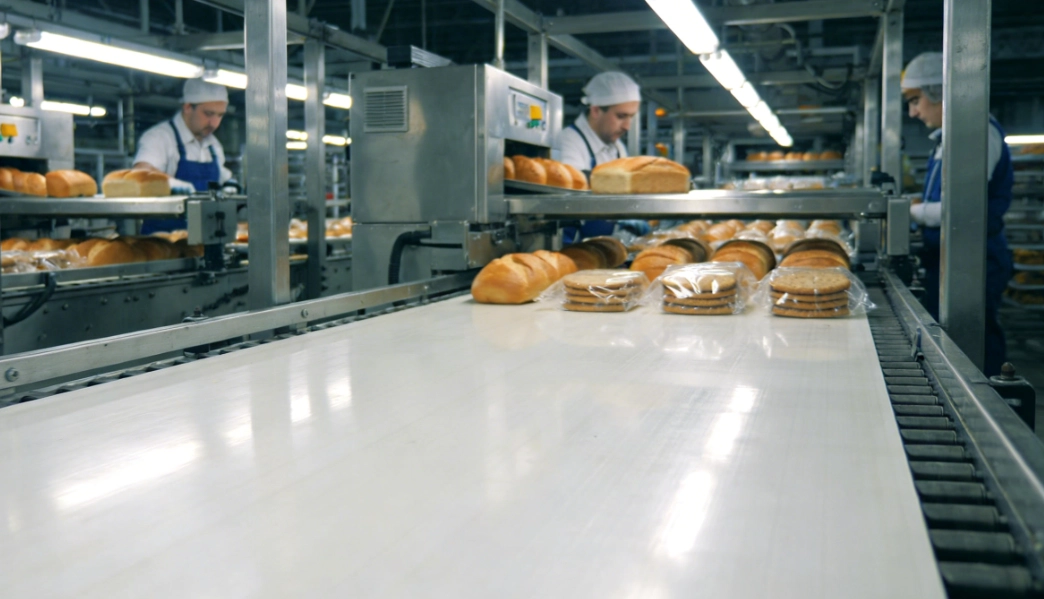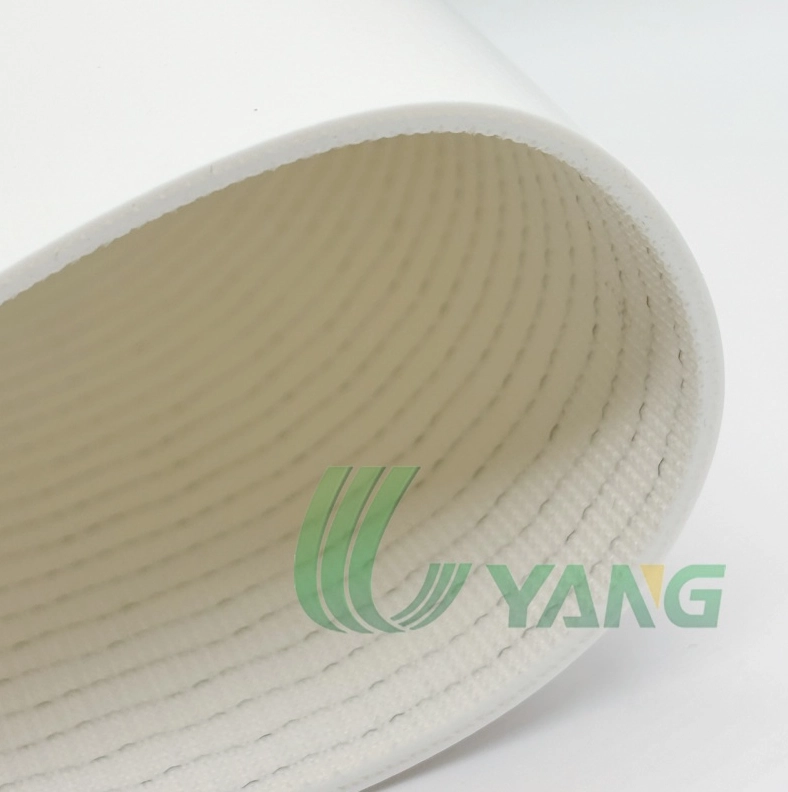
In today’s busy manufacturing and food processing areas, white conveyor belts go beyond simple looks. They stand for cleanliness rules, item safety, and neat production setups. As worldwide need for conveyor systems keeps rising, the choice of material for a belt truly impacts how long it lasts, its cleanliness level, how much it can carry, and overall costs over time.
Industry reports show that the global conveyor belt market hit USD 5.7 billion in 2024, and it is expected to increase steadily through the coming years. Belts made from polymers like PVC and PU hold the biggest part of the market, particularly in food, packaging, shipping, and light factory work.
UYANG BELTING specializes in polymer and rubber conveyor belt options with reliable quality and solid production skills. Its white PVC, PU, and rubber belts see wide use in food handling, packaging setups, and everyday industrial moving tasks. Knowing the main differences between these materials aids buyers in picking the best fit for their needs, instead of just going by cost alone.
What Is A White PVC Conveyor Belt?
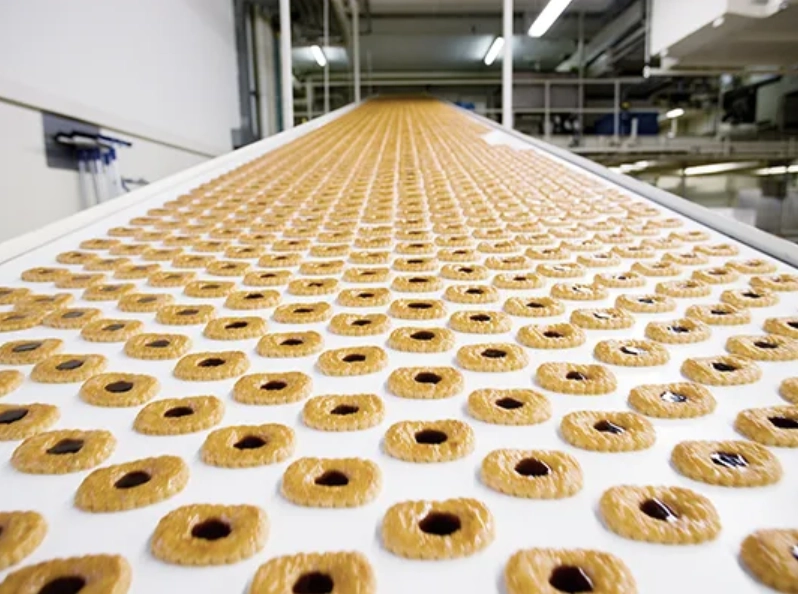
White PVC conveyor belts find common use in food and packaging fields because they strike a good balance among price, toughness, and simple upkeep. The PVC material gives good protection against chemicals and a steady surface, so it works well for light to medium carrying jobs.
Moreover, PVC belts stay as one of the top picks in flat belt arrangements, especially in spots where cleanliness and quick cleaning matter a lot.
Overview Of PVC Belt Material
White PVC belts come from polyvinyl chloride mixes spread over polyester cloth. This setup brings flexibility, pulling strength, and defense against oils and gentle chemicals.
Furthermore, PVC belts handle temperatures from about -10°C to 80°C quite well, and they often appear in bakery lines, vegetable handling, packaging machines, and basic factory automation. When compared to rubber belts, PVC ones weigh less and prove simpler to join and set up.
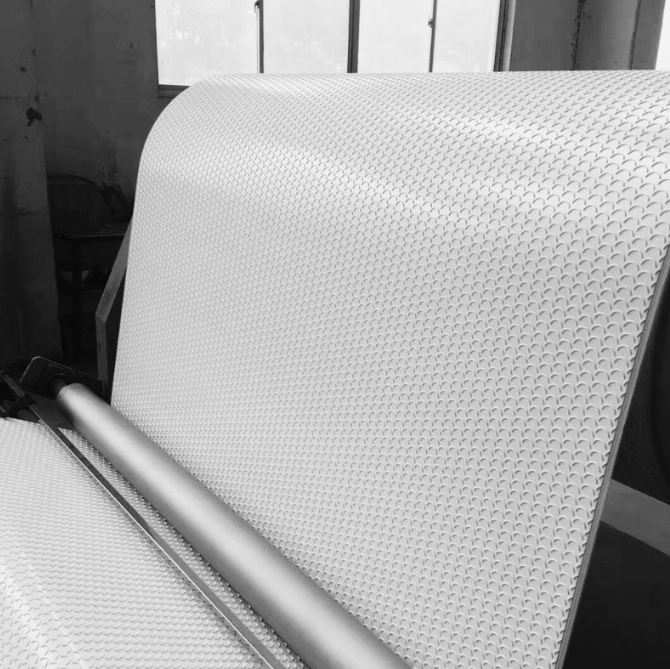
Features Of Crescent Top White PVC Conveyor Belt
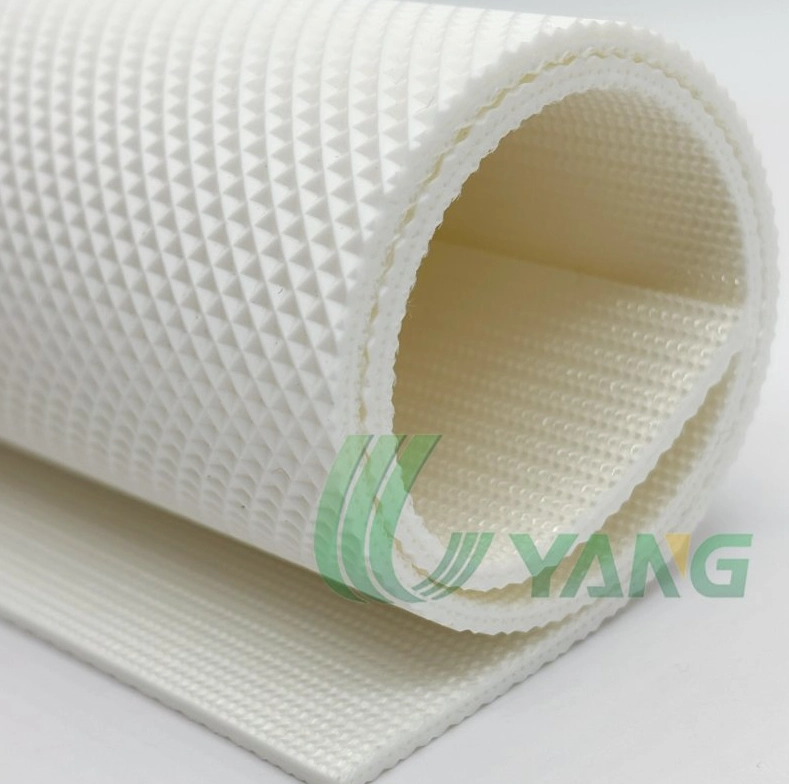
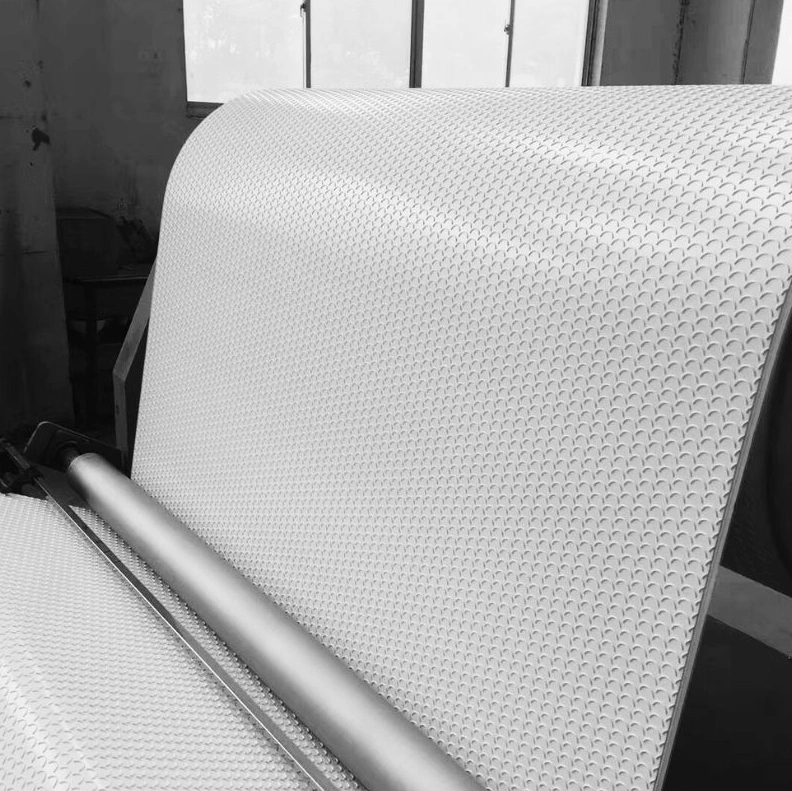
The Crescent Top White PVC Conveyor Belt from UYANG BELTING has a patterned crescent surface. This design boosts hold during uphill moving and cuts down on item sliding.
In addition, the crescent top setup suits carrying boxed items, boxes, or loose pieces that need steady flow. It also helps prevent material flow-back on minor slopes. Besides, the belt keeps solid bendability while holding firm surface toughness to fight wear.
Typical Applications And Advantages
White PVC belts often serve in food packaging, shipping sort systems, label lines, and light putting-together tasks. They allow simple washing, steady path-keeping, and fair wear defense.
Thus, for companies seeking a budget-friendly and trustworthy flat belt answer, PVC stands as a sensible pick. It matches medium-weight uses and functions nicely in standard plant settings.
What Is A White PU Conveyor Belt?
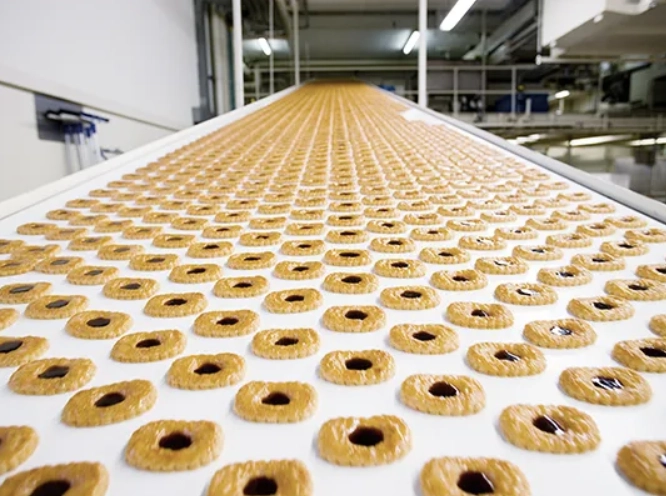
People often choose polyurethane belts when they need stricter cleanliness rules or better defense against wear. Unlike PVC, PU material delivers stronger guard against oils and enhanced machine traits. In food handling spots with straight item touch, PU belts get picked more often.
Overview Of PU Belt Material
White PU conveyor belts arise from thermoplastic polyurethane placed over cloth support. The PU material shows firm resistance to animal fats, plant oils, and some washing chemicals.
It further provides low slide traits, which fit precise moving and fast lines. Generally, PU belts run smoothly from -20°C to 100°C, based on their build.
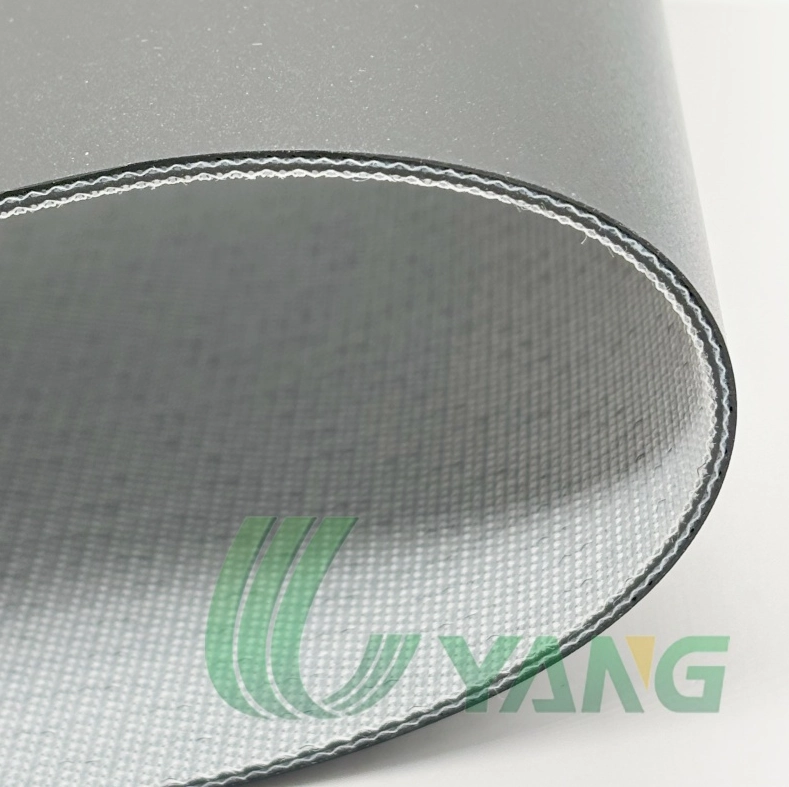
Features Of UYANG 0.8mm White PU Smooth Conveyor Belt
The UYANG 0.8mm White PU Smooth Conveyor Belt suits light and exact uses. Its slim build permits tight wheel sizes and even shift between rollers.
Additionally, the even surface lowers leftover buildup and simplifies washing. This counts a lot in bakery, sweet making, meat handling, and drug setups. The 0.8mm depth backs light items while keeping bendability and solid pulling power.
Typical Applications And Advantages
White PU belts see broad use in straight food touch handling lines, like dough work, candy making, and frozen food systems. They also do well in electronics putting-together and small piece moving.
Their greater wear defense over PVC stretches out use time in tough spots. For tasks needing cleanroom-like rules or regular rinse-downs, PU belts bring real benefits.
What Is A White Rubber Conveyor Belt?
White rubber conveyor belts usually get chosen for tougher jobs where power and hit defense rank higher than light bendability. Rubber belts have served industrial areas for years thanks to their lasting nature and carry power.
Overview Of Rubber Belt Material
White rubber conveyor belts form from natural or man-made rubber mixes backed with canvas or cloth layers. Rubber brings strong hit defense and high pulling power.
These belts fit medium to heavy carry tasks, and they handle rough treatment better than most polymer belts. However, they weigh more and often need bigger wheel systems.
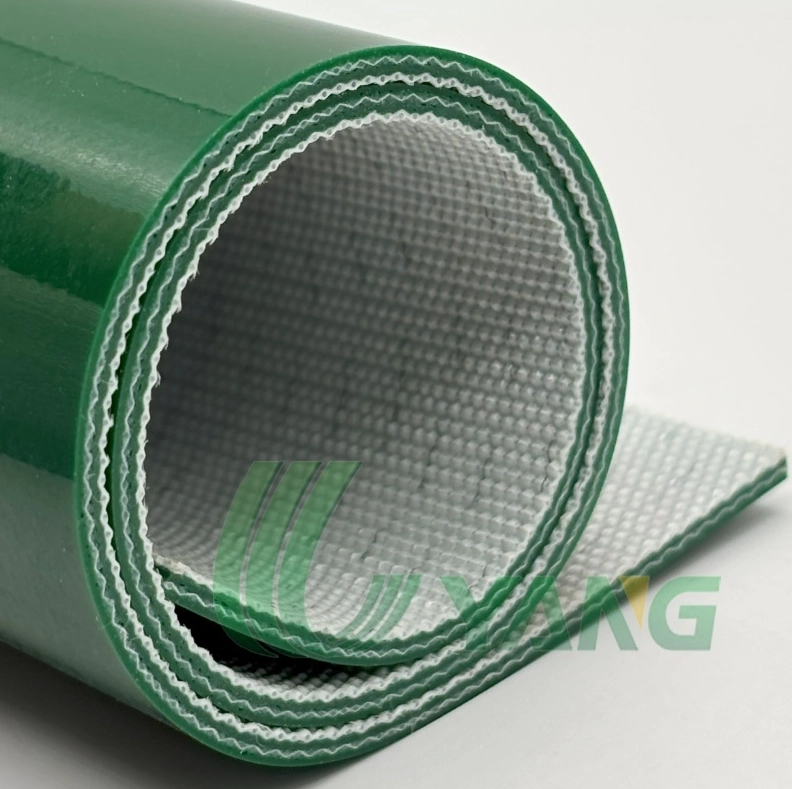
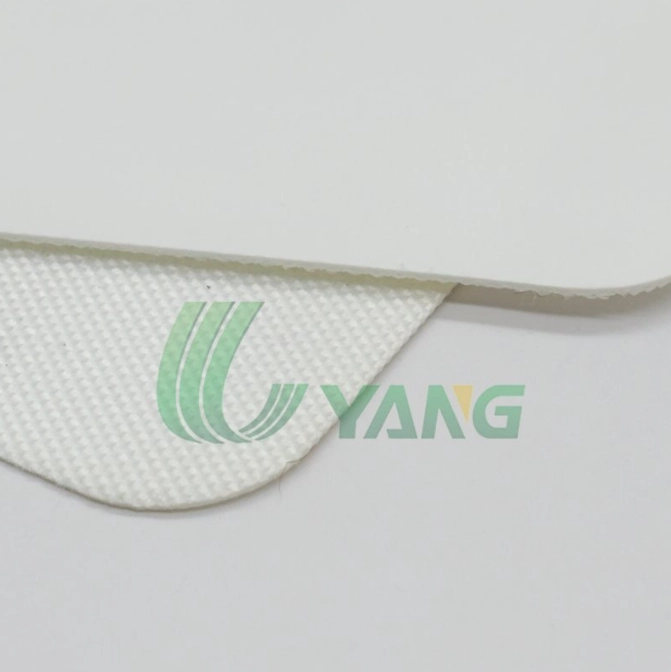
Features Of 4.0mm White Canvas Rubber Conveyor Belt
The 4.0mm White Canvas Rubber Conveyor Belt from UYANG BELTING includes backed canvas layers within the belt. This build raises carry power and rip defense.
The 4.0mm depth lets the belt manage bulk items, boxed goods, and weightier factory products. Plus, the white rubber face also fits cleanliness needs in certain making areas where dark rubber dirt is not okay.
Typical Applications And Advantages
White rubber belts commonly appear in general making, reuse lines, and medium-weight moving systems. They manage bigger hit loads and give longer use time under hard work. For plants handling bulk items or strict move conditions, rubber belts stay a firm and reliable choice.
How Do White PVC, PU And Rubber Conveyor Belts Differ?
Although all three materials handle moving tasks, their work traits differ a great deal. Picking the correct belt hinges on item kind, cleanliness needs, work heat, and carry states. Grasping these differences stops surprise stops and early belt swaps.
Performance Comparison Across Materials
PVC belts give even work for light to medium jobs. PU belts show firmer oil defense and better wear work. Rubber belts supply top power and hit defense for weightier loads.
If the task includes uphill transport with boxed goods, patterned PVC like the Crescent Top model fits nicely. For straight food touch, smooth PU belts usually get favored. For weightier loads, rubber belts hold more with lower tear risk.
Surface Finish And Product Handling Differences
Surface style influences hold and item flow. The crescent top PVC belt raises pull. The smooth PU belt aids soft item handling and simple washing. Rubber belts often have a sturdier surface fit for factory goods. In food lines, surface cleanliness usually guides the choice, whereas in shipping and packaging, hold and lasting may count more.
Maintenance, Durability And Wear Resistance
PU belts often endure longer in rough and oily spots. PVC belts prove easy to keep up and swap at fair price. Rubber belts need firmer hold setups but can take hard work states. Upkeep times, rinse habits, and run hours all shape the last belt pick.
Why Choose UYANG BELTING White Conveyor Belts?
With rising need in worldwide making and food fields, steady belt supply counts as much as item quality. UYANG BELTING supplies white PVC, PU, and rubber conveyor belts with uniform making rules and tailor skills.
Quality Assurance And Manufacturing Expertise
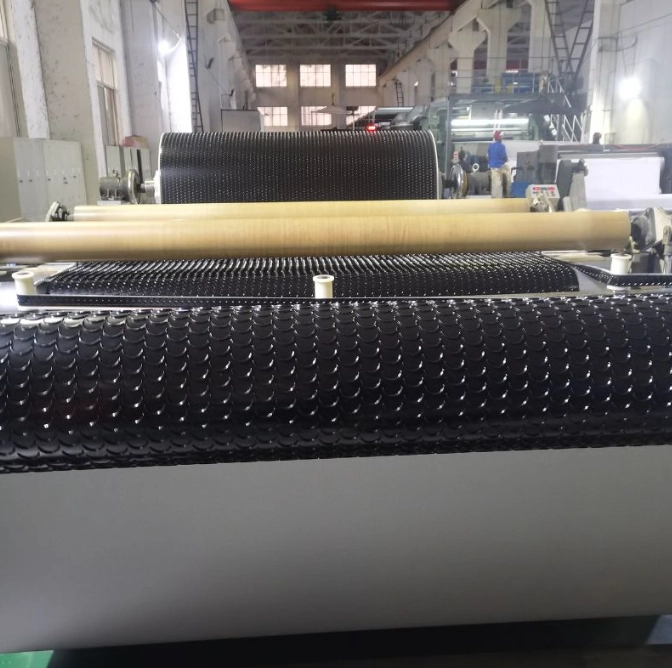
UYANG BELTING stresses steady raw item getting, managed making steps, and tight quality checks. Each belt kind gets tested for pulling power, depth correctness, and surface wholeness. This cuts changes between lots and backs long-run ties with OEM and factory buyers.
Custom Options And Industry Support
Various fields need varied belt widths, depths, and surface builds. UYANG gives tailored belt answers, including surface styles, depth changes, and back layers. Tech help aids in matching the belt to true work states, rather than common guesses.
Best Choice For Specific Conveying Needs
PVC belts match packaging and light making. PU belts suit cleanliness-key food handling. Rubber belts serve weightier factory transport.
By giving all three material groups, UYANG BELTING lets buyers weigh choices in one seller setup. That cuts getting hassle and speeds up wait time.
FAQ
Q1: Which White Conveyor Belt Is Best For Food Processing?
A: For straight food touch and strict cleanliness rules, white PU conveyor belts usually get favored because of their oil defense and simple washing surface.
Q2: Is White PVC Conveyor Belt Suitable For Incline Conveying?
A: Yes, particularly patterned types like the Crescent Top White PVC Conveyor Belt, since the surface style boosts hold and lowers item slipping.
Q3: When Should White Rubber Conveyor Belt Be Chosen Over PVC Or PU?
A: White rubber belts suit medium to heavy load tasks where firmer hit defense and pulling power are needed.